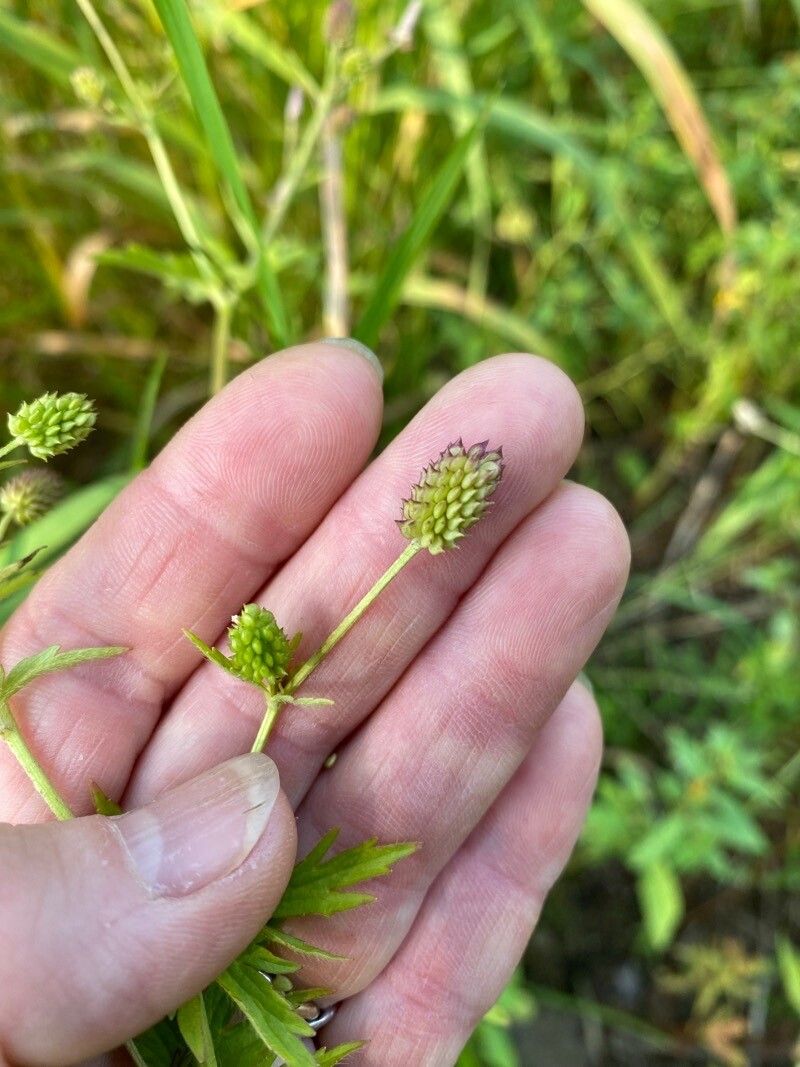
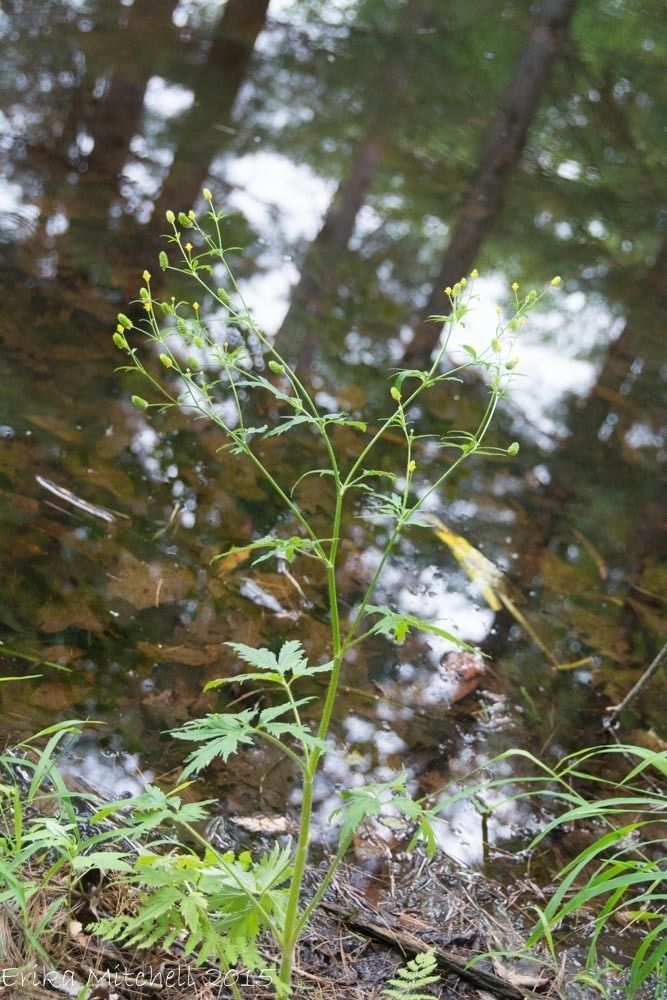
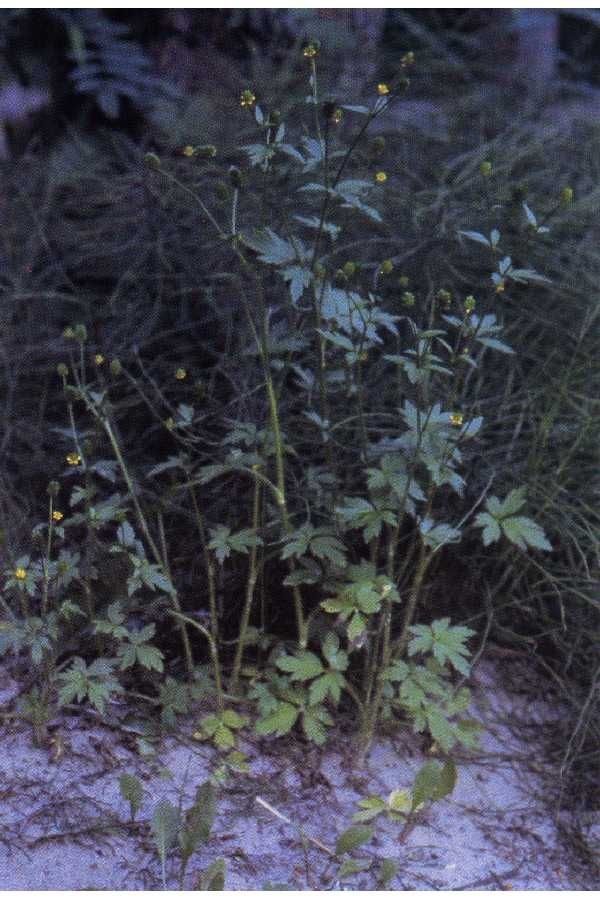
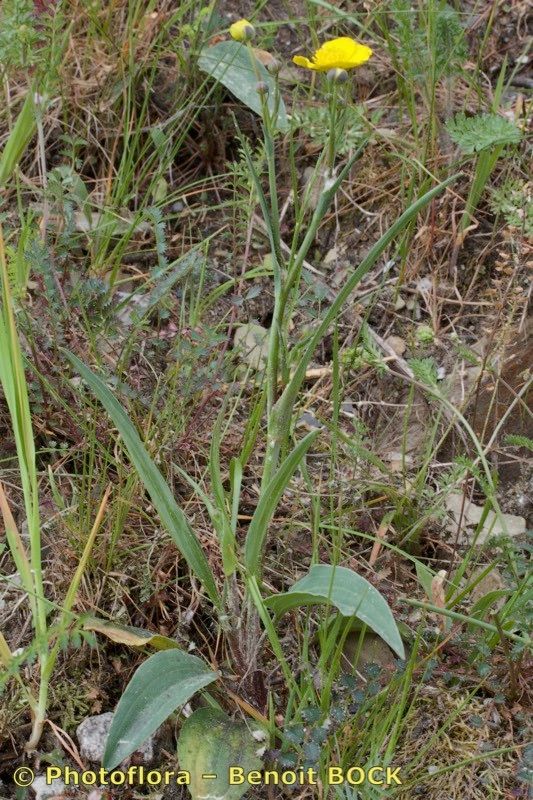
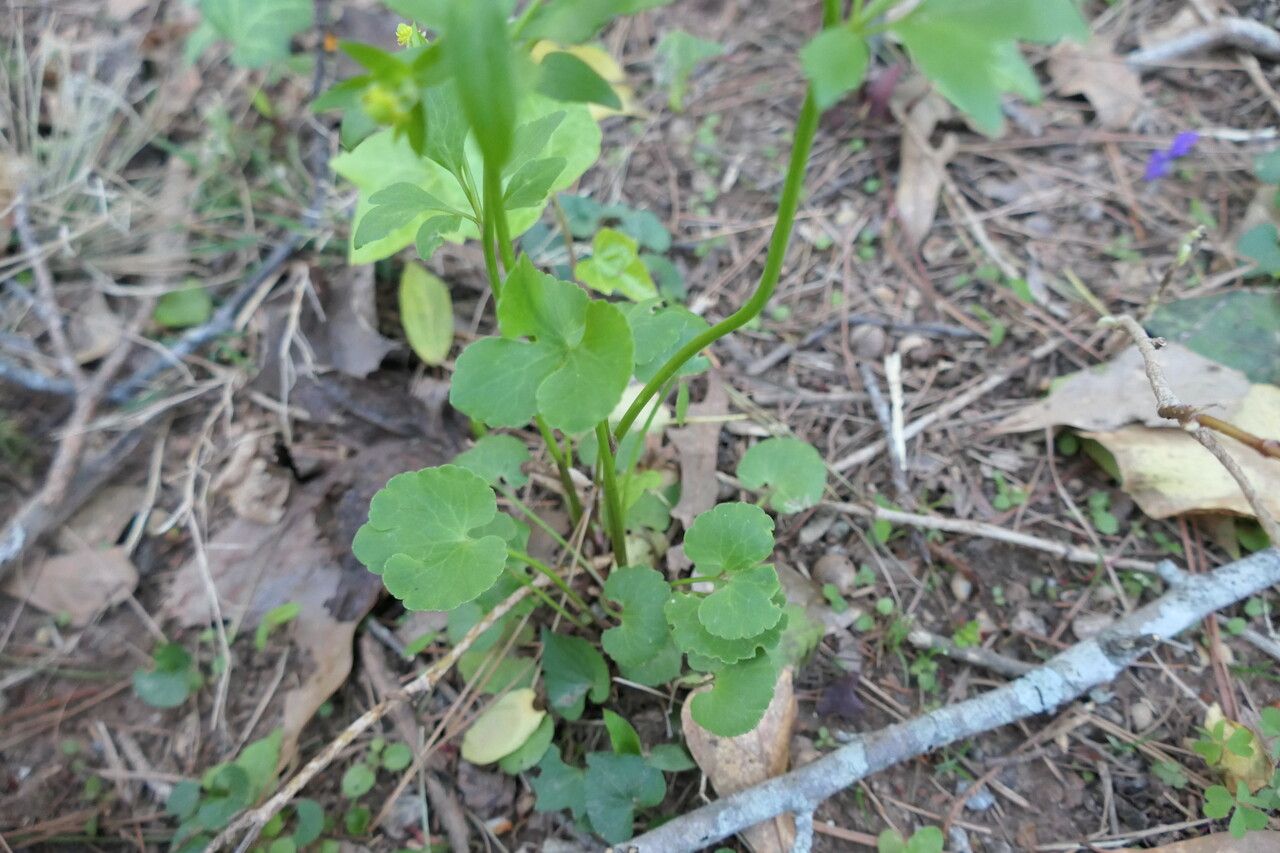
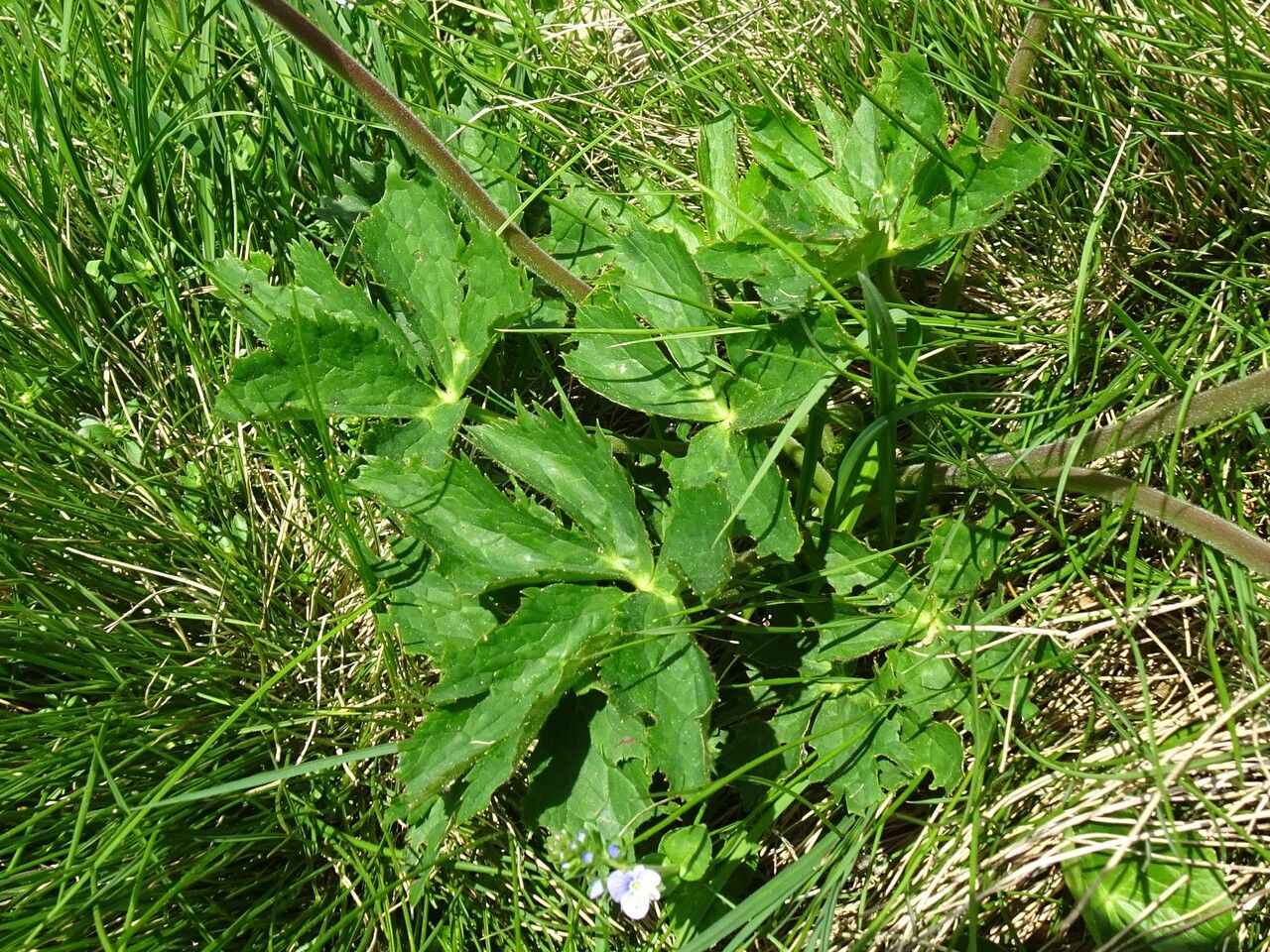
Ranunculus pensylvanicus, commonly known as the Pennsylvania buttercup, is a herbaceous perennial plant in the Ranunculaceae family. Native to North America, it thrives in various habitats including meadows, fields, and woodlands.
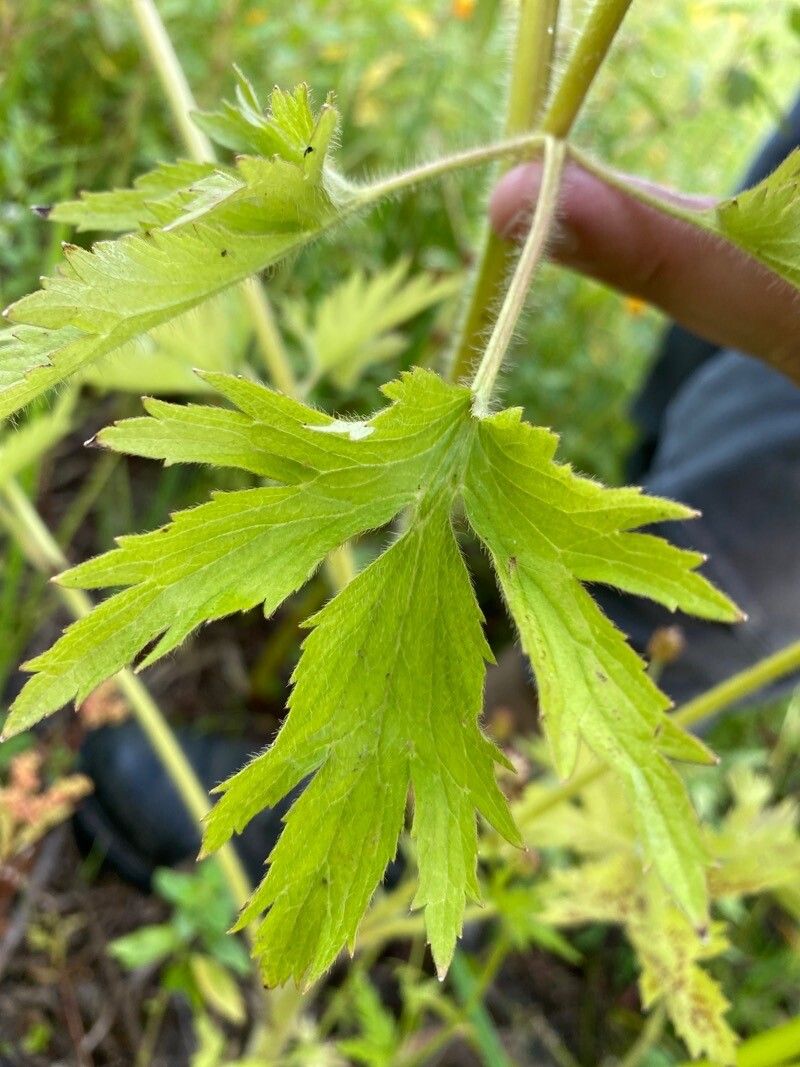
The plant can grow up to 60 cm tall and features a basal rosette of deeply lobed leaves. Its hairy stem supports one or more yellow flowers, each with five petals, that bloom from May to July.
Although Pennsylvania buttercup prefers moist soils, it can tolerate dry conditions once it is established. It spreads through rhizomes and self-seeding, but it is not considered invasive.
Traditionally, the plant has been used for its diuretic properties, although caution is advised. It contains toxic compounds that can cause skin irritation or gastrointestinal distress if ingested in large quantities.
Overall, Ranunculus pensylvanicus adds beauty to natural landscapes and provides ecological benefits by attracting pollinators such as bees and butterflies.
Pennsylvania buttercup generally shows good resistance to disease and is not commonly affected by them. That said, it can be vulnerable to pests and diseases found in its surroundings. These problems are typically mild. For care, the plant needs moderate maintenance. Regular pruning is necessary to keep a neat appearance and support healthy growth. Fertilizing can also help encourage flowering. Pennsylvania buttercup is well suited to people with outdoor areas, such as a garden or patio, and does not require extensive care experience. It may demand more attention if grown indoors.
How to keep Ranunculus Pensylvanicus.
Light
The Pennsylvania buttercup is native to habitats with dappled light, such as forest understories or rocky sites that offer natural shade. It does well in partial sun but can also tolerate full sun.
Water
The Pennsylvania buttercup thrives in moist environments by effectively retaining water. It prefers conditions with consistent moisture but without becoming waterlogged, typically requiring irrigation twice a week. When grown outdoors, it benefits from natural rainfall, especially during the rainy season, which helps to enhance both its foliage and flowering potential.
Temperature
The Pennsylvania buttercup can tolerate a wide range of temperatures, but its distribution may still be constrained by different combinations of moisture and heat. It performs best in warm summer climates with adequate rainfall or watering. Extended periods of cloudy, rainy weather or prolonged high temperatures can raise the likelihood of the Pennsylvania buttercup dying. In winter, suitable protection from cold can increase the plant’s survival rate.
Fertilizer
When most of the Pennsylvania buttercup's flowers have fully opened, resume fertilizing. Around the peak bloom period, feed it every three to four weeks, weather permitting. Once the plant begins producing fewer new flowers, stop fertilizing — there's no reason to feed it when it can no longer produce additional blooms.
Pruning
The Pennsylvania buttercup, known for its bright yellow flowers and creeping growth habit, benefits from pruning between early and late spring. To promote a healthier and more visually appealing plant, remove dead stems and thin out crowded areas. This improves air circulation, prevents disease, and enhances flowering.
Botanical profile.
- Plant Type
- Herb
- Life Cycle
- Annual, Perennial
- Genus
- Ranunculus
- Family
- Ranunculaceae
- Hardiness Zone
- 4-8
- Mature Height
- 30 cm to 91 cm
- Mature Spread
- 20 cm to 40 cm
- Leaf Color
- Green, Dark Green
- Leaf Type
- Deciduous
- Flower Color
- Yellow
- Flower Size
- 1.02 cm to 1.52 cm
- Bloom Time
- Summer
- Planting Time
- Spring, Summer
- Harvest Time
- Late summer, Early fall, Mid fall
Other names.
Reader questions.
What are the sunlight requirements for Pennsylvania buttercup?
The Pennsylvania buttercup (Ranunculus pensylvanicus) thrives in areas that receive full sun, defined as locations that get more than 6 hours of sunlight daily. It's important to observe how sunlight moves through your garden throughout the day. Select spots that offer a good balance of light and shade to ensure the well-being of your plants, making them happier and more vibrant.