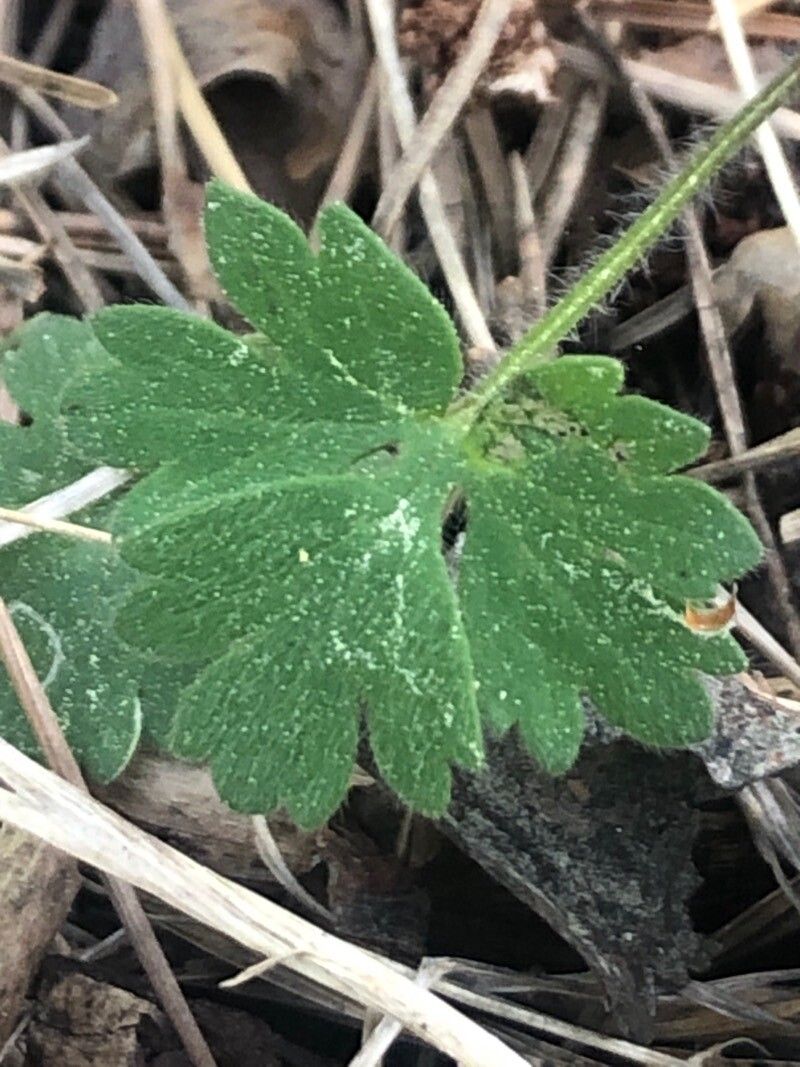
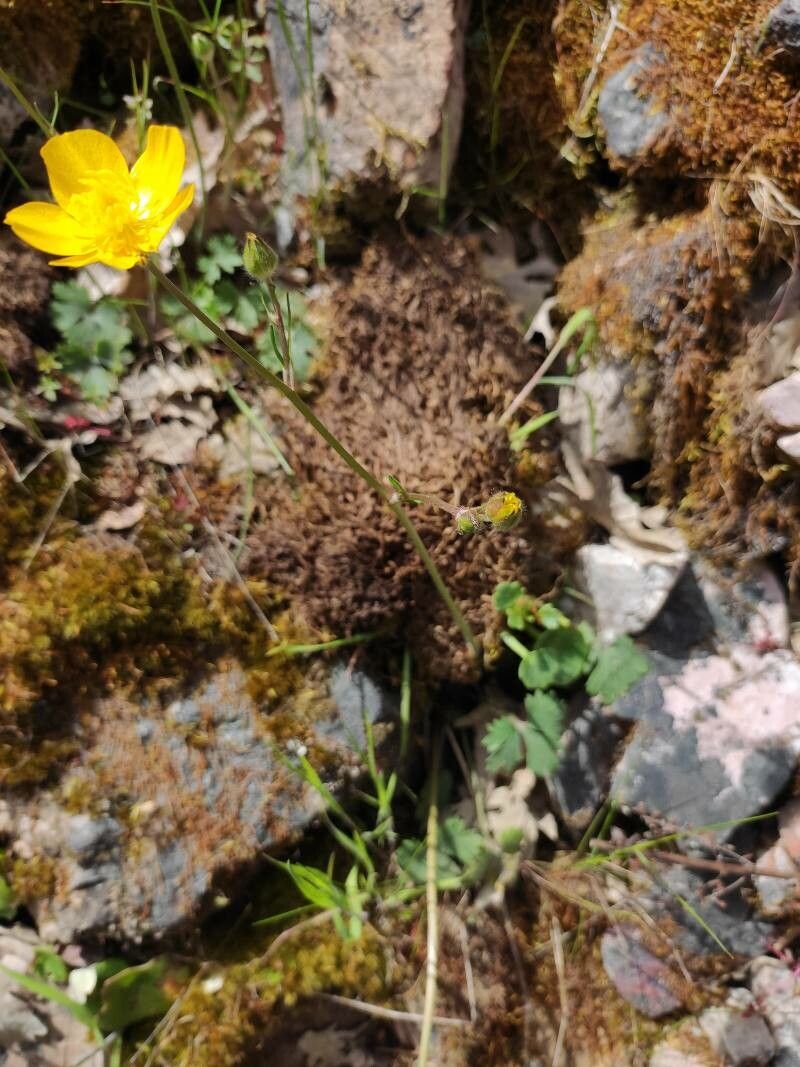
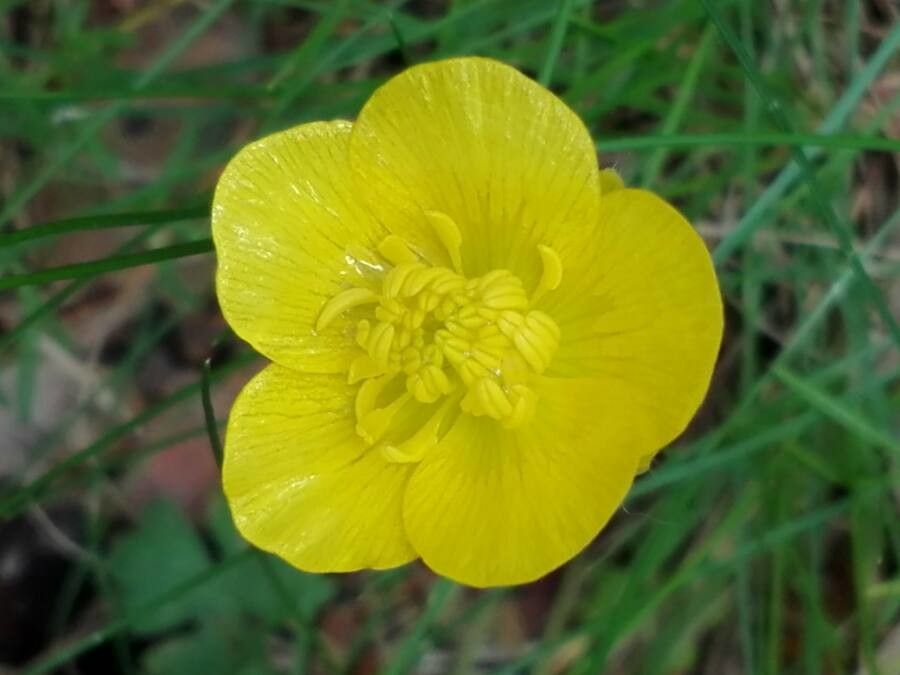
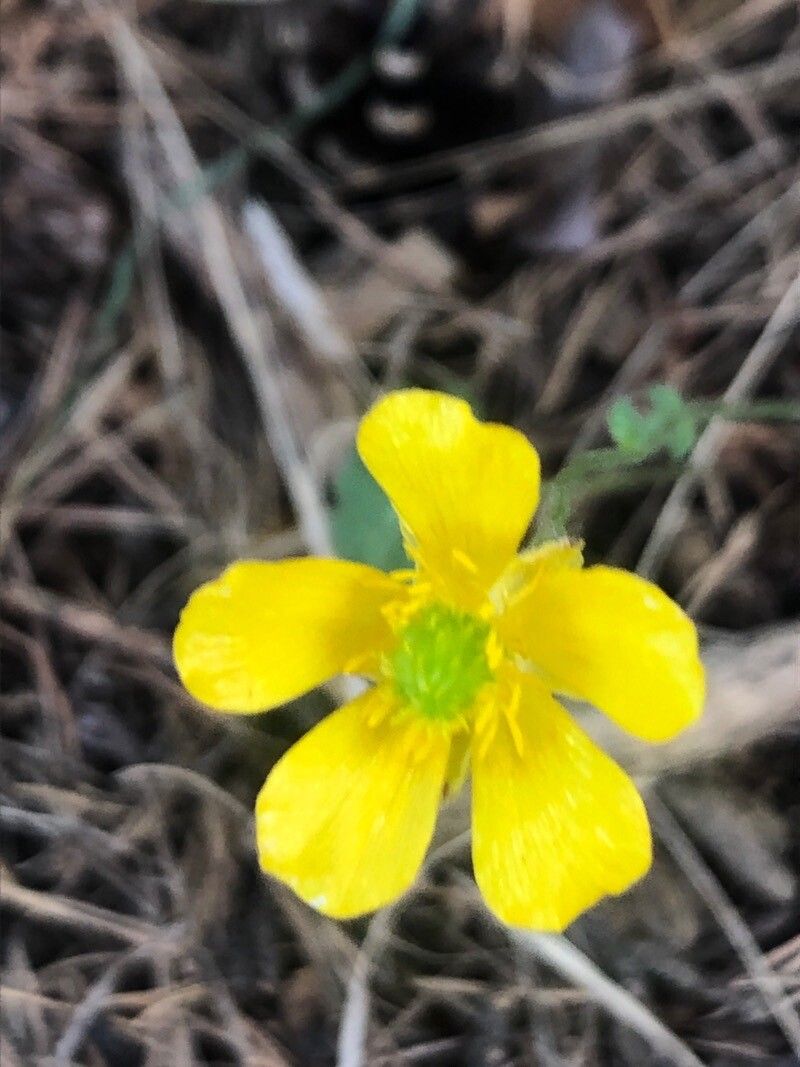
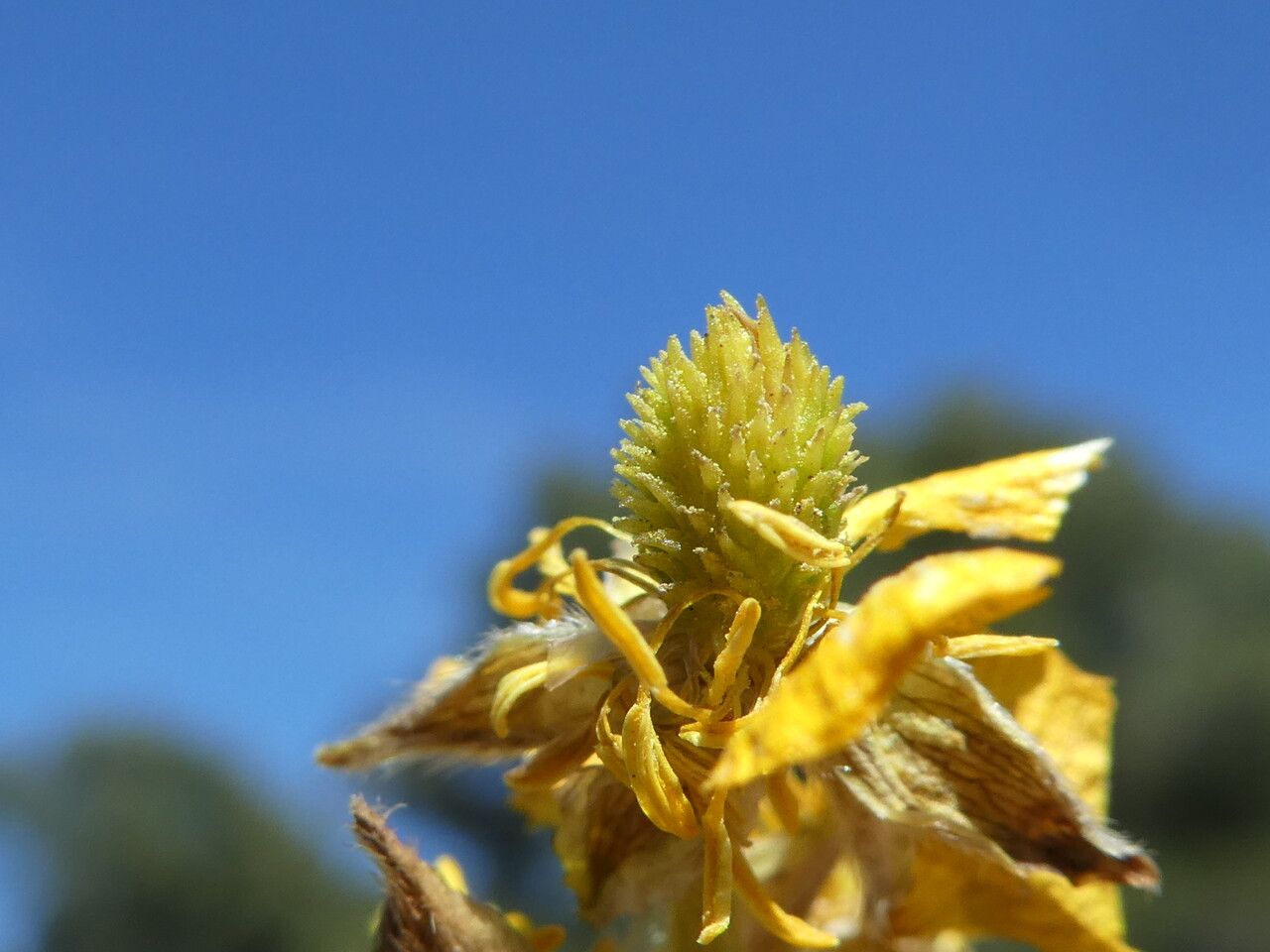
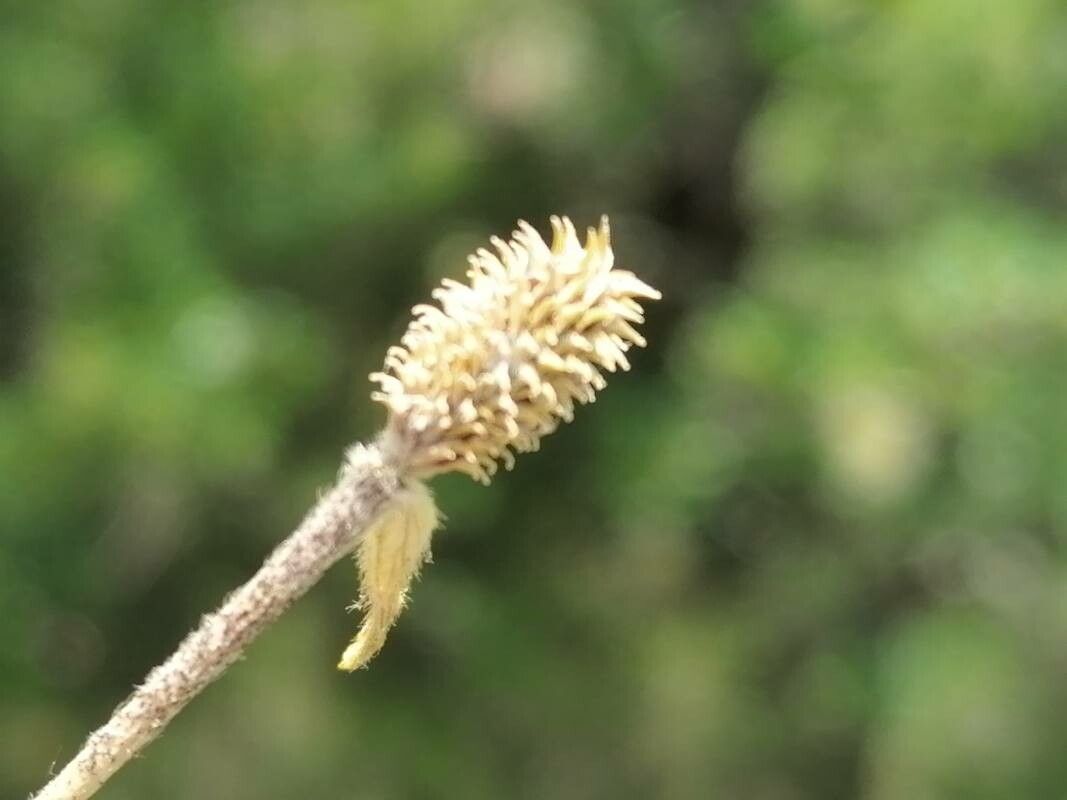
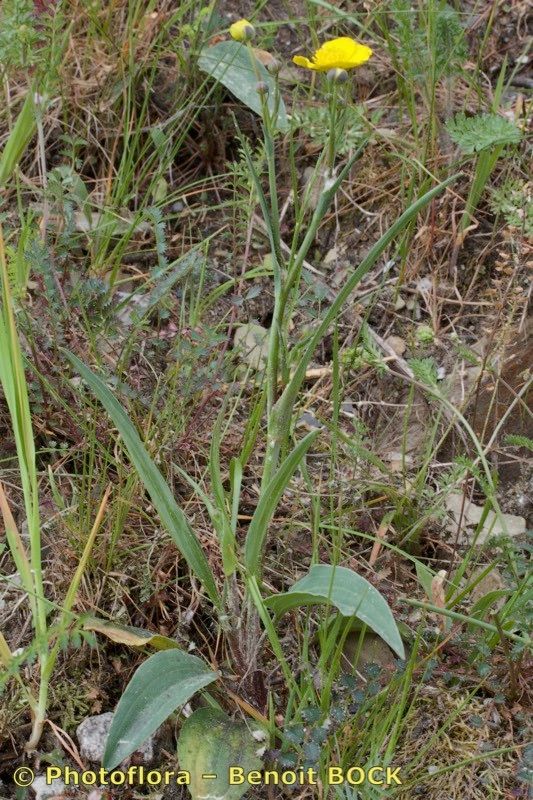
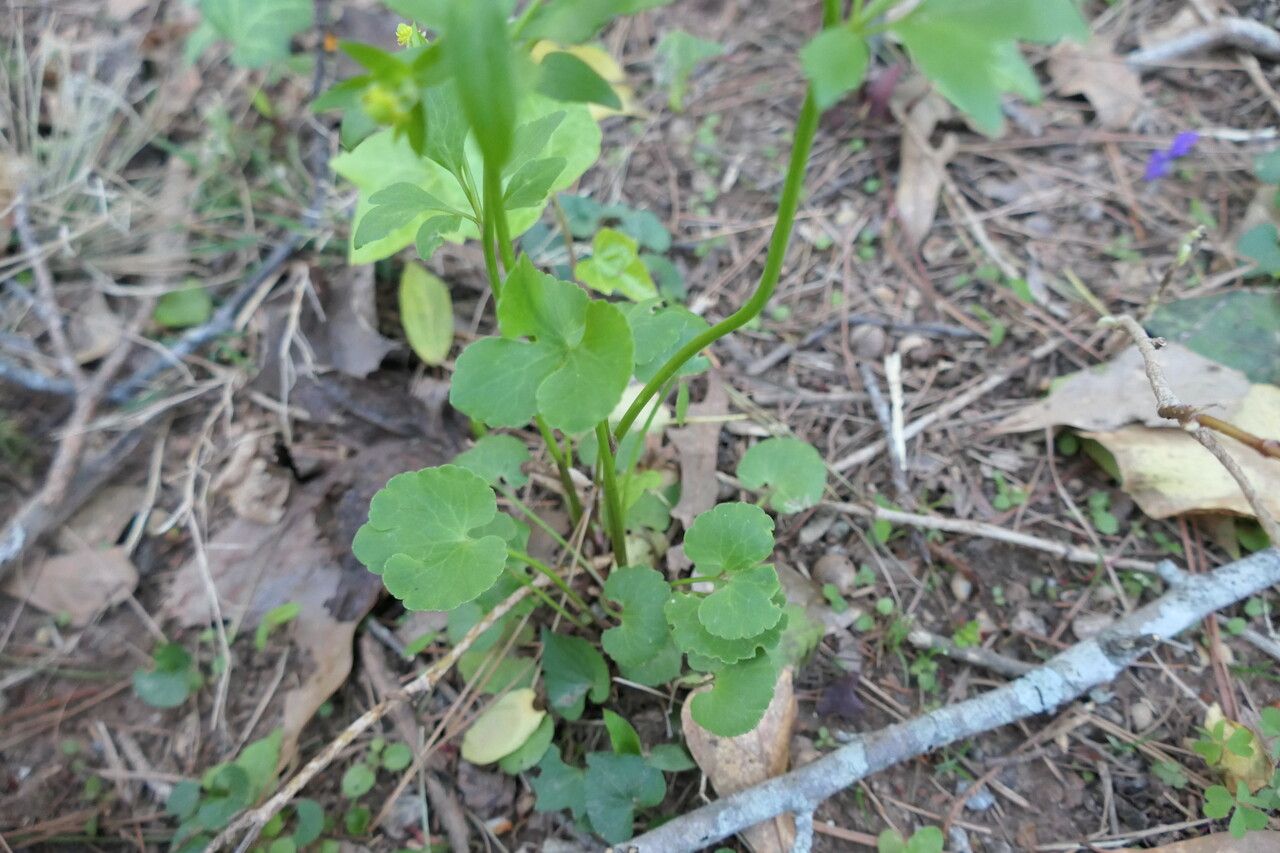
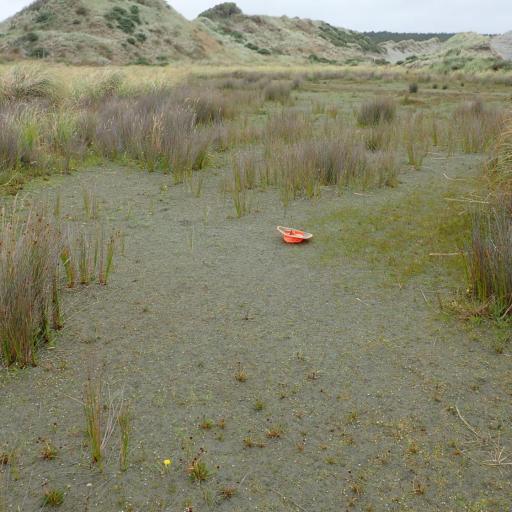
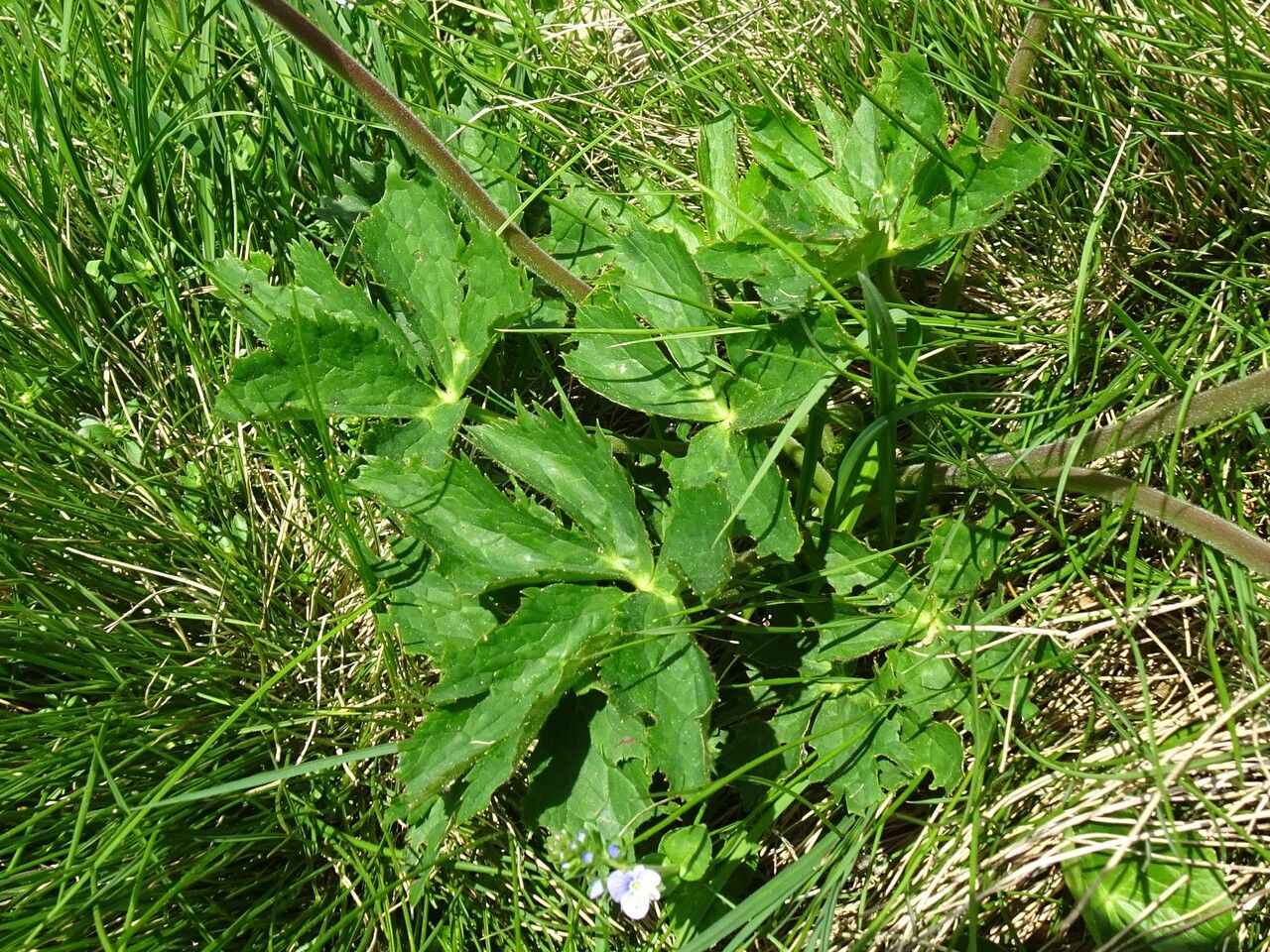
Ranunculus paludosus is a species of perennial herb in the family Ranunculaceae. They have a self-supporting growth form and simple, broad leaves. Individuals can grow to 0.23 m.
Fan-leaved buttercup has strong resistance to disease and is generally not very susceptible to illnesses. Still, it can be affected by pests and diseases that exist nearby. Such infections are typically mild. Regarding care, this plant is moderately demanding. It should be pruned on a regular basis to preserve a neat appearance and healthy growth. Applying fertilizer can also encourage more blooms. Fan-leaved buttercup is appropriate for anyone with an outdoor area, like a garden or patio, and does not demand extensive gardening experience. It may need extra attention if cultivated indoors.
How to keep Ranunculus Paludosus.
Light
For the fan-leaved buttercup, sunlight is essential for growth and vigor. With abundant sunshine, the plant flourishes and remains sturdy. Although it is somewhat adaptable, a lack of sufficient sun can slow its development. Its roots occur in areas with substantial sun exposure, reflecting its light preference. Both too much sun and too little light can potentially harm its health.
Water
The fan-leaved buttercup, which originates from moist environments, prefers consistently damp soil and cannot tolerate drought. To keep the soil moist, water it weekly, and it will benefit from rainwater during the growing season. Typically cultivated outdoors, this plant thrives in conditions that mimic its natural habitat.
Temperature
Fan-leaved buttercup can tolerate a wide span of temperatures, though its distribution can still be restricted by specific combinations of moisture and heat. It performs best in warm summer conditions with adequate rainfall or irrigation. Long periods of cloudy, rainy weather or extended high temperatures increase the chance of Fan-leaved buttercup dying. In winter, protecting the plant from cold can boost its survival rate.
Fertilizer
The best time to fertilize a Fan-leaved buttercup is in early spring, as it comes out of dormancy and begins active growth. Fertilizing supplies essential nutrients for healthy development. Although the Fan-leaved buttercup has fairly low fertilizer requirements, giving it a yearly feeding can boost its survival and result in stronger, longer-lasting flowers.
Pruning
The fan-leaved buttercup, known for its distinctive fan-shaped leaves and vibrant yellow flowers, thrives when pruned from early to late spring. During this time, remove any dead or damaged stems and thin out crowded areas to improve air circulation. This practice enhances the plant's health, encourages blooming, and extends its flowering period.
Botanical profile.
- Plant Type
- Herb
- Life Cycle
- Perennial
- Genus
- Ranunculus
- Family
- Ranunculaceae
- Hardiness Zone
- 8-10
- Mature Height
- 23 cm
- Mature Spread
- 15 cm to 30 cm
- Leaf Color
- Green, Dark Green
- Leaf Type
- Deciduous
- Flower Color
- Yellow, Gold
- Flower Size
- 1.52 cm to 3.05 cm
- Bloom Time
- Early spring, Mid spring
- Planting Time
- Spring, Summer, Autumn
- Harvest Time
- Late spring, Early summer
Other names.
Reader questions.
How should I water my Fan-leaved buttercup plant to keep it healthy?
To ensure the well-being of your Fan-leaved buttercup, it is recommended to water it with filtered water at room temperature. Tap water might contain harmful particles, so filtered water is preferable. Since the Fan-leaved buttercup is accustomed to warm environments, using cold water can be a shock for the plant. It is advisable to avoid watering from above, as it can lead to problems with the foliage. Instead, simply apply your filtered room temperature water directly to the soil until it is fully soaked. This will provide moisture to the roots, allowing them to further spread in the soil and obtain the necessary nutrients.
What are the sunlight requirements for a Fan-leaved buttercup to thrive?
The Fan-leaved buttercup requires full sun, meaning it needs more than 6 hours of sunlight daily to grow successfully. It's essential to observe the movement of sunlight through your garden and select locations that provide a balance of light and shade, ensuring the plants' well-being. This plant thrives and stands robust in abundant sunshine, although it can adapt, its growth might be hindered without enough sunlight. Roots in areas with considerable sun exposure align with its preference for light, but too much or too little light can negatively impact its health.
What is the name of the plant?
The plant is named Fan-leaved buttercup.
What do I need to do if I give my Fan-leaved buttercup too much water or too little water?
Both overwatering and underwatering can harm your Fan-leaved buttercup, but overwatering is more common and has greater risks. When overwatered, the plant's stems and leaves may wilt and turn yellow. Extended overwatering can lead to diseases like root rot, mold, and mildew, which can be fatal to the plant. Underwatering is less likely for the Fan-leaved buttercup, as it can tolerate drought to some extent. However, underwatering can still occur, resulting in brittle and brown leaves. It is crucial to recognize the signs of overwatering early on when caring for your Fan-leaved buttercup. Some diseases caused by overwatering, such as root rot, may not be reversible if not addressed promptly. If you notice early signs of overwatering, reduce watering immediately. Also, assess the soil quality, as poorly draining soil should be replaced with a loose, well-draining potting mix. Conversely, if signs of insufficient watering appear, simply increase your watering frequency until those signs disappear.
How can artificial lighting be used for indoor plants like the Fan-leaved buttercup?
For indoor Fan-leaved buttercup plants that don't receive sufficient natural sunlight, especially during winter or in less sunny spaces, artificial lighting is crucial. Indoor plants thrive under adequate lighting, promoting faster, healthier growth. LED lights are recommended for their ability to provide specific wavelengths needed by plants. Full sun plants require 30-50W/sq ft, partial sun plants need 20-30W/sq ft, and full shade plants need 10-20W/sq ft of artificial light. The light source should be placed 12-36 inches above the plant to mimic natural sunlight, and most plants need 8-12 hours of light per day.
What is the botanical name of the Fan-leaved buttercup?
The botanical name of the Fan-leaved buttercup is Ranunculus paludosus.
How often do I need to water my Fan-leaved buttercup?
If your Fan-leaved buttercup is in a pot, the best way to determine if it needs water is to check the soil. Stick your finger into the soil and if the top two to three inches are dry, it's time to water it. If you're growing the Fan-leaved buttercup outdoors in the ground, you can use the same method to test the soil. Once the top few inches of soil have dried out, it's time to water. Generally, you'll need to water this plant about once a week in spring and early fall. However, during extremely hot weather, you may need to water it twice a week or more. It's worth noting that mature, well-established Fan-leaved buttercups are able to withstand dry conditions.
What are the symptoms of insufficient light in Fan-leaved buttercup?
When a Fan-leaved buttercup does not receive adequate light, it may exhibit several symptoms indicating light deficiency. These symptoms include smaller than usual new leaves, leggy or sparse growth, early leaf drop to conserve resources, halted leaf production leading to slower or no new growth, and pale or chlorotic leaves indicating a lack of chlorophyll and essential nutrients. Extreme exposure to sunlight can also cause issues like chlorosis, sunscald, leaf curling, wilting, and leaf scorching.
How much water does my Fan-leaved buttercup require?
To properly water your Fan-leaved buttercup plant, make sure the top few inches of soil are dry before watering. Give the plant a thorough watering, making sure to soak the soil completely. A good rule of thumb is to water until you see excess water flowing out of the drainage holes at the bottom of the pot. If there is no excess water drainage, it means you haven't watered enough. However, don't let water accumulate inside the soil, as it can harm the plant. If there is still no water draining through the pot, it may indicate poorly draining soils, which should be avoided. If the plant is outside, about 1 inch of rain per week should be enough.
What solutions are available for managing light exposure in Fan-leaved buttercup plants?
To manage light exposure for Fan-leaved buttercup, gradual adjustments to the plant's location to provide at least 6 hours of direct sunlight are recommended. For indoor plants, utilizing a south-facing window or artificial lights like desk lamps or plant grow lights for at least 8 hours daily can help achieve optimal growth. Outdoor plants should be moved to sunnier spots gradually to avoid shock. Reducing obstructions, like pruning trees or relocating plants to sunnier areas with proper drainage, helps maximize sunlight exposure. It's important to note that while parts of the plant damaged by insufficient light might not recover, new growth after adjusting light exposure will be healthy.
How do I water my Fan-leaved buttercup when it is growing at different stages?
The water needs of the Fan-leaved buttercup can vary depending on its growth stages. In the early years or after transplanting, it requires more water because it focuses on growing new roots for future growth. During this time, providing extra moisture is important for optimal root performance. However, as the plant matures, it will require less water. Another stage that may demand more water is during the bloom period when flower development requires significant moisture.
How do I water my Fan-leaved buttercup at different times of the year?
The Fan-leaved buttercup has its highest water needs in the summer when it's the hottest. Depending on how quickly the soil dries, you may need to water it more than once a week during the peak of summer. However, during the winter, the plant goes into a dormant phase and requires significantly less water. You may not need to water it at all during winter. If you choose to water it, do so only once a month to avoid potential disease.