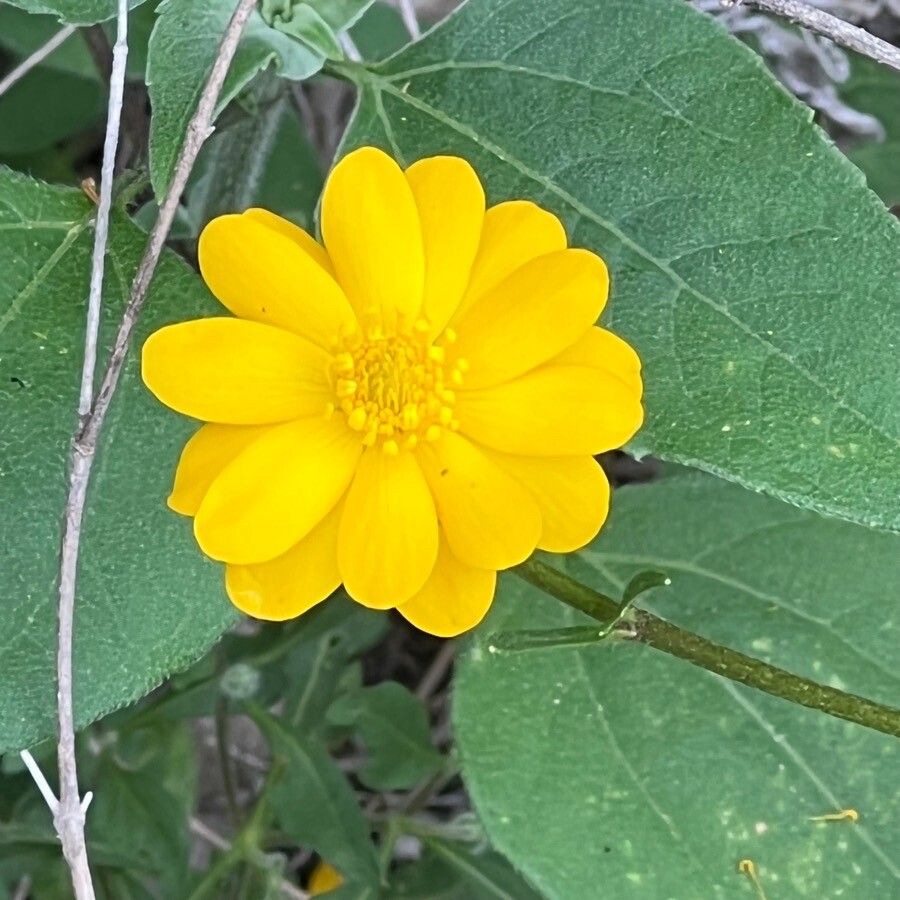
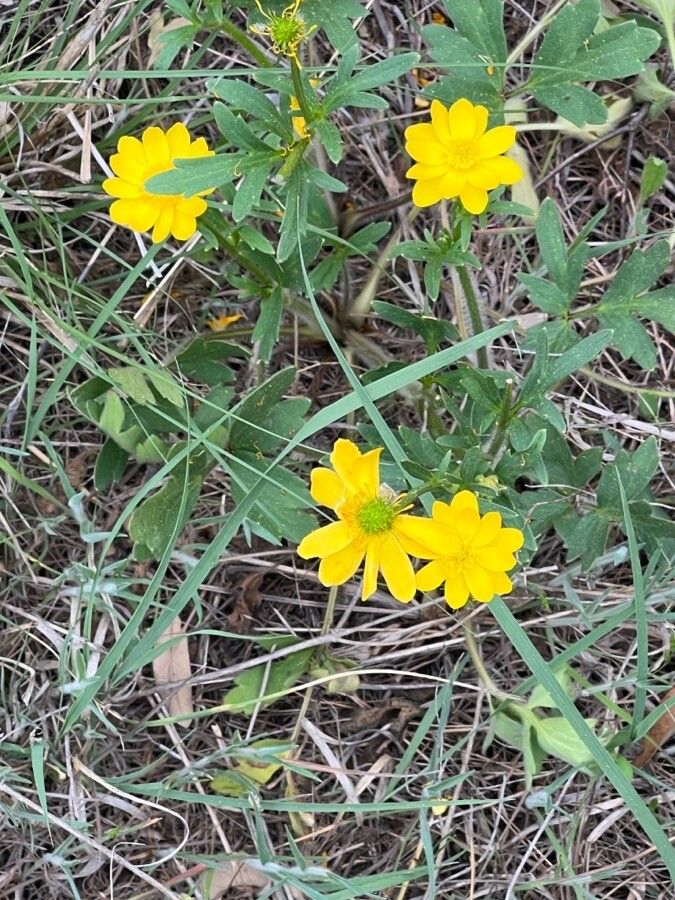
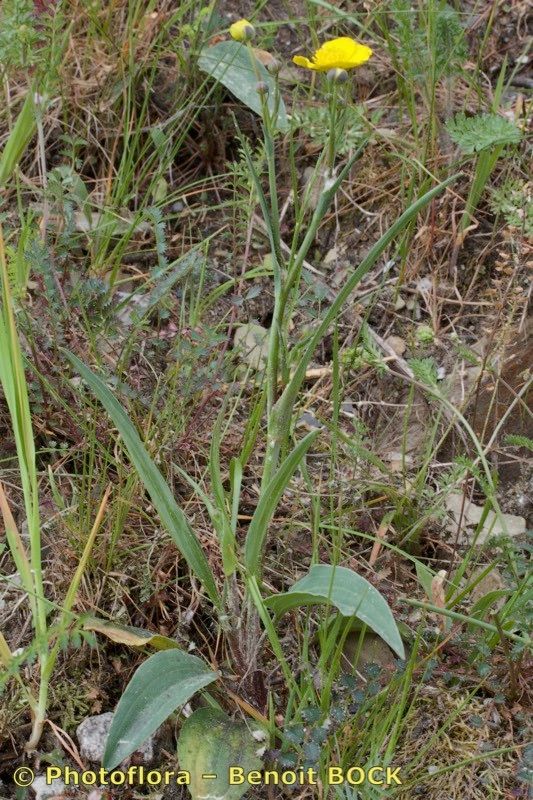
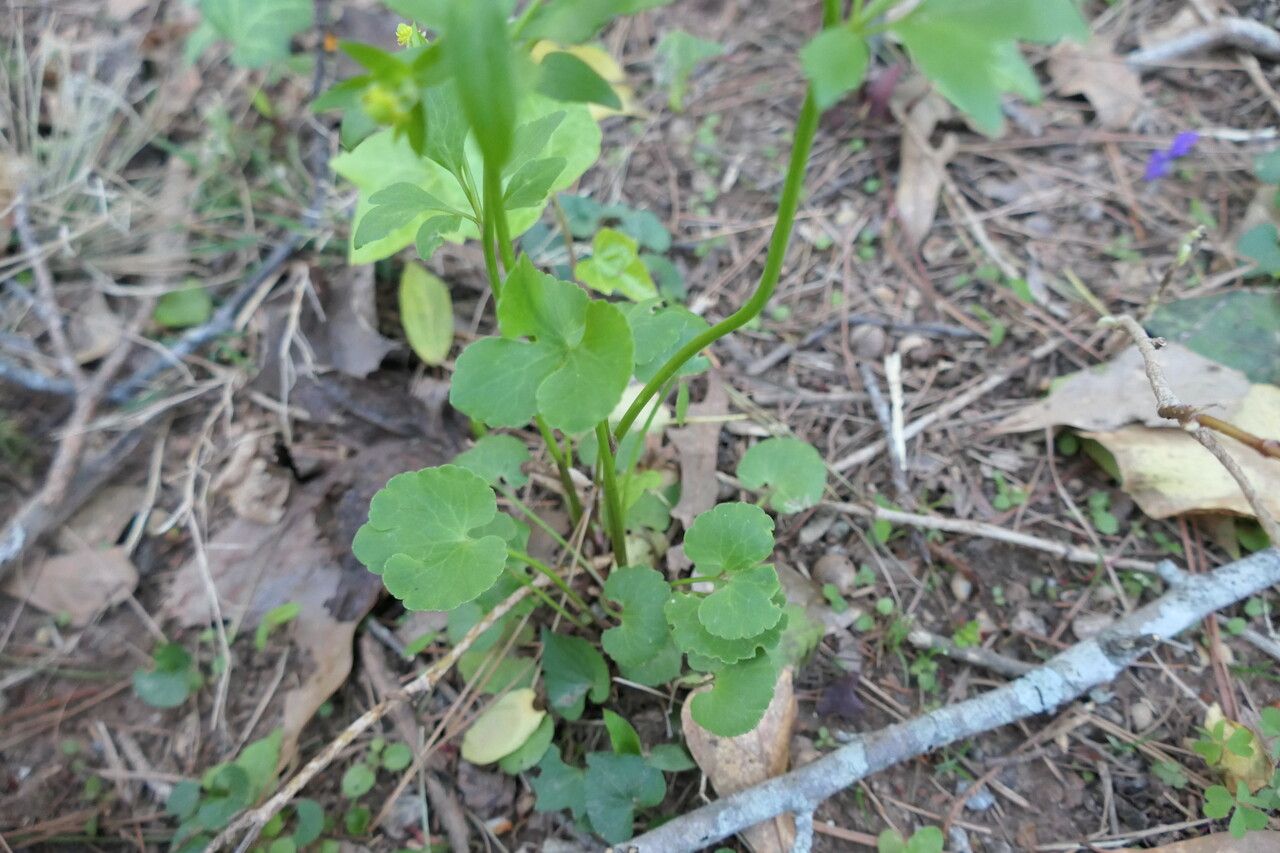
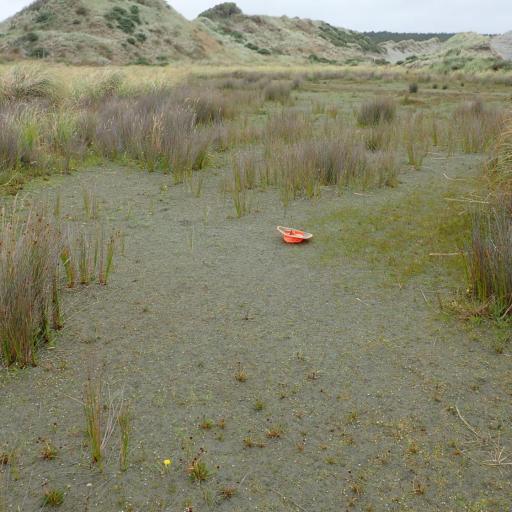
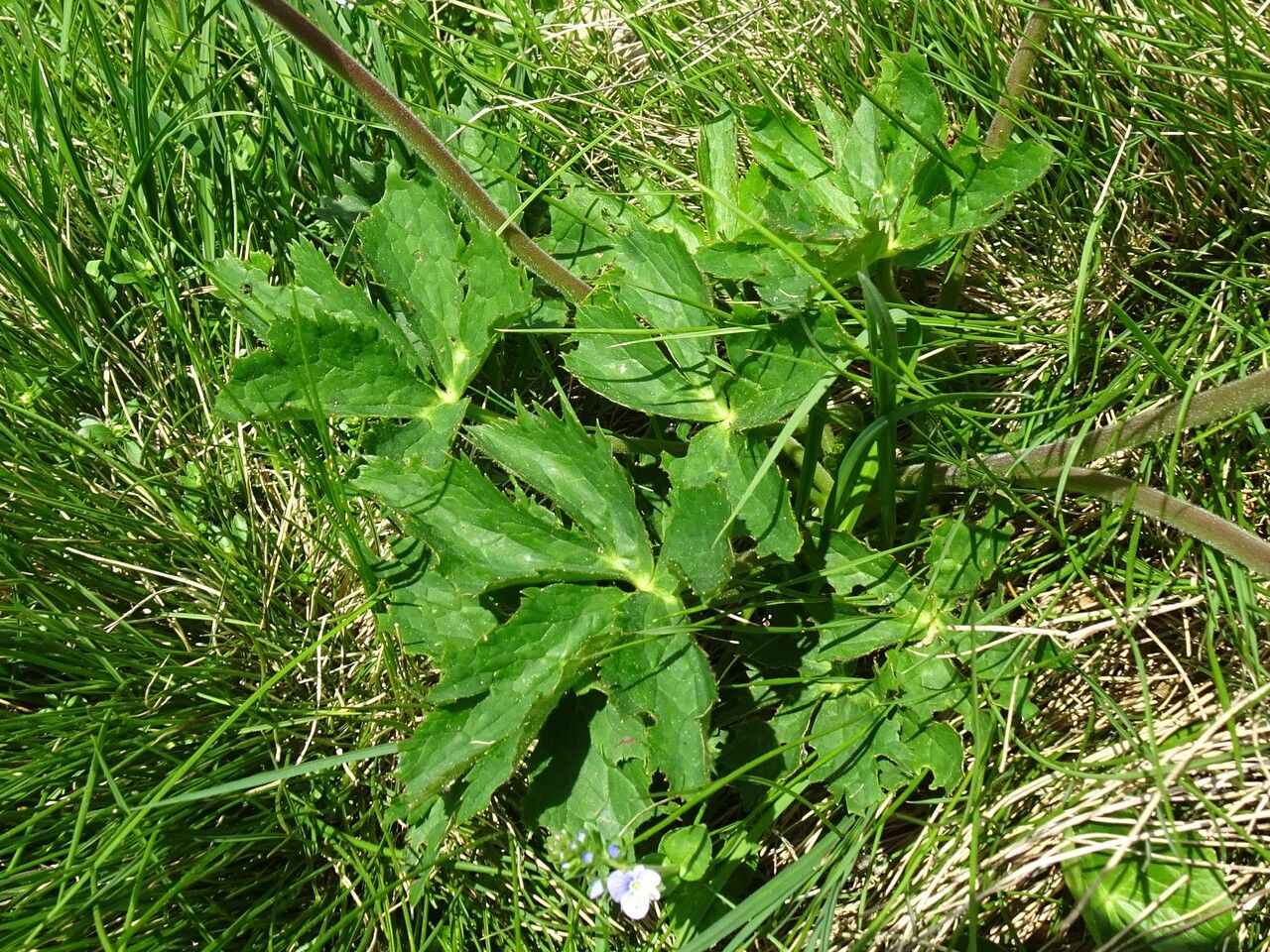
Large buttercup has strong resistance to disease and is usually not prone to illnesses. However, it can be vulnerable to pests and diseases present in its environment. These problems are typically not severe. For care, this plant needs a moderate level of maintenance. It should be pruned regularly to keep a good appearance and support healthy growth. Fertilizing can also help encourage flowering. Large buttercup is suitable for anyone with outdoor space, such as a garden or patio, and does not require much prior care experience. It may need more attention when grown indoors.
How to keep Ranunculus Macranthus.
Light
Large buttercup is native to habitats such as forest understories and rocky areas, where it occurs in natural shade. It prefers partial sun but can adapt to both full sun and full shade, demonstrating its versatility and hardiness.
Water
The large buttercup flourishes in moist environments, needing consistent moisture without becoming oversaturated. During its active growing season, especially in temperate regions, it benefits from weekly watering. Effective soil moisture management is essential for healthy growth, and care should be taken to avoid waterlogging.
Temperature
Large buttercup can withstand a wide spectrum of temperature conditions, but its range may still be constrained by particular combinations of moisture and heat. It performs best in warm summer climates with sufficient rainfall or irrigation. Extended stretches of cloudy, rainy weather, as well as prolonged high temperatures, can raise the risk of Large buttercup dying. During winter, appropriate protection from cold can enhance the plant's chances of survival.
Fertilizer
Usually one fertilizer application in spring is enough for Large buttercup, but several feedings can maximize growth. Feed every month to six weeks. Fertilizing improves the leaves' appearance and function, helping maintain uniform color and a healthy texture. It also promotes root development and nutrient uptake for long-term plant health.
Pruning
The large buttercup is a vibrant perennial known for its bright yellow flowers. To encourage blooming and maintain its shape, prune the plant in early spring. Be sure to remove any dead stems to improve airflow. Cutting back older flowers can help prolong the blooming period. Always use clean, sharp tools for effective pruning and to ensure the plant's health.
Botanical profile.
- Plant Type
- Herb
- Life Cycle
- Perennial
- Genus
- Ranunculus
- Family
- Ranunculaceae
- Hardiness Zone
- 5-9
- Mature Height
- 30 cm to 61 cm
- Mature Spread
- 20 cm to 40 cm
- Leaf Color
- Dark Green, Forest Green
- Leaf Type
- Deciduous
- Flower Color
- Yellow
- Flower Size
- 3.05 cm to 5.08 cm
- Bloom Time
- Spring
- Planting Time
- Spring, Summer
- Harvest Time
- Late spring, Early summer, Mid summer
- Native Area
- Mexico
Other names.
Reader questions.
What are the sunlight requirements for Large buttercup (Ranunculus macranthus)?
The Large buttercup, known botanically as Ranunculus macranthus, thrives best when it receives full sun, which means it needs more than 6 hours of sunlight daily. It's important to observe the way sunlight moves through your garden to find spots that offer a healthy balance of light and shade. This careful placement ensures the plants grow happily and healthily, benefiting from the perfect conditions.
What is the Large Buttercup?
The Large Buttercup, scientifically known as Ranunculus macranthus, doesn't have detailed information available regarding its essentials or symptoms in the provided data. This might imply that the information is either not available, not applicable, or simply hasn't been input. As of now, all we know is its common and botanical name.