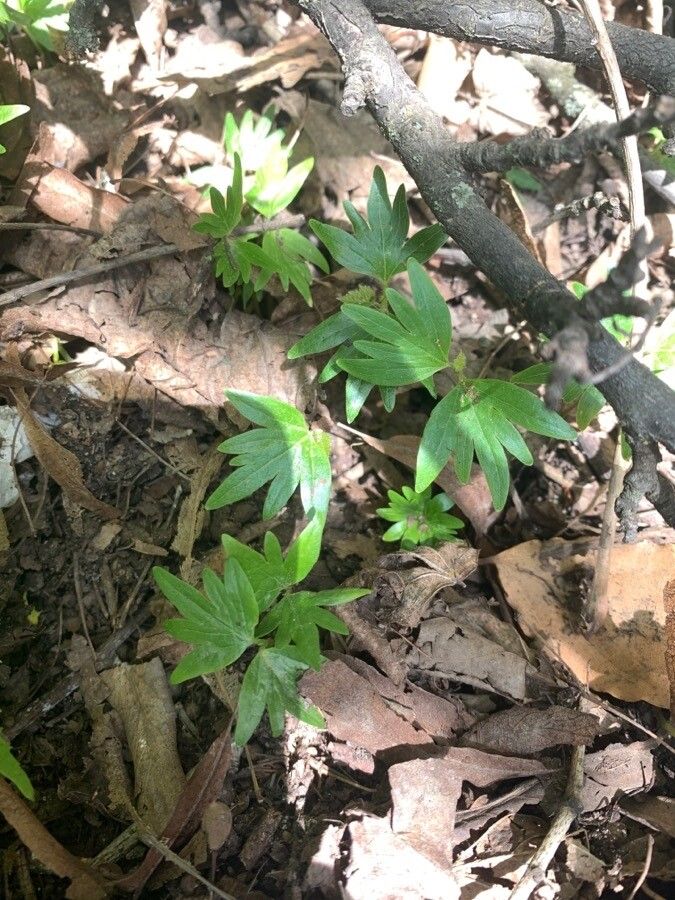
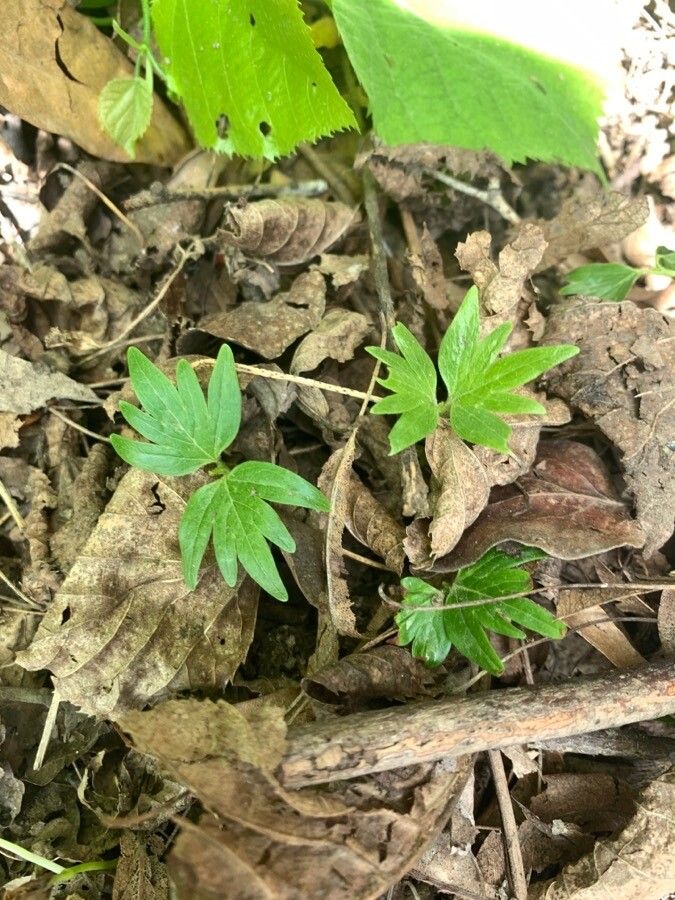
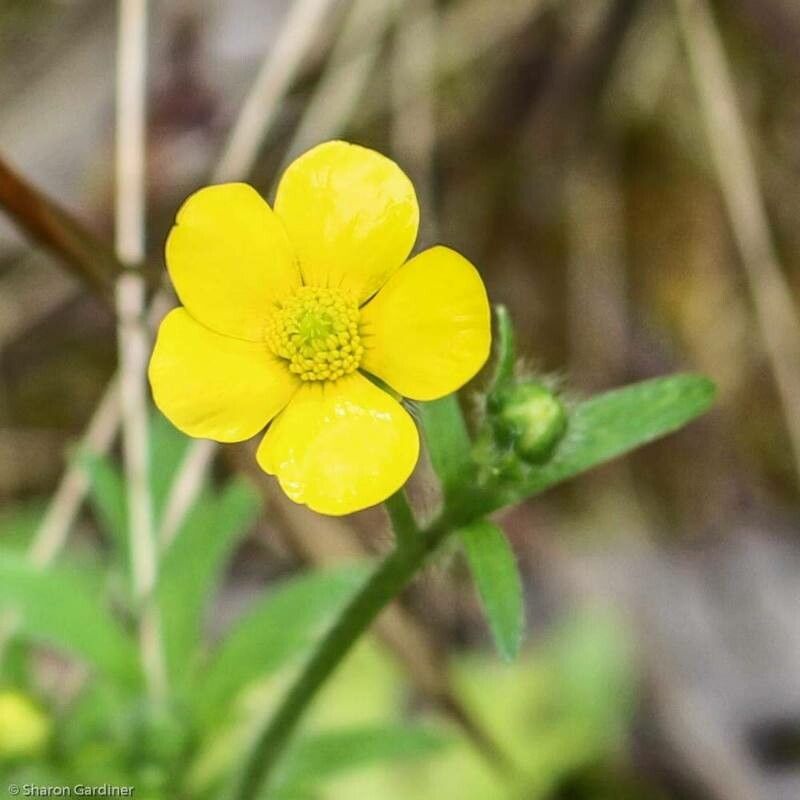
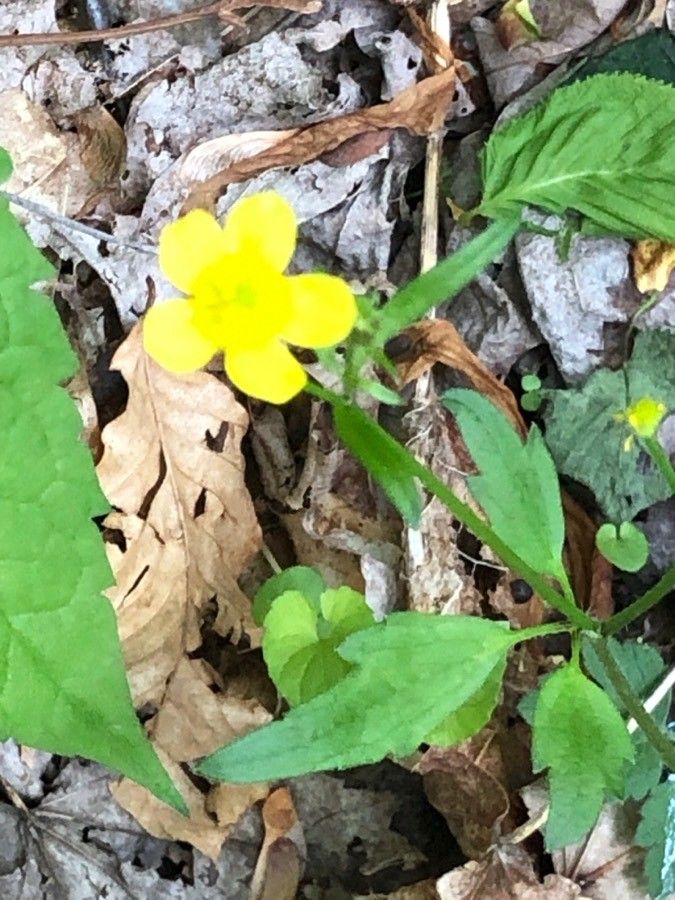
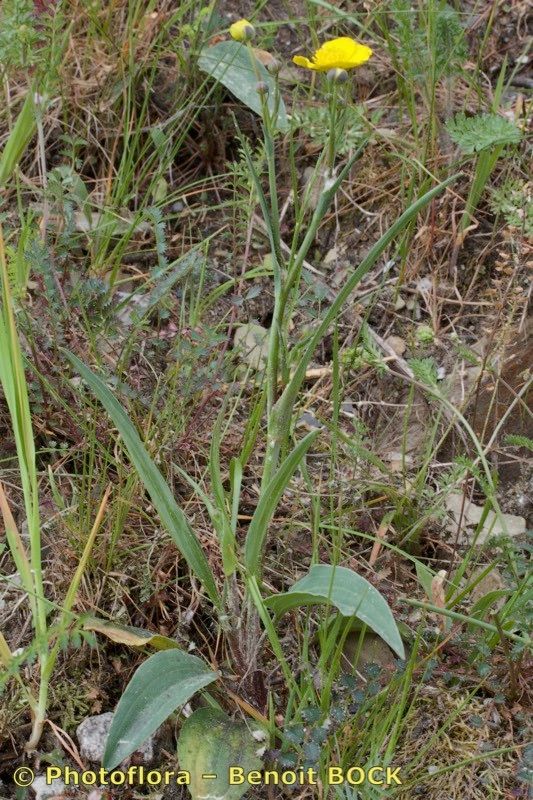
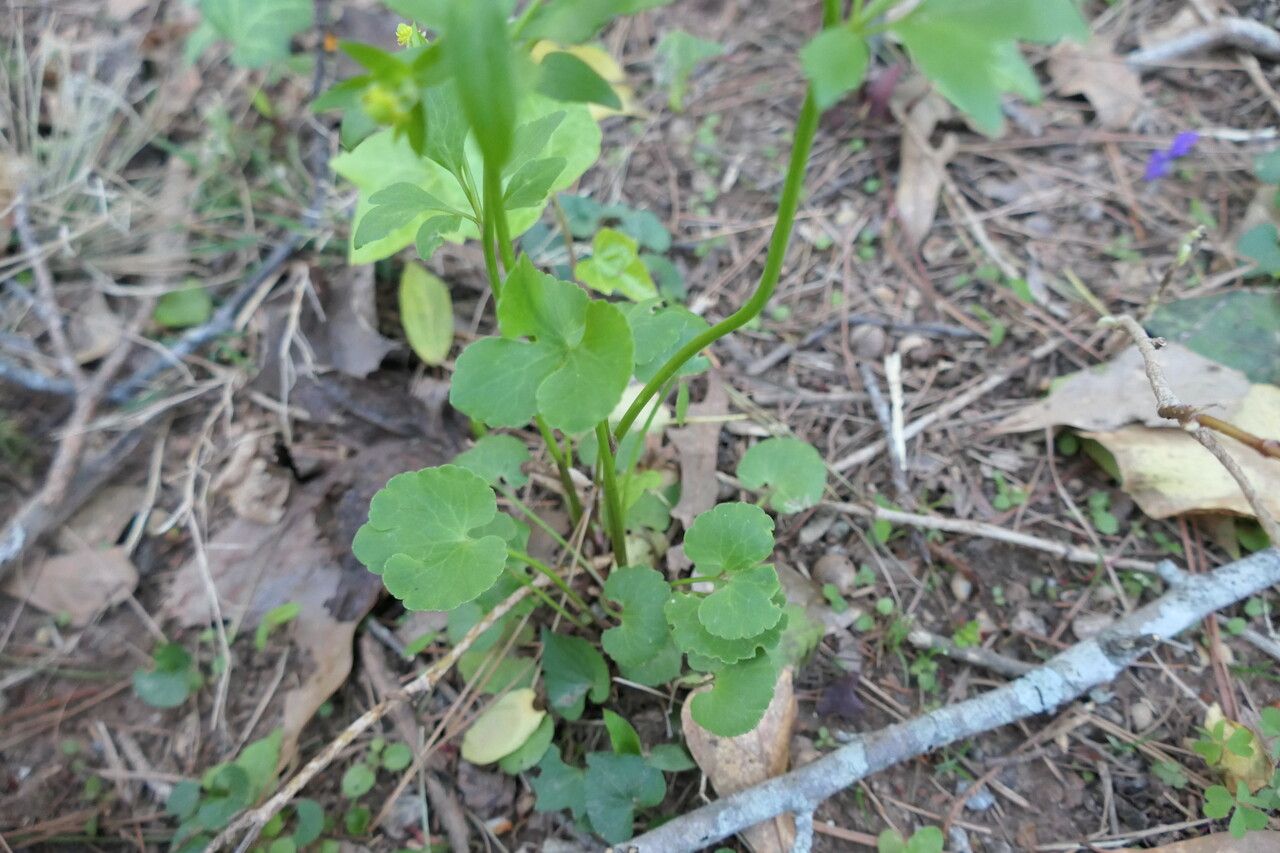
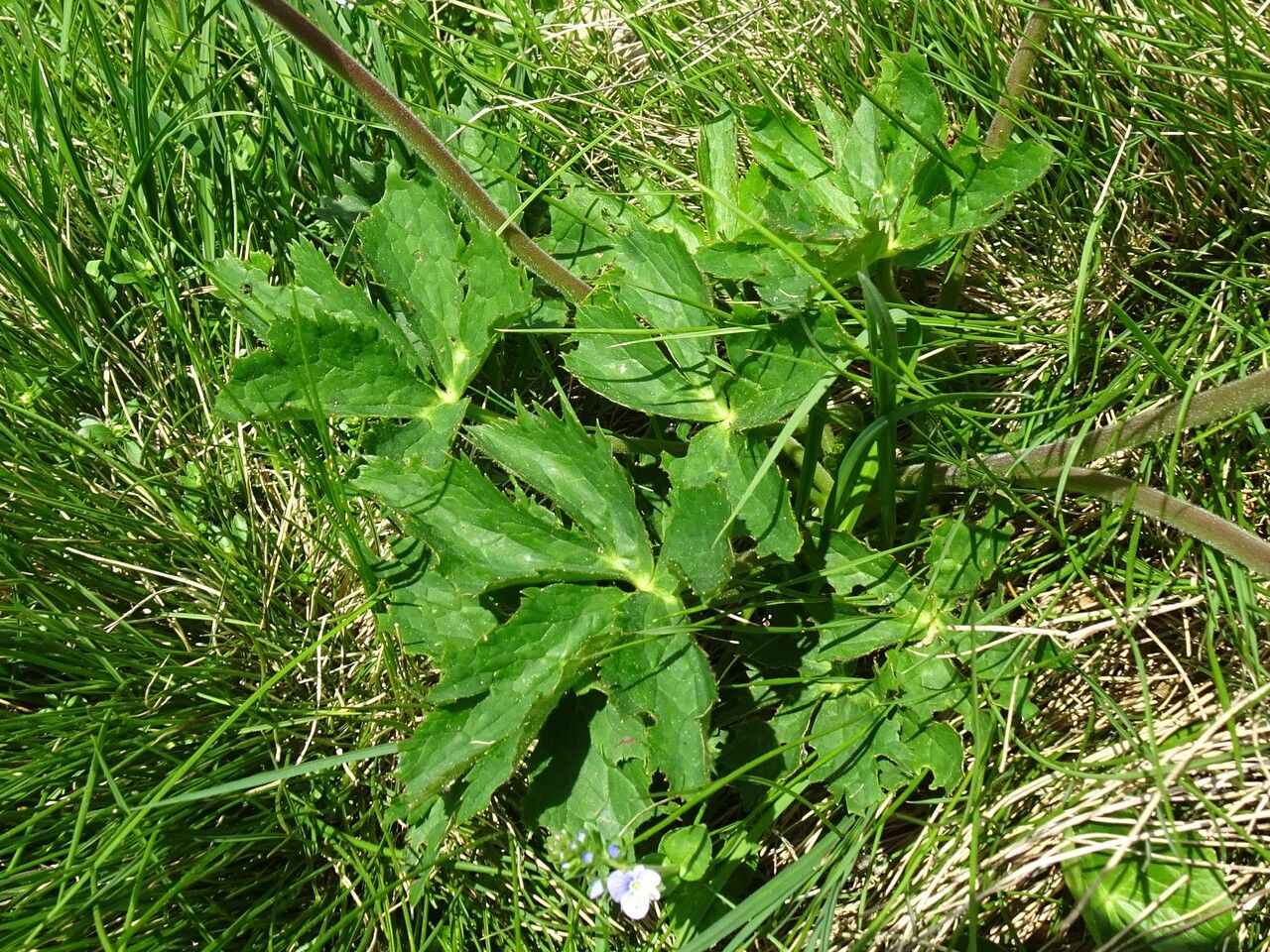
Ranunculus hispidus is a species of flowering plant in the buttercup family, Ranunculaceae. It is commonly known as bristly buttercup.
Bristly buttercup is fairly disease-resistant and generally not prone to illnesses. However, it can be affected by pests and diseases present in its environment. Such problems are typically not serious. Regarding care, this plant requires moderate upkeep. It should be pruned on a regular basis to keep a tidy appearance and support healthy growth. Fertilizing can also help encourage flowering. Bristly buttercup is suitable for anyone with outdoor space, like a garden or patio, and does not demand extensive experience in plant care. It may need more attention if grown indoors.
How to keep Ranunculus Hispidus.
Light
Bristly buttercup thrives with plentiful sunlight, though it can tolerate places that receive a mix of sun and shade. Its native habitat is generally exposed to substantial light throughout the day. Too little sun can limit its growth, while too much light is unlikely to damage it.
Water
The bristly buttercup thrives in moist environments and needs consistent moisture, including weekly watering. This herbaceous perennial grows well outdoors, benefiting from seasonal rainfall. To mimic its natural habitat, plant the bristly buttercup in areas that offer a balance of drainage and water retention to ensure optimal growth.
Temperature
Bristly buttercup is naturally suited to environments where temperatures range from 50 to 89.6 °F (10 to 32 ℃). It favors these moderate climates and should be grown under comparable conditions for optimal development. Making appropriate adjustments for seasonal temperature fluctuations is recommended.
Fertilizer
The best time to fertilize a Bristly buttercup is in early spring, as it comes out of dormancy and starts active growth. Fertilizing supplies essential nutrients for healthy growth. Although Bristly buttercup needs relatively little fertilizer, applying it annually can improve its survival and encourage better, longer-lasting flowers.
Pruning
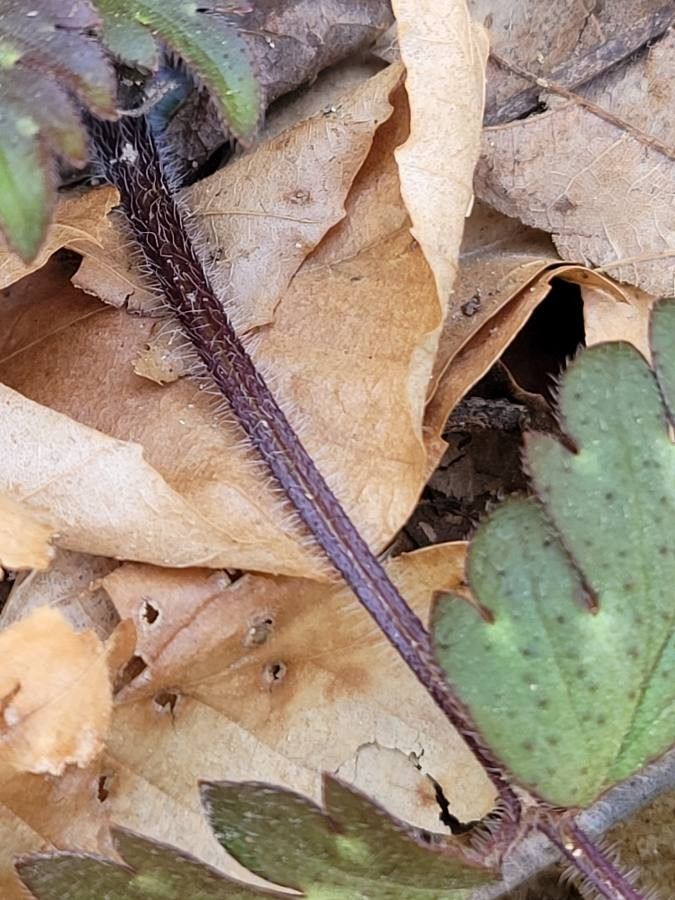
The bristly buttercup, which thrives in moist environments, is characterized by its coarse, hairy stems and vibrant yellow flowers. To maintain its health and appearance, prune the bristly buttercup from early to late spring. Be sure to deadhead the blooms and remove any damaged stems to improve air circulation. Always use sterilized shears to prevent disease, which will also promote better growth and enhance the plant's appearance.
Botanical profile.
- Plant Type
- Herb
- Life Cycle
- Perennial
- Genus
- Ranunculus
- Family
- Ranunculaceae
- Hardiness Zone
- 6-8
- Mature Height
- 15 cm to 46 cm
- Mature Spread
- 30 cm to 40 cm
- Leaf Color
- Dark Green, Forest Green
- Leaf Type
- Deciduous
- Flower Color
- Yellow, Gold
- Flower Size
- 2.54 cm to 5.08 cm
- Bloom Time
- Mid spring, Late spring, Early summer
- Planting Time
- Spring
- Harvest Time
- Early summer, Mid summer
Other names.
Reader questions.
How can I water my Bristly buttercup plant effectively?
When watering the Bristly buttercup, it is best to use filtered water at room temperature. Tap water may have harmful particles, so filtered water is a better option. The water should be at room temperature or slightly warmer because the Bristly buttercup is native to warm environments and does not handle cold water well. Avoid watering the plant from above as it can cause foliage problems. Instead, pour your filtered room temperature water directly onto the soil until it is fully saturated. This helps the plant by keeping the roots moist and allowing them to spread and absorb necessary nutrients from the soil.
What are the sunlight requirements for Bristily buttercup?
Bristly buttercup thrives under full sun exposure, requiring more than 6 hours of sunlight daily, but it can also manage in partial sun, which means about 3-6 hours of sunlight. It's essential to watch how sunlight moves through your garden and choose spots that provide a balance of light and shade, ensuring the plants' optimal growth and happiness.
What is the ideal temperature range for growing Bristly Buttercup?
Bristly buttercup, scientifically known as Ranunculus hispidus, thrives in moderate climates with temperatures ranging from 50 to 89.6 °F (10 to 32 °C). This plant is well-suited for such conditions, ensuring optimal growth. Adjustments might be required to accommodate seasonal temperature changes. The plant also exhibits strong cold resistance, implying that special frost protection measures are not typically needed. Nevertheless, in areas where winter temperatures are expected to drop below -25°C, it's important to take steps to safeguard the plant, such as covering it with soil or straw, and to water it abundantly before the first freeze of autumn to ensure the soil remains moist, thereby preventing drought and water scarcity during the colder months.
What should I do if I give my Bristly buttercup plant too much or too little water?
Overwatering is a common issue for the health of your Bristly buttercup. It can cause wilting, yellowing of stems and leaves, and lead to diseases like root rot, mold, and mildew which can be fatal to your plant. Underwatering is less common due to the plant's drought tolerance, but it can still happen. Signs of underwatering include brittle and brown leaves. It is important to notice and address symptoms of overwatering early. Diseases like root rot may become irreversible if left untreated for too long. Reduce watering immediately when you see signs of overwatering. Check the soil quality and replace if it drains poorly. If signs of underwatering are present, increase watering until the symptoms subside.
How does the Bristly buttercup react to different lighting conditions?
The Bristly buttercup, also known by its botanical name Ranunculus hispidus, flourishes in abundant sunlight, favoring its native habitat's exposed, light-rich conditions. Although it can tolerate a mix of shade and light, insufficient sunlight may impede its growth. It's unlikely to suffer from too much light. In spaces with inadequate natural sunlight, such as indoors or during winter, artificial lighting can be employed to ensure optimal growth. LED lights are recommended for their ability to offer specific light wavelengths needed by plants. Full sun plants require 30-50W/sq ft, partial sun plants 20-30W/sq ft, and full shade plants 10-20W/sq ft of artificial light.
How does Bristly Buttercup react to low temperatures, and what should be done in spring?
Bristly Buttercup exhibits a high tolerance to cold, thriving best when temperatures stay above 10°C. While it can survive winter periods with temperatures above -15°C, exposure to temperatures below -25°C might not show immediate changes during the winter, but can lead to decreased sprouting or a complete absence of sprouting in the spring. To address this, it's recommended to remove any parts of the plant that have failed to sprout once spring arrives.
How frequently should I water my Bristly buttercup?
If your Bristly buttercup is in a pot, check the soil moisture by sticking your finger into the soil. When the first two to three inches are dry, it's time to water. The same method applies for Bristly buttercup growing outdoors in the ground. Water when the top few inches of soil have dried out. Generally, during spring and early fall, this plant needs watering once a week. In very hot weather, watering may be required twice or more per week. However, mature, well-established Bristly buttercups can tolerate drought well.
What symptoms indicate inadequate lighting for Bristly buttercup?
Symptoms of inadequate lighting in Bristly buttercup include smaller new leaves, leggy or sparse growth, faster leaf drop, slowed or ceased new growth, paler new leaves, chlorosis (leaf yellowing), sunscald, leaf curling, wilting, and leaf scorching. These symptoms point to the plant struggling with too little or too much light, affecting its health and development.
What are the signs of Bristly Buttercup being affected by high temperatures, and how can these issues be mitigated?
During the summer, it's essential to ensure that the Bristly Buttercup doesn't get exposed to temperatures exceeding 32°C. When subjected to temperatures above 35°C, the plant may show signs of stress such as lighter leaf color, curling leaves, susceptibility to sunburn, and in severe cases, wilting and drying up of the entire plant. To mitigate these problems, sunburned and dried parts should be trimmed away. The plant should either be moved to a shadier location or provided with shade during the midday and afternoon hours. Additionally, watering the plant in the morning and evening can help maintain the necessary soil moisture.
How much water does my Bristly buttercup plant require?
To properly water your Bristly buttercup, don't be afraid to give it a good amount of water. You should wait until the top two to three inches of soil are dry before watering. When you do water, make sure to thoroughly soak the soil, allowing excess water to drain out of the bottom of the pot. If you don't see this excess water draining, you may not be giving enough water. However, be careful not to let water accumulate in the soil, as this can harm the plant. Additionally, if the water does not drain well, it may be due to poorly draining soil, which is not good for the plant's health. If the plant is outside, receiving about 1 inch of rain per week should be sufficient.
How can I address lighting issues for an indoor Bristly buttercup?
To address lighting issues for an indoor Bristly buttercup, gradually move the plant to a sunnier location, aiming for at least 6 hours of direct sunlight daily. Utilize south-facing windows and keep curtains open during daylight hours. If the plant is large or not easily movable, or if natural light is insufficient, consider using artificial lighting. Desk or ceiling lamps should be kept on for at least 8 hours a day, or you might invest in professional plant grow lights for adequate lighting.
What's the best way to water my Bristly buttercup as it grows?
The water needs of the Bristly buttercup can vary depending on its growth stages. When the plant is young or newly transplanted, it requires more water than usual because it is focused on growing new roots. These roots need extra moisture to support future growth. After a few seasons, the Bristly buttercup will require less water. Another stage when the plant may need more water is during the bloom period. Flower development requires a significant amount of moisture, so additional watering might be necessary during this time.