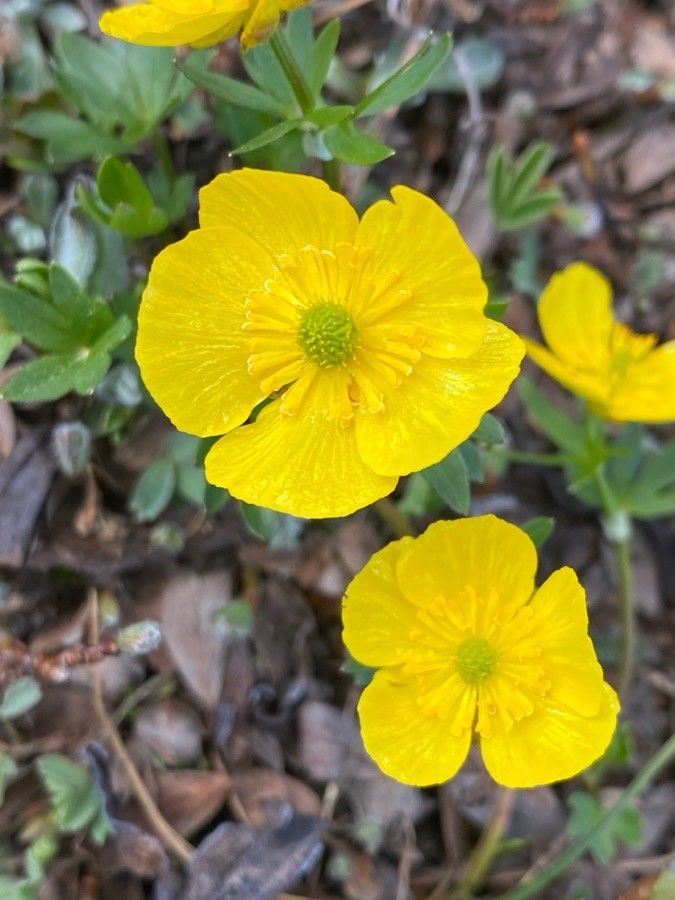
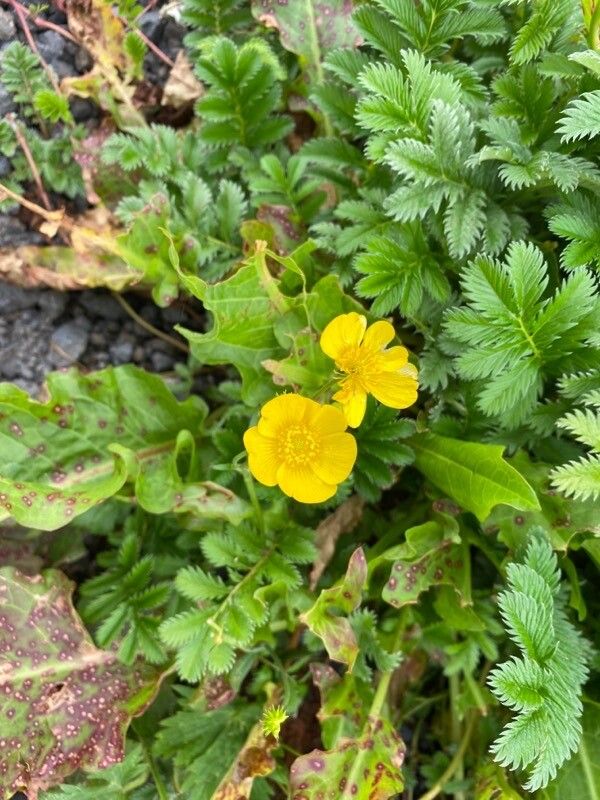
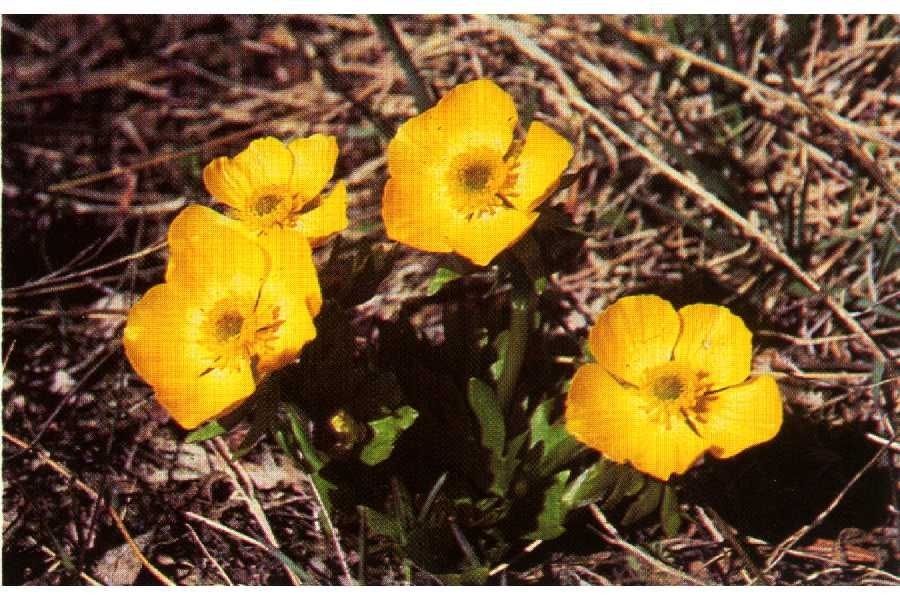
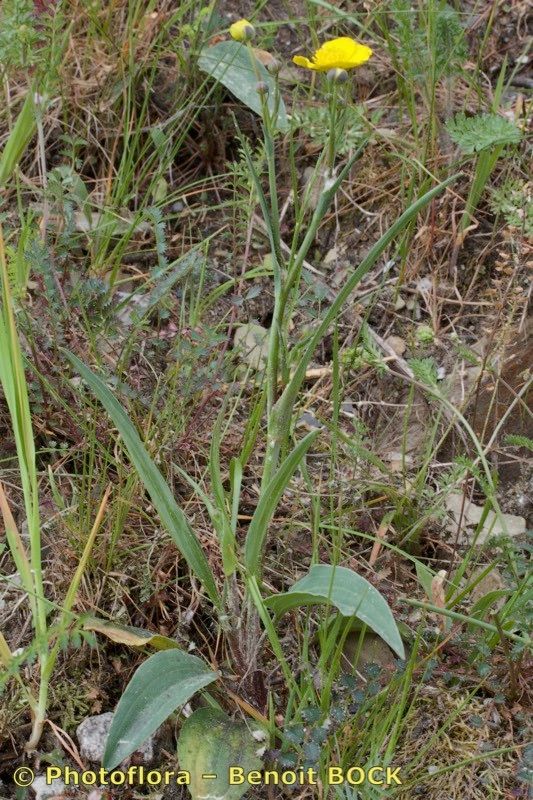
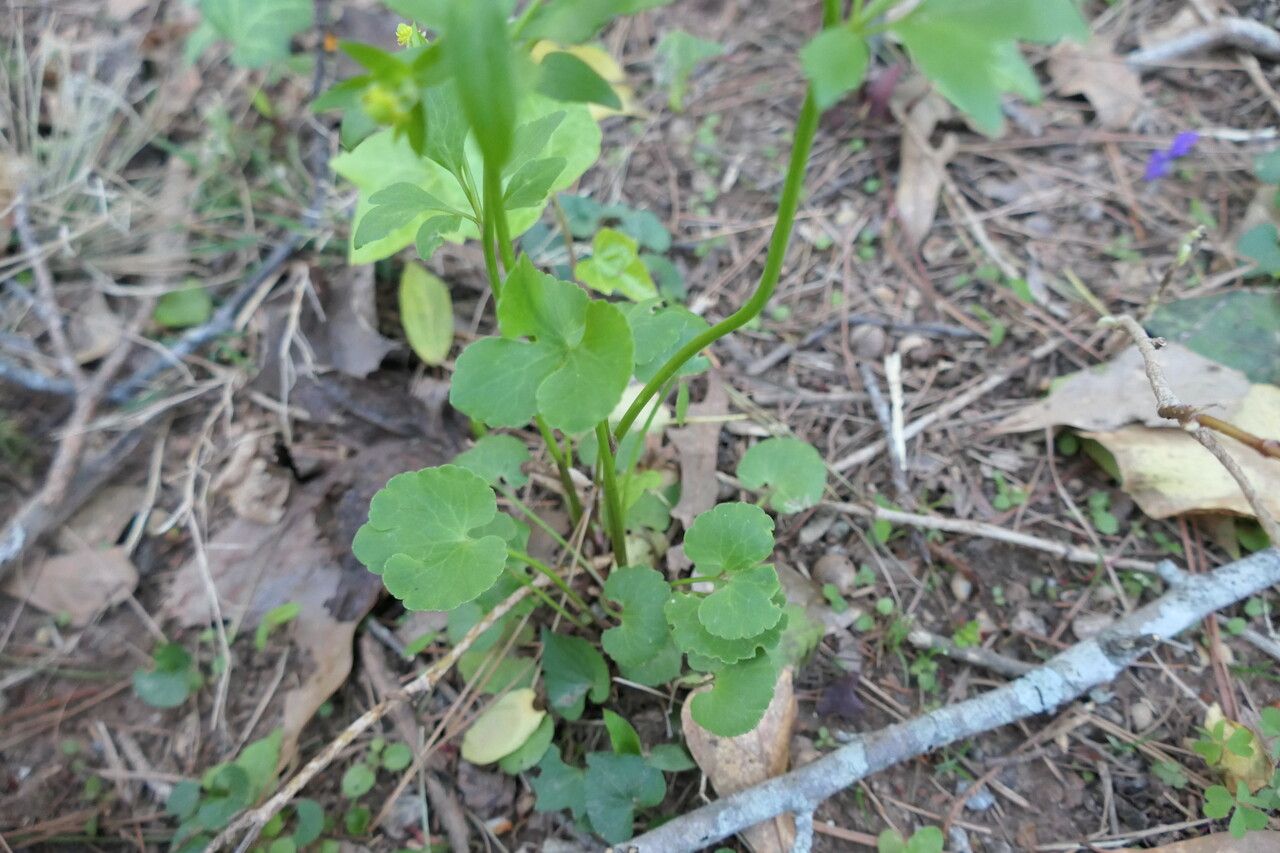
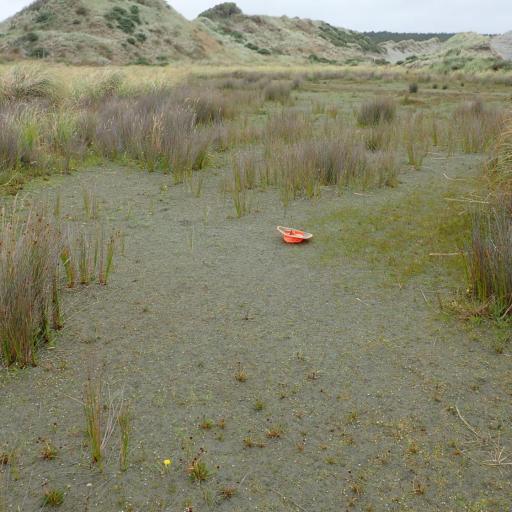
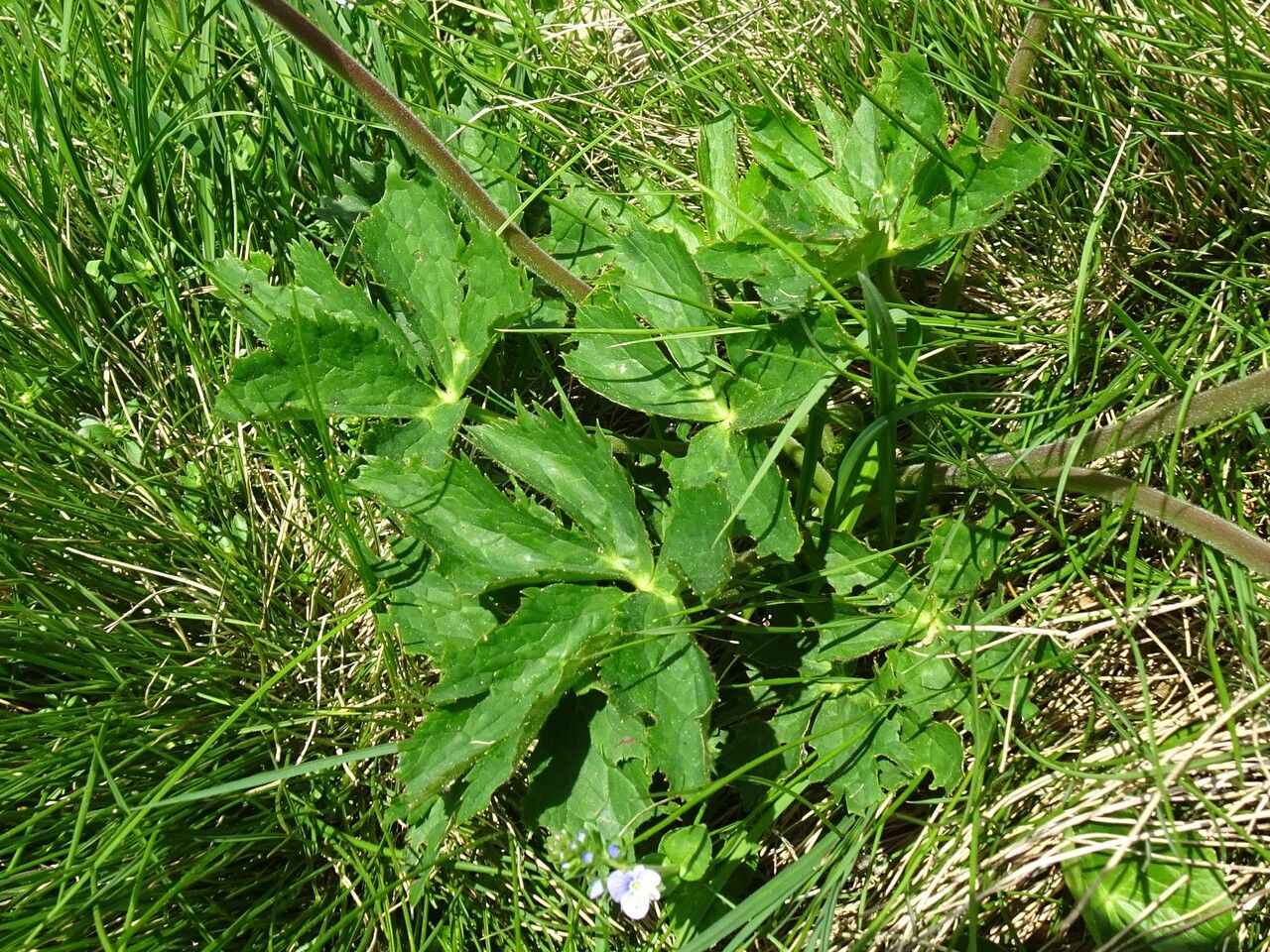
Ranunculus eschscholtzii is a species of buttercup flower known by the common name Eschscholtz's buttercup.The species name honors Johann Friedrich von Eschscholtz, an Imperial Russian botanist and entomologist active on the West Coast in the 1820s and 1830s.
Eschscholtz's buttercup has good resistance to disease and is generally not prone to illnesses. However, it can be vulnerable to pests and diseases present in its environment. These infections are typically not severe. For care, this plant requires a moderate level of maintenance. It needs regular pruning to keep a tidy appearance and to support healthy growth. Fertilizing can also help encourage flowering. Eschscholtz's buttercup is appropriate for anyone with an outdoor space, such as a garden or patio, and does not demand extensive plant-care experience. It may need more attention when grown indoors.
How to keep Ranunculus Eschscholtzii.
Light
Eschscholtz's buttercup requires plenty of sunlight to develop healthily. In its native habitat it grows in open areas where it enjoys abundant sun. Not receiving enough light can impair its growth, while too much light can scorch its leaves. The different stages of its development also need regular exposure to the sun.
Water
Eschscholtz's buttercup thrives in moist meadows, where it benefits from consistent hydration. While it can handle short dry spells, it requires weekly watering to support its growth. To manage water effectively during the active growing season, it is crucial to ensure the soil has good drainage.
Temperature
Eschscholtz's buttercup occurs naturally in regions with temperatures between 32 and 100 °F (0 to 38 ℃). It does best in moderate conditions and may require protection if temperatures drop below freezing or rise above its favored range.
Fertilizer
The primary time to feed Eschscholtz's buttercup is in early spring, when the flowers are forming. Using the appropriate fertilizer promotes better blooms and helps the plant produce attractive flowers. Fertilizing at this time ensures strong flowering during the season and supplies energy for dormant growth phases.
Pruning
To improve growth and maintain the health of Eschscholtz's buttercup, it is recommended to prune the plant from early to late spring. Begin by removing dead stems and thinning out crowded areas to enhance air circulation. Additionally, prune spent flowers to encourage extended blooming. By performing these timely pruning practices, you can support robust growth and ensure the plant's longevity and vitality.
Botanical profile.
- Plant Type
- Herb
- Life Cycle
- Perennial
- Genus
- Ranunculus
- Family
- Ranunculaceae
- Hardiness Zone
- 3-11
- Mature Height
- 10 cm to 25 cm
- Mature Spread
- 15 cm
- Leaf Color
- Dark Green
- Leaf Type
- Evergreen
- Flower Color
- Yellow
- Flower Size
- 2.54 cm
- Bloom Time
- Mid spring, Late spring, Early summer
- Planting Time
- Spring, Summer
- Harvest Time
- Summer
- Native Area
- Russia
Other names.
Reader questions.
What are the sunlight requirements for Eschscholtz's buttercup?
Eschscholtz's buttercup requires more than 6 hours of sunlight daily to ensure healthy growth. It is important to observe how sunlight moves through your garden to find a spot that provides a balance of light and shade, catering to the plant's needs. In its natural habitat, the buttercup thrives in open environments with abundant sunshine. Insufficient light can hinder its growth, while too much can harm its leaves. Various growth stages of the plant require consistent exposure to sunlight.
What is the native temperature range for Eschscholtz's buttercup?
Eschscholtz's buttercup, with its botanical name Ranunculus eschscholtzii, is native to regions where temperatures fluctuate between 32 to 100 °F (0 to 38 °C). It thrives best in moderate climates and generally does not require special frost protection due to its strong cold resistance. However, it is important to protect this plant when temperatures are expected to plunge below -35°C or soar above its preferred range. To guard against extreme cold, covering the plant with soil or straw is effective. Additionally, watering the plant abundantly before the first freeze of autumn helps keep the soil moist, preventing drought and water scarcity during the colder months and early spring.
How can artificial lighting supplement sunlight for indoor plants?
Indoor plants, including Eschscholtz's buttercup, may require artificial lighting to supplement natural sunlight, especially in winter or in less sunny spaces. Artificial lights, such as LED, are beneficial as they can be tailored to provide specific wavelengths of light needed by plants. For full sun plants, 30-50W/sq ft of artificial light is recommended, for partial sun plants 20-30W/sq ft, and for full shade plants 10-20W/sq ft. The light source should be placed 12-36 inches above the plant to mimic natural sunlight, with most plants needing 8-12 hours of light per day.
How does low temperature affect Eschscholtz's buttercup and what are the suggested solutions?
Eschscholtz's buttercup is remarkably tolerant of cold and thrives best when temperatures are above 0°C. Despite its hardiness, it is important to maintain winter temperatures above -30°C. Should temperatures fall below -35°C, the plant might not exhibit immediate damage, but it could experience decreased sprouting or fail to sprout at all come spring. The recommended solution for any parts that have failed to sprout in the spring is simple - remove them.
What are common symptoms of inadequate sunlight exposure in Eschscholtz's buttercup?
Symptoms of inadequate sunlight exposure in Eschscholtz's buttercup may include smaller new leaves, leggy or sparse growth, early leaf drop to conserve resources, halted growth due to survival mode, pale new leaves indicating a lack of chlorophyll, chlorosis (yellowing of leaves), sunscald characterized by pale or necrotic areas on the plant, leaf curling as a defense mechanism against excessive sunlight, wilting from increased water loss, and leaf scorching showing as brown, dry edges on leaves.
What impact does high temperature have on Eschscholtz's buttercup, and what are the recommended actions?
During the hot summer months, it's crucial for the well-being of Eschscholtz's buttercup to keep temperatures below 38°C. Exposure to temperatures above 43°C can cause the leaves to lighten in color, become prone to curling, suffer sunburn, and in extreme cases, lead to the entire plant wilting and drying out. To mitigate these effects, trimming away the affected parts, relocating the plant to a shaded area or employing a shade cloth to protect it from the midday and afternoon sun are effective strategies. Additionally, maintaining soil moisture is key, which can be achieved by watering the plant in the cooler hours of the morning and evening.
What are effective solutions for addressing light-related issues in Eschscholtz's buttercup?
To address light-related issues in Eschscholtz's buttercup, gradually move plants to a location with at least 6 hours of direct sunlight daily, using a south-facing window for indoor plants or professional grow lights for adequate exposure. For outdoor plants, avoid sudden changes in light intensity to prevent sunburn. Minimize obstructions like trees by pruning. For smaller plants, consider transplanting during their dormant period to a sunnier location with good drainage. Note that parts of the plant affected by insufficient sunlight may not recover, but new growth will be healthy with increased light exposure.