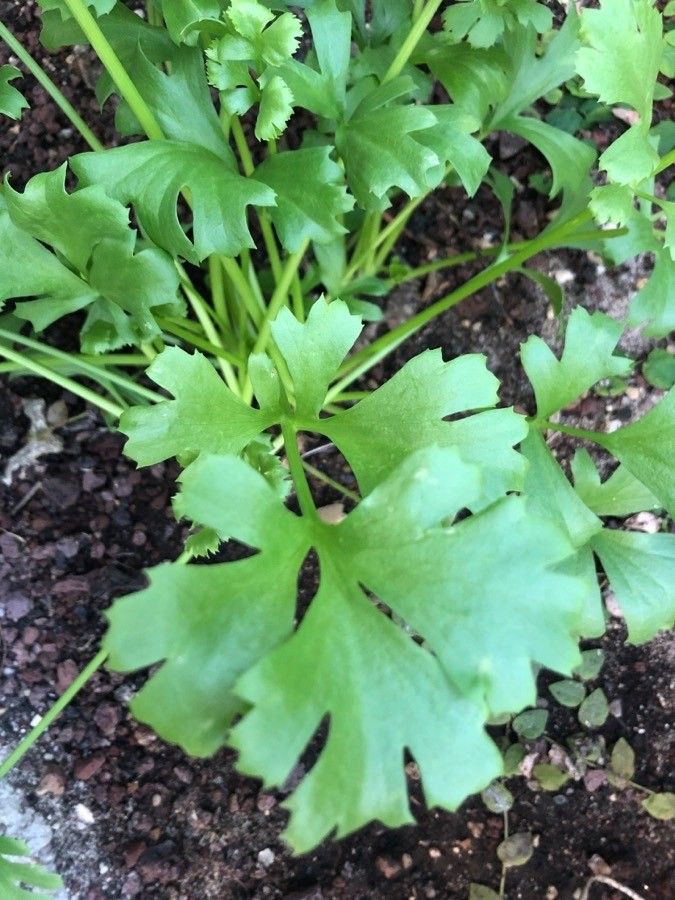
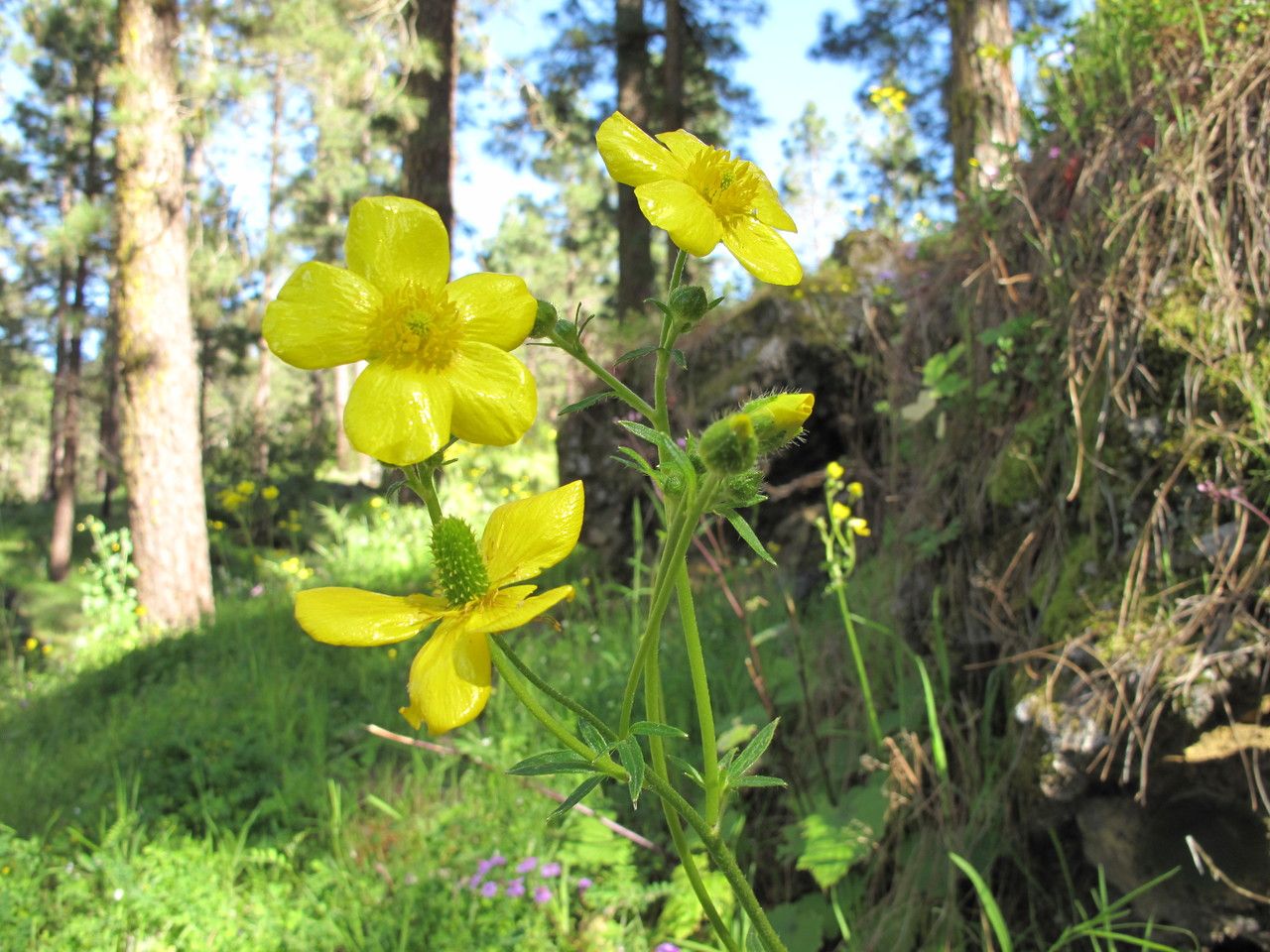
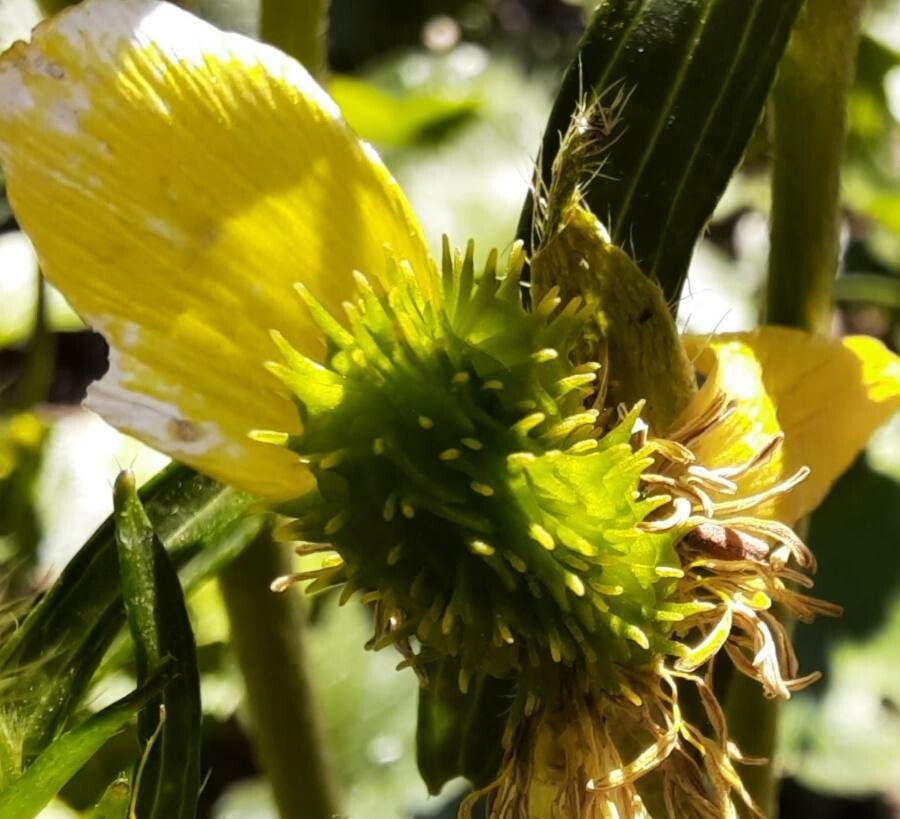
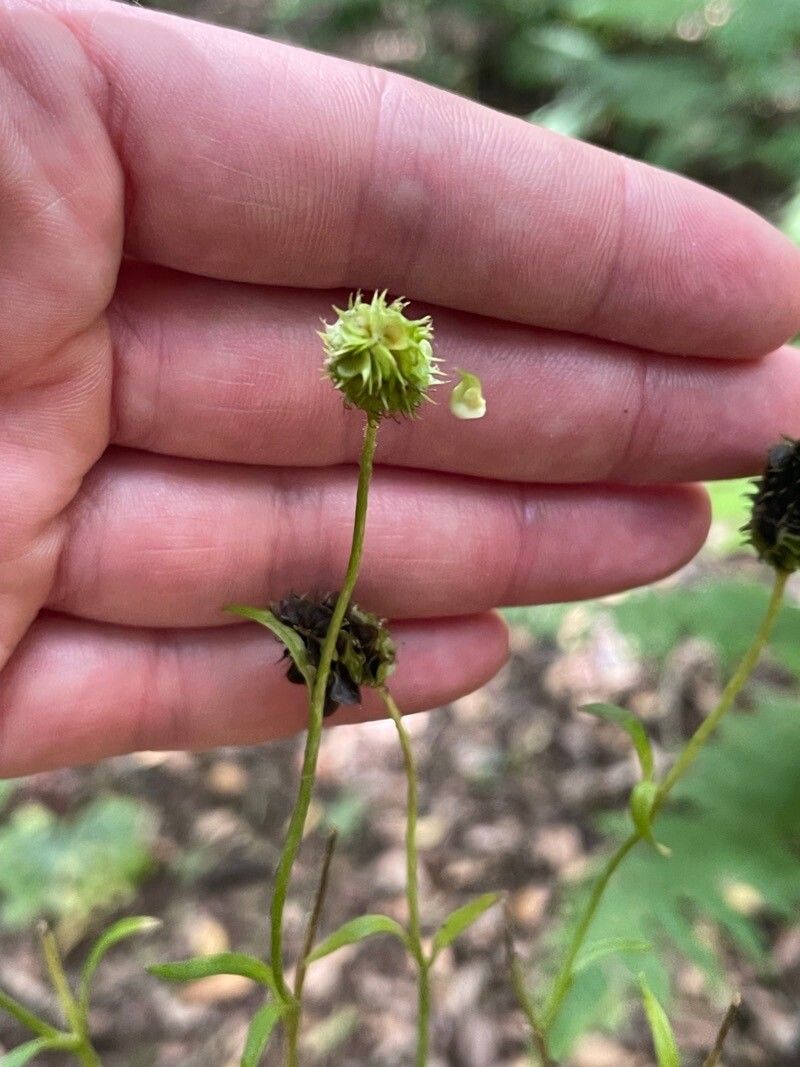
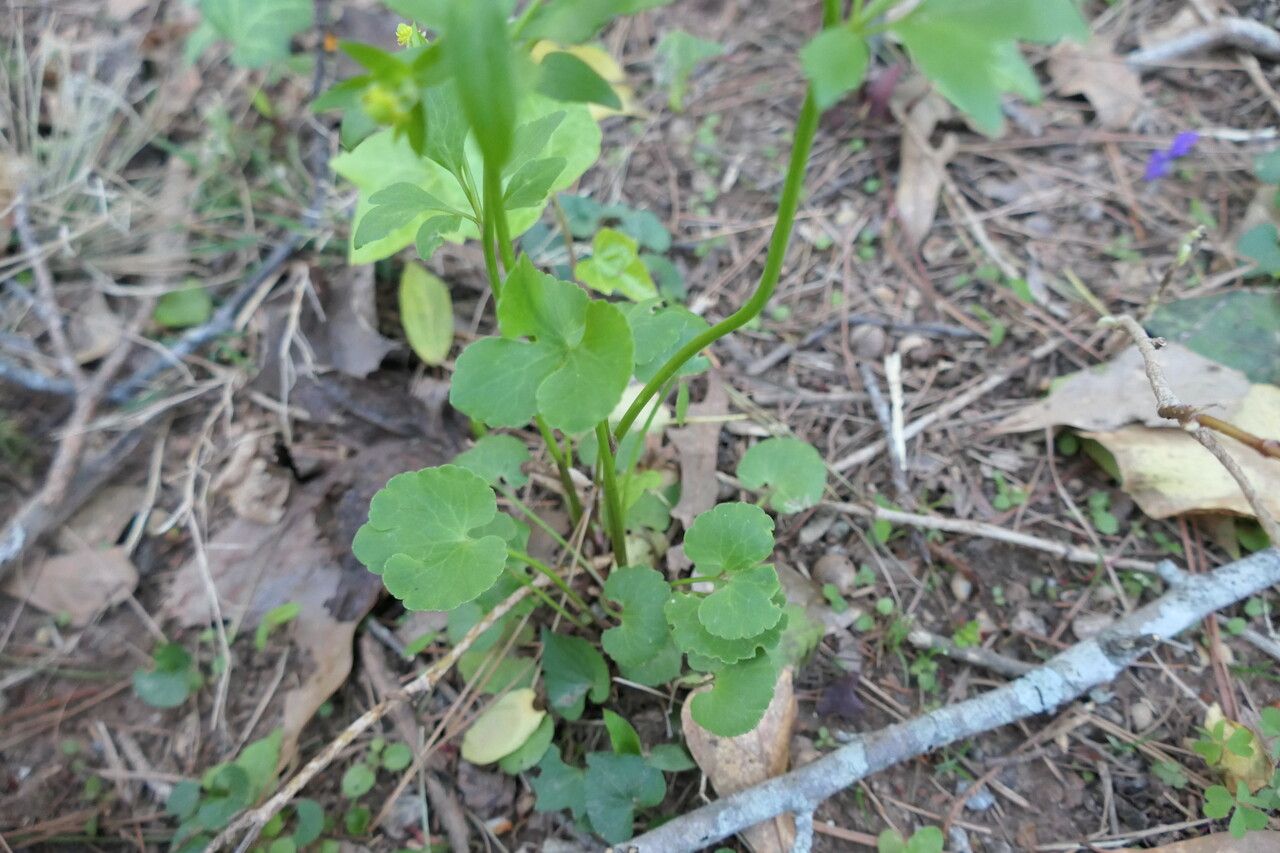
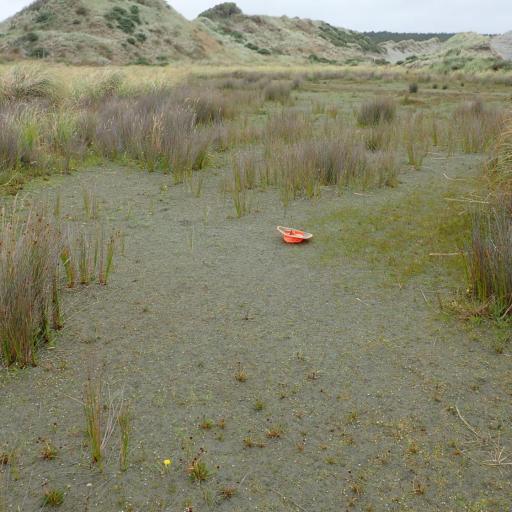
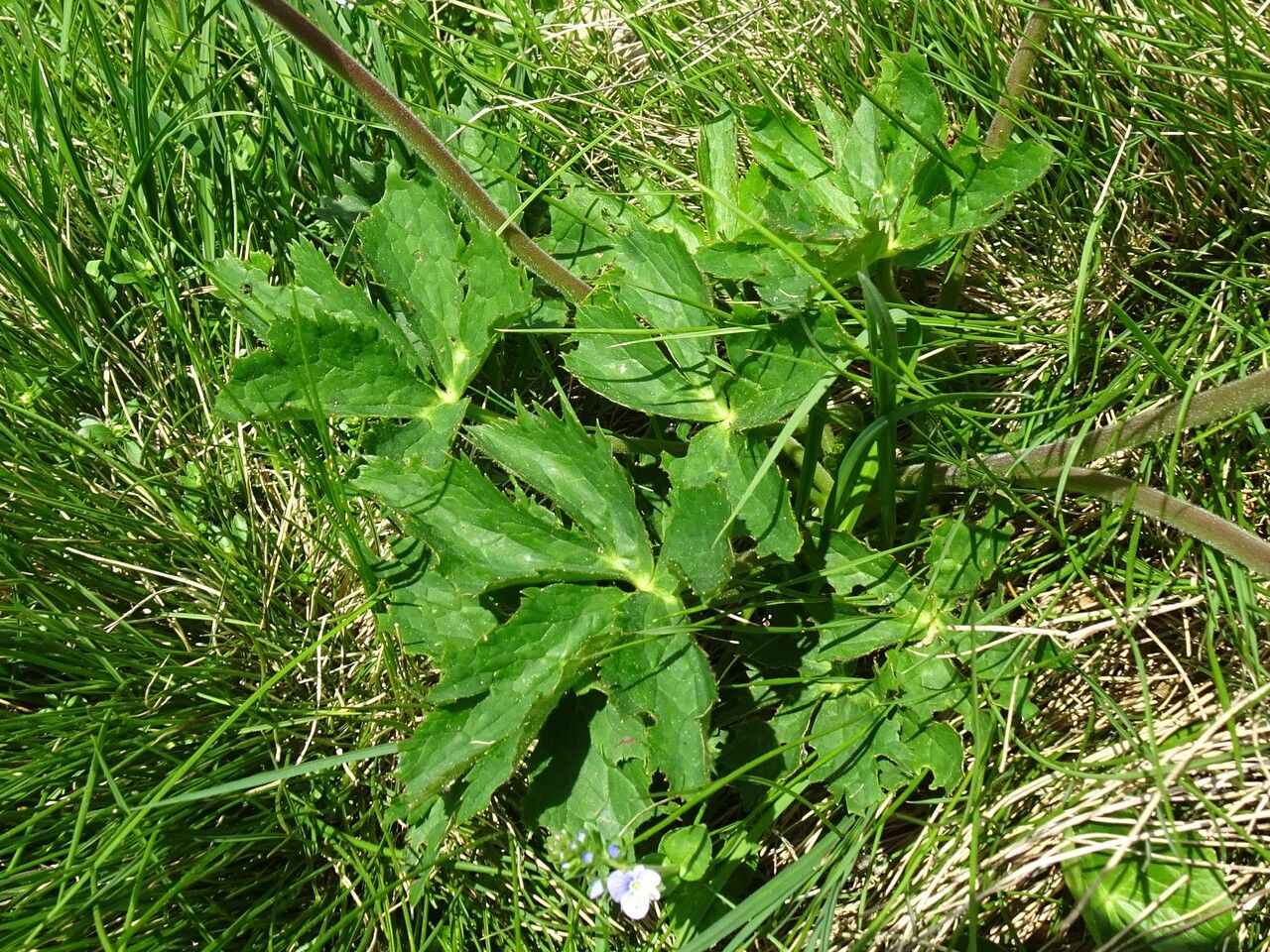
Ranunculus cortusifolius, also known as the Azores buttercup or Canary buttercup, is a plant species in the genus Ranunculus, family Ranunculaceae, the buttercup or crowfoot family. It grows on moister sites throughout the Azores, Madeira and Canary Islands but is widely cultivated elsewhere as an ornamental. There are reports of it having become naturalized in parts of California.
Azores buttercup has strong disease resistance and generally is not prone to illnesses. However, it can be affected by pests and diseases present in its surroundings. These infections are usually mild. In terms of care, this plant requires moderate maintenance. It needs regular pruning to keep a good appearance and support healthy growth. Fertilizing can also help encourage flowering. Azores buttercup is appropriate for anyone with outdoor space, such as a garden or patio, and does not demand extensive care experience. It may need more attention when grown indoors.
How to keep Ranunculus Cortusifolius.
Light
The Azores buttercup does best with plentiful sunlight, having evolved in habitats where sun exposure is abundant. Although it can endure periods without much sunshine, its health and growth may be impaired. Both excessive sunlight and insufficient solar radiation can negatively affect its normal life cycle.
Water
The Azores buttercup flourishes in humid environments with high water content. To ensure optimal hydration, it requires weekly watering. This herbaceous perennial, native to the Azores, goes through cycles of growth and dormancy, requiring careful water management as the seasons change.
Temperature
Azores buttercup can tolerate a wide range of temperatures, but its distribution can still be restricted by different combinations of moisture and heat. It performs best in warm summers with adequate rainfall or irrigation. Extended stretches of cloudy, rainy weather, as well as prolonged high temperatures, increase the chance that the Azores buttercup will die. In winter, shielding the plant from cold improves its survival rate.
Fertilizer
The best time to fertilize an Azores buttercup is in early spring, when it is coming out of dormancy and beginning active growth. Fertilization supplies essential nutrients for healthy growth. Although the Azores buttercup has relatively low fertilizer requirements, applying fertilizer annually can improve its survival and encourage better, longer-lasting flowers.
Pruning
The Azores buttercup is known for its lush foliage and bright yellow blooms. To keep it healthy and vibrant, it's important to prune it strategically between early and late spring. Start by removing any dead stems to encourage healthy growth and improve flowering. Additionally, thinning out overcrowded stems will enhance air circulation, which helps reduce the risk of disease. Always use clean, sharp tools for effective pruning.
Botanical profile.
- Plant Type
- Herb
- Life Cycle
- Perennial
- Genus
- Ranunculus
- Family
- Ranunculaceae
- Hardiness Zone
- 8-10
- Mature Height
- 1.22 m
- Mature Spread
- 91 cm
- Leaf Color
- Dark Green, Forest Green
- Leaf Type
- Deciduous
- Flower Color
- Yellow
- Flower Size
- 3.05 cm to 5.08 cm
- Bloom Time
- Mid spring, Late spring, Early summer
- Planting Time
- Spring, Summer
- Harvest Time
- Summer
Other names.
Reader questions.
How should I water my Azores buttercup so that it grows well?
To properly water the Azores buttercup, it is recommended to use filtered water at room temperature. Tap water may contain harmful particles that can negatively impact the plant's health. Since the Azores buttercup originates from a warm environment, it is recommended to avoid using cold water as it may cause shock. Additionally, it is best to refrain from overhead watering as it can lead to leaf issues. Instead, apply filtered, room temperature water directly to the soil until it is fully soaked. This method helps the plant by providing moisture to the roots, allowing them to spread and absorb essential nutrients from the soil.
Why should I put fertilizer on my Azores buttercup?
Fertilization is important for the Azores buttercup because it provides essential nutrients for above and below ground growth. However, the Azores buttercup has relatively low fertilization needs and can sometimes survive without it. Nevertheless, annual fertilization is highly beneficial for the plant as it helps keep it alive and encourages the production of longer-lasting and better flowers. Therefore, those who want their Azores buttercup to thrive should prioritize annual fertilization.
What are the sunlight requirements for Azores buttercup?
Azores buttercup requires full sun, which is defined as above 6 hours of sunlight daily, to thrive optimally. It is important to observe the movement of sunlight through your garden carefully to ensure that you place your Azores buttercup in spots that offer a good balance of light and shade. This balance is crucial for the plant's health and well-being.
What is the Azores buttercup?
The Azores buttercup, known scientifically as Ranunculus cortusifolius, is a species within the Ranunculaceae family. Although specific details regarding its essentials, symptoms, and additional traits have not been provided, the plant's identification is primarily by its botanical name and common name.
What should I do if I give my Azores buttercup too much or too little water?
Overwatering is a more common issue for Azores buttercup and can cause wilting and yellowing of the stems and leaves. Prolonged overwatering can lead to diseases like root rot, mold, and mildew, which can be fatal. Underwatering is less common, but can result in brittle and brown leaves. It's important to recognize the signs of overwatering early and reduce watering immediately. Check the soil drainage and replace it if it drains poorly. If the plant is not getting enough water, increase watering until the signs improve.
When should I fertilize my Azores buttercup?
The best time to fertilize an Azores buttercup is in the late winter to early spring. This is when the plant is coming out of its dormant phase and beginning to grow actively. Fertilizing at this time helps promote healthy growth and sets the plant up for a successful season. Although early spring is generally the most beneficial time for fertilization, it is also acceptable to fertilize in the fall. However, it is not recommended to feed the plant in summer or winter.
How does the Azores buttercup adapt to different sunlight conditions?
The Azores buttercup, having its origins in environments with abundant solar radiation, thrives best in full sunlight. Although it is robust enough to withstand periods of insufficient sunshine, its health and growth could be adversely affected by either overexposure or lack of adequate sunlight, impacting its normal life cycle. For indoor plants or those in less sunny locations, artificial lighting can be a vital solution to provide optimal growth conditions.
How often do I need to water my Azores buttercup?
If your Azores buttercup is in a pot, the most precise way to determine if it needs water is by checking the soil. Stick your finger into the soil and if you feel that the top two to three inches are dry, it's time to water it. If you have planted your Azores buttercup outdoors in the ground, you can use a similar method to test the soil. Again, check the top few inches of soil and if it feels dry, it's time to water. Usually, during spring and early fall, watering once a week should suffice. However, when the weather is extremely hot, you may need to increase watering to twice or more per week. It's worth noting that mature and well-established Azores buttercups have a remarkable ability to withstand drought.
When is it not a good idea to put fertilizer on my Azores buttercup?
To properly fertilize your Azores buttercup, it is best to do so only during the late winter and early spring. This plant requires minimal fertilization, so a single annual feeding is sufficient. Overfertilizing during spring, summer, and fall can cause complications, except if you did not fertilize in spring, in which case fall feeding is permissible. It is important to note that fertilization is not needed during winter as the Azores buttercup is in a dormant growth phase and does not produce new growth.
What are the additional considerations for providing artificial light to plants?
When natural sunlight is insufficient, artificial lighting becomes crucial for indoor plants. Opting for LED lights can be beneficial as they can be customized to offer specific wavelengths needed by your plants. The required artificial light intensity varies depending on the plant's sunlight needs: 30-50W/sq ft for full sun, 20-30W/sq ft for partial sun, and 10-20W/sq ft for full shade plants. The light source should be placed 12-36 inches above the plant to mimic natural sunlight conditions, and plants most commonly need 8-12 hours of light per day.
How often should I water my Azores buttercup?
When watering your Azores buttercup, make sure you give it a generous amount of water. Wait until the top few inches of soil are dry, and then water thoroughly to saturate the entire soil. It's important to add enough water so that excess water drains out of the pot, indicating that you've watered enough. If you don't see excess water draining, you may have underwatered the plant. However, be careful not to let water accumulate inside the soil as this can be harmful to the plant. On the other hand, if no water drains through the pot, it might indicate that the soil doesn't drain well, which is not good for the plant's health. If the plant is outside, receiving about 1 inch of rain per week should be enough.
Which fertilizer should I use for my Azores buttercup?
Choosing a general-purpose fertilizer with balanced nutrients is suitable for Azores buttercup. However, some nutrient blends provide extra benefits. Many gardeners suggest using a phosphorus-rich fertilizer for Azores buttercup as it promotes strong roots and better flowers. Granular or liquid forms of fertilizers both work as long as they are nutrient-rich. Besides manufactured fertilizers, compost, manure, and similar organic materials can also improve soil quality for Azores buttercup.