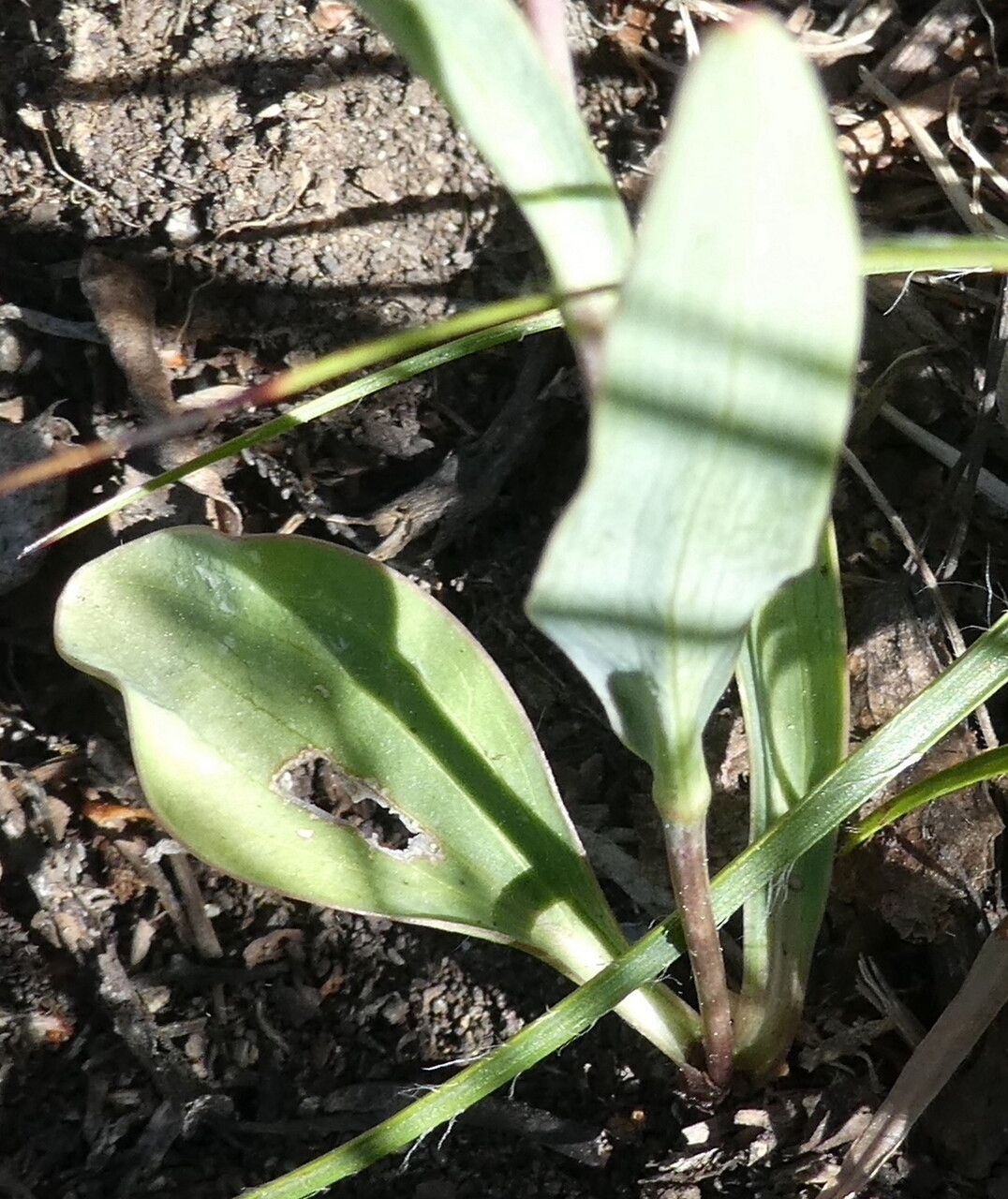
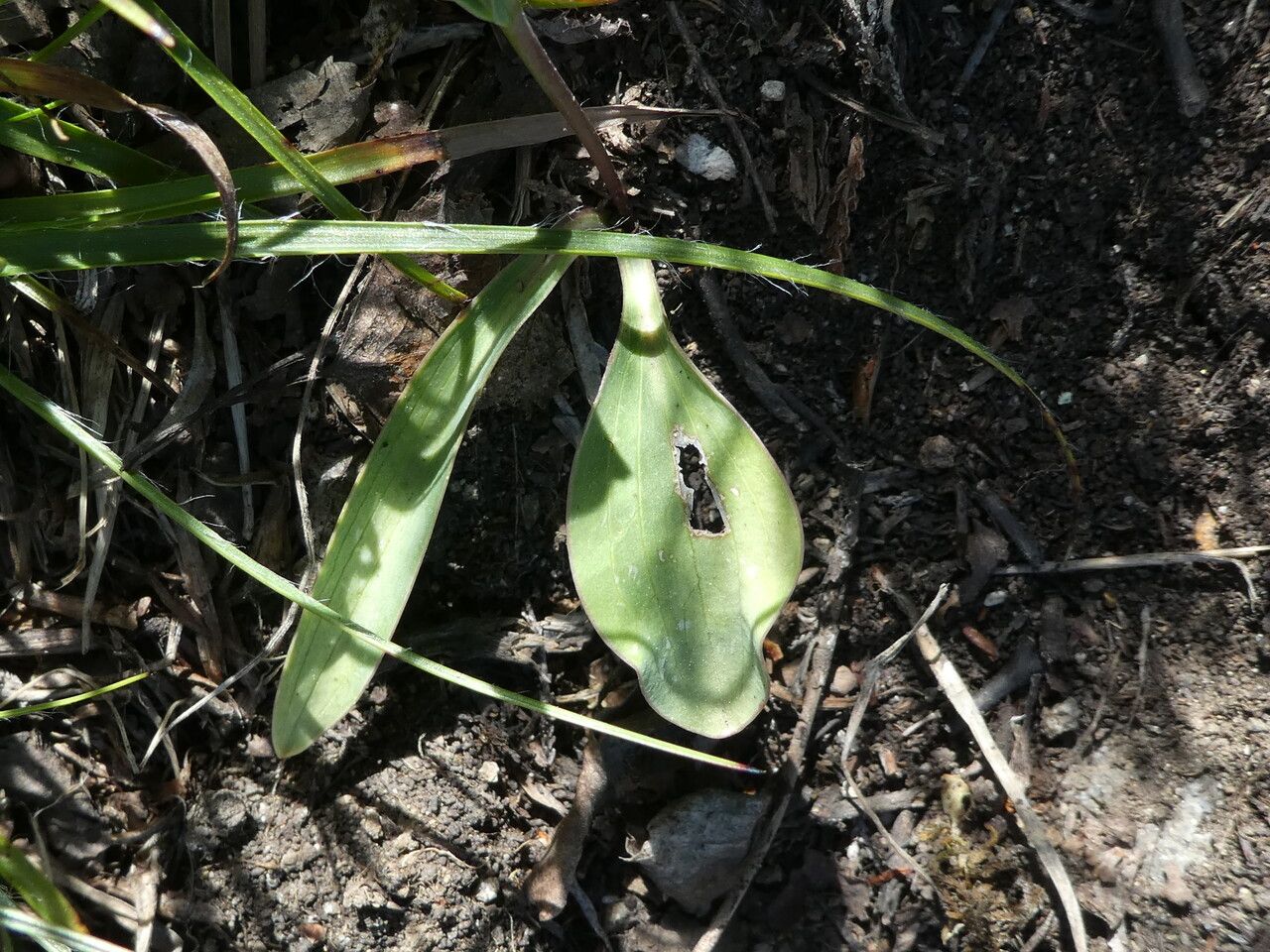
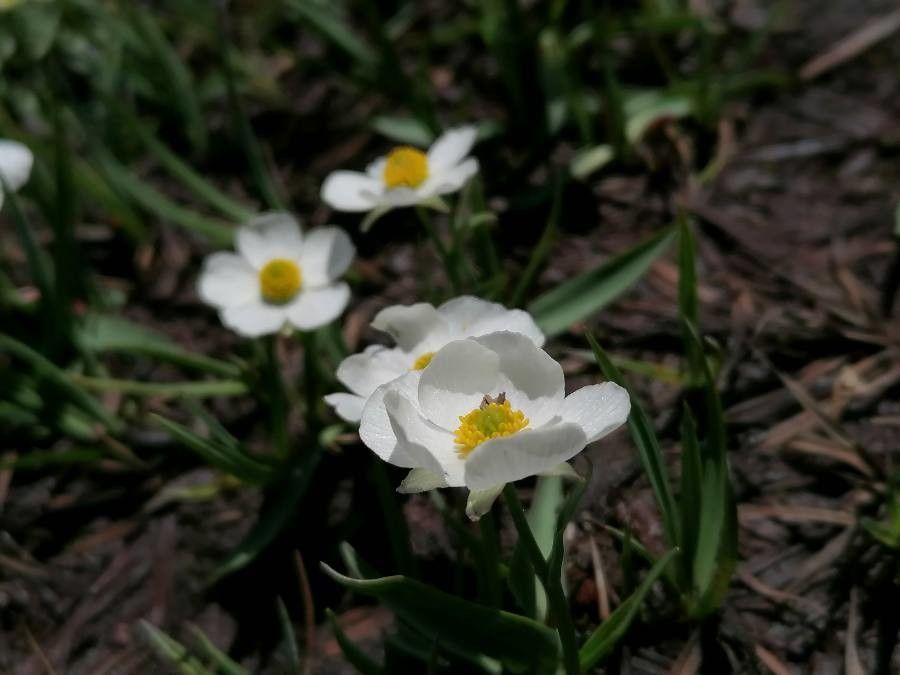
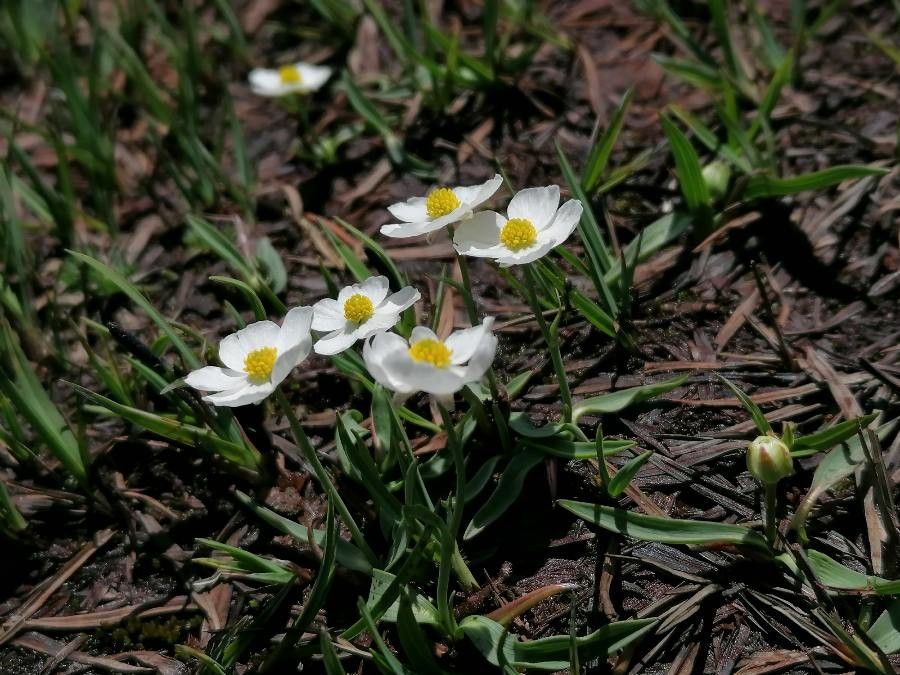
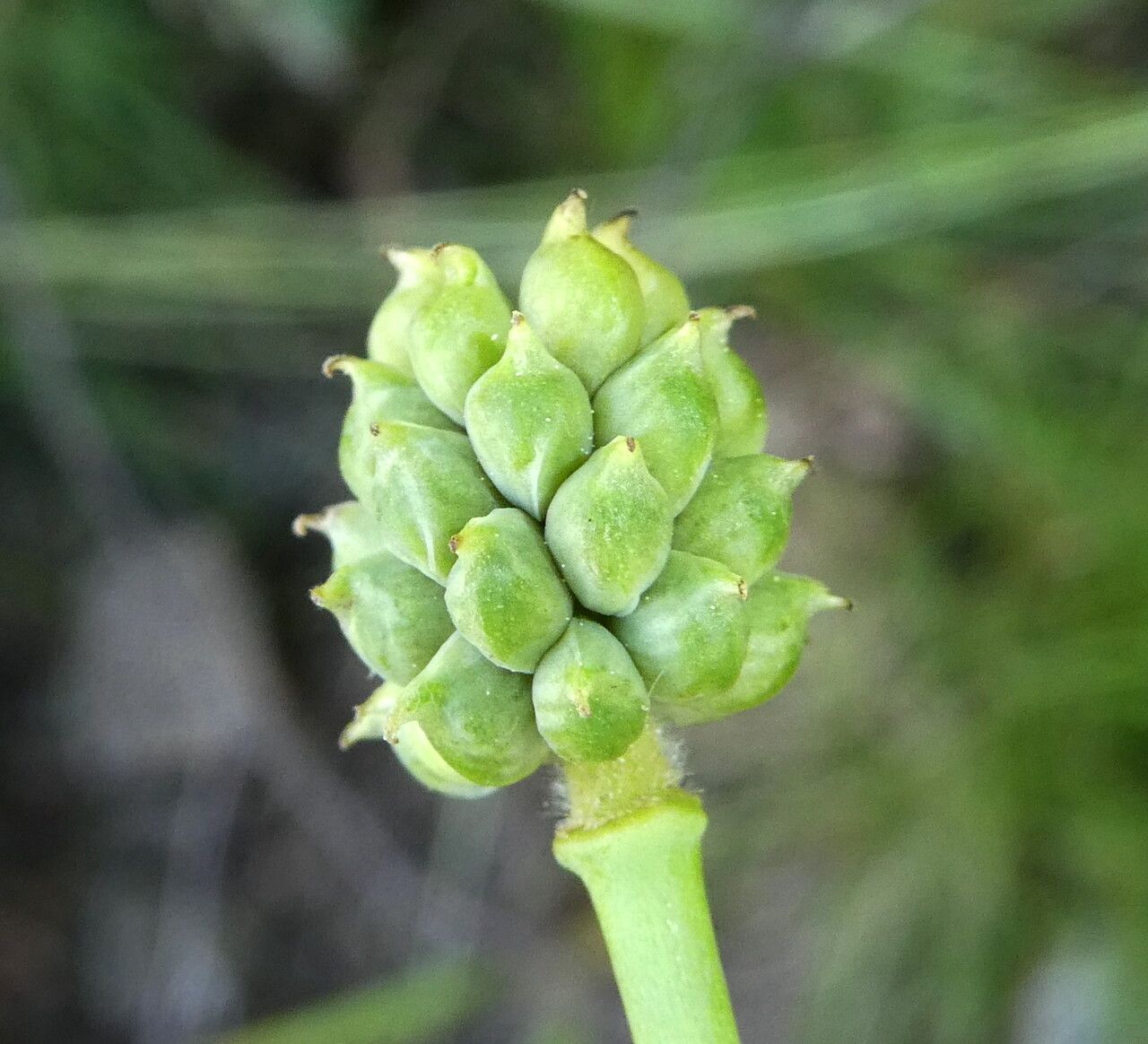
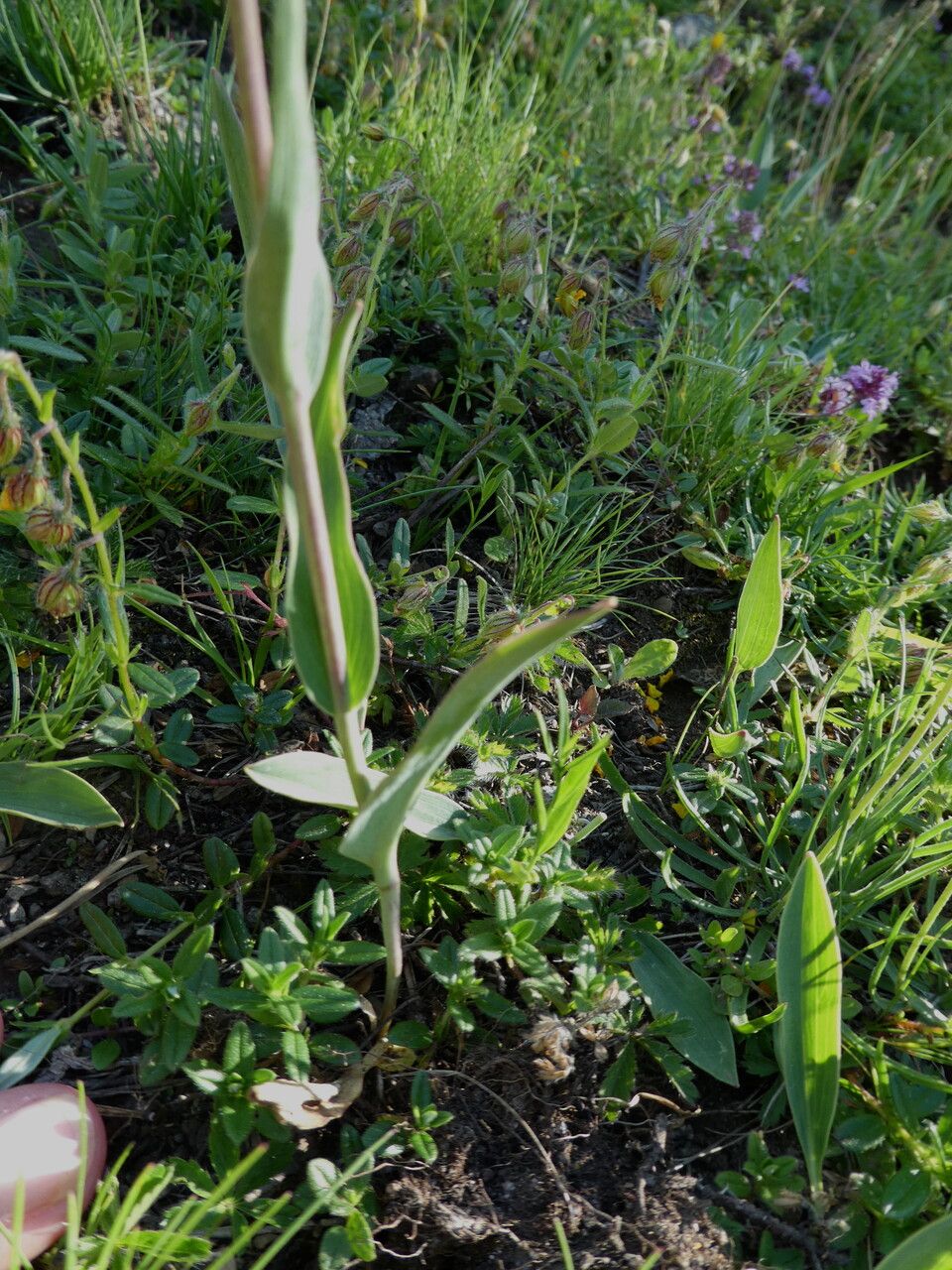
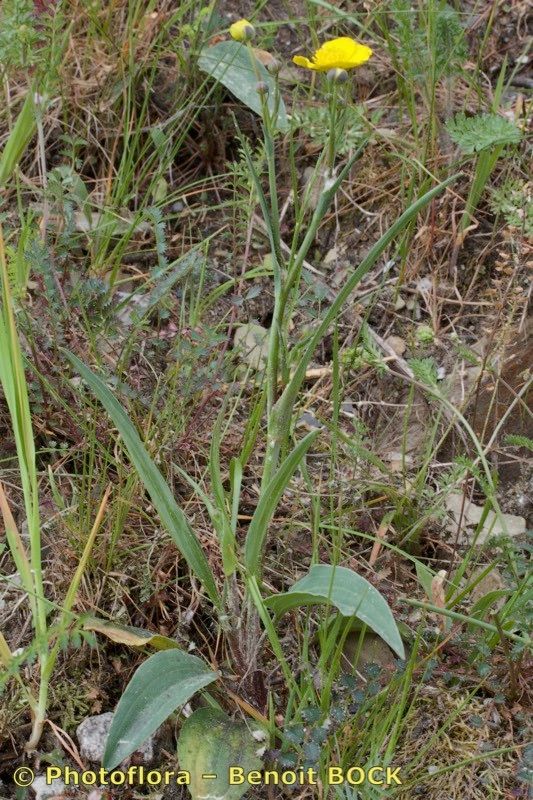
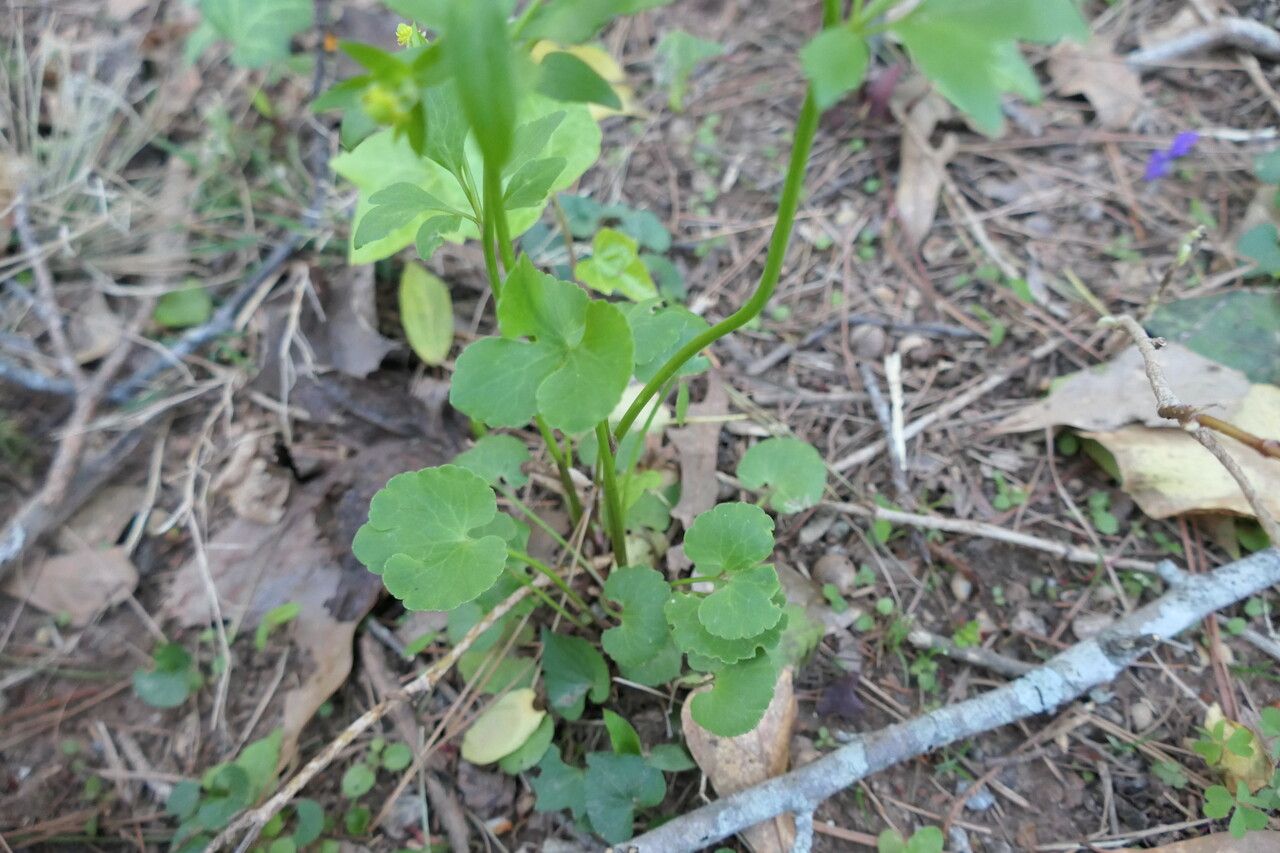
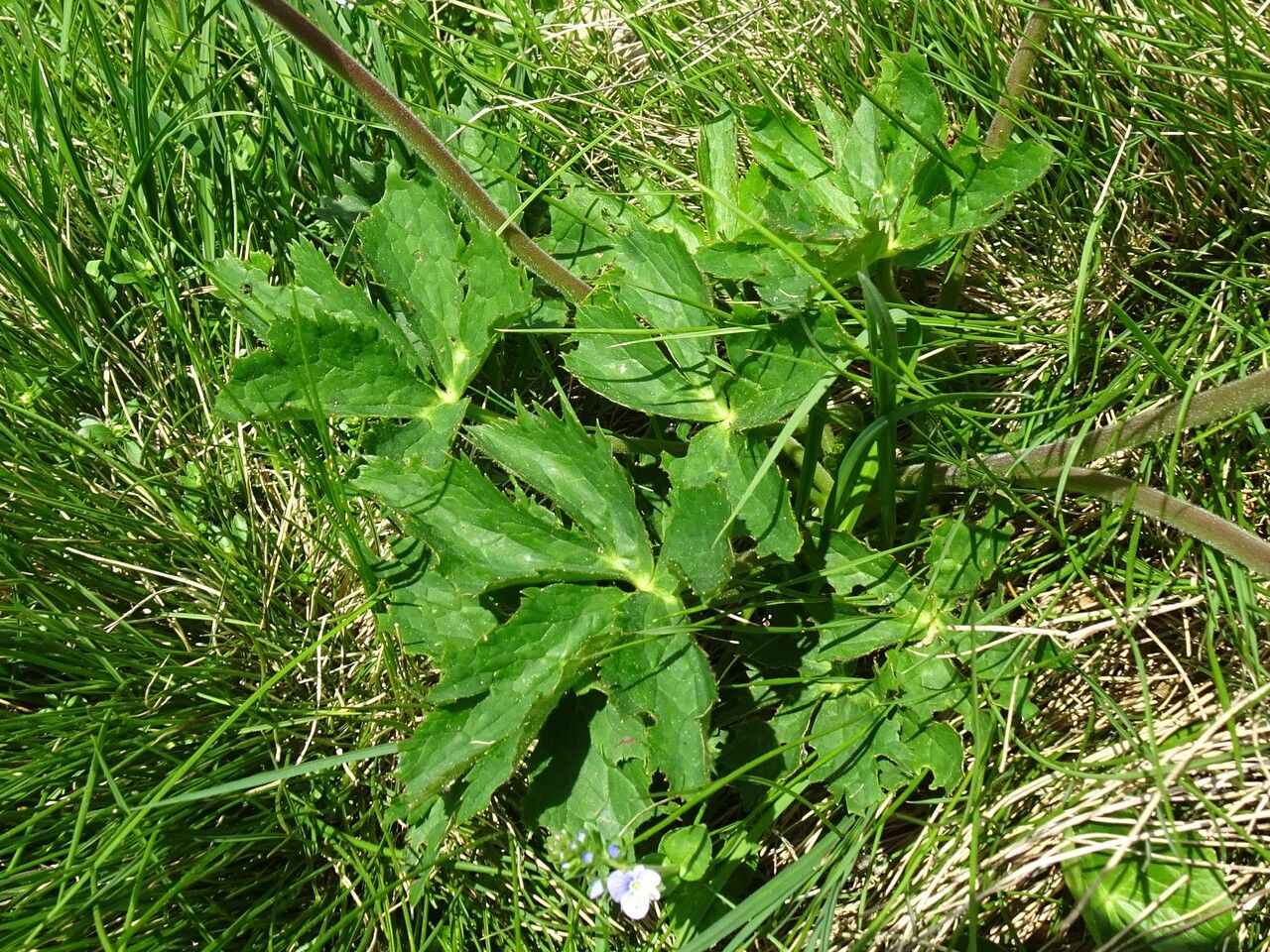
Amplexicaul buttercup has strong resistance to disease and is typically not vulnerable to illnesses. Still, it can be affected by pests and diseases present in its environment, though such problems are generally mild. Regarding maintenance, this plant is moderately demanding. Regular pruning is necessary to preserve an attractive appearance and encourage healthy growth. Applying fertilizer can also help increase flowering. Amplexicaul buttercup is well suited for anyone with outdoor areas like a garden or patio and does not demand extensive gardening experience. When cultivated indoors, it may need more attentive care.
How to keep Ranunculus Amplexicaulis.
Light
Amplexicaul buttercup is native to habitats such as forest understories or rocky areas, where it grows in natural shade. It prefers partial sun but can tolerate full sun or full shade, demonstrating its versatile and hardy nature.
Water
The amplexicaul buttercup originates from alpine meadows and thrives in cool, moist environments. While it needs consistent moisture, it can withstand moderate drought conditions. For optimal growth, this plant should be watered weekly and benefits from rainfall during its active growing season, making it well-suited for outdoor cultivation.
Fertilizer
The best time to fertilize an Amplexicaul buttercup is in early spring, as it is coming out of dormancy and beginning active growth. Fertilization supplies essential nutrients for healthy development. Although the Amplexicaul buttercup has relatively low fertilizer requirements, annual fertilization can improve its survival and encourage better, longer-lasting flowers.
Pruning
The Amplexicaul buttercup is a perennial plant known for its distinctive leaves and vibrant yellow flowers. To keep it healthy and encourage blooming, it's important to prune the plant by removing dead stems and thinning out excess growth. This should ideally be done from early to late spring to improve air circulation. Always use clean and sharp tools to ensure the best regrowth.
Botanical profile.
- Plant Type
- Herb
- Life Cycle
- Perennial
- Genus
- Ranunculus
- Family
- Ranunculaceae
- Hardiness Zone
- 5-9
- Mature Height
- 30 cm
- Mature Spread
- 20 cm
- Leaf Color
- Green, Dark Green
- Leaf Type
- Deciduous
- Flower Color
- White
- Flower Size
- 2.03 cm to 3.05 cm
- Bloom Time
- Mid spring, Late spring
- Planting Time
- Spring
- Harvest Time
- Early summer, Mid summer
- Native Area
- Spain, France
Other names.
Reader questions.
What are the sunlight requirements for the Amplexicaul buttercup?
The Amplexicaul buttercup (Ranunculus amplexicaulis) thrives in locations that receive full sun, which is defined as receiving more than 6 hours of sunlight per day. It's important to observe the movement of sunlight through your garden throughout the day to identify spots that offer an ideal balance of light and shade. This careful selection of planting location ensures the health and happiness of your Amplexicaul buttercup by providing it with the necessary amount of sun exposure.
What is the botanical name of the Amplexicaul Buttercup?
The botanical name of the Amplexicaul Buttercup is Ranunculus amplexicaulis.