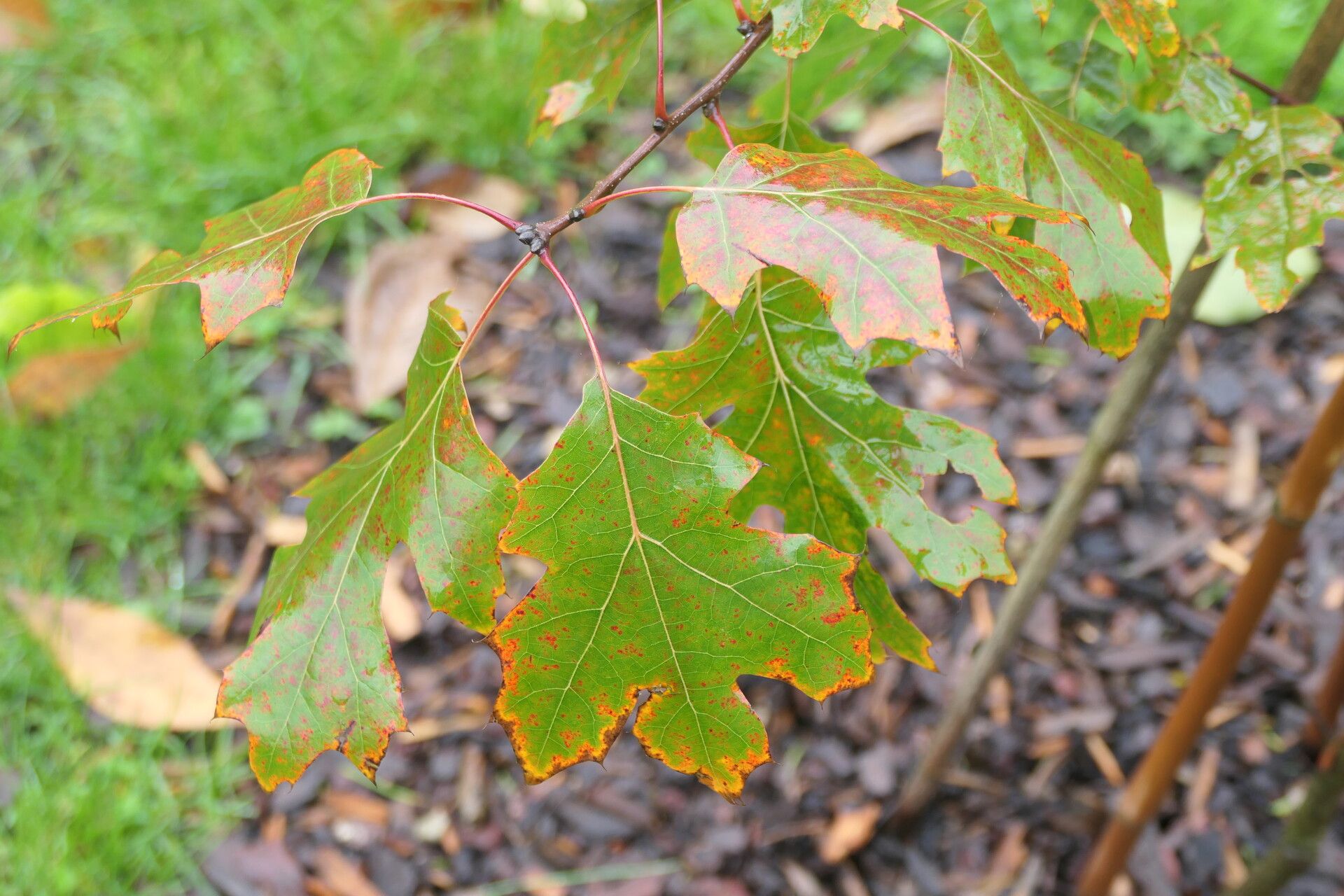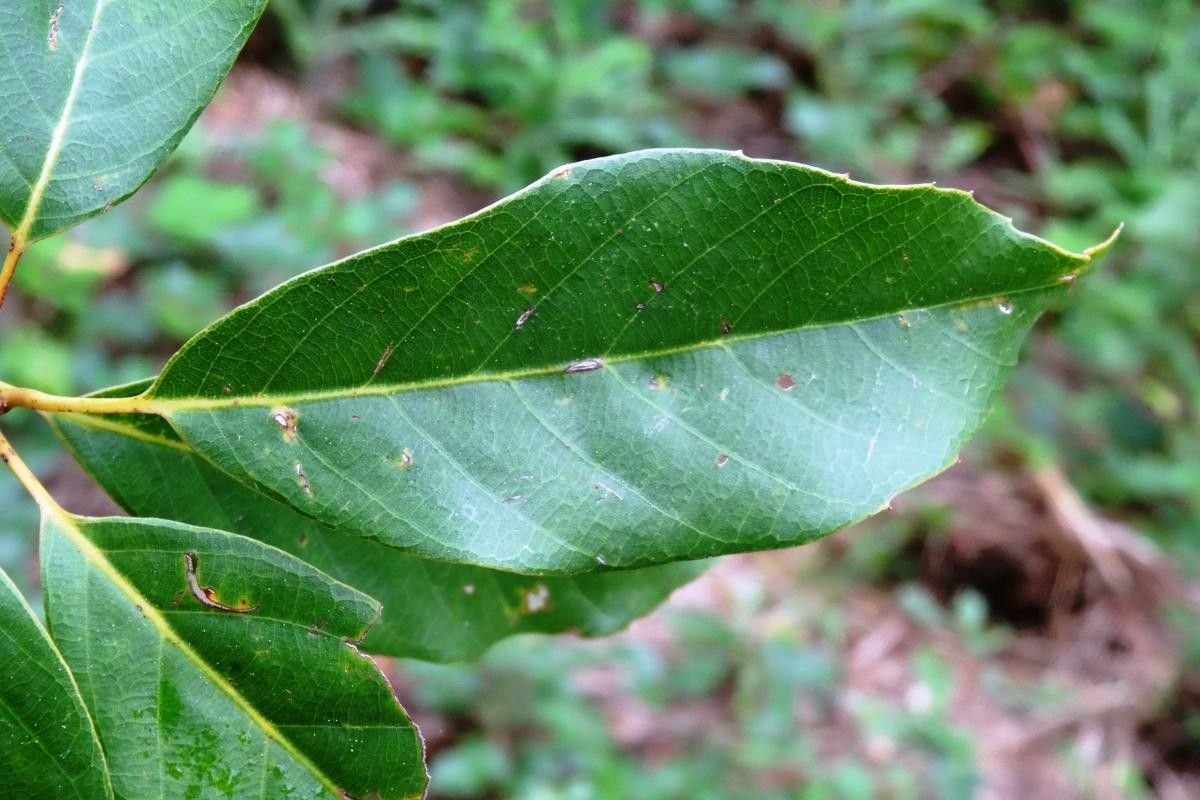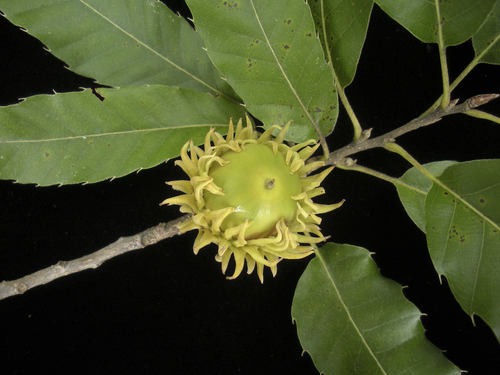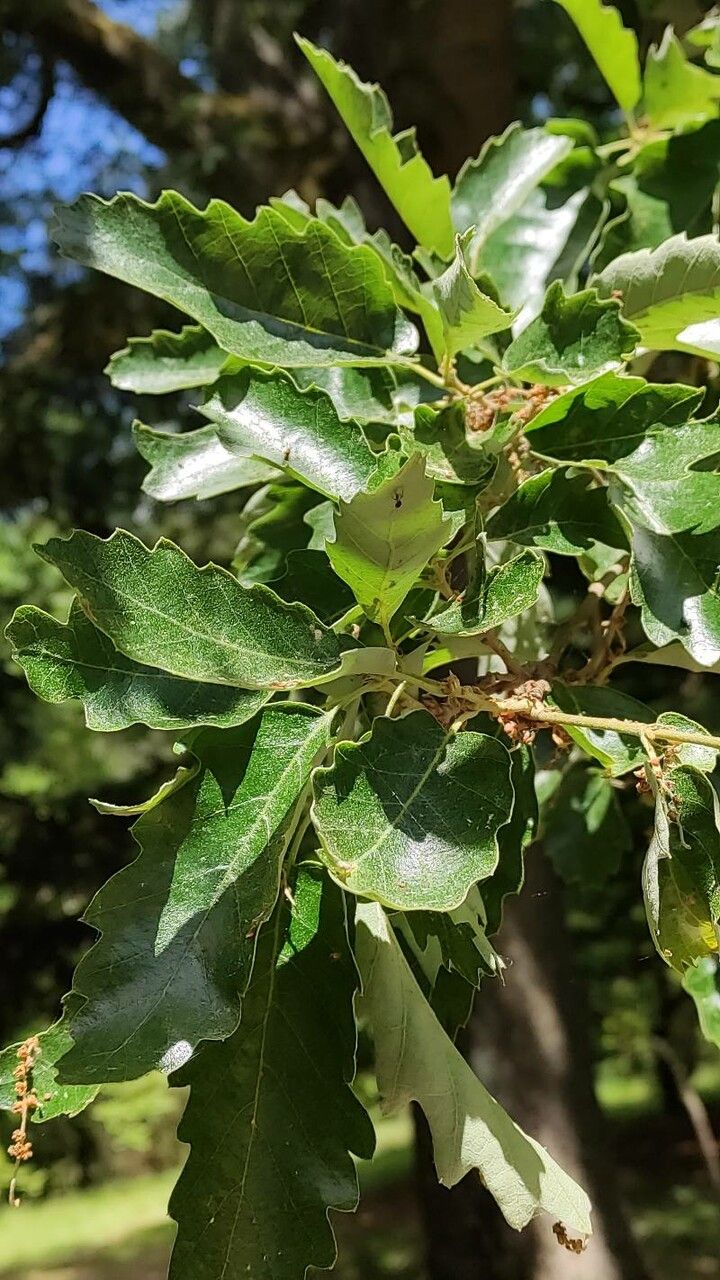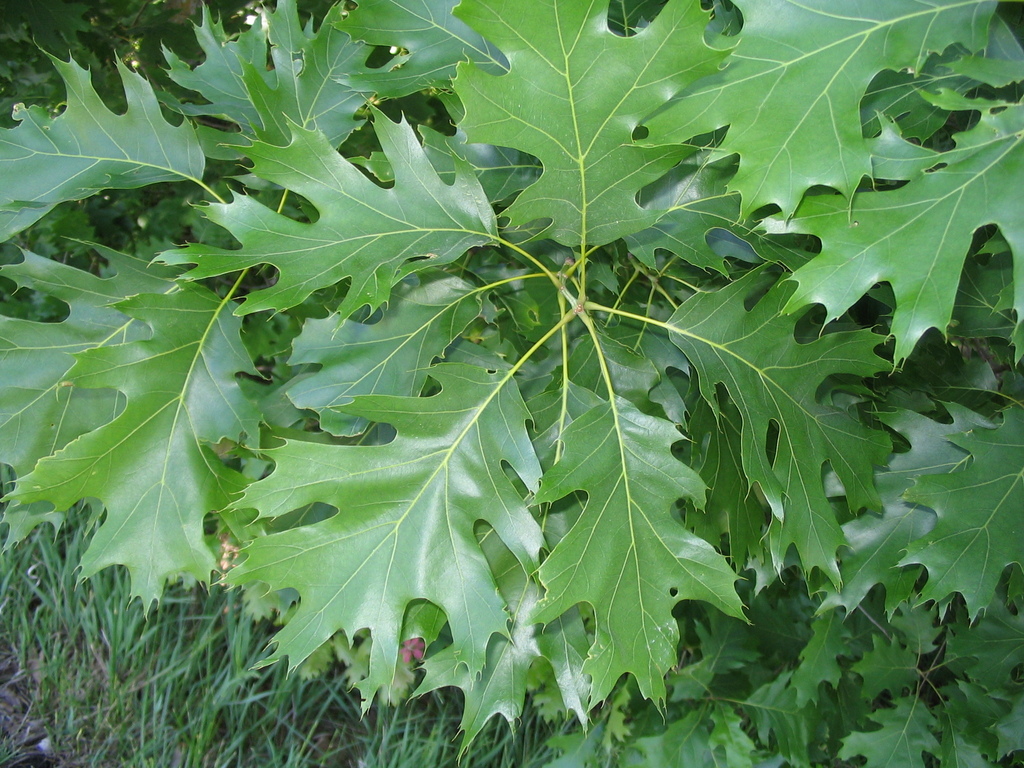
Quercus velutina, commonly known as the black oak, is a deciduous tree native to eastern North America. It can grow up to 80 feet tall and features a broad, spreading crown. The bark is dark and deeply furrowed, with ridges broken into small blocks. The leaves are simple, alternate, and display a glossy dark green upper surface with a pale green underside. In the fall, they turn yellow or brown before falling off.
The black oak produces acorns, which are an essential food source for wildlife such as squirrels, deer, turkeys, and blue jays. It also provides habitat for various bird species.
The wood of the black oak is strong and durable, making it suitable for furniture making, flooring, and railroad ties.
Black oaks typically start producing seeds, or acorns, when they are about twenty years old. They reach peak seed production between the ages of twenty and seventy-five. However, many of the acorns are consumed by wildlife, which significantly reduces the number of trees that can naturally reproduce. FUN FACT · FROM THE LIBRARY
Black oaks prefer well-drained soils in full sun but can tolerate some shade. They are relatively low-maintenance trees but may be susceptible to diseases such as oak wilt and pests like gypsy moths.
Overall, Quercus velutina plays an important role in its ecosystem. It provides food for wildlife and is valuable to humans through its wood products. Its broad, spreading crown adds aesthetic appeal during the growing season, and the yellowish-brown foliage in the fall enhances the beauty of natural landscapes.
Black Oak: This plant, found in many regions, is known for its almost entirely black bark, which is marked by deep, wrinkled grooves. Its velvety red leaves contrast beautifully with the distinctive black bark, highlighting the tree's unique appearance. This striking bark is why it is called the Black Oak.
Black oak is fairly resistant to disease and is typically not prone to illnesses. When it comes to care, this plant is relatively low-maintenance. Planted outdoors, it needs only light watering, and larger specimens usually do not require pruning. However, smaller plants should be pruned after they have bloomed. Black oak is suitable for anyone with an outdoor area, such as a garden or deck, and does not demand extensive care experience.
How to keep Quercus Velutina.
Light
Black oak does best in strong, direct sunlight throughout the day. It can also thrive beneath a canopy that offers dappled light for part of the day. In a forest setting it tolerates varying light intensities well. Too little sun can cause weak growth, while excessive sunlight may scorch the leaves.
Water
Black oak thrives in environments with moderate moisture and can withstand dry spells. It should be watered every 1-2 weeks to keep the soil slightly damp. During the active growing season, it requires more water to support leaf development. As a deciduous tree, black oak is well-suited for outdoor growth.
Temperature
In its natural habitat, black oak grows best in regions where the average annual temperature falls between 24 and 76 ℉ (-4.4 to 24.4 ℃). As a temperate woody species, it favors temperatures of 32 to 90 ℉ (0 to 32 ℃). During summer, occasional watering or mulching can help maintain soil moisture and prevent heat stress. In winter it can tolerate temperatures down to -25 ℉ (-32 ℃) and benefits from protective mulch to insulate its roots.
Fertilizer
Fertilize your Black oak in early spring to encourage healthy growth. Regular feeding boosts its overall vigor, producing strong growth, better tolerance of harsh conditions, and greater resistance to pests and diseases. Keep to a consistent fertilization schedule for your Black oak to preserve vibrant, deeply colored foliage and a lush appearance.
Pruning
Black oak trees are known for their rugged bark and vibrant autumn foliage. To keep them healthy, it's important to prune them carefully in early spring. Focus on removing dead or damaged branches and thinning out the tree to improve airflow. Regular pruning promotes strong growth and enhances the tree's resistance to pests and diseases. For more detailed guidance, consider consulting reputable horticultural sources.
Botanical profile.
- Plant Type
- Tree
- Life Cycle
- Perennial
- Genus
- Quercus
- Family
- Fagaceae
- Hardiness Zone
- 3-8
- Mature Height
- 20.12 m to 24.99 m
- Mature Spread
- 6.1 m to 17.98 m
- Leaf Color
- Green, Red, Brown, Yellow
- Leaf Type
- Deciduous
- Flower Color
- Yellow, Green
- Flower Size
- 0.25 cm to 0.51 cm
- Bloom Time
- Mid spring, Late spring
- Planting Time
- Spring, Autumn
- Harvest Time
- Mid summer, Late summer
Other names.
Reader questions.
When Should I Water My Black Oak?
Timely watering is crucial for the growth and well-being of black oak (Quercus velutina). When the top 1-2 inches of soil feels dry, it's an indicator to water the plant, ensuring you don't over-water to avoid root rot. Observing the leaves for wilting or curling can also guide watering needs. Black oak requires more water during its active growth in spring and summer, and less during its dormant phase in fall and winter. It is essential to maintain a balance in watering to avoid issues like root rot, leaf drop, slowed growth, or even death of the plant. The surrounding environment and the plant's age also influence its specific water needs.
Why should I put fertilizer on my Black oak?
To ensure the health and vibrancy of your Black oak, it's important to regularly fertilize regardless of the specific type you have. This will provide essential nutrients for robust growth, making the tree more resilient to harsh conditions and better equipped to combat diseases and pests. Since the foliage is a prominent feature of the Black oak, it is crucial to maintain its beauty. This involves following a consistent fertilization schedule customized for your tree, resulting in deep-colored leaves and an overall lush appearance.
What are the sunlight requirements for black oak (Quercus velutina)?
Black oak thrives best in full sun, which means it requires more than 6 hours of sunlight daily. It can also flourish with about 3-6 hours of sunlight, known as partial sun. However, it is crucial to observe the movement of sunlight through your garden to ensure that the black oak gets the perfect balance of light and shade, fostering its growth and ensuring its happiness.
What are the essential growing conditions for Black Oak?
Black Oak (Quercus velutina) thrives in its native environment with an average annual temperature range of 24°F to 76°F (-4.4°C to 24.4°C), preferring a range of 32°F to 90°F (0°C to 32°C). This tree has strong cold resistance and can tolerate winter temperatures as low as -25°F (-32°C). During the summer, it may benefit from occasional watering or mulching to maintain soil moisture and prevent heat stress. In winter, protective mulching helps insulate its roots. If winter temperatures are expected to drop significantly, providing cold protection by wrapping the trunk and branches with materials like non-woven fabric is advised. Additionally, watering the plant abundantly before the first freeze in autumn ensures the soil remains moist, preventing drought and water scarcity during winter and early spring.
How Should I Water My Black Oak?
Proper hydration suits black oak's needs, meaning water should be applied deeply but infrequently. Targeted watering at the root level using a watering can with a long spout helps avoid wetting the foliage, which could promote fungal diseases. A moisture meter can accurately measure soil moisture, promoting optimal watering. Additionally, bottom-watering and applying a mulch layer around the plant can conserve moisture and support well-balanced hydration. Avoiding excessive moisture on the foliage and ensuring thorough water absorption at the root level are fundamental for the plant's health.
When should I fertilize my Black oak tree?
To ensure healthy growth, it is recommended to fertilize your Black oak in late winter or early spring. This will provide all the necessary nutrients for the tree to thrive when the weather warms up. If you live in a warm climate region, it is also beneficial to fertilize your Black oak again in early fall. This additional feeding will supply nutrients for the upcoming growing season and help the tree withstand the winter cold without foliage damage. Fertilizing earlier in the fall will give the new branches enough time to grow and prepare for the cold winter.
What essentials are needed for the optimal growth of black oak?
Black oak requires intense sunlight throughout the day for optimal growth but can also thrive under dappled sunlight for a portion of the day in its natural forest environment. It is adaptable to varying light intensities but is sensitive; too little light can lead to weak growth, whereas too much sunlight might cause leaf scorching. For indoor plants, artificial lighting is essential when natural sunlight is insufficient, especially in winter or less sunny spaces. LED lights are a good choice, providing specific wavelengths necessary for plant growth. Full sun plants need 30-50W/sq ft of artificial light, partial sun plants require 20-30W/sq ft, and full shade plants need 10-20W/sq ft. The light should be placed 12-36 inches above the plant for 8-12 hours per day to mimic natural sunlight.
How does Black Oak respond to low temperatures, and what can be done?
Black Oak is cold-tolerant and performs best when temperatures remain above a certain minimum suitable for growth. During winter, keeping the temperature above a minimal tolerable level is essential. If temperatures fall below a critical growth limit, the plant may not show noticeable changes in winter, but come spring, branches may become brittle, dry, and fail to produce new shoots. The solution for this issue is to prune away any dead branches in spring that have failed to produce new leaves, facilitating healthy growth.
How Much Water Does Black Oak Really Need?
Black oak thrives with deep, thorough watering until moisture reaches the bottom of the pot, which facilitates the entire root system receiving adequate moisture. The frequency of watering should allow the top few inches of soil to dry out before the next round. A mature black oak may need around 2 to 3 liters per watering session, depending on the pot size and the plant's size. Signs of proper hydration include lush, vibrant leaves, and robust growth. Monitoring and adjusting watering based on the plant’s observable needs and environmental conditions is essential to avoid problems caused by over or under-watering.
When is it best not to put fertilizer on my Black oak tree?
Avoid fertilizing your Black oak tree during specific times of the year. Firstly, avoid fertilization during the early and mid-winter months when the tree is dormant and doesn't require nutrients. Secondly, refrain from fertilizing in late spring and throughout summer due to potentially hot and dry weather conditions. These conditions can adversely affect the tree's response to fertilization. Instead, adopt a fertilization schedule that focuses on feeding the tree only in early spring and early fall.
What are some common symptoms of inadequate or excessive light exposure in black oak?
When black oak does not receive sufficient sunlight, it may show symptoms such as smaller new leaves, leggy or sparse growth, faster leaf drop, slowed or halted growth, paler new leaves, indicating a lack of chlorophyll. Excessive sunlight exposure can lead to chlorosis, sunscald, leaf curling, wilting, and leaf scorching. These symptoms highlight sensitivity to heat and the importance of adequate sunlight for healthy growth.
What should be done if Black Oak experiences high temperatures?
During summer, it's crucial to ensure that Black Oak is kept below a maximum suitable temperature for its growth. Exceeding a tolerable high temperature can result in the leaves becoming lighter in color, tips drying and becoming withered, and increased susceptibility to sunburn. The recommended approach to mitigate these symptoms includes trimming away the sunburned and dried parts of the plant, moving it to a location with shade during the midday and afternoon sun, or using a shade cloth. Additionally, watering the plant in the morning and evening helps keep the soil moist and supports the plant's health during hot conditions.