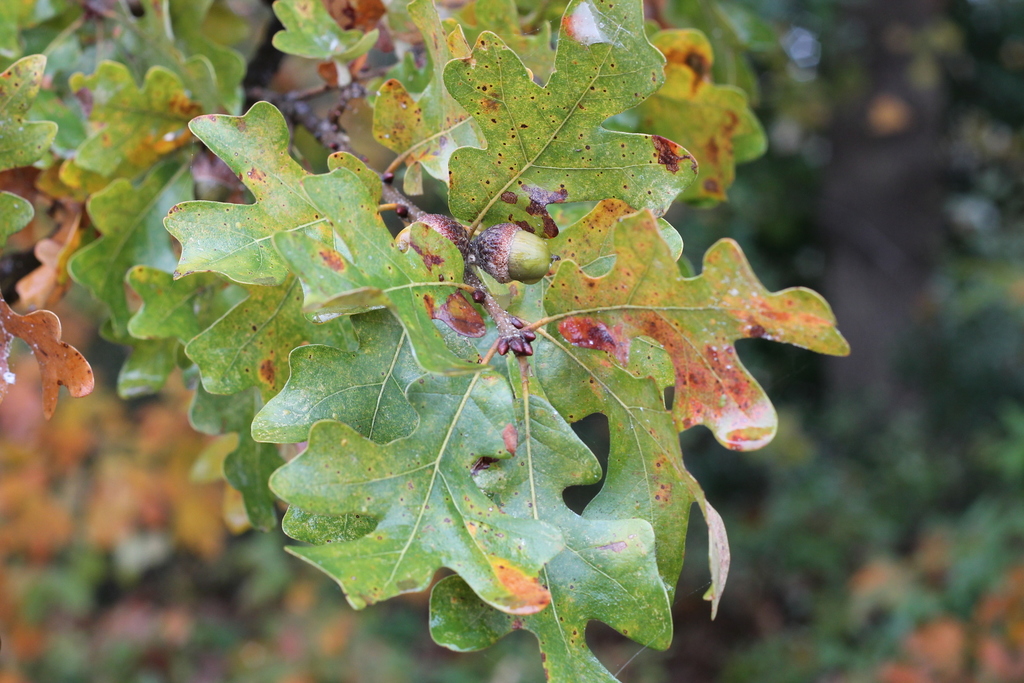
Quercus stellata, commonly known as post oak, is a deciduous tree species belonging to the Fagaceae family. Native to the eastern and central regions of North America, this tree can reach a height of 20 to 30 feet and has a spread of 25 to 40 feet. The tree features a short trunk with thick branches that form an irregular crown.
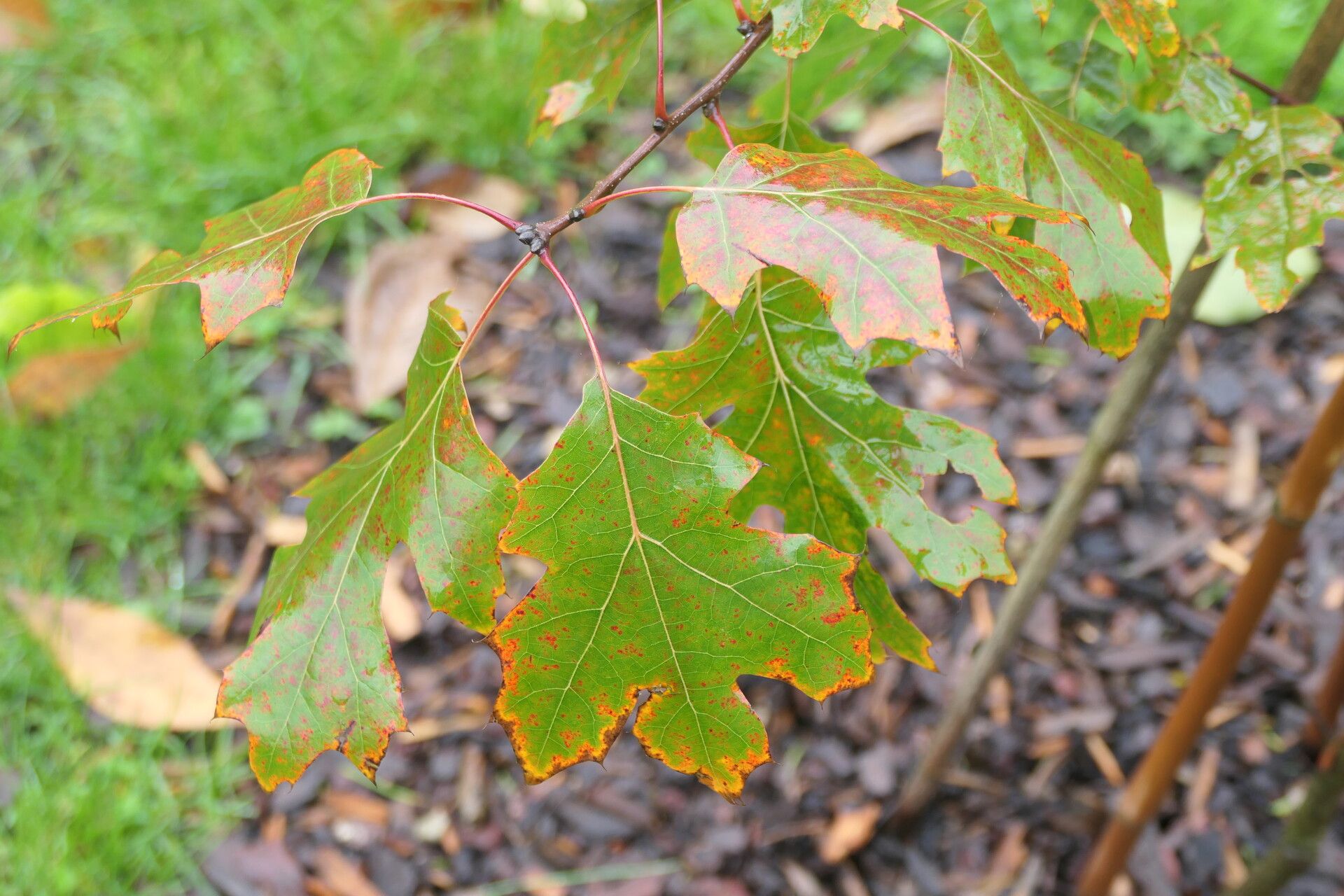
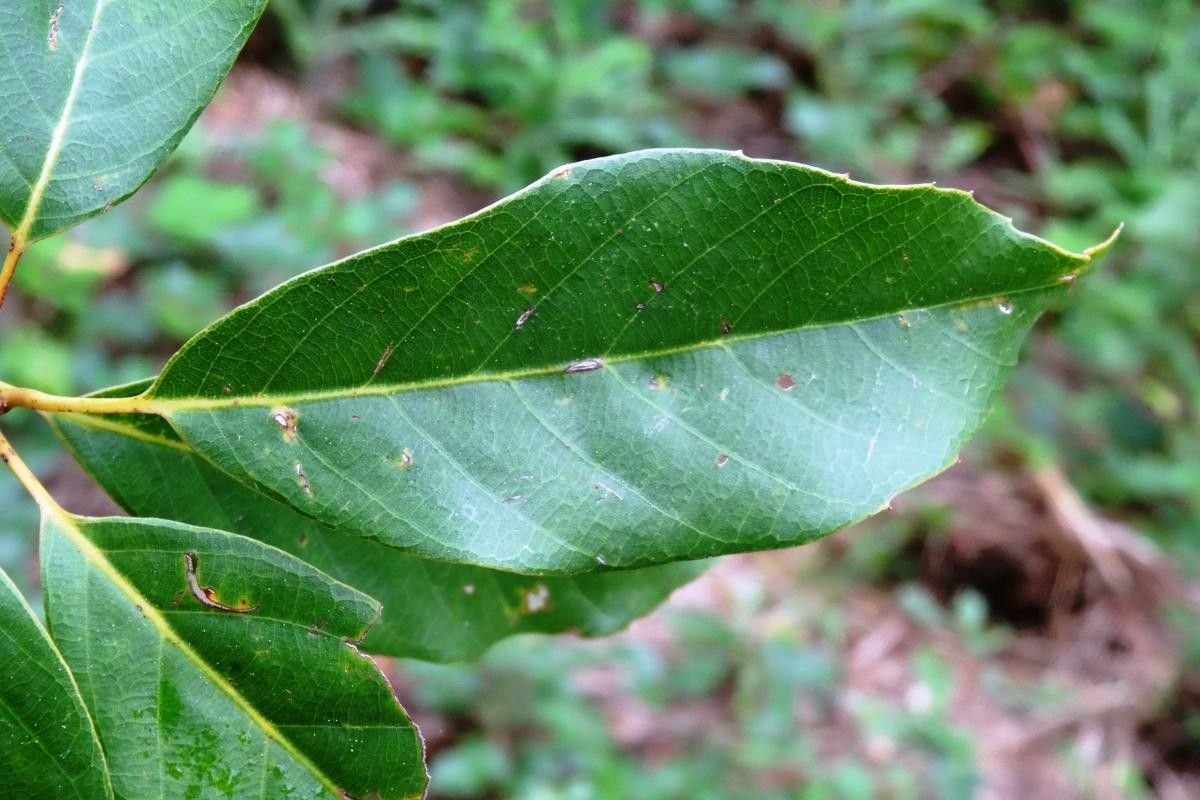
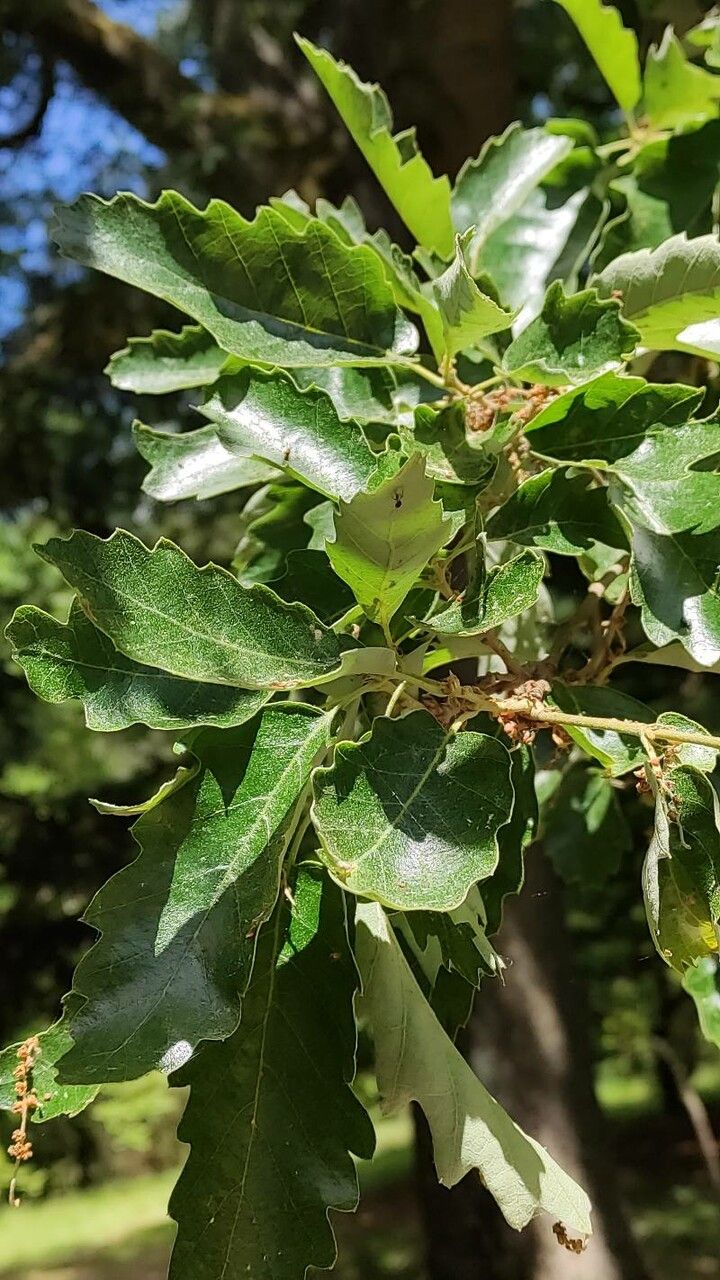
The leaves of Quercus stellata are simple, alternate, and lobed with five or six rounded lobes. They are dark green during the summer but turn reddish-brown in autumn before falling off for winter dormancy.
The bark of this species is grayish-brown and deeply furrowed into small blocks or plates. While the wood is hard, heavy, and strong, it is not very durable when exposed to weathering elements.
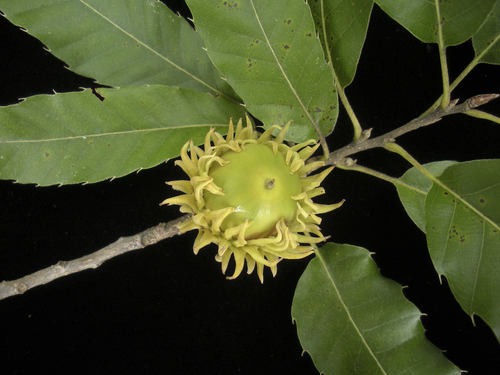
Quercus stellata produces acorns about an inch long, with shallow cups covered by thin scales. These acorns provide food for various wildlife, including deer, squirrels, and birds.
Post oak prefers well-drained soils such as sandy loams or clay loams found in upland areas like hillsides or ridges. However, it can also tolerate poorly drained soils found near streamsides or swamps.
Overall, Quercus stellata plays an important ecological role by providing food for wildlife and serving as habitat for various insects, including butterflies that feed on its nectar-rich flowers during the spring bloom season.
Post oak is disease-resistant and typically not susceptible to illnesses. Regarding care, this plant is fairly low-maintenance. When grown outdoors it needs only occasional watering, and larger specimens usually do not require pruning. Smaller specimens, however, should be pruned after flowering. Post oak is appropriate for anyone who has an outdoor area, like a garden or a deck, and it does not demand extensive plant-care experience.
How to keep Quercus Stellata.
Light
Post oak prefers strong light and performs well in locations that receive abundant sunlight throughout the day. It can also tolerate areas with somewhat lower light levels. This sunlight preference is reflected in the conditions of its native habitats. Too much or too little light can hinder the plant's growth. Its light preference remains consistent at every stage of development.
Water
Post oak thrives in woodland-like environments that receive moderate moisture from occasional rainfalls. While it can withstand short dry periods, it needs watering every 1-2 weeks, ensuring the soil doesn't become waterlogged. Primarily an outdoor plant, post oak is well-suited for temperate climates with seasonal changes in water availability.
Temperature
The post oak is a temperate woody species and prefers temperatures between 41 and 95 ℉ (5 and 35 ℃). It naturally grows in regions with hot summers and cool winters. In winter it may benefit from protection against frost, while in summer it might need some shade to avoid excessive heat stress.
Fertilizer
Fertilize your Post oak in early spring to encourage healthy growth. Regular fertilizing improves its overall condition, producing vigorous growth, better tolerance of harsh conditions, and increased resistance to pests and diseases. Keep to a defined fertilization schedule for your Post oak to maintain vibrant, deeply colored foliage and a lush appearance.
Pruning
The post oak tree is drought-tolerant and has lobed leaves. To maintain its health, prune in early spring to remove dead branches and to thin crowded areas. This promotes better air circulation and allows more sunlight to penetrate. Use sterilized tools to ensure clean cuts, which helps minimize injury and the risk of pests. This encourages healthy new growth.
Botanical profile.
- Plant Type
- Tree
- Life Cycle
- Perennial
- Genus
- Quercus
- Family
- Fagaceae
- Hardiness Zone
- 5-9
- Mature Height
- 10.06 m to 14.94 m
- Mature Spread
- 10.06 m to 14.94 m
- Leaf Color
- Green, Brown, Yellow, Gold, Bronze
- Leaf Type
- Deciduous
- Flower Color
- Yellow, Green, Brown, Gold
- Flower Size
- 5.08 cm to 10.16 cm
- Bloom Time
- Mid spring, Late spring
- Planting Time
- Summer, Winter
- Harvest Time
- Mid summer, Late summer, Early fall
Other names.
Reader questions.
How should I water my Post oak tree?
To ensure excellent root development, it is recommended to place a garden hose at the base of the plant. When watering, avoid spraying the leaves directly. If the plant is outdoors and exposed to direct sunlight, the leaves will require more water. To moisten the roots, bubblers can be used for each plant, or soaker hoses can be used to cover the entire garden or flower bed. When adding or removing plants, soaker hoses can help push roots deeper. After watering, drain any excess water and allow the soil to dry before watering again. Watering at ground level can prevent diseases. On sunny days, consider spraying the entire bush with water. Whether the plant is in a pot or in the ground, it's important to remember that post oak prefers deep watering rather than light sprinkling.
Why should I put fertilizer on my Post oak tree?
No matter what type of Post oak you have, regular fertilization will improve its overall health. Providing the right nutrients will promote stronger growth and enhance its ability to withstand challenging conditions, while also preventing diseases and pests. The foliage of your Post oak is a highlight, so it is important to prioritize its preservation. This involves following a specific fertilization schedule for your tree, which will result in vibrant and luxurious leaves.
What are the sunlight requirements for Post Oak?
Post Oak requires robust illumination and thrives in places exposed to substantial day-long sunshine. However, it can adapt to areas where light intensity is somewhat decreased. Its preference for sun is based on its native habitats' environmental conditions, where too much or too little light could impede growth. The tree demonstrates a uniform sun preference throughout all its growth stages. Full sun is described as above 6 hours of sunlight, while partial sun refers to about 3-6 hours of sunlight. It's important to watch how sunlight moves through your garden and choose spots that provide the right balance for your plants.
What is the preferred temperature range for Post Oak?
The post oak, or Quercus stellata, thrives in a temperate climate with temperatures ranging from 41 to 95°F (5 to 35°C). Its ideal growth conditions are found in areas characterized by hot summers and cool winters. While post oak exhibits strong cold resistance, making it less in need of special frost protection measures in winter, it is recommended to ensure the plant is protected if winter temperatures are expected to fall below the plant's cold tolerance threshold. During summer, providing some shade can help prevent heat stress.
What should I do if I give the Post oak tree too much or too little water?
Overwatering can cause problems for Post oaks, such as yellowing, wilting, and dropping leaves. The stems may also become mushy and the plant may look unhealthy. If you notice these signs, it's best to adjust your watering schedule. Wilting can also be a sign of under watering, which is characterized by crispy, dry leaves. If the soil is dry and simply watering is not enough, give it a full watering. However, even with adequate water, the damaged root system may cause the plant to have dry and yellow leaves for a few days. Once it recovers, the yellowing will stop. Indoor Post oaks should be checked for moisture levels, and overwatering should be avoided. If there are black spots, allow the soil to dry by withholding water for a few days. Overwatering can lead to root rot, which can be detected by discolored and slimy roots. To prevent root rot, make sure the soil doesn't become too soggy. When planting Post oaks outdoors, dig a little deeper and check the soil with your fingers. If it's too dry, it may indicate underwatering. Adequate watering is necessary to help the plant recover.
What is the ideal time to fertilize my Post oak tree?
To keep your Post oak healthy and thriving, the best time to fertilize is during late winter or early spring. This provides the necessary nutrients for the tree's growth once the weather warms up. In warm climate regions, an additional fertilizer feeding during early fall is also beneficial. This not only adds nutrients for the following growing season but also improves the tree's resilience to survive the cold winter without foliage damage. Early fertilization allows the new branches to grow sufficiently to withstand winter conditions.
How can artificial lighting be used for indoor Post Oak plants?
Indoor Post Oak plants require adequate lighting for optimal growth. When natural sunlight is insufficient, artificial lights offer a vital solution. LED lights are popular for indoor plant lighting as they can provide specific wavelengths needed by plants. Full sun plants need 30-50W/sq ft, partial sun plants need 20-30W/sq ft, and full shade plants need 10-20W/sq ft of artificial light. The light source should be placed 12-36 inches above the plant to mimic natural sunlight, and most plants need 8-12 hours of light per day.
How do you protect Post Oak from extreme winter conditions?
Although Post Oak is known for its resilience to cold, it's important to protect it in anticipation of temperatures dropping below its growth limit. This can be accomplished by wrapping the trunk and branches with insulating materials, such as non-woven fabric or cloth, to guard against the cold. Prior to the onset of the first freeze in autumn, it's advisable to water the plant thoroughly, ensuring the soil is moist. This practice helps safeguard the plant against drought and water scarcity throughout the winter and into early spring.
How much water should I give my Post oak?
The Post oak prefers deep and infrequent watering, especially when planted in pots. Due to limited water storage in pots, the soil tends to dry out quickly. If living in a cold region, water the plant every 3 to 5 days, preferably in the morning when the soil is dry. Check the soil inside the pot and if the top 2-3 inches are dry, give the plant a full watering. Hot days may require daily moisture checks as the heat can dry out the soil rapidly. For garden irrigation, water once a week in hot climates or when you notice the soil becoming too dry. Avoid overwatering to prevent root rot, considering the amount of rainwater. If there is sufficient rainfall, additional watering may not be necessary. During the spring and fall seasons, when the plant is outdoors, use mulch to conserve water. Sandy soil requires more frequent watering due to faster drainage, while clay soil needs less frequent watering to avoid root rot. You can mark the watering dates on a calendar and pay attention to drooping leaves, indicating that watering might be needed soon.
When is it not a good time to fertilize my Post oak?
There are certain times throughout the year when you should avoid fertilizing your Post oak. One is during the early and mid-winter months when the tree is dormant and doesn't require any feeding. Another inadvisable time is during the late spring and all of the summer when the weather is typically hotter and drier. These conditions can have a negative impact on the tree if fertilized. To prevent any issues, it's best to follow a fertilization schedule that focuses on feeding only during the early spring and early fall.
What are important symptoms of light deficiency in Post Oak?
When Post Oak experiences light deficiency, several symptoms may appear, including smaller new leaves, leggy or sparse growth, faster leaf drop, slower or no new growth, lighter-colored new leaves, chlorosis, sunscald, leaf curling, wilting, and leaf scorching. These symptoms highlight the plant's sensitivity to inadequate sunlight, affecting its overall health and growth. It's essential to ensure Post Oak receives enough sunlight to prevent these issues.
What are the symptoms of and solutions for low temperature damage in Post Oak?
Post oak's tolerance to cold means it usually fares well in cooler temperatures, as long as they remain above its critical minimum. If the winter temperature dips below this threshold, the plant may not show immediate distress, but by spring, its branches could turn brittle and dry, failing to produce new shoots. The solution to combat these signs of cold damage involves pruning the dead branches to encourage the growth of new leaves in the spring.