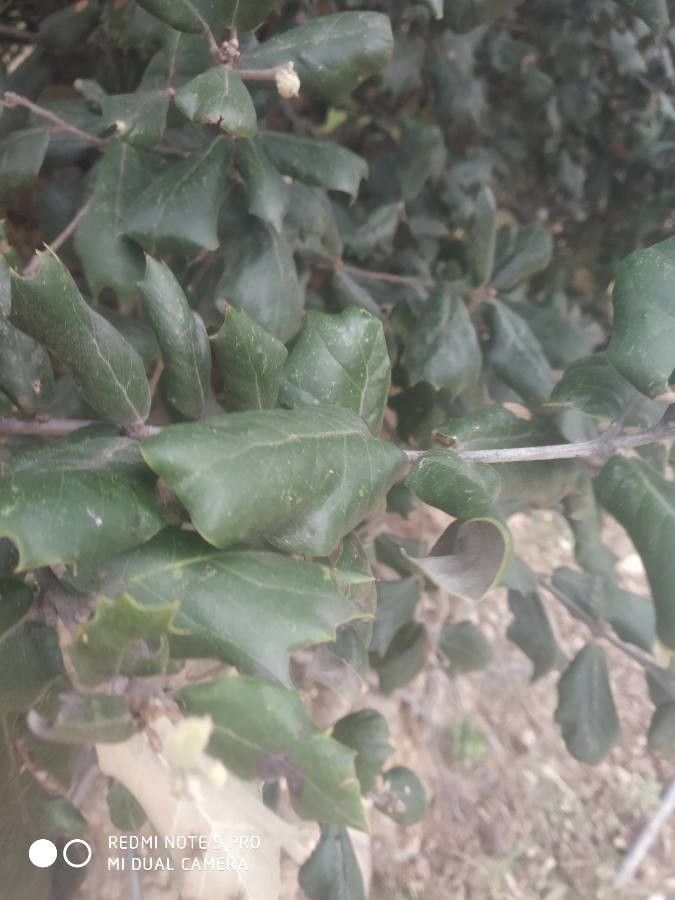
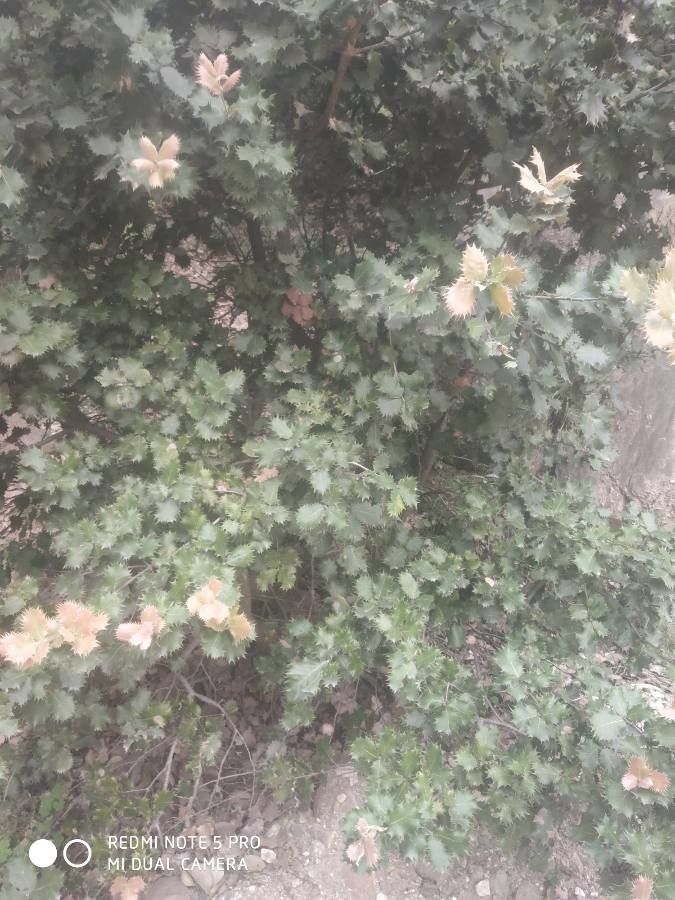
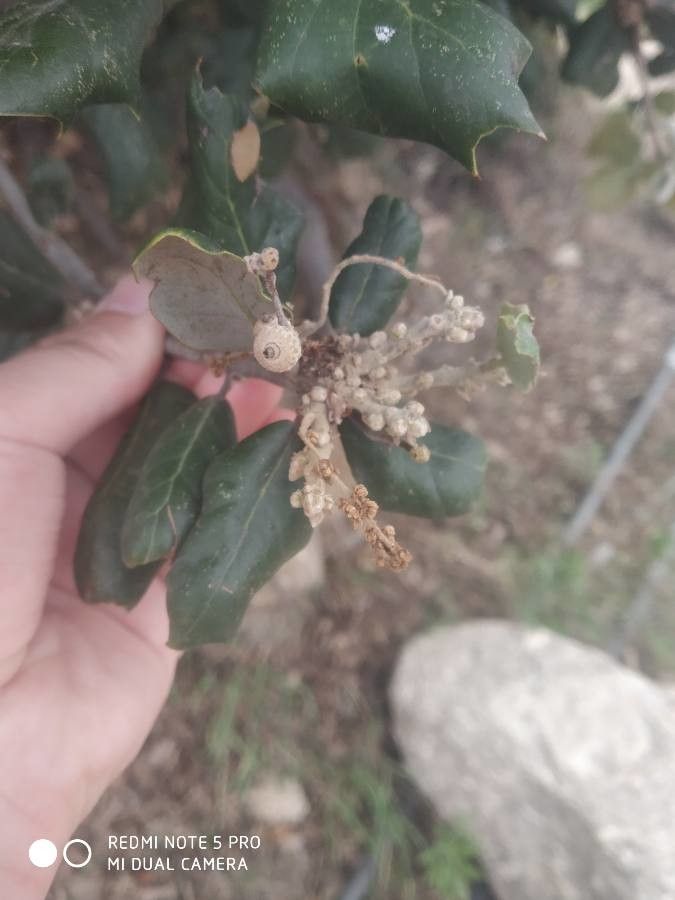
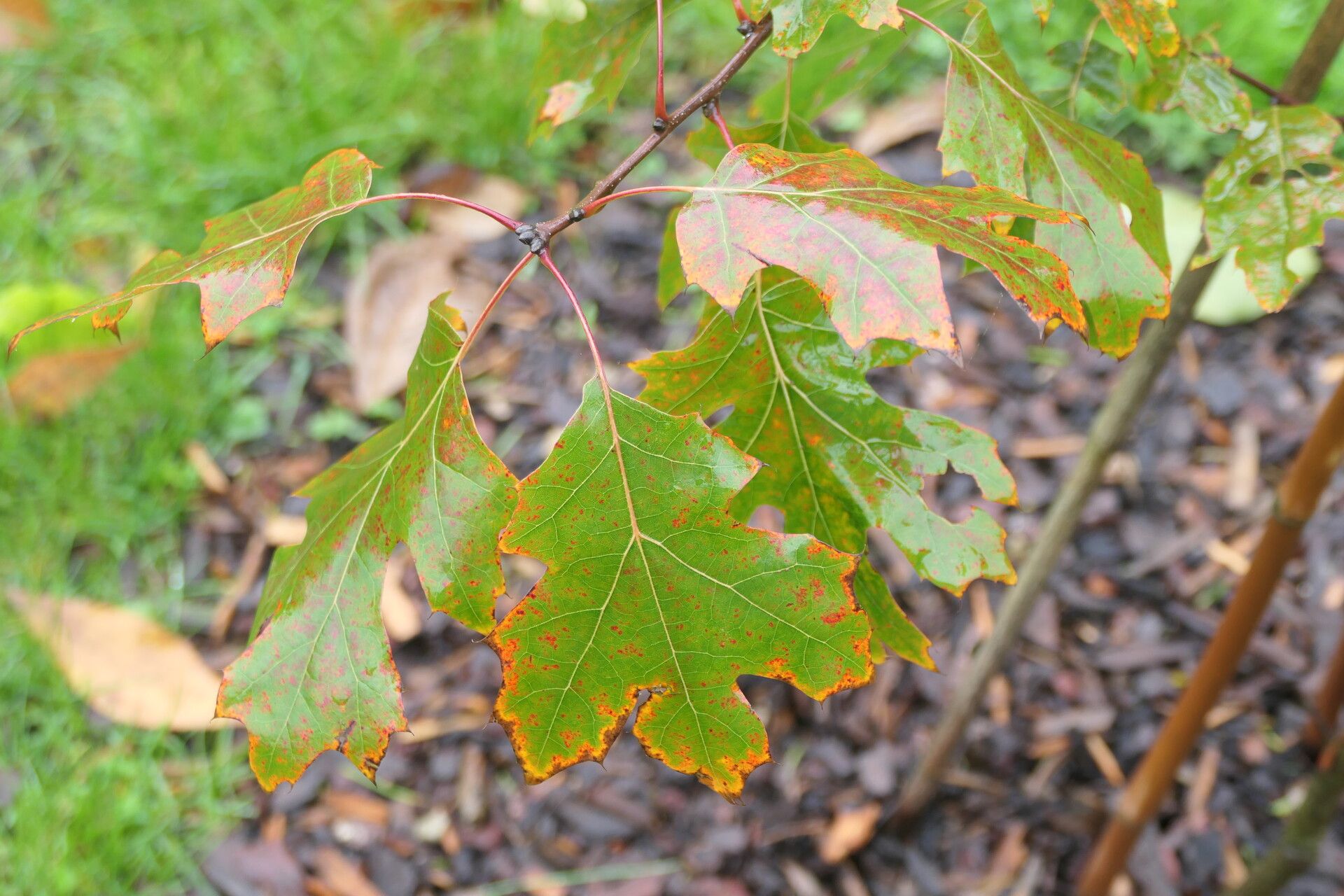
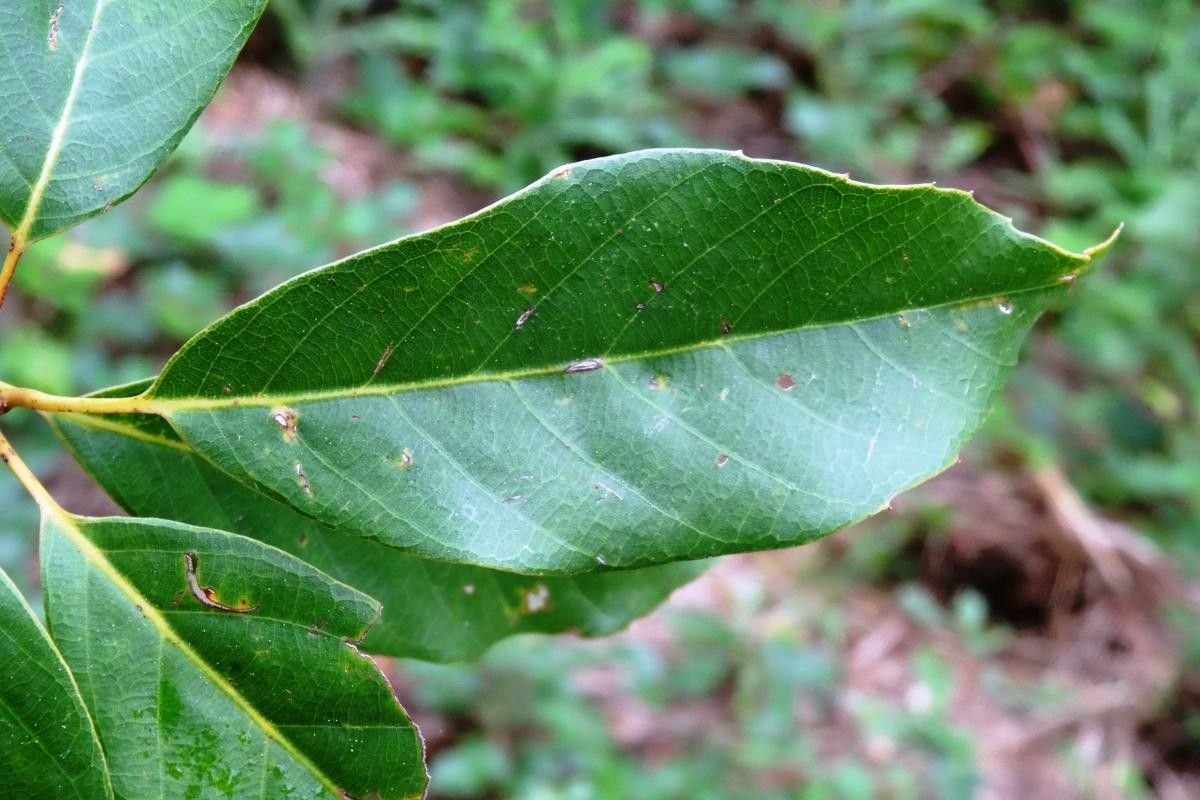
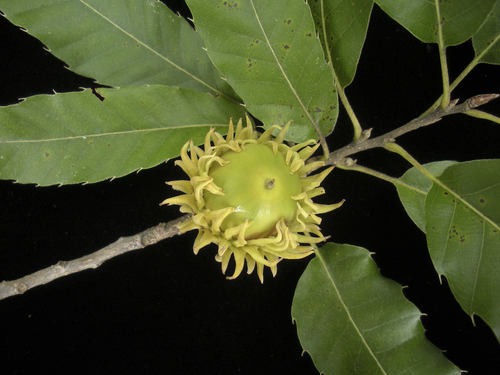
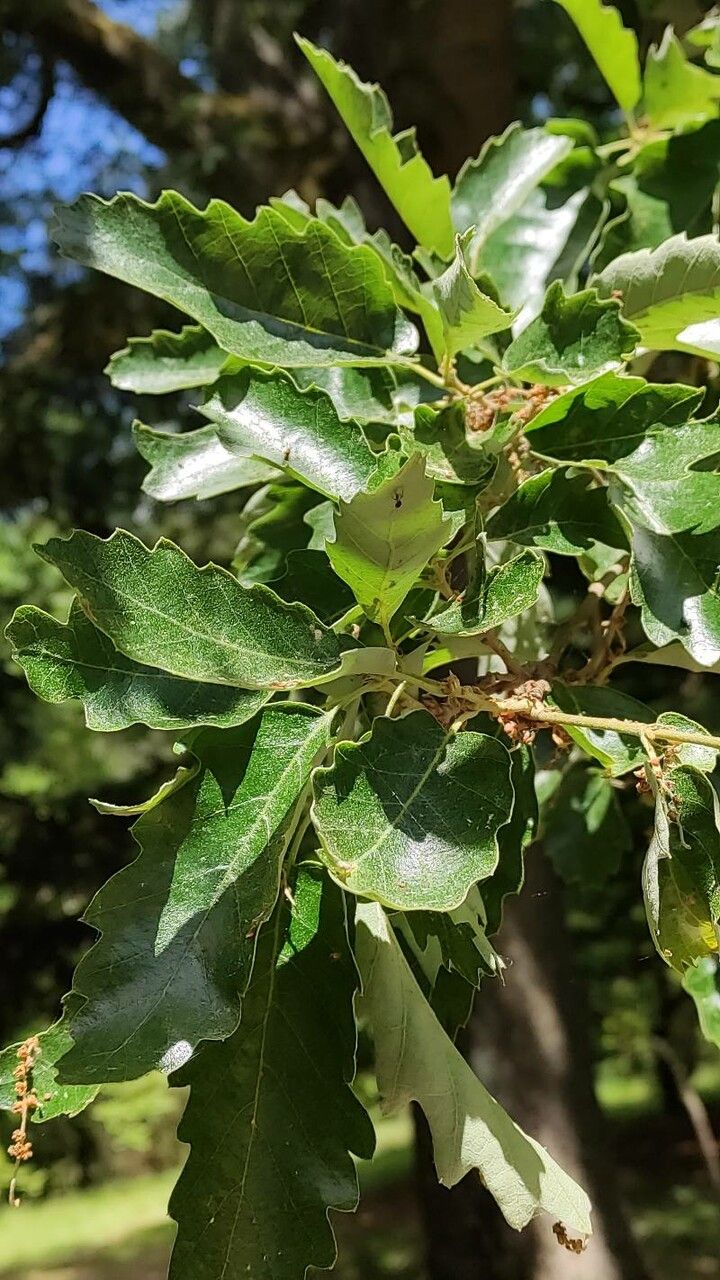
Quercus spinosa is a species of oak native to central China, Taiwan and Myanmar, in the subgenus Cerris, section Ilex. An evergreen tree, its leaf traits may be adaptations to altitude.
Alpine oak has strong resistance to disease and is usually not susceptible to illnesses. In terms of maintenance, this plant is fairly low-care. When grown outdoors it needs little watering, and larger specimens typically do not require pruning. Smaller plants, however, should be pruned after they have bloomed. Alpine oak is appropriate for anyone with an outdoor area, such as a garden or deck, and does not demand extensive care experience.
How to keep Quercus Spinosa.
Light
Alpine oak comes from open habitats, such as sunlit meadows and forest margins, where light is plentiful. It does best in Full Sun but can also endure Partial Sun, adjusting well to different light levels.
Water
The Alpine oak flourishes in environments with moderate moisture, preferring consistent hydration, which typically requires watering twice a week. This plant thrives outdoors, benefiting from natural rainfall. As a deciduous species, its water needs decrease during dormancy and increase when new growth appears in the growing season.
Temperature
Suited to moderate climates, alpine oak does best in temperatures between 59 and 89.6 °F (15 and 32 °C). Adjust temperatures with the seasons to keep the plant healthy.
Fertilizer
Fertilize your Alpine oak in early spring to encourage healthy growth. Regular applications of fertilizer boost overall health, producing vigorous growth, better tolerance of harsh conditions, and enhanced resistance to diseases and pests. Keep to a consistent fertilization schedule for your Alpine oak to preserve vibrant foliage with deep color and a lush appearance.
Pruning
Pruning Alpine oak in early spring can greatly benefit the tree by removing dead or crossing branches, which improves its shape and airflow. To ensure optimal health, thin out any overcrowded areas to allow light to penetrate. Always use clean, sharp tools to make angled cuts just above the buds. This technique encourages strong growth and quick recovery, while also reducing the risk of disease.
Botanical profile.
- Plant Type
- Tree
- Life Cycle
- Perennial
- Genus
- Quercus
- Family
- Fagaceae
- Hardiness Zone
- 7
- Mature Height
- 14.94 m
- Mature Spread
- 3.96 m to 7.92 m
- Leaf Color
- Green
- Leaf Type
- Deciduous
- Flower Color
- Yellow, Green
- Flower Size
- 4.06 cm to 6.35 cm
- Bloom Time
- Mid spring, Late spring
- Planting Time
- Summer
- Harvest Time
- Late summer, Early fall, Mid fall
Reader questions.
What are the sunlight requirements for an Alpine oak (Quercus spinosa)?
The Alpine oak (Quercus spinosa) requires specific sunlight conditions for optimal growth. It thrives in full sun, which means it needs more than 6 hours of sunlight daily. However, it can also grow in partial sun, receiving about 3-6 hours of sunlight. It's important to observe how sunlight moves through your garden to find spots that offer the right balance of light and shade. This careful selection ensures your Alpine oak's health and happiness.
What is the botanical name of the Alpine oak?
The botanical name of the Alpine oak is Quercus spinosa.
What climate is best for an Alpine oak?
The Alpine oak is best suited for moderate climates, thriving in cozy temperatures ranging between 59 to 89.6 °F (15 to 32 °C). It is important to adjust the temperatures according to the season for the plant’s optimal health.