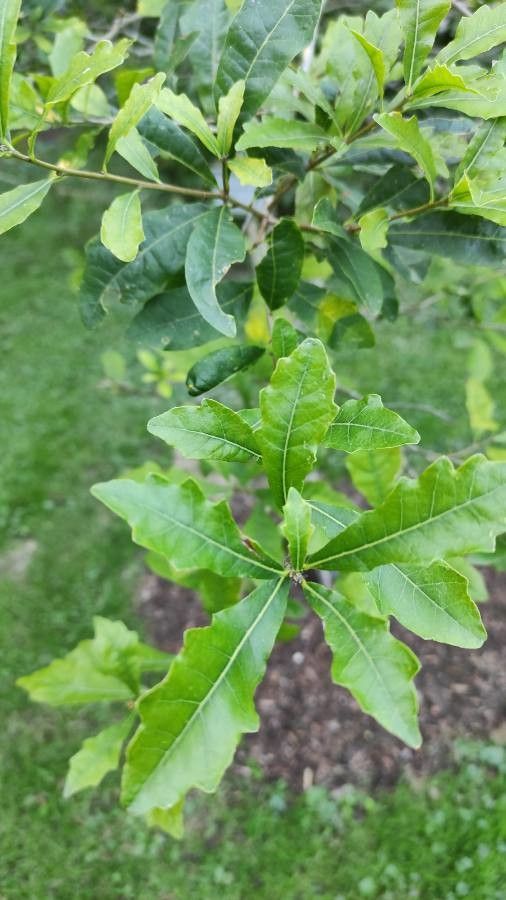
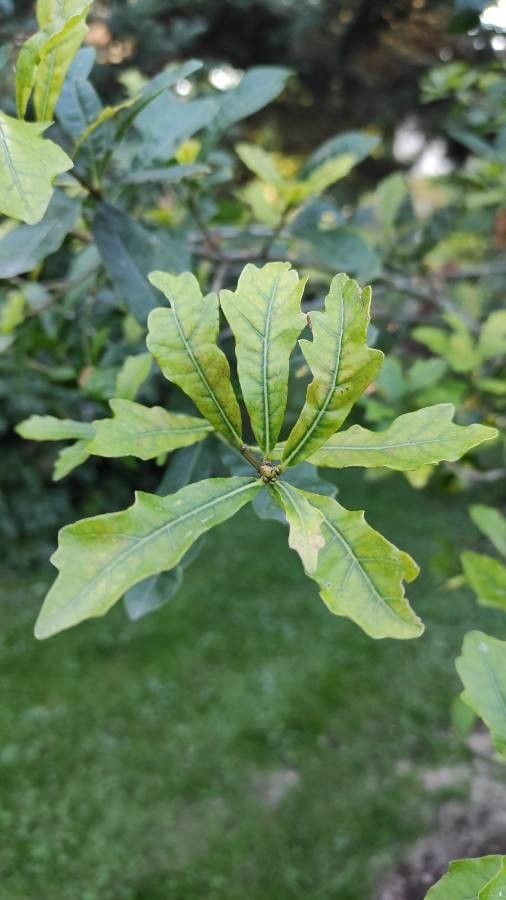
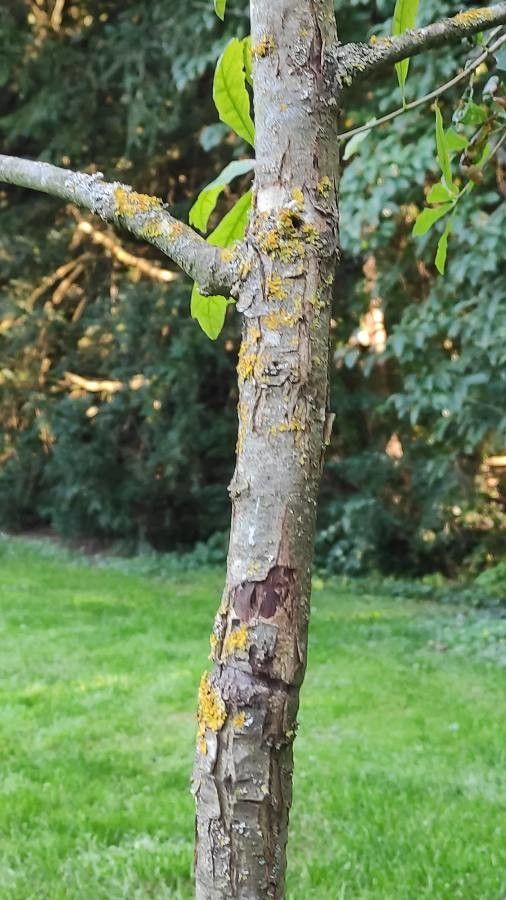
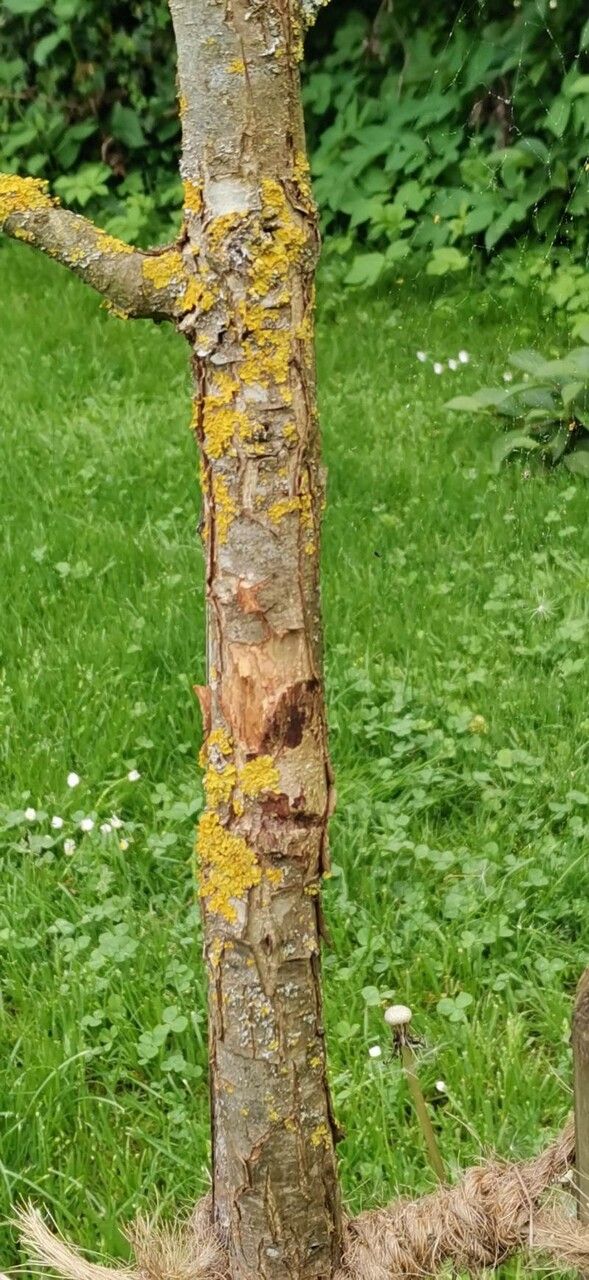
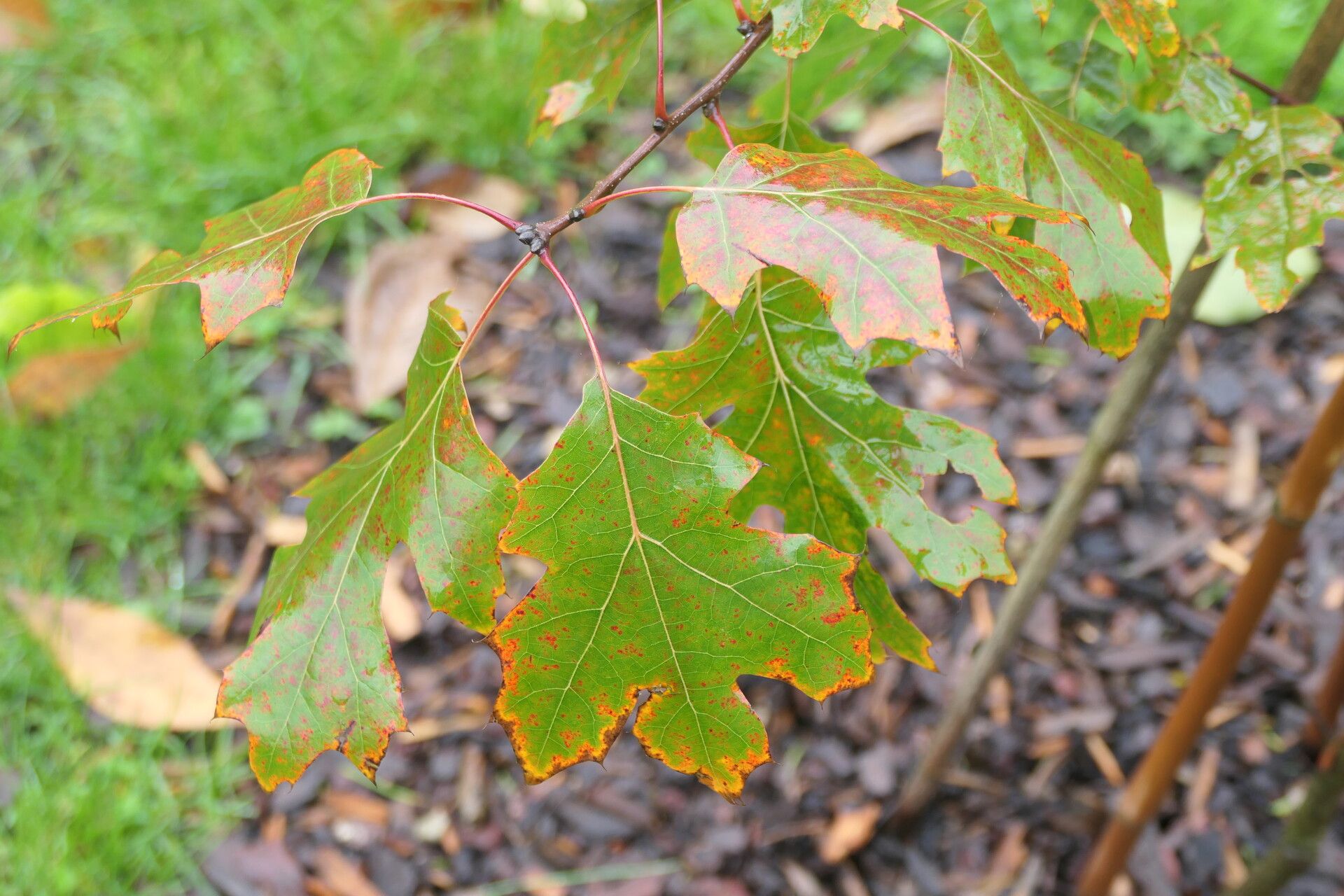
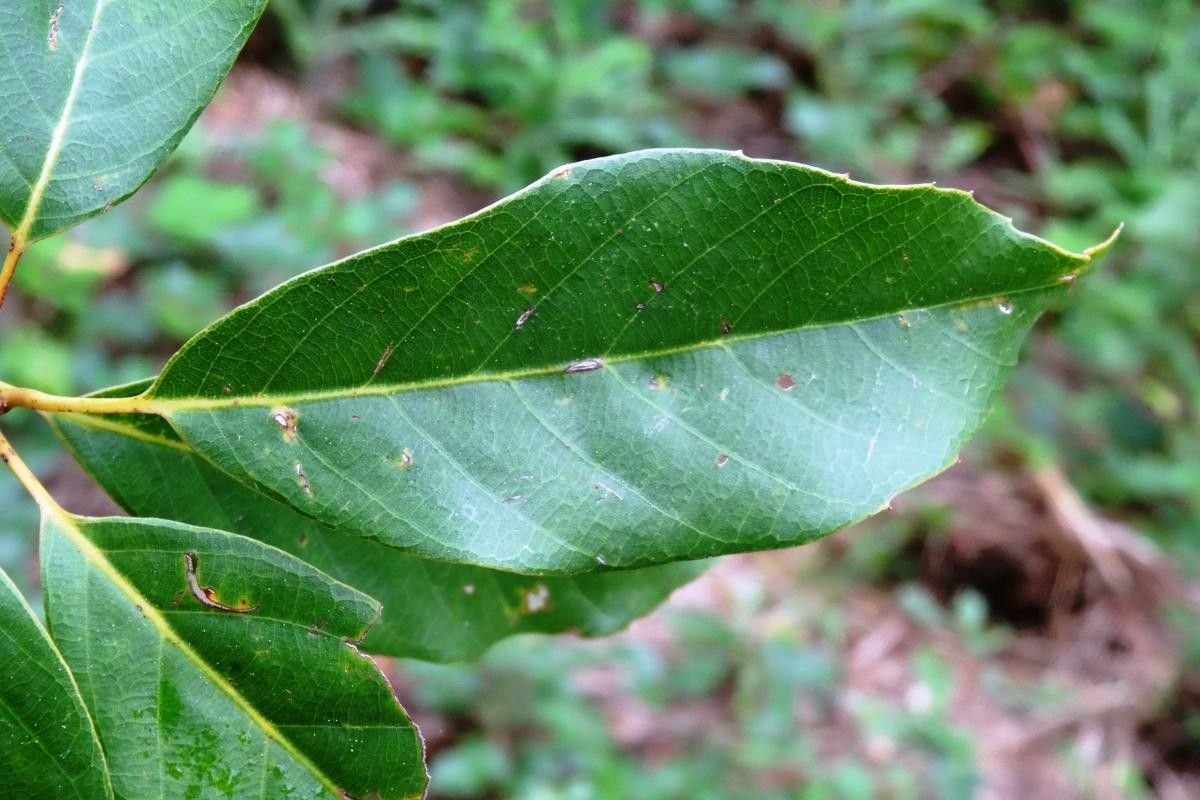
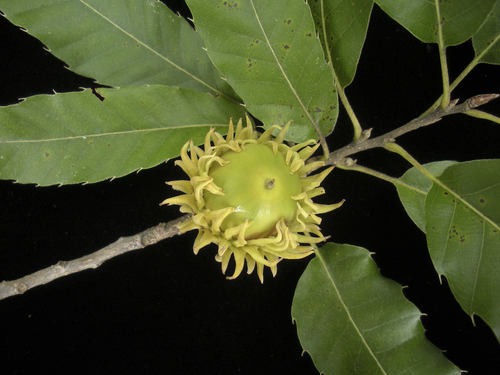
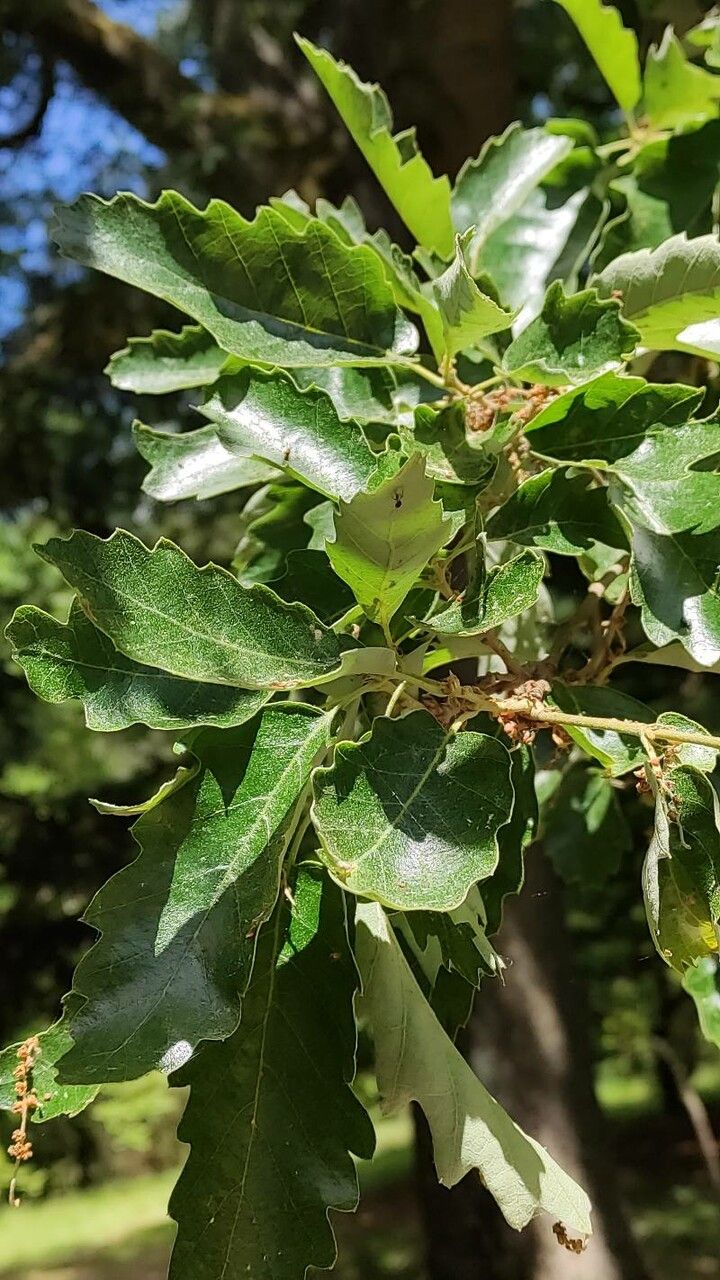
Quercus sinuata is a species of oak comprising two distinct varieties, Quercus sinuata var. breviloba and Quercus sinuata var. sinuata, occurring in southeast North America.
Evergreen oak shows strong resistance to diseases and is generally not likely to suffer from them. As for care, this plant is fairly low-maintenance. When grown outdoors it needs only light watering, and larger plants typically do not require pruning; however, smaller plants should be trimmed after they finish blooming. Evergreen oak is suitable for anyone who has an outdoor area, such as a garden or deck, and it does not demand extensive care experience.
How to keep Quercus Sinuata.
Light
Evergreen oak grows best with plentiful daylight, though it can adjust to moderate light levels. Its native habitat conditions make it tolerant of a range of light intensities. However, too little light or excessive exposure can hinder its healthy growth.
Water
Bastard oak flourishes in dry woodlands, exhibiting remarkable drought tolerance. To mimic its natural arid habitat, it requires watering approximately every 2 to 3 weeks. As an outdoor species, bastard oak adjusts its water intake according to its growth cycles, ensuring optimal health.
Temperature
Evergreen oak is naturally tolerant of temperatures from 41 to 95 °F (5 to 35 ℃). Native to temperate regions, it prefers cooler conditions. However, in severe winters or extremely hot summers, it is recommended to use protective measures to moderate the temperature.
Fertilizer
Fertilize your Evergreen oak in early spring to encourage healthy development. Regular feeding improves the tree's overall health, producing vigorous growth, better tolerance of harsh conditions, and stronger resistance to diseases and pests. Keep a consistent fertilization routine for your Evergreen oak to preserve foliage that is vibrant, richly colored, and lush in appearance.
Pruning
The Bastard Oak is known for its lobed leaves and sturdy structure. To promote healthy growth, prune any dead branches and thin out crowded areas during the winter dormancy period. This practice improves air circulation and allows more light to penetrate, which reduces the risk of disease and supports a strong, aesthetically pleasing plant.
Botanical profile.
- Plant Type
- Tree
- Life Cycle
- Perennial
- Genus
- Quercus
- Family
- Fagaceae
- Hardiness Zone
- 5-9
- Mature Height
- 11.89 m to 21.03 m
- Mature Spread
- 11.89 m to 21.03 m
- Leaf Color
- Green
- Leaf Type
- Evergreen
- Flower Color
- Yellow, Green
- Flower Size
- 2.54 cm
- Bloom Time
- Mid spring, Late spring
- Planting Time
- Spring, Autumn
- Harvest Time
- Early spring, Mid spring, Mid summer, Late summer, Fall, Winter
- Native Area
- Russia, Turkey, Portugal, Italy, Spain, France, Montenegro, Albania, Greece, Croatia, Slovenia, Serbia
Other names.
Reader questions.
What are the sunlight requirements for plants?
Plants need varying amounts of sunlight to thrive. Full sun means the plant requires more than 6 hours of direct sunlight daily, while partial sun refers to about 3-6 hours of sunlight. Watching the movement of sunlight through your garden helps in choosing spots that offer a good balance of light and shade, ensuring plants' well-being.
What is Bastard oak?
Bastard oak, scientifically known as Quercus sinuata, is a type of oak tree. Information specifically detailing its characteristics, essential facts, and common symptoms associated with it has not been provided.
What are the ideal conditions for growing Bastard oak?
Bastard oak, botanically known as Quercus sinuata, is well-suited for environments with plenty of light, such as sunny meadows and forest edges. It thrives in full sun but can also adapt to partial sun conditions. For indoor plants, when natural light is lacking, especially in winter or darker spaces, artificial lighting can be a critical support. LED lights are recommended, with full sun plants needing 30-50W/sq ft, partial sun plants requiring 20-30W/sq ft, and full shade plants needing 10-20W/sq ft of artificial light. The lights should be placed 12-36 inches above the plant, mimicking natural daylight hours, which most plants need for 8-12 hours a day.
What are the signs of light deficiency in Bastard oak?
Bastard oak shows several symptoms when suffering from insufficient light. New leaves may grow smaller, and the plant could exhibit leggy or sparse growth due to elongated spaces between leaves or stems. This can lead to a weak and sparse appearance, potentially causing the plant to break or lean. Faster leaf drop, slower or halted growth, lighter-colored new leaves, chlorosis, sunscald, leaf curling, wilting, and leaf scorching are other signs indicating the plant is not receiving adequate sunlight.
How can I address light deficiency in Bastard oak?
To combat light deficiency in Bastard oak, incrementally move the plant to a sunnier spot each week, aiming for a minimum of 6 hours of direct sunlight daily. For indoor plants, consider using a south-facing window or artificial lights, such as desk lamps or professional grow lights, for at least 8 hours a day. When adjusting outdoor plants, it's crucial to transition them gradually to avoid sunburn. If sunlight is blocked by obstructions like trees, consider pruning to enhance light penetration. For smaller plants, transplanting during their dormant period to a location with better sunlight and drainage can improve light exposure and support healthy new growth. Note that parts of the plant damaged due to insufficient light may not recover, but new growth should be healthy post-adjustment.