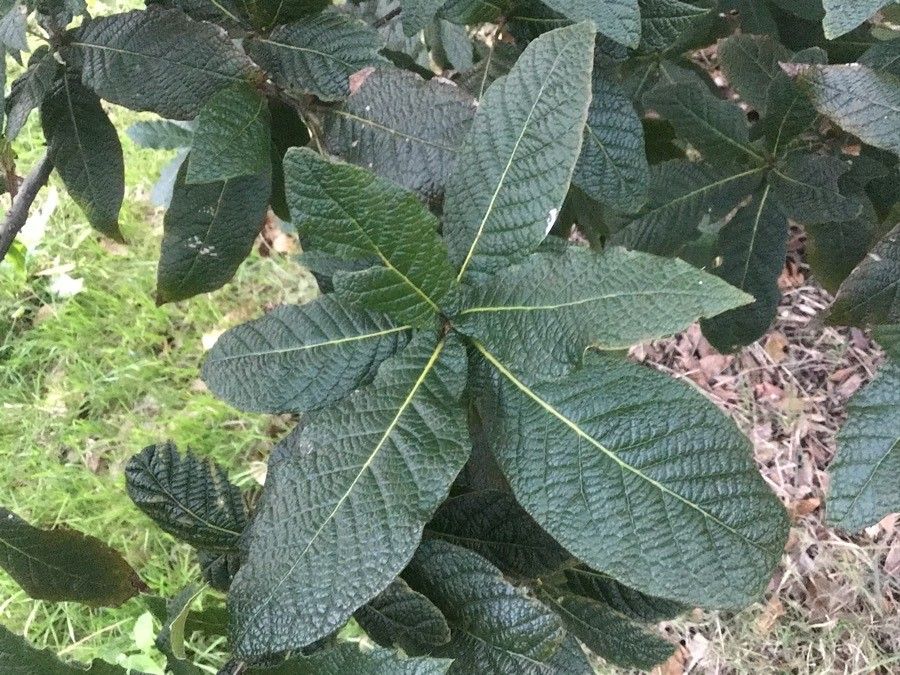
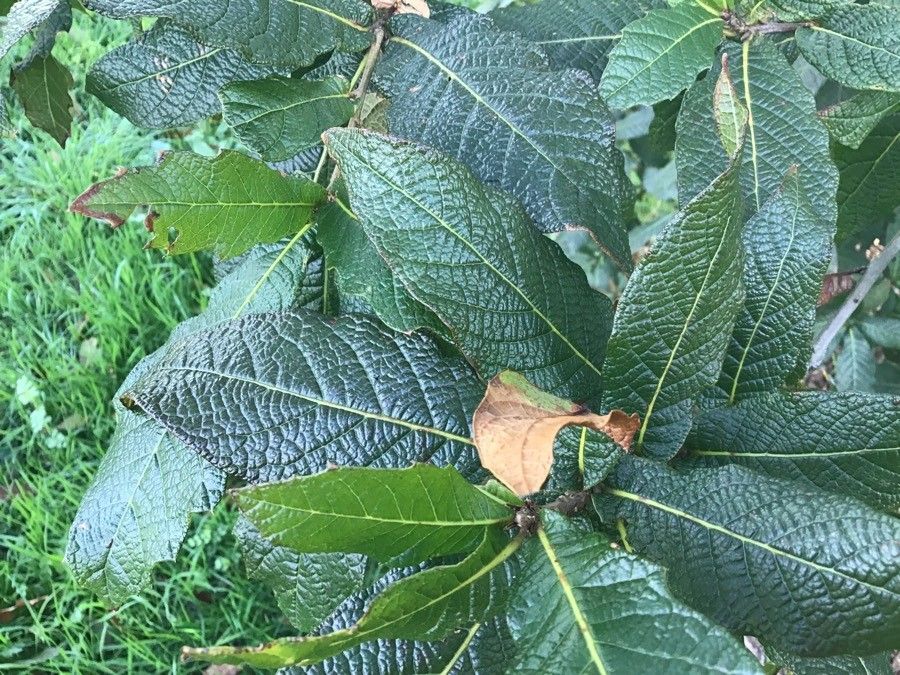
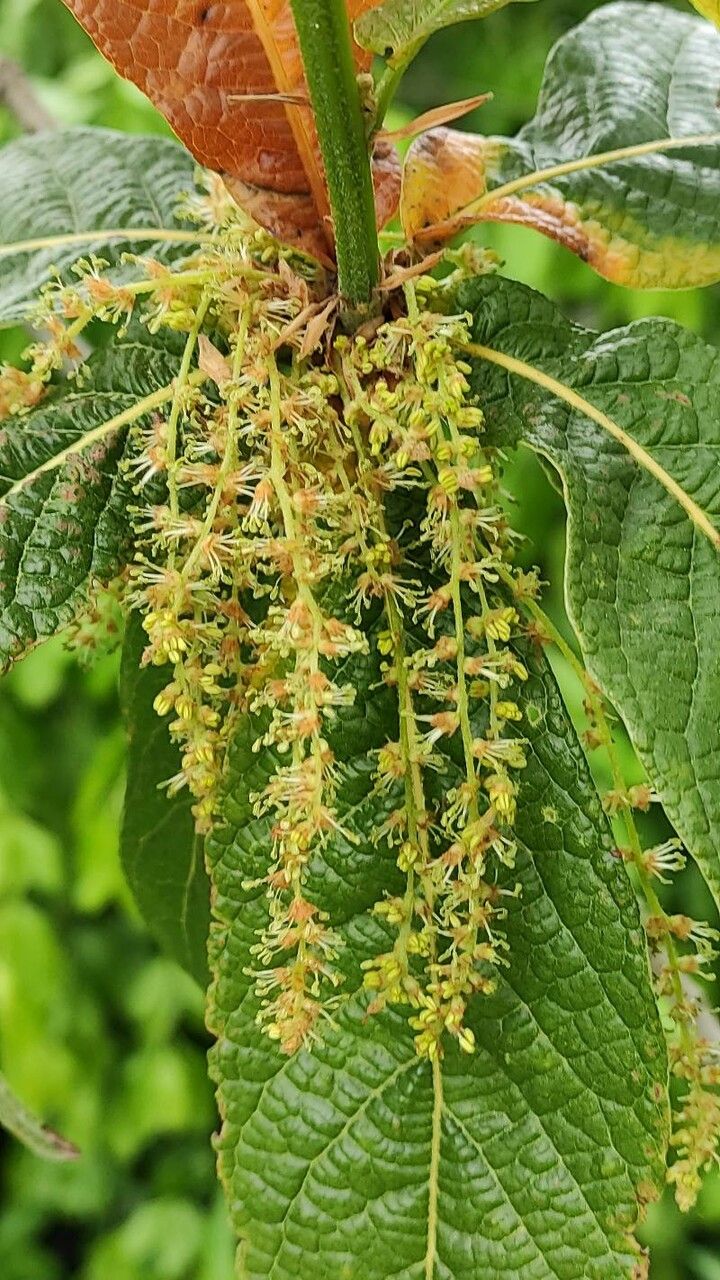
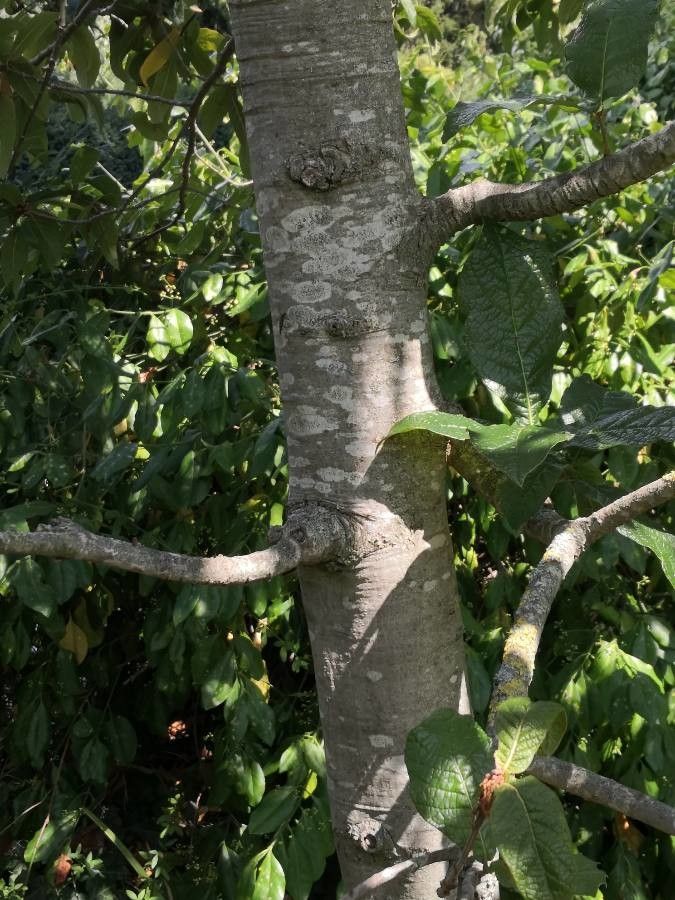
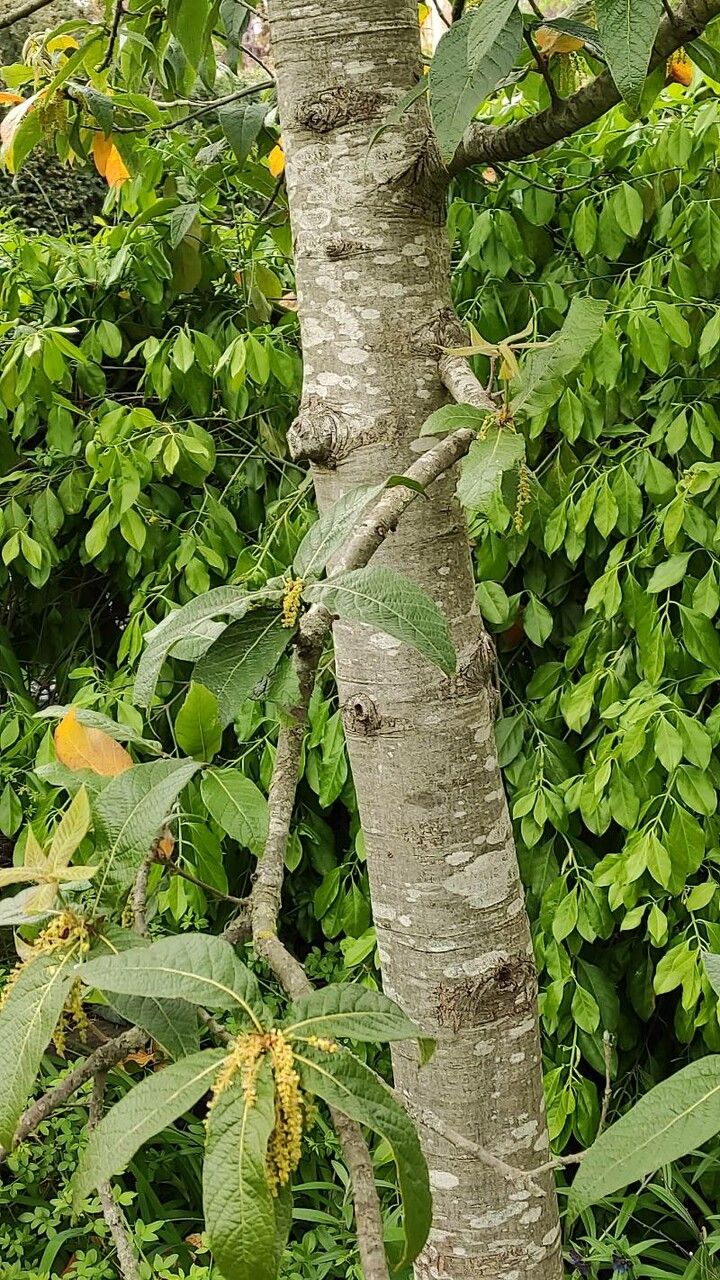
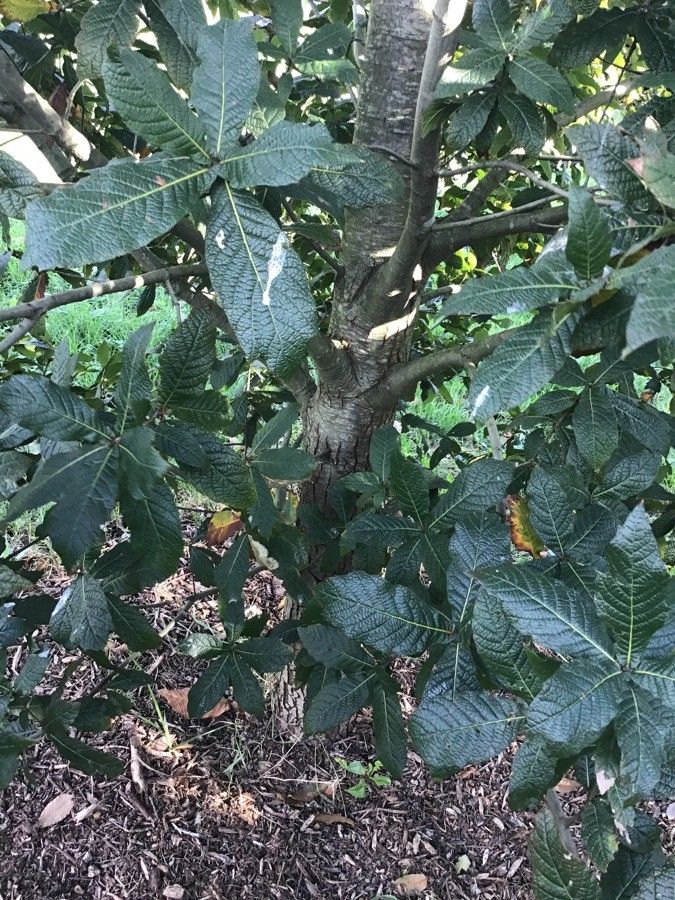
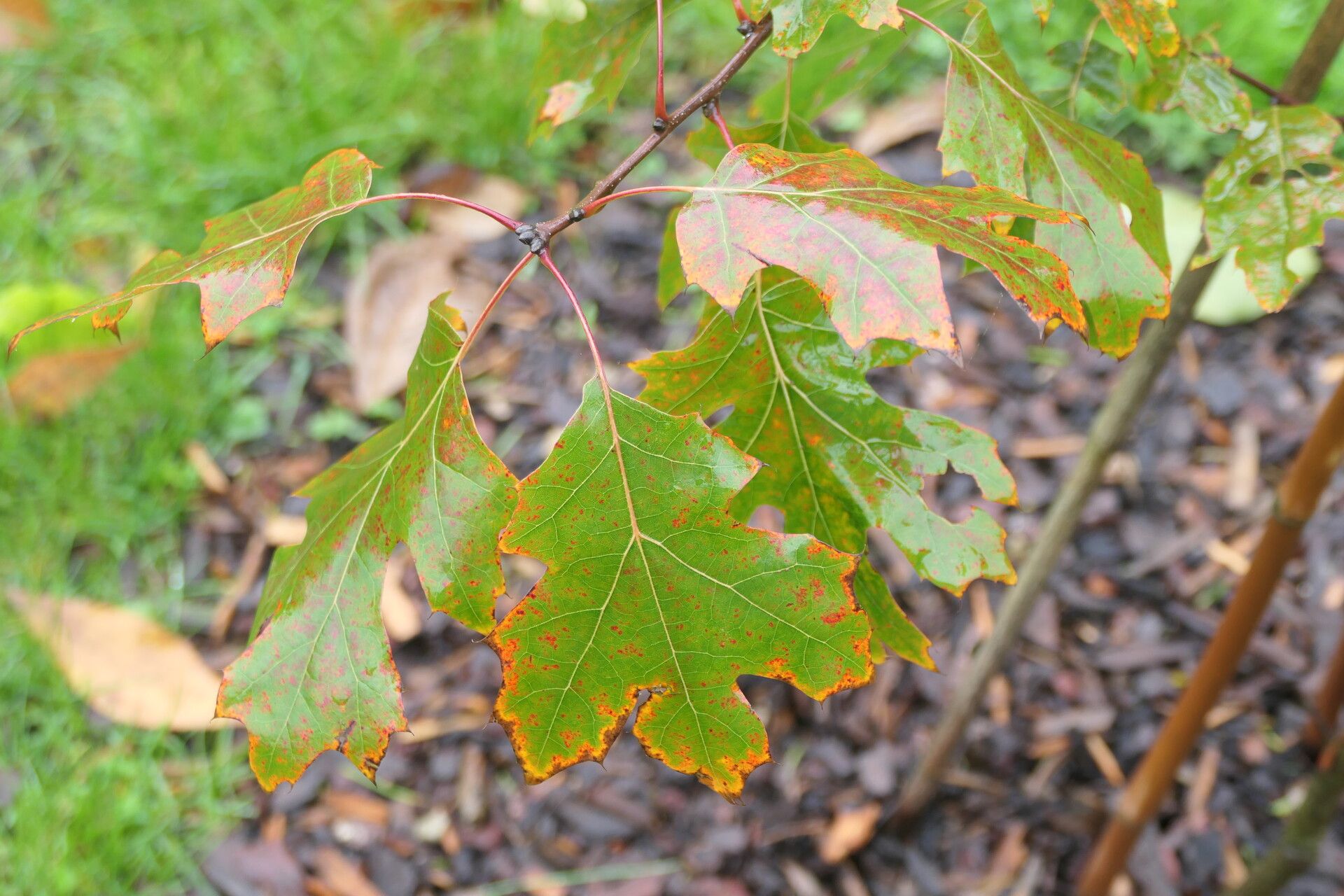
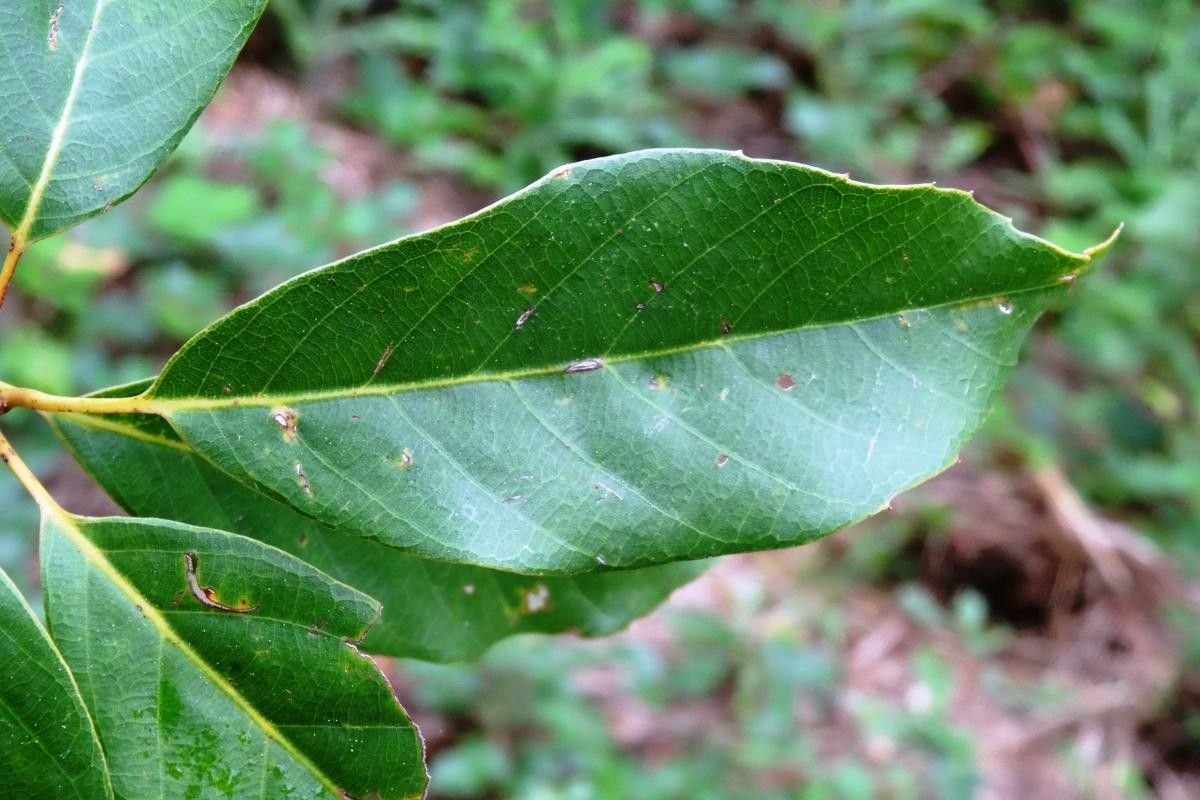
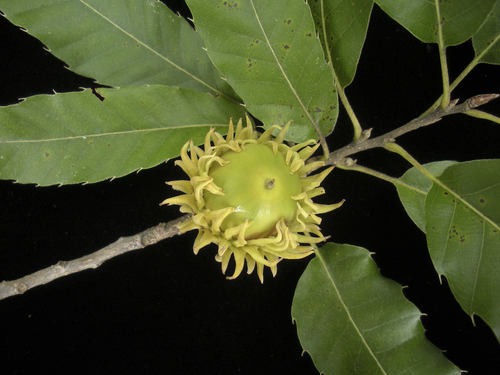
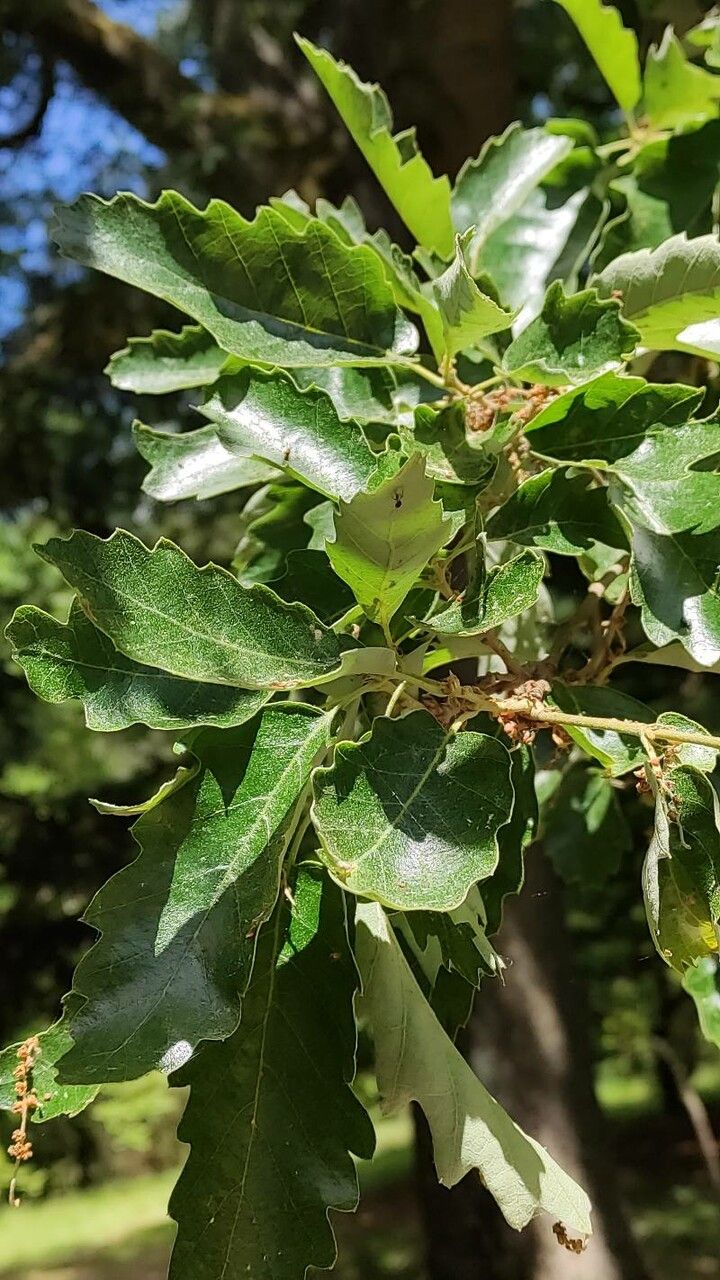
Quercus rysophylla, the loquat leaf oak, is a Mexican species of oak in the red oak section (Quercus section Lobatae). It is native to the Sierra Madre Oriental in the States of Tamaulipas, Nuevo León, San Luis Potosí, Veracruz, and Hidalgo in northeastern Mexico.
The loquat leaf oak is resistant to disease and generally not susceptible to illnesses. In terms of care, this plant is fairly low maintenance. When grown outdoors it needs little watering, and larger plants typically do not require pruning. Smaller plants, however, should be pruned after they have finished blooming. The loquat leaf oak is suitable for anyone with an outdoor space, such as a garden or deck, and does not require much care experience.
How to keep Quercus Rysophylla.
Light
loquat leaf oak originates in open habitats, such as sunny meadows and forest edges, which provide ample light. It performs best in Full Sun but can also tolerate Partial Sun, adapting well to a variety of sunlight conditions.
Water
To maintain healthy loquat leaf oak trees, keep their soil moist but well-drained, as these trees develop a taproot that helps them access deeper moisture. Make sure the soil a few inches below the surface remains humid, but avoid flooding the top layer. Reducing watering during the summer can promote the health of loquat leaf oaks, as they are well-adapted to tolerate dry periods.
Humidity
This plant prefers dry conditions, so don't mist it. However, watering it less often can also thrive in higher humidity.
Temperature
Loquat leaf oak adapts well to temperature, tolerating high heat and considerable temperature fluctuations. In hot weather, attention should be paid to watering and providing some shade to avoid sunburn. However, loquat leaf oak is comparatively sensitive to cold; while it can endure a certain amount of chill, overly cold conditions may cause frost damage.
Fertilizer
Fertilize your loquat leaf oak in early spring to encourage healthy growth. Consistent feeding improves overall vigor, leading to strong growth, better tolerance of adverse conditions, and increased resistance to diseases and pests. Follow a regular fertilization schedule for your loquat leaf oak to maintain richly colored, lush foliage.
Pruning
Annual pruning is crucial for the loquat leaf oak and is best done in early spring before new growth begins. Begin by removing any dead or diseased branches, and then thin out the canopy to improve air circulation. This promotes healthier foliage and enhances resistance to pests. Regular trimming supports strong growth, which is essential for a thriving garden.
Botanical profile.
- Plant Type
- Tree
- Life Cycle
- Perennial
- Genus
- Quercus
- Family
- Fagaceae
- Hardiness Zone
- 7-10
- Mature Height
- 14.94 m to 24.99 m
- Mature Spread
- 10.06 m to 14.94 m
- Leaf Color
- Red, Purple, Green
- Leaf Type
- Evergreen
- Flower Color
- Yellow, Green
- Flower Size
- 0.51 cm to 0.76 cm
- Bloom Time
- Mid spring, Late spring
- Planting Time
- Spring, Summer, Autumn
- Harvest Time
- Late summer, Early fall, Mid fall
- Native Area
- Mexico
Other names.
Reader questions.
What are the sunlight requirements for a loquat leaf oak?
Loquat leaf oak, or Quercus rysophylla, flourishes under specific sunlight conditions. For full sun exposure, it requires above 6 hours of sunlight, making it imperative to position the plant where it can bask in generous daylight. In cases of partial sun, about 3-6 hours of sunlight is needed. It's important to observe how sunlight dances through your garden, enabling you to pinpoint locations that offer an ideal interplay of light and shadow. This careful placement ensures your loquat leaf oak's wellbeing, as it thrives in environments that mimic its natural habitat's light conditions.
What is the botanical name of Loquat Leaf Oak?
The botanical name for Loquat Leaf Oak is Quercus rysophylla. This name helps to accurately identify the plant within the botanical community and distinguishes it from other species within the Quercus genus.