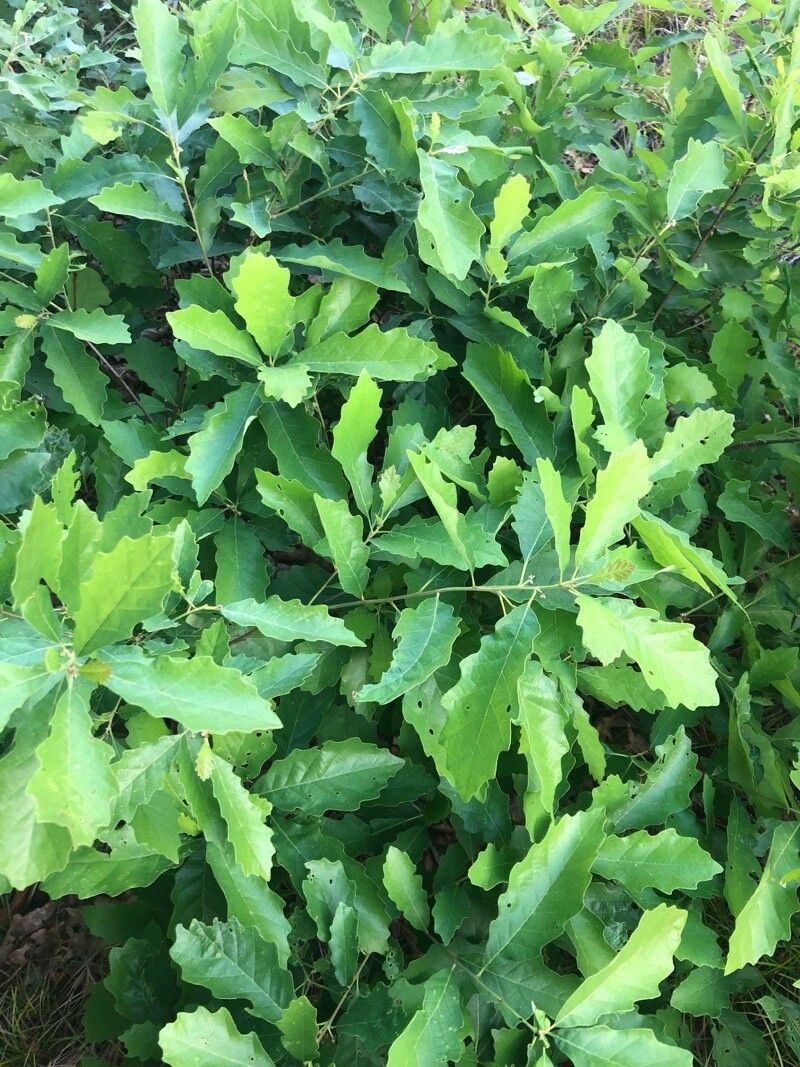
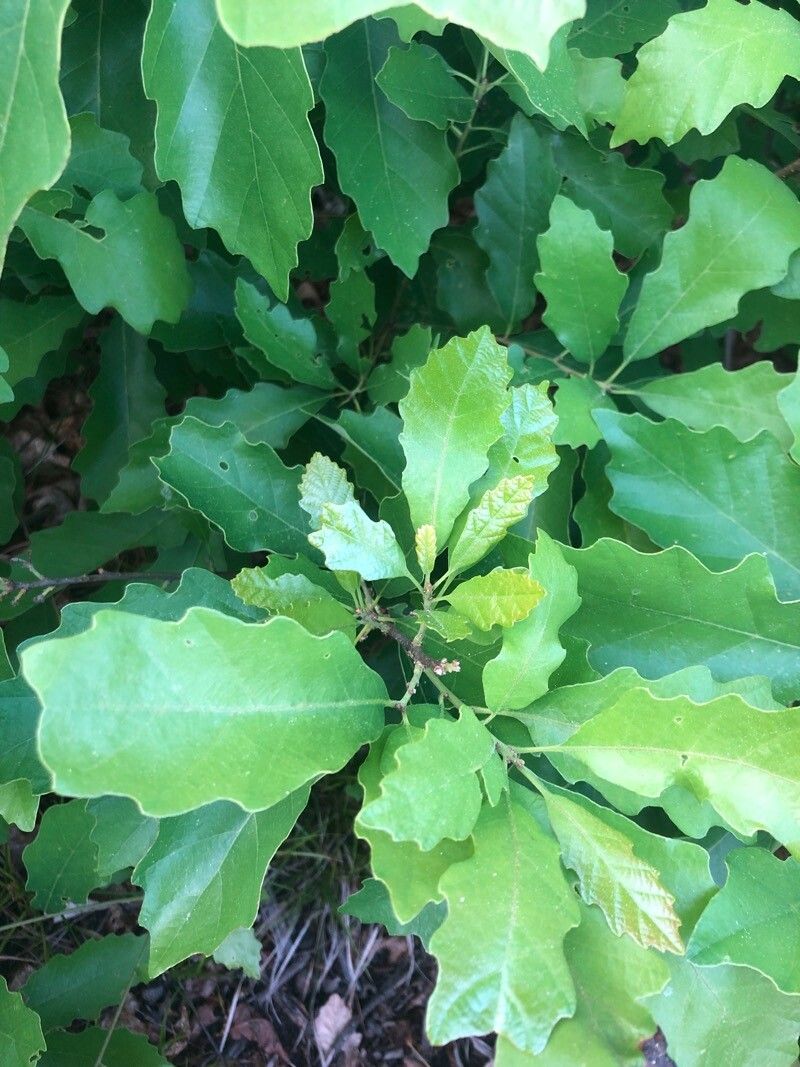
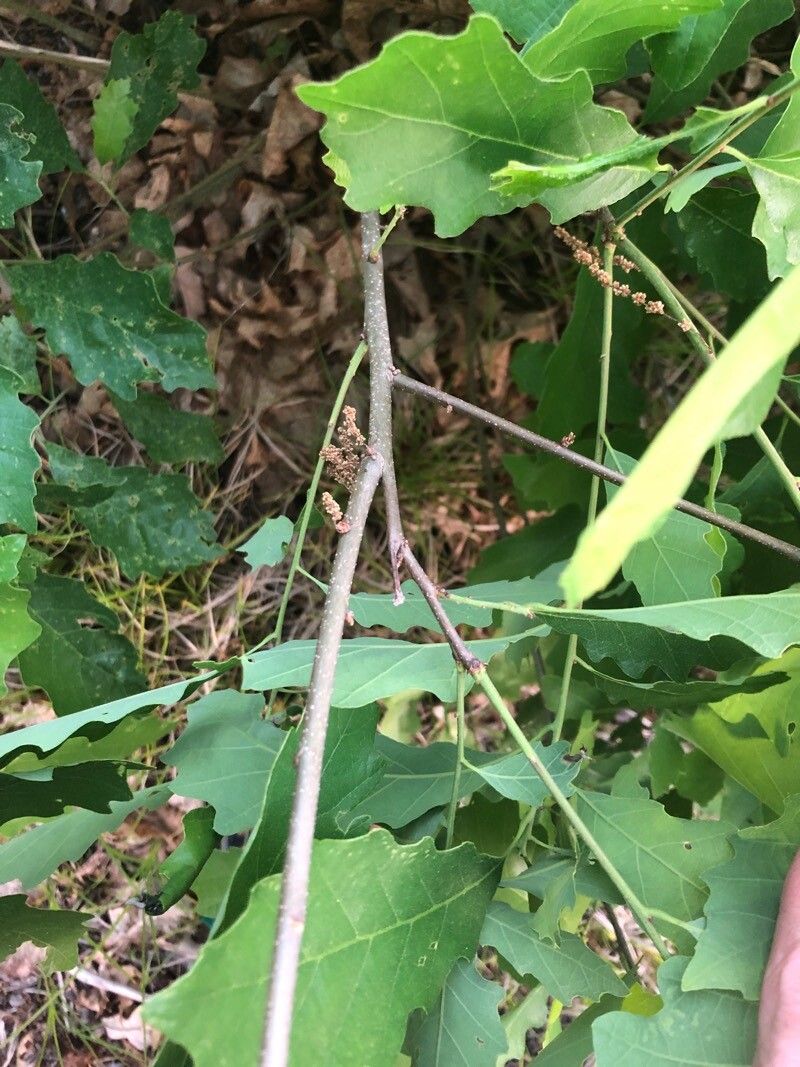
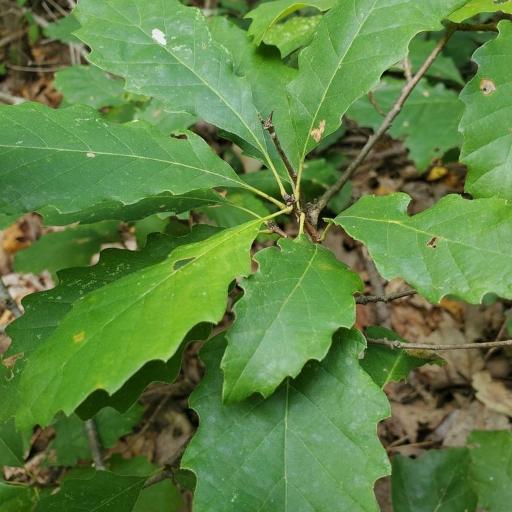
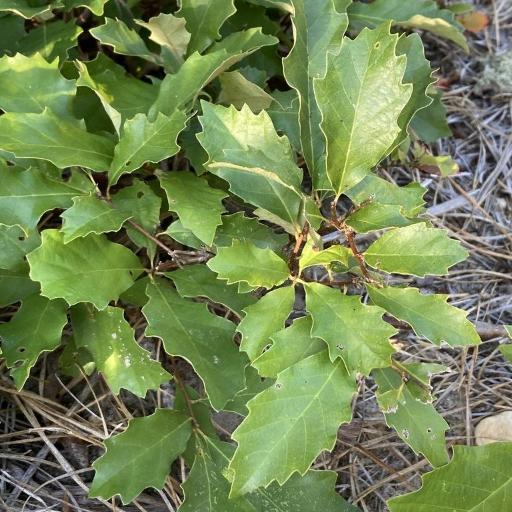
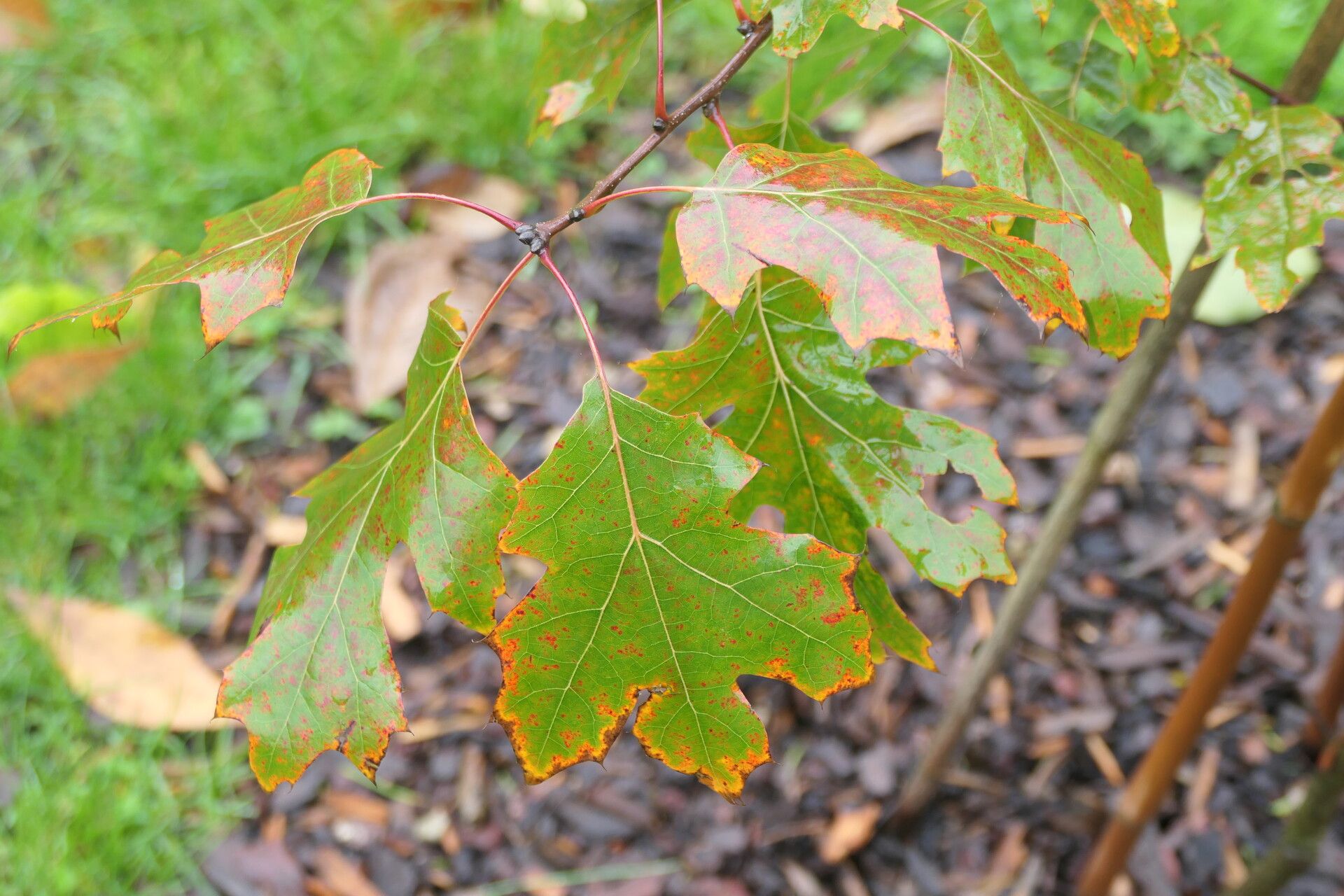
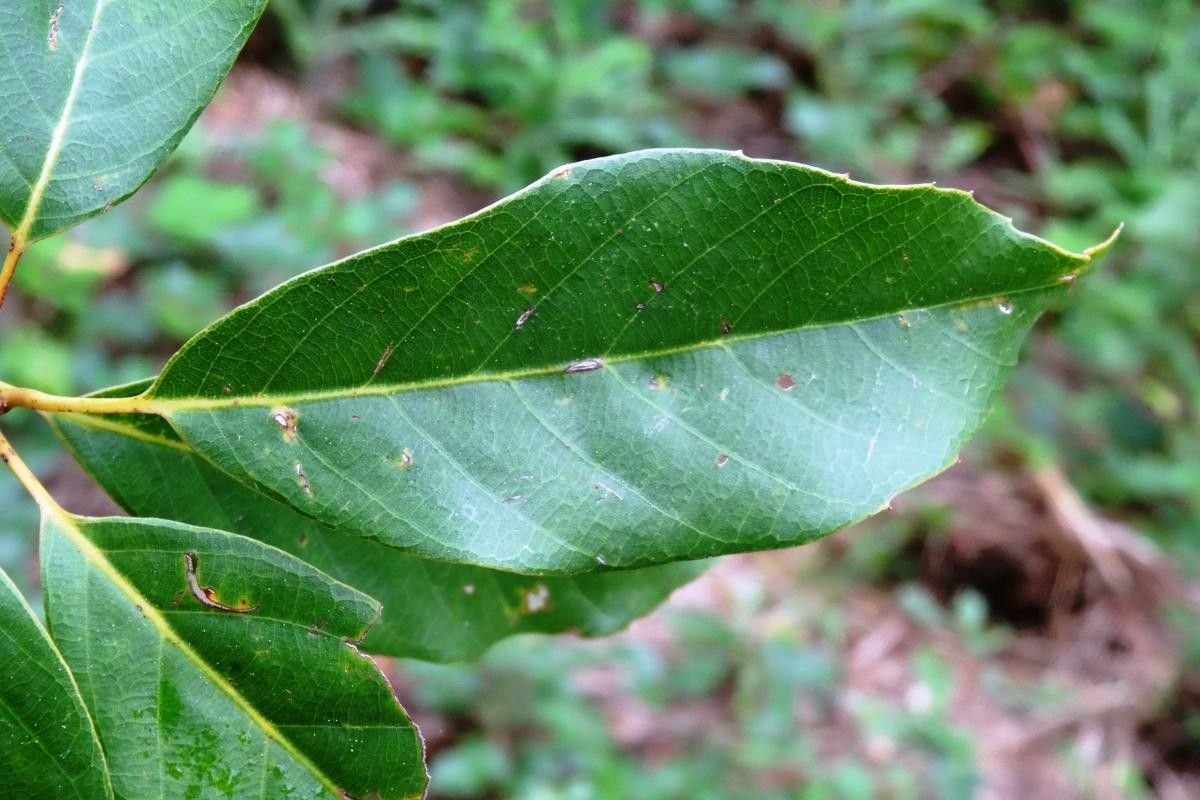
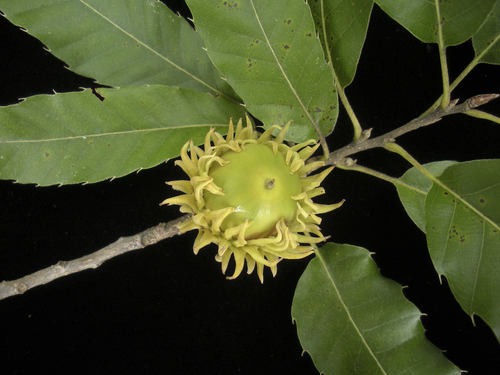
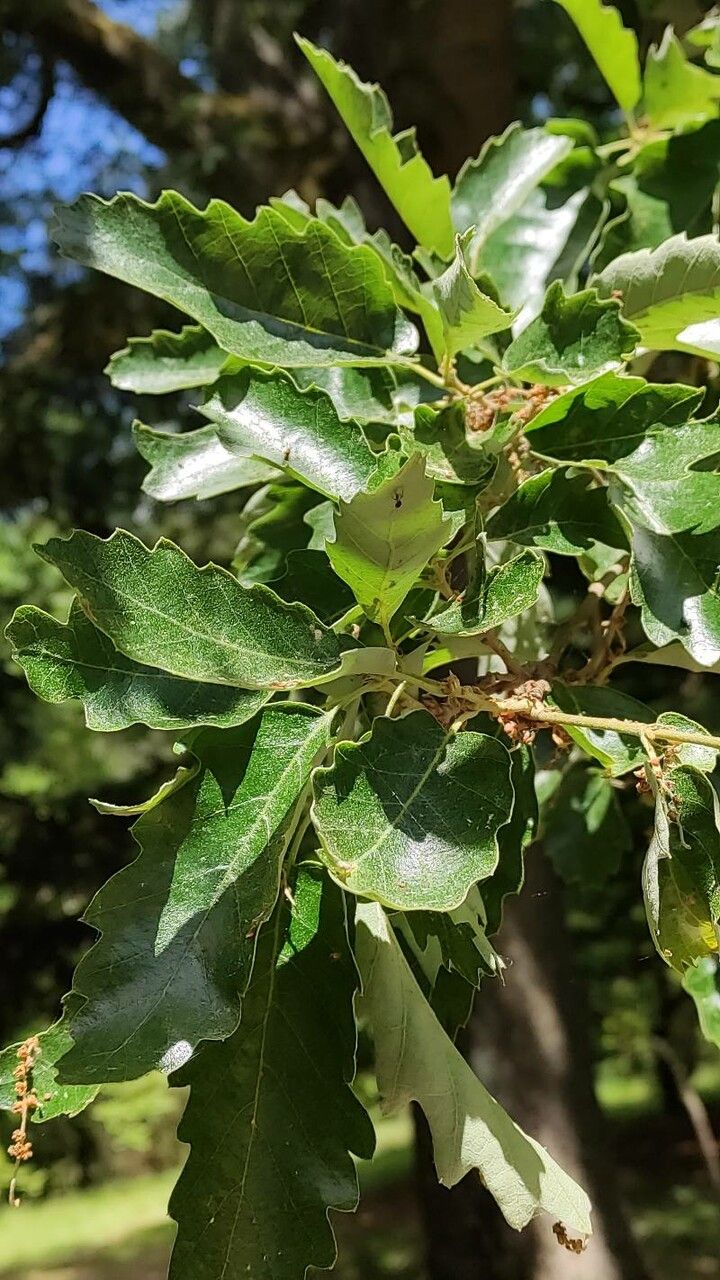
Quercus prinoides, commonly known as dwarf chinkapin oak, dwarf chinquapin oak, dwarf chestnut oak or scrub chestnut oak, is a shrubby, clone-forming oak native to central-eastern North America.
Dwarf chinquapin oak exhibits strong disease resistance and is typically not susceptible to illnesses. In terms of care, this plant is fairly low-maintenance. When grown outdoors it needs minimal watering, and larger specimens usually do not require pruning. However, smaller plants should be trimmed after they finish blooming. Dwarf chinquapin oak is suitable for anyone with an outdoor area, such as a garden or deck, and does not demand extensive care experience.
How to keep Quercus Prinoides.
Light
The dwarf chinquapin oak does best in places with abundant sunlight throughout the day, although it can tolerate locations that are only occasionally shaded. Too much shade causes it to grow poorly. Its original habitat, without regional specifics, received ample sun, which contributed to its strong tolerance of sunlight.
Water
The dwarf chinquapin oak thrives in well-drained soils and requires a moderate amount of water. Once it is established, the plant is tolerant to drought. It's best to water the oak every three weeks, ensuring that the soil dries out between waterings. As a temperate outdoor plant, its growth aligns with the seasonal rainfall, which means you'll need to water it less during rainy periods.
Temperature
Dwarf chinquapin oak is a plant that does well in regions where temperatures range from 41 to 89.6 °F (5 to 32 ℃). Native to temperate conditions, it can tolerate some variability but prefers milder climates. Seasonal adjustments may be necessary during periods of extreme cold or heat to ensure optimal growth.
Fertilizer
To encourage healthy growth, fertilize your Dwarf chinquapin oak in early spring. Consistent fertilization improves overall health, leading to vigorous growth, greater tolerance of adverse conditions, and enhanced resistance to pests and diseases. Keep a specific fertilization schedule for your Dwarf chinquapin oak to achieve vibrant, deeply colored, and lush foliage.
Pruning
The dwarf chinquapin oak is a compact, shrubby plant with small, glossy leaves. To maintain its health and appearance, prune it in early spring. This will help remove dead branches, improve airflow, and control its size. Regular pruning encourages healthier growth and enhances fruit production. Be sure to avoid heavy pruning outside of this period, as it can lead to stress and increase the risk of disease.
Botanical profile.
- Plant Type
- Tree, Shrub
- Life Cycle
- Perennial
- Genus
- Quercus
- Family
- Fagaceae
- Hardiness Zone
- 4-8
- Mature Height
- 3.66 m to 7.62 m
- Mature Spread
- 3.66 m to 7.62 m
- Leaf Color
- Green, Yellow, Gold, Brown
- Leaf Type
- Deciduous
- Flower Color
- Yellow, Green
- Flower Size
- 2.54 cm to 6.35 cm
- Bloom Time
- Mid spring, Late spring
- Planting Time
- Spring, Summer, Autumn, Winter
- Harvest Time
- Late summer, Early fall, Mid fall
Other names.