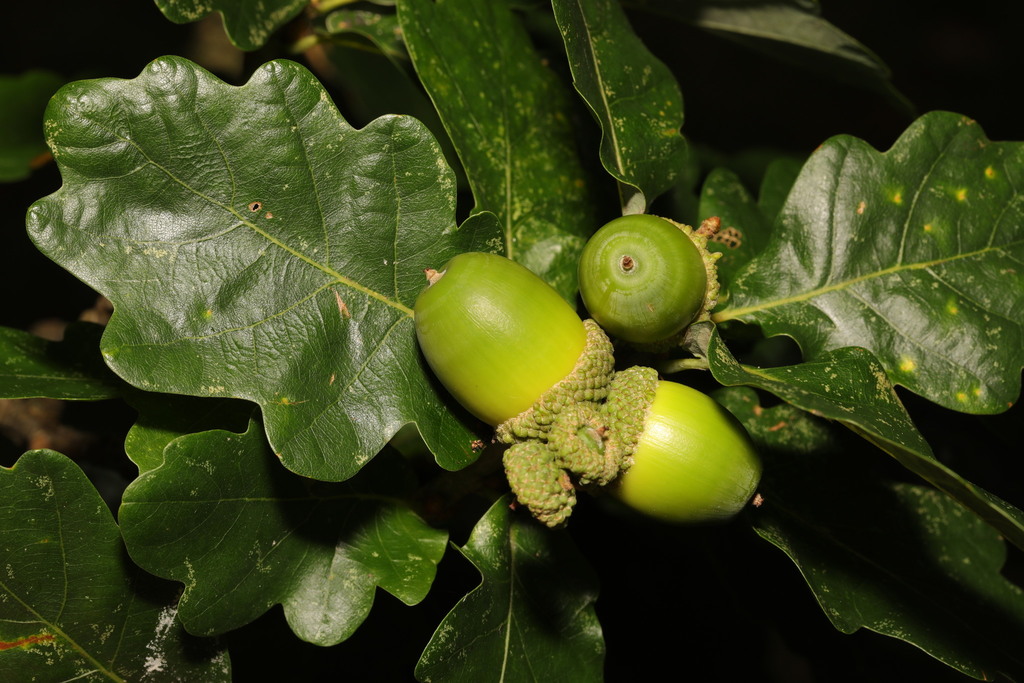
Quercus petraea, commonly known as the sessile oak, is a deciduous tree species from the Fagaceae family. Native to Europe, it thrives in diverse habitats including woodlands, forests, and heathlands. The sessile oak can reach heights of up to 40 meters, featuring a broad crown and a thick trunk that can grow up to 2 meters in diameter.
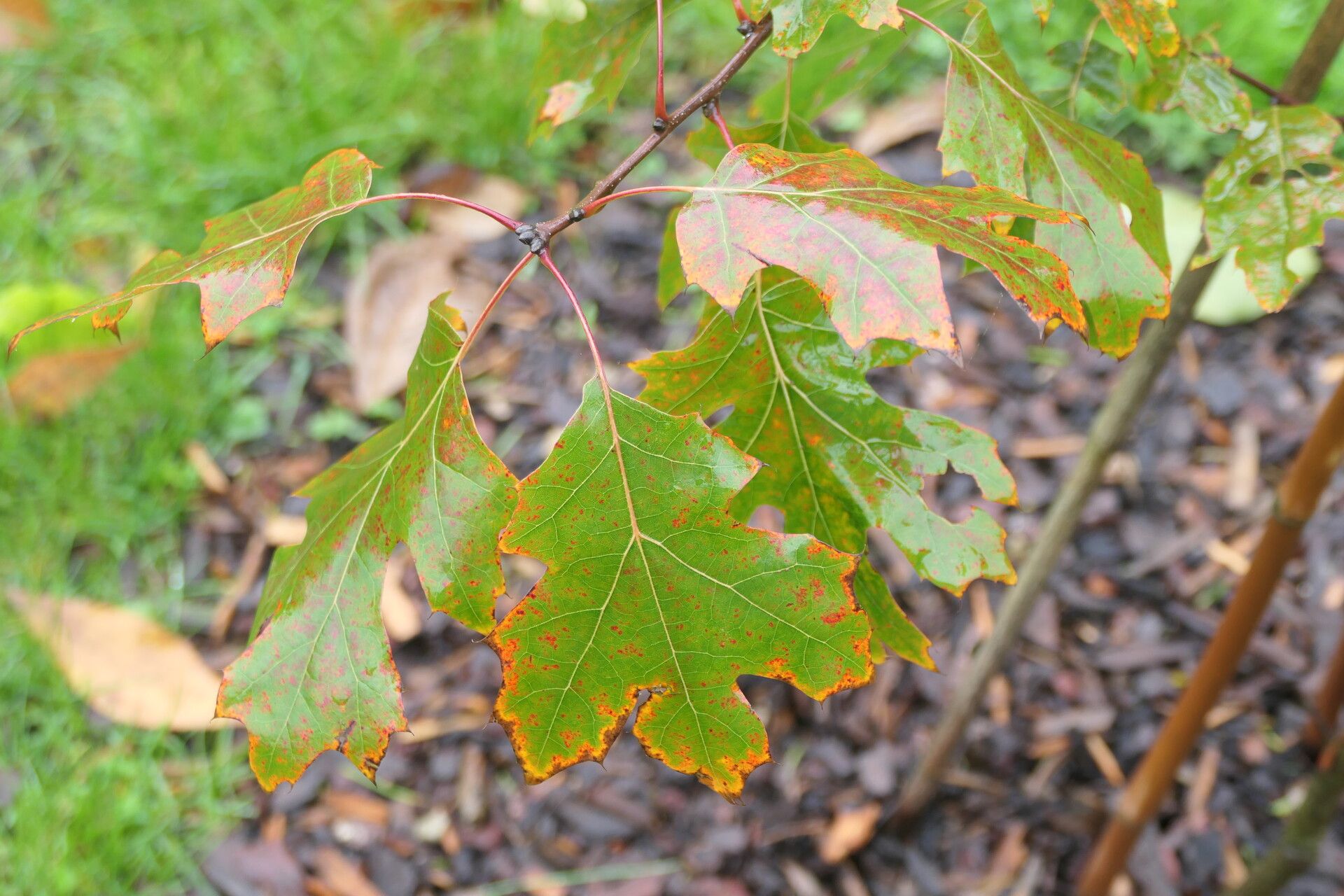
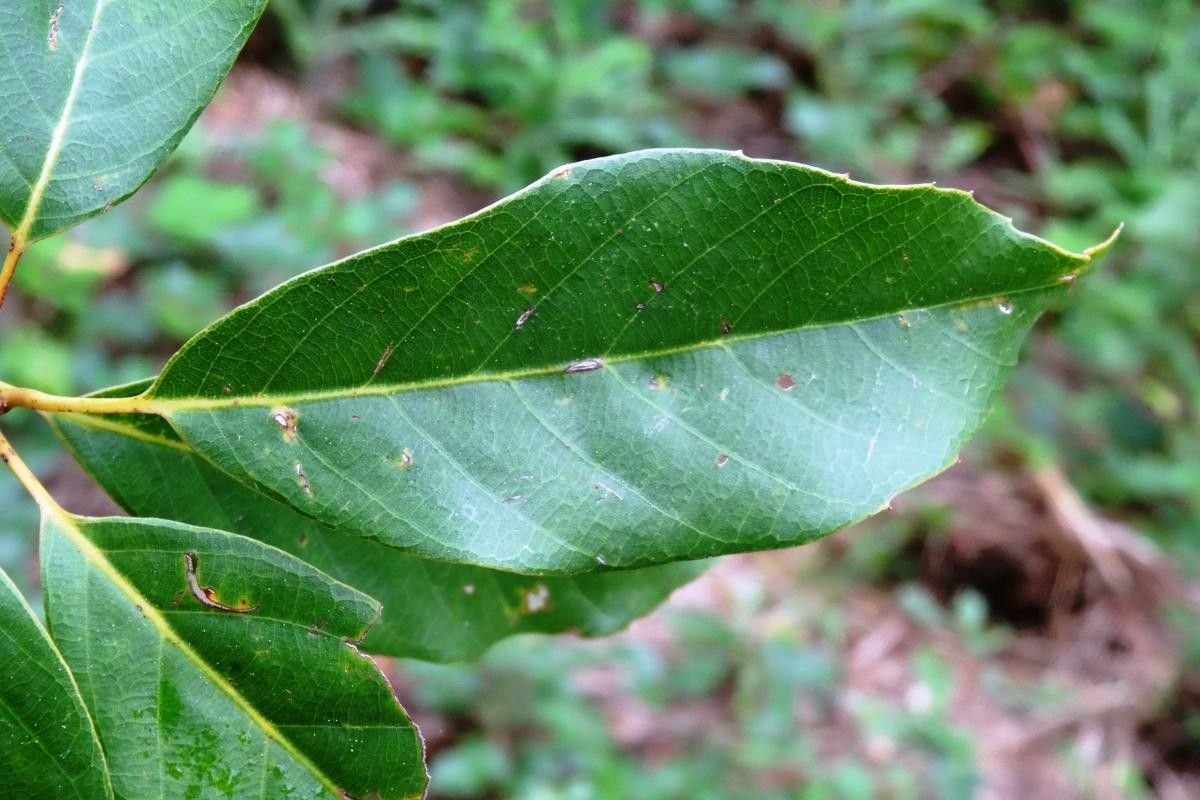
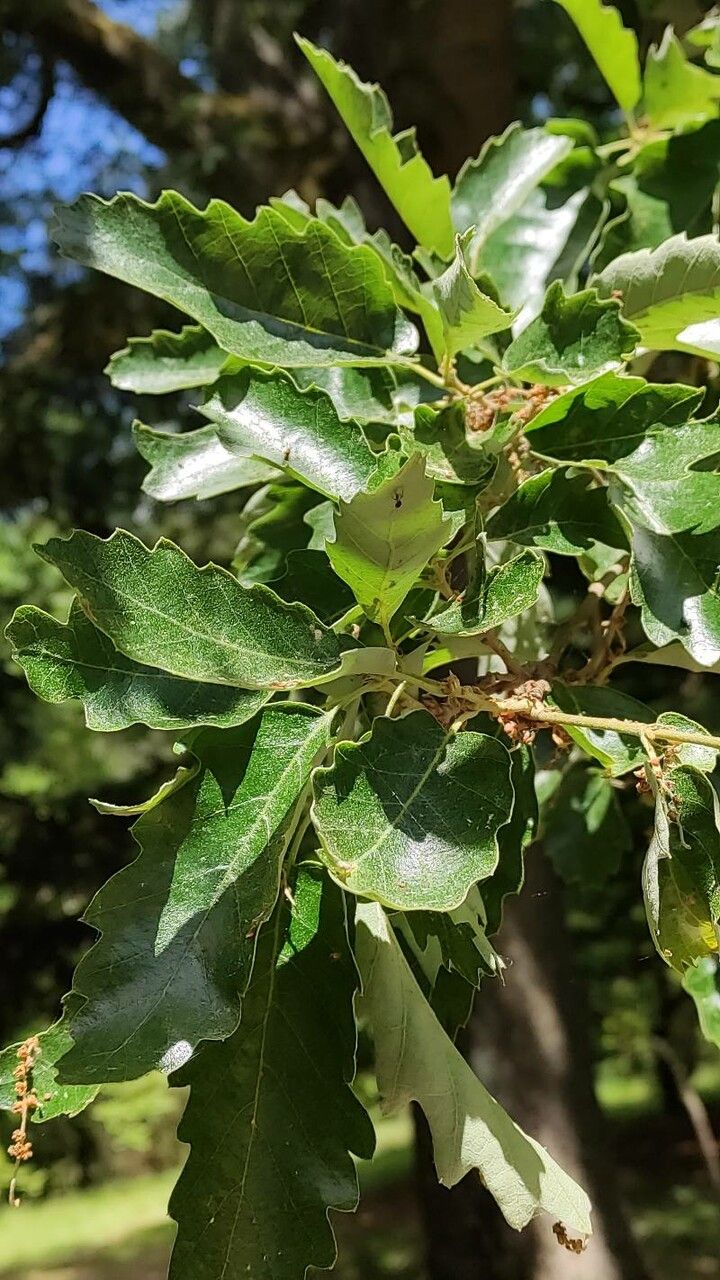
The leaves of Quercus petraea are simple and lobed with smooth edges, displaying a dark green color that turns yellow-brown in autumn before they fall. In spring, small catkin flowers appear before the leaves emerge.
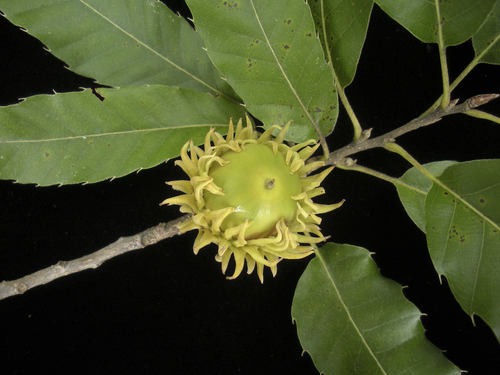
The sessile oak produces acorns, serving as crucial food sources for wildlife such as squirrels, deer, and birds. It also provides shelter for various animals and insects, including beetles.
For centuries, the durable and decay-resistant wood of Quercus petraea has been utilized by humans for construction purposes, such as flooring and furniture making.
Overall, Quercus petraea is a significant tree species both ecologically—offering habitats and food sources—and economically—providing timber and other products. Its broad crown and vibrant autumnal foliage also make it a popular choice among landscapers and gardeners.
Sessile oak is highly resistant to disease and is usually not vulnerable to illnesses. With respect to care, this plant is fairly low-maintenance. When grown outdoors it needs only light watering, and larger specimens typically do not require pruning. Smaller plants, however, should be pruned after they have finished blooming. The sessile oak is appropriate for anyone with an outdoor area, such as a garden or deck, and does not call for extensive experience in plant care.
How to keep Quercus Petraea.
Light
Sessile oak grows best in open sites where sunlight is the main light source, though it can tolerate areas with lower light levels. Excessive shade can limit its growth, while too much exposure may harm the foliage. Regardless of its growth stage, the oak favors steady light conditions, reflecting its origin in wide-open areas without shading obstacles.
Water
Sessile oak thrives in temperate climates, where it can tolerate moderate moisture levels and some dryness. It generally requires watering only every two weeks. When grown outdoors, applying mulch can help retain moisture by mimicking the natural leaf litter found in its native habitat.
Temperature
Sessile oak is native to regions where temperatures range from 41 to 89.6 °F (5 to 32 ℃). This species prefers a moderate climate without extreme heat or cold. Seasonal adjustments may be needed if temperatures fall below or rise above this range.
Fertilizer
Fertilize your Sessile oak in early spring to encourage healthy growth. Regular feeding boosts overall health, producing vigorous growth, increased tolerance of harsh conditions, and enhanced resistance to disease and pests. Follow a set fertilization schedule for your Sessile oak to maintain vibrant, deep-colored foliage and a lush appearance.
Pruning
The sessile oak has lobed leaves and a strong structure. It is best to prune it in early spring to minimize sap loss and encourage growth. To maintain its shape and improve air circulation, remove any dead branches. Thinning the canopy will also allow more light to reach the tree. Always use clean, sharp tools to prevent damage and the spread of pathogens.
Botanical profile.
- Plant Type
- Tree
- Life Cycle
- Perennial
- Genus
- Quercus
- Family
- Fagaceae
- Hardiness Zone
- 4-8
- Mature Height
- 20.12 m to 39.93 m
- Mature Spread
- 24.99 m
- Leaf Color
- Green, Orange, Brown
- Leaf Type
- Deciduous
- Flower Color
- Yellow, Green
- Flower Size
- 5.08 cm to 7.62 cm
- Bloom Time
- Mid spring, Late spring
- Planting Time
- Spring, Summer, Autumn
- Harvest Time
- Mid summer, Late summer
Other names.
Reader questions.
What's the best way to water my Sessile oak tree?
To promote excellent root development, consider placing a garden hose at the base of your plant. Avoid spraying the leaves directly and keep in mind that outdoor plants in direct sunlight may need more watering. You can use bubblers or soaker hoses to ensure the roots stay moist. When adding or removing plants, use soaker hoses that cover the entire garden or bed to help roots grow deeply. Make sure to drain any excess water and wait for the soil to dry before watering again. Watering at ground level is best to prevent diseases. On a sunny day, it may be beneficial to spray the entire bush with water. Whether your plants are potted or in the ground, remember that Sessile oak prefers deep watering rather than light sprinkling.
Why should I put fertilizer on my Sessile oak tree?
No matter what type of Sessile oak you own, regular fertilization is important to ensure the plant's overall health. When you provide the proper nutrients, the oak will grow stronger and be better equipped to handle harsh conditions and resist diseases and pests. Maintaining the foliage of your Sessile oak is crucial as it is one of its most attractive features. To achieve this, it is necessary to establish and follow a specific fertilization schedule for your oak. By doing so, your Sessile oak will develop vibrant leaves with a rich, lush appearance.
What are the sunlight requirements for Sessile Oak?
Sessile Oak requires different amounts of sunlight depending on its specific needs. For thriving growth, it should receive full sun, which is defined as more than 6 hours of sunlight daily. However, it can also grow in partial sun, receiving about 3-6 hours of sunlight. Observing the movement of sunlight through your garden helps in choosing the right spots that offer a balanced light environment for your plants, contributing to their well-being.
What climate conditions are ideal for Sessile oak?
Sessile oak thrives in moderate climates, favoring temperatures ranging between 41 to 89.6 °F (5 to 32 °C). It is a species that has strong cold resistance, implying that it does not typically require special frost protection measures during winter. However, in conditions where winter temperatures are anticipated to fall below -30°C, cold protection is advised by wrapping the trunk and branches with insulating materials like non-woven fabric or cloth. To combat potential drought and water scarcity during winter and early spring, it is recommended to water the plant abundantly before the first freeze in autumn, ensuring the soil is moist as it freezes.
What should I do if I give too much or too little water to a Sessile oak tree?
An overwatered Sessile oak shows signs of yellowing, wilting, and leaf drop. The plant may also appear dull and unhealthy with mushy stems. If these signs are present, it's best to adjust your watering schedule. Wilting can also indicate under watering, with leaves turning crispy and dry. When the soil is dry and watering alone isn't enough, give the plant a thorough watering. This will help the Sessile oak recover, although it may still have yellow leaves due to root damage. Once it returns to normal, the yellowing will stop. When growing the Sessile oak indoors, always check moisture levels and avoid overwatering. Look for black spots as a sign of overwatering, and allow the soil to dry out for a few days if present. Overwatering can lead to root rot, so transfer the plant to a different pot if you see discolored and slimy roots. Preventing root rot is crucial, so avoid overly soggy soil. When planting the Sessile oak outdoors, ensure the soil is adequately moist. If the soil is too dry, it may indicate underwatering, so provide sufficient watering to help the plant recover.
When should I fertilize my Sessile oak?
To ensure healthy growth, fertilize your Sessile oak during late winter or early spring. This provides essential nutrients for growth when the weather becomes warmer. If you live in a warm climate, it is beneficial to provide an additional fertilizer feeding in early fall. This adds nutrients for the following growing season and helps the tree withstand winter cold without foliage damage. Fertilizing earlier ensures new branches have enough time to grow and withstand the cold winter.
How does Sessile Oak respond to different lighting conditions?
Sessile Oak thrives best in open areas with abundant sunlight but also has a tolerance for lower light levels. Although it prefers consistent light exposure typical of its natural habitat in vast, unshaded areas, both too much shadow and excessive sunlight can be detrimental. Too little light can stunt growth, whereas too much can damage the foliage. Additionally, indoor plants may require artificial lighting to supplement natural sunlight, especially in less sunny spaces or during winter. LEDs are recommended for their ability to be customized to the plant's needs, suggesting a range of 10-50W/sq ft depending on the plant's sun exposure requirements.
How does Sessile oak respond to low temperature conditions, and what are the recommended solutions?
Sessile oak exhibits strong cold tolerance and generally thrives best when the temperature remains above 5°C. In winter, it is essential to ensure the temperature stays above -25°C to maintain the tree's health. Although Sessile oak may not show immediate damage when temperatures plummet below -30°C, the aftermath can include branches becoming brittle and dry by springtime, with a failure to sprout new shoots. To mitigate this, it is recommended to prune away any dead branches that have failed to produce new leaves come spring.
How often do I need to water my Sessile oak?
The Sessile oak prefers deep and infrequent watering. When planted in pots, it is best to soak them in a gallon of water each time because the soil in pots dries out quickly. In cold regions, you should water the oak every 3 to 5 days. It's best to water it early in the morning when the soil is dry, whether it's kept outdoors or indoors. You can also check the soil inside the pot to determine if watering is needed. When the top 2-3 inches of soil are dry, it's time for a full watering. On hot days, check the moisture levels daily as the heat can quickly dry out the soil in the pot. If you have a garden, you'll also need to irrigate the soil. In hot climates, watering once a week should suffice. Only water the plants when you notice that about 2 to 3 inches of soil are too dry. Take into account the amount of rainfall the plant receives and avoid over-watering to prevent root rot. Sessile oak usually grows during spring and fall. When the oak is kept outdoors, it's beneficial to add mulch that is about 3 to 4 inches deep to help retain water. Sandy soil requires more frequent watering due to its drainage characteristics. On the other hand, clay soil needs less frequent watering, allowing the plant to dry out for 2-3 days before watering again to prevent root rot. Keeping track of when you water the plants and noting any drooping leaves on a calendar can help ensure you water them on time.
When is the best time to not fertilize my Sessile oak tree?
There are certain times of the year when you shouldn't fertilize your Sessile oak tree. The first is in the early and mid-winter months when the tree is dormant and doesn't need feeding. It's also not a good idea to fertilize during late spring and summer when the weather is hotter and drier. These conditions can negatively affect the tree's response to fertilization. To avoid any problems, it's best to stick to a schedule of fertilizing only in early spring and early fall.
What symptoms indicate Sessile Oak is receiving an improper amount of light?
Symptoms of inadequate lighting in Sessile Oak include small or paler new leaves, leggy growth, early leaf drop, slowed or halted growth, and symptoms of overexposure like chlorosis, sunscald, leaf curling, wilting, and leaf scorching. These signs suggest that the plant is either not getting enough light or is being exposed to too much direct sunlight, which can hamper its growth and overall health. Monitoring and adjusting the plant's exposure to sunlight or supplementing with artificial light are crucial steps in ensuring its well-being.
How should Sessile oak be cared for in high temperature conditions?
During the summer months, it's crucial to ensure that the Sessile oak is not exposed to temperatures exceeding 32°C. Exposure to temperatures above 35°C can lead to the leaves lightening in color, drying, and withering at the tips, and increasing the risk of sunburn. To protect the plant in such conditions, the sunburned and dried-up parts should be trimmed away. Relocating the plant to a shaded area or using a shade cloth to provide protection during the peak sun hours is advisable. Additionally, watering the plant during the cooler morning and evening hours will help keep the soil adequately moist.