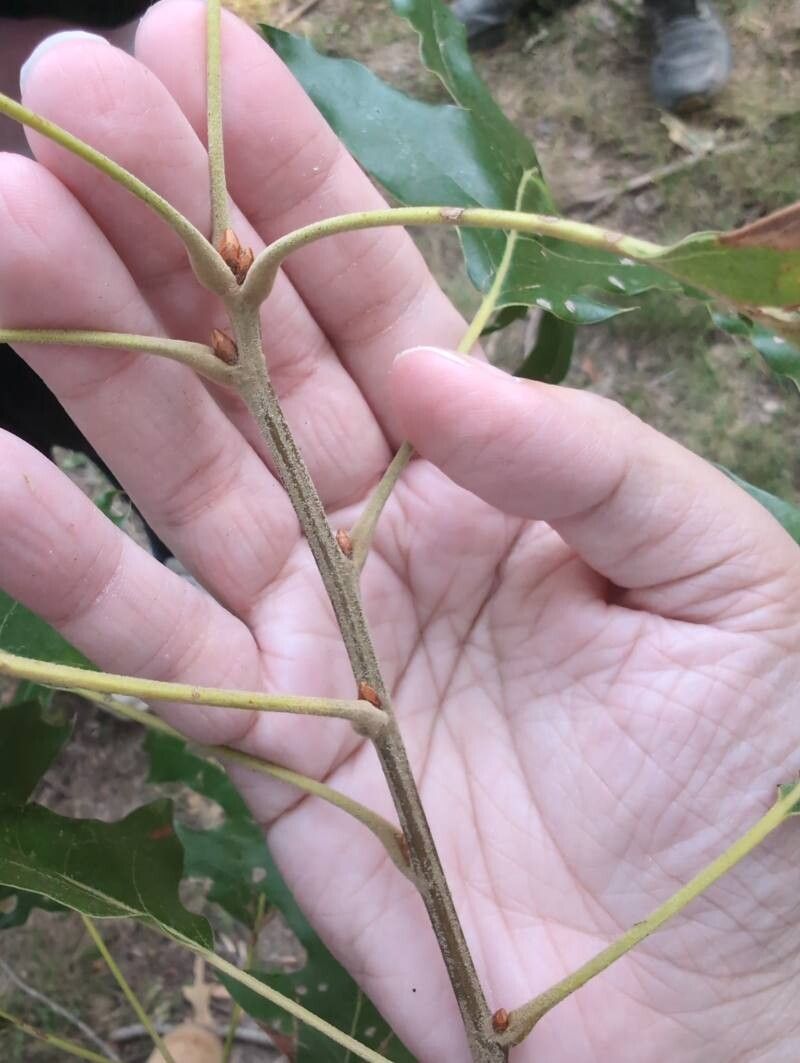
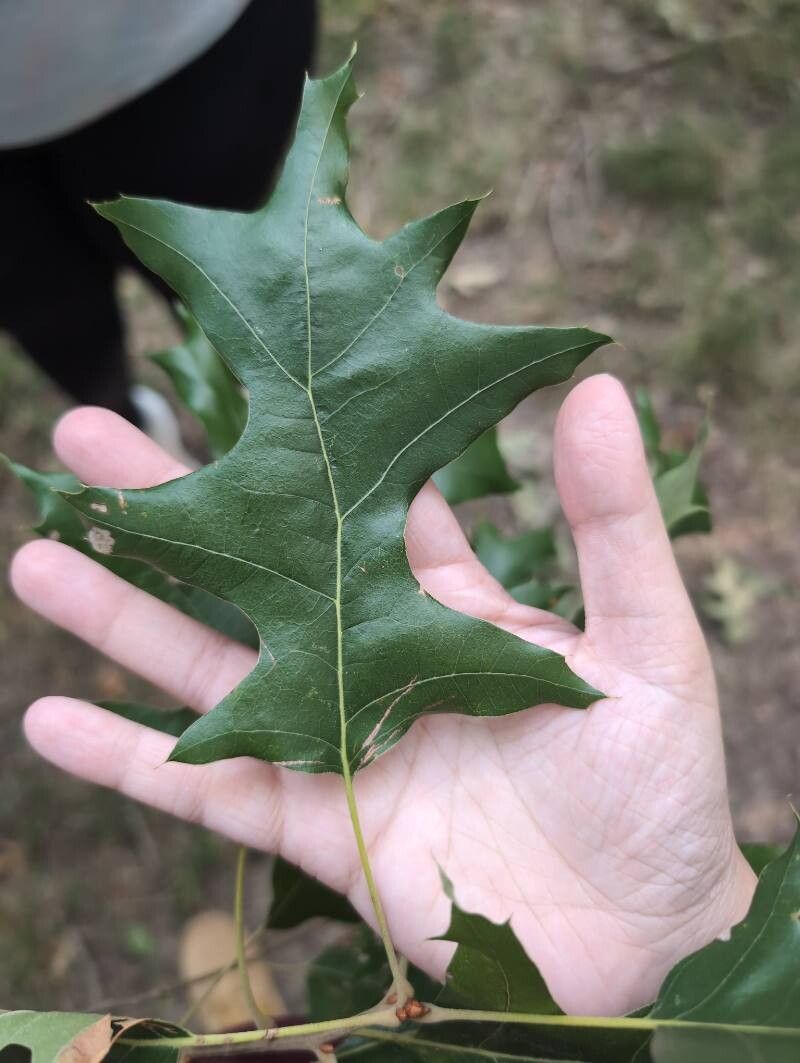
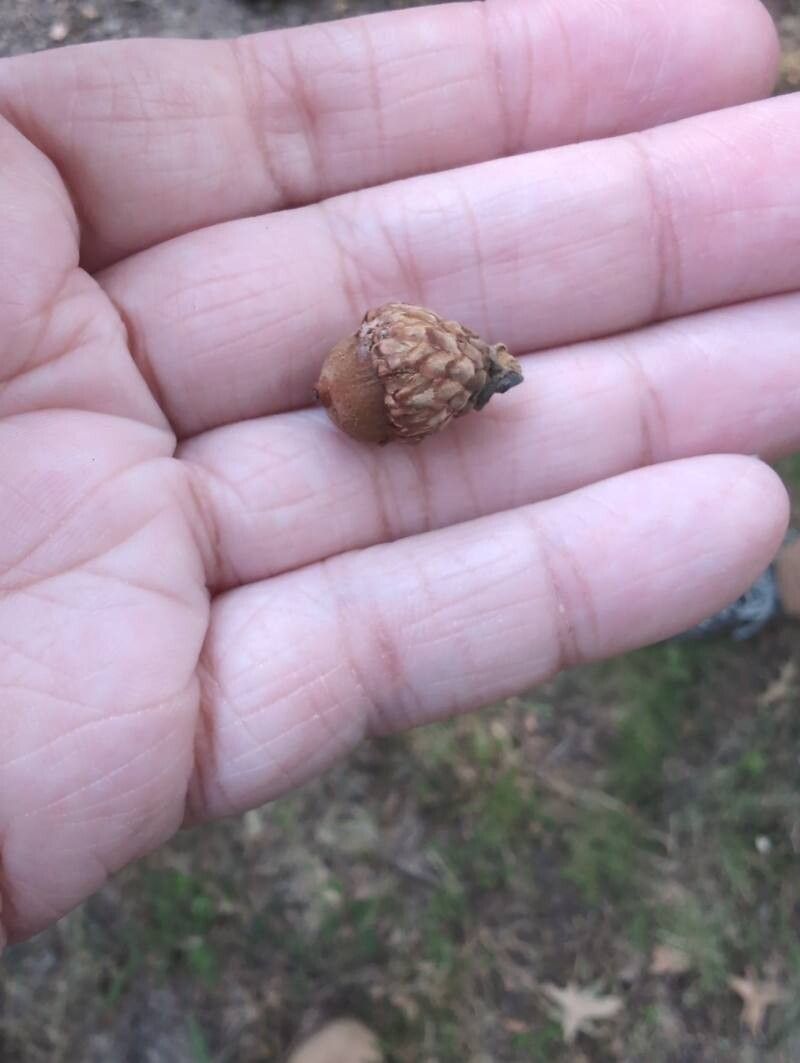
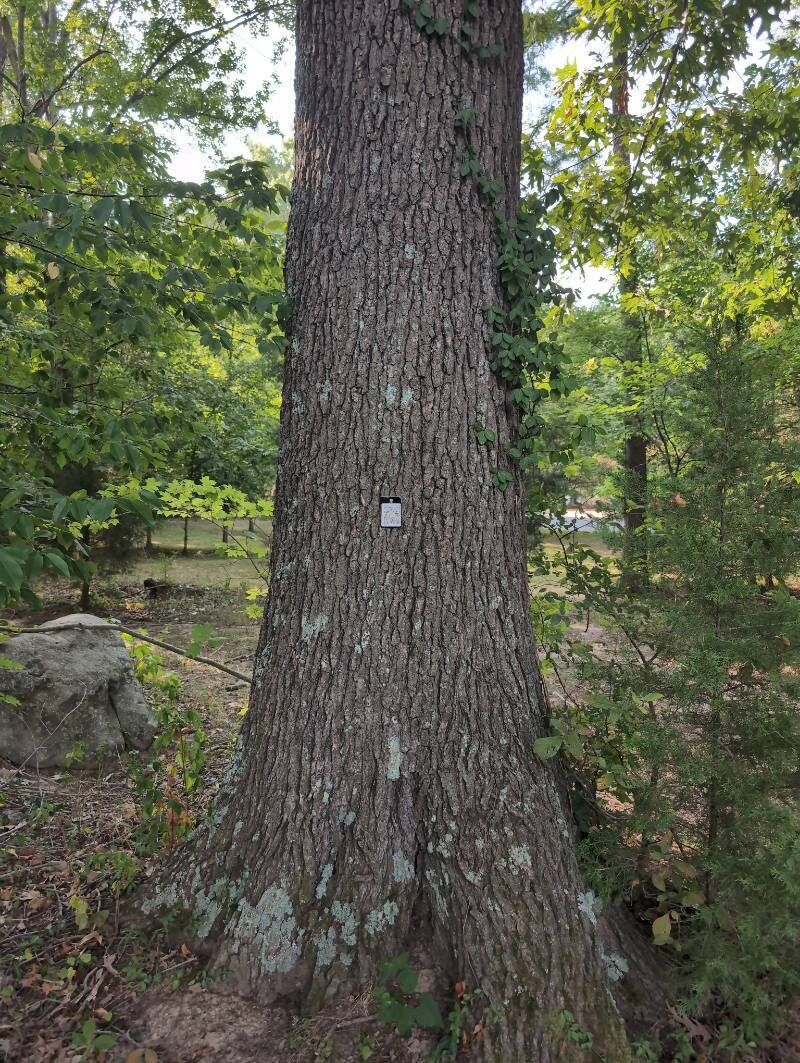
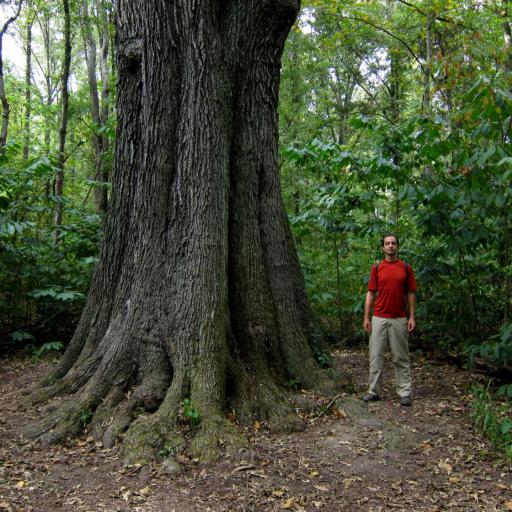
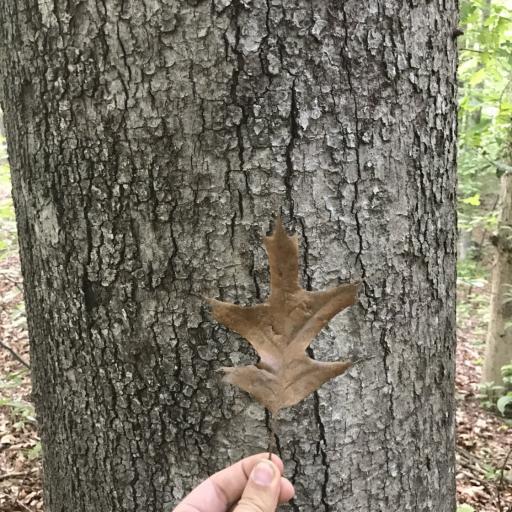
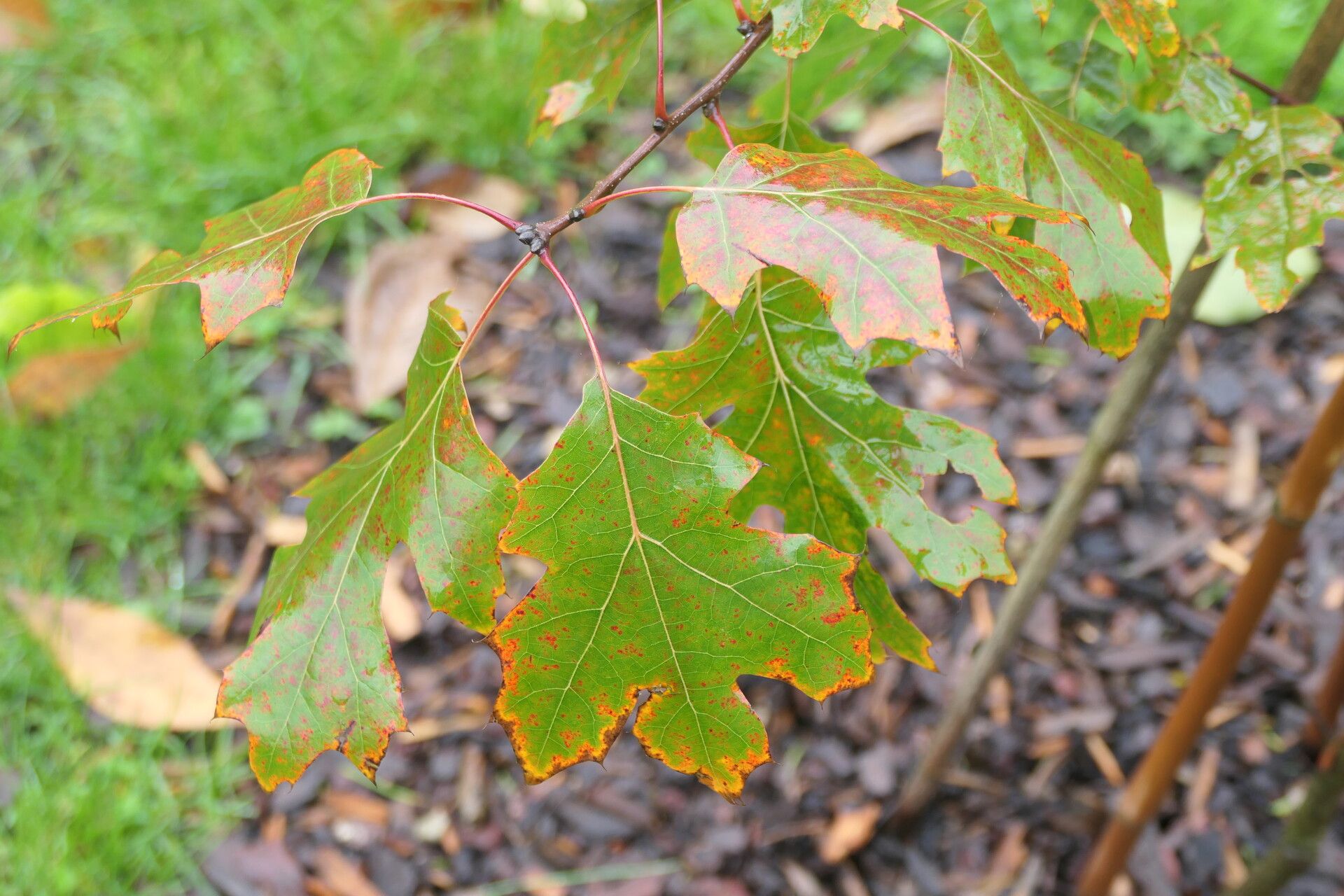
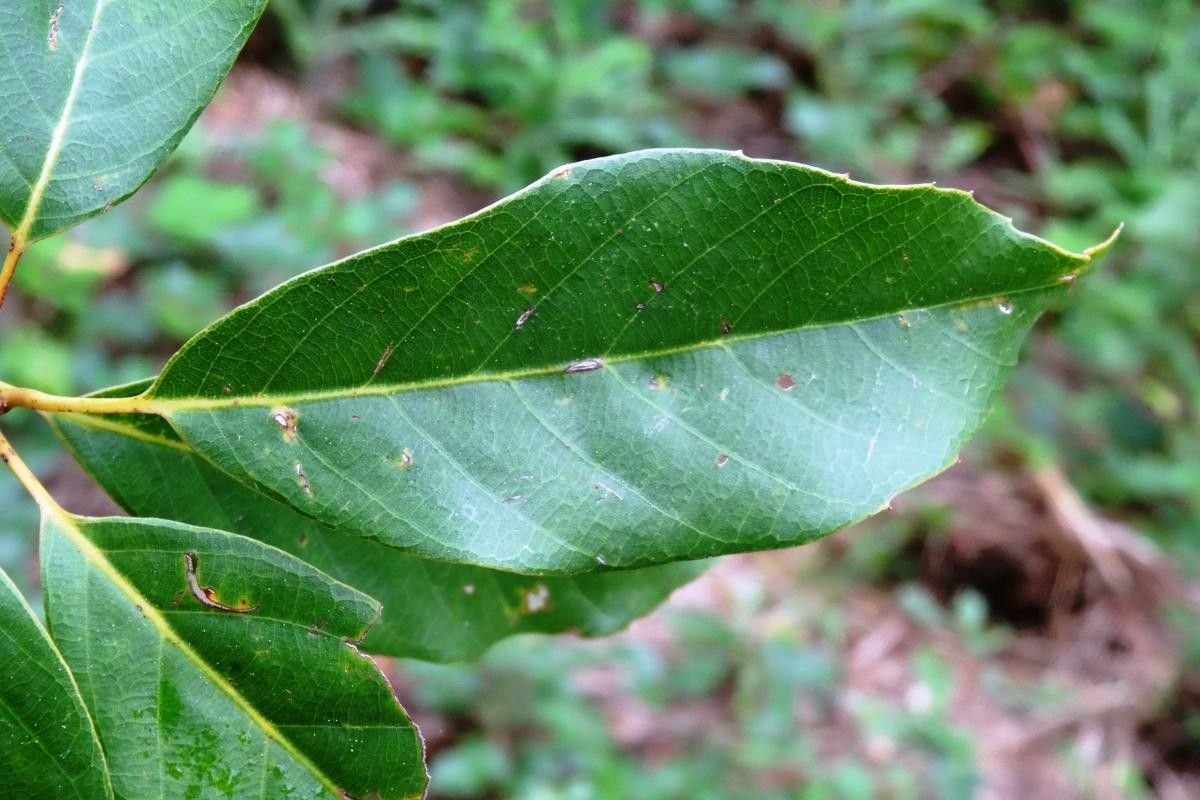
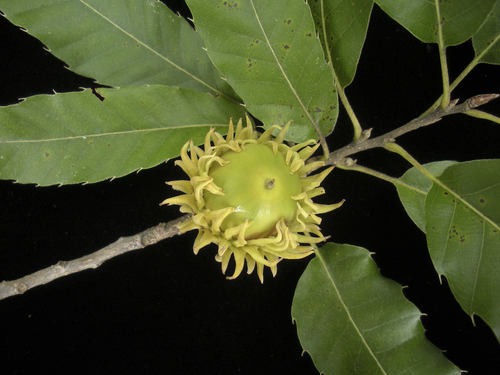
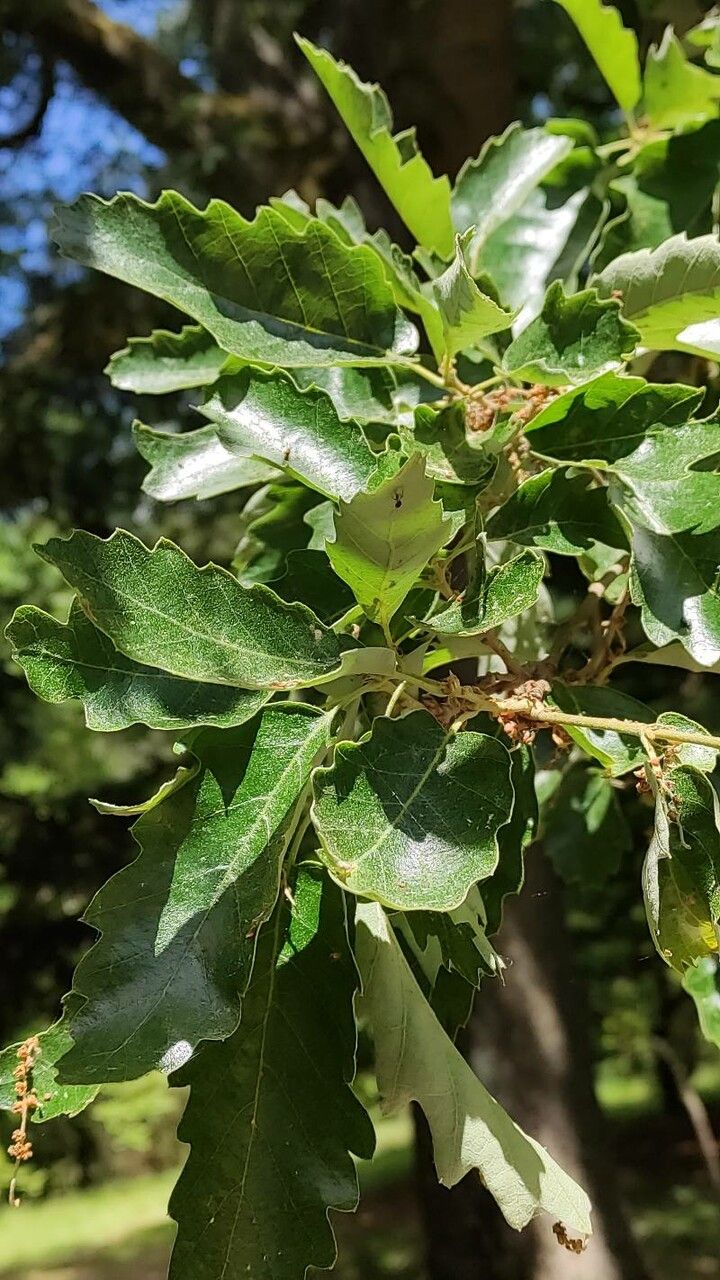
Quercus pagoda, the cherrybark oak, is one of the most highly valued red oaks in the southern United States. It is larger and better formed than southern red oak and commonly grows on more moist sites. Its strong wood and straight form make it an excellent timber tree. Many wildlife species use its acorns as food, and cherrybark oak makes a fine shade tree. Cherrybark oak was formerly considered to be a subspecies of southern red oak, Quercus falcata, subsp pagodifolia.
Cherrybark oak is fairly disease-resistant and is generally not prone to illnesses. With respect to care, this plant is relatively low-maintenance. When planted outdoors it needs minimal watering, and larger specimens typically do not require pruning. Smaller plants, however, should be pruned after they have finished blooming. Cherrybark oak is suitable for anyone with outdoor space, such as a garden or deck, and does not require much care experience.
How to keep Quercus Pagoda.
Light
Cherrybark oak does best with ample sunlight, which is ideal for its growth and overall health. It generally tolerates both too much and too little light. This preference for plentiful light mirrors its native, sun-drenched environment. Throughout its various stages of growth, it consistently favors significant sunshine.
Water
Cherrybark oak flourishes in woodland environments, adapting well to seasonal rainfall. It requires moderate moisture and is drought-tolerant, so it should be watered every three weeks, with the soil allowed to dry out between waterings. Being a deciduous tree, its water needs decrease during the colder months when it enters dormancy.
Temperature
Cherrybark oak originates from a temperate climate and is accustomed to temperatures between 50 to 77 °F (10 to 25 ℃). It thrives best in these conditions, so adjustments should be made during harsh seasons to ensure the temperature does not stray from its preferred range.
Fertilizer
Fertilize your Cherrybark oak in early spring to encourage healthy growth. Regular fertilization improves overall health, leading to vigorous growth, greater tolerance of harsh conditions, and improved resistance to disease and pests. Maintain a specific fertilization schedule for your Cherrybark oak to ensure vibrant foliage with deep color and a lush appearance.
Pruning
The Cherrybark oak is a deciduous tree prized for its strong wood and attractive foliage. To promote healthy growth, improve air circulation, and maintain structural integrity, prune the tree in early spring by removing any dead or diseased branches. Regular pruning not only enhances the tree’s health but also improves its overall appearance.
Botanical profile.
- Plant Type
- Tree
- Life Cycle
- Perennial
- Genus
- Quercus
- Family
- Fagaceae
- Hardiness Zone
- 6
- Mature Height
- 27.43 m to 39.62 m
- Mature Spread
- 9.14 m to 21.03 m
- Leaf Color
- Green
- Leaf Type
- Deciduous
- Flower Color
- Yellow, Green, White, Gold
- Flower Size
- 2.54 cm
- Bloom Time
- Mid spring, Late spring
- Planting Time
- Spring, Autumn
- Harvest Time
- Mid summer, Late summer, Early fall
Other names.