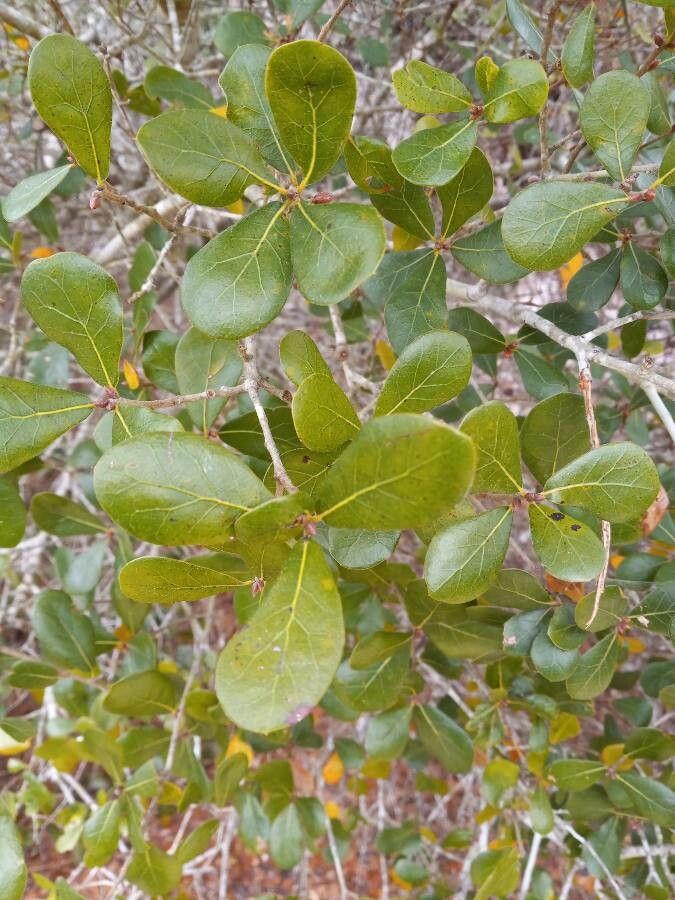
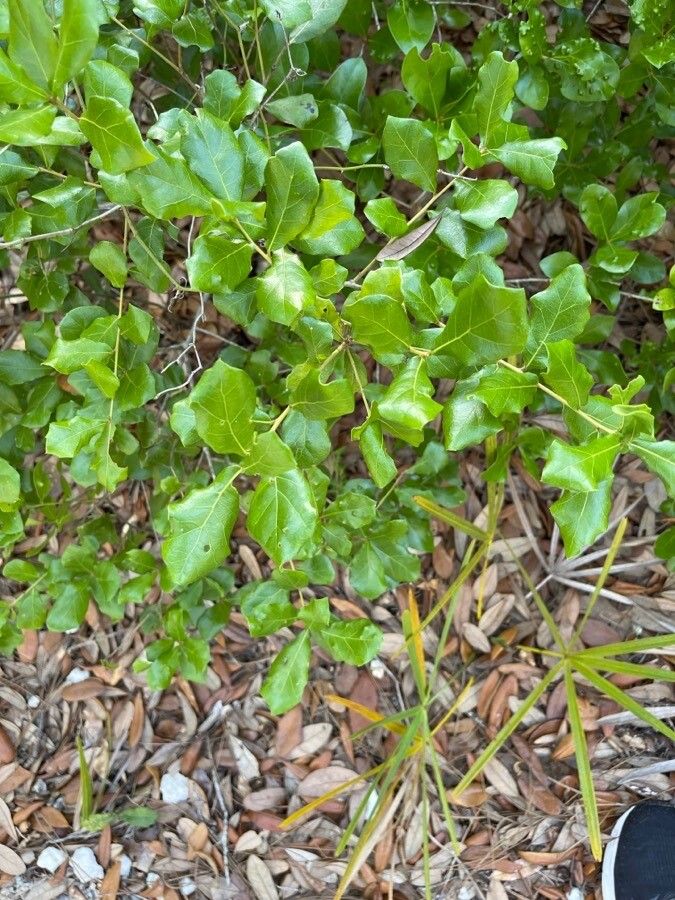
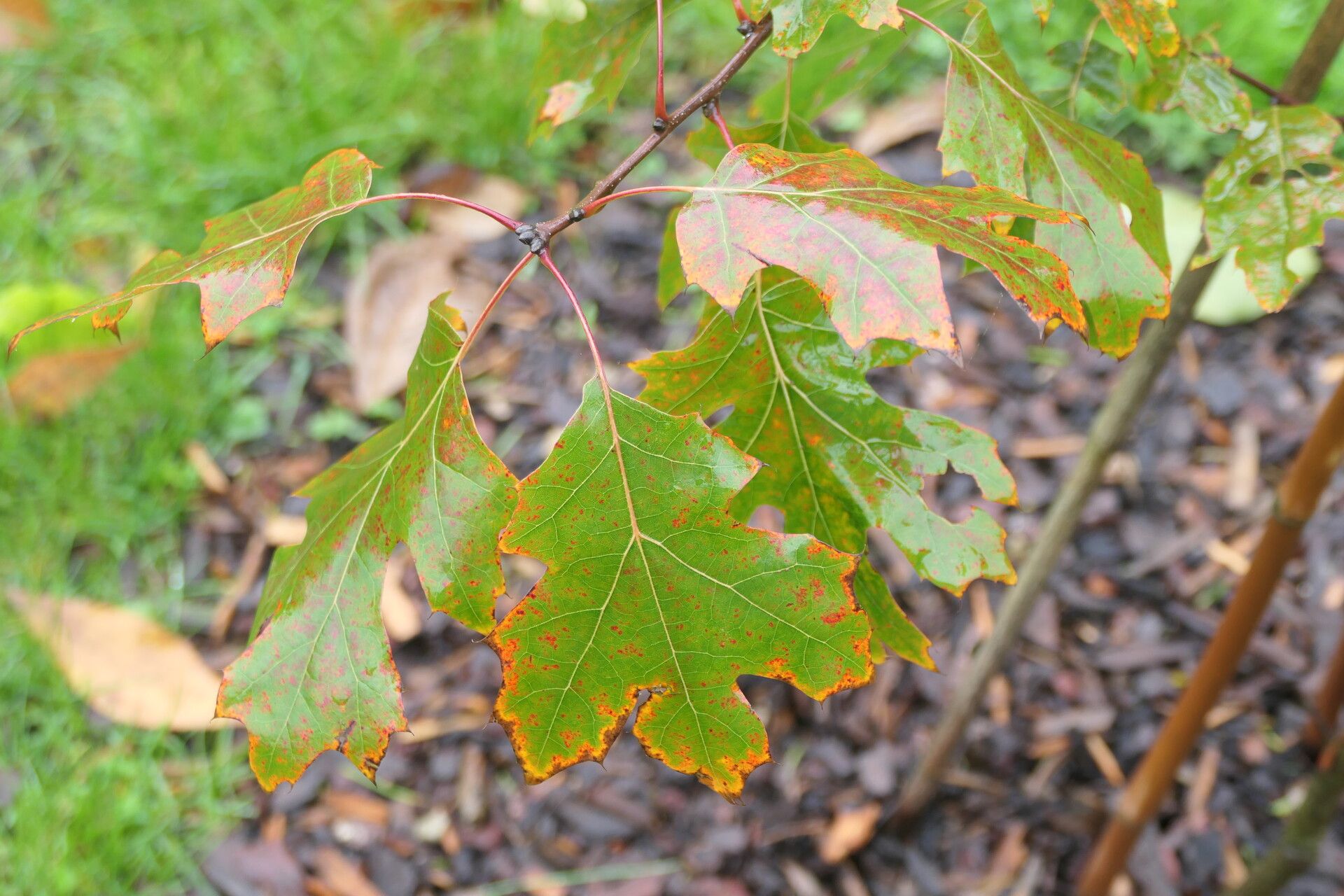
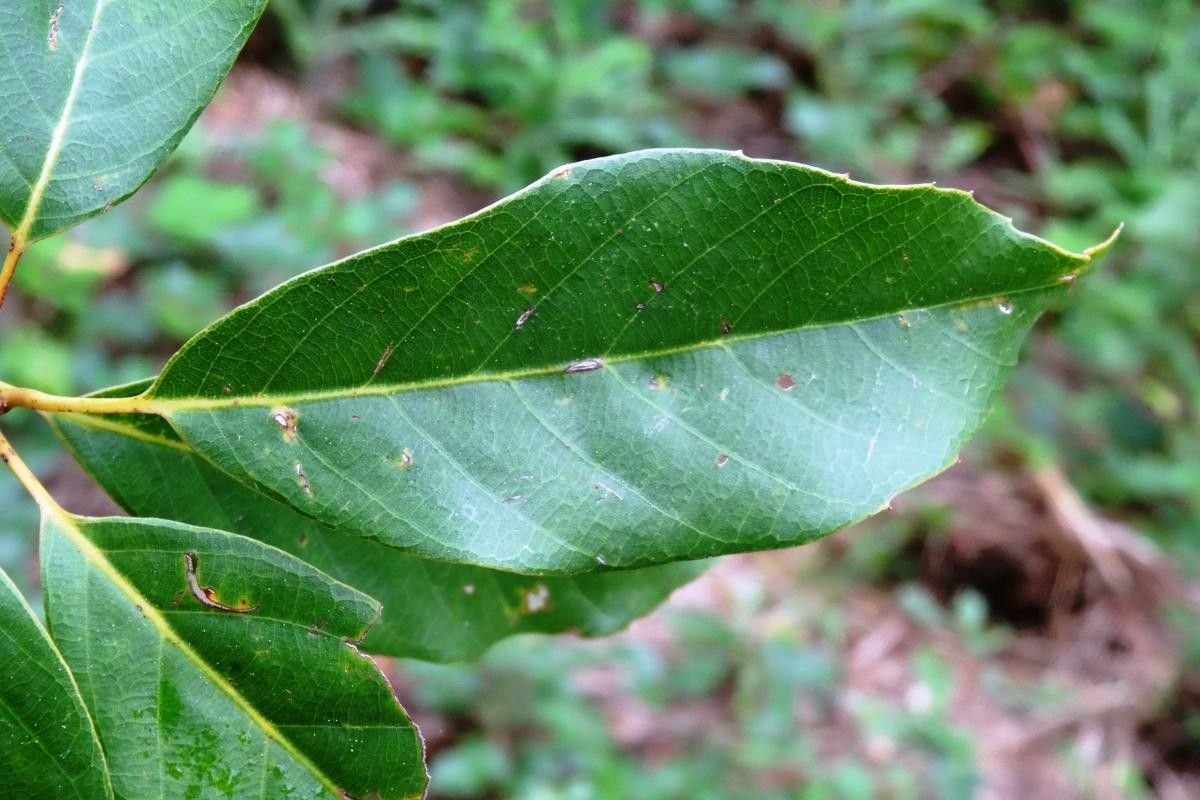
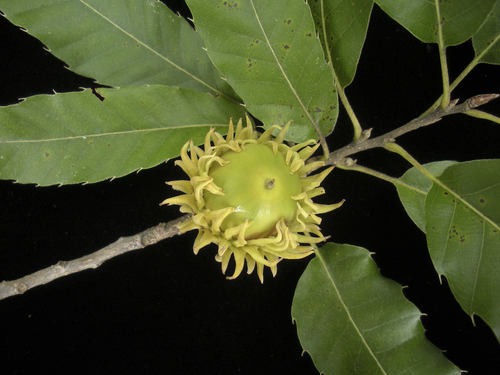
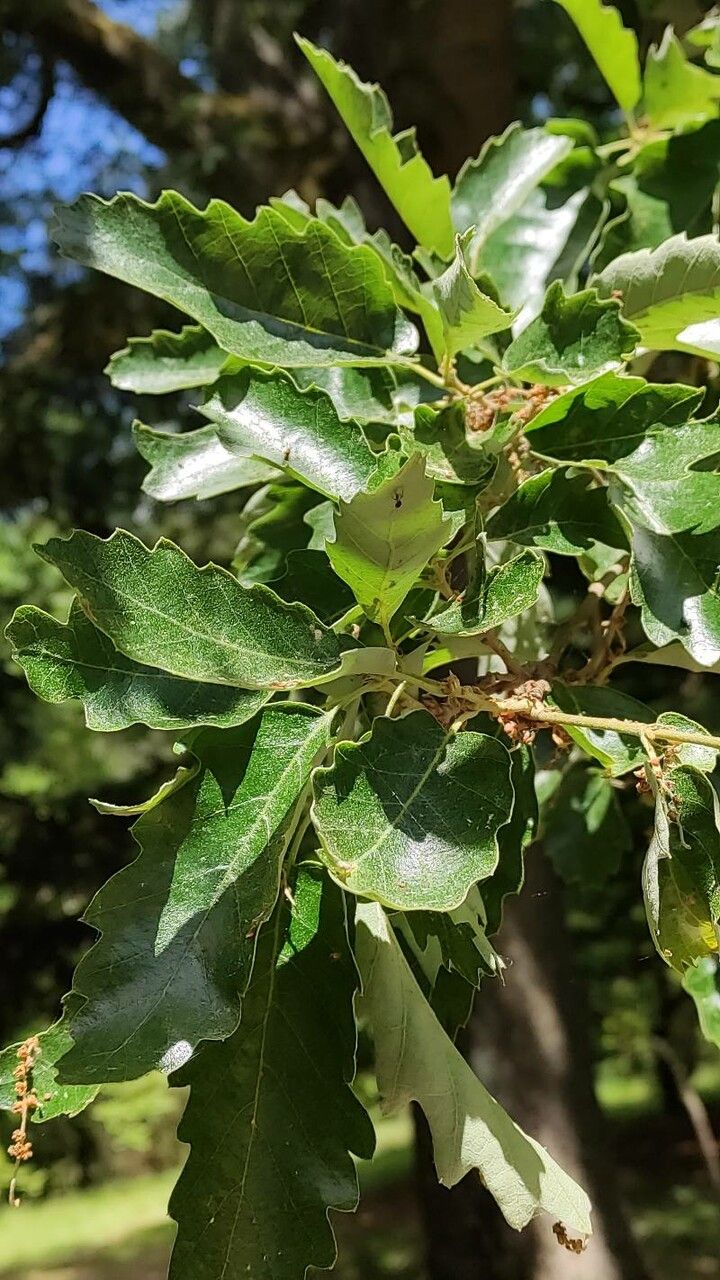
Quercus myrtifolia, the myrtle oak, is a North American species of oak. It is native to the southeastern United States (Mississippi, Alabama, Florida, Georgia, South Carolina). It is often found in coastal areas on sandy soils.It is an evergreen tree that can reach 12 meters (39 feet) tall, also appearing as a shrub in drier sites. It has leaves with no teeth or lobes, which are hairless on the upperside and also on the underside except along the veins.
Myrtle oak has strong resistance to disease and is generally not susceptible to illnesses. In terms of care, this plant is fairly low-maintenance. Planted outdoors it needs only minimal watering, and larger specimens usually do not require pruning. Smaller plants, however, should be trimmed after they finish blooming. Myrtle oak is suitable for anyone with an outdoor area, such as a garden or a deck, and does not need much prior plant-care experience.
How to keep Quercus Myrtifolia.
Light
Myrtle oak comes from open habitats, such as sunny meadows and forest edges, that provide abundant light. It thrives in Full Sun but can also tolerate Partial Sun, doing well under a range of sunlight conditions.
Water
To maintain healthy myrtle oak, it's important to keep the soil moist but well-drained. Myrtle oaks develop a taproot that allows them to draw moisture from deeper soil layers. Aim to maintain humidity a few inches below the surface without excessively watering the topsoil. During the summer, reducing the amount of water you give them can actually improve their health, as myrtle oaks are quite adept at tolerating dry spells.
Temperature
Myrtle oak shows good adaptability to temperature, able to withstand higher temperatures and larger temperature fluctuations. When temperatures are high, it is important to attend to watering and provide appropriate shade to prevent sunburn. However, Myrtle oak has relatively poor tolerance for low temperatures. While it can endure some cold, excessively low temperatures can cause frost damage.
Fertilizer
Fertilize your Myrtle oak in early spring to encourage healthy growth. Regular feeding boosts the plant's overall health, producing vigorous growth, increased tolerance of challenging conditions, and better resistance to pests and diseases. Keep a specific, consistent fertilization schedule for your Myrtle oak to ensure foliage that is vibrant, deep in color, and lush in appearance.
Pruning
Pruning myrtle oak during its dormant period, which is from early to late winter, improves its shape and air circulation. Use clean, sharp tools to remove dead or crossing branches, as this minimizes stress and encourages healthier growth. This practice also helps maintain the plant's natural structure and reduces the risk of disease.
Botanical profile.
- Plant Type
- Shrub, Tree
- Life Cycle
- Perennial
- Genus
- Quercus
- Family
- Fagaceae
- Hardiness Zone
- 8-10
- Mature Height
- 4.57 m to 6.1 m
- Mature Spread
- 2.13 m to 3.96 m
- Leaf Color
- Brown, Orange, Green
- Leaf Type
- Evergreen
- Flower Color
- Green
- Bloom Time
- Early spring, Mid spring
- Planting Time
- Spring, Summer
- Harvest Time
- Late summer, Early fall, Mid fall
Other names.
Reader questions.
What are the sunlight requirements for Myrtle oak?
Myrtle oak, or Quercus myrtifolia, thrives in varying amounts of sunlight, depending on its placement. For 'Full sun,' it requires above 6 hours of sunlight, ensuring it gets plenty of exposure for healthy growth. 'Partial sun,' on the other hand, is about 3-6 hours of sunlight, suitable for areas where the sun's presence is significant but not overwhelming. It's important to observe the way sunlight moves through your garden throughout the day. Finding the right spots that offer a good balance of light and shade can truly make a difference in the happiness and health of your plants.