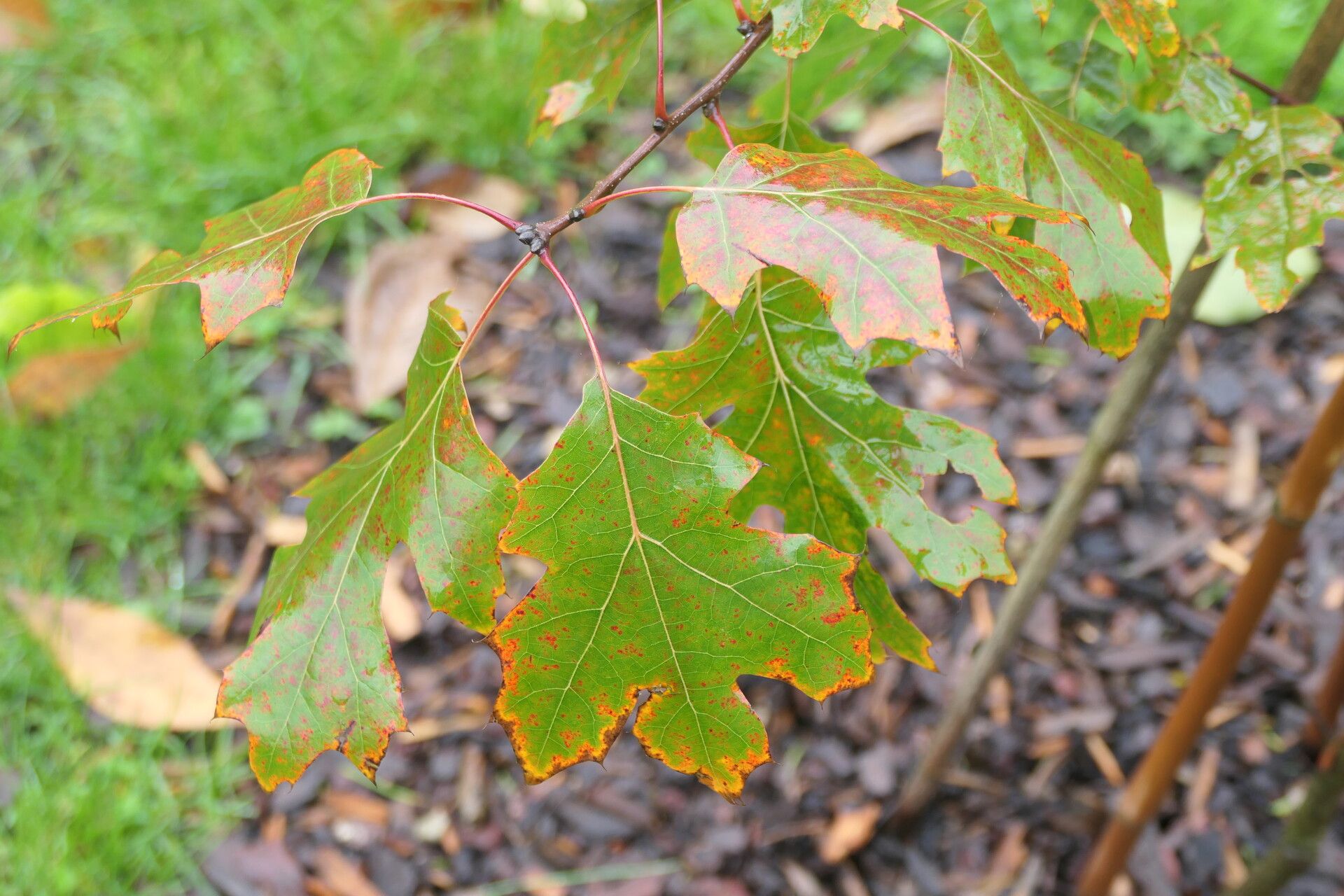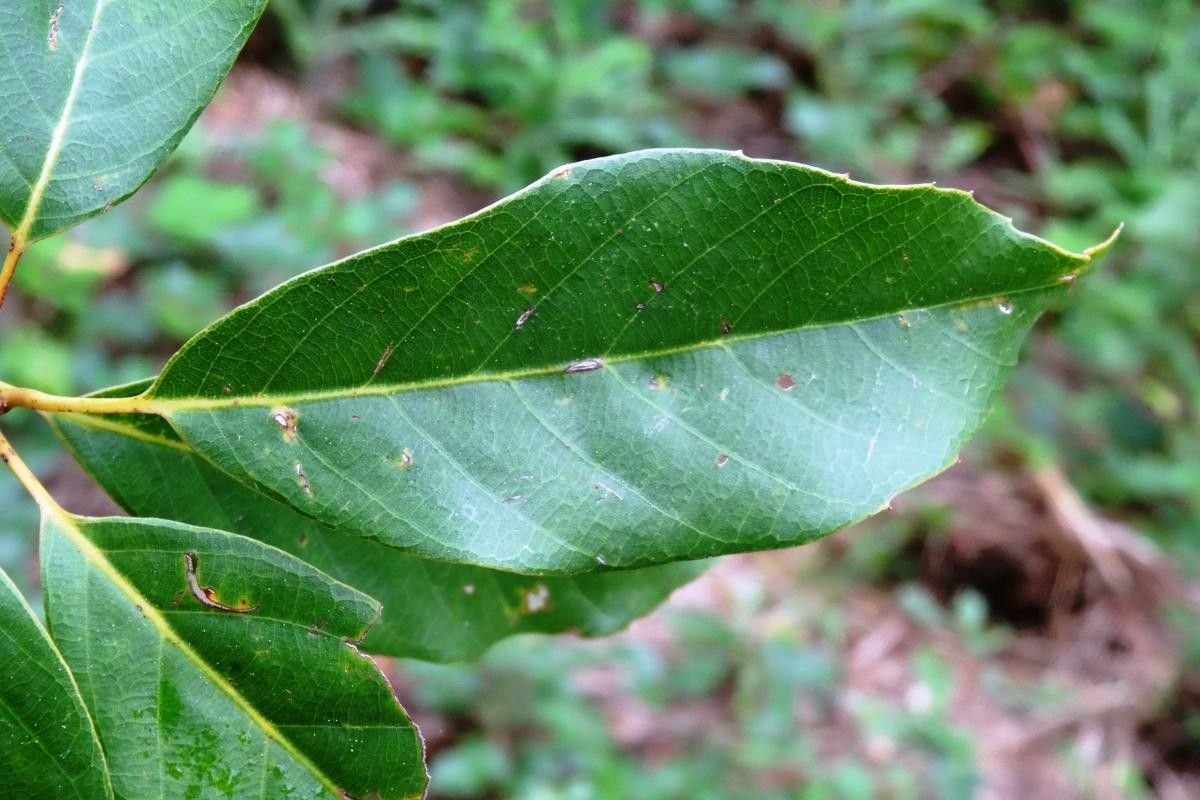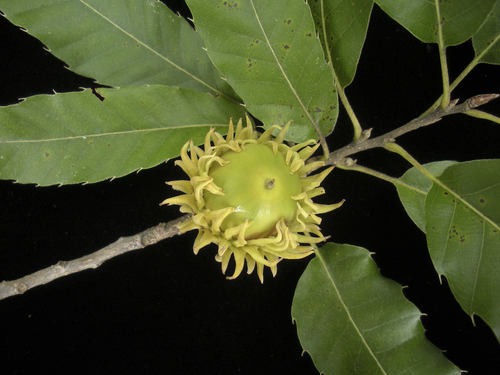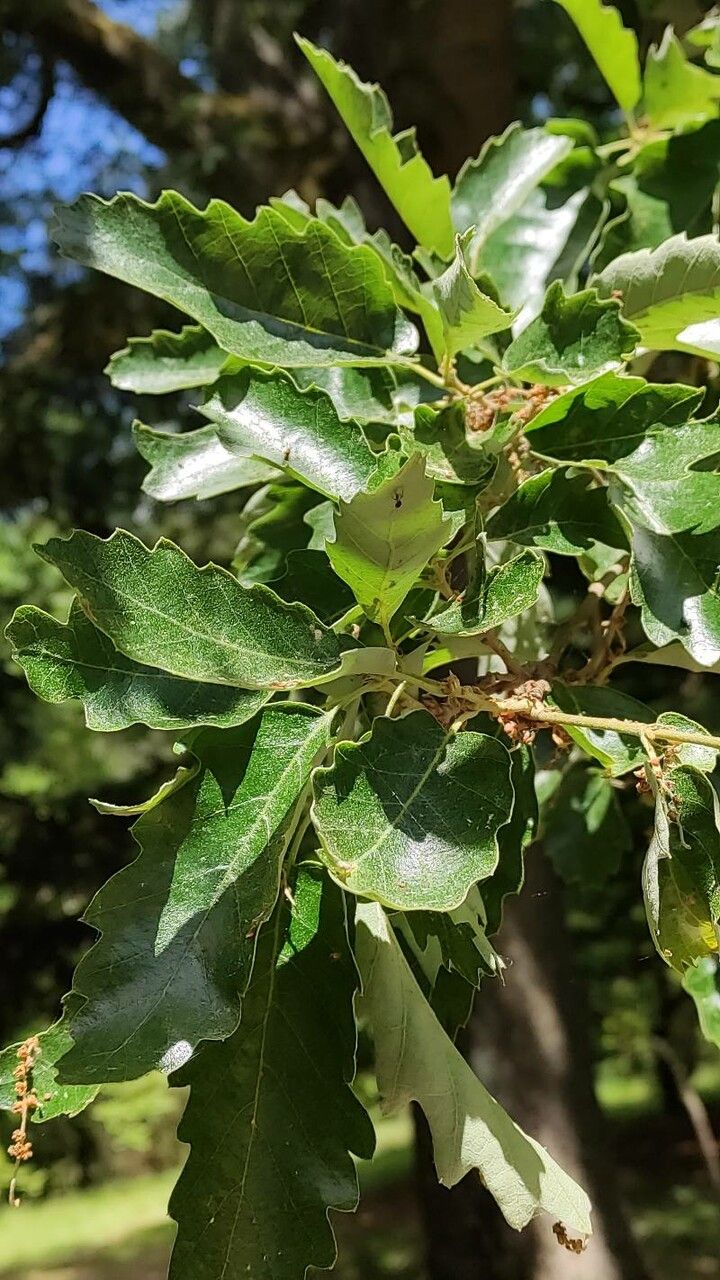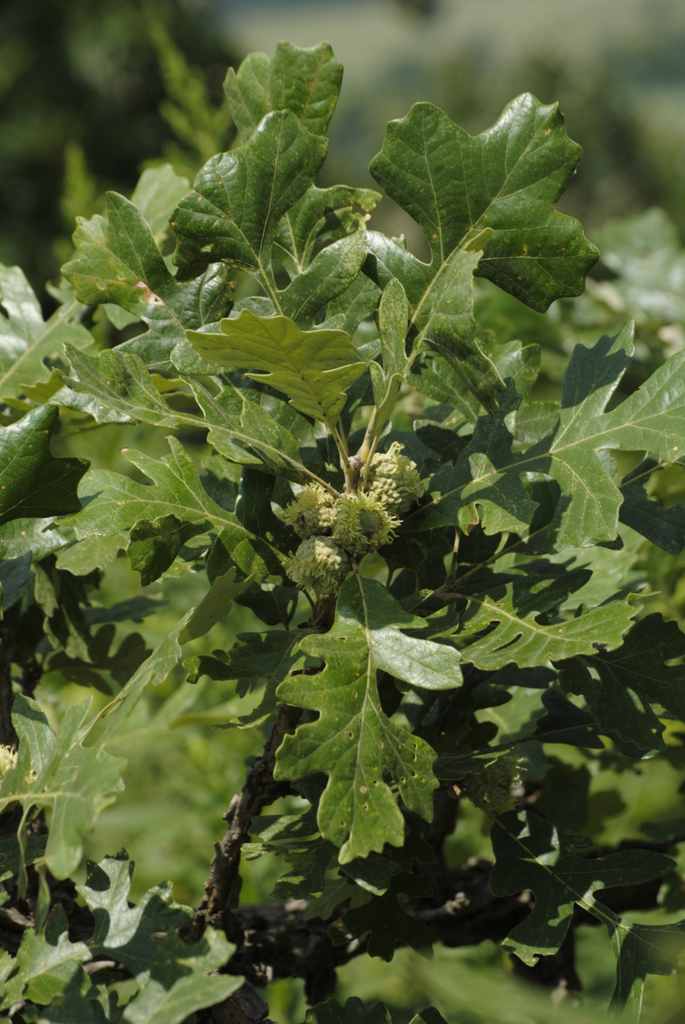
Quercus macrocarpa, the bur oak or burr oak, is a species of oak tree native to eastern North America. It is in the white oak section, Quercus sect. Quercus, and is also called mossycup oak, mossycup white oak, blue oak, or scrub oak. The acorns are the largest of any North American oak (thus the species name macrocarpa, from Ancient Greek μακρός makrós "large" and καρπός karpós "fruit"), and are important food for wildlife.
Bur oak is highly resistant to disease and usually not susceptible to illnesses. In terms of care, this plant is fairly low maintenance. When grown outdoors it needs only minimal watering, and larger plants typically do not need pruning. Smaller plants, however, should be pruned after they have bloomed. Bur oak is appropriate for anyone with outdoor space, such as a garden or deck, and does not demand much gardening experience.
How to keep Quercus Macrocarpa.
Light
Bur oak favors a spot with ample sunlight. It can tolerate slightly reduced light levels. In its natural range it does best in places where the sun dominates. Still, excessive sun exposure can cause leaf scorch, while too little light can hinder growth and vigor.
Water
Bur oak thrives in temperate climates and has a moderate tolerance for drought. It is best to water the tree every one to two weeks, letting the soil dry out slightly between watering sessions. Keep in mind that seasonal rainfall impacts the tree's watering needs. This is particularly important for deciduous varieties like the bur oak, as they require less water during their dormant period in the colder months.
Temperature
When evaluating the temperature needs of bur oak, one should consider its native habitat. Commonly occurring in the Midwestern United States, this temperate woody species prospers in regions with seasonal climate changes. For best development, bur oak favors temperatures between 41 and 90 ℉ (5 and 32 ℃). During winter, it is recommended to shield the plant from severe freezing conditions to support healthy growth in spring.
Fertilizer
Fertilize your Bur oak in early spring to encourage healthy growth. Regular fertilization improves the tree’s overall health, producing vigorous growth, greater resilience to harsh conditions, and enhanced resistance to pests and diseases. Keep a consistent fertilization schedule for your Bur oak to preserve vibrant, deeply colored foliage and a lush appearance.
Pruning
To maintain the health of a bur oak, it is important to prune it carefully in early spring. Start by removing any dead or crossing branches to improve airflow and light penetration. Trim competing branches to promote a strong central leader. Regular pruning enhances the tree's vigor, reduces the risk of pests, and prevents structural problems. Be sure to follow horticultural guidelines for the best results.
Botanical profile.
- Plant Type
- Tree
- Life Cycle
- Perennial
- Genus
- Quercus
- Family
- Fagaceae
- Hardiness Zone
- 4-8
- Mature Height
- 29.87 m
- Mature Spread
- 17.98 m to 24.08 m
- Leaf Color
- Green, Yellow, Brown
- Leaf Type
- Deciduous
- Flower Color
- Yellow, Green, Gold
- Flower Size
- 2.54 cm
- Bloom Time
- Late spring, Early summer
- Planting Time
- Spring, Autumn
- Harvest Time
- Mid summer
- Native Area
- North America
Other names.
Reader questions.
When should I water my Bur Oak?
The optimal time to water your Bur Oak involves checking for several indicators. Firstly, soil moisture is a crucial signal; if the top 1 to 2 inches of soil around the plant base feels dry, it's time to water. Additionally, observe the leaves for any signs of wilting, lackluster appearance, or color fading, which indicate under-watering. Bur Oak requires more water during warm temperatures and high sunlight exposure, especially during its pre-flowering or bud formation stage. Be cautious not to water too early or too late to avoid risks like root rot or plant dehydration. Proper water management entails recognizing these signs to maintain the tree's health and growth.
Why should I add plant food to my Bur oak tree?
To maximize the health and appearance of your Bur oak, it is important to fertilize regularly regardless of its type. Providing the proper nutrients will promote stronger growth and enhance its ability to withstand challenging conditions, diseases, and pests. Since the foliage of your Bur oak is a notable aspect, it is essential to maintain its beauty by establishing and following a specific fertilization schedule. By doing so, your Bur oak will produce vibrant leaves with a rich color and an overall lush appearance.
What are the sunlight requirements for Bur oak?
Bur oak requires generous exposure to sunlight to thrive. It prefers full sun, defined as above 6 hours of sunlight a day, but can also cope with partial sun, which is about 3-6 hours of sunlight daily. It's important to balance light and shade in your garden to ensure the happiness of your plants. However, one should note that overexposure to sunlight can lead to leaf scorch, while not enough light may affect the plant's growth and vitality negatively.
What is the preferred temperature range for bur oak growth?
The bur oak, or Quercus macrocarpa, is a temperate woody plant native to the midwestern United States, thriving in areas with seasonal climate variations. For optimal growth, bur oak prefers temperatures ranging between 41 to 90°F (5 to 32°C). Though it possesses strong cold resistance and usually does not require special frost protection measures, it is vital to protect the plant from harsh, freezing temperatures to ensure healthy growth in spring. This can include wrapping the trunk and branches with materials like non-woven fabric or cloth, especially if winter temperatures are expected to drop significantly. Additionally, watering the plant abundantly before the first freeze in autumn helps keep the soil moist and prevents drought and water scarcity during winter and early spring.
How should I water my Bur Oak?
Proper watering techniques for Bur Oak include drip-watering and deep watering at the tree's base until the soil is saturated, reaching the root zone efficiently. Utilizing a soil moisture meter and slow-release watering bags can help maintain optimal moisture levels. Focus should primarily be on the root zone while avoiding the foliage to prevent diseases and fungal growth. Despite Bur Oak's drought tolerance, the soil should be kept moist but not waterlogged, allowing it to dry slightly between waterings. Incorporating these practices will ensure the tree's hydration needs are well met.
When should I add fertilizer to my Bur oak tree?
To ensure healthy growth, it is recommended to fertilize your Bur oak for the first time in late winter or early spring. This provides the necessary nutrients for growth once the weather becomes warmer. In warm climate regions, it is also beneficial to fertilize again in early fall. This not only adds nutrients for the following growing season, but also helps the tree withstand the winter cold and prevent foliage damage. Fertilizing earlier in the season ensures that new branches have sufficient time to develop and be more resilient.
How can artificial lighting be used for indoor plants like Bur oak?
For indoor plants such as Bur oak, which requires adequate lighting, artificial lighting can be a vital solution when natural sunlight is insufficient, especially in winter or less sunny spaces. LED lights are recommended due to their ability to mimic the specific wavelengths of light that plants need. Full sun plants need 30-50W/sq ft, partial sun plants need 20-30W/sq ft, and full shade plants require 10-20W/sq ft of artificial light. The lights should be placed 12-36 inches above the plant and should be on for 8-12 hours per day to mimic natural daylight hours.
How does low temperature affect bur oak, and what are the solutions?
Bur oak is noted for its cold tolerance, performing best when temperatures are maintained above certain minimum thresholds. If temperatures fall below these thresholds, the plant might not show immediate changes during winter, but come spring, the branches may become brittle and dry, and new shoots might fail to emerge. To counteract these effects, the recommended solution is to prune away any dead branches that have failed to produce new leaves in the spring, thereby promoting healthier growth.
How much water does Bur Oak really need?
Bur Oak's water requirement varies by its development stage and the environment. Mature trees in larger pots might need about 4-6 liters per session, while smaller or younger plants require less. Observing the soil's moisture level and adjusting water quantity is crucial. Signs of proper hydration include vibrant leaves and strong growth, while underwatering leads to wilting and overwatering may cause leaf yellowing or root rot. The soil should be moist but never soaked, with slight drying between sessions. This balance supports the tree's health and prevents common watering issues.
When is it best to not put fertilizer on my Bur oak?
There are certain times of the year when you should refrain from fertilizing your Bur oak. The first instance is in the early and mid-winter months when the tree is dormant and does not require any nutrients. It is also not recommended to fertilize the tree in late spring and throughout the summer due to hotter and potentially drier weather conditions. Fertilizing during these times can have a negative effect on the tree. To prevent any problems, it is best to stick to a fertilization schedule that only involves feeding in the early spring and early fall.
What are the signs of light deficiency in Bur oak?
When a Bur oak is grown in conditions with less than optimal light, it may show signs such as smaller new leaves compared to older ones, leggy or sparse growth, faster leaf drop, slower or no new growth, and lighter-colored new leaves. These symptoms indicate a light deficiency and can impact the plant's overall health and vigor.
What are the symptoms of high temperature on bur oak and how can they be mitigated?
During the summer months, it's essential to keep the bur oak's temperature below certain maxima to prevent stress signs. Exceeding these temperatures can result in the plant's leaves becoming lighter in color, tips drying and withering, and increased susceptibility to sunburn. Mitigating these symptoms involves trimming away the sunburned and dried-up parts of the plant. Additionally, moving the plant to a shadier location or using a shade cloth can protect it from the harsh midday and afternoon sun. Adequate watering in the morning and evening will also help keep the soil moist, further supporting the plant's health under high temperature conditions.