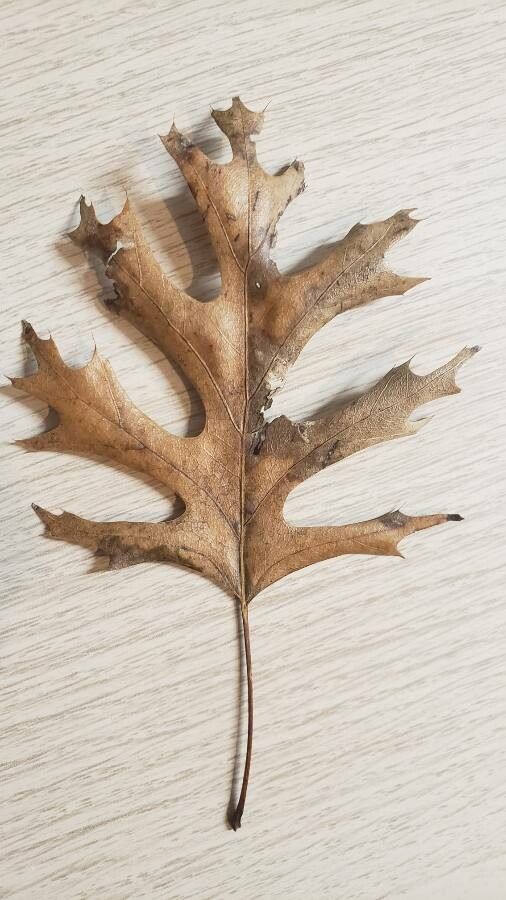
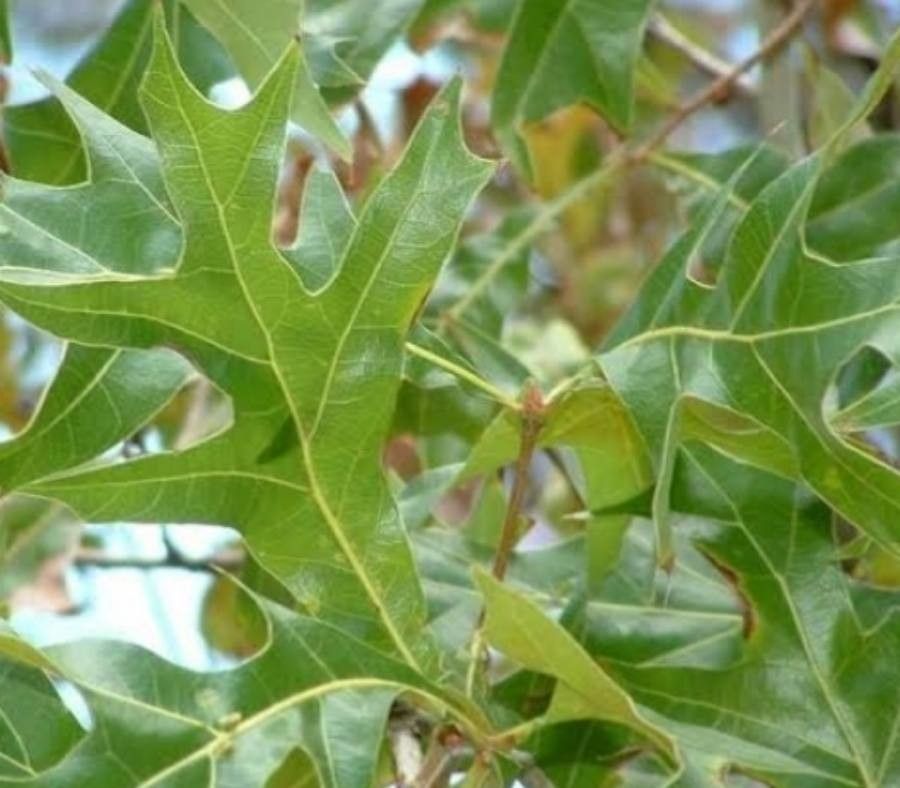
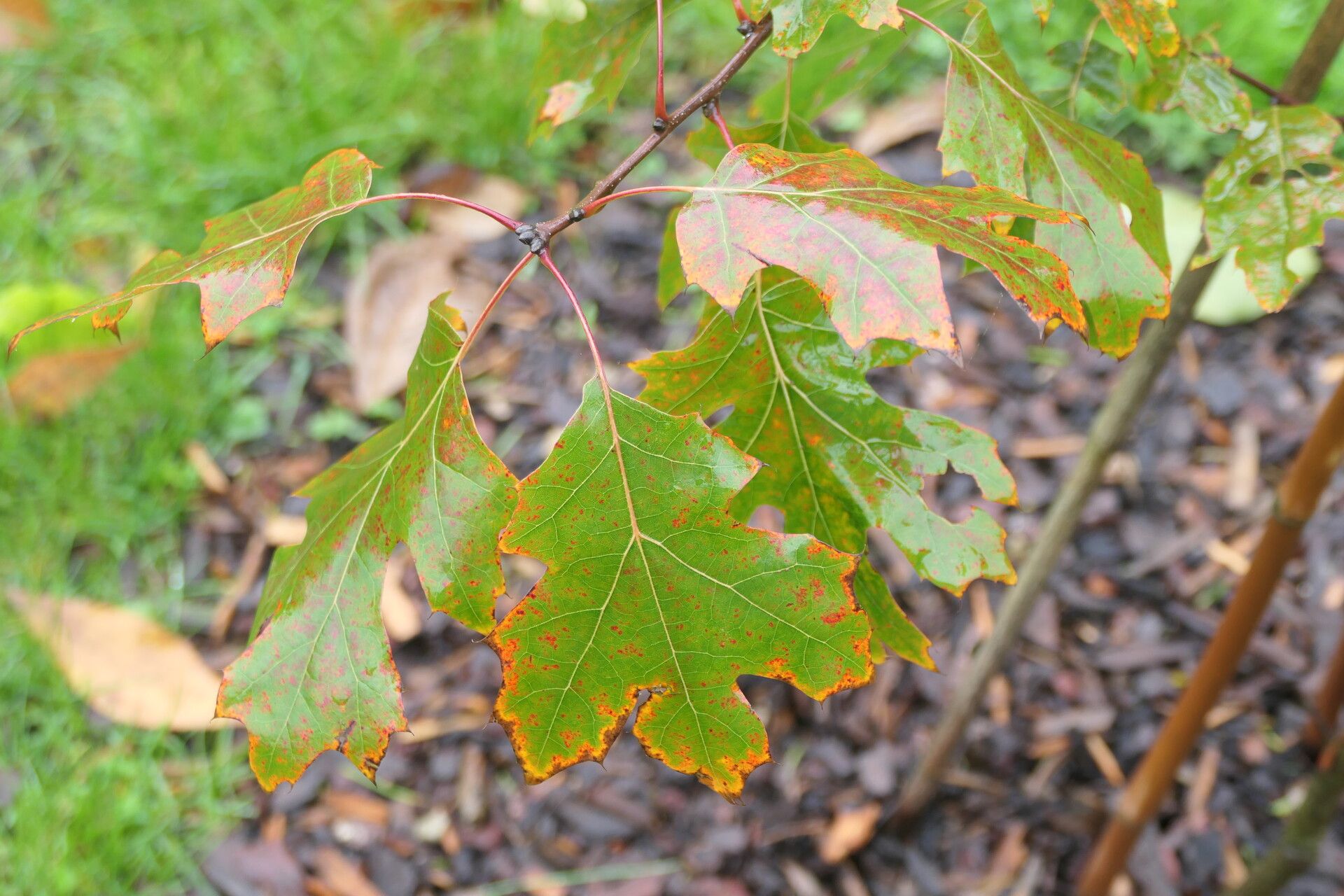
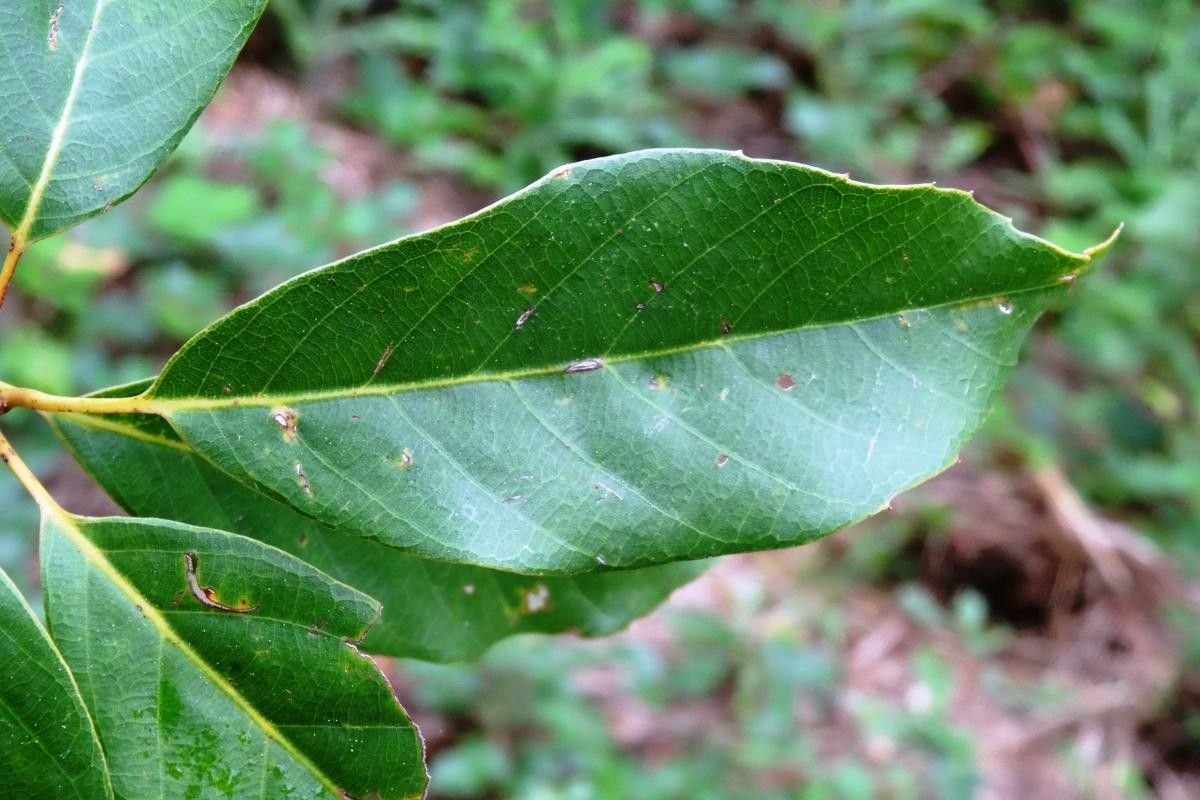
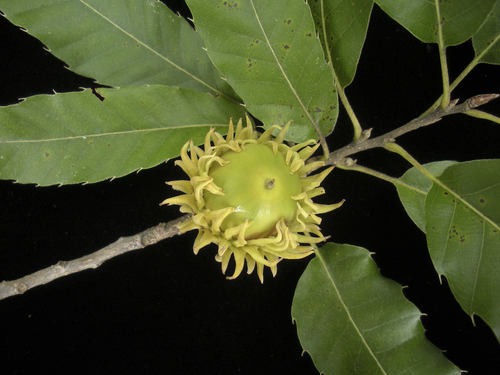
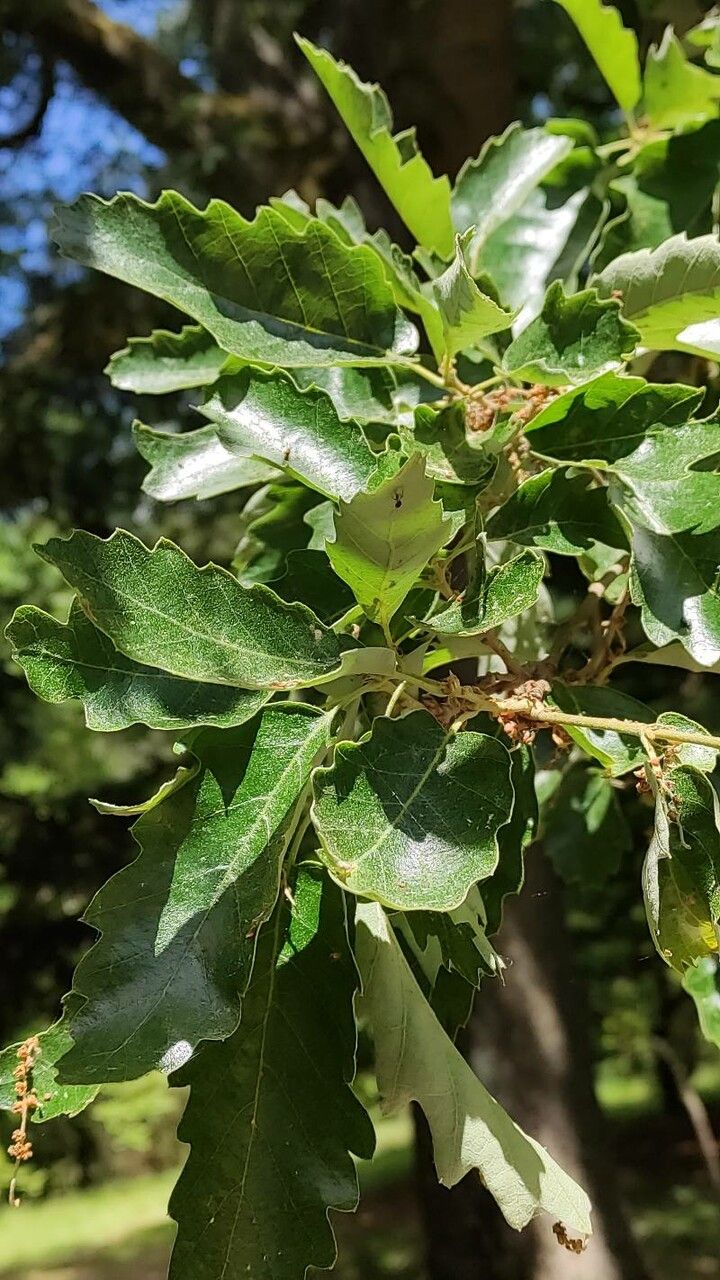
Quercus laevis, the turkey oak, is a member of the red oak group of oaks. It is native to the southeastern United States. The name turkey oak derives from the resemblance of the leaves to a turkey's foot. A Turkish and southern European species Quercus cerris is also commonly referred to as Turkey oak, so Quercus laevis is sometimes referred to as American turkey oak to distinguish it from the European species.
Turkey oak is fairly resistant to disease and typically not susceptible to illnesses. Regarding care, this plant is relatively low-maintenance. Planted outdoors, it needs little watering and larger specimens usually do not require pruning. Smaller plants, however, should be pruned after they finish blooming. Turkey oakt is appropriate for anyone with outdoor space, such as a garden or deck, and does not need extensive care experience.
How to keep Quercus Laevis.
Light
The turkey oak does well in locations with adequate daily sunlight, though it can tolerate somewhat filtered light. Its growth may be limited if it does not receive enough light. Originating from habitats with abundant sun, it can easily sustain itself. However, too much exposure can lead to stress and potential harm.
Water
The Turkey oak thrives in moderate moisture and well-draining soil, similar to its natural woodland habitat. To maintain healthy soil moisture, water the plant every two weeks. Be sure to avoid waterlogging. During the growing season, provide sufficient water to promote vigorous growth and healthy foliage, taking into account any seasonal rainfall.
Temperature
Turkey oak grows best at temperatures between 59 and 95 °F (15 to 35 °C). Native to warmer regions, it favors steady warmth. When seasons change, temperature shifts should be gradual to prevent shock.
Fertilizer
Fertilize your Turkey oak in early spring to encourage healthy growth. Regular feeding boosts overall health, producing vigorous growth, greater tolerance of harsh conditions, and enhanced resistance to diseases and pests. Keep to a specific fertilization schedule for your Turkey oak to preserve vibrant foliage with deep color and a lush appearance.
Pruning
To prune a turkey oak, start by removing any dead or crossing branches. Additionally, thin out the canopy to improve air circulation. The best time for pruning is in early spring, as this promotes healthy growth and helps shape the tree. Regularly inspect the tree for signs of disease to ensure it remains healthy and vibrant.
Botanical profile.
- Plant Type
- Shrub
- Life Cycle
- Perennial
- Genus
- Quercus
- Family
- Fagaceae
- Hardiness Zone
- 7-9
- Mature Height
- 9.14 m to 12.19 m
- Mature Spread
- 6.1 m to 10.36 m
- Leaf Color
- Yellow, Brown, Green, Red, Gold, Orange
- Leaf Type
- Deciduous
- Flower Color
- Yellow
- Flower Size
- 7.62 cm to 12.70 cm
- Bloom Time
- Mid spring, Late spring
- Planting Time
- Spring, Summer, Autumn
- Harvest Time
- Late summer, Early fall, Mid fall
Other names.
Reader questions.
What are the sunlight requirements for a Turkey Oak?
The Turkey Oak thrives when it receives sufficient daily sunlight exposure, ideally in full sun conditions which mean above 6 hours of sunlight per day. However, it can also withstand partial sun, defined as about 3-6 hours of sunlight. It's important to observe how sunlight moves through your garden to find spots that provide a balance of light and shade, ensuring the plant's health. If a Turkey Oak does not get enough light, its growth could be stunted, yet excessive exposure makes it prone to stress and damage.
What is the best temperature range for Turkey oak to thrive?
Turkey oak thrives best in temperatures ranging from 59 to 95 °F (15 to 35 °C). It originates from warmer native habitats and prefers consistent warmth. Temperature fluctuations between seasons should be gradual to avoid shocking the plant. Turkey oak is known for its strong cold resistance, so special frost protection measures are usually not necessary during winter. However, if winter temperatures are expected to drop below the limit growth temperature, it's important to provide cold protection. This includes wrapping the trunk and branches with non-woven fabric or cloth, and watering the plant abundantly before the first freeze in autumn to ensure the soil remains moist and enters a frozen state, helping to prevent drought and water scarcity during winter and early spring.
How can artificial lighting be used for Turkey Oak and other indoor plants?
For indoor Turkey Oaks and other plants that don't get enough natural sunlight, especially in winter or less sunny spaces, artificial lighting offers a vital solution. LED lights are recommended because they can be customized to the plant's needs, with full sun plants requiring 30-50W/sq ft, partial sun plants needing 20-30W/sq ft, and full shade plants requiring 10-20W/sq ft of light. The artificial light source should be placed 12-36 inches above the plant to mimic natural sunlight, and most plants need 8-12 hours of light per day.
What are the symptoms of Turkey oak being exposed to temperatures below its cold tolerance level?
Turkey oak is cold-tolerant and thrives best when the temperature is above its suitable growth minimum. During winter, it should be kept above a tolerable growing minimum temperature. If the temperature falls below the limit growth temperature, there may not be any noticeable changes during winter. However, by springtime, the branches may become brittle and dry, with no new shoots emerging. The solution for this issue is to prune away any dead branches that have failed to produce new leaves in spring.
What are some signs that a Turkey Oak is not getting enough light?
Signs of insufficient light in Turkey Oaks include the development of smaller new leaves, leggy or sparse growth, faster leaf drop, slower or no new growth, and lighter-colored new leaves. These symptoms indicate a need for more sunlight to prevent issues such as chlorosis (yellowing leaves due to lack of chlorophyll), sunscald (damage from intense light exposure), leaf curling (a defense mechanism against excess sunlight), wilting (due to loss of water from too much sun), and leaf scorching (brown or crispy patches on leaves from excessive sunlight).
How does Turkey oak react to temperatures above its preferred range, and what solutions are advised?
During the summer, Turkey oak should be kept below its suitable growth maximum temperature. If the temperature exceeds the tolerable growing maximum temperature, the leaves of the plant may become lighter in color, and the tips may dry and wither, making the plant more susceptible to sunburn. To address this, trim away the sunburned and dried-up parts of the plant. Move the plant to a location that provides shade from the midday and afternoon sun, or use a shade cloth to create adequate shade. It's also beneficial to water the plant in the morning and evening to keep the soil moist.
What solutions can help a Turkey Oak getting insufficient sunlight?
To address insufficient sunlight for Turkey Oaks, gradually move the plant to a sunnier location each week, aiming for at least 6 hours of direct sunlight daily. Utilize south-facing windows and keep curtains open during the day. If moving the plant isn't feasible, consider using artificial lighting for at least 8 hours daily. For outdoor plants, avoid sudden light intensity changes to prevent sunburn. You can improve light access by pruning obstructing trees or transplanting smaller plants to sunnier spots, particularly during their dormant period for minimal stress.