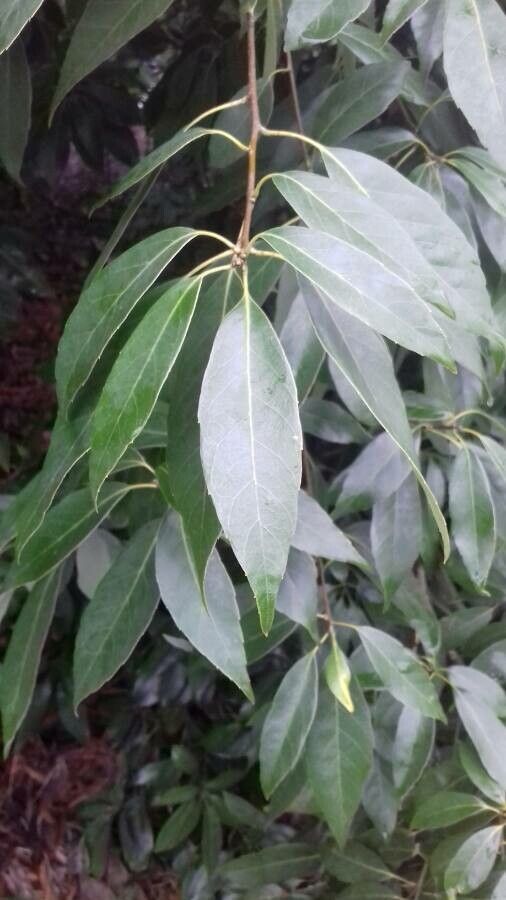
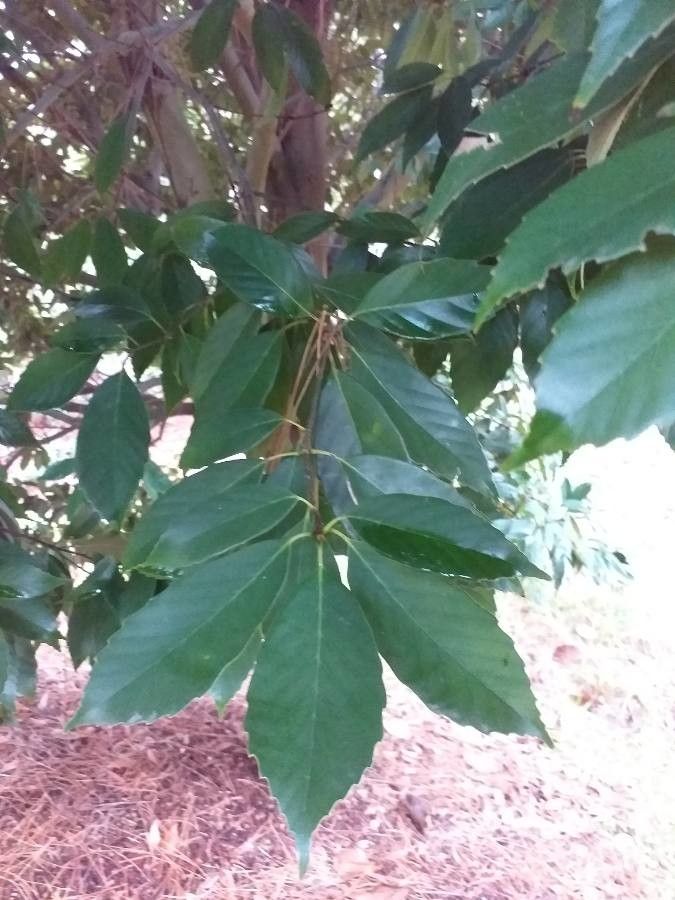
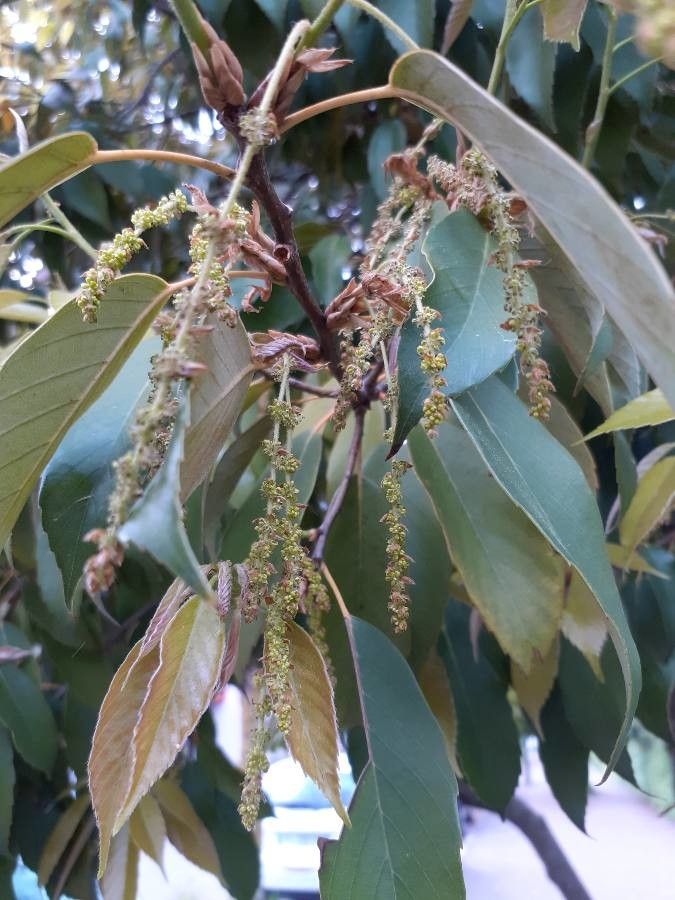
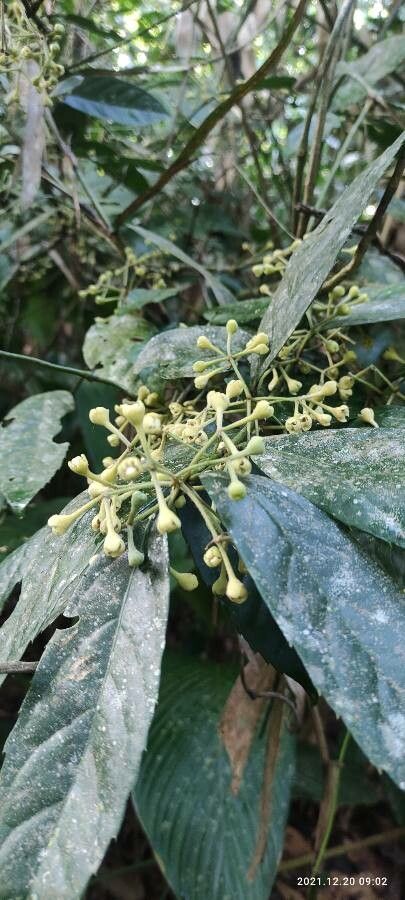
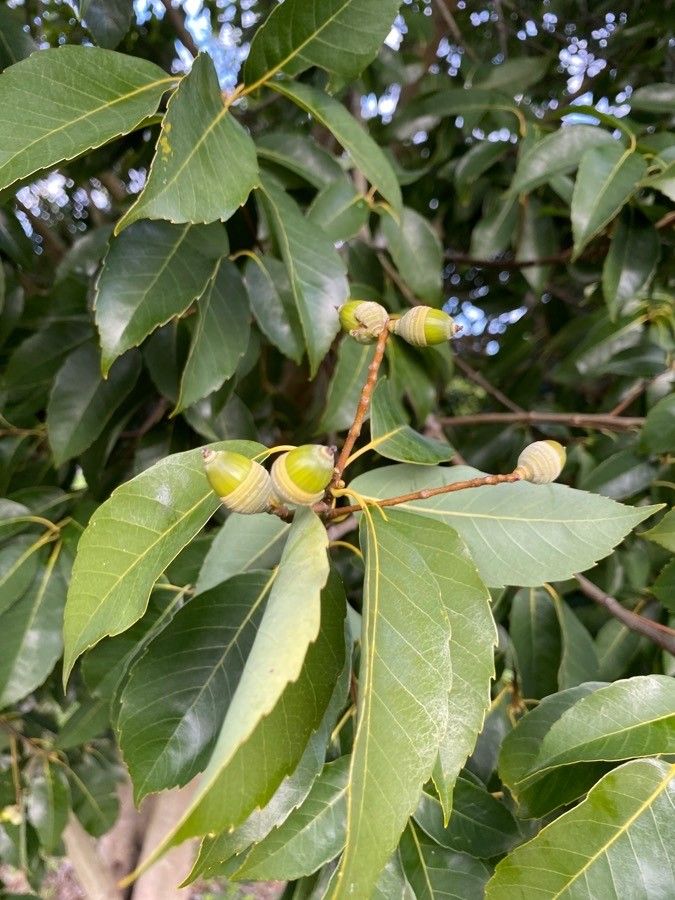
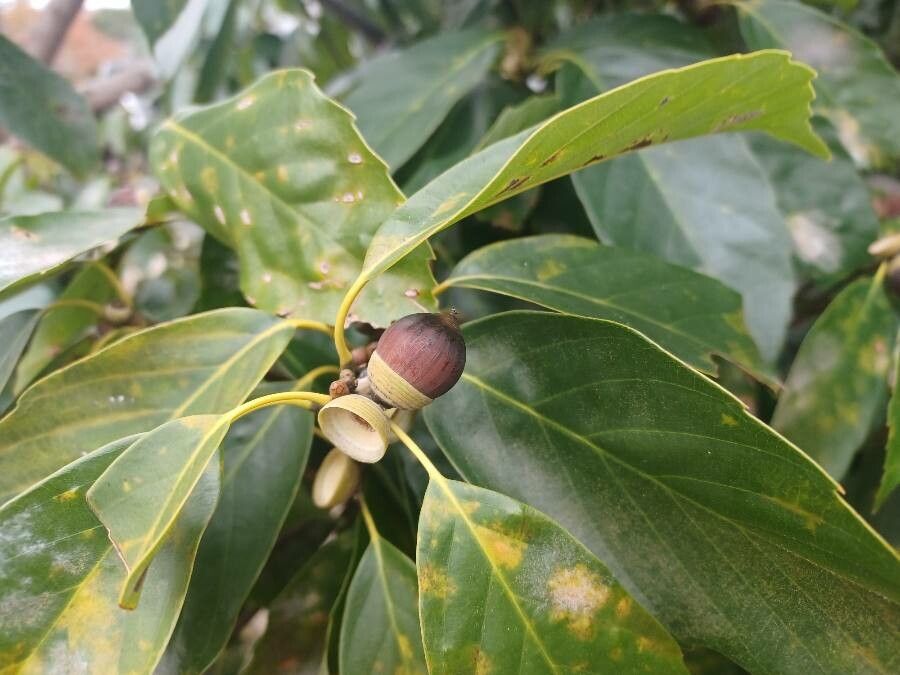
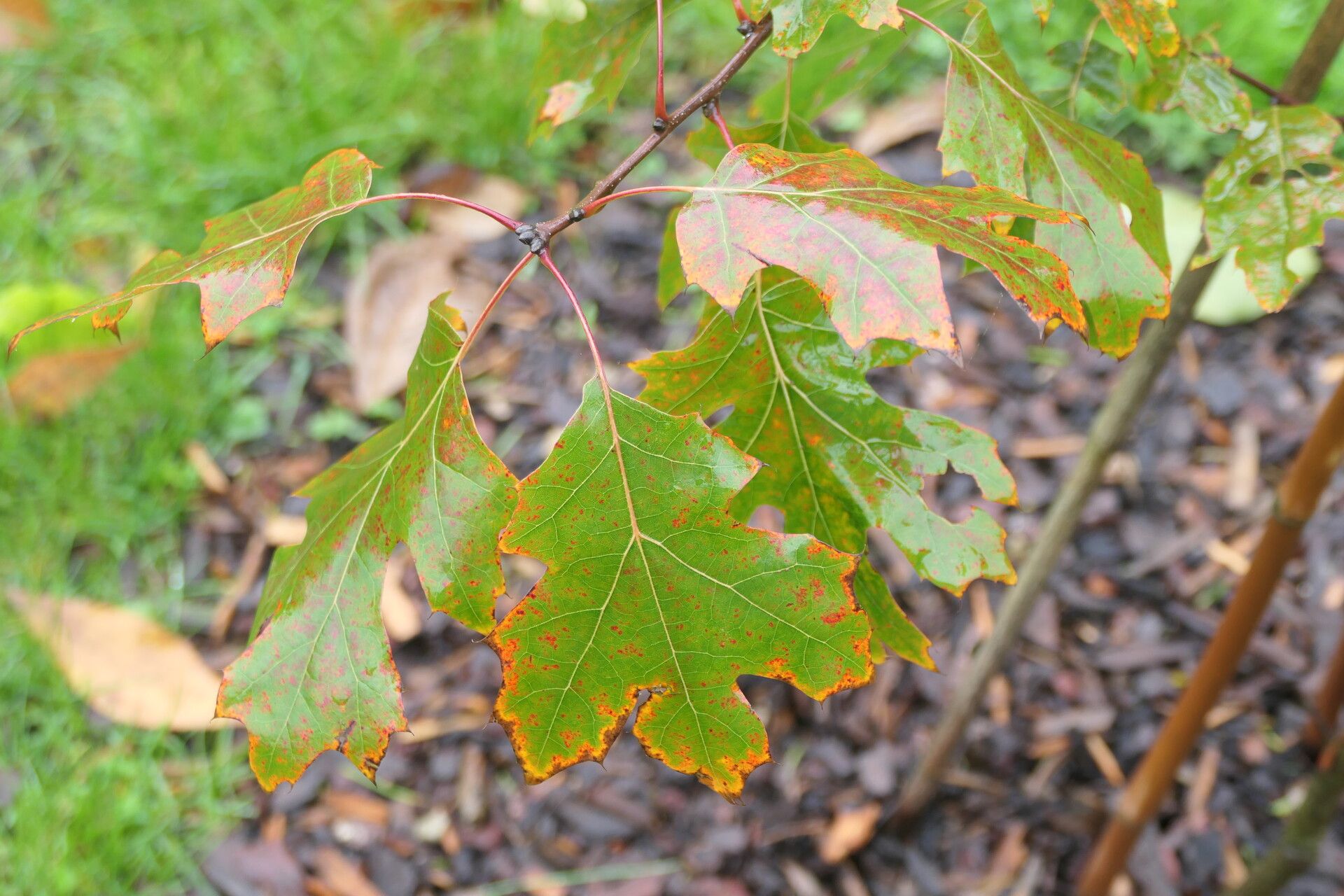
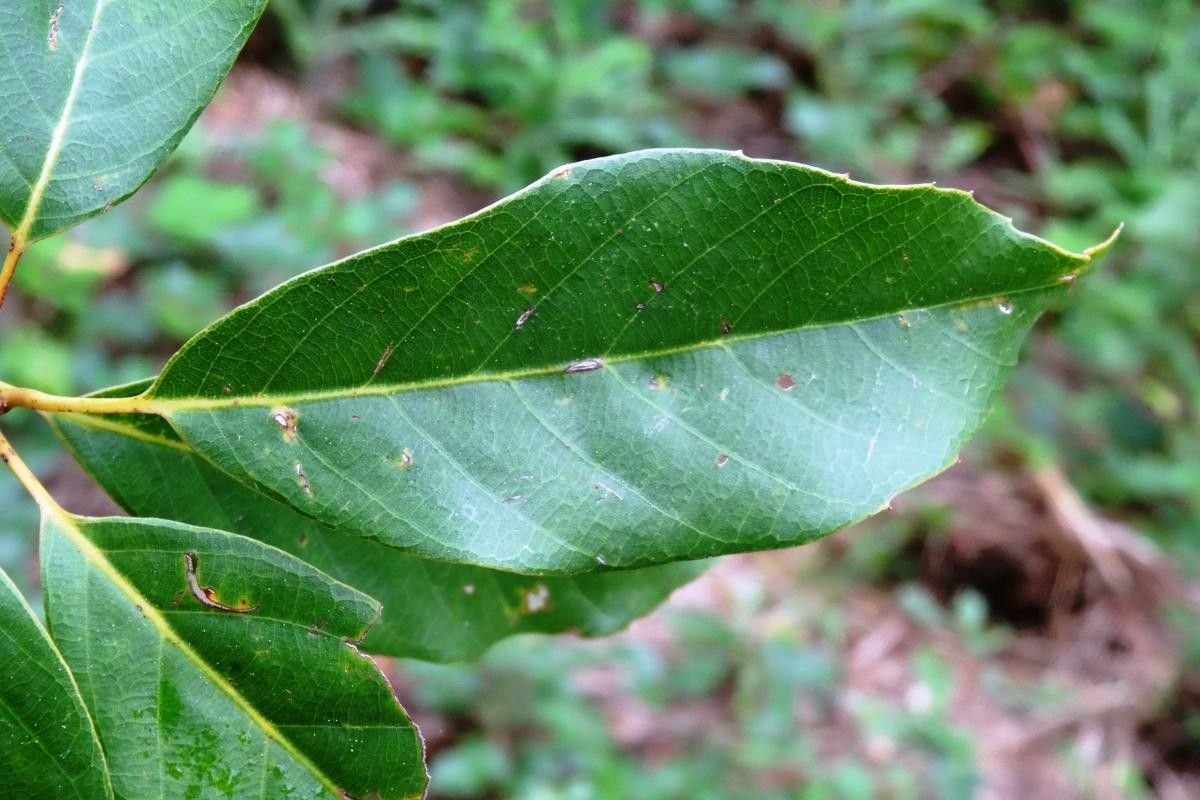
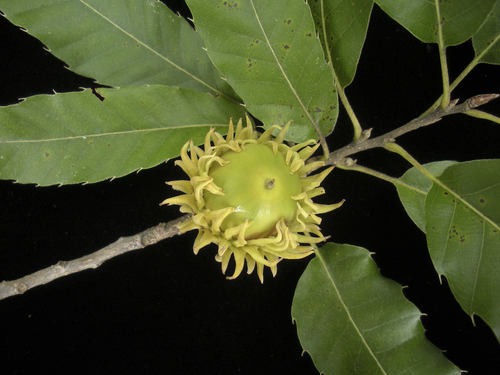
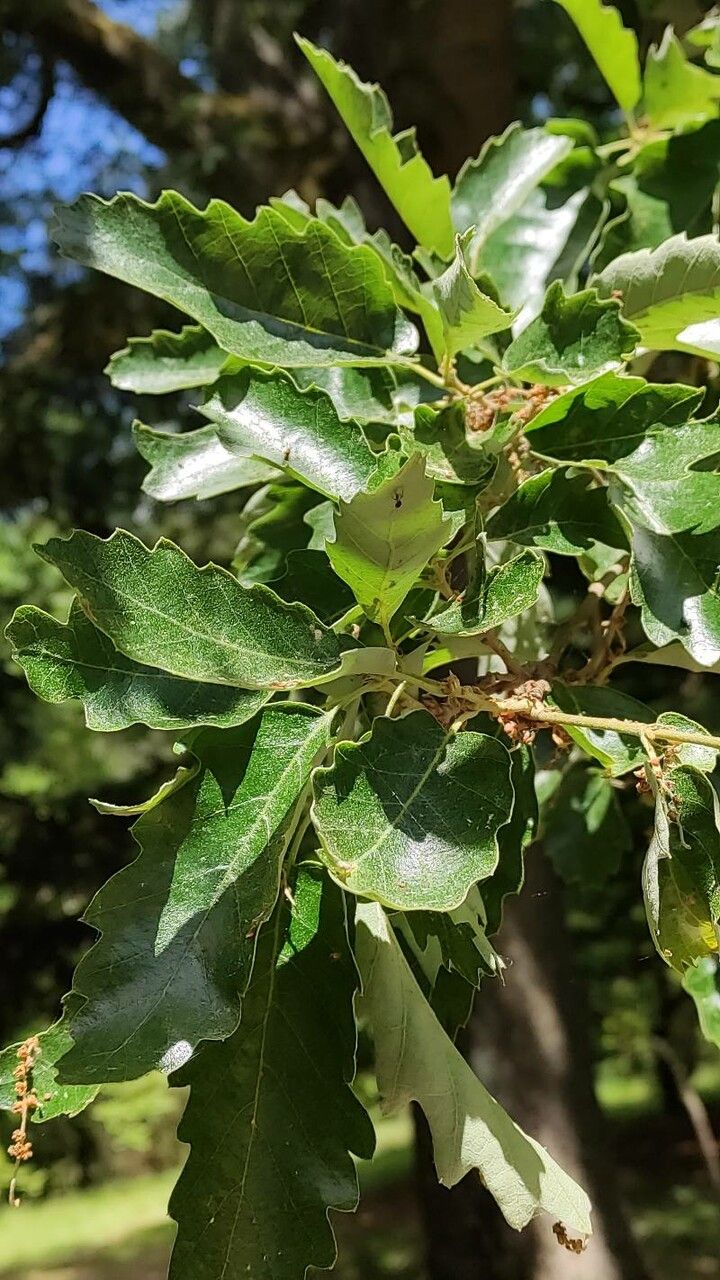
Quercus glauca, commonly known as the Japanese blue oak, is a deciduous tree species in the Fagaceae family. Native to Japan, this tree can reach a height of up to 20 meters and has a spread of approximately 10 meters. Its broad, rounded crown is composed of dark green leaves that turn a vibrant yellow in autumn.
The bark of Quercus glauca is grayish-brown and develops deep fissures with age. It produces acorns about 2 cm long, which serve as an important food source for wildlife, including squirrels and birds.
This species prefers well-drained soils and can thrive in full sun or partial shade. While it is tolerant of drought conditions, Quercus glauca does not fare well in areas with high humidity or heavy rainfall.
Oak trees are surrounded by many legends and were considered sacred by the Greeks. One such story tells of a black dove that flew from Egypt to Dodona, Greece, and granted the oak grove the power of prophecy. This power was demonstrated when an oracle, while in the enchanted oak grove, was given the ability to predict the future. FUN FACT · FROM THE LIBRARY
The Japanese blue oak is valued for various uses: it is ornamental due to its attractive foliage, provides shade thanks to its broad crown, and its hard wood, resistant to decay, is sought after for timber production in furniture making and construction.
Overall, Quercus glauca is an excellent addition to any garden or landscape design. It thrives under suitable conditions and adds aesthetic value, while also supporting wildlife habitat creation.
Evergreen oak shows strong resistance to diseases and is generally not likely to suffer from them. As for care, this plant is fairly low-maintenance. When grown outdoors it needs only light watering, and larger plants typically do not require pruning; however, smaller plants should be trimmed after they finish blooming. Evergreen oak is suitable for anyone who has an outdoor area, such as a garden or deck, and it does not demand extensive care experience.
How to keep Quercus Glauca.
Light
Evergreen oak grows best with plentiful daylight, though it can adjust to moderate light levels. Its native habitat conditions make it tolerant of a range of light intensities. However, too little light or excessive exposure can hinder its healthy growth.
Water
The ring-cupped oak thrives in environments where moisture levels fluctuate, allowing it to withstand periods of drought. To mimic its natural cycles, water the tree every 2 to 3 weeks, and reduce the frequency during its dormant period. Adapted to temperate zones, the growth of the ring-cupped oak is influenced by seasonal rainfall patterns.
Temperature
Evergreen oak is naturally tolerant of temperatures from 41 to 95 °F (5 to 35 ℃). Native to temperate regions, it prefers cooler conditions. However, in severe winters or extremely hot summers, it is recommended to use protective measures to moderate the temperature.
Fertilizer
Fertilize your Evergreen oak in early spring to encourage healthy development. Regular feeding improves the tree's overall health, producing vigorous growth, better tolerance of harsh conditions, and stronger resistance to diseases and pests. Keep a consistent fertilization routine for your Evergreen oak to preserve foliage that is vibrant, richly colored, and lush in appearance.
Pruning
The ring-cupped oak is an evergreen tree with glossy leaves and a dense canopy. To maintain its health and shape, prune the tree during the winter months, from early to late winter, using thinning cuts. This helps improve air circulation and maintain the tree's form. Regular pruning can prevent disease and promote growth, but avoid over-pruning to reduce stress on the plant.
Botanical profile.
- Plant Type
- Tree
- Life Cycle
- Perennial
- Genus
- Quercus
- Family
- Fagaceae
- Hardiness Zone
- 5-9
- Mature Height
- 11.89 m to 21.03 m
- Mature Spread
- 11.89 m to 21.03 m
- Leaf Color
- Green
- Leaf Type
- Evergreen
- Flower Color
- Yellow, Green
- Flower Size
- 2.54 cm
- Bloom Time
- Mid spring, Late spring
- Planting Time
- Spring, Autumn
- Harvest Time
- Early spring, Mid spring, Mid summer, Late summer, Fall, Winter
- Native Area
- Russia, Turkey, Portugal, Italy, Spain, France, Montenegro, Albania, Greece, Croatia, Slovenia, Serbia
Other names.
Reader questions.
How should I water my Ring-cupped oak tree?
Your Ring-cupped oak is not too specific about how you water it. You can use any common watering tool like watering cans, hoses, or cups. It's important to water the plant directly on the soil and make sure all areas of the soil are evenly moistened to provide water to all parts of the root system. Using filtered water is recommended to avoid harmful particles found in tap water. It's also best to use water that is at or slightly above room temperature to prevent any shock to the plant. However, the Ring-cupped oak generally does well with any type of water you give it.
Why should I put fertilizer on my Ring-cupped oak tree?
No matter what type of Ring-cupped oak you have, regular fertilization is key in ensuring its overall health. By providing the proper nutrients, your oak tree will grow more vigorously and be better equipped to handle tough growing conditions. It will also have a stronger ability to fend off diseases and pests. Keeping the foliage of your oak tree intact is important, as it is one of its most attractive features. This can be achieved by following a regular fertilization schedule tailored to your specific oak tree. By doing so, your oak tree will develop leaves that are deeply colored and have a lush appearance.
What are the sunlight requirements for a Ring-cupped oak?
Ring-cupped oak requires ample exposure to sunlight for healthy growth. It thrives best in conditions that offer full sun, which means the plant should receive above 6 hours of sunlight daily. It can also manage in partial sun, needing about 3-6 hours of sunlight. Observing how sunlight moves through your garden helps in finding the perfect balance of light and shade for the oak, ensuring its wellbeing.
What is the native temperature range for Ring-cupped oak?
Ring-cupped oak is native to environments where the temperature ranges from 41 to 89.6 °F (5 to 32 °C). It thrives in these moderate conditions, adapting well to seasonal temperature adjustments that mimic its natural habitat. Its strong cold resistance means special frost protection measures are usually not necessary, though precautions should be taken when winter temperatures are expected to drop below -30°C.
What should I do if I give too much or too little water to my Ring-cupped oak tree?
Outdoor plants, especially newly planted ones or plant seedlings, are prone to lack of watering. Remember to water them adequately for the first few months while they are small or newly planted. Once the roots are established, Ring-cupped oak trees can rely on rain most of the time. When planting Ring-cupped oak trees in pots, overwatering is more likely. If you accidentally overwater your tree, it's important to take immediate action. Stop watering the plant to minimize the effects of overwatering. Then, remove the plant from its pot and check its roots. If no root rot is present, you can return the plant to its container. However, if root rot is detected, trim the affected roots and consider applying a fungicide to prevent further damage. Repot the tree in well-draining soil. In case of underwatering, simply water the Ring-cupped oak tree more frequently. This is usually an easy fix. If the plant is underwatered, the leaves will droop, dry out, and fall off. However, they will quickly regain their fullness after sufficient watering. Make sure to correct your watering frequency as soon as you notice underwatering.
When should I put fertilizer on my Ring-cupped oak?
To ensure healthy growth, it is recommended to fertilize your Ring-cupped oak in late winter or early spring. This will provide the necessary nutrients for the oak tree to thrive when the weather becomes warmer. If you live in a warm climate region, it is also beneficial to provide an additional fertilizer feeding in early fall. This will supply extra nutrients for the next growing season and help the oak tree withstand the winter cold without foliage damage. Fertilizing earlier in the year will give the new branches enough time to grow and withstand the cold winter.
What should I know about the essentials of growing Ring-cupped oak?
Originating from sun-rich habitats, the Ring-cupped oak demands significant sun exposure for robust growth. It withstands moderate exposure well, but both excessive and insufficient light can be detrimental. The plant prefers evenly distributed sunlight throughout the day for optimal growth. When sunlight isn't adequate, especially indoors or during winter, artificial lighting can be a vital supplement. LED lights, providing 30-50W/sq ft for full sun plants, 20-30W/sq ft for partial sun plants, and 10-20W/sq ft for full shade plants, are recommended. The light should be placed 12-36 inches above the oak, with 8-12 hours of light per day mimicking natural daylight hours.
How to protect Ring-cupped oak from extreme cold?
To protect Ring-cupped oak from extreme cold, particularly when temperatures are expected to drop below -30°C, it's essential to wrap the trunk and branches with materials such as non-woven fabric or cloth. Additionally, watering the plant abundantly before the first freeze in autumn ensures the soil remains moist and enters a frozen state, helping prevent drought and water scarcity during winter and early spring.
How frequent should I give water to my Ring-cupped oak?
If your area has sufficient rainfall, most outdoor plants can grow normally without additional watering. However, if there is a lack of rainfall, you should water your plants adequately every 2 weeks in the spring and fall, and more frequently in the summer. In the winter, when plant growth is slower and water needs are lower, water sparingly or not at all. Young or newly planted Ring-cupped oak trees require more frequent watering to establish themselves and become more drought-tolerant. For potted plants, there are two main approaches to determine watering frequency for your Ring-cupped oak. The first is to follow a predetermined schedule, such as watering once a week or every other week. However, this may not consider the specific growing conditions of your plant. Additionally, the watering frequency should be adjusted based on seasonal changes. During the summer, when the plant's water needs are highest, a predetermined schedule may not be sufficient. Alternatively, you can determine watering frequency based on soil moisture. It is recommended to wait until the top two to four inches of soil, or about one-third to one-half the depth of the pots, have completely dried out before watering again. This method allows you to adapt the watering frequency to the actual moisture needs of the plant.
When should I not add fertilizer to my Ring-cupped oak?
There are certain times of the year when you should avoid fertilizing your Ring-cupped oak. Firstly, during the early and mid-winter months when the oak is dormant, it does not require any feeding. Additionally, it is not advisable to fertilize the plant in late spring and throughout the entire summer. This is because the weather during this period tends to be hotter and drier, increasing the chances of a negative reaction to fertilization. To prevent these issues, it is best to stick to a fertilization schedule that only involves feeding in early spring and early fall.
What are the important symptoms of sunlight deficiency or overexposure in Ring-cupped oak?
When exposed to suboptimal lighting, Ring-cupped oak may show signs like smaller new leaves, leggy or sparse growth, faster leaf drop, slower or halted new growth, lighter-colored new leaves, chlorosis (leaves turning yellow), sunscald, leaf curling, wilting, and leaf scorching. Each of these symptoms highlights either a deficiency or excess of sunlight. For instance, chlorosis and leaf scorching typically suggest an overexposure to sunlight, whereas smaller leaves and sparse growth indicate insufficient light.
What are the key symptoms of temperature stress in Ring-cupped oak?
Key symptoms of temperature stress in Ring-cupped oak include becoming brittle and dry, with branches failing to produce new shoots in spring when exposed to temperatures below -30°C. High temperatures can result in leaves becoming lighter in color, with tips drying and withering. The plant also becomes more susceptible to sunburn when temperatures exceed 35°C.