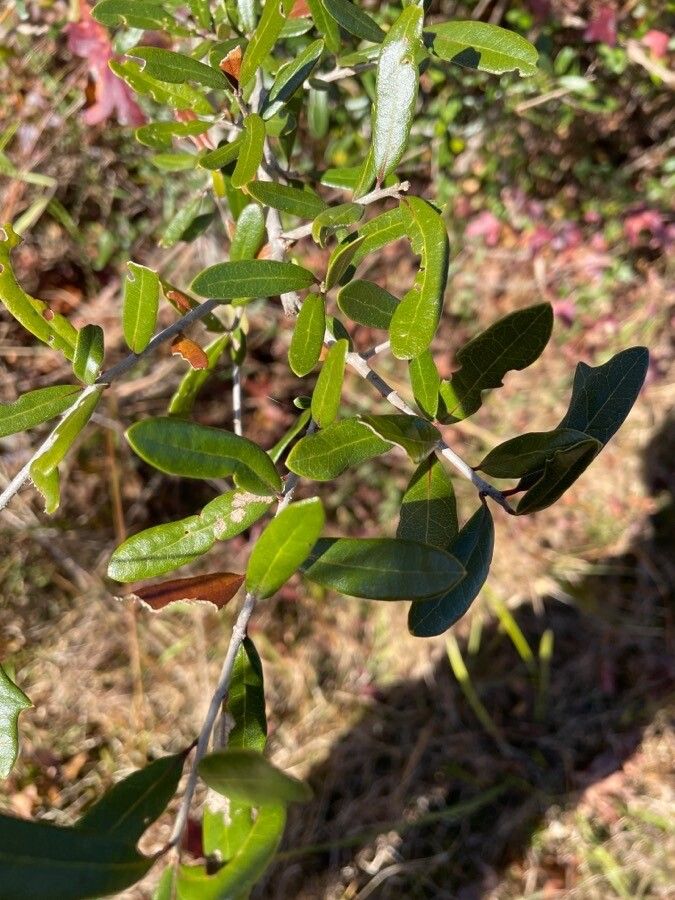
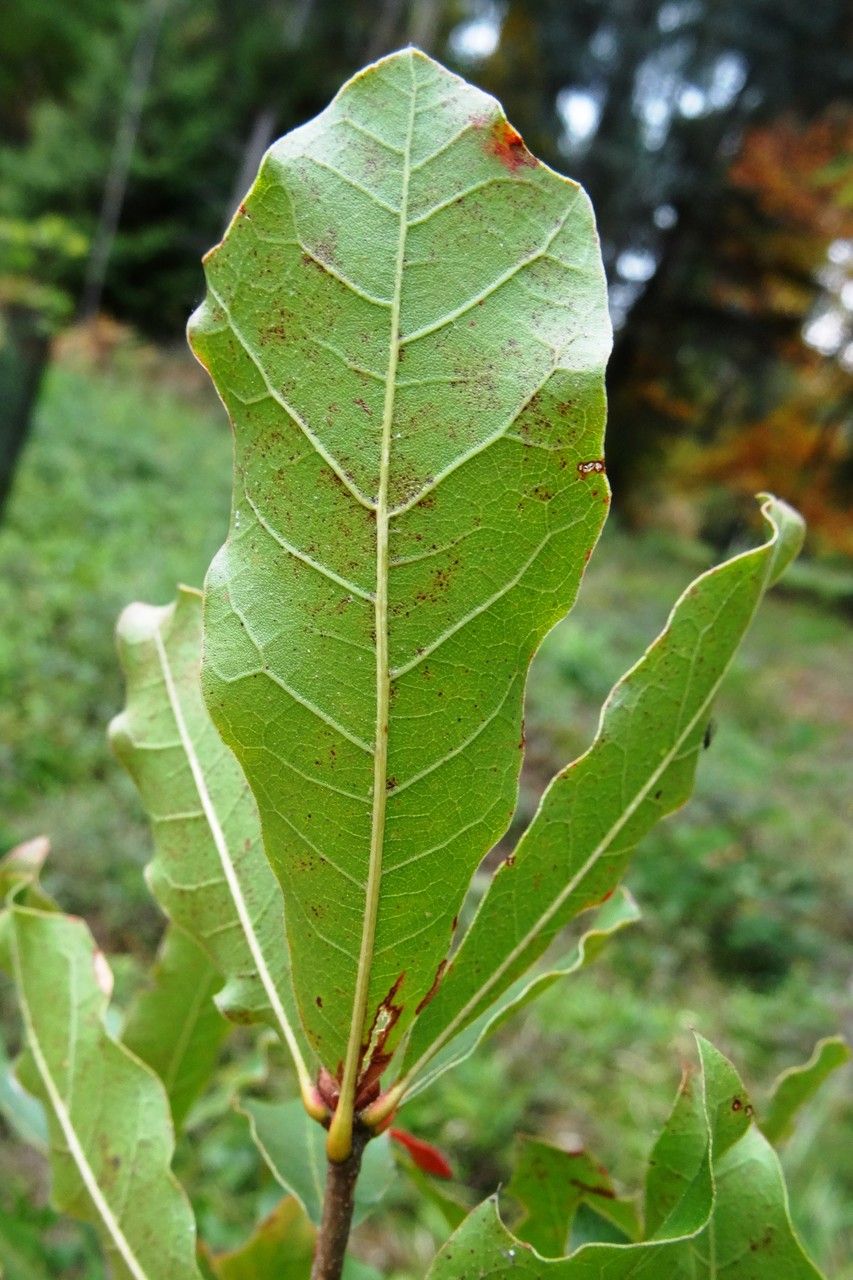
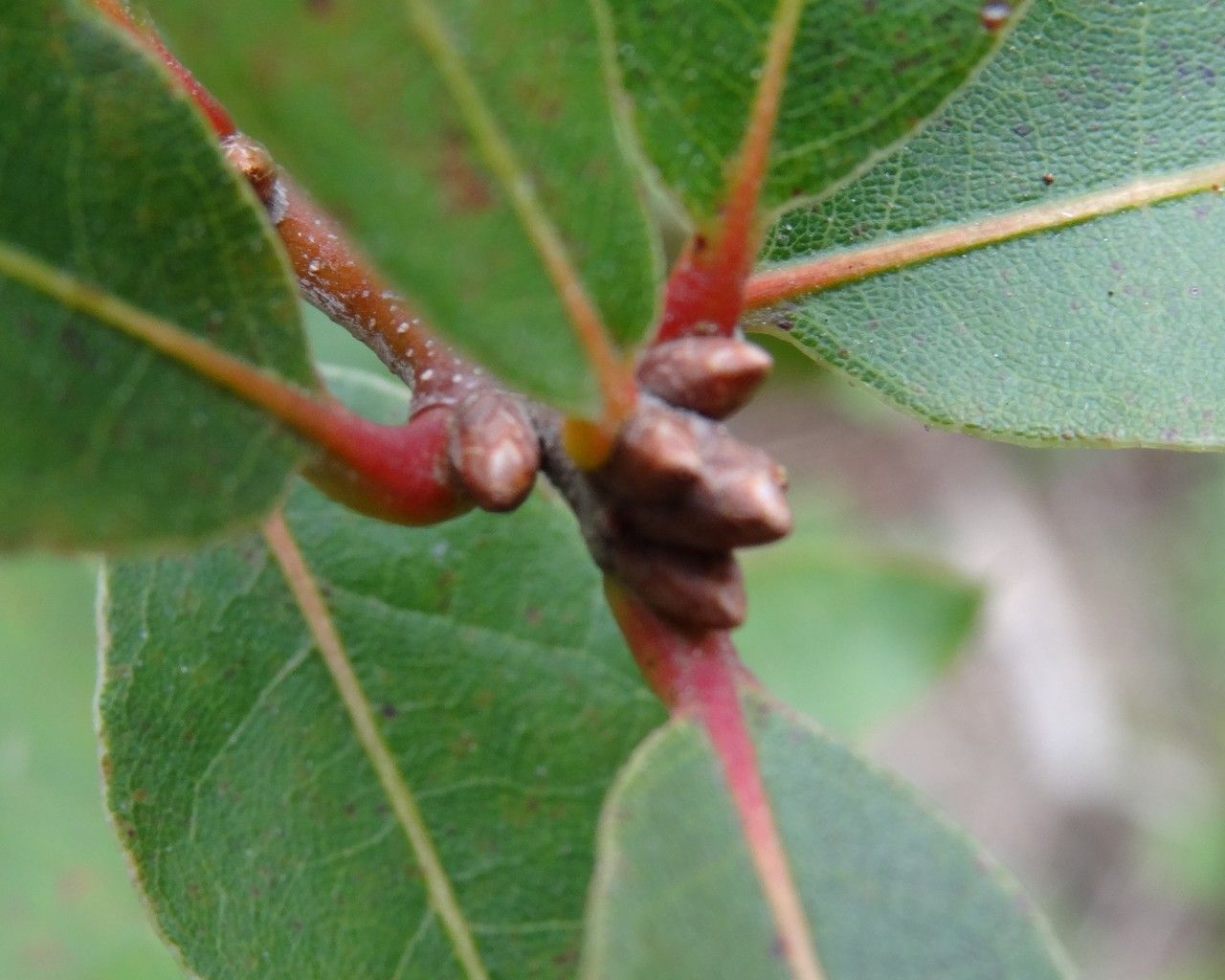
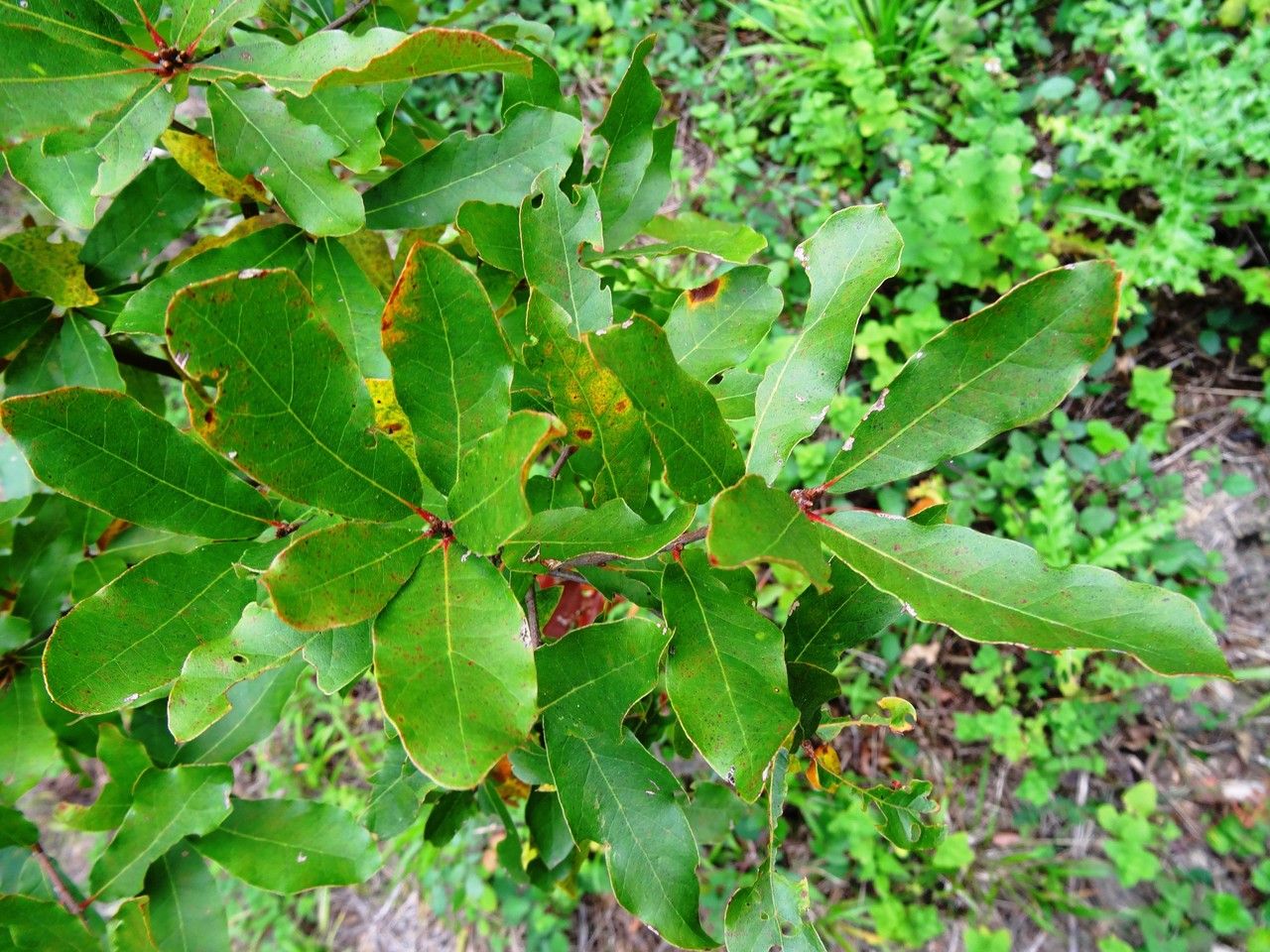
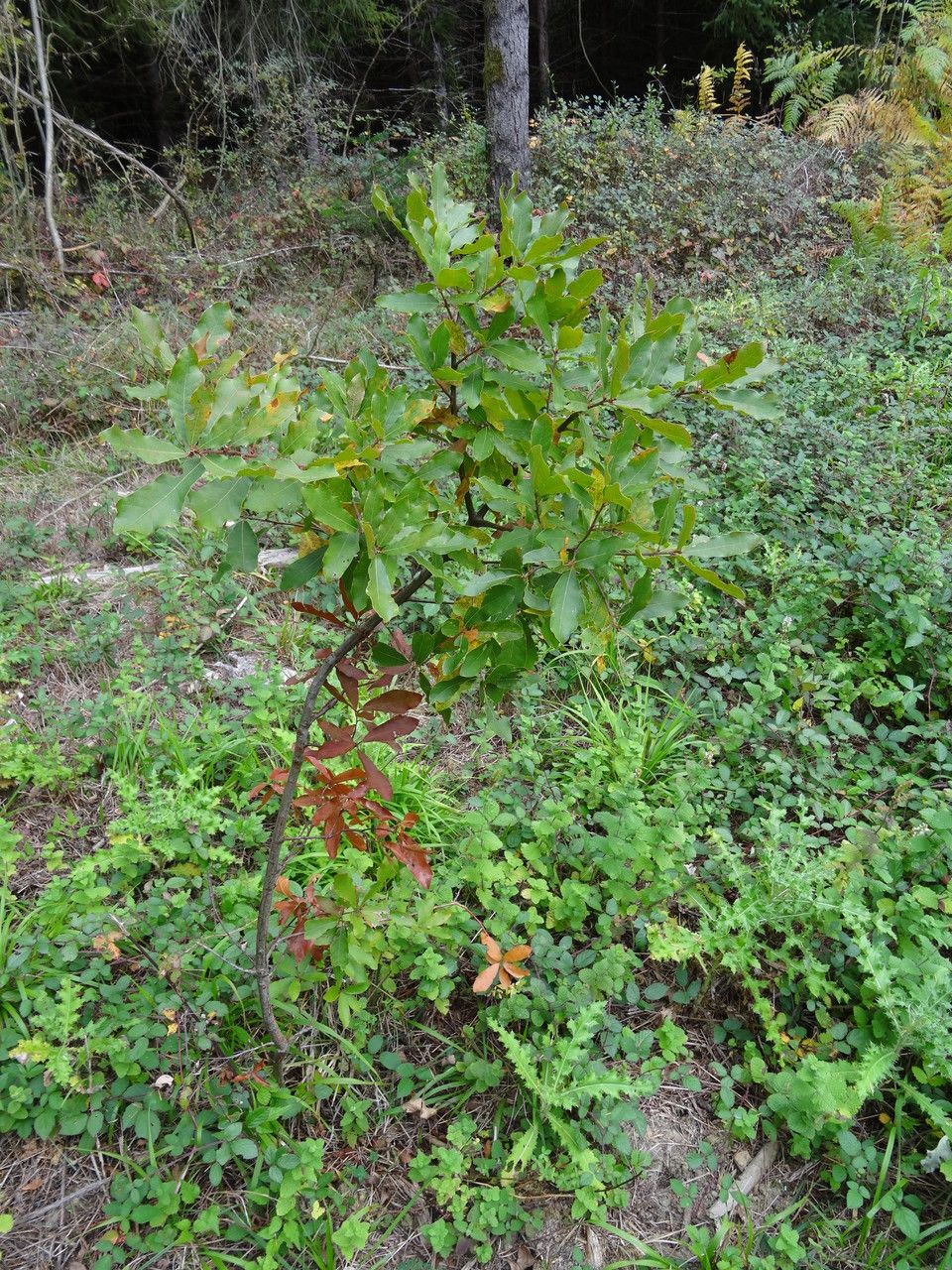
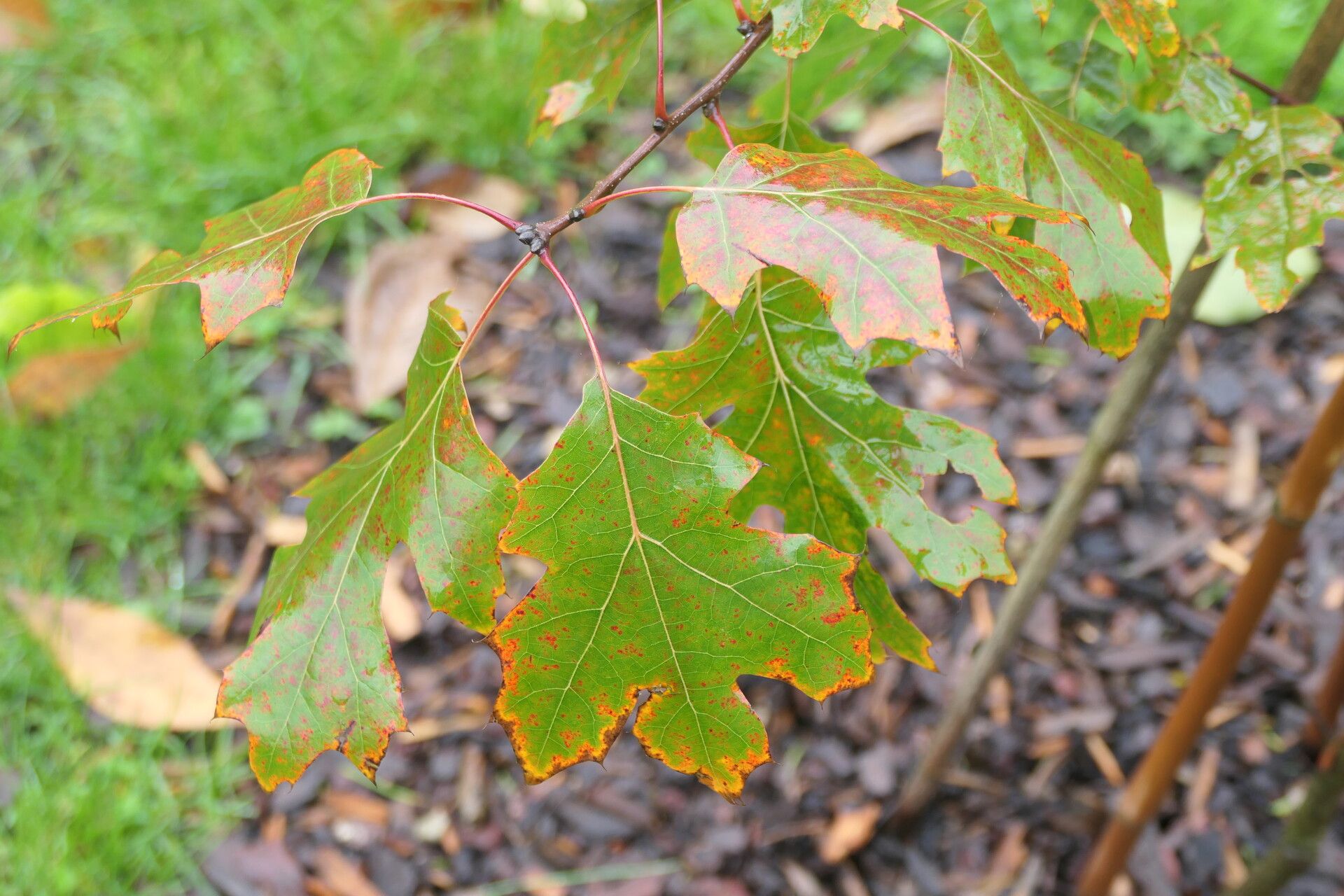
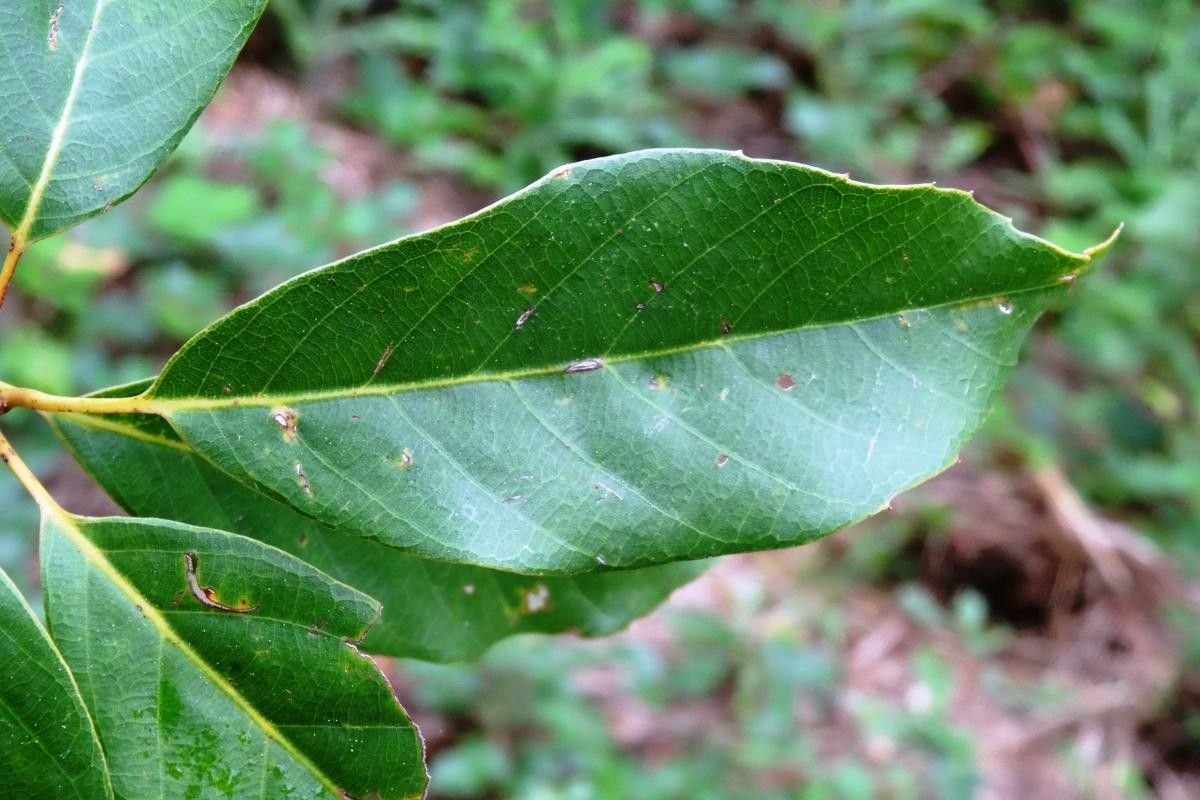
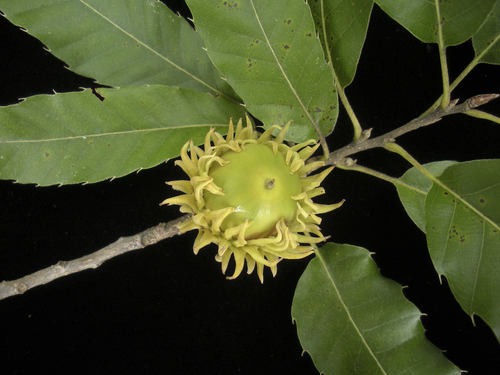
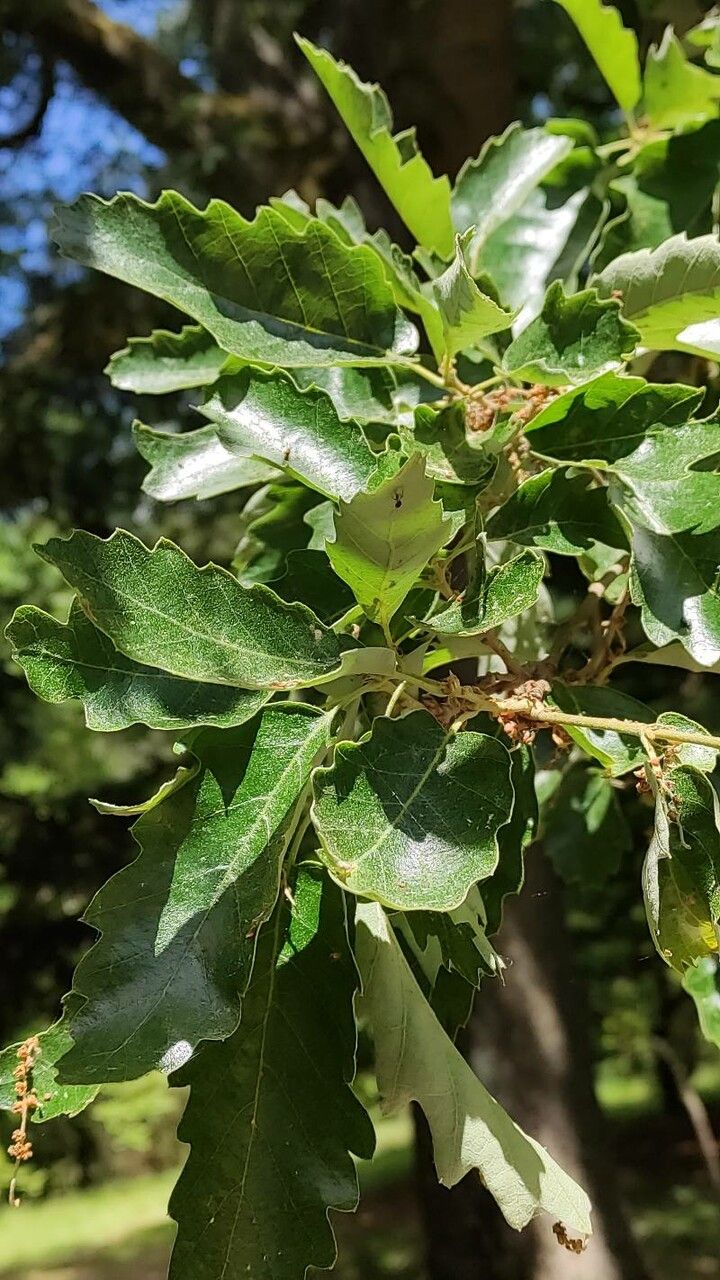
Quercus geminata, commonly known as sand live oak, is a species of oak tree native to the southeastern United States. It typically thrives in sandy soils in coastal areas and can reach heights of up to 50 feet. The tree features a dense, spreading crown and dark green leaves that are leathery and glossy on the upper surface. The acorns produced by Quercus geminata are small, round, and have shallow cupules.
This species plays a vital role in coastal ecosystems by providing habitat for a variety of animals, including birds, mammals, reptiles, and insects. Additionally, it helps stabilize sand dunes along the coastlines by anchoring soil with its extensive root system. Despite its ecological importance, Quercus geminata faces threats from habitat loss due to development in coastal areas.
Conservation efforts have been implemented to protect this species from further decline. These measures include land acquisition for preservation and restoration projects aimed at rehabilitating degraded habitats where the plant naturally occurs.
Sand live oak demonstrates strong resistance to disease and is generally not susceptible to illnesses. As for care, it is fairly low-maintenance. Planted outdoors it needs little watering; larger specimens typically do not require pruning, though smaller plants should be trimmed after they finish blooming. Sand live oak is appropriate for anyone who has an outdoor area, such as a garden or deck, and does not demand extensive care experience.
How to keep Quercus Geminata.
Light
Sand live oak comes from open environments, such as sunny meadows and forest edges, that provide plenty of light. It does best in full sun but can tolerate partial sun, adapting well to a range of sunlight conditions.
Water
Maintain moist yet well-drained soil for sand live oaks, ensuring that the taproot can access deeper moisture. Avoid watering the topsoil excessively to prevent flooding. Reducing watering during the summer can promote the tree's health, as sand live oaks are quite tolerant of dry spells.
Temperature
Sand live oak shows good temperature adaptability, tolerating higher heat and fairly large temperature fluctuations. In hot weather, care should be taken to water properly and provide suitable shade to avoid sunburn. However, its tolerance for low temperatures is relatively poor. Although it can survive some cold, excessively low temperatures can cause frost damage.
Fertilizer
Fertilize your Sand live oak in early spring to encourage healthy growth. Consistent feeding improves the tree’s overall health, producing vigorous growth, greater tolerance of harsh conditions, and enhanced resistance to pests and diseases. Keep to a defined fertilization routine for your Sand live oak to preserve lively foliage with rich color and a lush appearance.
Pruning
To maintain the vigor of sand live oak, it is beneficial to prune from early to late winter. Remove any dead or crossing branches to improve air circulation and increase light penetration. Focus on developing a strong central leader and well-balanced branches. Using proper pruning techniques helps prevent pest infestations and promotes overall health. Always use clean tools for the best results.
Botanical profile.
- Plant Type
- Tree
- Life Cycle
- Perennial
- Genus
- Quercus
- Family
- Fagaceae
- Hardiness Zone
- 7-10
- Mature Height
- 6.1 m to 15.24 m
- Mature Spread
- 6.1 m to 14.94 m
- Leaf Color
- Dark Green, Gray
- Leaf Type
- Evergreen
- Flower Size
- 0.20 cm to 0.25 cm
- Bloom Time
- Mid spring, Late spring
- Planting Time
- Spring, Summer
- Harvest Time
- Late summer, Early fall, Mid fall
Other names.
Reader questions.
What are the sunlight requirements for Sand live oak?
The Sand live oak (Quercus geminata) thrives in full sun, requiring above 6 hours of sunlight daily. It can also grow in partial sun, needing about 3-6 hours of sunlight each day. It's important to observe the movement of sunlight through your garden carefully, selecting spots that offer the right mix of light and shade. This ensures the plants stay healthy and happy.
What is the botanical name of Sand live oak?
The botanical name of Sand live oak is Quercus geminata. This tree is a part of the broader oak family and plays a significant role in its native habitats, contributing to the biodiversity and stability of the ecosystems it inhabits.