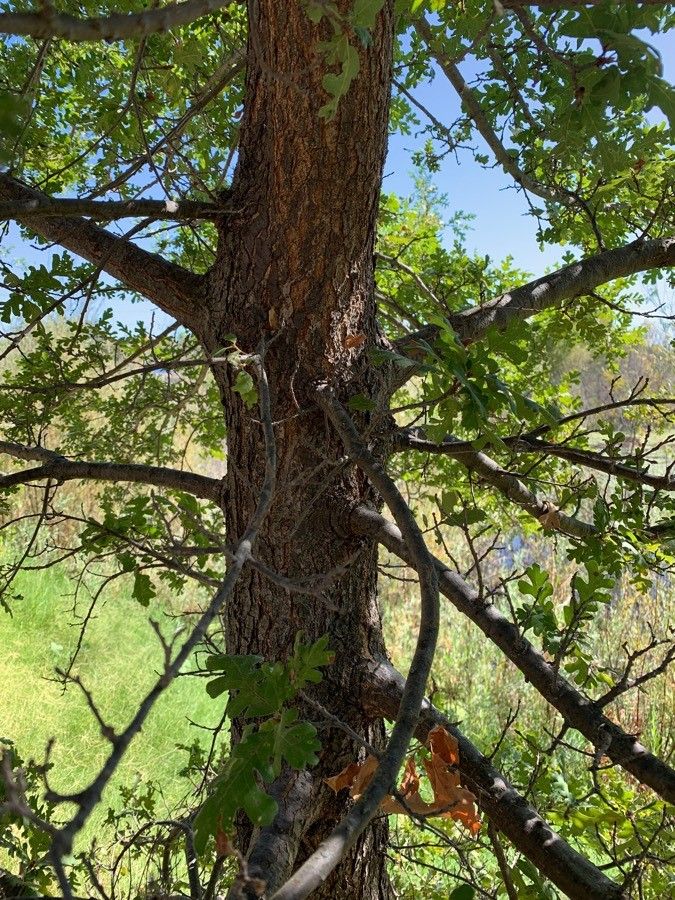
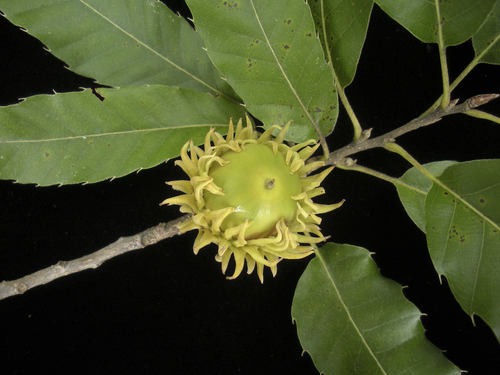
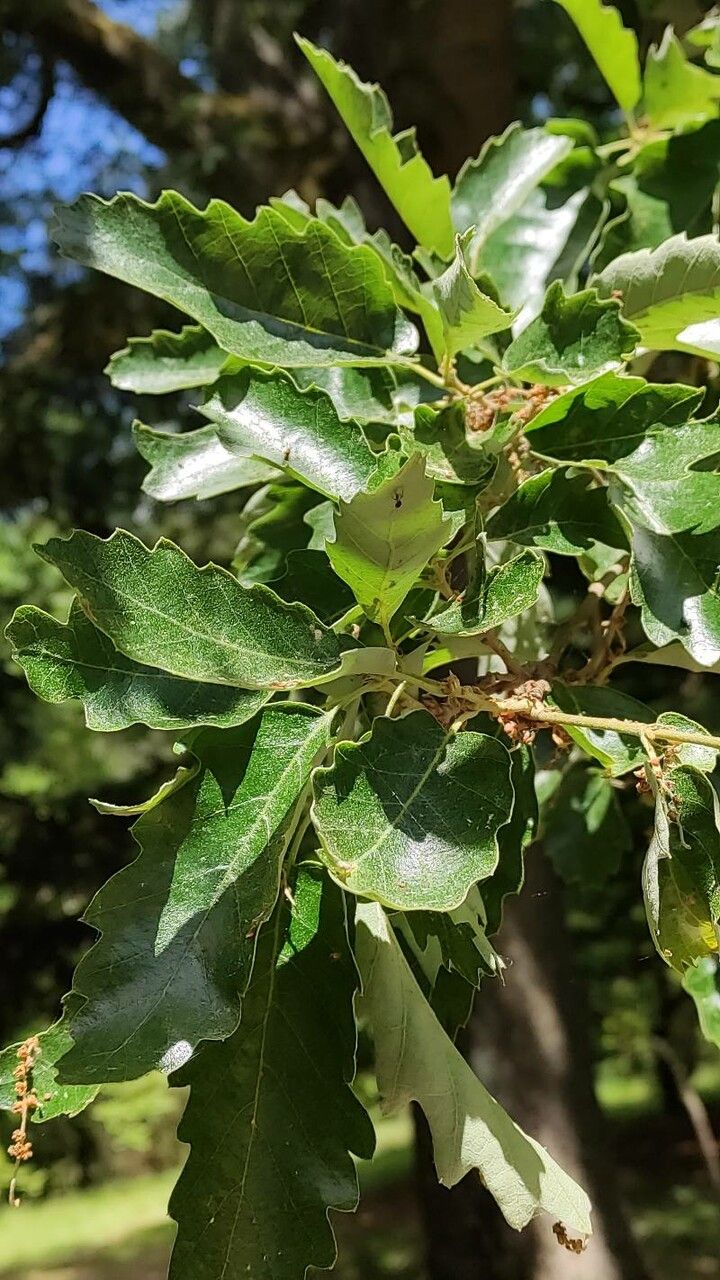
Quercus garryana, commonly known as Garry oak or Oregon white oak, is a species of oak tree native to the western United States and Canada. It is a slow-growing, deciduous tree that can reach up to 100 feet in height and features a broad, spreading crown. The bark of the Garry oak is dark gray and becomes deeply furrowed with age.
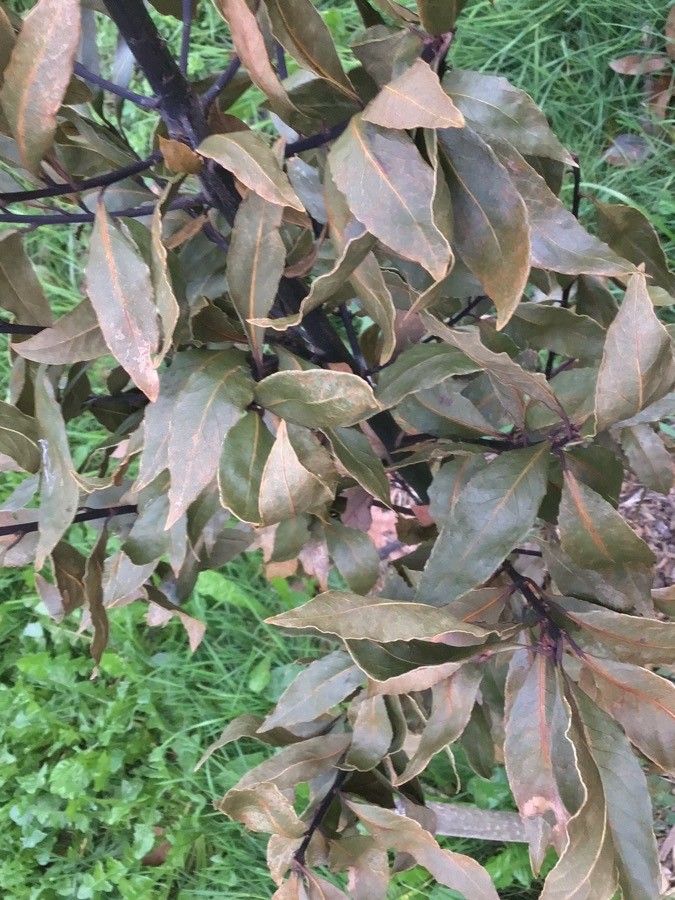
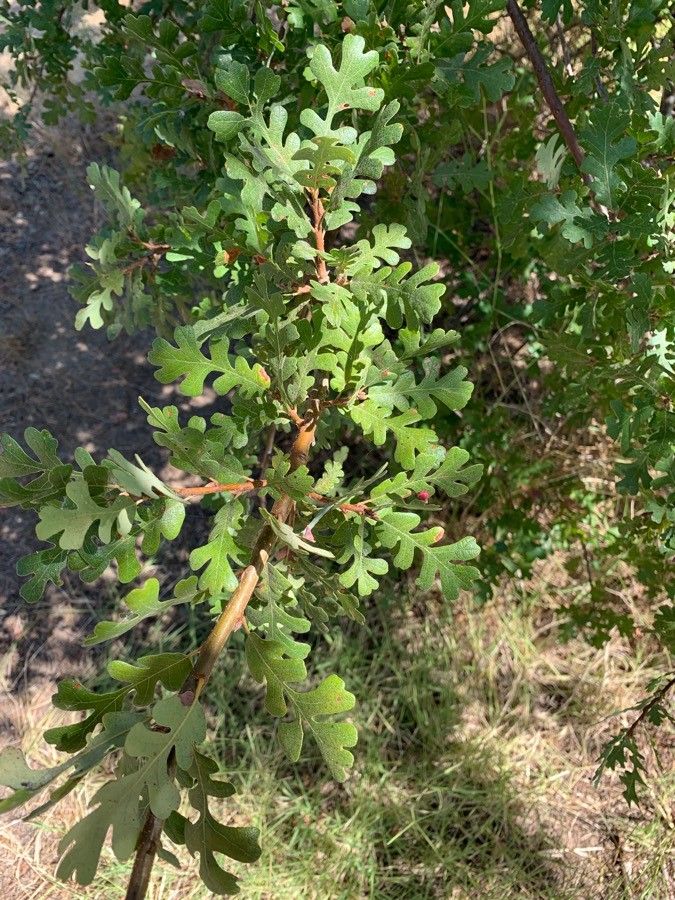
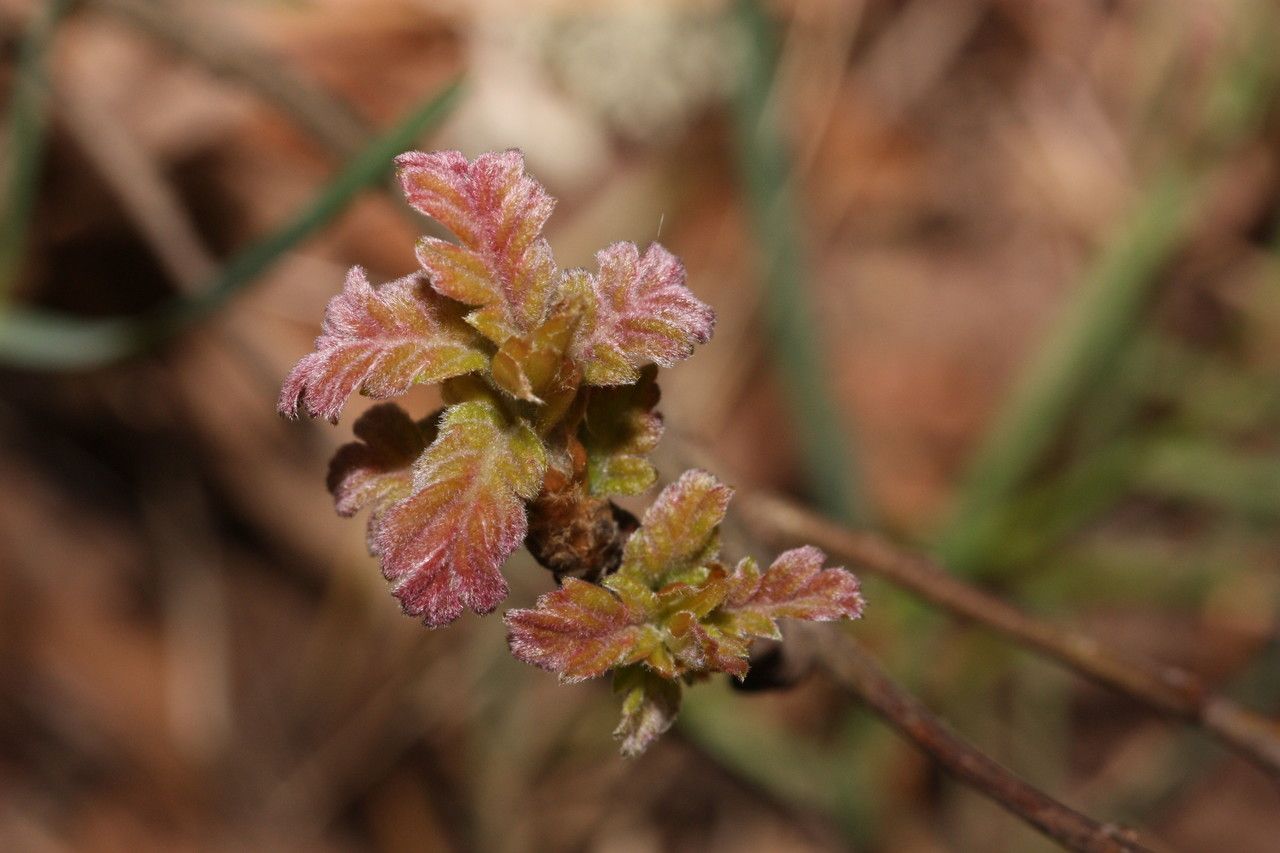
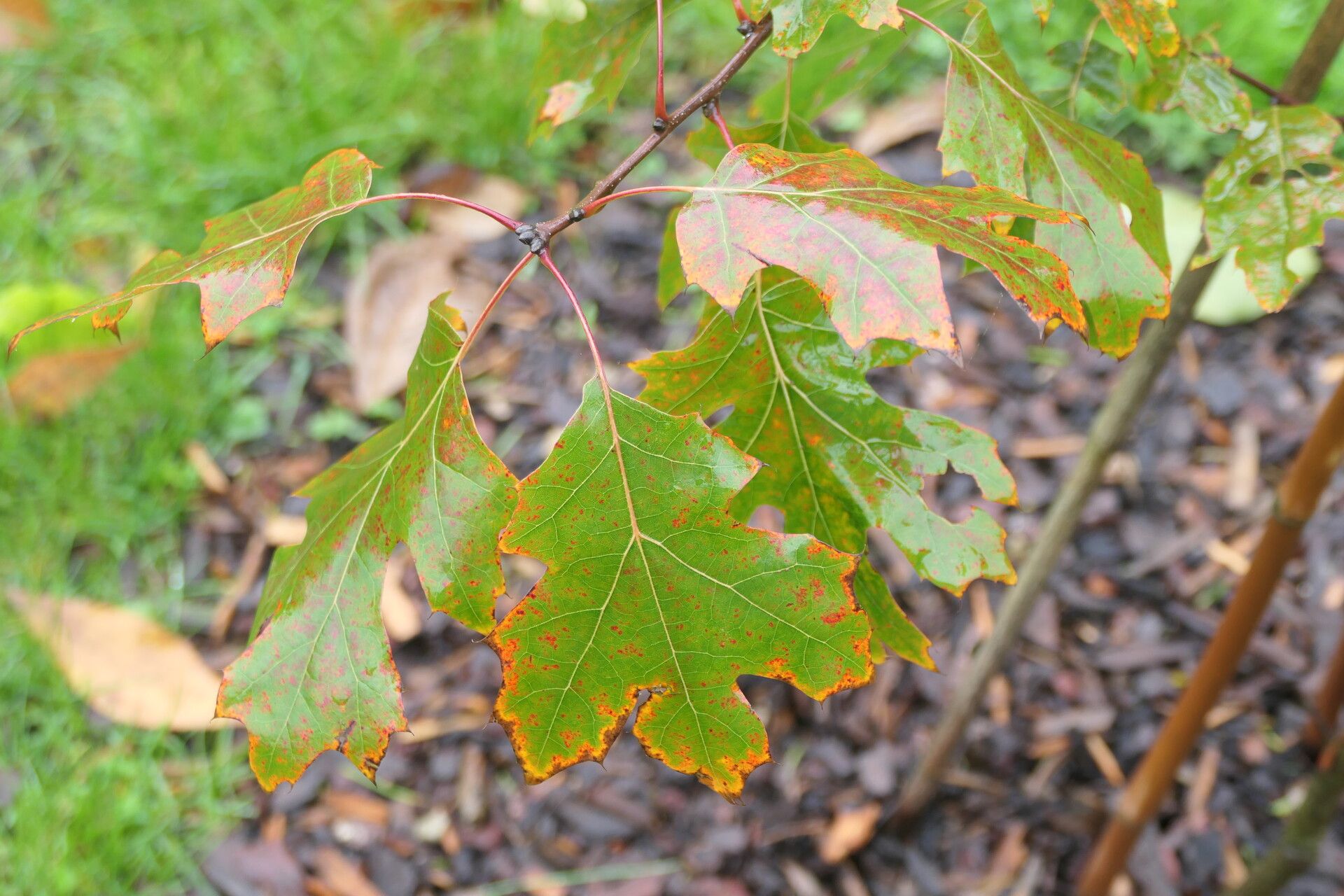
The leaves of Quercus garryana are simple and lobed with rounded tips, displaying a glossy green upper surface. In autumn, these leaves turn yellow or reddish-brown before falling off during winter dormancy.
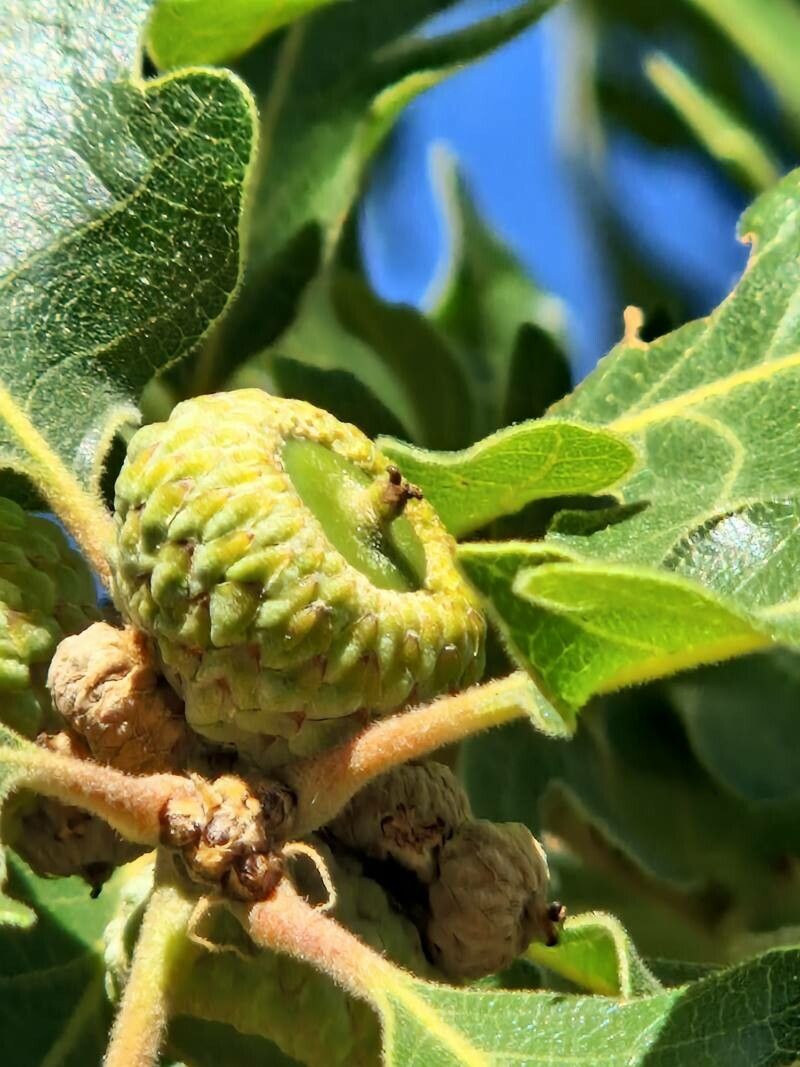
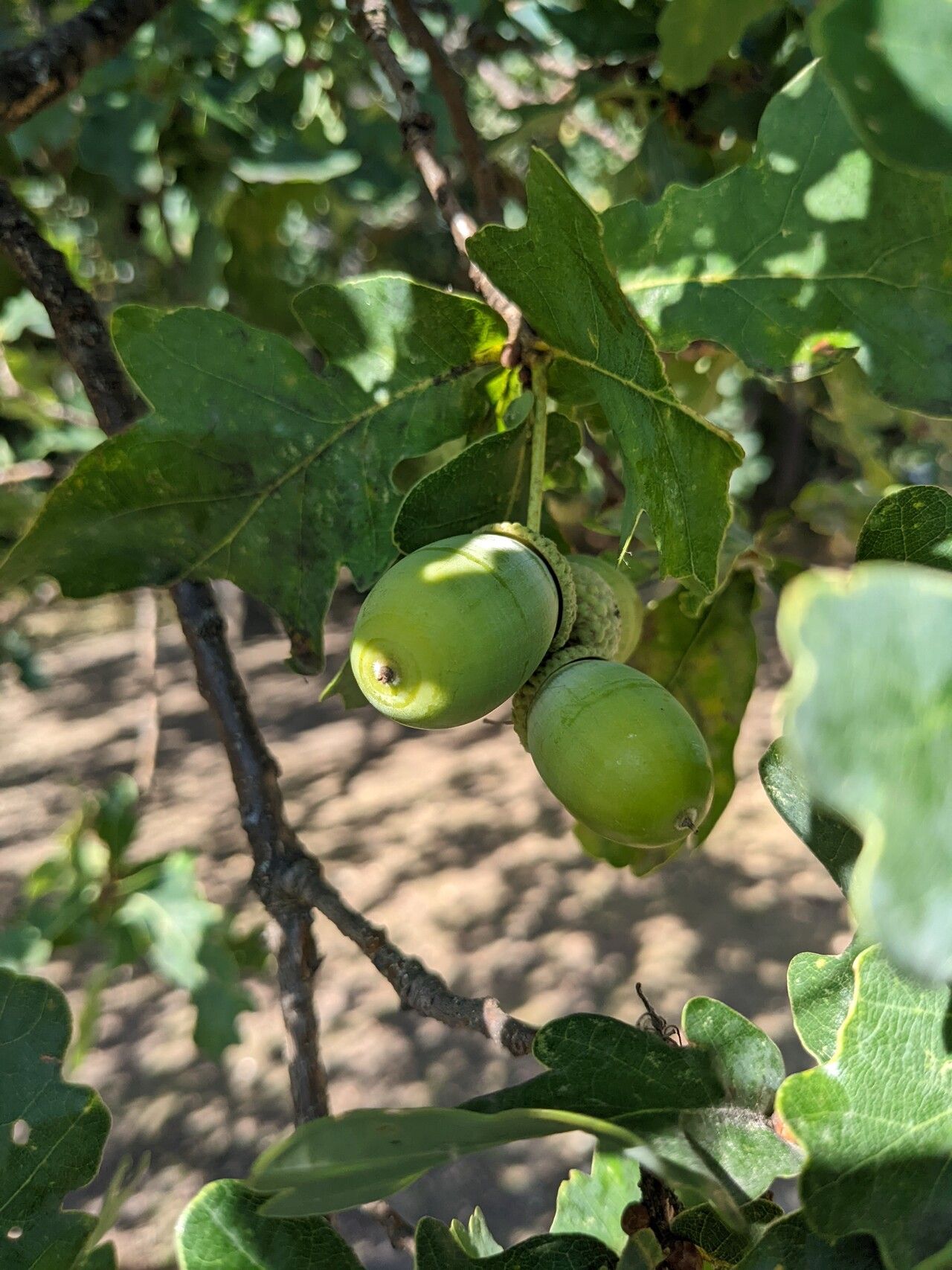
The Garry oak produces acorns that serve as an essential food source for wildlife such as squirrels, deer, bears, and birds. These acorns are also edible for humans after processing to remove tannins.
Quercus garryana prefers well-drained soils in full sun but can tolerate some shade. It is a vital component of various ecosystems, including savannas, woodlands, and forests, where it provides habitat for numerous species, including endangered ones like the Oregon spotted frog.
Due to habitat loss from urbanization and agricultural practices, combined with the impacts of climate change on its range distribution, Quercus garryana has been listed as threatened or endangered in some areas. Consequently, conservation efforts are necessary to protect this valuable plant species from extinction.
Oregon white oak is resistant to disease and is generally not susceptible to illnesses. Regarding care, this plant is fairly low-maintenance. When grown outdoors it needs only minimal watering, and larger plants generally do not require pruning. Smaller plants, however, should be pruned after they have bloomed. The Oregon white oak is suitable for anyone with an outdoor area, such as a garden or deck, and does not demand much experience in plant care.
How to keep Quercus Garryana.
Light
The Oregon white oak does best when it receives ample sunlight throughout the day, which supports its health and growth. Native to open, exposed habitats, it can tolerate a bit of shade but performs best under clear, unobstructed skies. Excessive shading can weaken its structure and cause health problems, whereas too much sun may sometimes brown the leaves.
Water
The Oregon white oak has a deep root system that makes it resilient to drought, but it still needs watering every three weeks. It thrives in areas with seasonal moisture and benefits from mulching, which helps retain soil moisture and mimics the leaf litter found in its natural forest floor habitat.
Humidity
This plant will thrive in moderate humidity, which is probably the level in your home. However, misting it a few times a week can be very beneficial. Make sure the room has good ventilation.
Temperature
The Oregon white oak is native to cool, moderate maritime climates of western North America, so it needs a temperature range of 50 to 95 ℉ (10 to 35 ℃) for optimal growth and development. During the warm summer months, it is advisable to give the plant some shade and plenty of water to help it cope with high temperatures. In winter, protecting the plant from freezing temperatures with mulch or burlap coverings is important.
Fertilizer
Fertilize your Oregon white oak in early spring to encourage healthy growth. Regular fertilization improves overall health, producing vigorous growth, greater tolerance of difficult conditions, and better resistance to pests and diseases. Keep a consistent fertilization schedule for your Oregon white oak to maintain foliage that is vibrant, richly colored, and lush in appearance.
Pruning
The Oregon white oak is known for its rugged bark and lobed leaves. To promote healthy growth and longevity, it is best to prune this tree in early spring. During this time, focus on maintaining a central leader and removing any dead or diseased branches, which will improve air circulation. Be sure to use clean, sharp tools while pruning to minimize damage and support the tree's optimal health and growth.
Botanical profile.
- Plant Type
- Tree
- Life Cycle
- Perennial
- Genus
- Quercus
- Family
- Fagaceae
- Hardiness Zone
- 6-9
- Mature Height
- 10.06 m
- Mature Spread
- 10.06 m
- Leaf Color
- Green, Blue, Yellow, Brown
- Leaf Type
- Deciduous
- Flower Color
- Yellow, Green, Red, Orange
- Flower Size
- 0.51 cm to 0.76 cm
- Bloom Time
- Mid spring, Late spring
- Planting Time
- Winter
- Harvest Time
- Mid summer
Other names.
Reader questions.
What is the most effective way to water my Oregon white oak tree?
To promote excellent root development, consider placing a garden hose at the base of the plant. It's best to avoid spraying the leaves directly, and keep in mind that outdoor plants exposed to direct sunlight may need more watering for their leaves. Using bubbler attachments on each plant can help keep the roots moist. Additionally, soaker hoses can be used to cover the entire garden or flower bed, ensuring deep root hydration when adding or removing plants. After watering, make sure to drain any excess water and allow the soil to dry before watering again. To prevent diseases, water at ground level rather than from above. On sunny days, it may be beneficial to spray the whole bush with water. Whether the Oregon white oak is in a pot or in the ground, remember that deep watering is preferred over light sprinkling.
Why is it important to add fertilizer to my Oregon white oak?
To ensure the health and vitality of your Oregon white oak, it's important to fertilize regularly. This will provide the necessary nutrients for robust growth and make the tree more resilient in challenging conditions, as well as better equipped to fight off diseases and pests. Maintaining the attractive foliage of your Oregon white oak is essential. By following a specific fertilization schedule, you can encourage the development of deeply colored leaves and an overall lush appearance.
What are the sunlight requirements for Oregon white oak?
Oregon white oak requires full sun, which means it thrives on more than 6 hours of sunlight daily. However, it can also tolerate partial sun, about 3-6 hours of sunlight a day. It's essential to monitor the sunlight movement in your garden to find a location that offers a suitable balance of light and shade, ensuring the plant's health and growth. This species originates from environments with ample exposure to sunlight and prefers lesser amounts of shade. Insufficient light may weaken the plant's structure and lead to health issues, while too much direct exposure can cause leaf browning.
What are the ideal growing conditions for Oregon white oak?
Oregon white oak, known botanically as Quercus garryana, thrives in cool and moderate maritime climates typical of western North America. These oaks prefer a temperature range between 50 to 95°F (10 to 35°C) for optimal growth. In the summer, it is advisable to shield them from the heat by providing shade and ample water. Despite their strong cold resistance, during winter, it's essential to protect them from freezing. Employing mulching or burlap coverings is recommended, although in regions where temperatures drop significantly below the growth limit, wrapping the trunk and branches with non-woven fabric can offer additional protection. To assist the tree through winter and early spring, watering before the first freeze to ensure the soil is moist is crucial.
What should I do if I give the Oregon white oak tree too much or too little water?
An overwatered Oregon white oak may exhibit yellowing, dropping, and wilting leaves, as well as a generally unhealthy appearance with mushy stems. When these signs appear, it is recommended to adjust watering schedule as needed. Conversely, wilting could also indicate under watering, with leaves becoming crispy and dry. In such cases, check the soil moisture and provide sufficient watering when it is dry. However, even with enough water, the oak may still appear dry with yellow leaves due to root damage. Once the plant recovers, the yellowing of leaves will cease. When growing Oregon white oak indoors, always monitor moisture levels and avoid overwatering, looking out for black spots which may indicate root rot. If root rot is present, consider transferring the plant to a new pot, and prevent the soil from becoming too soggy. When planting the oak outdoors, dig deeper and check soil moisture levels. If the soil is excessively dry, it may indicate under watering, so ensure adequate watering to aid in recovery.
When should I fertilize my Oregon white oak tree?
To properly fertilize your Oregon white oak, there are two recommended times: late winter/early spring and early fall. Fertilizing during late winter/early spring provides the tree with the necessary nutrients for healthy growth when the weather becomes warmer. In warm climate areas, an additional fertilizer feeding during early fall is beneficial. This provides extra nutrients for the following growing season and helps the tree withstand winter without foliage damage. Fertilizing earlier in fall allows new branches to grow sufficiently before the cold winter.
How does artificial lighting support the growth of indoor Oregon white oak plants?
Indoor Oregon white oak plants require adequate lighting, especially when natural sunlight is insufficient. Artificial lights, such as LED lights, are beneficial as they can be tailored to provide specific wavelengths necessary for plant growth. Depending on the plant's sunlight requirements, the intensity of artificial light should be adjusted: full sun plants need 30-50W/sq ft, partial sun plants need 20-30W/sq ft, and full shade plants need 10-20W/sq ft. The light source should be placed 12-36 inches above the plant to mimic natural sunlight conditions, and the lighting should be maintained for 8-12 hours per day to replicate the length of natural daylight hours.
How does low temperature affect Oregon white oak and what are the solutions?
Oregon white oak displays remarkable cold tolerance and generally thrives when temperatures are kept within its suitable growth range. In winter, maintaining the temperature above its minimum tolerance level is vital. However, when temperatures drop below the critical growth limit, the oak may not show immediate distress, but its branches can become brittle and dry out by spring, failing to produce new shoots. To mitigate these effects, pruning dead branches in spring that have not produced new leaves is advised.
How frequently do I need to water my Oregon white oak tree?
The Oregon white oak prefers deep and infrequent watering, especially when planted in pots. When watering potted oaks, soak them in a gallon of water each time to account for limited water storage and faster drying of the soil. In cold regions, watering is necessary every 3 to 5 days. Watering should be done early in the morning when the soil is dry. You can also check the soil moisture by examining the top 2-3 inches of soil. If it is dry, give the plant a full watering. On hot days, check the moisture daily as the heat can quickly dry out the pot's soil. If you have a garden, irrigation of the soil is also necessary. In hot climates, watering once a week may be sufficient. Only water the plants when about 2 to 3 inches of soil become too dry. Take into account rainfall and avoid overwatering to prevent root rot. Oregon white oaks typically grow in spring and fall. When grown outdoors, adding 3 to 4 inches of mulch can help conserve water. Sandy soil requires more frequent watering, while clay soil can go 2-3 days without watering to avoid root rot. Keeping track of watering dates and observing drooping leaves can help ensure timely watering.
When is it not a good idea to use fertilizer on my Oregon white oak?
There are certain times of the year when it is not recommended to fertilize your Oregon white oak. The first is in the early and mid-winter months, when the tree is dormant and does not require any additional nutrients. It is also best to avoid fertilizing during the late spring and summer, as the hotter and drier weather can have a negative impact on the tree's response to fertilization. To prevent any issues, it is advised to stick to a fertilization schedule that only includes feeding in the early spring and early fall.
What are common symptoms of light deficiency in Oregon white oak?
Common symptoms of light deficiency in Oregon white oak include smaller new leaves, leggy or sparse growth, faster leaf drop, no new growth, lighter-colored new leaves, chlorosis, sunscald, leaf curling, wilting, and leaf scorching. These symptoms indicate that the plant is not receiving enough sunlight, leading to issues such as reduced chlorophyll production, weakening of the plant's overall structure, and impaired photosynthesis.
How does high temperature affect Oregon white oak and what are the solutions?
During the hot summer months, Oregon white oak should ideally be kept below the maximum suitable growth temperature. Exposing the oak to temperatures above its tolerance can lead to lighter leaf color, dry and withered leaf tips, and increased susceptibility to sunburn. To address these issues, affected parts should be trimmed away. Moving the plant to a shaded area or using a shade cloth can protect it from midday and afternoon sun. Additionally, watering the plant in the morning and evening can help keep the soil adequately moist.