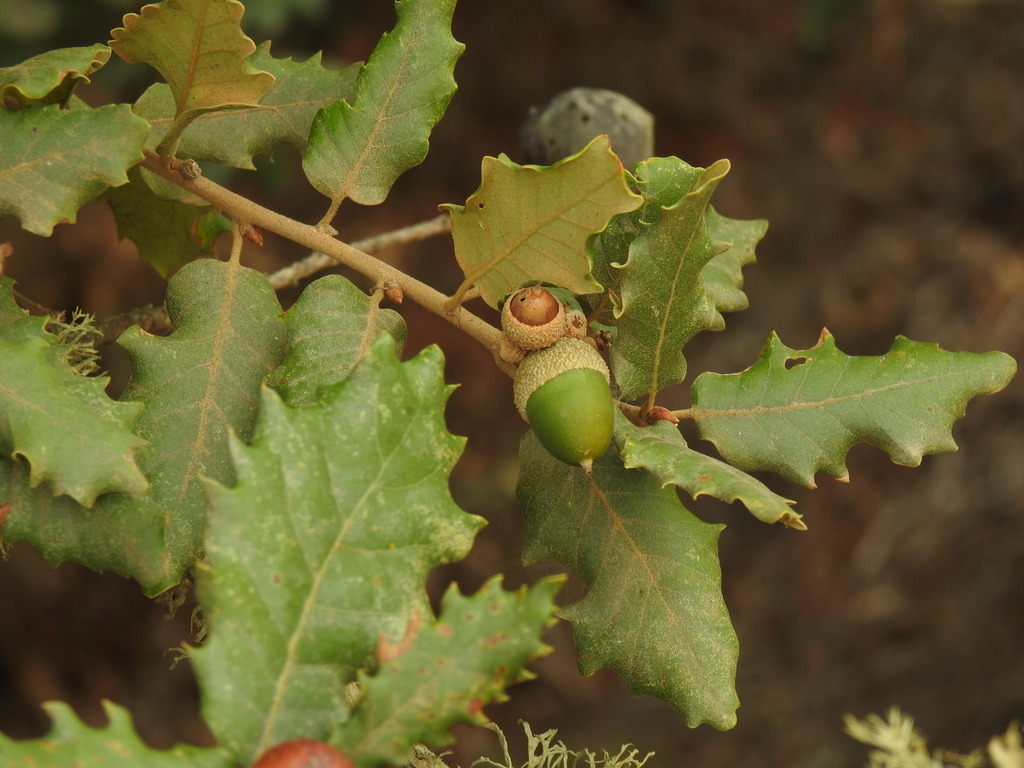
Quercus faginea, commonly known as the Portuguese oak or Pyrenean oak, is a deciduous tree species belonging to the Fagaceae family. Native to southwestern Europe, it can be found in countries such as Spain, Portugal, and France. This tree can grow up to 25 meters tall and features a broad crown with a thick trunk that can reach up to 1 meter in diameter.
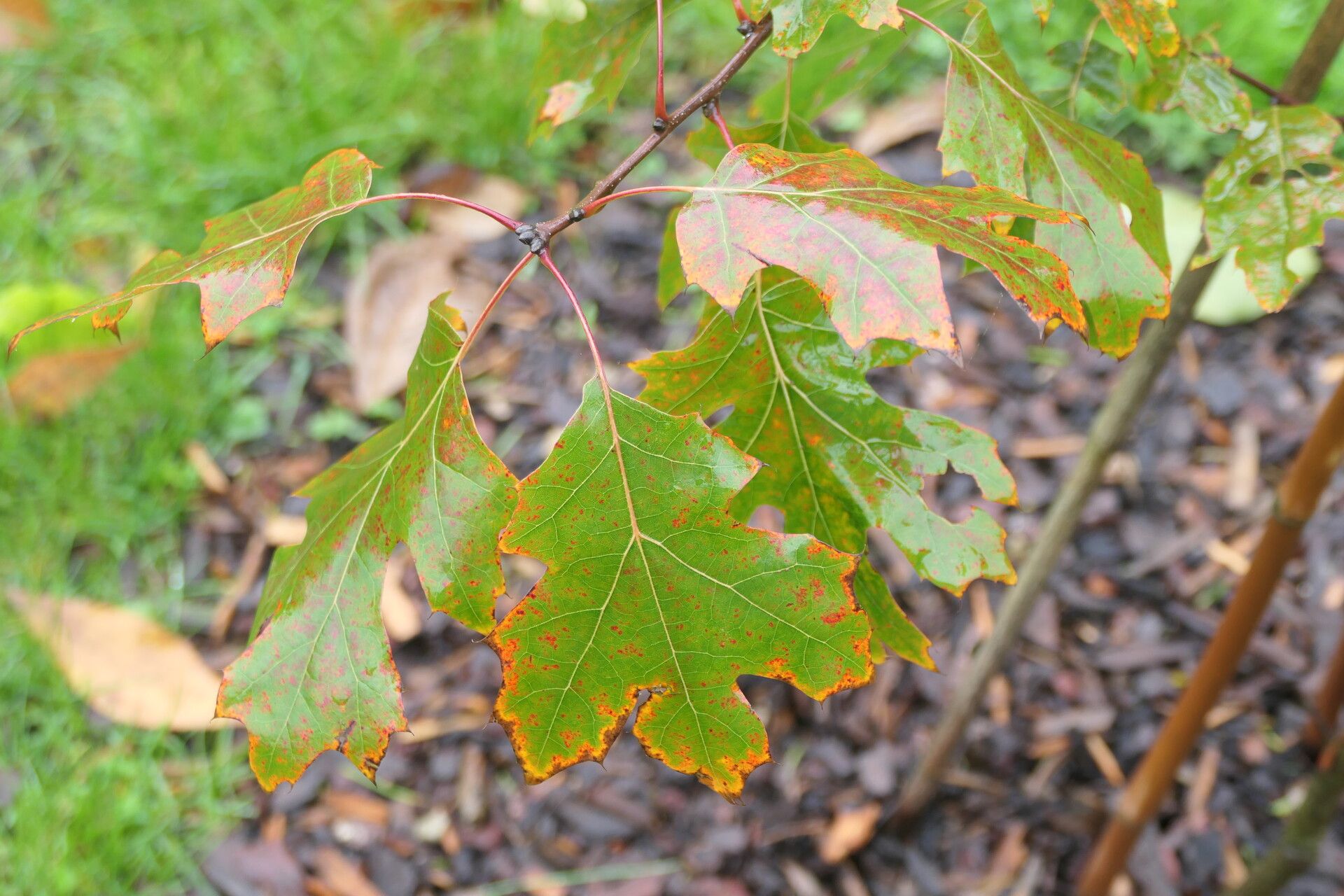
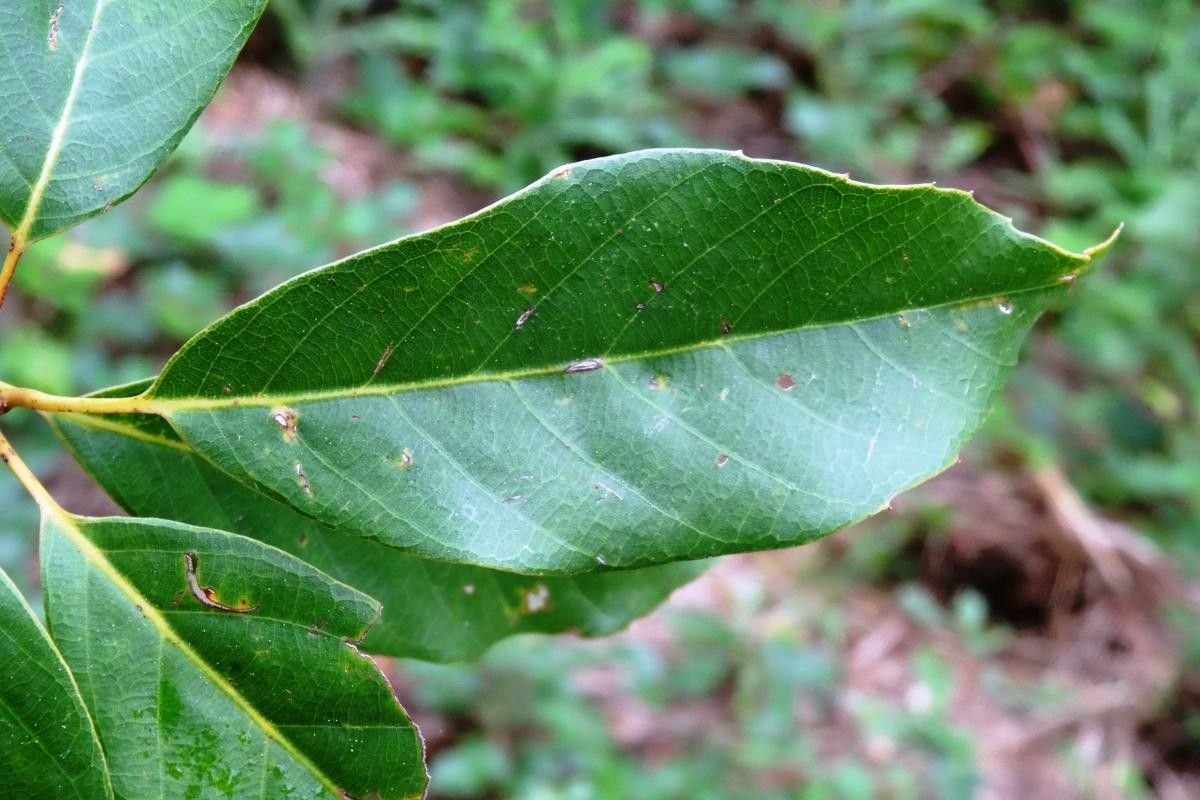
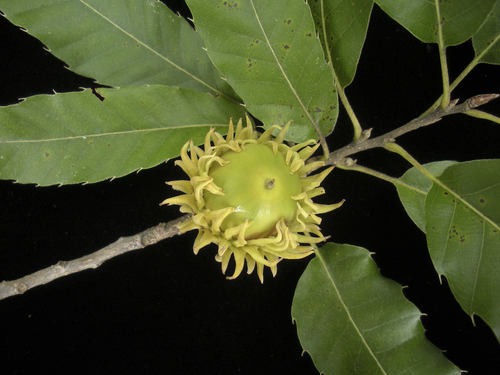
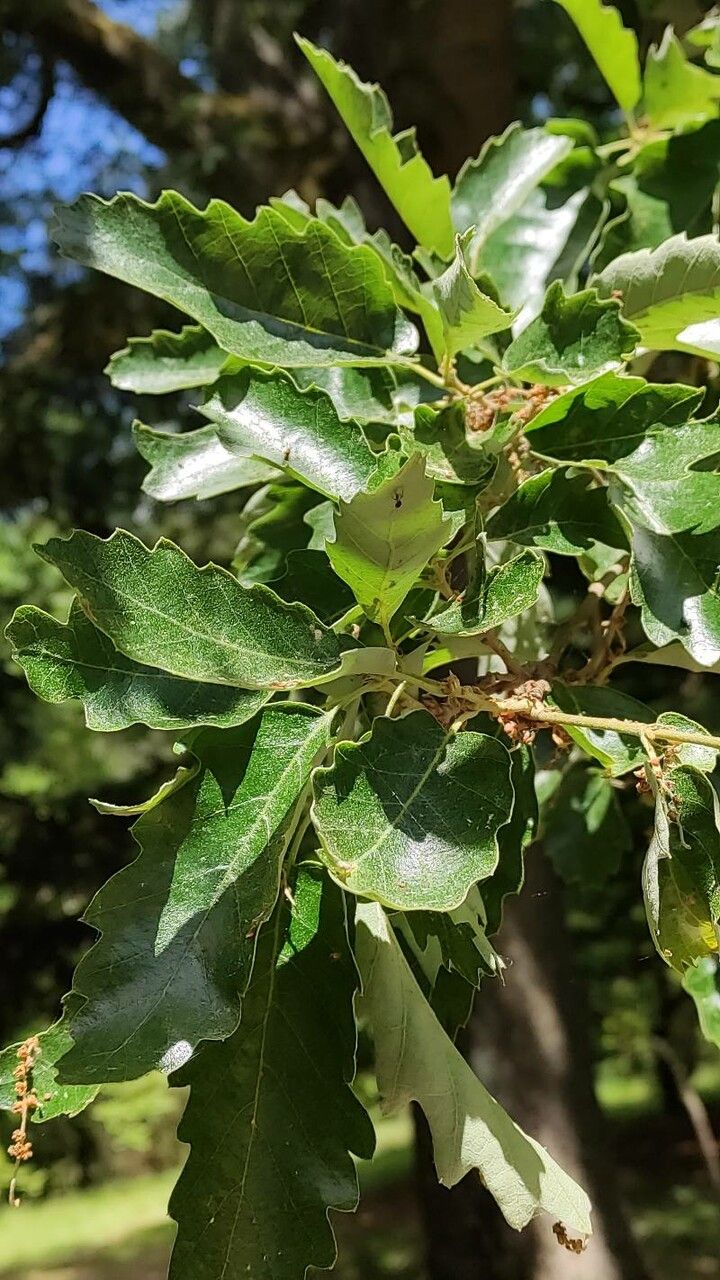
The leaves of Quercus faginea are dark green, oval-shaped, and have serrated edges. They typically measure 10-15 cm in length and exhibit a glossy appearance on top while being hairy underneath. The tree produces acorns that are around 2 cm long with shallow cups.
Quercus faginea is commonly found in Mediterranean forests, growing on rocky slopes or hillsides at altitudes ranging from sea level to approximately 1,500 meters. It prefers well-drained soils but is also capable of growing in poor soils.
The wood of Quercus faginea is hard and durable, making it suitable for use as firewood or in furniture making. Additionally, the acorns produced by the tree serve as an important food source for wildlife such as wild boar, deer, squirrels, and birds like jays.
Overall, Quercus faginea plays a crucial ecological role by providing habitat for wildlife while also being utilized by humans for various purposes, including wood production.
Portuguese oak is resistant to diseases and is usually not susceptible to them. As for care, this plant is fairly low-maintenance. When grown outdoors it needs only light watering, and larger plants typically do not require pruning. Smaller plants, however, should be trimmed after they finish flowering. Portuguese oak is appropriate for anyone with an outdoor area, such as a garden or a deck, and does not demand extensive plant-care experience.
How to keep Quercus Faginea.
Light
Portuguese oak is found in open habitats, such as sunny meadows and forest margins, where light is plentiful. It does best in full sun but can also tolerate partial sun, adapting well to a range of light conditions.
Water
To help Portuguese oak thrive, it's important to maintain moist, well-drained soil. Although oaks develop a taproot that allows them to access deeper moisture, you should be careful not to over-saturate the topsoil. Reducing irrigation during the summer is beneficial, as Portuguese oak is adept at tolerating dry spells.
Humidity
This plant will thrive in moderate humidity, which is probably the level in your home. However, misting it a few times a week can be very beneficial. Make sure the room has good ventilation.
Temperature
Portuguese oak is highly adaptable to different climate conditions, whether facing scorching summers or chilly winters. Still, it has an optimal temperature range for growth. If temperatures become too high, the plant is vulnerable to heat and humidity stress, which can cause its death. In areas where temperatures approach the lower bound of its cold tolerance, it is important to use insulation measures to protect the plant.
Fertilizer
Fertilize your Portuguese oak in early spring to encourage healthy growth. Consistent fertilization improves the tree’s overall health, producing vigorous growth, increased tolerance of harsh conditions, and better resistance to diseases and pests. Keep a regular fertilization schedule for your Portuguese oak to preserve vibrant, deeply colored foliage and a lush appearance.
Pruning
Prune Portuguese oak in early spring to remove any dead or diseased branches. This will enhance growth and improve air circulation. Light shaping can help improve the tree's overall form. Pruning during dormancy minimizes stress and reduces pest problems. Regular maintenance using clean and sharp tools will support a strong structure and promote vigorous growth.
Botanical profile.
- Plant Type
- Tree
- Life Cycle
- Perennial
- Genus
- Quercus
- Family
- Fagaceae
- Hardiness Zone
- 7-10
- Mature Height
- 10.06 m to 20.12 m
- Mature Spread
- 7.92 m to 14.94 m
- Leaf Color
- Dark Green, Olive Drab
- Leaf Type
- Deciduous
- Flower Size
- 1.02 cm to 2.03 cm
- Bloom Time
- Mid spring, Late spring
- Planting Time
- Spring
- Harvest Time
- Late summer, Early fall, Mid fall