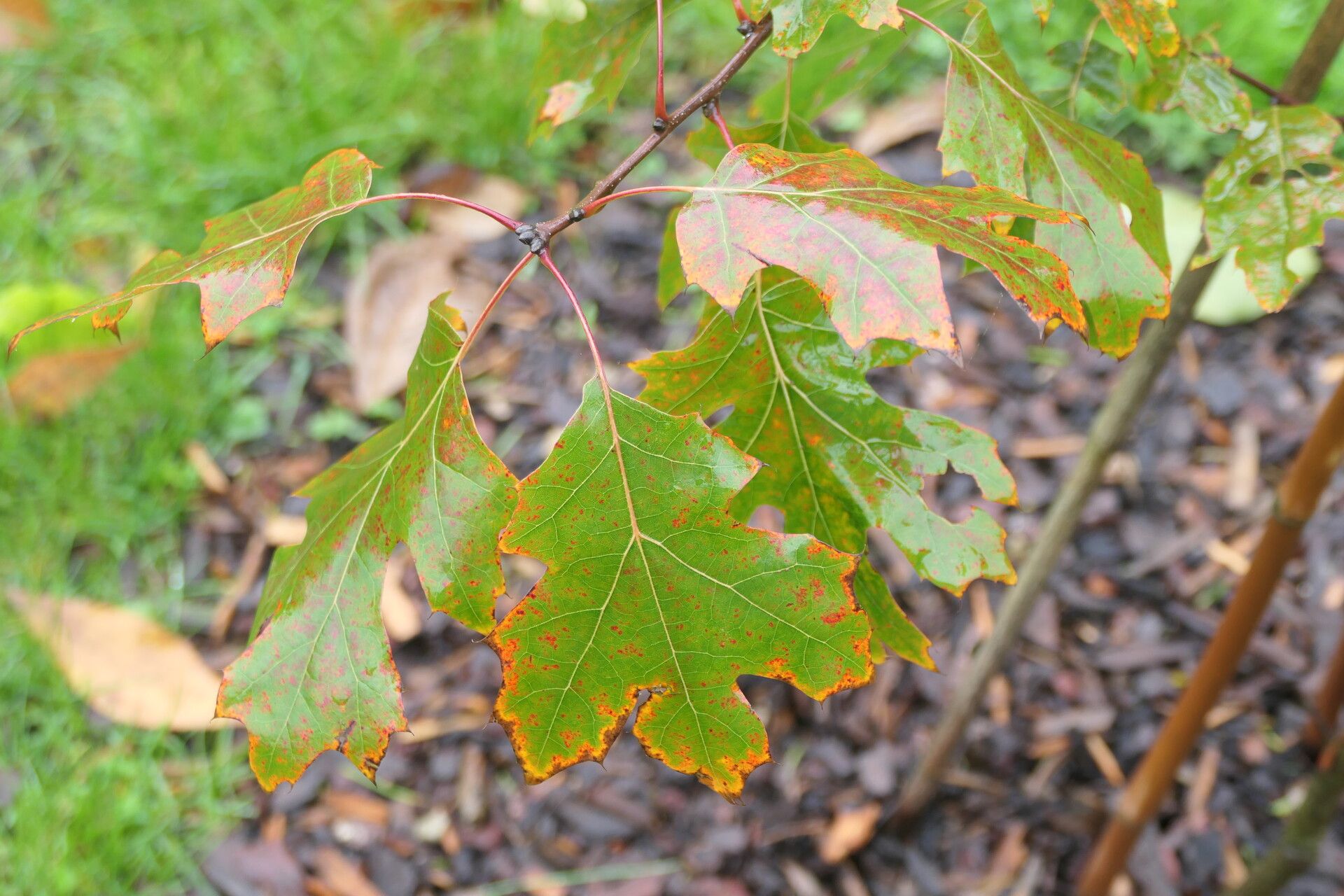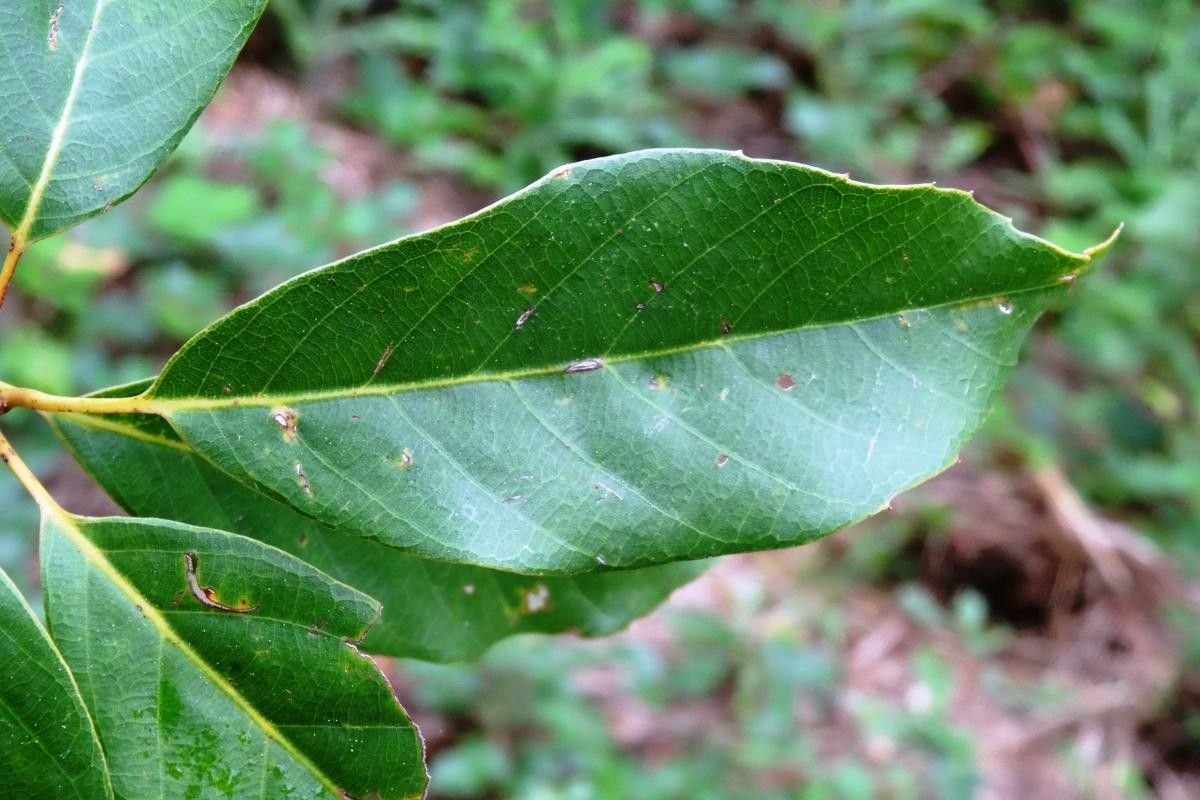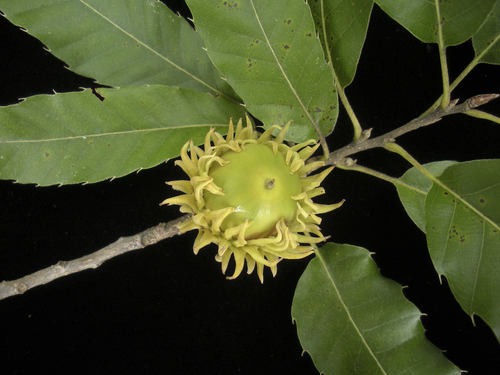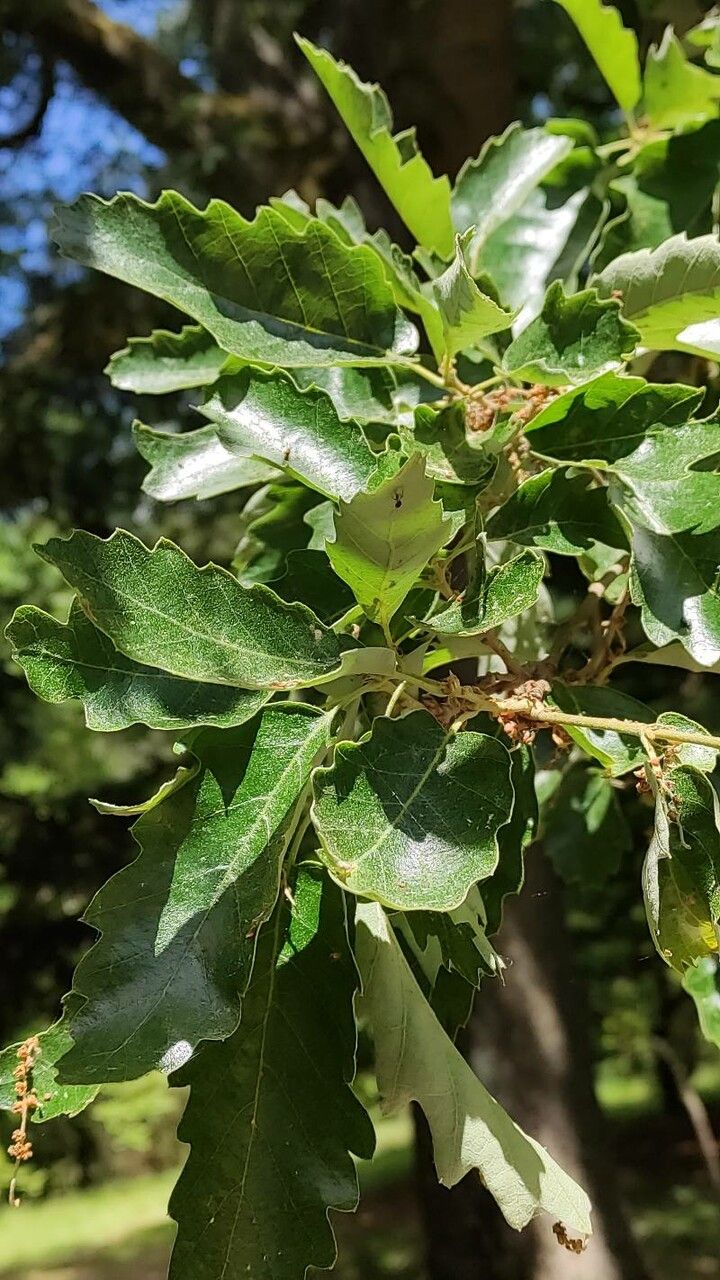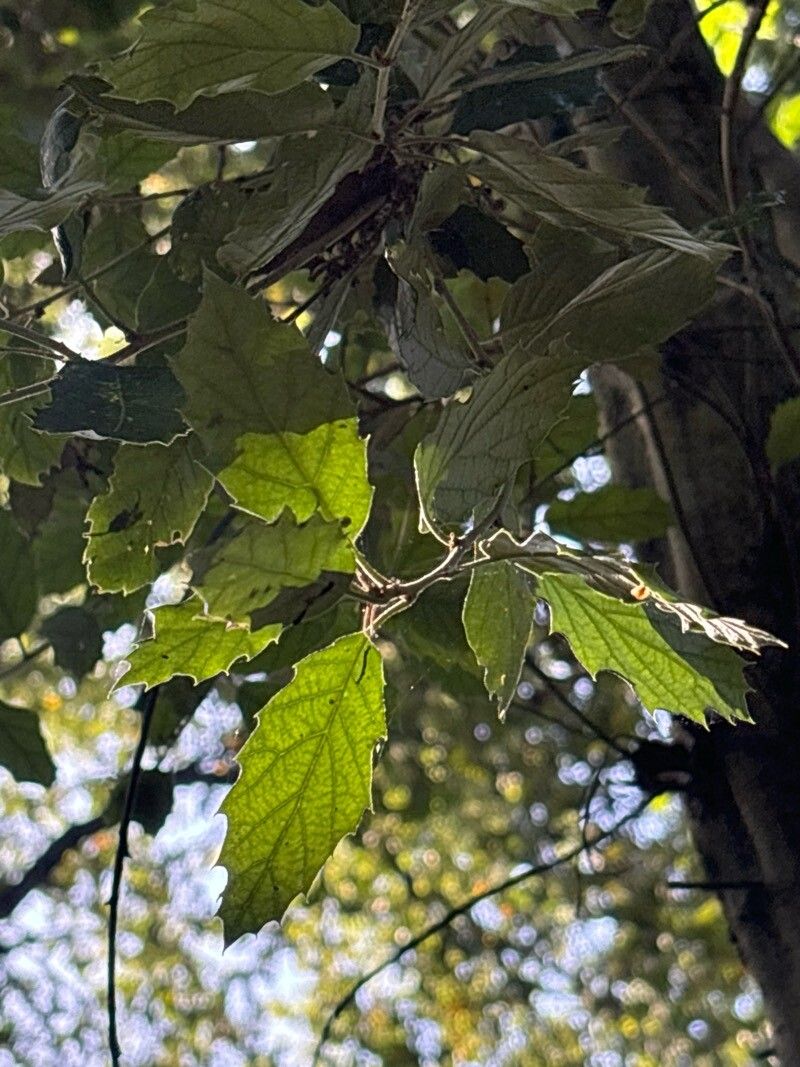
Quercus ciliaris is a species of oak native to China in the provinces of Anhui, Fujian, Gansu, Guangdong, Guangxi, Guizhou, Hubei, Hunan, Jiangsu, Jiangxi, Shaanxi, Sichuan, Zhejiang.
Quercus ciliaris displays strong resistance to disease and is generally not susceptible to illnesses. In terms of care, the plant is fairly low-maintenance. When grown outdoors it needs only minimal watering, and larger plants typically do not require pruning. Smaller plants, however, should be pruned after they have finished blooming. Quercus ciliarist is suitable for anyone with an outdoor area, such as a garden or deck, and does not demand much gardening experience.
How to keep Quercus Ciliaris.
Light
Quercus ciliaris thrives best with abundant daily sunlight, mirroring its sun-soaked ancestral habitats. Nevertheless, it is capable of withstanding reduced light periods. Both excessive sunlight or insufficient light can inhibit its growth and compromise its general health.
Water
Quercus ciliaris, native to areas with intermittent rainfall, thrives with infrequent watering—ideally every 2 to 3 weeks. It adapts well to changing weather conditions, exhibiting strong growth during seasonal rains and tolerating short periods of drought thanks to its efficient water storage capabilities.
Temperature
Quercus ciliaris shows remarkable flexibility in dealing with diverse climatic conditions, including searing summers and cold winters. Nevertheless, there is a preferable temperature zone for its growth. When the weather gets too hot, the plant is susceptible to distress from heat and dampness, which could lead to its death. In locations where the temperature nears the minimum of its cold endurance range, it's crucial to employ insulating strategies to safeguard the plant.
Fertilizer
For fostering robust development, administer fertilizer to your Quercus ciliaris during the onset of spring. Consistent fertilization augments general health, leading to forceful growth, increased hardiness under challenging circumstances, and superior resistance to diseases and pests. Establish and follow a precise fertilization timetable for your Quercus ciliaris to guarantee vibrant, richly colored leaves and a luxuriant look.
Pruning
Quercus ciliaris is known for its distinctively lobed leaves and sturdy structure. To promote growth and reduce the risk of disease, prune it in early spring. Removing dead branches and maintaining its shape can improve both air circulation and sunlight exposure. Be sure to use clean tools and avoid heavy pruning to preserve the tree's health and appearance.
Botanical profile.
- Plant Type
- Tree
- Life Cycle
- Perennial
- Genus
- Quercus
- Family
- Fagaceae
- Hardiness Zone
- 6-9
- Mature Height
- 14.94 m
- Mature Spread
- 10.06 m to 14.94 m
- Leaf Color
- Dark Green, Forest Green
- Leaf Type
- Deciduous
- Flower Size
- 1.02 cm to 1.52 cm
- Bloom Time
- Mid spring, Late spring
- Planting Time
- Spring, Summer
- Harvest Time
- Late summer, Early fall, Mid fall