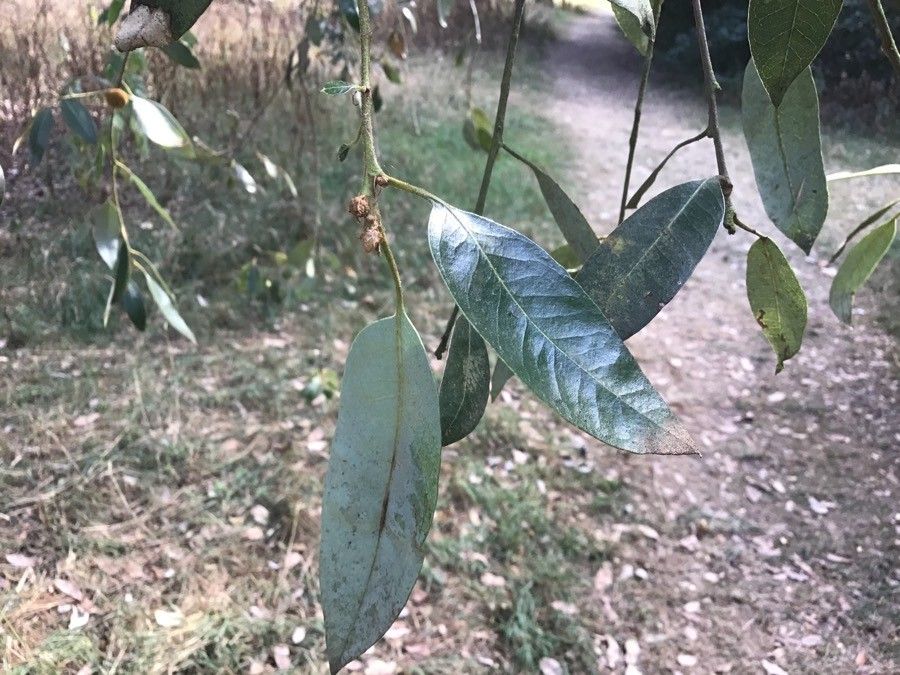
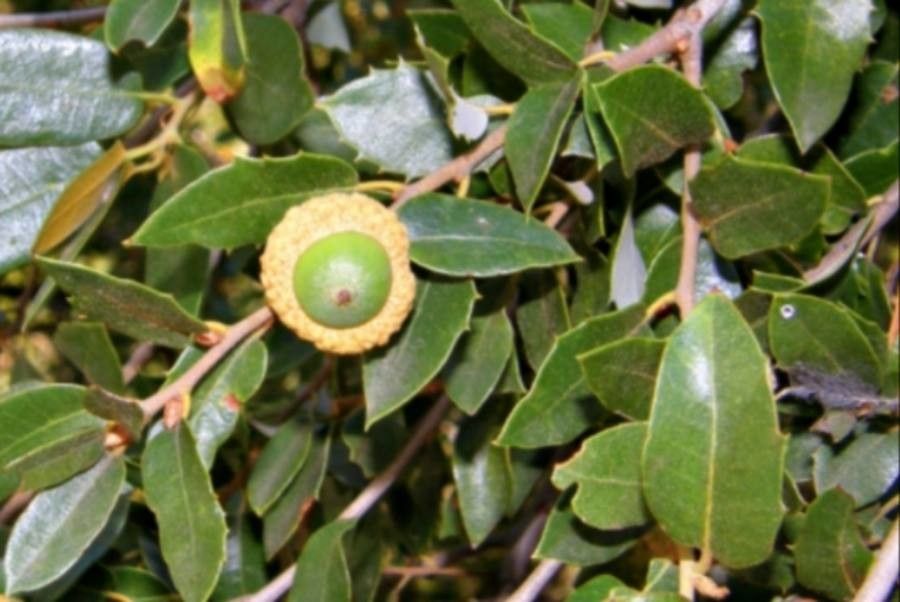
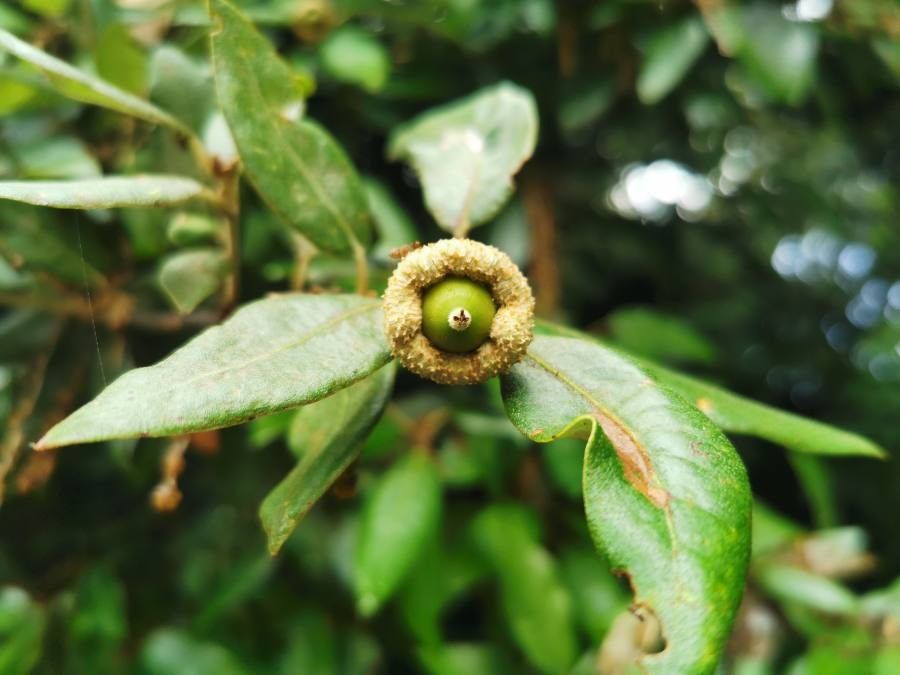
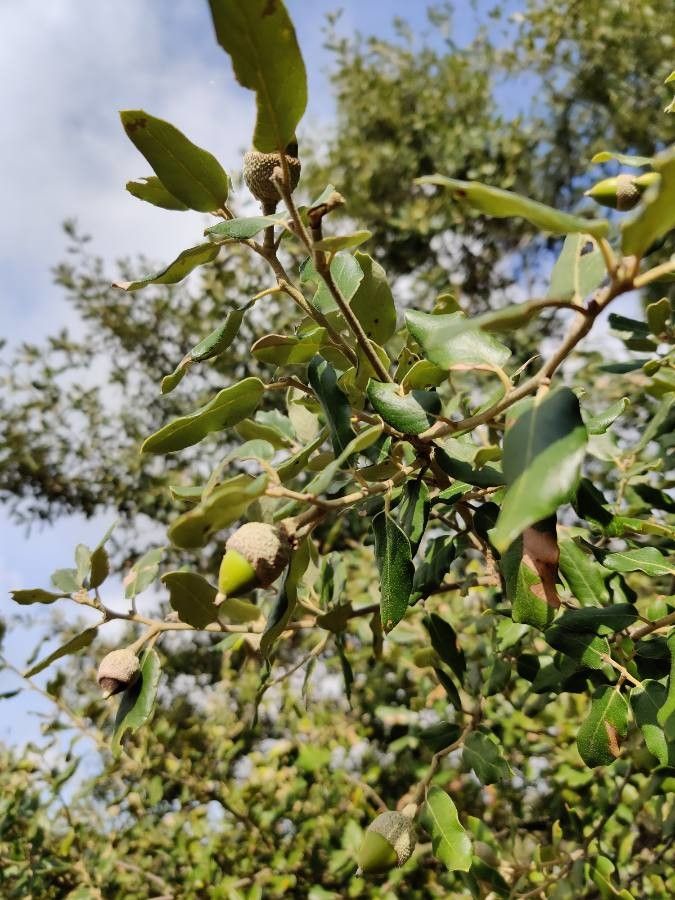
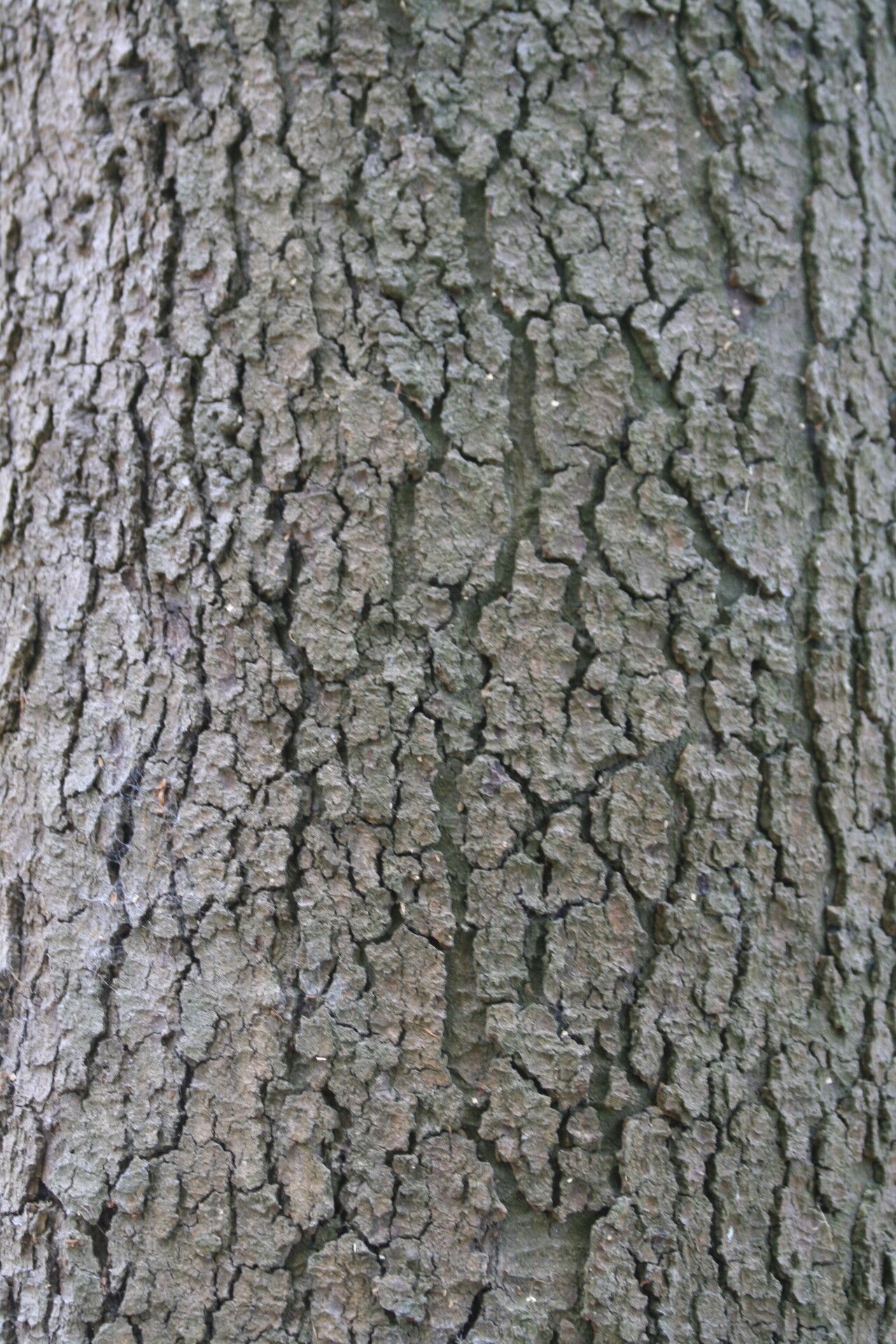
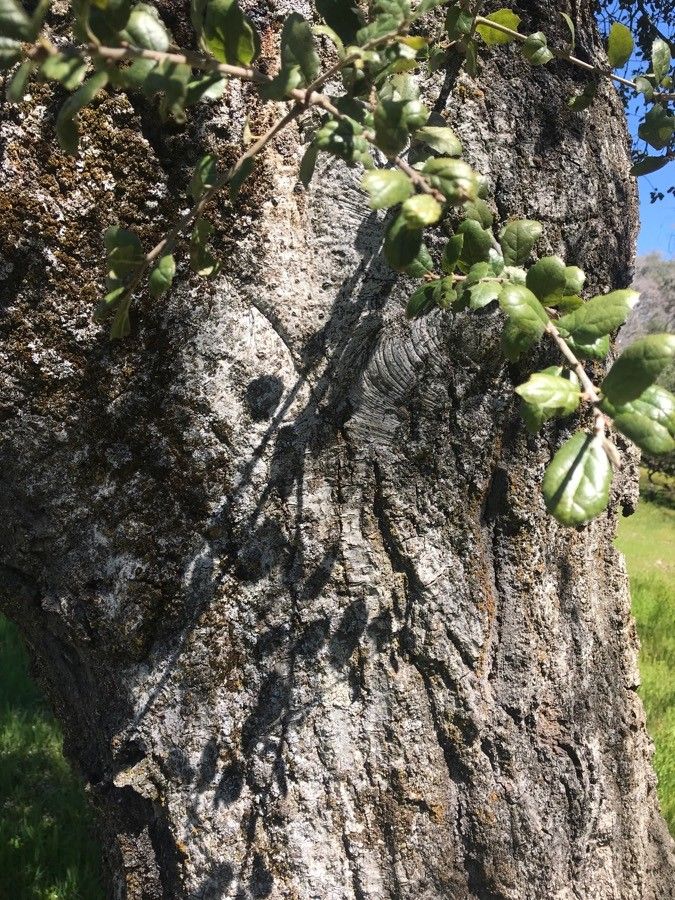
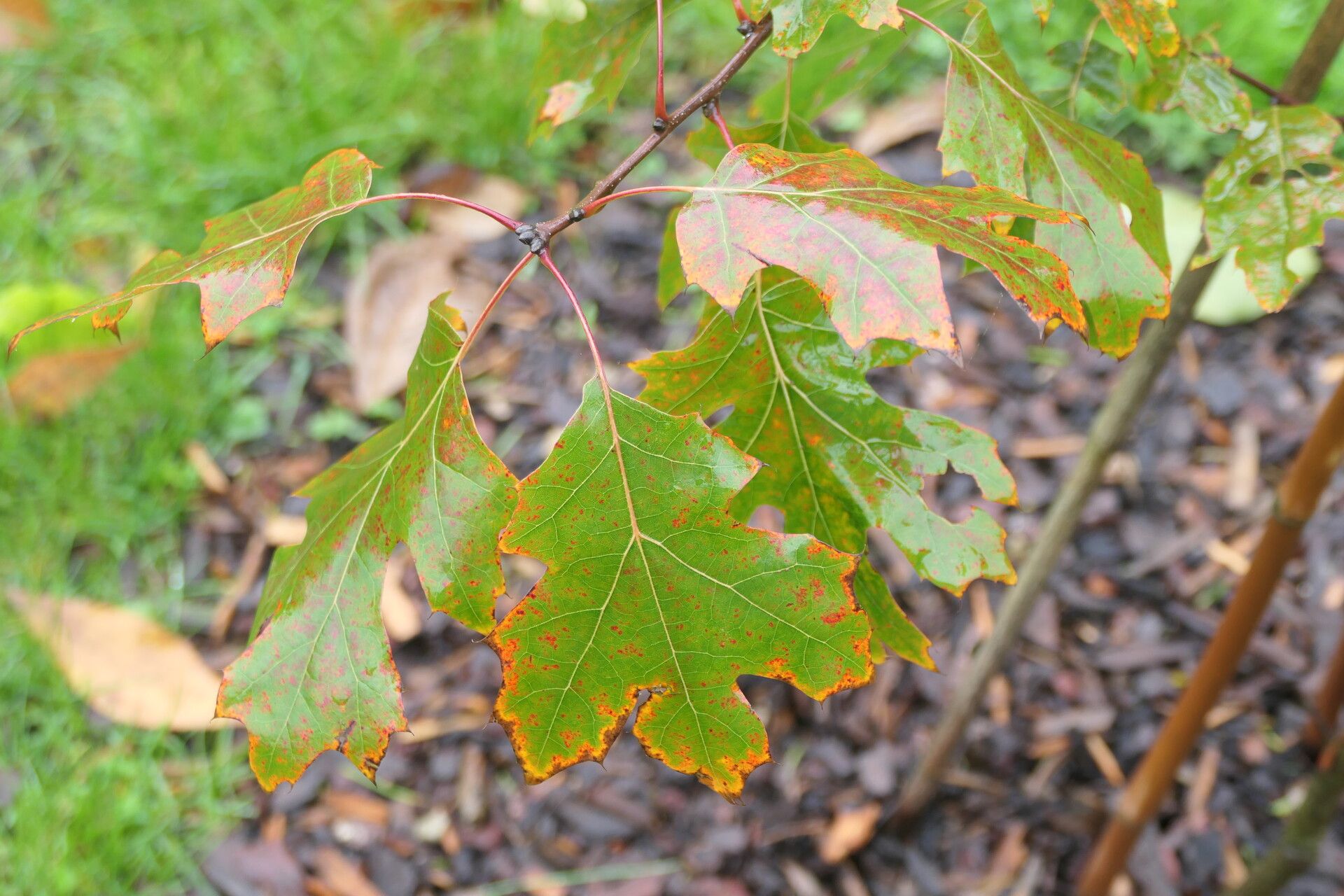
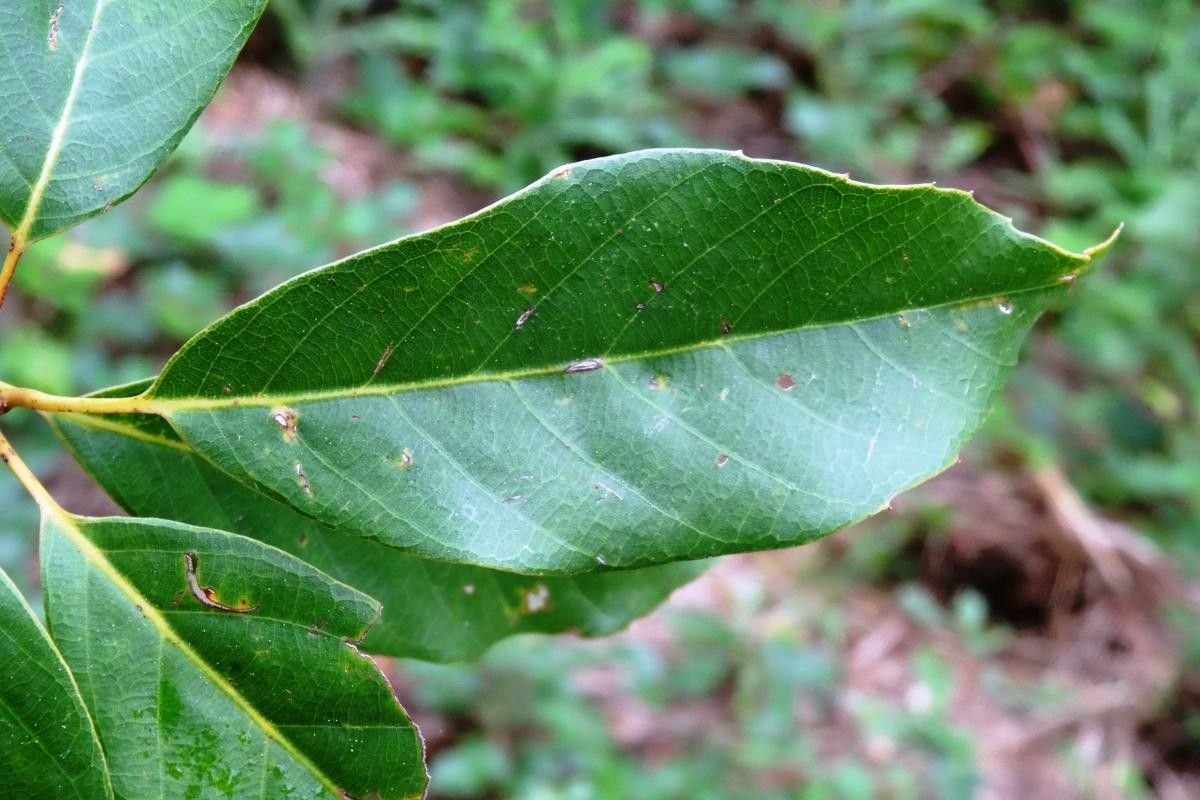
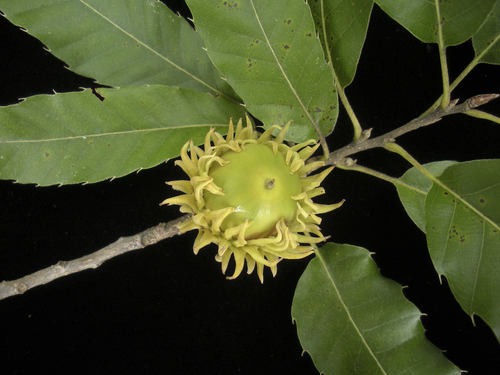
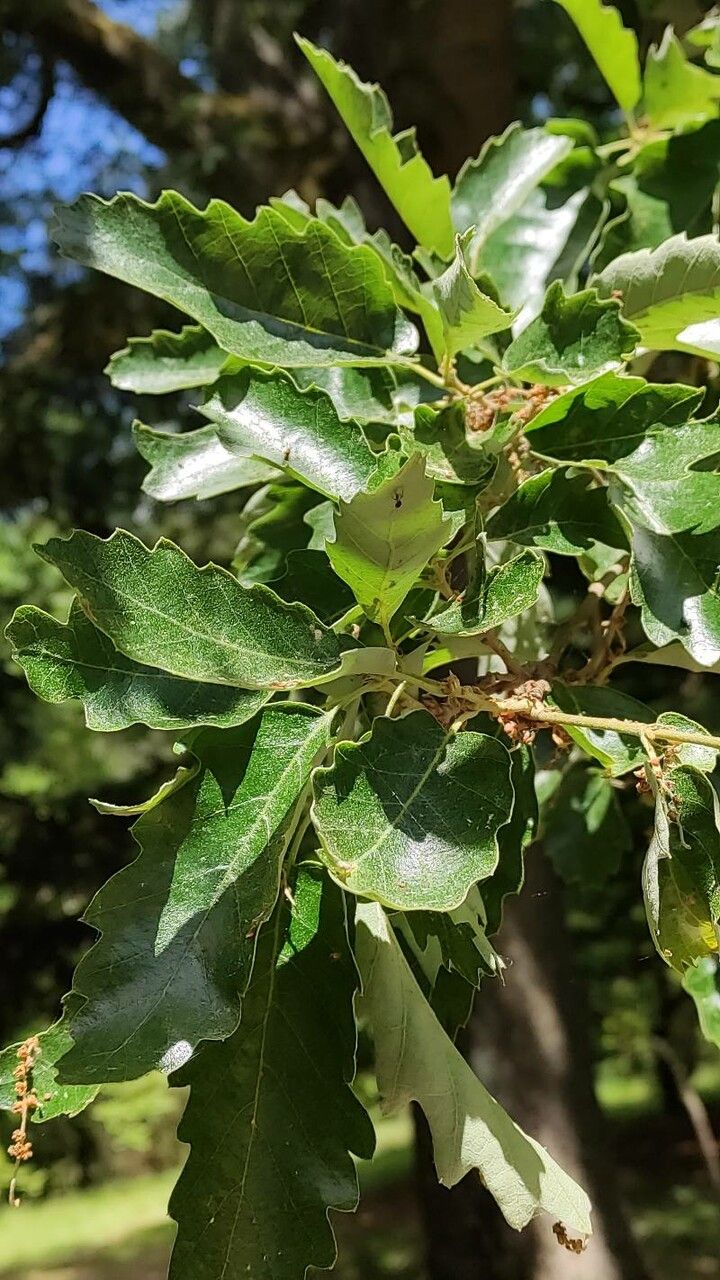
Quercus chrysolepis, commonly known as the canyon live oak or maul oak, is an evergreen oak species native to the western United States, specifically found in the canyons and foothills of California, Oregon, and Baja California. This tree can reach a height of up to 80 feet and has a trunk diameter of up to 4 feet. Its leaves are dark green, leathery, and have spiny margins to protect against herbivores. The acorns produced by this tree serve as a crucial food source for wildlife such as deer, squirrels, and birds. Additionally, Quercus chrysolepis is valued for its strong and durable wood, often used in furniture making and construction. This species plays a vital role in maintaining healthy ecosystems by providing habitat for wildlife and stabilizing soil on steep slopes with its extensive root system.
Canyon live oak is fairly resistant to disease and is generally not susceptible to illnesses. In terms of care, this plant is relatively low-maintenance. When planted outdoors it needs minimal watering, and larger plants typically do not require pruning. Smaller plants, however, should be pruned after they have finished blooming. Canyon live oak is suitable for anyone with an outdoor space, such as a garden or deck, and does not require much experience in plant care.
How to keep Quercus Chrysolepis.
Light
Canyon live oak grows best in partial shade but can tolerate full sun. This characteristic reflects its native forest environment where light conditions vary. Too much direct sunlight can cause dehydration and leaf scorch, while too little light can restrict its growth.
Water
The Canyon live oak is highly drought-tolerant and thrives with minimal moisture. Ideally, it should be watered once every 2-3 weeks. This tree prefers well-draining soil to prevent root rot and benefits from dry periods between waterings. These characteristics reflect its adaptation to arid conditions and rugged outdoor habitats.
Temperature
The native habitat of canyon live oak is highly variable, though it is most often found in temperate regions. It prefers temperatures from 32 to 95 ℉ (0 to 35 ℃) and can endure winter lows as low as 23 ℉ (-5 ℃). During hotter months, watering should be increased to offset the higher rate of evapotranspiration.
Fertilizer
Fertilize your Canyon live oak in early spring to encourage healthy growth. Regular feeding boosts overall health, producing vigorous growth, greater tolerance of difficult conditions, and enhanced resistance to pests and diseases. Keep a clear fertilization schedule for your Canyon live oak to maintain foliage that is richly colored and lush in appearance.
Pruning
Canyon live oak benefits from pruning during the dormant winter months. Pruning at this time helps to remove damaged branches, improve air circulation, and shape the tree. Focus on developing a strong central leader and a balanced canopy to enhance both the health and appearance of the tree. Be careful not to over-prune, as this can cause stress and compromise the tree's structural integrity.
Botanical profile.
- Plant Type
- Tree
- Life Cycle
- Perennial
- Genus
- Quercus
- Family
- Fagaceae
- Hardiness Zone
- 3-9
- Mature Height
- 20.12 m
- Mature Spread
- 10.06 m
- Leaf Color
- Green, Blue, Yellow, White, Gray, Gold, Silver
- Leaf Type
- Evergreen
- Flower Color
- Yellow, Green, Brown, Cream, Gold
- Flower Size
- 0.20 cm to 0.25 cm
- Bloom Time
- Mid spring, Late spring
- Planting Time
- Spring
- Harvest Time
- Mid summer, Late summer, Early fall
- Native Area
- Mexico
Other names.
Reader questions.
How should I water my Canyon live oak tree?
Watering your Canyon live oak is an easy task that can be done using various tools, such as watering cans, hoses, or even cups. Regardless of the tool you choose, it's important to water directly onto the soil, making sure all areas are moistened equally to provide water to the entire root system. Using filtered water is recommended to avoid harmful particles found in tap water. Additionally, it is beneficial to use water that is at or slightly above room temperature, as extreme temperatures can shock the Canyon live oak. However, this plant usually responds well to any type of water you provide.
Why should I put fertilizer on my Canyon live oak tree?
Ensuring the health of your Canyon live oak, regardless of its type, is easy with regular fertilization. Providing the right nutrients leads to stronger growth, making your tree more resilient against harsh conditions and better able to fend off diseases and pests. The foliage of your Canyon live oak is particularly appealing, so maintaining its beauty requires a consistent fertilization routine tailored to your specific tree. This will promote the development of vibrant, lush leaves with rich colors.
What are the sunlight requirements for plants?
Plants have varying needs for sunlight, classified into partial sun and full sun requirements. Partial sun plants flourish with about 3-6 hours of sunlight per day, while full sun plants thrive with more than 6 hours of sunlight. It's crucial to observe your garden's sunlight exposure throughout the day to select spots that provide an ideal balance of light and shade, which is essential for the well-being of your plants.
What is the native growth environment for Canyon Live Oak?
Canyon Live Oak, with its botanic name Quercus chrysolepis, is adaptable to a wide variety of temperate climates. It thrives in temperatures ranging from 32 to 95°F (0 to 35°C) and can withstand winter lows down to 23°F (-5°C). The tree shows strong cold resistance and typically doesn’t require special frost protection. However, in regions where temperatures might drop below its tolerance levels, it's advisable to safeguard the tree by insulating the trunk and branches. Furthermore, to combat potential drought and water scarcity during the colder months, ample watering before the initial freeze of autumn is recommended so that the soil remains moist.
If I give too much or too little water to my Canyon live oak, what should I do?
When it comes to outdoor plants, especially newly planted ones or seedlings, they can easily suffer from lack of water. It's important to remember that for the first few months after planting a small or new tree, consistent watering is necessary. This is because once the roots are established, Canyon live oak trees can usually rely on rainwater. When it comes to potted Canyon live oak trees, overwatering is a common issue. If you accidentally overwater your tree, it's important to act quickly to fix the situation. First, stop watering the plant immediately to minimize the impact of overwatering. Then, you can remove the tree from its pot to check the roots. If there are no signs of root rot, you can put the tree back in the pot. However, if you do find signs of root rot, you should trim away the affected roots and consider using a fungicide to prevent further damage. Finally, make sure to repot the Canyon live oak tree in well-draining soil. On the other hand, underwatering is a simpler problem to fix. If your Canyon live oak tree is underwatered, its leaves will droop, dry out, and fall off. However, once you water it sufficiently, the leaves will quickly regain their fullness. If you notice underwatering, make sure to adjust your watering schedule promptly.
When should I fertilize my Canyon live oak?
To properly care for your Canyon live oak, it's important to fertilize it at the right times. The first time you should fertilize is in late winter or early spring. This helps the oak get the nutrients it needs for healthy growth once the weather warms up. If you live in a warm climate region, it's also helpful to provide another fertilization in early fall. This not only adds nutrients for the next growing season but also helps the oak become more resilient to winter cold. By fertilizing earlier, the new branches will have enough time to grow and withstand the cold winter.
How does canyon live oak respond to different light conditions?
The canyon live oak is adaptable to various light conditions. In its natural forested habitat, it is accustomed to fluctuating light levels, thriving in semi-shaded areas but also capable of withstanding full sunlight. Although it can cope with diverse lighting, excessive sunlight may cause dehydration and leaf scorching, while inadequate light might slow down its growth. For indoor plants facing light limitations, especially during winter or in areas with less natural sunlight, artificial lighting can be a crucial alternative, enhancing growth by providing the necessary wavelengths and intensity.
How does low temperature affect Canyon Live Oak, and what measures should be taken?
Low temperatures can be endured by Canyon Live Oak due to its substantial cold tolerance, optimal growth being noted at temperatures exceeding certain warmth thresholds. Despite tolerating quite low temperatures over winter without visible harm, temperatures below the critical lower limit can cause the branches to turn brittle and dry out by spring, with a noticeable lack of new shoots. To address this, pruning of the dead branches in the spring, which do not produce new leaves, is advised to encourage healthier growth.
How often should I give water to my Canyon live oak tree?
Plants that grow outdoors usually rely on rainfall, but if your area doesn't get enough rain, you need to water them every 2 weeks in spring and fall. In the summer, they will need more frequent watering. In winter, when plants don't grow as much, water sparingly or not at all. Young or newly planted Canyon live oak trees need more watering to help them establish and grow. For potted plants, there are two ways to determine watering frequency. You can either stick to a set schedule, like once a week or every other week, but this may not always be accurate for your specific plant. Alternatively, you can check the moisture level in the soil and water when the top two to four inches have dried out completely.
When is the best time to not use fertilizer on my Canyon live oak?
To ensure the health of your Canyon live oak, it's important to know when not to fertilize. Firstly, avoid fertilizing during the early and mid-winter months when the tree is dormant and doesn't require feeding. Similarly, it's not recommended to fertilize in late spring and throughout summer due to the hotter and drier weather conditions. Fertilizing during these times can have a negative impact on the tree. Instead, stick to a fertilization schedule that focuses on feeding during early spring and early fall.
What are the symptoms of light deficiency in canyon live oak?
Canyon live oak exhibits several symptoms when exposed to insufficient light. These include smaller new leaves, leggy or sparse growth due to longer spaces between stems or leaves, faster leaf drop as older leaves are shed to conserve resources, and a halt in new growth. Leaf color may become lighter, indicating a lack of chlorophyll, and chlorosis might occur, causing leaves to lose their green color and turn yellow. Additionally, excessive sunlight can lead to symptoms like sunscald, leaf curling, wilting, and leaf scorching, which negatively affect the plant's health.
What are the effects of high temperature on Canyon Live Oak and how can they be mitigated?
Canyon Live Oak prefers to be kept under maximum temperature thresholds during the summer months. Exceeding these temperatures can result in lighter leaf colors, dry and withered tips, and increased susceptibility to sunburn. To combat these issues, it is recommended to trim away the damaged parts of the plant, relocate it to a shadier spot or make use of shade cloth to protect it from intense midday and afternoon sun. Additionally, ensuring the soil stays moist through watering in the cooler times of the day, such as morning and evening, helps alleviate the stress caused by high temperatures.