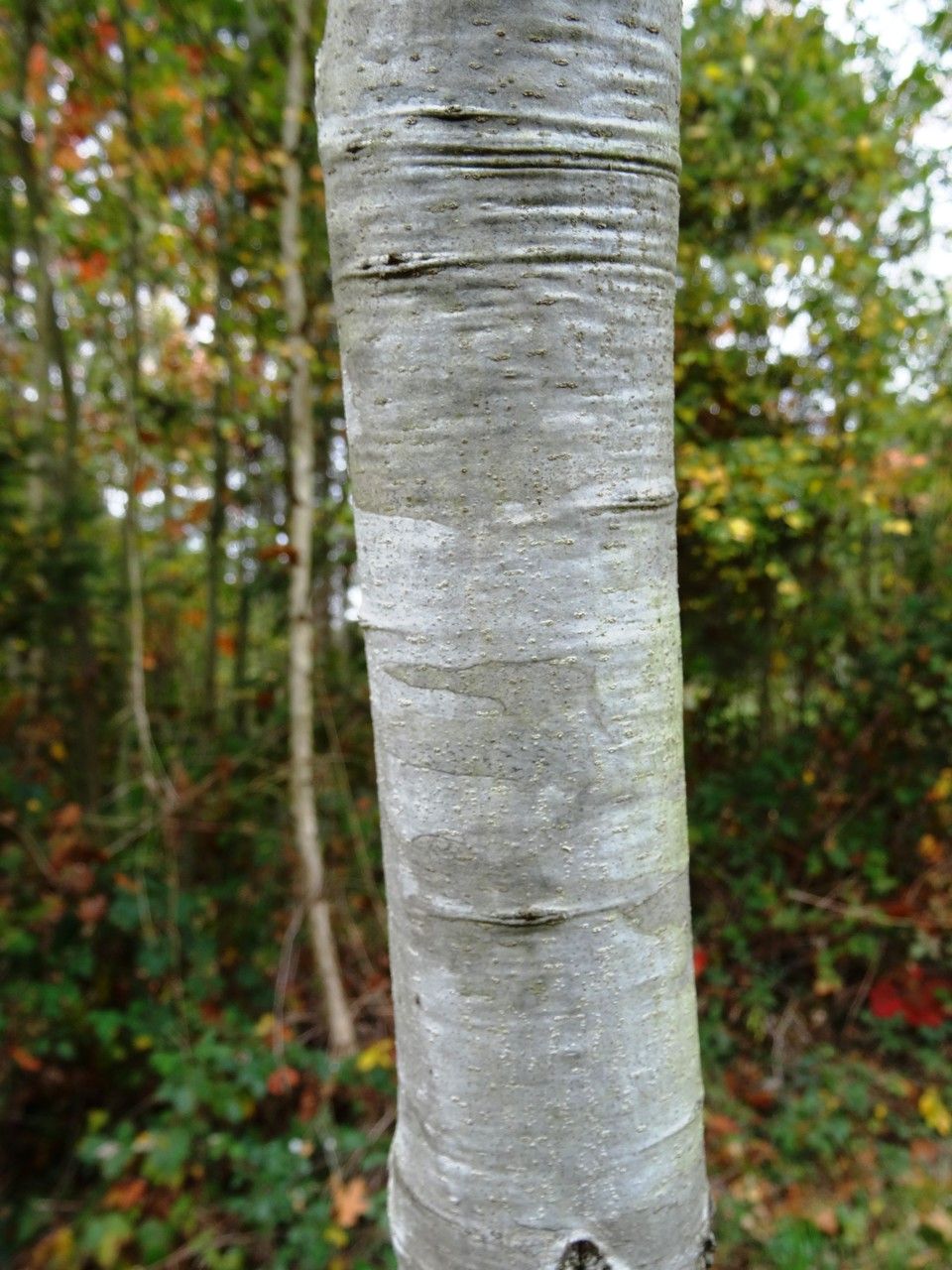
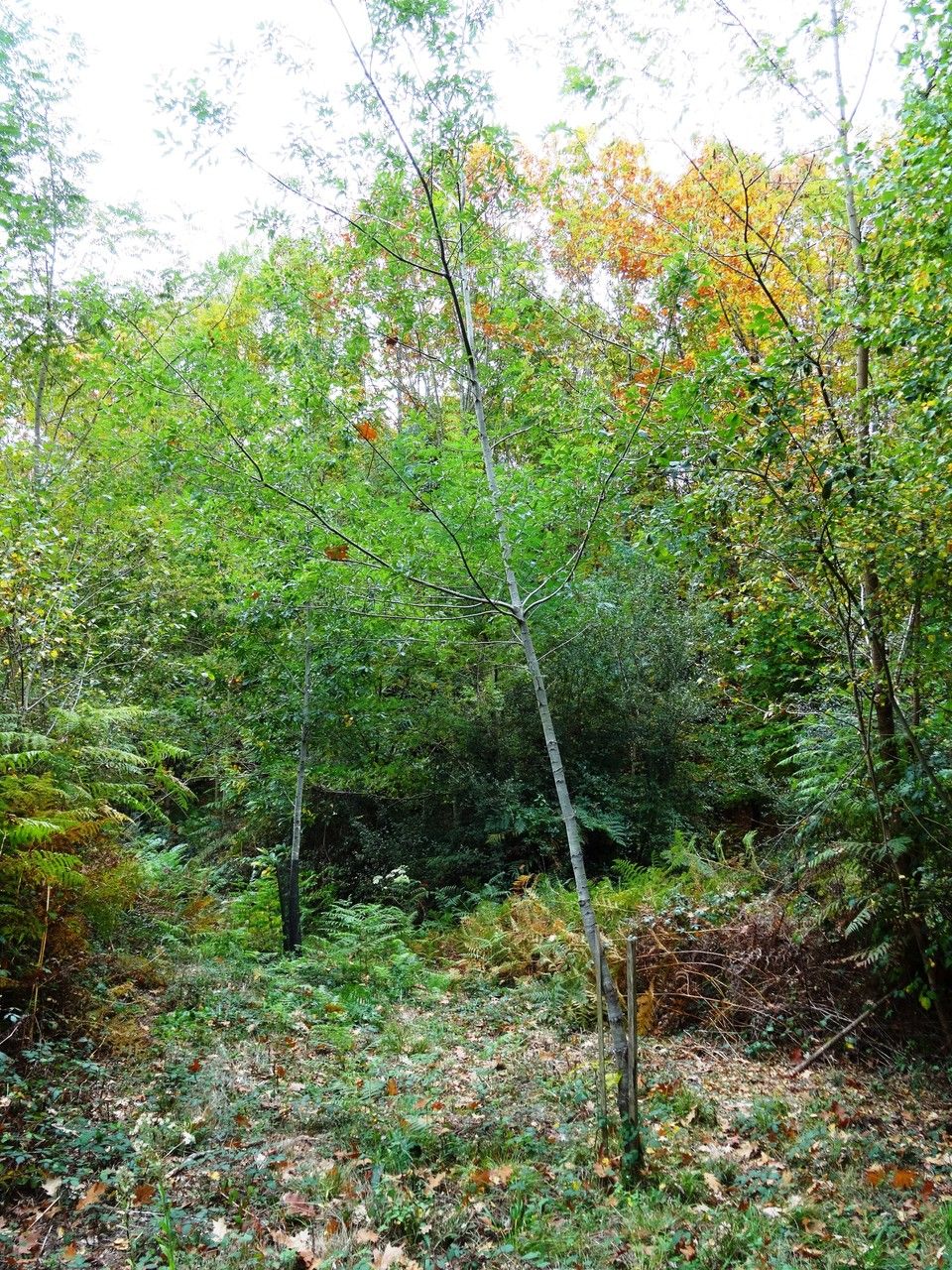
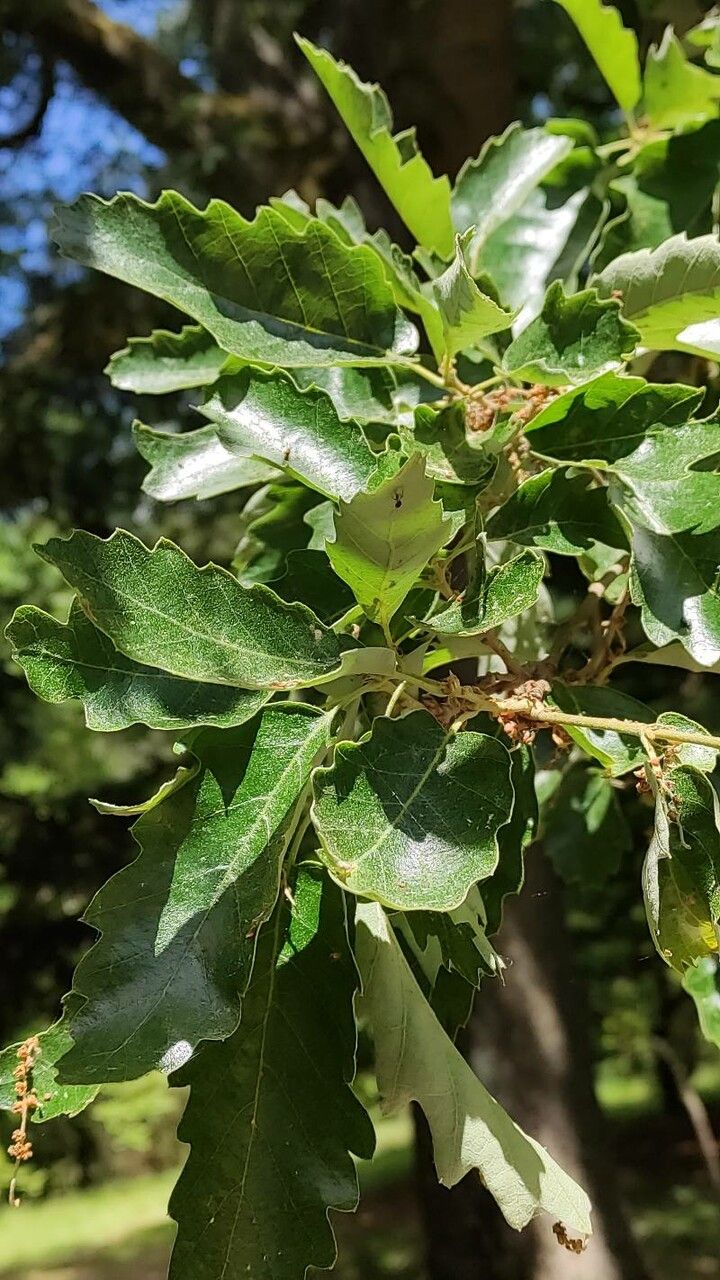
Quercus canbyi, commonly known as Canby oak, is a species of oak tree native to the western United States. This medium-sized deciduous tree can reach heights of up to 20 meters and has a trunk diameter of up to 60 centimeters. The bark is grayish-brown and deeply furrowed, giving it a rugged appearance.
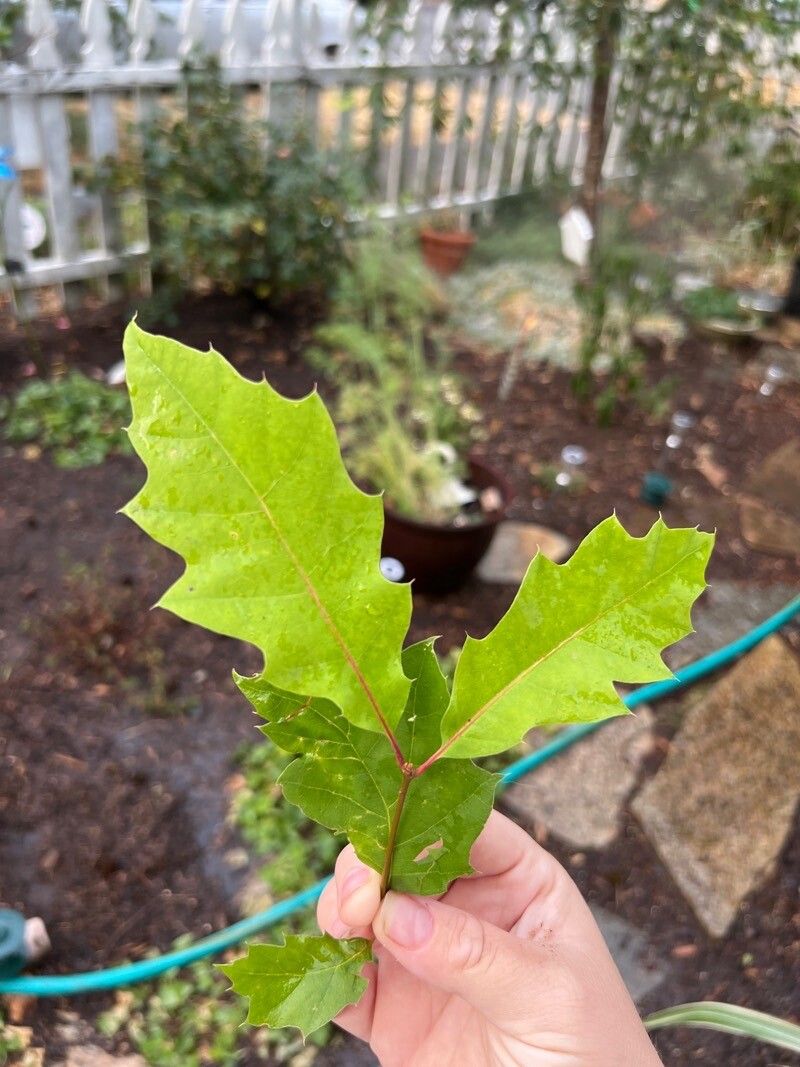
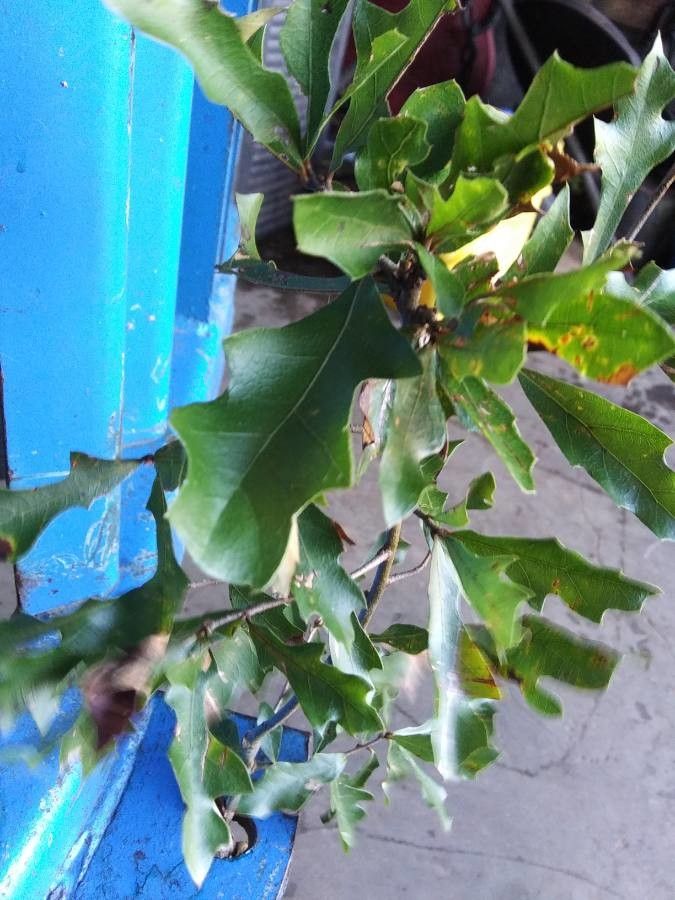
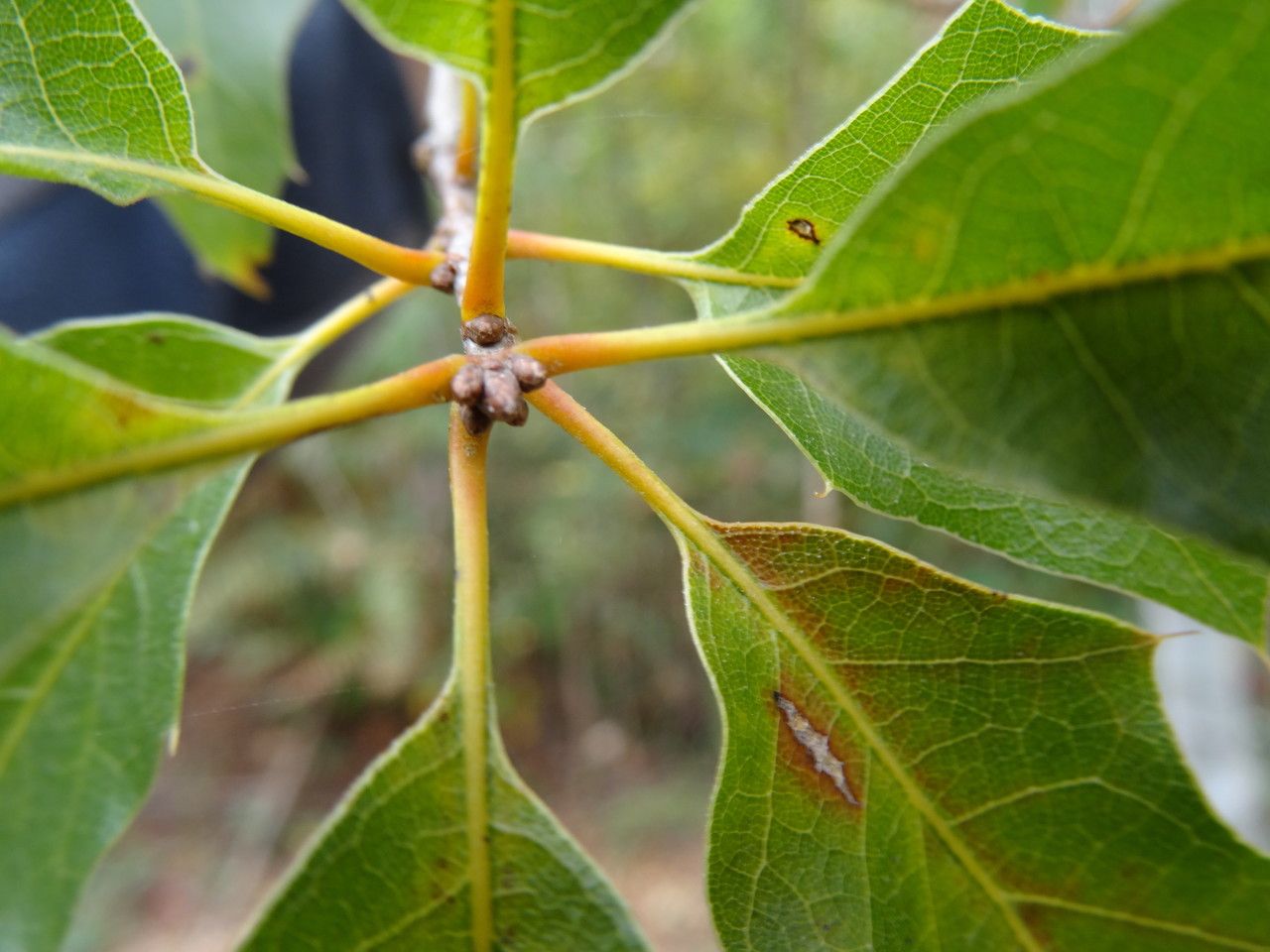
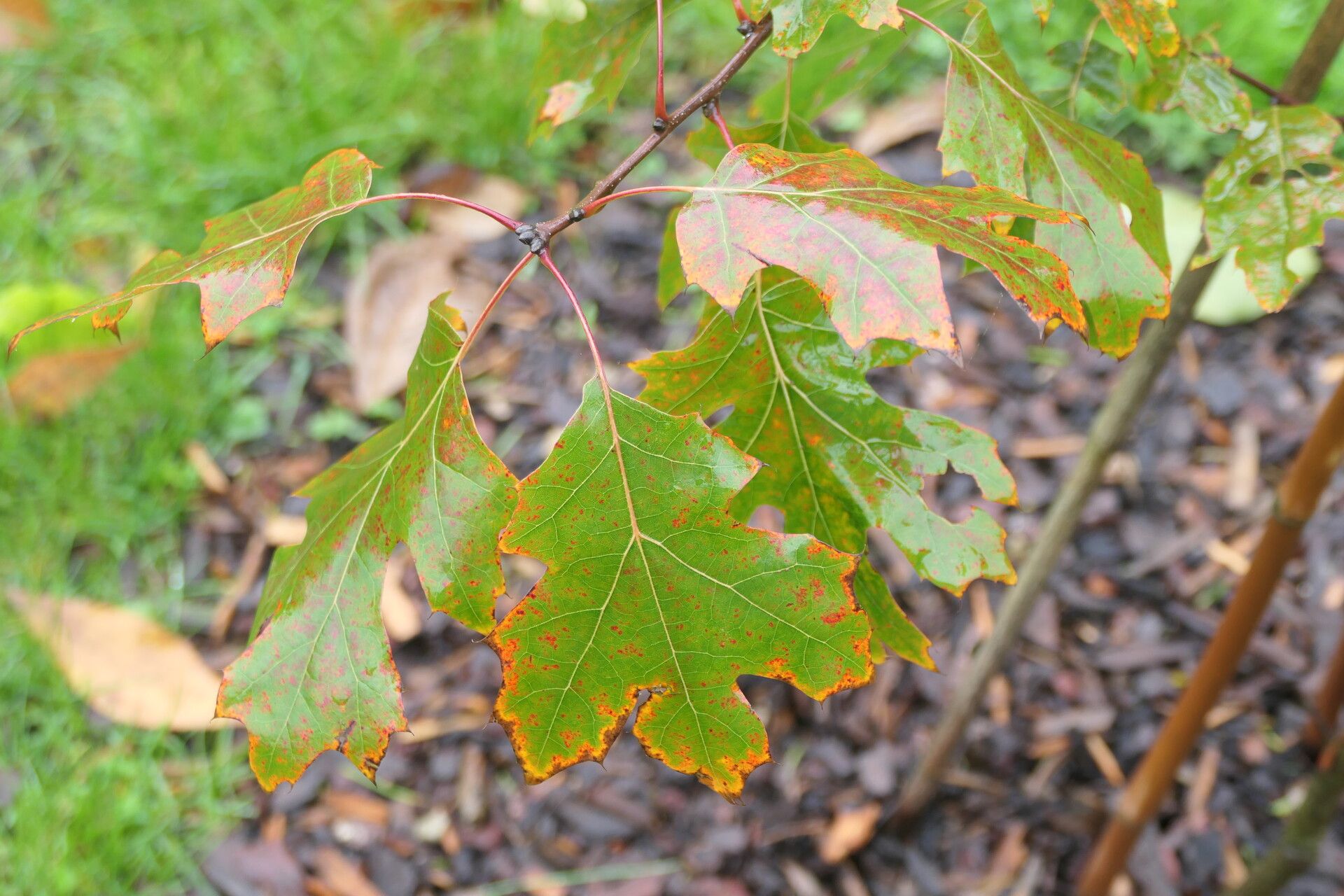
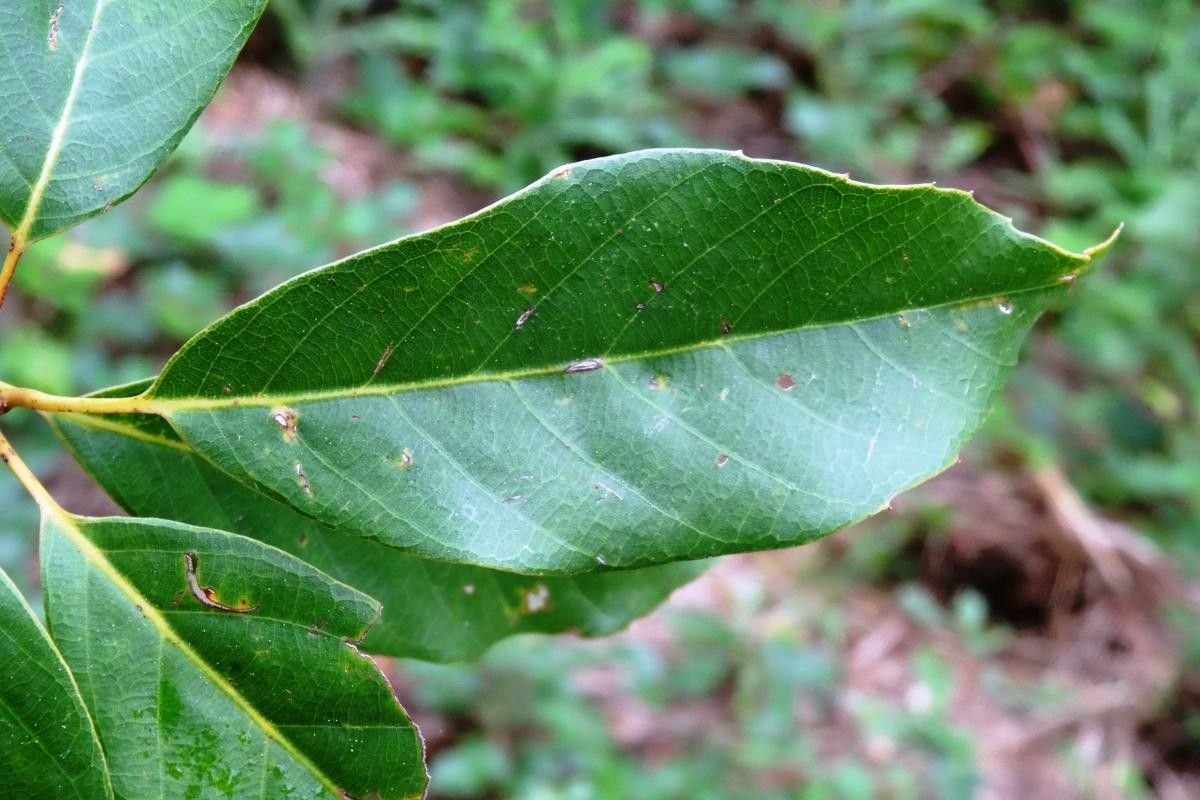
The leaves of the Canby oak are simple, alternate, and oval-shaped with serrated edges. They are dark green on the upper side and lighter underneath, turning yellow or reddish-brown in the fall before they drop off for the winter.
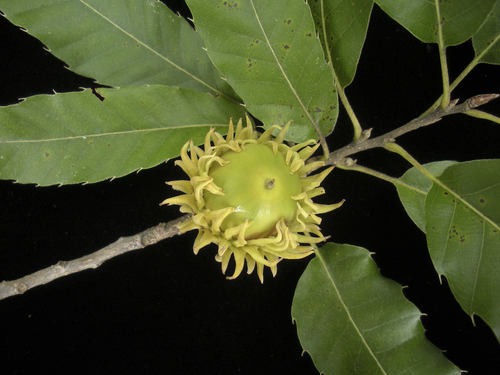
The Canby oak produces acorns that are approximately 2 centimeters long, with shallow cups. These acorns mature in one year and serve as a food source for wildlife such as squirrels, deer, birds, and bears.
This species thrives in well-drained soils and can grow in both sunny and partially shaded areas. It is commonly found at elevations between 1,000 and 2,500 meters above sea level, often alongside other oaks like Quercus gambelii (Gambel oak) and Quercus turbinella (Arizona white oak).
Quercus canbyi holds cultural significance for Native American tribes, who used its bark for medicinal purposes and its branches for basket-making. Today, it remains an important part of many forest ecosystems due to its ecological value and its aesthetic appeal in landscaping projects.
Mexican red oak shows strong resistance to disease and typically does not suffer from many illnesses. Regarding maintenance, this plant is fairly low-maintenance. When grown outdoors it needs only light watering, and mature plants usually do not require pruning. Young plants, however, should be pruned after they finish blooming. Mexican red oak is appropriate for anyone who has outdoor space — for example a garden or a deck — and it does not demand extensive gardening experience.
How to keep Quercus Canbyi.
Light
Mexican red oak is native to open habitats, such as sunny meadows and forest margins, which offer abundant light. It does best in Full Sun but will tolerate Partial Sun, demonstrating good adaptability to different sunlight exposures.
Water
The Mexican red oak is moderately drought-tolerant and thrives in semi-arid environments. For the best results, it should be watered every 1 to 2 weeks. As an evergreen tree, the Mexican red oak keeps its leaves throughout the year, which helps conserve water during dry spells.
Temperature
Mexican red oak is highly adaptable to a range of climate conditions, from blistering summers to cold winters. Still, it has an optimal temperature range for healthy growth. When temperatures get too high, the tree is susceptible to heat and humidity stress, which can lead to its death. In areas where temperatures approach the lower threshold of its cold tolerance, it is important to provide insulation to protect the plant.
Fertilizer
Fertilize your Mexican red oak in early spring to encourage healthy growth. Regular feeding improves overall health, leading to vigorous growth, better tolerance of harsh conditions, and enhanced resistance to pests and diseases. Keep a consistent fertilization schedule for your Mexican red oak to preserve vibrant, deeply colored foliage and a lush appearance.
Pruning
The Mexican red oak is a deciduous tree known for its vibrant red leaves. To maintain its health and improve its appearance, it is best to prune the tree in early spring. Focus on removing dead or damaged branches and enhancing air circulation among the branches. Use clean, sharp tools during pruning to prevent the spread of disease.
Botanical profile.
- Plant Type
- Tree
- Life Cycle
- Perennial
- Genus
- Quercus
- Family
- Fagaceae
- Hardiness Zone
- 7-10
- Mature Height
- 12.19 m to 15.24 m
- Mature Spread
- 9.14 m to 14.94 m
- Leaf Color
- Dark Green, Forest Green
- Leaf Type
- Semi-evergreen
- Flower Size
- 0.20 cm to 0.25 cm
- Bloom Time
- Mid spring, Late spring
- Planting Time
- Spring, Summer, Autumn
- Harvest Time
- Late summer, Early fall, Mid fall
- Native Area
- Mexico
Reader questions.
What are the sunlight requirements for a Mexican red oak (Quercus canbyi)?
For a Mexican red oak (Quercus canbyi), it's crucial to understand its sunlight needs to ensure its happiness and health. The tree requires 'full sun,' which is defined as receiving above 6 hours of sunlight daily, to thrive optimally. However, it can also tolerate 'partial sun,' meaning it can grow well with about 3-6 hours of sunlight each day. When planting a Mexican red oak, observe how sunlight moves through your garden over time. Choose planting spots that strike a perfect balance of light and shade to meet the tree's sunlight requirements.
What is the Mexican Red Oak?
The Mexican Red Oak, known botanically as Quercus canbyi, is a species of oak native to a specific region. Unfortunately, the provided data does not include information on its characteristics, common uses, or the essentials related to its care and growth conditions.