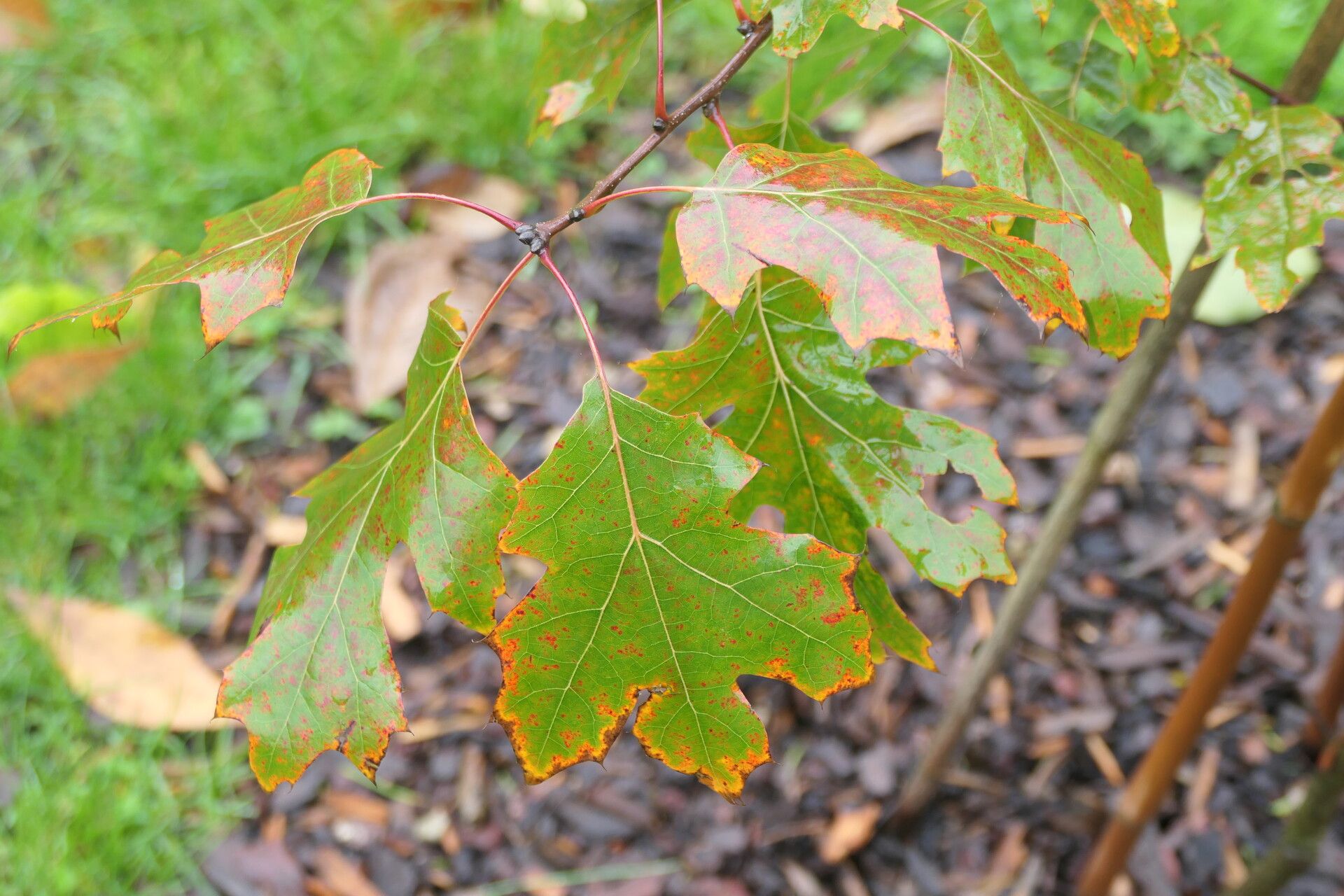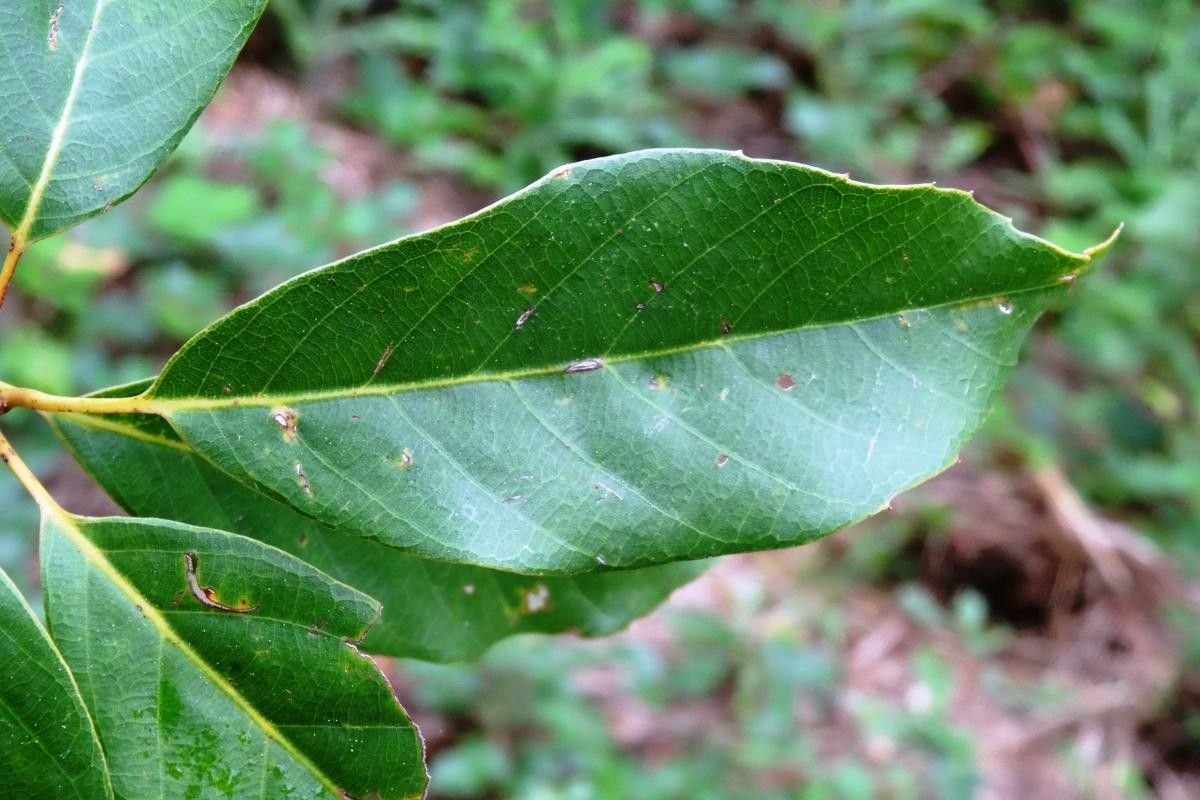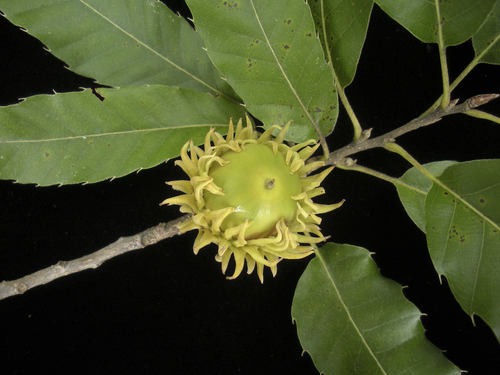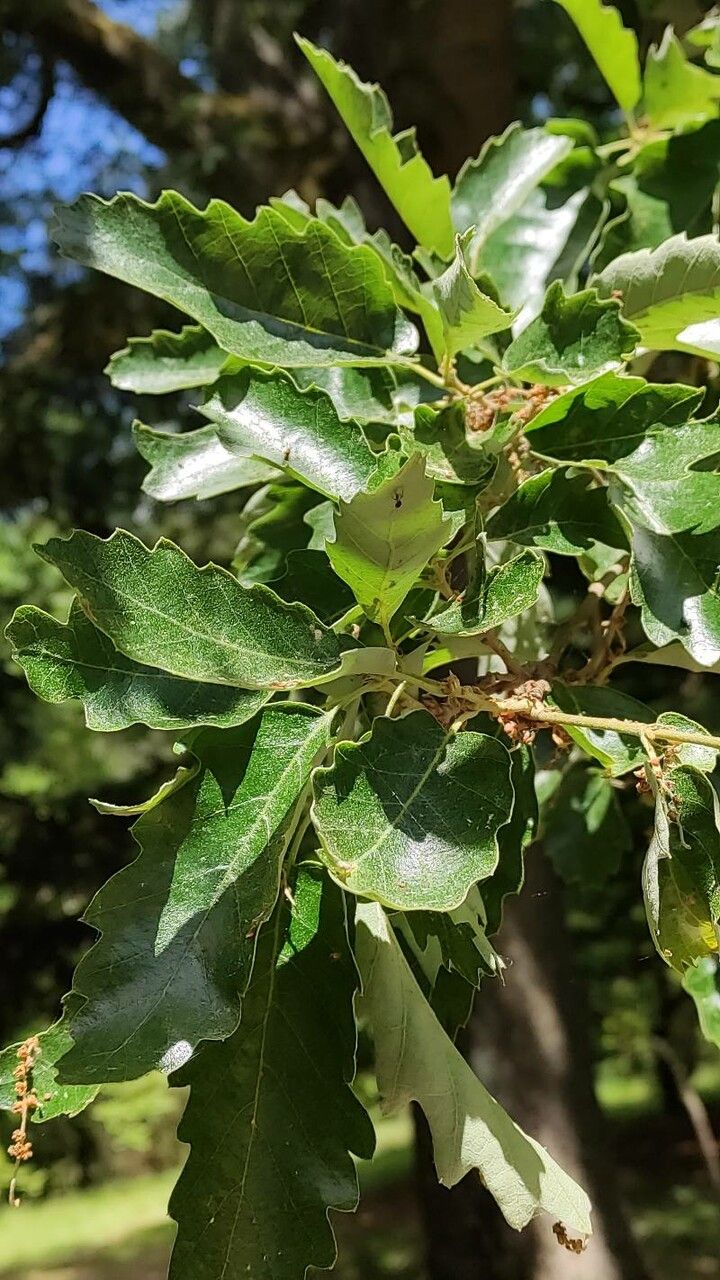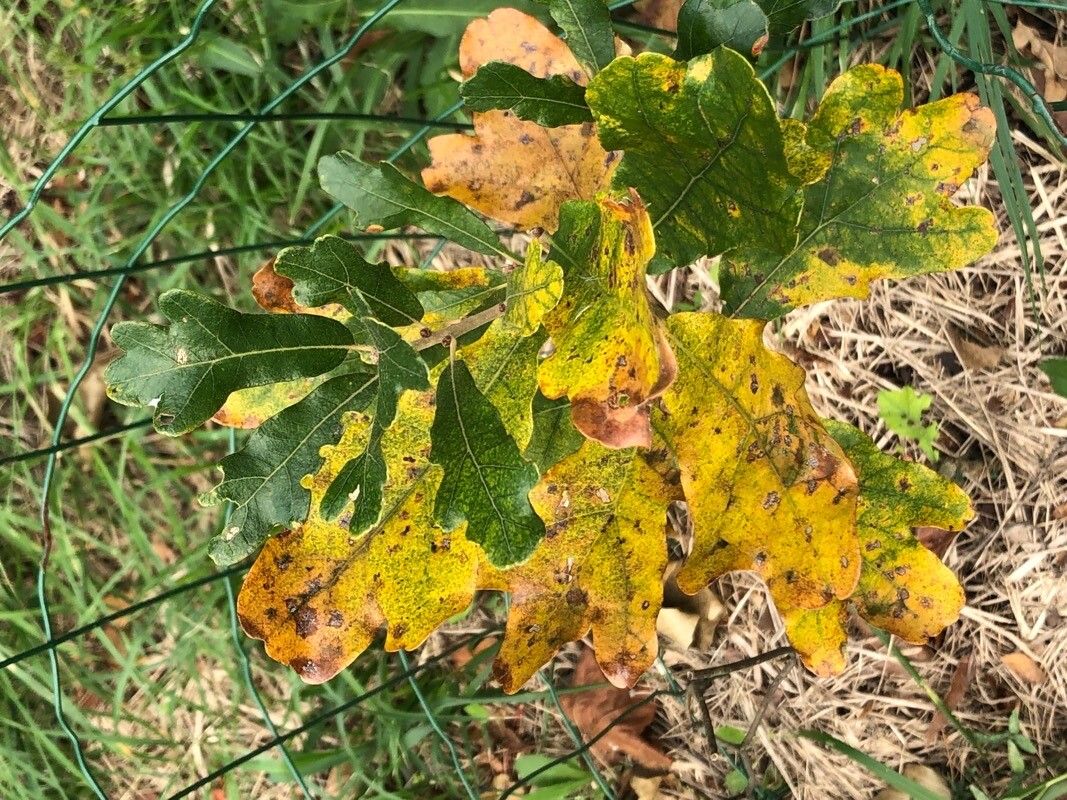
Quercus boyntonii, commonly known as Boynton oak, is a species of oak tree native to the southeastern United States. It is a small to medium-sized tree that can grow up to 30 feet tall and features a rounded crown. The leaves are dark green and glossy with shallow lobes, reaching up to 4 inches in length. The acorns are small, approximately 1 inch long, with shallow cups that cover about one-third of the nut.
Boynton oak typically grows in sandy soils within pine forests or mixed hardwood forests in Florida and Georgia. It is considered an important species for wildlife, providing food for birds and mammals such as squirrels.
The Boynton oak has been threatened by habitat loss due to urbanization, agricultural expansion, logging activities, and fire suppression practices. These factors have altered its natural habitat conditions, pushing the species towards endangerment.
Conservationists have made efforts to preserve this species through seed collection programs and planting initiatives aimed at restoring its natural habitats. Additionally, there are educational campaigns highlighting the importance of conserving this unique plant species for future generations.