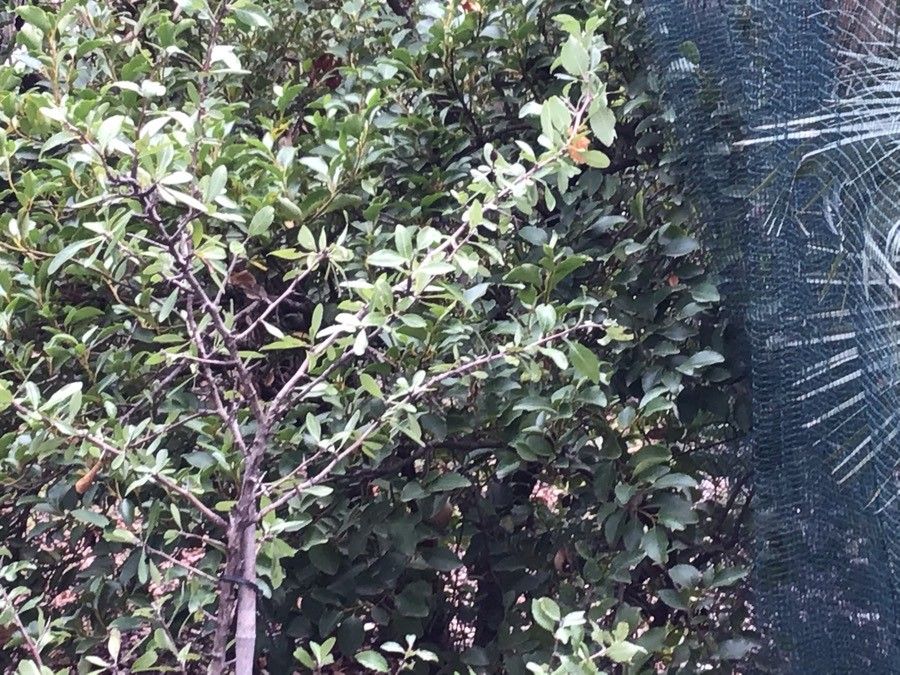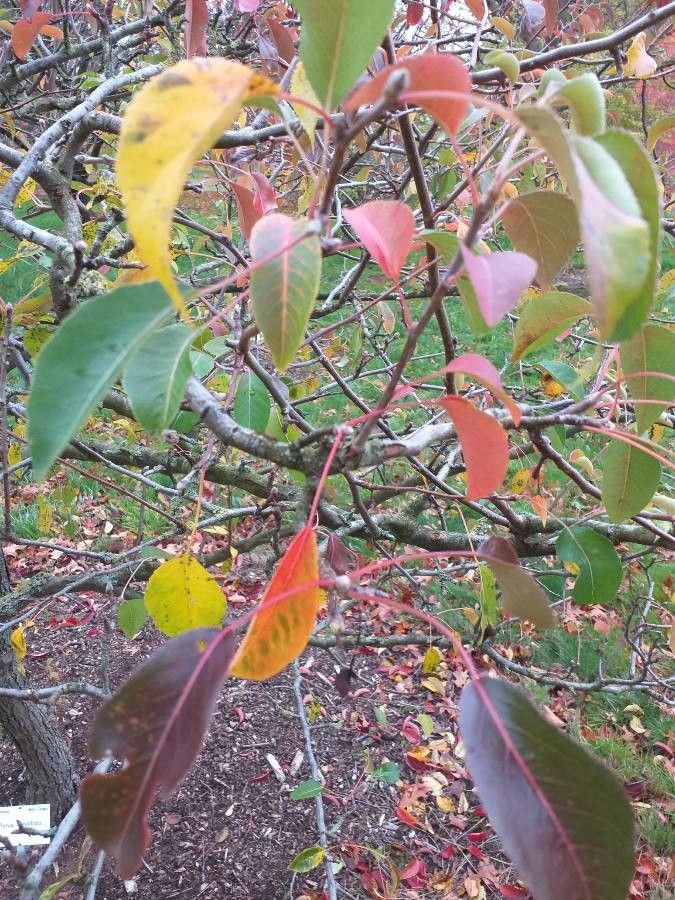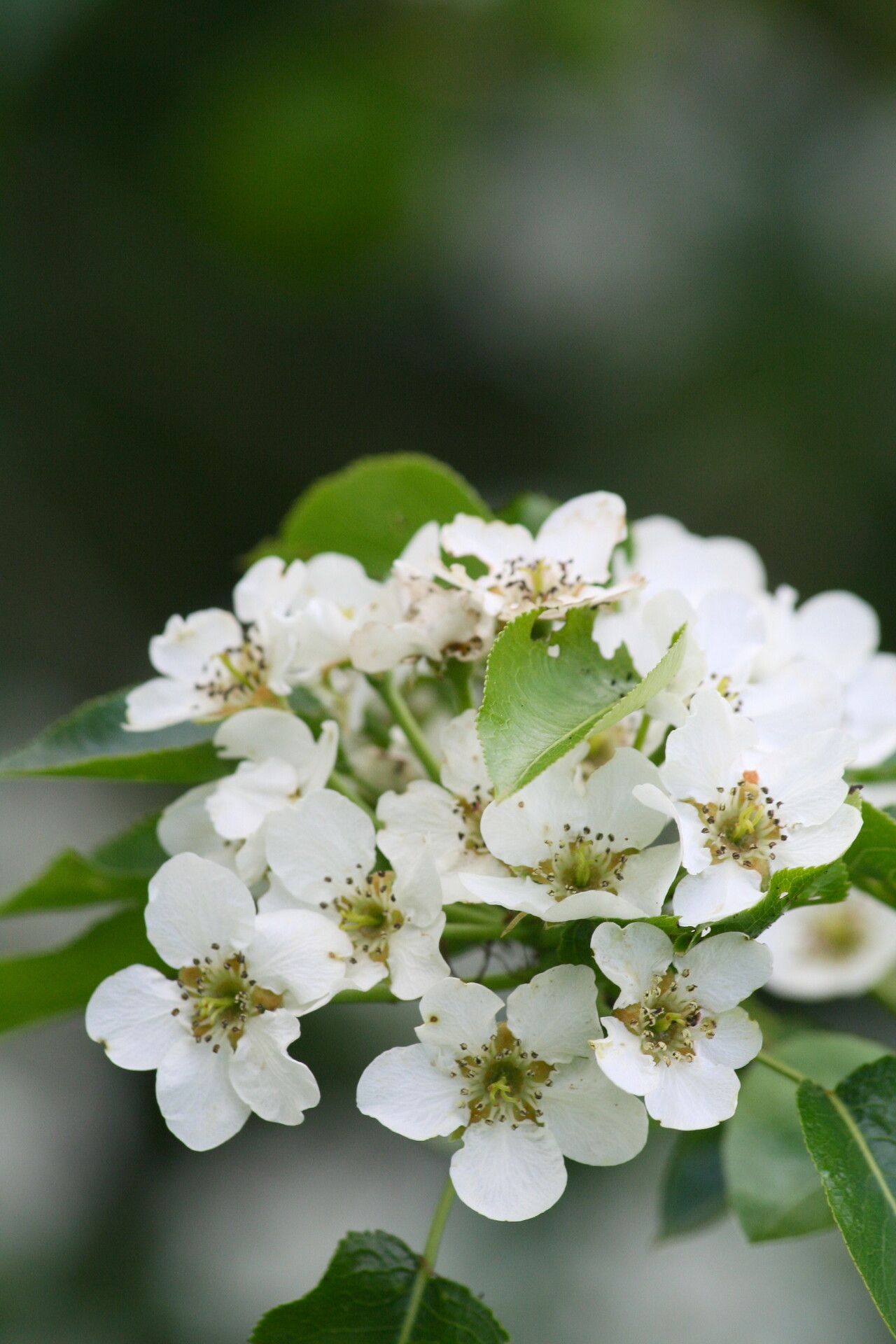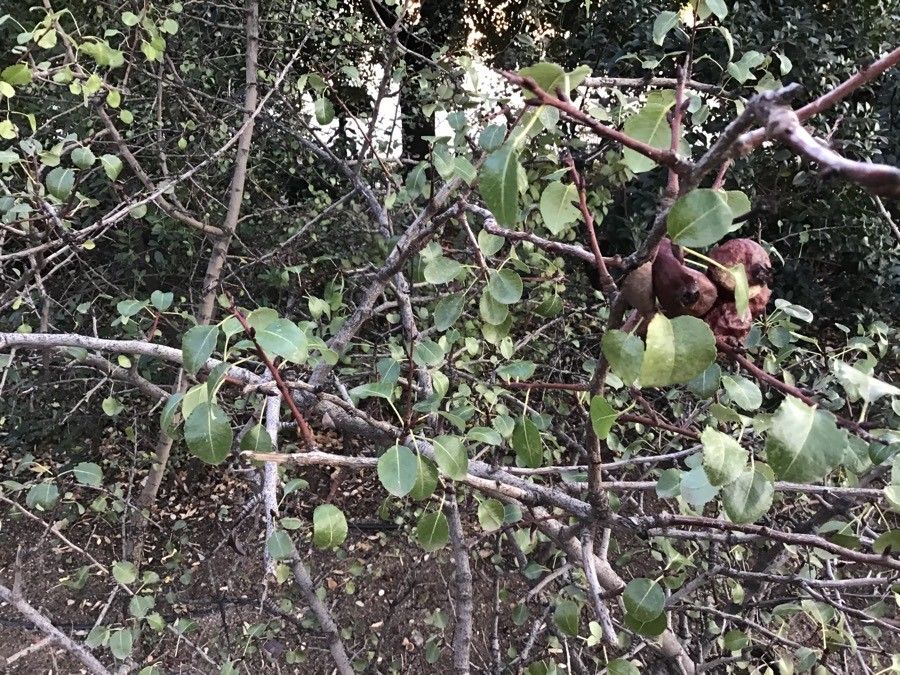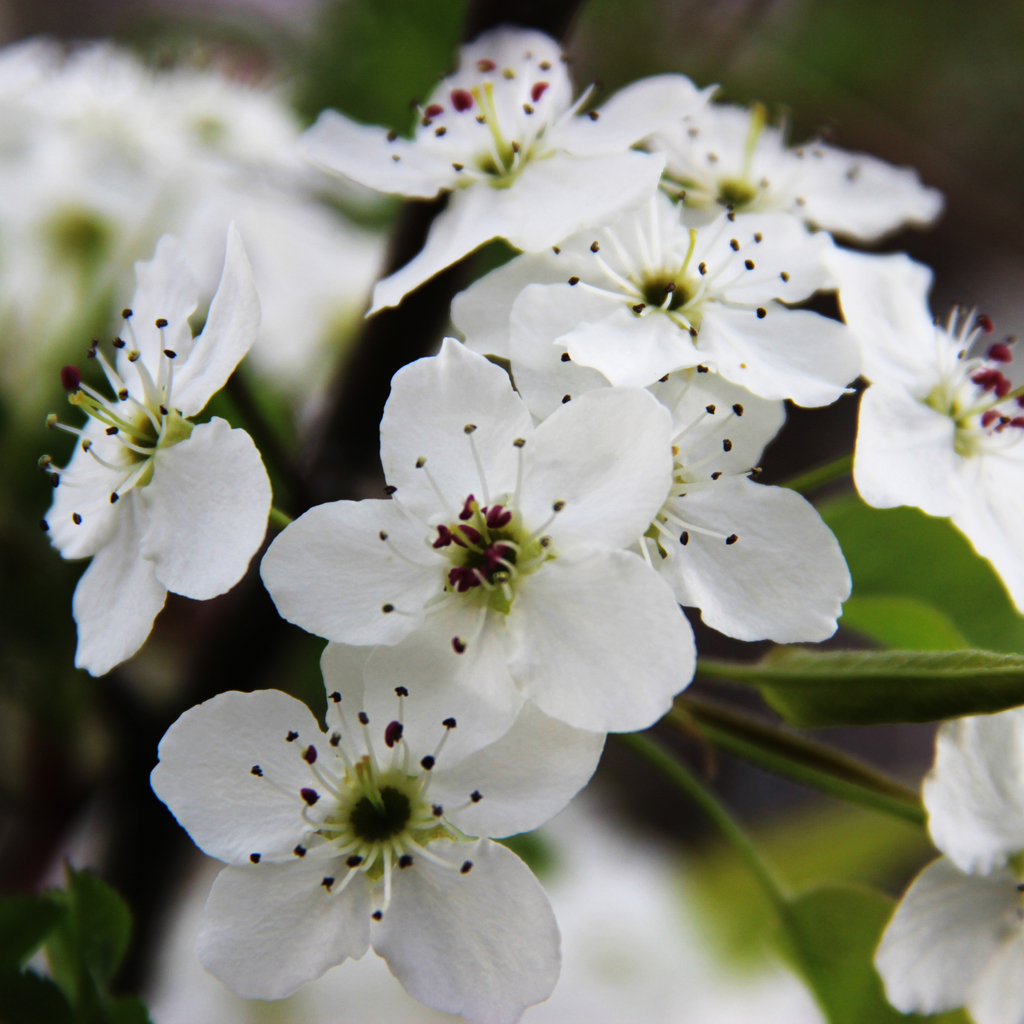
Pyrus calleryana, commonly known as the Callery pear, is a deciduous tree native to China and Vietnam. This species is popular as an ornamental tree for its striking white flowers in the spring and vibrant foliage in the fall. The Callery pear can grow up to 40 feet tall with a spread of 20 to 30 feet. Its leaves are glossy green with serrated edges, turning various shades of red, orange, and yellow in autumn. The tree is also known for its hardiness, able to withstand harsh weather conditions such as droughts and storms. However, it has become invasive in some areas due to its rapid spread through seed dispersal and root sprouts. Despite this, it remains a favored choice for landscaping because of its aesthetic appeal and adaptability.
Bradford pear is highly resistant to disease and is generally not susceptible to illnesses. This plant is fairly low maintenance. When grown outdoors it needs only minimal watering, and larger plants typically do not require pruning. Smaller plants, however, should be pruned after they finish blooming. A Bradford pear is appropriate for anyone with an outdoor area, such as a garden or deck, and does not demand extensive care experience.
How to keep Pyrus Calleryana.
Light
For optimal growth, bradford pear does best with a substantial amount of light each day, though it can tolerate lower light levels. Native to regions with extended daylight, it copes well with a variety of light conditions without damage. Still, insufficient light can slow its growth, while prolonged, intense exposure may cause stress.
Water
The Bradford pear, originally from Asia, thrives with moderate moisture and can tolerate short droughts. To care for it, water the tree every 1-2 weeks, making sure the soil dries out slightly between watering. This ornamental tree is famous for its spring blooms and adapts well to urban environments. However, it benefits from additional watering during prolonged dry spells.
Humidity
This plant will thrive in moderate humidity, which is probably the level in your home. However, misting it a few times a week can be very beneficial. Make sure the room has good ventilation.
Temperature
The bradford pear plant originates from temperate regions. It can tolerate temperatures from 41℉ (5℃) to 95℉ (35℃). It prefers temperatures between 50℉ (10℃) and 80℉ (27℃), enabling it to thrive in a moderate climate. In colder months, it is recommended to cover the tree's roots with a thick layer of mulch to keep them insulated from frost.
Fertilizer
Timing is essential for fertilizing Bradford pear. Apply fertilizer in early spring and continue monthly until early summer. Fertilizer promotes lovely blooms and supplies energy during both dormant and active growth phases.
Pruning
The Bradford pear tree has dense foliage and a pyramidal shape. To maintain its health, perform annual pruning in early spring by removing weak or crossed branches. This improves airflow and overall tree health. Additionally, thinning out crowded areas helps reduce the risk of disease. By eliminating vertical shoots and suckers, you can encourage vigorous growth and enhance flowering.
Toxicity
The Callery pear's fruits are tiny (less than one centimeter in diameter), hard, almost woody, and plentiful with cyanide-laced seeds until being softened by frost. After this, birds readily consume the fruits and disseminate the seeds in their droppings. According to the Canadian Food Inspection Agency. Fruit flesh itself is not poisonous.
Further reading →
The toxicity and danger assessments provided are for reference only. We do not assure their accuracy, so it's crucial not to depend on them. Seek professional advice when necessary for accurate guidance.
Botanical profile.
- Plant Type
- Tree
- Life Cycle
- Perennial
- Genus
- Pyrus
- Family
- Rosaceae
- Hardiness Zone
- 5-9
- Mature Height
- 4.88 m to 7.92 m
- Mature Spread
- 6.1 m to 9.14 m
- Leaf Color
- Green, Red
- Leaf Type
- Deciduous
- Flower Color
- White
- Flower Size
- 1.52 cm to 2.54 cm
- Bloom Time
- Spring
- Planting Time
- Spring, Autumn
- Harvest Time
- Mid summer, Late summer
- Native Area
- Vietnam, Japan, Koppen, South Korea, China
Other names.
Reader questions.
When Should I Water My Bradford Pear?
Watering your Bradford Pear appropriately is crucial for its health, impacting its growth, foliage vibrancy, and disease resistance. Key indicators for when to water include soil moisture, observable leaf wilting, and changes in leaf color. The soil's top 1 to 2 inches should feel dry before watering. Additionally, weather conditions and the plant's growth stage significantly influence its watering needs. Be mindful of early and late watering risks, such as root rot and plant dehydration, to maintain the Bradford Pear's well-being.
Why should I put fertilizer on my Bradford pear tree?
To ensure your Bradford pear produces beautiful blooms, it's important to fertilize it for a few key reasons. First, fertilizer applied in early spring is particularly effective in promoting excellent flowers during that season. Additionally, fertilizer provides your Bradford pear with ample energy that it can store in the ground during its dormant growth phases. By giving your Bradford pear extra nutrients during fall planting or late spring, you can increase its energy reserves for use when active growth resumes.
What are the sun requirements for Bradford pear trees?
Bradford pear trees require different levels of sunlight depending on their growth stage and condition. They thrive in full sun, defined as receiving more than 6 hours of direct sunlight daily, but they can also grow in partial sun, which means about 3-6 hours of sunlight per day. It's important to observe how sunlight moves through your garden to ensure that you choose spots that provide a balanced environment of light and shade, promoting the well-being of your plants.
What is the Bradford Pear and where does it originate from?
The Bradford pear (Pyrus calleryana) is a plant originally from temperate regions. It has a strong ability to adapt to a variety of temperature ranges, ideally between 50°F (10°C) to 80°F (27°C), which allows it to thrive in moderate climates.
How Should I Water My Bradford Pear?
The Bradford Pear requires precise watering practices to ensure optimal health. Deep watering at the base of the plant, preferably with a watering can or hose with a nozzle attachment, is recommended to avoid diseases and rot. Using a moisture meter can guide when the plant needs water, with deep and infrequent watering sessions being ideal. Apply mulch around the plant to retain soil moisture and reduce evaporation, especially in dry periods. Regular observation and adjustment of your watering routine based on the plant's response and environmental conditions are essential for maintaining optimal hydration.
When should I fertilize my Bradford pear tree?
To effectively fertilize Bradford pear, timing is crucial. Applying fertilizer too early, while it is still dormant, will be ineffective as it will be washed away by rainwater, leading to wastage and pollution. The first application of fertilizer should be in early spring, followed by monthly applications until early summer.
How can artificial lighting support Bradford pear growth indoors?
Artificial lighting is essential for Bradford pears growing indoors, especially when natural sunlight is insufficient. Indoor plants benefit from lights that offer the necessary wavelengths for optimal growth. Full sun plants need 30-50W per square foot of artificial light, partial sun plants require 20-30W per square foot, and full shade plants should have 10-20W per square foot. Position the light source 12-36 inches above the plant and provide 8-12 hours of light daily to mimic natural conditions. LED lights are a popular choice because they're customizable to provide specific light wavelengths needed by plants.
What temperature conditions can the Bradford Pear tolerate?
The Bradford pear can tolerate temperatures ranging from 41°F (5°C) to 95°F (35°C). It prefers temperatures between 50°F (10°C) and 80°F (27°C) for optimal growth. During the colder months, it's recommended to cover the tree's roots with a thick layer of mulch for insulation against frost, despite its strong cold resistance.
How Much Water Does Bradford Pear Really Need?
The Bradford Pear, coming from regions with high rainfall and humidity, adapts well to moist conditions. The quantity of water needed depends on several factors including pot size, root depth, and the plant's age. A general rule is to thoroughly water until excess water drains out, ensuring the soil in larger pots is evenly moist, and the roots are well-hydrated. Look for signs like vibrant dark green leaves and a healthy expanding root system to confirm proper hydration. Both overwatering and underwatering can lead to significant issues like root rot and reduced growth, highlighting the importance of a balanced watering approach.
When is the best time to not fertilize my Bradford pear?
When fertilizing Bradford pear, it's important to avoid using too much nitrogen, as this can result in an abundance of leaves but few blooms. Instead, look for a fertilizer that has a lower nitrogen content compared to other nutrients. It's also crucial to refrain from fertilizing the tree after early autumn, as this can spur excessive growth right before winter. Additionally, avoid fertilizing Bradford pear during hot and dry periods, as dry soil is not as effective at delivering the fertilizer. At this time, fertilizing can also encourage growth that demands more water, which may not be readily available. Therefore, it's best to apply fertilizer earlier in the season when temperatures are cooler. Lastly, keep in mind that Bradford pear can absorb fertilizer from surrounding plants or lawns, so be cautious about mistakenly providing the tree with an excessive amount of fertilizer.
What are the common symptoms of light deficiency in Bradford pear trees?
Bradford pear trees may exhibit several symptoms due to light deficiency, including smaller than usual new leaves, leggy or sparse growth, premature leaf drop, halted growth, paler new leaves, chlorosis (yellowing leaves), sunscald, leaf curling, wilting, and leaf scorching. These symptoms highlight the plant's struggle with inadequate light exposure and can drastically affect its health and growth.
How should I protect my Bradford Pear during winter?
To protect your Bradford Pear during winter, especially if temperatures are expected to drop below the plant's tolerance limit, you should wrap the trunk and branches with non-woven fabric or cloth. Additionally, watering the plant abundantly before the first freeze in autumn is advised to keep the soil moist and prevent drought and water scarcity during winter and early spring.