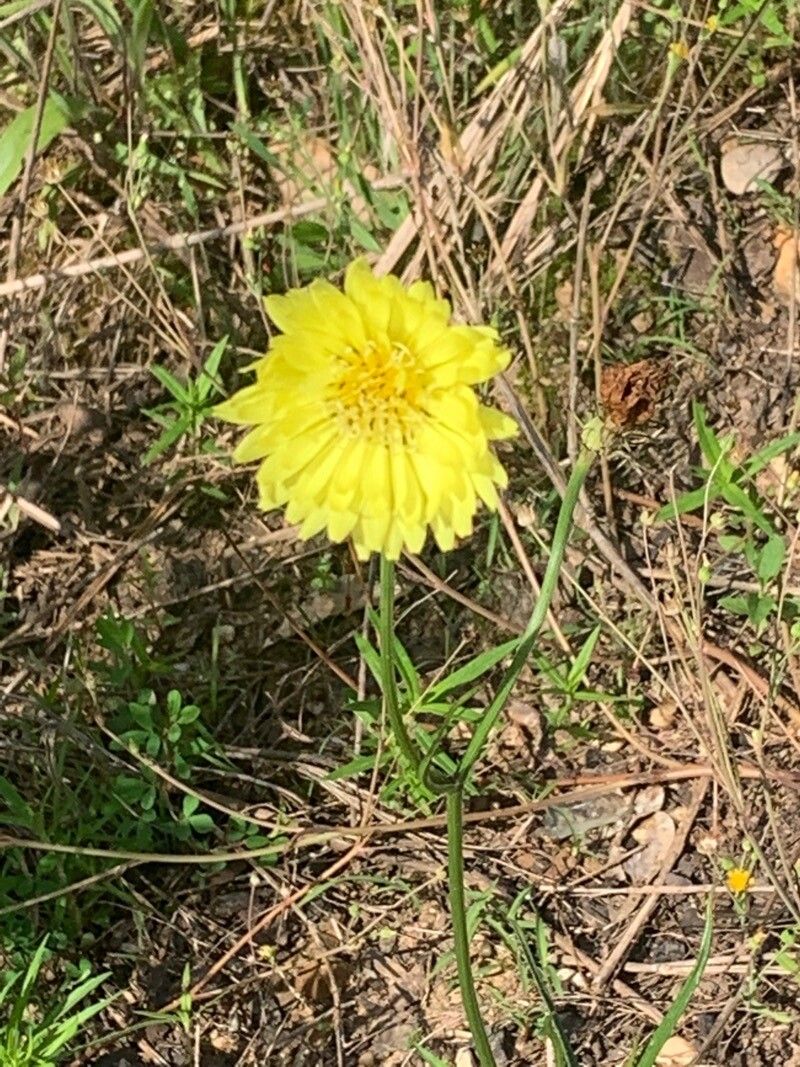
Pyrrhopappus pauciflorus, commonly known as the few-flowered pyrrhopappus, is a species of flowering plant in the family Asteraceae. It is native to North America and thrives in various habitats, including grasslands, prairies, and open woodlands.
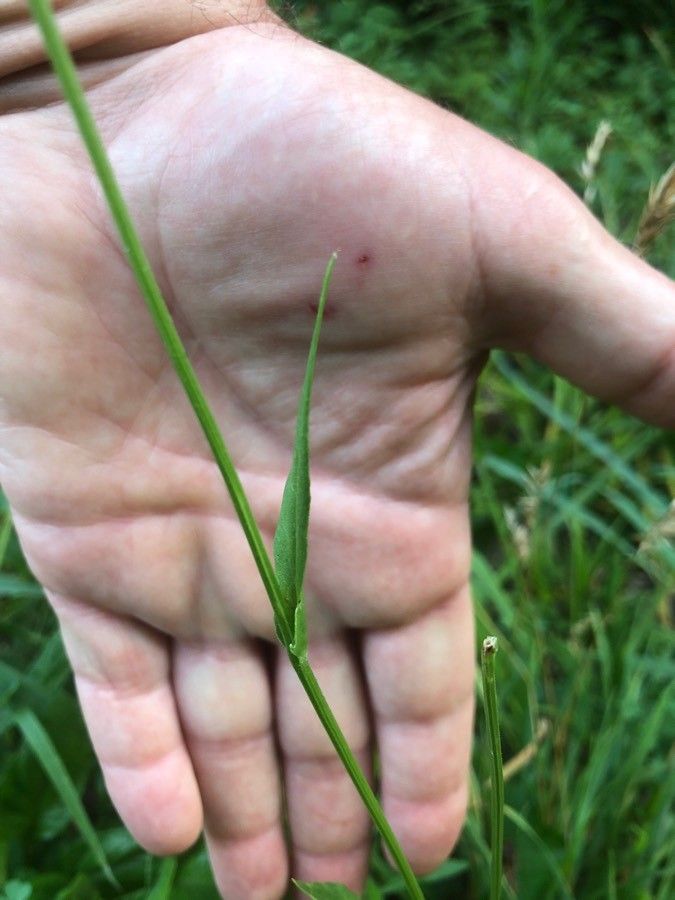
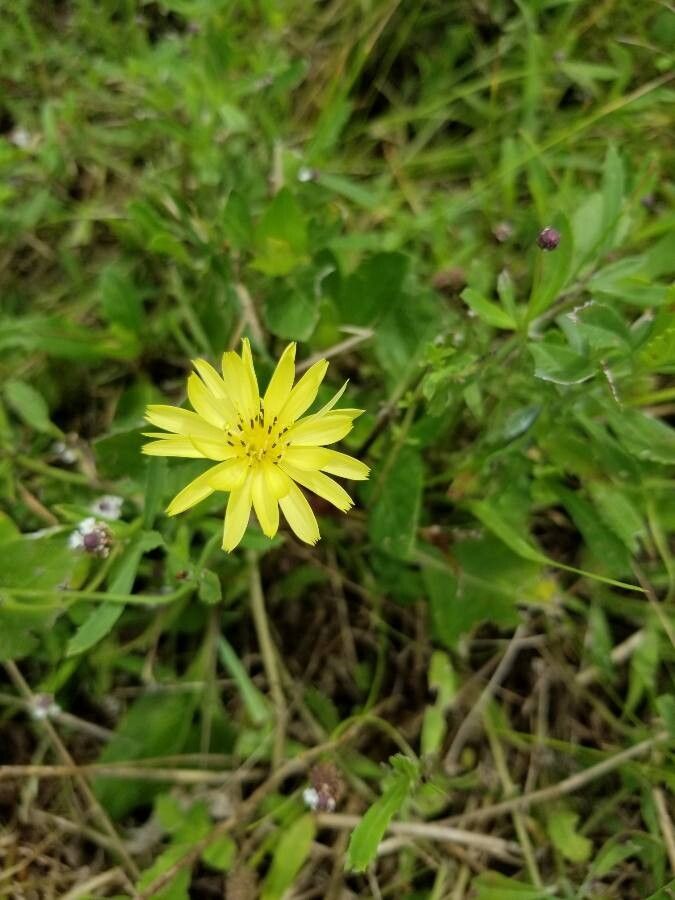
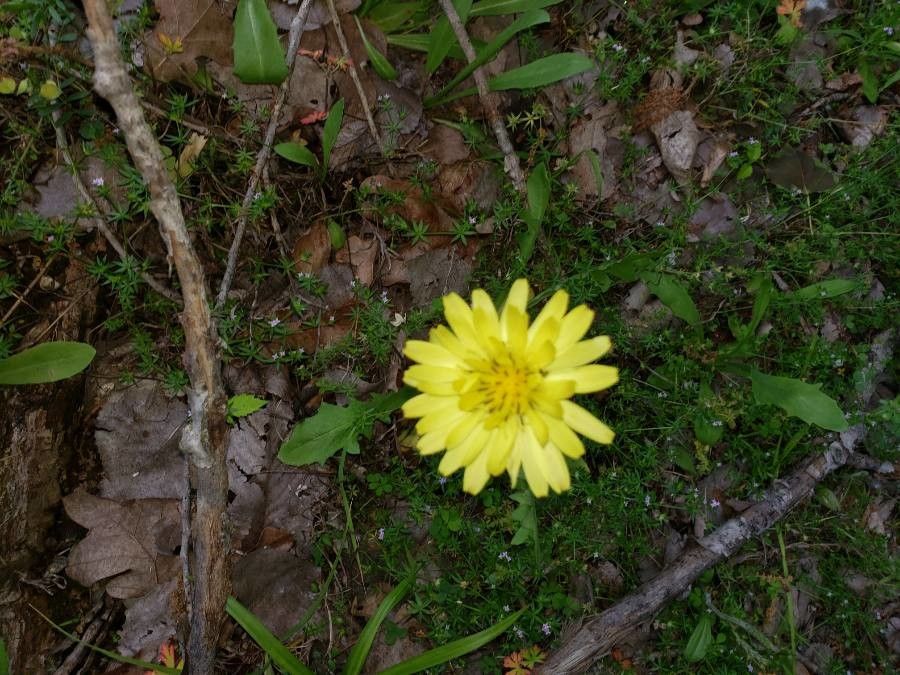
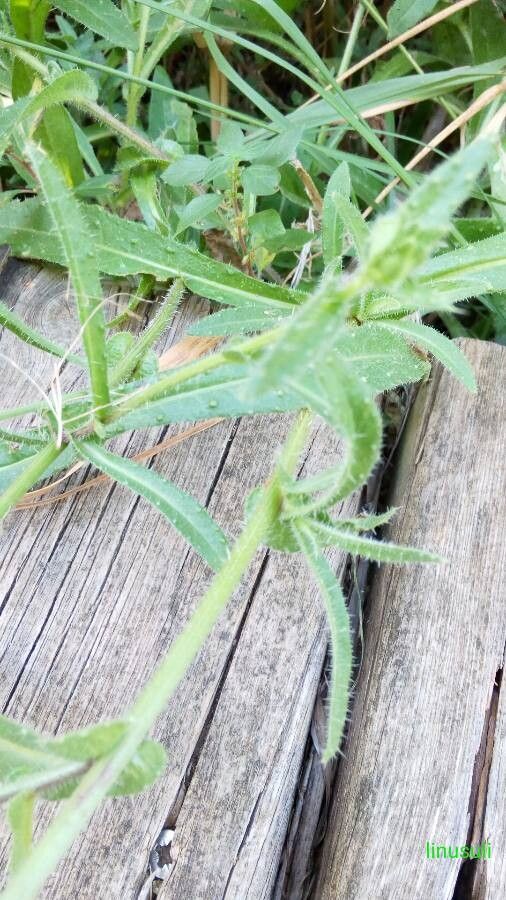
The plant typically grows up to 60 cm tall and features a single stem with few branches. Its leaves are narrow, elongated, and have toothed edges. The small, yellow flowers, which have five petals arranged in a daisy-like shape, make it easily recognizable.
Pyrrhopappus pauciflorus blooms from May to August, depending on its location. It serves as an important source of nectar for pollinators such as bees, butterflies, and moths.
Native American tribes have used this plant for medicinal purposes, treating ailments like fever, coughs, and colds.
Overall, Pyrrhopappus pauciflorus is an attractive wildflower that enhances the beauty of natural landscapes. It also provides significant ecological benefits by supporting pollinator populations.
Smallflower desert-chicory is fairly disease-resistant and typically not susceptible to illnesses. However, it can be affected by pests and diseases present in its surroundings. Such infections are usually mild. Regarding care, this plant needs moderate maintenance. It should be pruned regularly to keep a neat appearance and support healthy growth. Fertilizing can also encourage flowering. Smallflower desert-chicory is appropriate for anyone with outdoor space, like a garden or patio, and does not require extensive care experience. It may need more attention when grown indoors.
How to keep Pyrrhopappus Pauciflorus.
Light
Smallflower desert-chicory performs best in a brightly lit setting, ideally where sunlight reaches it without obstruction. It can, however, continue to maintain its health and growth with moderately reduced sun exposure. Excessive or insufficient sunlight can negatively affect the plant, harming its health and vigor.
Water
Smallflower desert-chicory is native to arid environments and is exceptionally drought-tolerant, needing water only once a week. It thrives in sunny outdoor areas, adapting well to mimic sporadic rainfall patterns, making it an excellent choice for xeriscaping or rock gardens. Its growth cycle aligns naturally with periods of drought and rain.
Temperature
Smallflower desert-chicory is best suited to temperate climates, with its optimal comfort range from 68 to 95 °F (20 to 35 ℃). Getting used to temperatures above or below this range demands gradual exposure and a period of adjustment, particularly in severe winter or summer.
Fertilizer
Smallflower desert-chicory does well with regular, light fertilizer applications to encourage healthy leaf growth. Fertilize Smallflower desert-chicory roughly once a month during the summer. Nitrogen is vital for foliage, and adding nitrogen-rich fertilizers helps Smallflower desert-chicory prosper.
Pruning
To maintain the health and promote the growth of the smallflower desert-chicory, engage in spring pruning by carefully removing dead or damaged stems. This practice enhances both growth and air circulation. Be cautious to avoid heavy pruning, as it can stress the plant. Always use clean, sharp tools to prevent the spread of disease. Pruning at this time also improves flowering and boosts the plant's overall vitality.
Botanical profile.
- Plant Type
- Herb
- Life Cycle
- Annual, Perennial
- Genus
- Pyrrhopappus
- Family
- Asteraceae
- Hardiness Zone
- 5
- Mature Height
- 15 cm to 46 cm
- Mature Spread
- 20 cm to 30 cm
- Leaf Color
- Green, Blue
- Leaf Type
- Deciduous
- Flower Color
- Yellow
- Flower Size
- 2.54 cm to 5.08 cm
- Bloom Time
- Mid spring, Late spring, Early summer
- Planting Time
- Spring
- Harvest Time
- Early summer, Mid summer
- Native Area
- Mexico
Other names.
Reader questions.
How should I water my Smallflower desert-chicory plant?
To water Smallflower desert-chicory, there are several options available. You can use a garden hose with a spray nozzle, a watering can, or any other common watering tool. This plant is not particular about the type of water it receives, as it can thrive on rainwater, tap water, or filtered water. However, it is generally advised to refrain from watering this plant from above, as it can harm the leaves and flowers and potentially cause disease. Instead, a drip irrigation system is often the best method for watering. These systems distribute water evenly and directly to the soil, which benefits Smallflower desert-chicory. If you have a container-grown Smallflower desert-chicory, you can follow a similar watering approach but change the tools you use. Simply use a cup, watering can, or tap to apply water directly to the soil in the container.
What are the sunlight requirements for Smallflower desert-chicory?
Smallflower desert-chicory requires full sun exposure of above 6 hours of sunlight a day for optimal growth. It can also tolerate partial sun conditions, receiving about 3-6 hours of sunlight. It's essential to observe the movement of sunlight through your garden carefully to ensure your plants receive the right balance of light and shade, contributing to their health and happiness.
What is the ideal temperature range for Smallflower desert-chicory?
Smallflower desert-chicory (Pyrrhopappus pauciflorus) thrives in temperate climates, with an ideal temperature range between 68 to 95 °F (20 to 35 °C). The plant is adapted to this range and can gradually adjust to slightly higher or lower temperatures, especially important for transitioning through harsh winter or summer periods.
What should I do if I give my Smallflower desert-chicory too much or too little water?
To fix underwatering of Smallflower desert-chicory, simply water it more regularly when you notice that the plant lacks moisture. Overwatering, on the other hand, can be a serious problem if not caught early. It can lead to diseases and the plant's decline and death. To prevent this, choose a suitable location with ample sunlight to help dry out the soil and provide good drainage to avoid waterlogged soil. If you've overwatered a potted Smallflower desert-chicory, consider changing it to a new pot with better soil drainage and sufficient drainage holes. When repotting, use loose soil and ensure the new pot drains efficiently.
How does sun exposure affect Smallflower desert-chicory?
Sun exposure plays a critical role in the health and vitality of Smallflower desert-chicory. The plant thrives best in generously lit environments, ideally with unrestricted access to sunlight. However, it can still maintain its health and growth with moderately limited sun exposure. Both overexposure and underexposure to sunlight can have negative impacts on the plant, affecting its vitality. Adequate lighting, whether natural or artificial, is crucial, especially in conditions where natural sunlight is insufficient. Artificial lighting, such as LED lights, can provide the necessary wavelengths of light, promoting healthier, faster growth. The intensity and duration of artificial light should be adjusted according to the plant's specific needs to mimic natural sunlight conditions.
How to protect Smallflower desert-chicory during winter?
Smallflower desert-chicory is highly cold-tolerant and does not require additional frost protection measures during the winter months. However, to help it through winter and early spring, it's recommended to water the plant generously before the first freeze of autumn. This ensures that the soil stays moist when it enters a frozen state, helping to prevent drought and water scarcity for the plant during the colder months.
How often should I give water to my Smallflower desert-chicory?
Smallflower desert-chicory requires regular watering throughout the growing season. In the spring, it is recommended to water the plant once a week. As the season progresses and temperatures rise, watering two to three times per week may be necessary. However, exceeding this rate can harm the plant. It is important to keep the soil moist but not wet, regardless of the watering frequency. Watering Smallflower desert-chicory in a pot is slightly different. Due to the soil in pots heating up and drying out faster, it's advised to water container-grown plants a few times per week, compared to just once per week for plants in the ground.
What are the symptoms of inadequate light in Smallflower desert-chicory?
When Smallflower desert-chicory is grown under inadequate light conditions, it may exhibit several symptoms indicating light deficiency. These symptoms include smaller new leaves compared to older ones, leggy or sparse growth, faster leaf drop, slower or halted new growth, lighter-colored new leaves, chlorosis (leaves turning yellow due to breakdown of chlorophyll), sunscald (damage from intense sunlight exposure), leaf curling (to minimize water loss and damage), wilting (loss of turgor pressure causing droopiness), and leaf scorching (brown, dry edges on leaves due to excessive sunlight). These symptoms can help identify when the plant is in need of better lighting conditions.
What should I do if the temperature drops below -25°C?
If the temperature drops below -25°C, Smallflower desert-chicory, despite being cold-tolerant, may not show immediate damage but could experience decreased sprouting or fail to sprout in the spring. If this occurs, it is advised to remove any parts of the plant that have failed to sprout once spring arrives.
How much water does my Smallflower desert-chicory plant need?
To determine how much water to give your Smallflower desert-chicory, there are a few options. Some gardeners prefer to check the moisture level of the soil. This method involves watering until the first six inches of soil feel moist. Another approach is using a standard measurement. On average, Smallflower desert-chicory requires about two gallons of water per week, taking into account factors like temperature and soil dryness. However, it is important to be mindful that strict guidelines may result in overwatering if your plant needs less water. If growing Smallflower desert-chicory in a container, a different method applies. Watering should be enough to moisten all layers of dry soil. You can check this by using your finger to feel for moisture or by allowing a small amount of excess water to drain from the pot's drainage holes.
How can I address light-related issues for Smallflower desert-chicory?
Addressing light-related issues in Smallflower desert-chicory involves adjusting the plant's exposure to sunlight. For indoor plants, gradually increase sunlight exposure to achieve at least 6 hours of direct sunlight daily, utilizing south-facing windows for maximum light. Artificial light can supplement natural light, with lamps or grow lights kept on for at least 8 hours daily. Outdoor plants should be moved gradually to sunnier spots to avoid sunburn, and areas obstructing sunlight should be minimized by pruning or relocating plants. Solutions may include the strategic reduction of obstructions, transplanting smaller plants during their dormant period for better sunlight exposure, and ensuring ample sunlight and good drainage for optimal plant health. Note that parts of the plant affected by insufficient sunlight may not recover, but new growth will be healthy with improved light conditions.
How does Smallflower desert-chicory react to high temperatures?
Smallflower desert-chicory struggles in high temperatures, particularly when they exceed 35°C. Under such conditions, the plant's growth may halt, and it becomes susceptible to diseases like rot. To mitigate this, it's recommended to trim away any sunburned or dried-up parts. Moving the plant to a shaded area during the midday and afternoon sun, or using a shade cloth, can provide relief. Ensuring the soil remains moist by watering in the mornings and evenings is also beneficial.