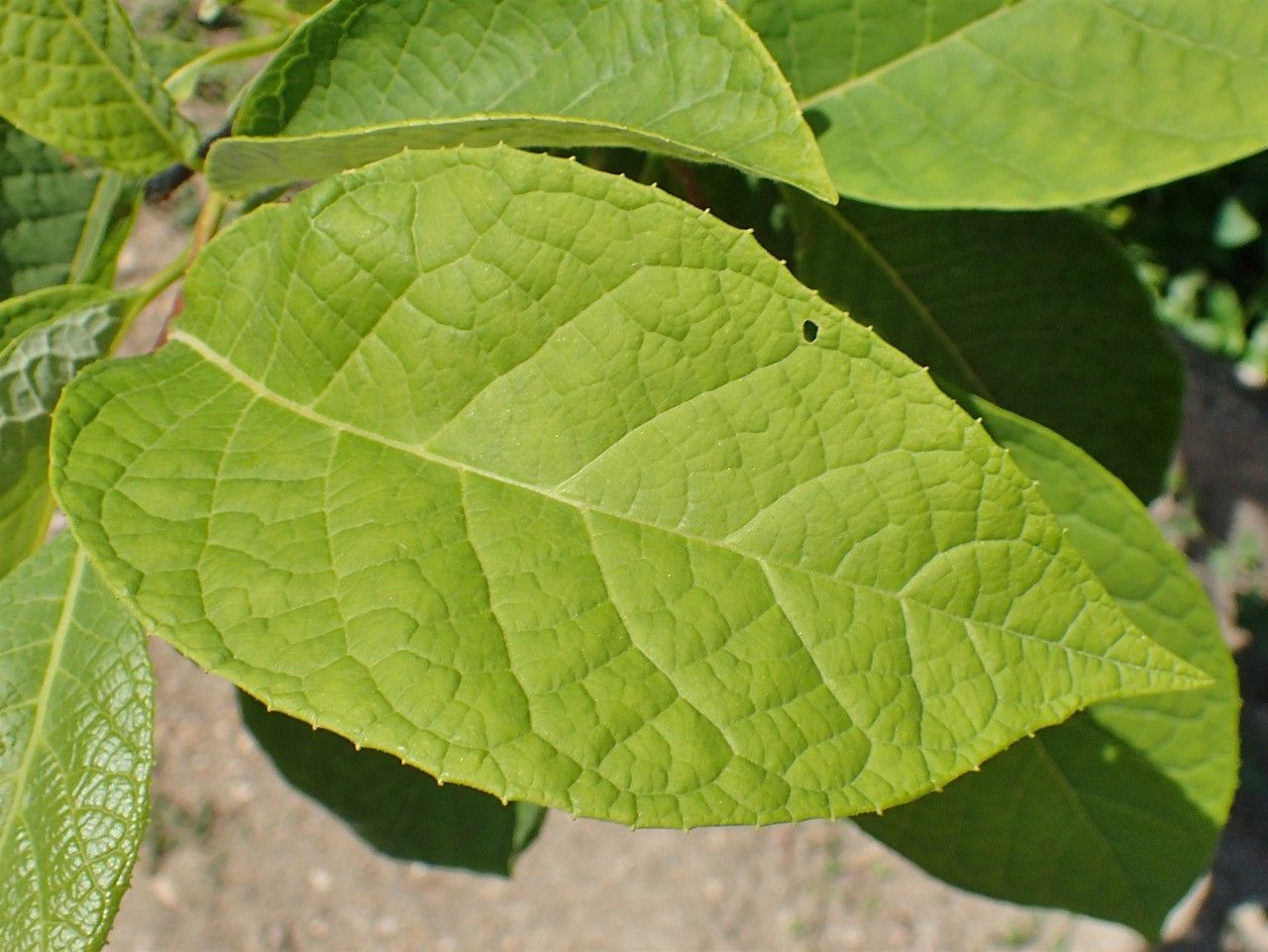
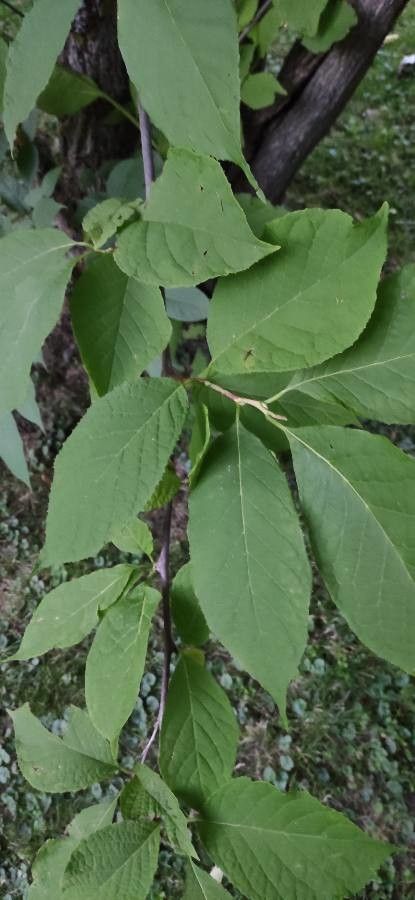
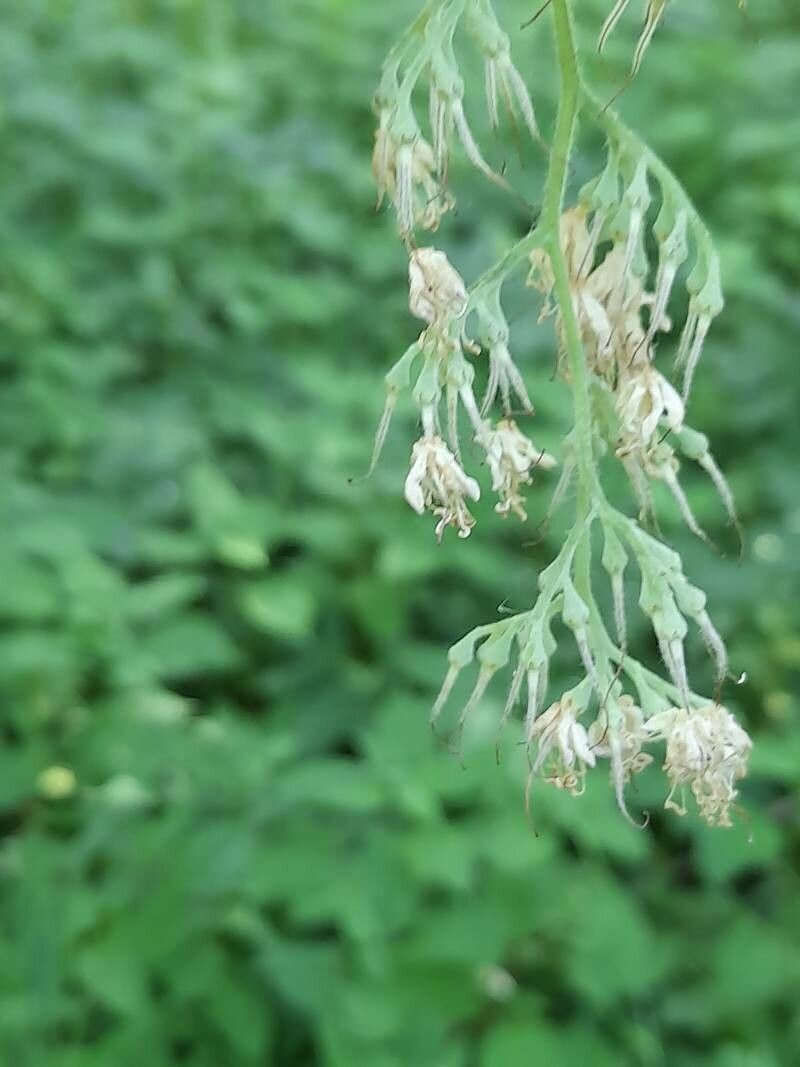
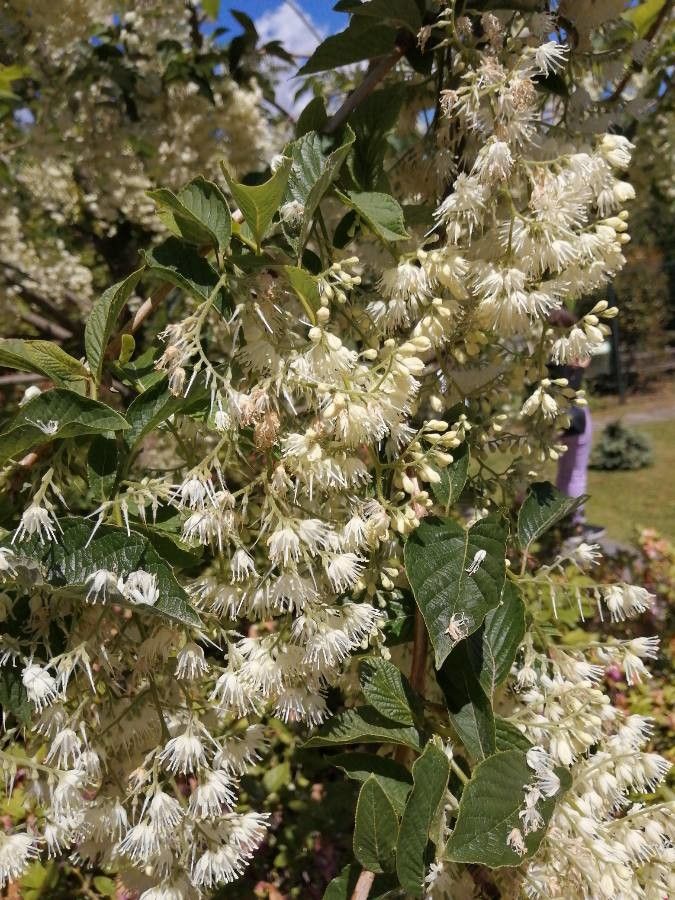
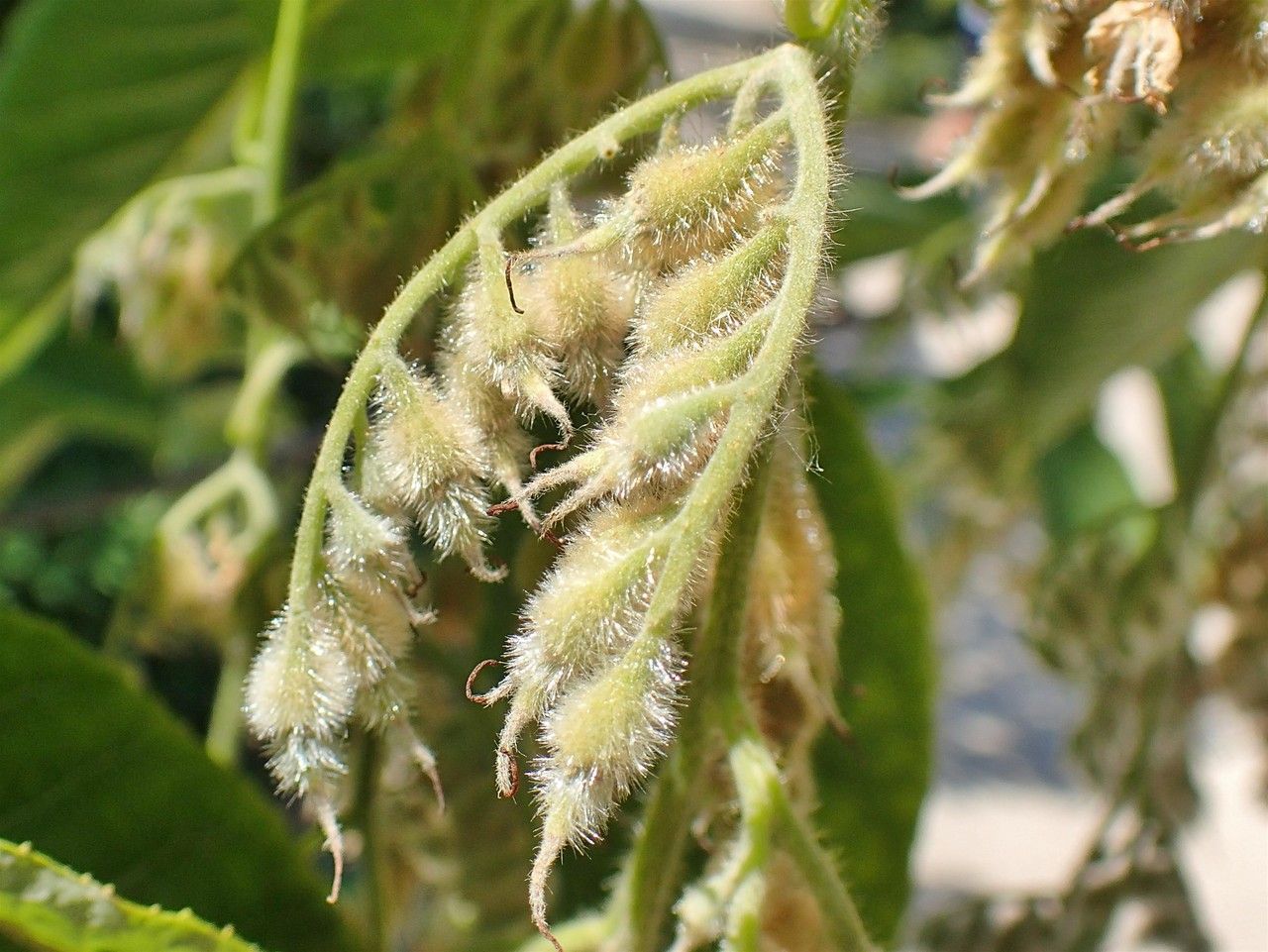
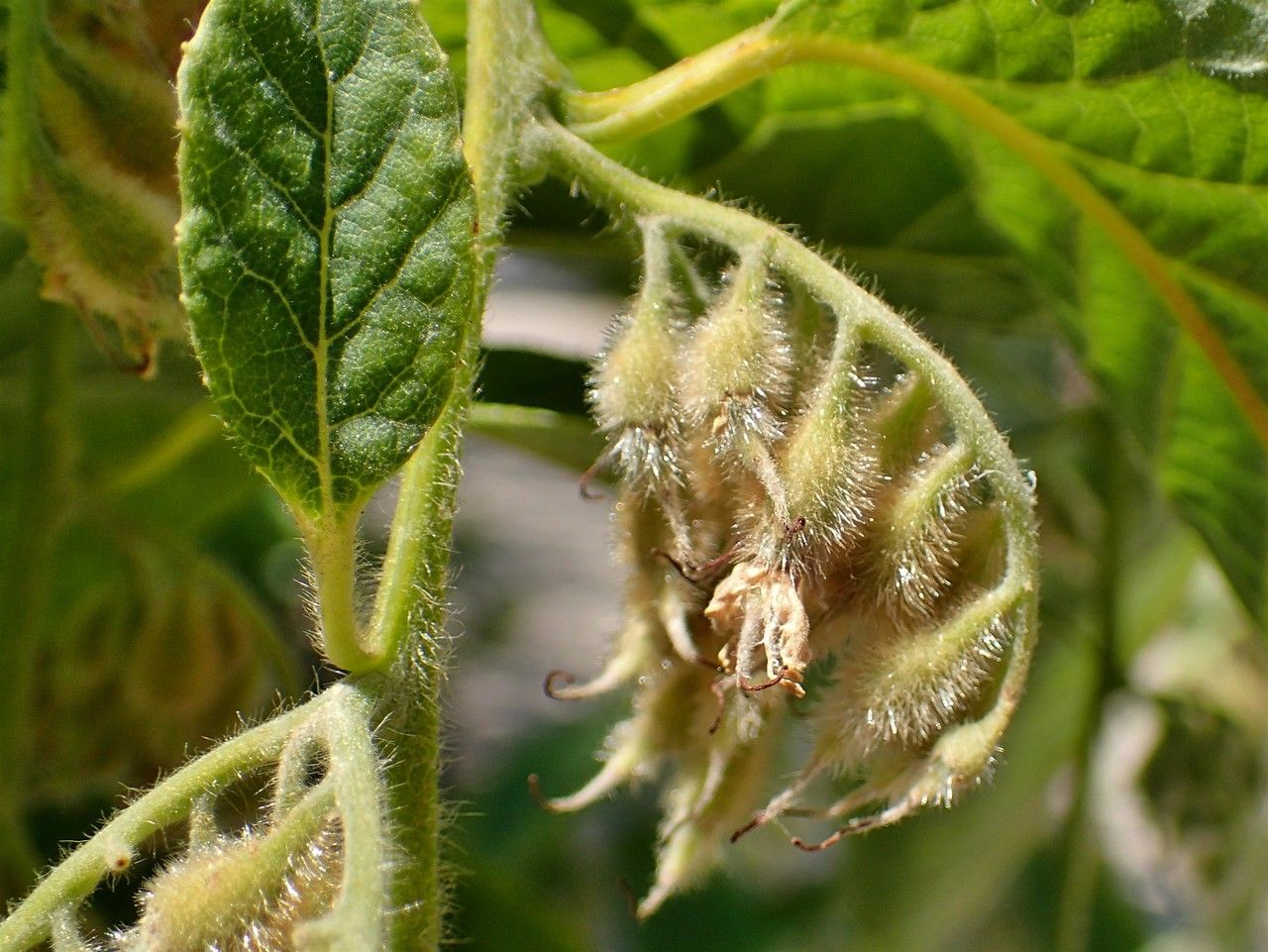
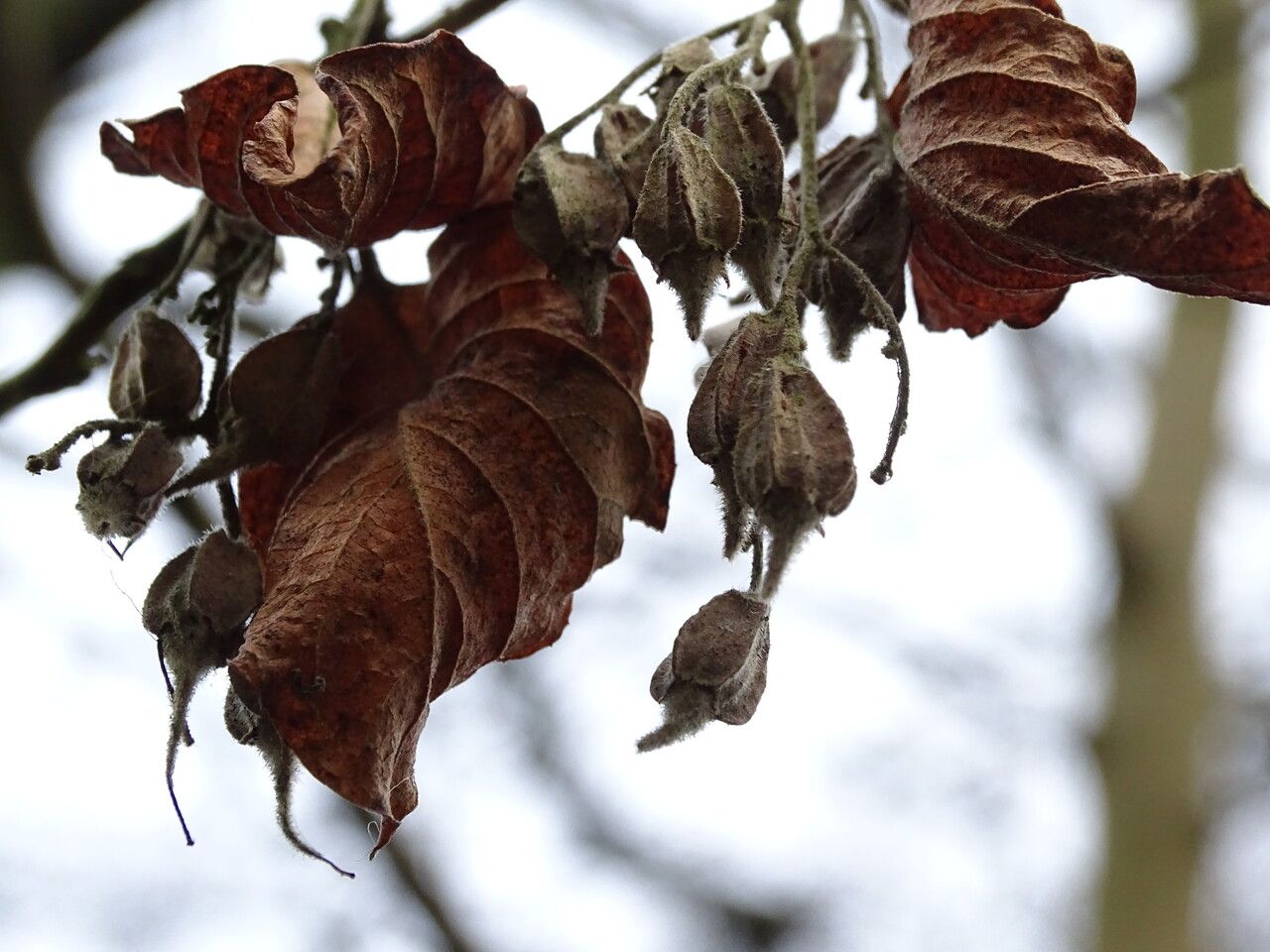
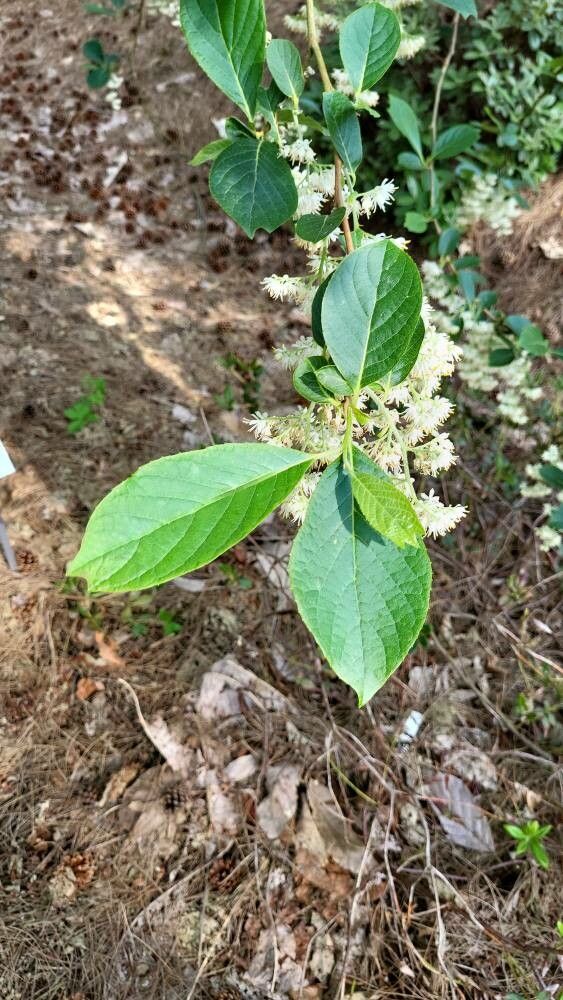
Pterostyrax hispidus, the epaulette tree or fragrant epaulette tree, is a species of flowering plant in the family Styracaceae, native to China and Japan. Growing to 15 m (49 ft) tall by 12 m (39 ft) broad, it is a substantial, spreading, deciduous shrub with oval leaves up to 20 cm (8 in) long, and clusters of pure white, fragrant, pendent flowers in summer.The specific epithet hispidus (often given incorrectly as hispida or hispidum) refers to the small ribbed fruits which are covered in bristles. The common name "epaulette tree" refers to the fringed individual flowers. In cultivation the plant has gained the Royal Horticultural Society's Award of Garden Merit.
The fragrant epaulette tree has good resistance to disease and is generally not prone to illnesses. Regarding care, this plant is relatively low-maintenance. When grown outdoors it needs only light watering, and larger specimens typically do not require pruning. Smaller plants, however, should be trimmed after they finish blooming. The fragrant epaulette tree is suitable for anyone with an outdoor area, such as a garden or a deck, and does not demand much gardening experience.
How to keep Pterostyrax Hispidus.
Light
The fragrant epaulette tree naturally occurs in habitats like forest understories and rocky sites, where it grows in natural shade. It favors partial sun but can adapt to either full sun or full shade, demonstrating its hardy, versatile nature.
Water
The fragrant epaulette tree thrives in humid environments similar to its woodland origins and needs consistent moisture. Ideally, it should be watered twice a week. Typically cultivated outdoors for its impressive size and beauty, this tree benefits greatly from rainwater during the growing season, ensuring optimal health and vibrant blooms.
Temperature
Fragrant epaulette tree shows strong adaptability to a variety of climate conditions, from scorching summers to chilly winters. However, it does have an optimal temperature range for growth. If temperatures become excessively high, the plant is susceptible to heat and humidity stress, which can lead to its death. In regions where temperatures near the lower limit of its cold tolerance, it’s important to provide insulation to protect the plant.
Fertilizer
Timing is important when fertilizing the Fragrant epaulette tree. Apply fertilizer in early spring and continue once a month until early summer. Fertilizer encourages attractive blooms and supplies energy during both dormant periods and active growth.
Pruning
The fragrant epaulette tree benefits greatly from pruning in early spring. During this time, focus on removing dead branches and thinning out crowded areas to improve air circulation. This promotes healthy growth and encourages vigorous blooming, enhancing the tree's ornamental appeal. Be sure to shape the tree minimally to preserve its natural form.
Botanical profile.
- Plant Type
- Tree
- Life Cycle
- Perennial
- Genus
- Pterostyrax
- Family
- Styracaceae
- Hardiness Zone
- 5-8
- Mature Height
- 6.1 m to 9.14 m
- Mature Spread
- 6.1 m to 9.14 m
- Leaf Color
- Green, Dark Green
- Leaf Type
- Deciduous
- Flower Color
- White
- Flower Size
- 15.24 cm
- Bloom Time
- Mid spring, Late spring
- Planting Time
- Spring, Summer, Autumn
- Harvest Time
- Late summer, Early fall, Mid fall
- Native Area
- Japan
Other names.
Reader questions.
What are the sunlight requirements for a Fragrant Epaulette Tree?
The Fragrant Epaulette Tree (Pterostyrax hispidus) thrives in conditions ranging from partial sun to full sun. It requires about 3-6 hours of sunlight daily for partial sun conditions and more than 6 hours of sunlight for full sun. It's essential to observe the movement of sunlight through your garden carefully. Selecting the ideal location for your Fragrant Epaulette Tree involves finding a spot that offers the right balance of light and shade, ensuring the plant’s health and happiness.