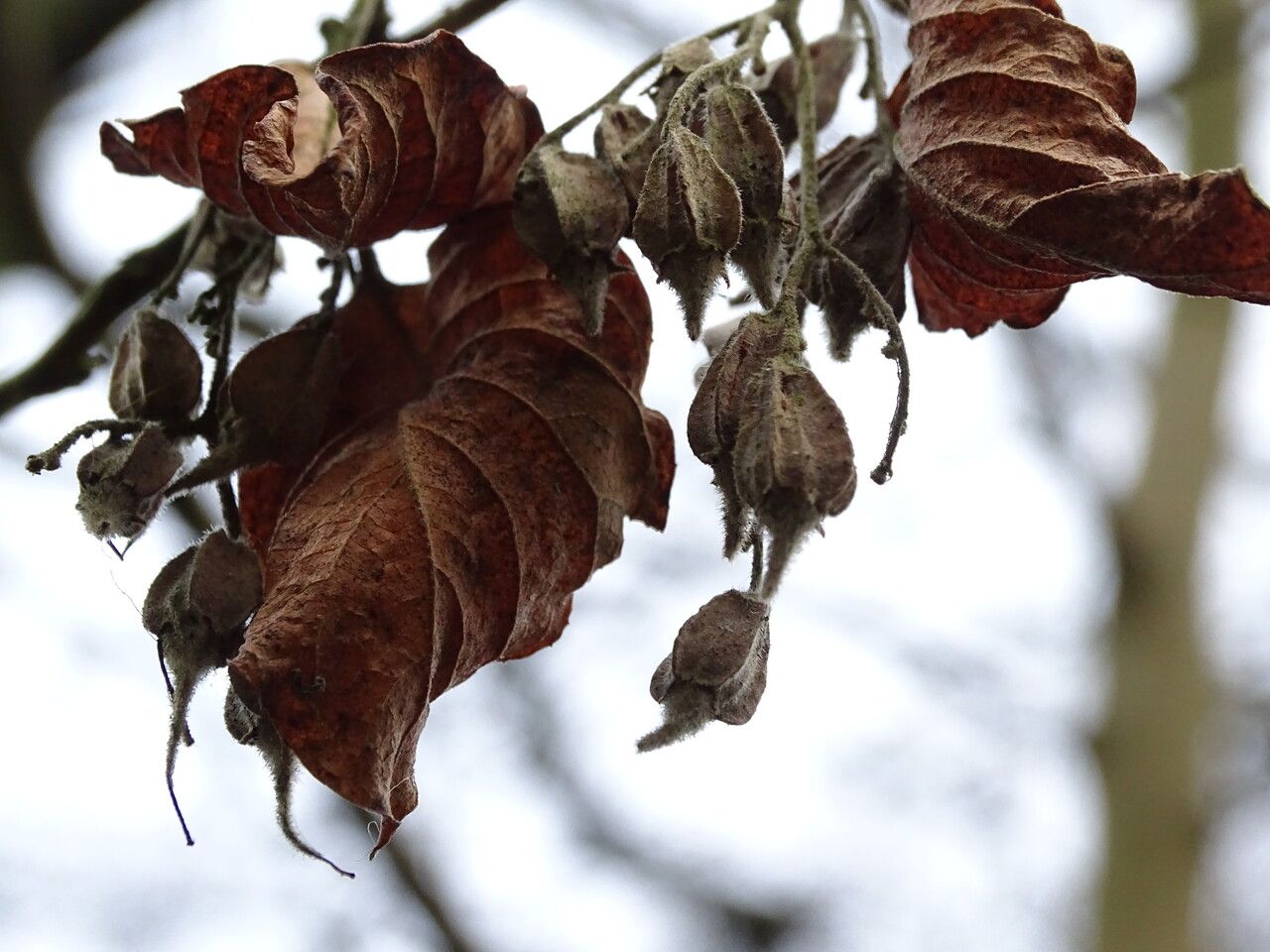
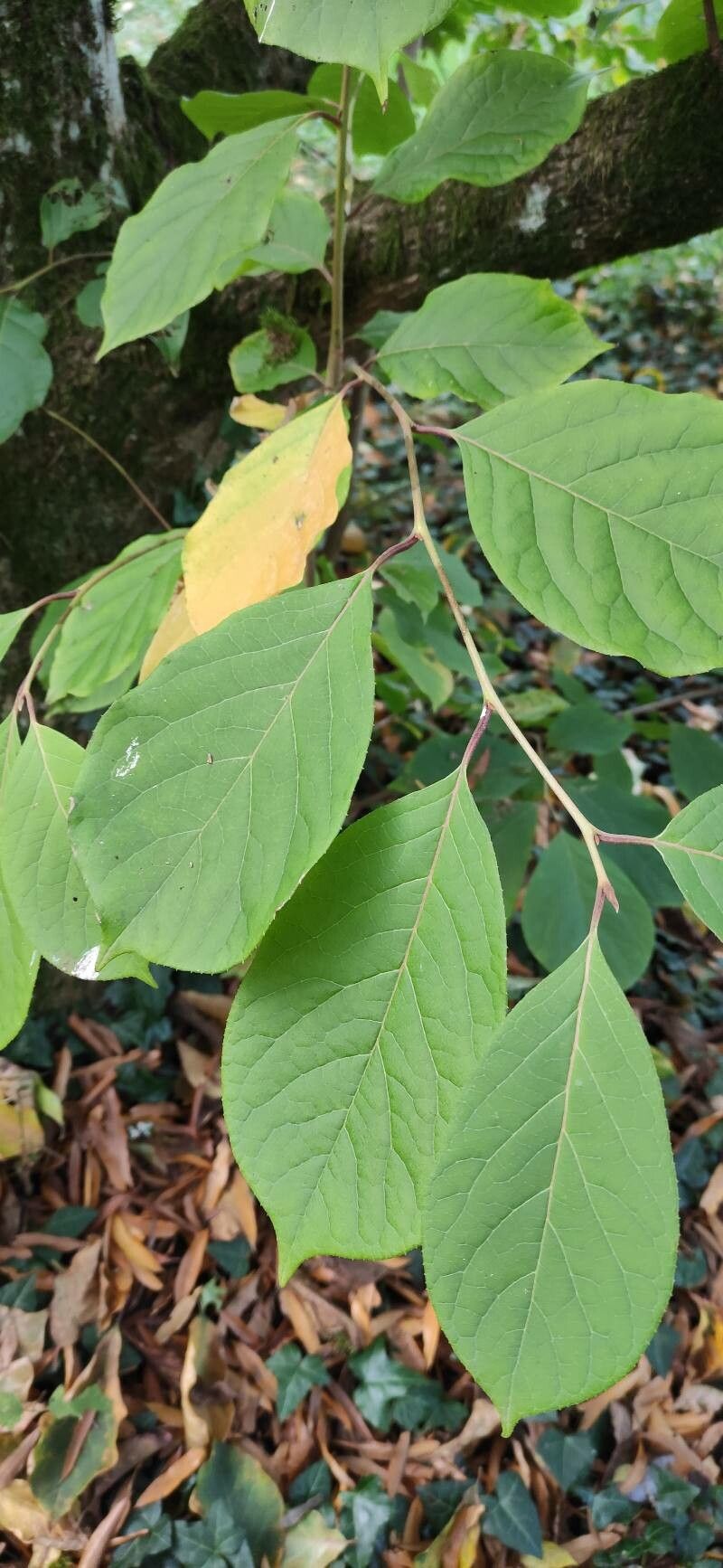
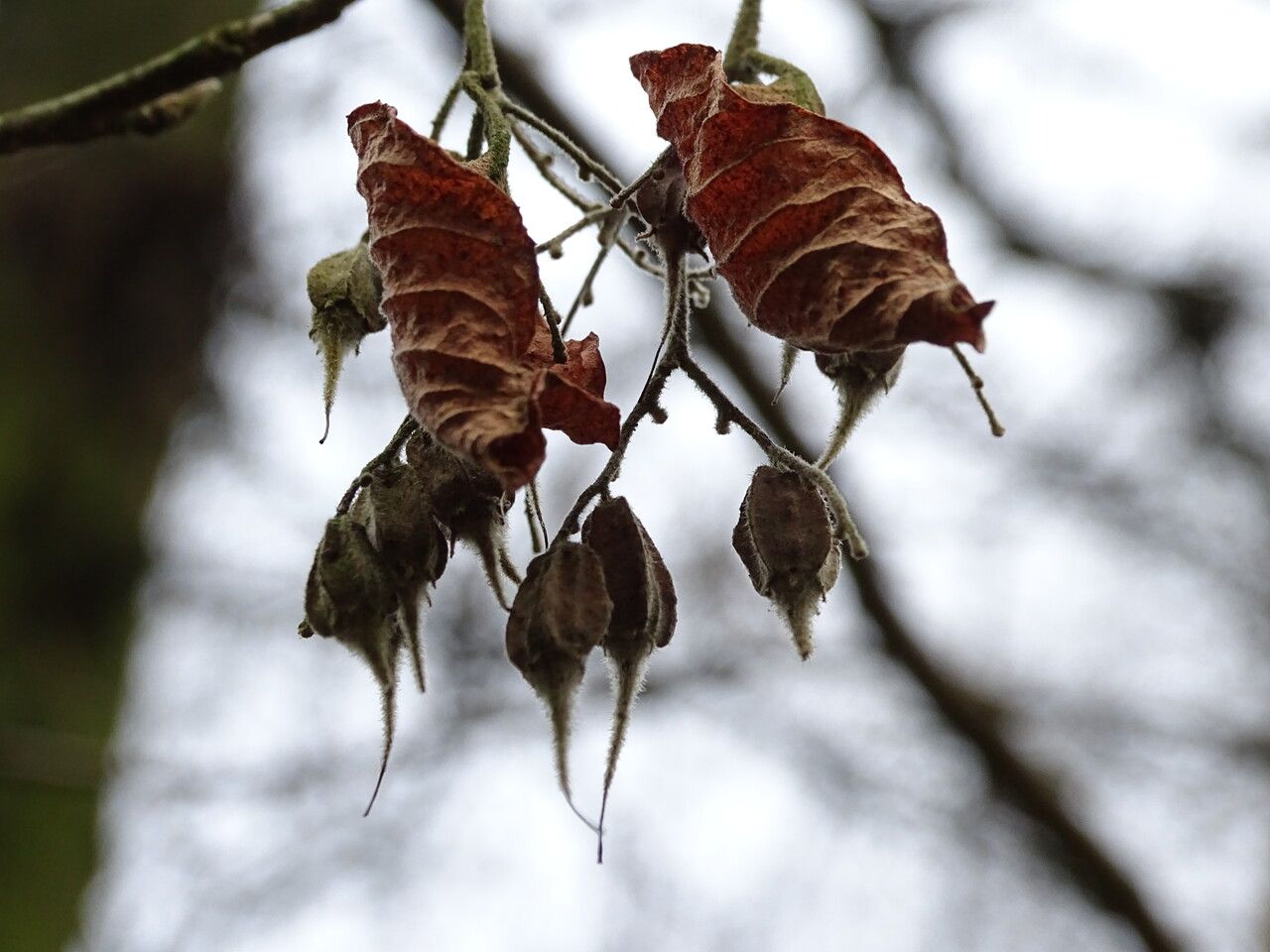
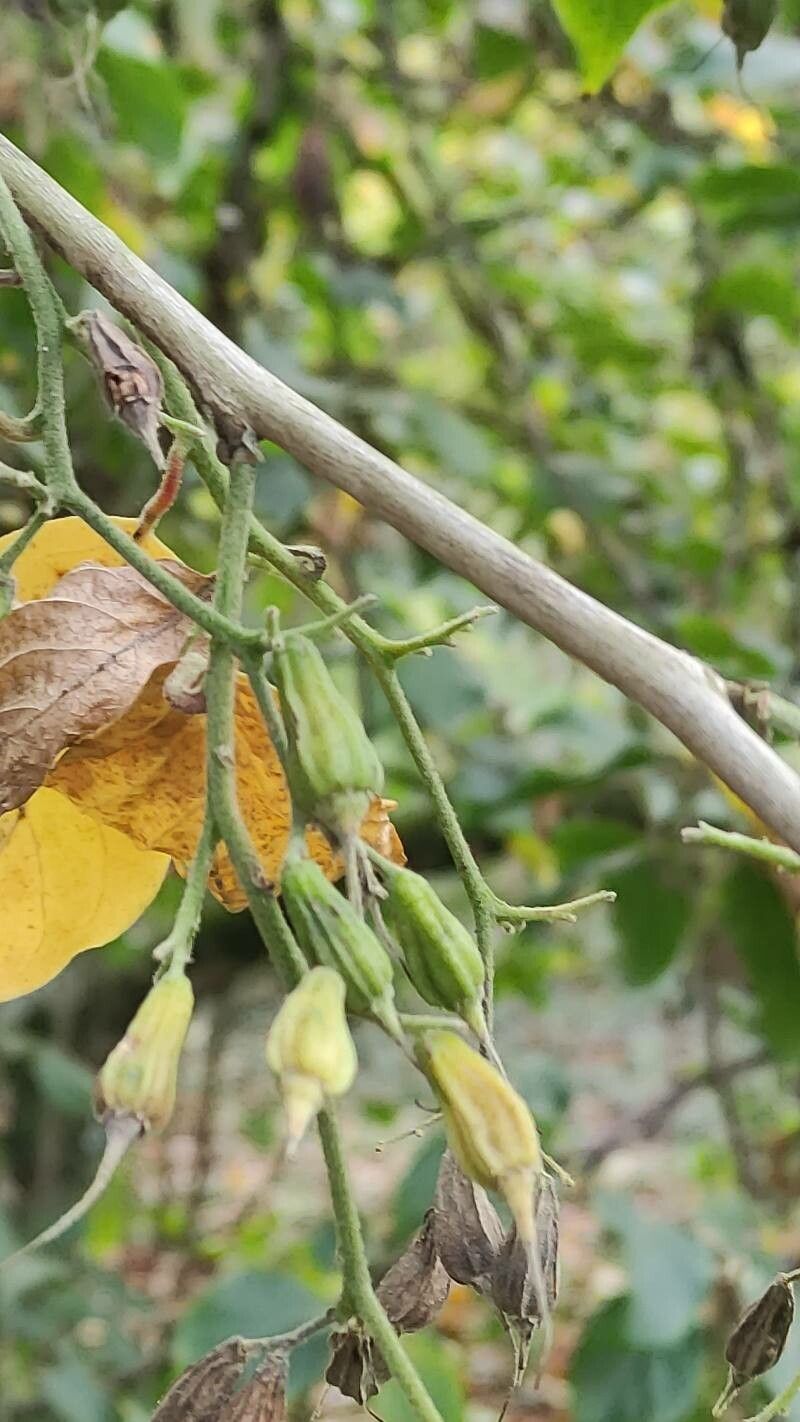
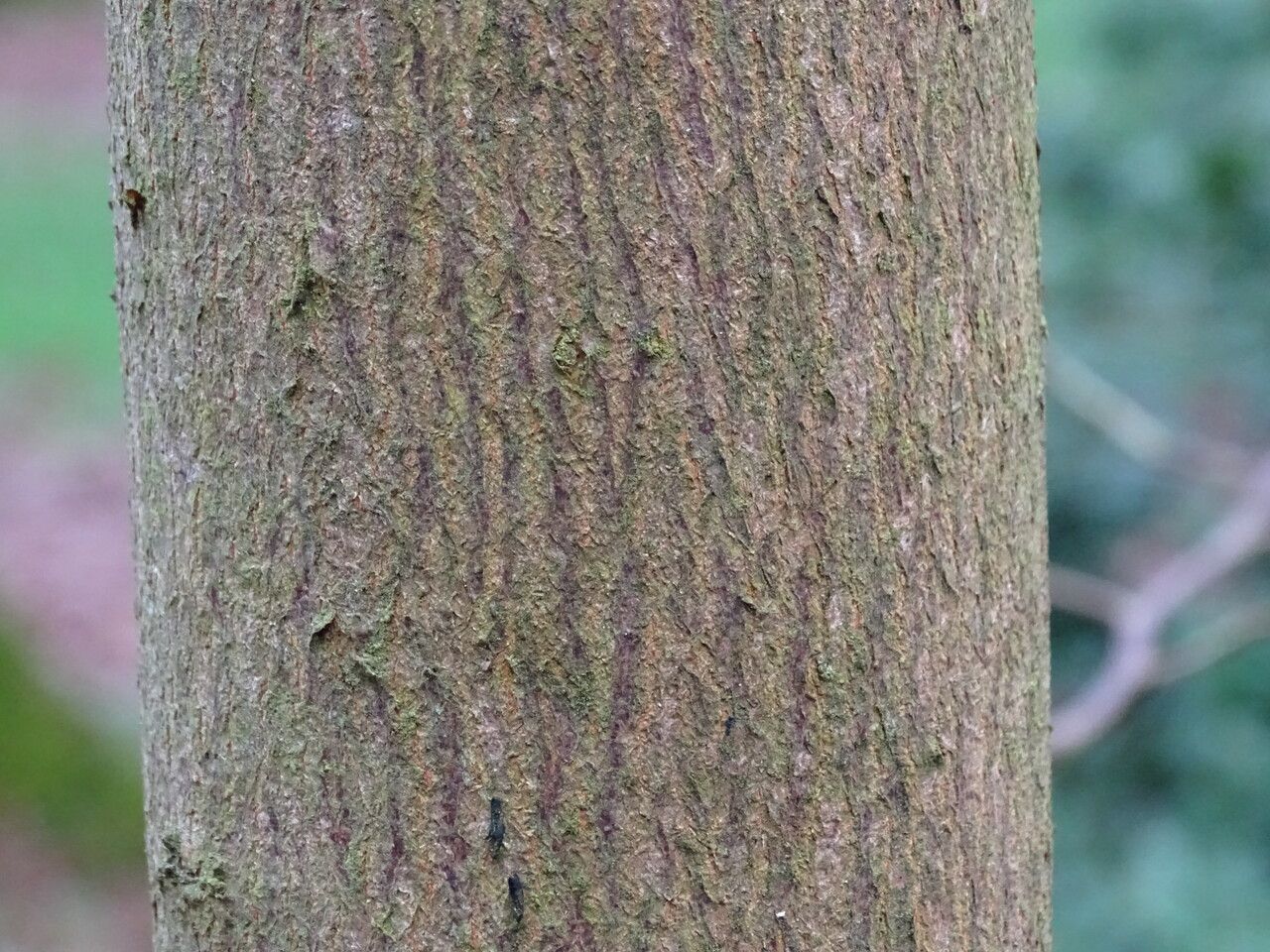
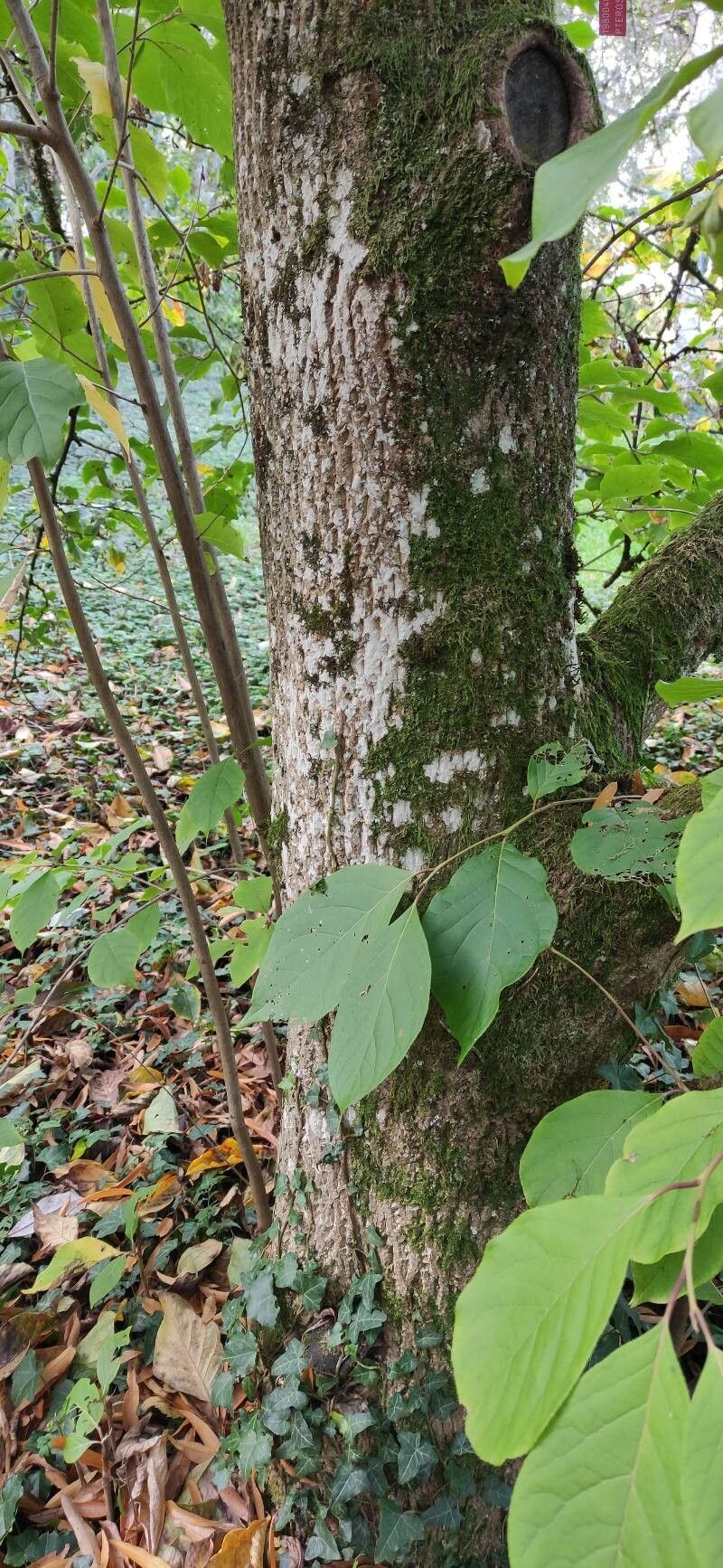
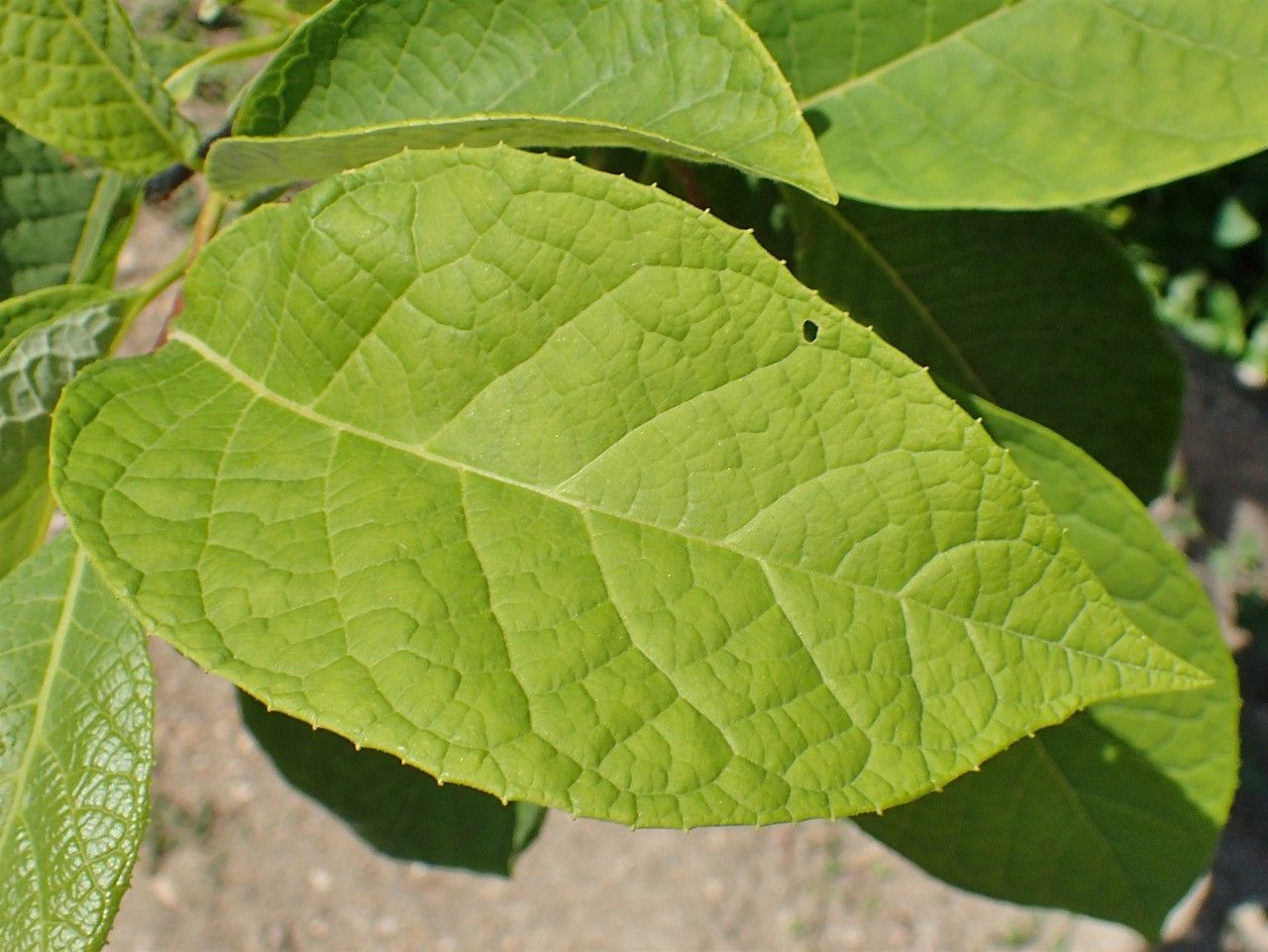
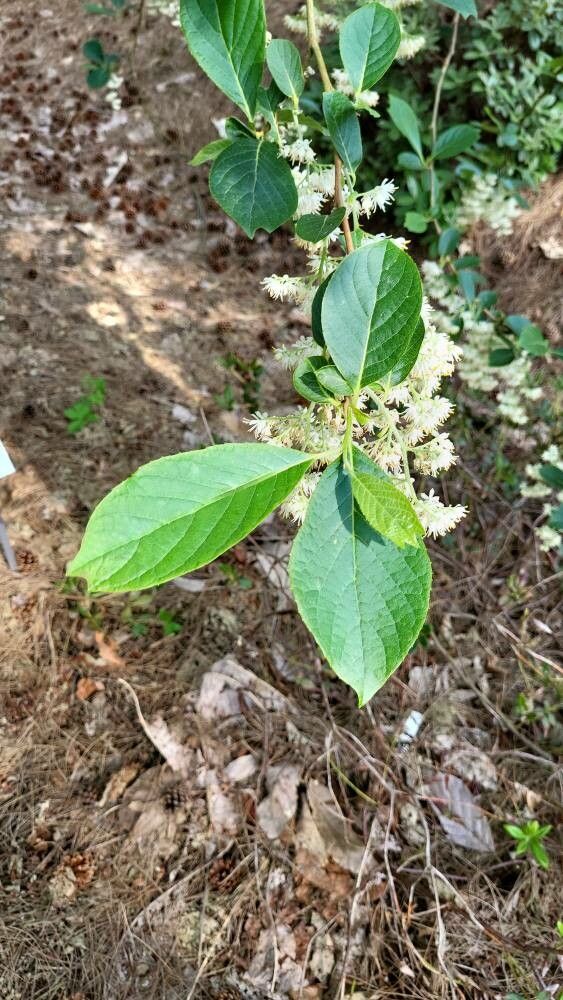
Little epaulettetree is fairly disease-resistant and is usually not susceptible to illnesses. In terms of care, this plant is relatively low-maintenance. When planted outdoors it needs little watering, and larger plants generally do not require pruning. Smaller plants, however, should be pruned after they have finished blooming. Little epaulettetree is suitable for anyone with an outdoor space, such as a garden or deck, and does not demand much prior care experience.
How to keep Pterostyrax Corymbosus.
Light
Little epaulettetree occurs naturally in habitats like forest understories and rocky areas, where it grows in natural shade. It prefers partial sun but can tolerate both full sun and full shade, demonstrating its versatility and hardiness.
Water
The little epaulettetree flourishes in conditions of moderate moisture and benefits from being watered twice a week to keep the soil evenly moist. While it can endure brief periods of drought, it does best in stable humidity. In temperate zones, when grown outdoors, it requires less frequent watering during rainy seasons.
Temperature
Little epaulettetree is a plant adapted to temperatures of 41 to 77 °F (5 to 25 ℃). It does best in conditions that mirror the temperature of its native habitat. Steps should be taken to protect it from temperatures outside this preferred range, especially during the most extreme seasons.
Fertilizer
The timing of fertilization is critical for Little epaulettetree. Fertilize in early spring and continue monthly through early summer. Fertilizer aids in producing lovely blooms and supplies energy both during dormancy and periods of active growth.
Pruning
The little epaulettetree showcases elegant, hanging flowers and benefits from pruning in early spring. Start by removing dead or crossing branches to improve air circulation. Then, thin out overcrowded areas to encourage healthy blooms. Light pruning helps maintain the tree's natural shape, promoting vigor and preventing disease.
Botanical profile.
- Plant Type
- Tree
- Life Cycle
- Perennial
- Genus
- Pterostyrax
- Family
- Styracaceae
- Hardiness Zone
- 5-6
- Mature Height
- 6.1 m to 9.14 m
- Mature Spread
- 6.1 m to 9.14 m
- Leaf Color
- Green, Dark Green
- Leaf Type
- Deciduous
- Flower Color
- White
- Flower Size
- 15.24 cm
- Bloom Time
- Mid spring, Late spring
- Planting Time
- Spring, Summer, Autumn
- Harvest Time
- Late summer, Early fall, Mid fall
- Native Area
- Japan, China
Reader questions.
What are the sunlight requirements for a Little Epaulettetree?
The Little Epaulettetree, or Pterostyrax corymbosus, thrives in varying amounts of sunlight depending on the desired growth outcome. For partial sun exposure, it requires about 3-6 hours of sunlight daily. If you're aiming for a plant that can tolerate full shade, it should receive less than 3 hours of sunlight a day. It's important to observe the movement of sunlight through your garden to identify spots that offer the ideal mix of light and shadow. This observation ensures you find a location that will make your Little Epaulettetree happy and healthy.
What is the optimal temperature range for the Little epaulettetree?
The Little epaulettetree, scientifically known as Pterostyrax corymbosus, prefers a temperature range of 41 to 77 °F (5 to 25 °C). It's important to maintain conditions close to its native habitat to ensure the plant's health and growth. Extra care might be needed during the more extreme seasons to keep the temperature within this ideal range.