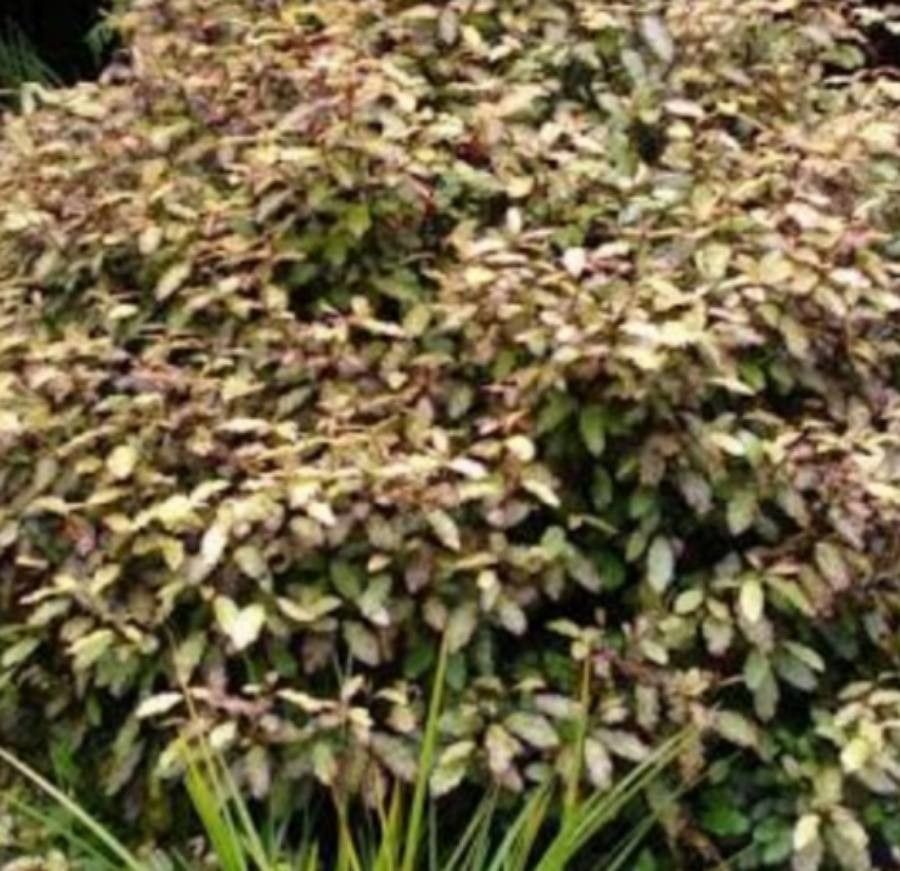
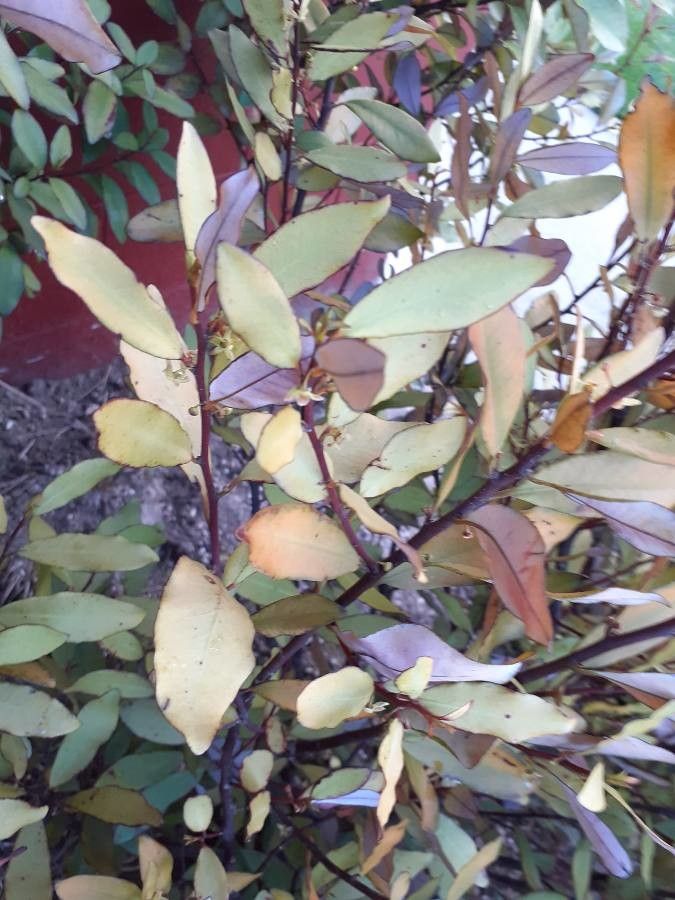
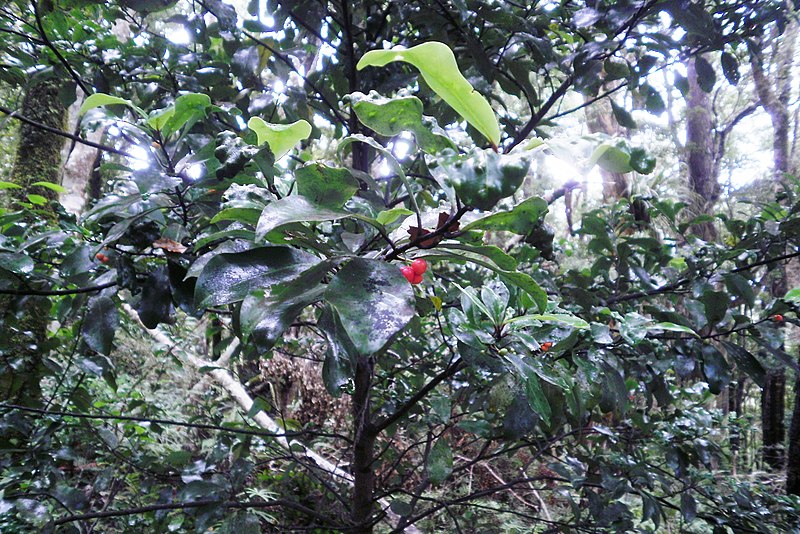
Pseudowintera colorata, also known as mountain horopito or pepper tree, is a species of woody evergreen flowering trees and shrubs, part of family Winteraceae. The species is endemic to New Zealand. All Winteraceae are magnoliids, associated with the humid Antarctic flora of the southern hemisphere.
The pepper tree has strong disease resistance and is generally not susceptible to illnesses. In terms of care, this plant is relatively low-maintenance. When grown outdoors it needs only minimal watering, and larger plants usually do not require pruning. Smaller plants, however, should be pruned after they have bloomed. The pepper tree is suitable for anyone with an outdoor area, such as a garden or deck, and does not demand much experience in plant care.
How to keep Pseudowintera Colorata.
Light
A pepper tree does best with a strong amount of sunlight, although it can adapt to modest light conditions. Its native habitat has abundant light, which encourages healthy growth. However, excessive or insufficient light can hinder its development and lead to visible signs of stress.
Water
The pepper tree thrives best in a woodland-like setting with moist soil and high humidity. While it can tolerate moderate drought, it needs consistent moisture and ideally should be watered every two weeks. Although it is often grown outdoors to benefit from natural rainfall, it needs to be monitored during dry spells to maintain its evergreen foliage.
Temperature
The pepper tree is highly adaptable to different climate conditions, whether facing blistering summers or cold winters. However, it does have an optimal temperature range for growth. If temperatures become too high, the plant is vulnerable to heat and humidity stress, which can cause it to die. In areas where temperatures near the lower limit of its cold tolerance, it is necessary to use insulation measures to protect the plant.
Fertilizer
Proper timing is important when fertilizing a Pepper tree. Fertilize in early spring and then every month until early summer. Fertilizer promotes attractive blooms and supplies energy during both dormant and active growth phases.
Pruning
To help your pepper tree thrive, focus on proper pruning during its dormant winter period. Effective pruning techniques include removing damaged wood, thinning the branches to improve airflow, and shaping the tree for better structure. These practices rejuvenate the plant, encourage new growth, and enhance its overall health. Be sure to use clean, sharp tools to prevent the introduction of diseases.
Pot & Repot
For the pepper tree, repot it every 2-3 years in early spring. Use a container that is one size larger than the current one. Make sure to use well-draining soil and keep the moisture consistent, being careful to avoid waterlogging. This care regimen will help the pepper tree develop vibrant and stunning foliage.
Botanical profile.
- Plant Type
- Tree, Shrub
- Life Cycle
- Perennial
- Genus
- Pseudowintera
- Family
- Winteraceae
- Hardiness Zone
- 9-11
- Mature Height
- 0.91 m to 2.44 m
- Mature Spread
- 0.91 m to 1.52 m
- Leaf Color
- Green, Yellow, Red
- Leaf Type
- Evergreen
- Flower Color
- White
- Flower Size
- 1.02 cm to 1.52 cm
- Bloom Time
- Mid fall, Late fall, Early winter
- Planting Time
- Spring, Summer, Autumn
- Harvest Time
- Late winter, Early spring, Mid spring
- Native Area
- New Zealand
Other names.
Reader questions.
What are the sunlight requirements for a Pepper tree?
The Pepper tree (Pseudowintera colorata) thrives with abundant light, benefiting from more than 6 hours of direct sunlight daily for what's considered 'full sun', and about 3-6 hours for 'partial sun'. This aligns with its natural habitat conditions, which favor vigorous sunlight exposure, crucial for its healthy growth. However, plants should be observed for the ideal balance between light and shade to prevent stress, as both excessive and insufficient light can impair the plant's development.
What is the Pepper tree?
The Pepper tree, known botanically as Pseudowintera colorata, is a plant recognized for its distinctive characteristics and uses, although specific details such as its essentials and symptoms of concern were not provided in the available information.
How can artificial light aid the growth of Pepper trees indoors?
When natural sunlight is inadequate, especially during winter or in areas receiving less sunlight, artificial lights can significantly benefit indoor Pepper trees. LED lights, being customizable, are preferable for providing the wavelengths needed by the plants. Full sun plants require 30-50W/sq ft, partial sun plants need 20-30W/sq ft, and full shade plants use 10-20W/sq ft of artificial light. Positioning the light source 12-36 inches above the plant and ensuring it receives 8-12 hours of light daily mimics natural sunlight conditions effectively, promoting healthier growth.
What are key symptoms of insufficient or excessive sunlight in Pepper trees?
Pepper trees display various symptoms when faced with suboptimal lighting. Insufficient sunlight leads to smaller new leaves, leggy growth, faster leaf drop, delayed or ceased growth, paler leaves indicating a lack of chlorophyll, and symptoms like chlorosis and sunscald. Excessive sunlight exposure results in chlorosis, physical damage from sunscald, leaf curling as a defense against water loss, wilting due to rapid water loss, and leaf scorching marked by brown, dry edges on leaves. These symptoms highlight the plant's struggle with incorrect lighting conditions.
What solutions can address lighting issues for Pepper trees?
For indoor Pepper trees, gradually increasing sunlight exposure to at least 6 hours daily or utilizing artificial lights for at least 8 hours can remedy light deficiency. Outdoor plants should be gradually moved to sunnier locations to avoid sunburn. Removing obstructions like tree branches can improve sunlight access. For ground plants, transplanting during their dormancy to a sunnier, well-drained location is advisable. While affected parts may not recover, new growth will be healthy with proper light exposure.