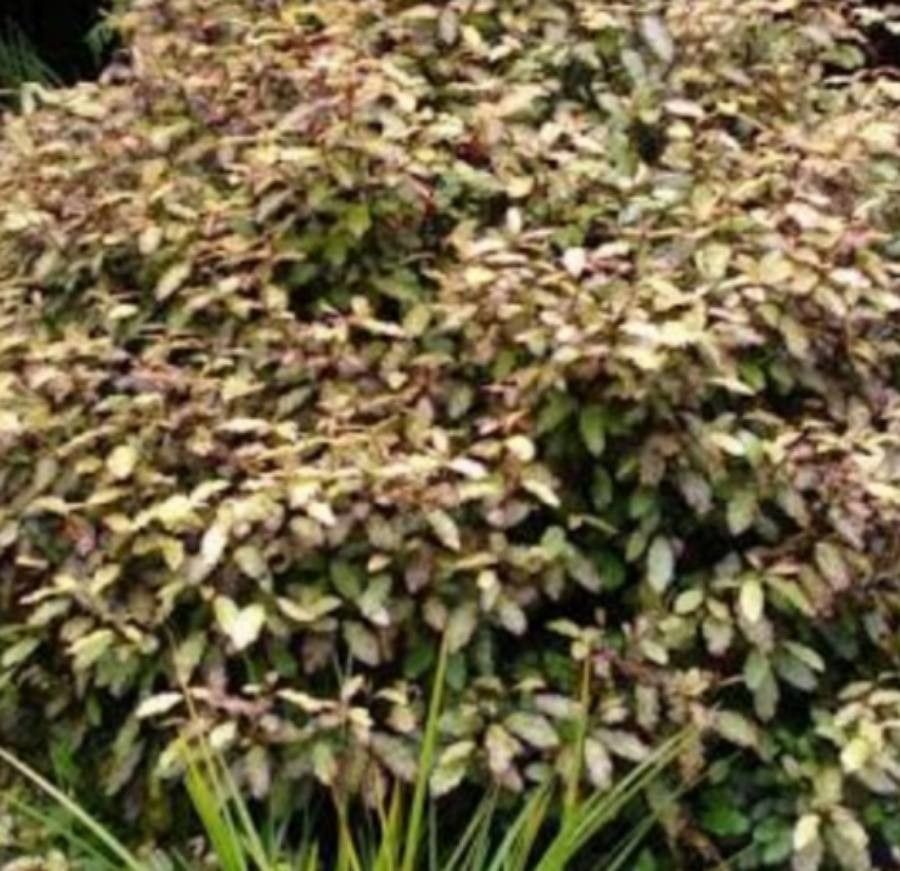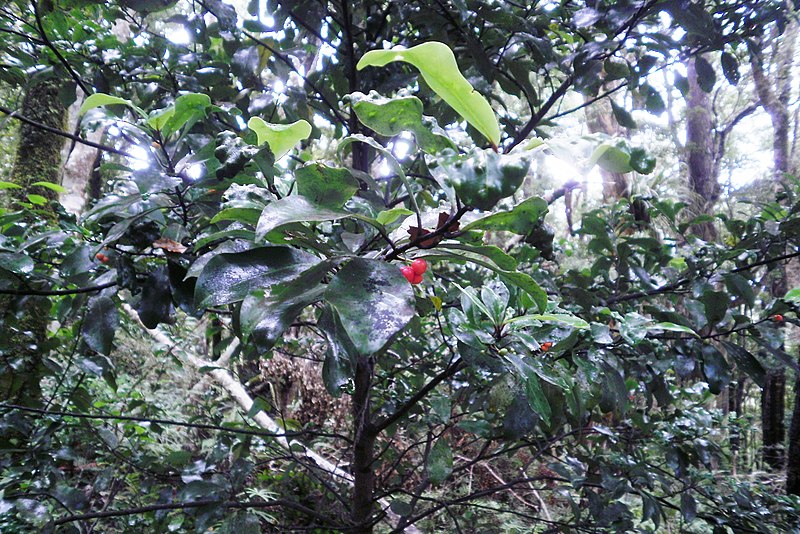
The Pseudowintera axillaris is a shrub like tree, endemic to New Zealand. They are members of the Winterace family and are known for their peppery taste, and glossy green leaves.
The Lowland pepper tree is resistant to disease and is generally not susceptible to illnesses. Regarding maintenance, it is fairly low-maintenance. When grown outdoors it needs little watering, and larger specimens usually do not require pruning; smaller plants, however, should be trimmed after flowering. The Lowland pepper tree is appropriate for anyone with outdoor space, such as a garden or a deck, and does not demand extensive gardening experience.
How to keep Pseudowintera Axillaris.
Light
Lowland pepper tree comes from open habitats, like sunny meadows and forest edges, which supply abundant light. It grows best in full sun yet tolerates partial sun, adjusting well to different sunlight levels.
Water
The lowland pepper tree, native to dry regions, shows moderate drought tolerance and thrives with well-balanced soil moisture. For optimal growth during the growing season, water the tree every 2-3 weeks, allowing the soil to dry slightly between waterings. This routine enhances the tree's vigor, making it well-suited for outdoor cultivation.
Temperature
The lowland pepper tree shows strong adaptability to a wide range of climate conditions, from scorching summers to chilly winters. Still, it has a preferred temperature range for growth. If temperatures get too high, the plant can suffer from heat and humidity stress, which may lead to its death. In areas where temperatures approach the lower limit of its cold tolerance, taking insulation measures to protect the plant is important.
Fertilizer
Fertilizing Lowland pepper tree is a matter of timely execution. Begin the process in the early spring, on a monthly cycle until early summer. The utilization of fertilizer facilitates the sprouting of beautiful flowers and supplies vigor through both inactive and active growth periods.
Pruning
The lowland pepper tree benefits from annual pruning during its dormant season, ideally between early and late winter. When pruning, concentrate on removing dead branches and thinning out dense areas to enhance air circulation. This practice encourages healthy growth in the spring, reduces the risk of disease, and ensures the tree remains vibrant and well-shaped.
Botanical profile.
- Plant Type
- Shrub
- Life Cycle
- Perennial
- Genus
- Pseudowintera
- Family
- Winteraceae
- Hardiness Zone
- 8-11
- Mature Height
- 7.92 m
- Mature Spread
- 2.13 m
- Leaf Color
- Dark Green, Olive Drab
- Leaf Type
- Evergreen
- Flower Color
- White
- Flower Size
- 1.02 cm
- Bloom Time
- Mid fall, Late fall, Early winter
- Planting Time
- Spring, Summer, Autumn
- Harvest Time
- Late winter, Early spring, Mid spring
- Native Area
- New Zealand
Other names.
Reader questions.
What are the sunlight requirements for Lowland pepper tree?
The Lowland pepper tree, botanically known as Pseudowintera axillaris, thrives best in full sun conditions, receiving more than 6 hours of sunlight daily. However, it can also tolerate partial sun, defined as about 3-6 hours of sunlight per day. Originating from open environments like sunny meadows and forest edges, this plant adapts well to various sunlight conditions, making it versatile for different garden spots. It's beneficial to observe how sunlight moves through your garden to choose the best location, balancing light and shade to ensure the plant's happiness.
What artificial lighting requirements does the Lowland pepper tree have?
For indoor Lowland pepper trees, adequate lighting is crucial, especially when natural sunlight is insufficient. Artificial lighting can be a vital solution for optimal growth, promoting faster, healthier development. LED lights are recommended due to their ability to provide specific wavelengths needed by plants. Full sun plants require 30-50W/sq ft of artificial light, partial sun plants need 20-30W/sq ft, and the light source should be placed 12-36 inches above the plant. Mimicking natural daylight hours, most plants will thrive with 8-12 hours of artificial light per day.
What are the key symptoms of light deficiency in Lowland pepper trees?
When Lowland pepper trees, adapted to abundant sunlight, are placed in conditions with insufficient lighting, they may show various symptoms indicating light deficiency. These include smaller new leaves, leggy or sparse growth, faster leaf drop, slower or halted new growth, and lighter-colored or chlorotic leaves. Excessive sunlight can cause symptoms like sunscald, leaf curling to minimize water loss, wilting from transpiration-induced hydration issues, and leaf scorching, manifesting as brown, dry edges on leaves.
How can I address light-related issues for my Lowland pepper tree?
To optimize the growth of your Lowland pepper tree and address light-related issues, consider gradually moving the plant to receive at least 6 hours of direct sunlight daily for those kept indoors. Use south-facing windows and keep curtains open during the day for maximum exposure. If natural sunlight is insufficient, artificial plant grow lights can provide additional light. For outdoor plants, gradual relocation to sunnier spots is advised to prevent sunburn. Additionally, minimizing obstructions by pruning or transplanting to less shaded areas can improve sunlight exposure. Note that parts of the plant already affected may not recover, but new growth will be healthy with improved light conditions.