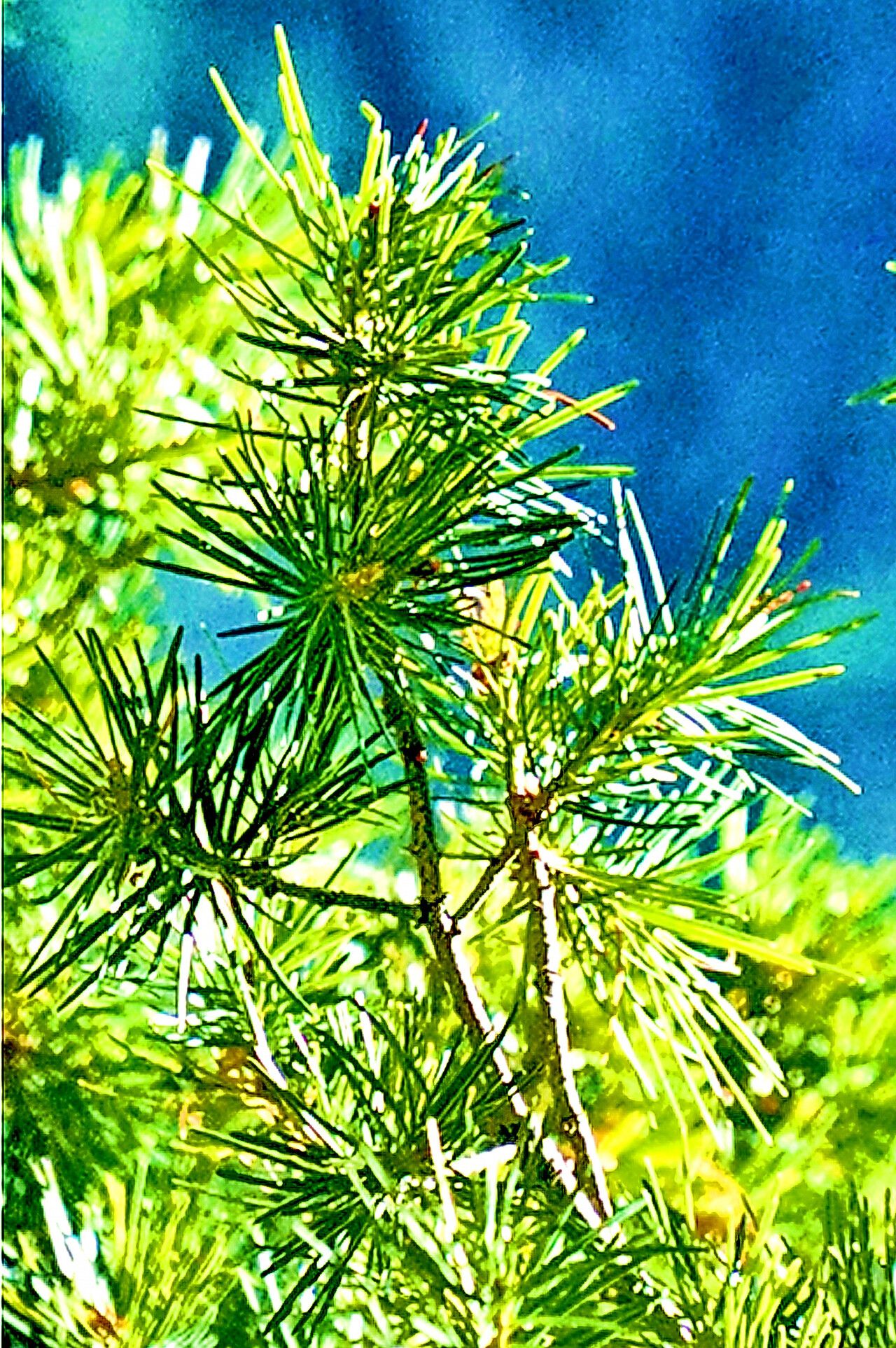
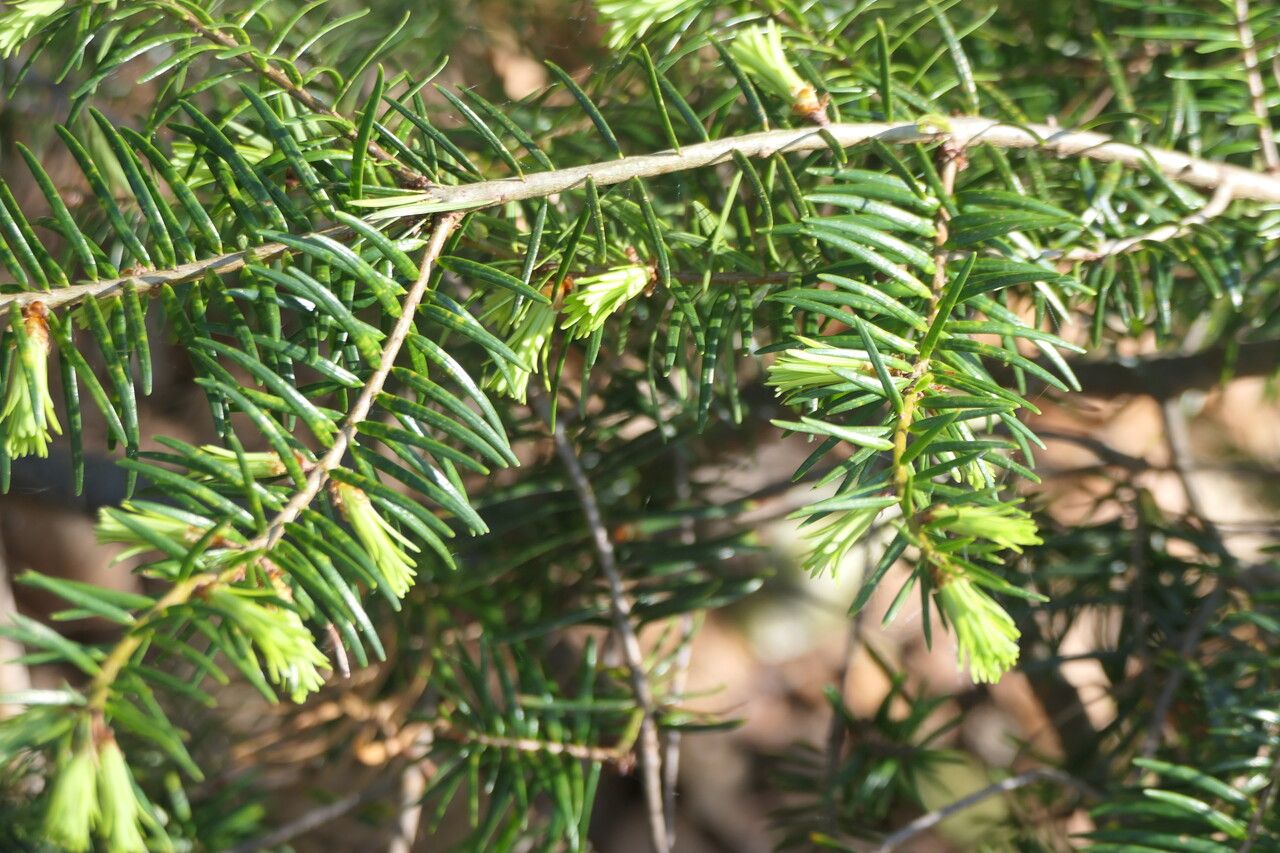
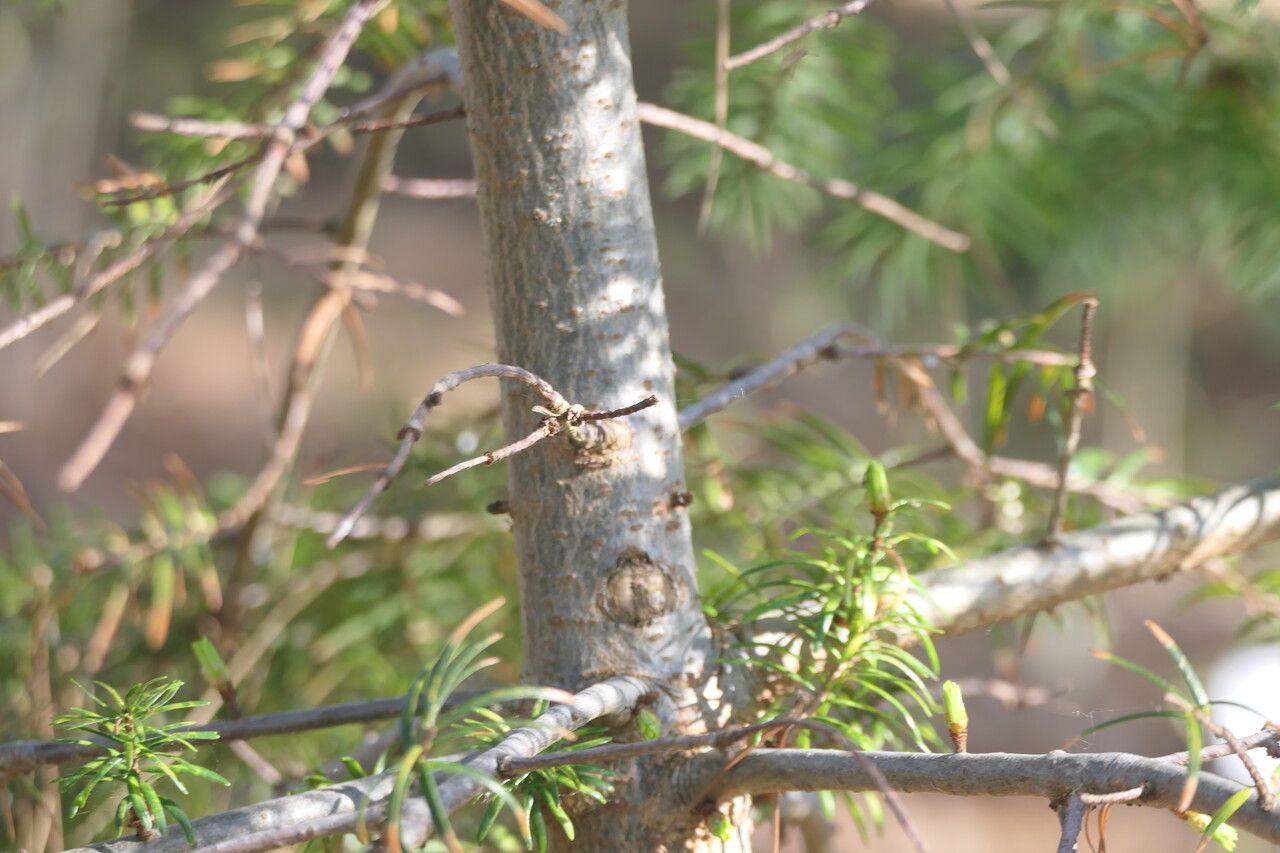
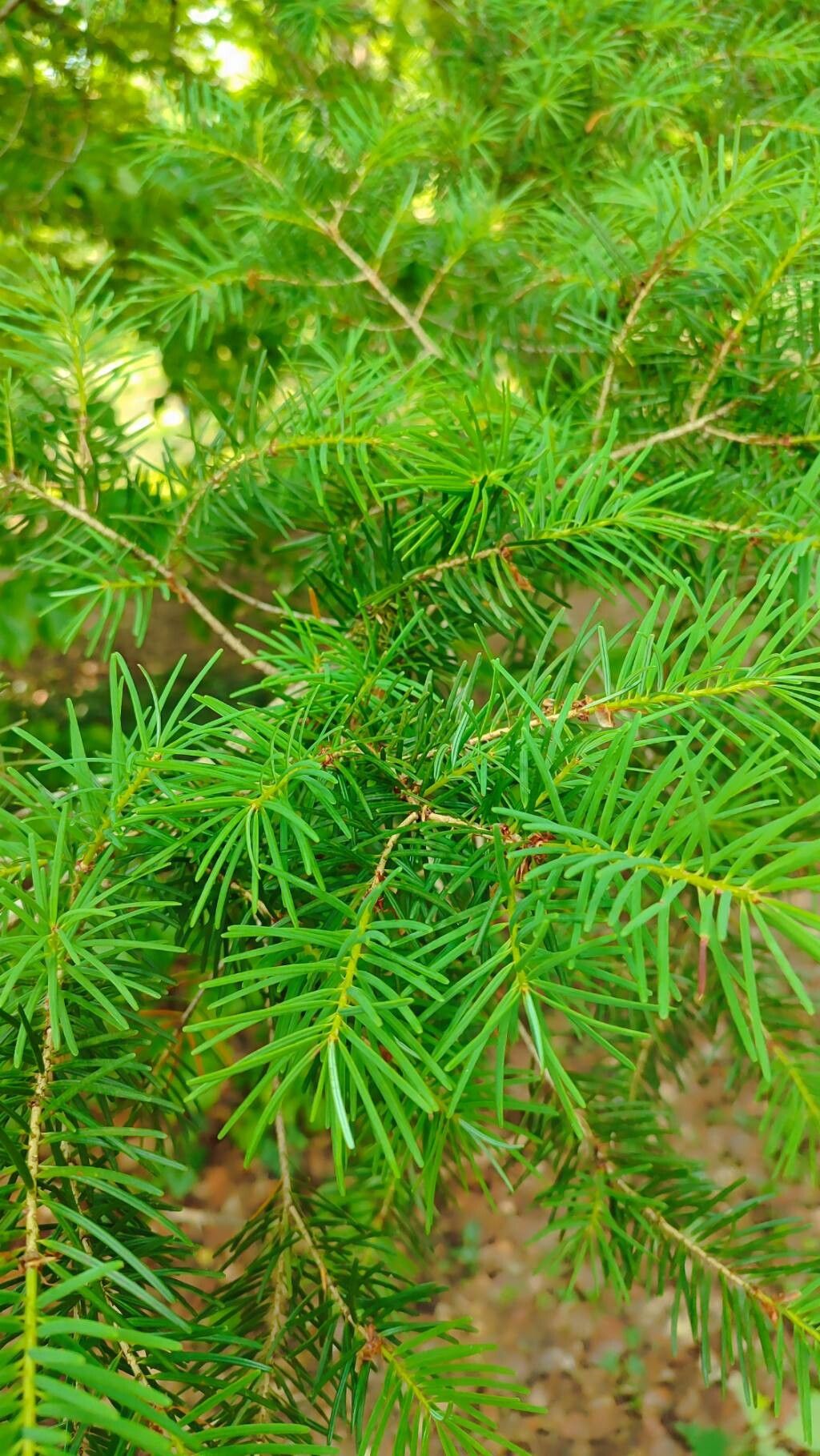
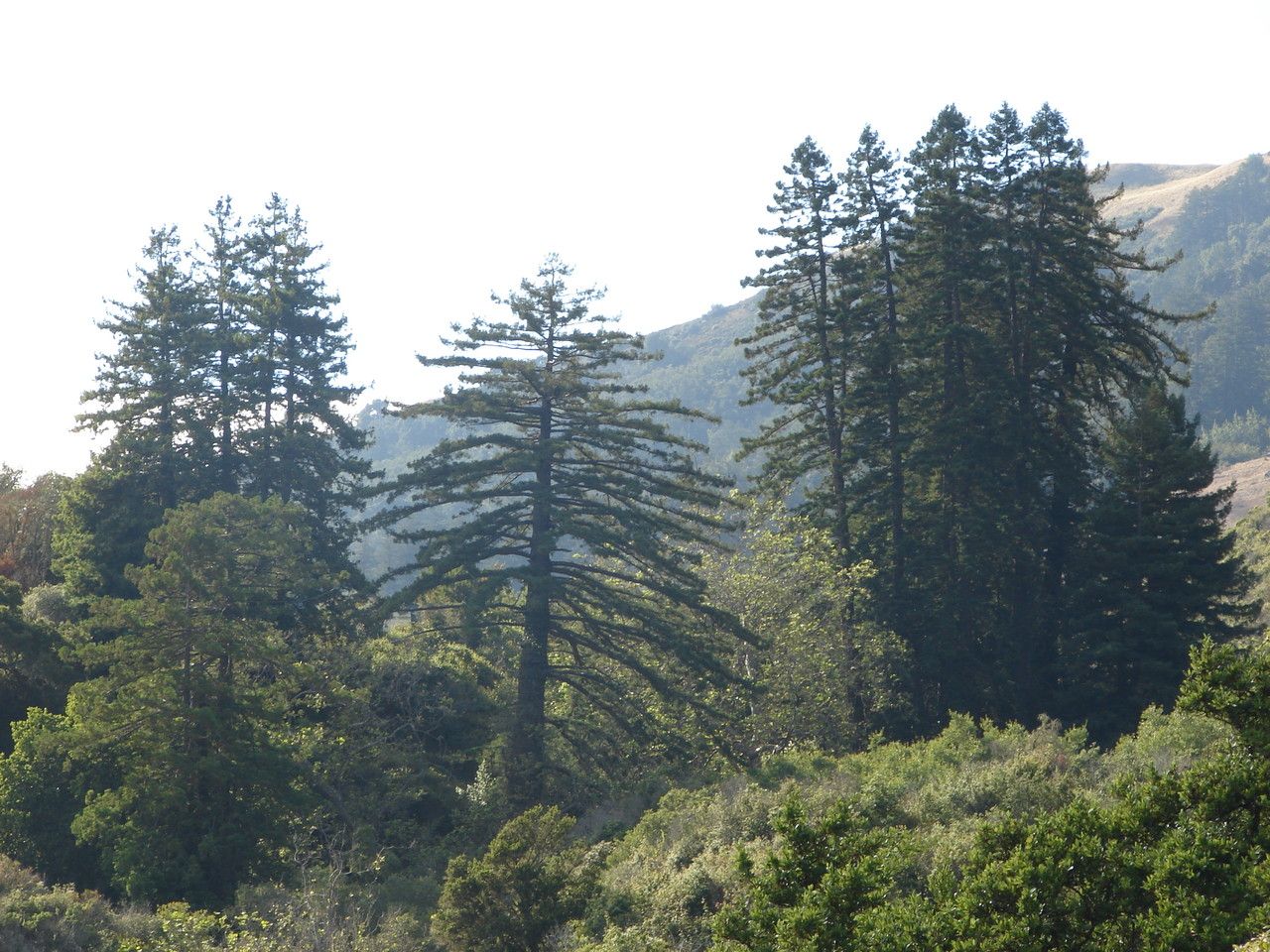
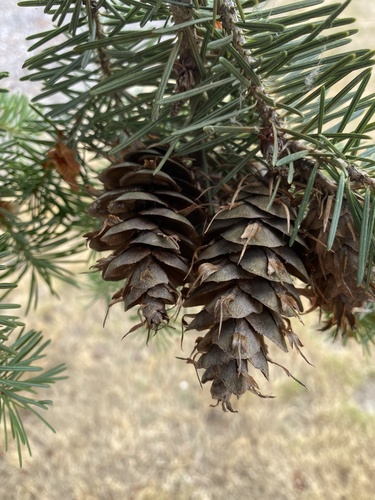
Pseudotsuga sinensis (Chinese Douglas-fir; in Chinese 黃杉, pinyin romanization: huáng shān) is a species of conifer in the family Pinaceae. It is a tree up to 50 metres tall. It is found in China (in Anhui, Fujian, Guangxi, Guizhou, Hubei, Hunan, Jiangxi, Shaanxi, Sichuan, Yunnan, and Zhejiang provinces) and Taiwan as well as in northernmost parts of Vietnam.The timber is used for construction, bridge building, furniture, and wood fiber.Pseudotsuga sinensis var. wilsoniana, Taiwan Douglas-fir, is sometimes treated as its own species, Pseudotsuga wilsoniana. This variety is geographically isolated (being restricted to Taiwan) but is not markedly distinct morphologically from var. sinensis of China.
Chinese douglas-fir resists disease well and is generally not susceptible to illnesses. In terms of maintenance, this plant is fairly low-maintenance. When grown outdoors it needs only minimal watering, and larger specimens usually do not require pruning. Smaller plants, however, should be pruned after they have finished blooming. Chinese douglas-fir is appropriate for anyone with an outdoor area, such as a garden or deck, and does not demand extensive care experience.
How to keep Pseudotsuga Sinensis.
Light
Chinese douglas-fir comes from open habitats, like sunny meadows and forest margins, which supply plenty of light. It performs best in Full Sun but can also withstand Partial Sun, adjusting well to different light conditions.
Water
The Chinese Douglas-fir, native to mountainous regions, thrives in conditions with moderate moisture and can withstand short dry periods. It requires weekly watering, and additional rainfall during the active growing season, especially in cooler climates, is beneficial for its hydration.
Temperature
Chinese douglas-fir is highly adaptable to a variety of climate conditions, whether facing very hot summers or cold winters. Still, it has an optimal temperature range for growth. When temperatures get too high, the plant is vulnerable to heat and humidity stress, which can cause it to die. In areas where temperatures approach the lower limit of its cold tolerance, it is important to use insulation measures to protect the plant.
Fertilizer
The Chinese douglas-fir has particular nutrient needs and does not require heavy fertilization. Fertilizing in spring is the best time for optimal growth. Supplying nutrients improves its health, enhances resistance to pests and diseases, and helps sustain its long lifespan.
Pruning
The Chinese Douglas-fir is an evergreen tree with a distinct pyramid shape. To maintain its health, it's best to prune the tree during early to late winter while it is dormant. Focus on removing dead branches and thinning out crowded areas, but avoid heavy pruning to preserve its natural shape. Regular pruning helps maintain the tree’s health and reduces the risk of pests, ensuring the best care for your Chinese Douglas-fir.
Botanical profile.
- Plant Type
- Tree
- Life Cycle
- Perennial
- Genus
- Pseudotsuga
- Family
- Pinaceae
- Hardiness Zone
- 5-8
- Mature Height
- 49.99 m
- Mature Spread
- 6.1 m to 9.14 m
- Leaf Color
- Green
- Leaf Type
- Evergreen
- Flower Color
- Yellow, Red
- Bloom Time
- Mid spring, Late spring
- Planting Time
- Spring, Summer
- Harvest Time
- Late summer, Early fall, Mid fall
- Native Area
- Vietnam, China
Other names.
Reader questions.
What are the sunlight requirements for a Chinese Douglas-fir?
The Chinese Douglas-fir, known botanically as Pseudotsuga sinensis, thrives under specific light conditions. For optimal growth, the fir requires 'Full sun', meaning it should receive above 6 hours of sunlight daily. However, it can also sustain in 'Partial sun' with about 3-6 hours of sunlight. It's important to observe the sunlight patterns in your garden to ensure there are spots that offer a balanced environment of light and shade, encouraging the wellbeing of your plants.