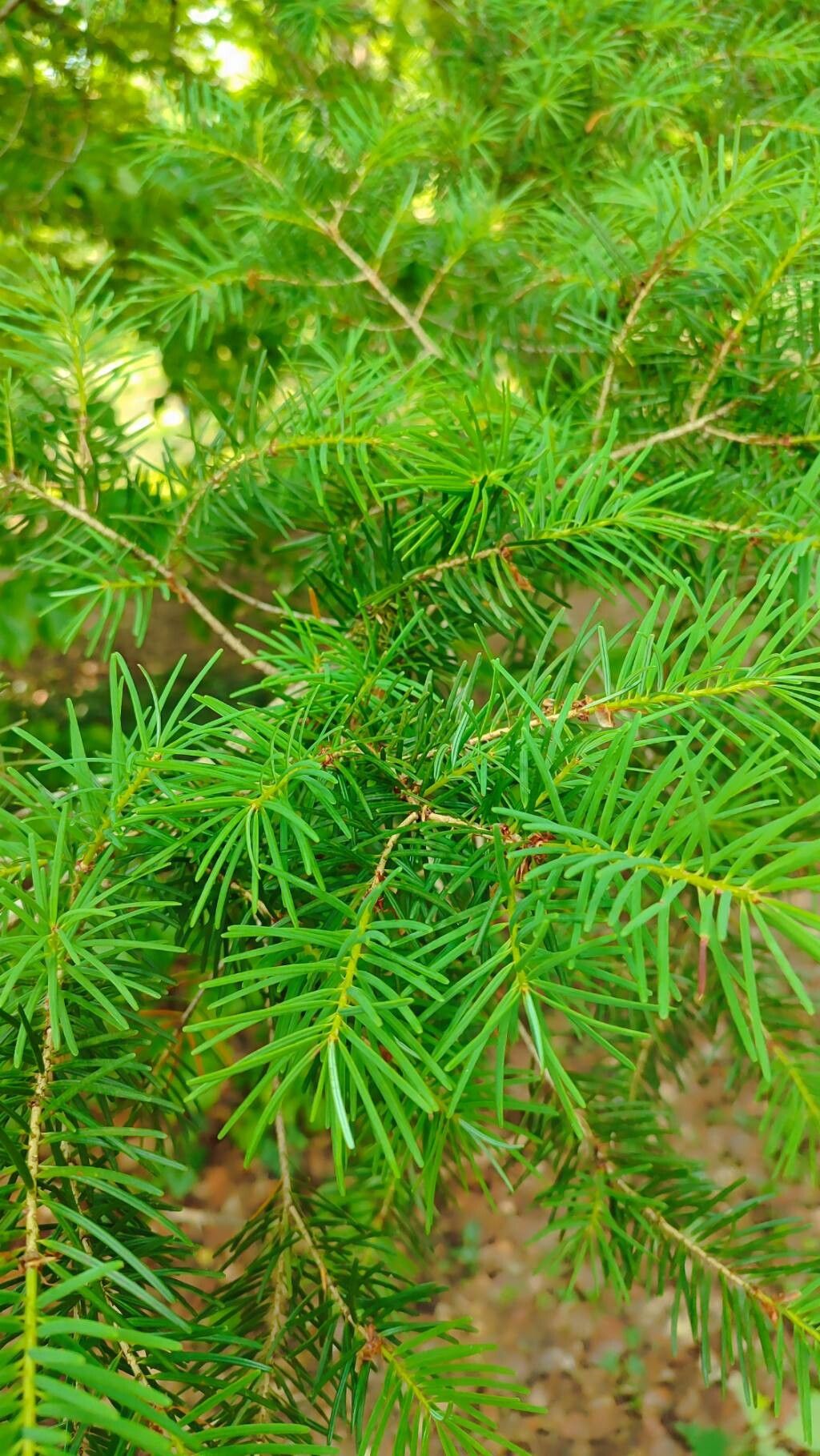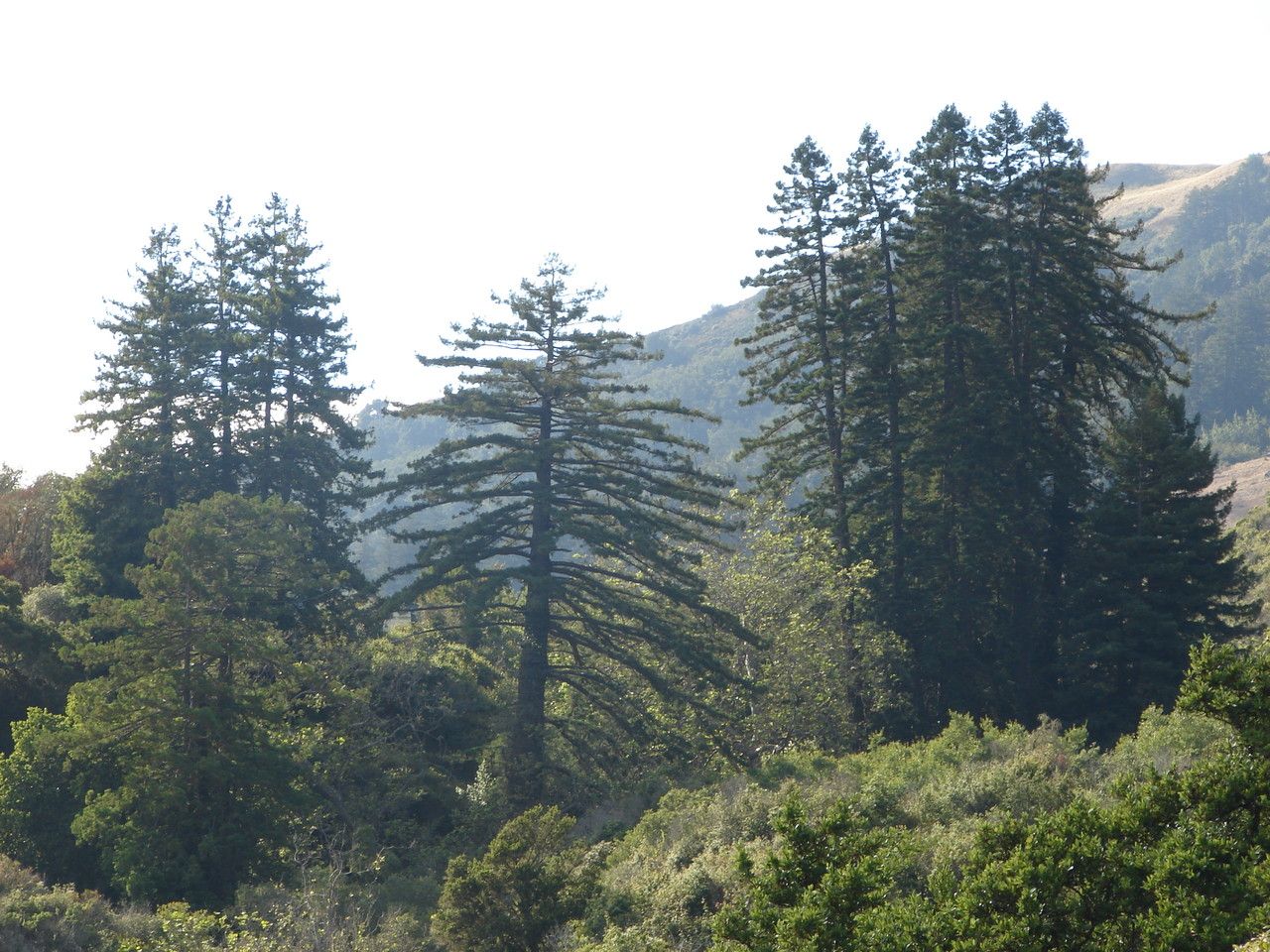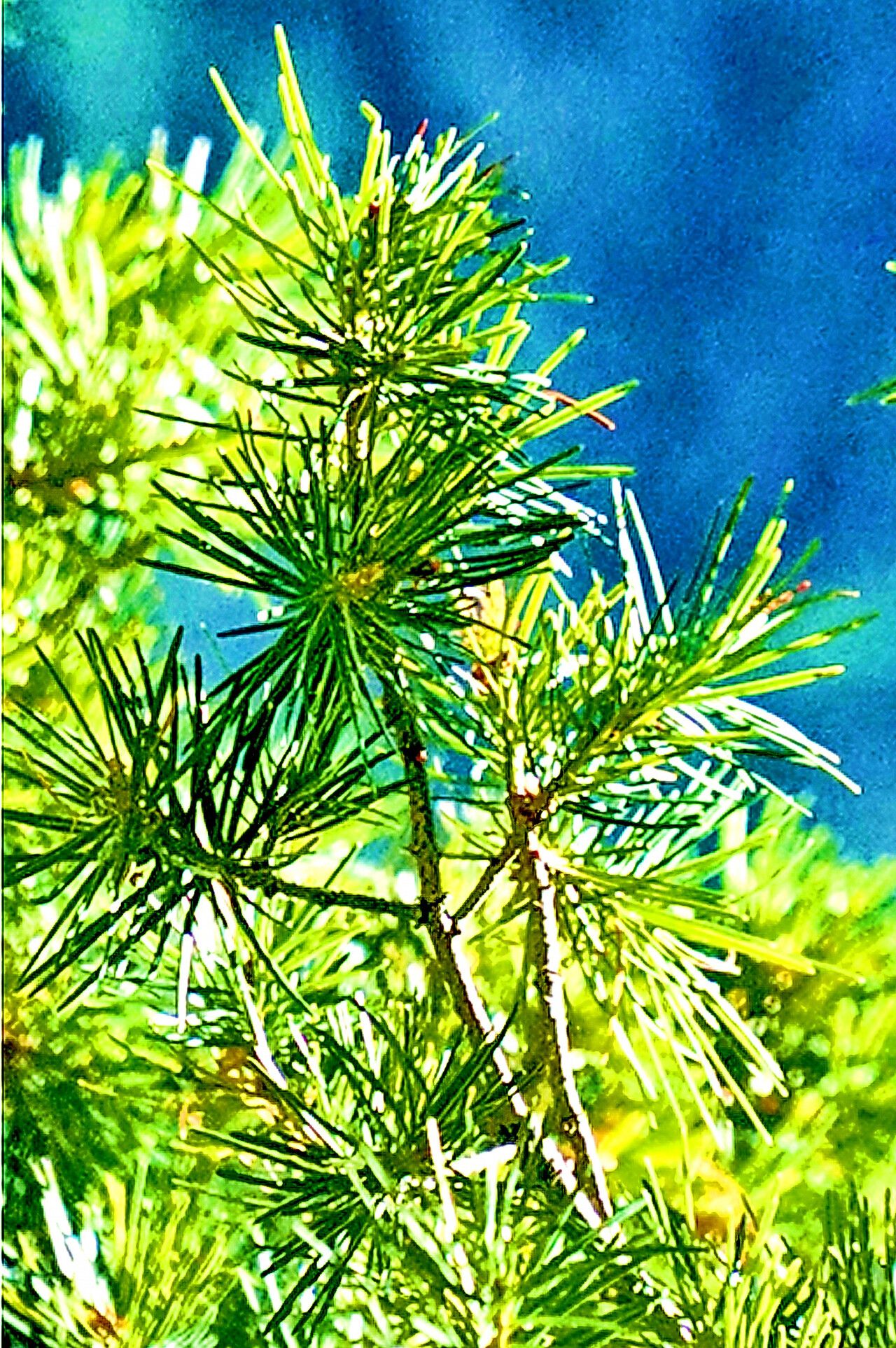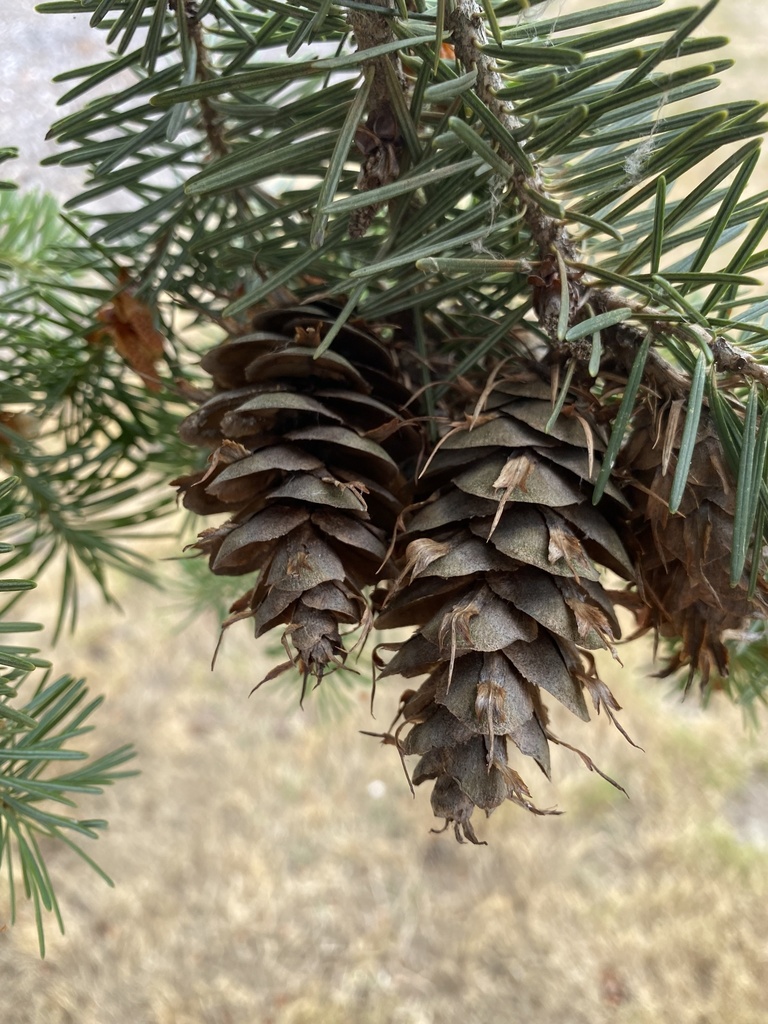
Pseudotsuga menziesii, commonly known as Douglas fir, is a large coniferous tree native to western North America. It is one of the most important timber species in the region and has been widely planted elsewhere for its valuable wood. The tree can grow up to 330 feet tall and typically has a straight trunk with a narrow crown. Its needles are flat and approximately 1 inch long, featuring two white stripes on the underside. The tree's cones are large, reaching up to 4 inches in length, and hang downward from branches near the top.
Douglas fir is crucial for wildlife habitats, providing food and shelter for many animals, including birds, squirrels, deer, elk, and bears. Additionally, it plays a significant role in forest ecosystems by offering shade to other plants on the forest floor and helping to prevent soil erosion with its extensive root system.
Common Douglas-fir: The name pays tribute to David Douglas, a Scottish botanist and collector who first recognized and reported on the remarkable nature and potential of this species. However, the name "Douglas-fir" can be misleading, as it is not a true fir and does not belong to the genus Abies. To reflect this distinction, it is often written as "Douglas-fir."
Douglas fir is resistant to disease and is generally unlikely to suffer from illnesses. In terms of care, this plant is fairly low-maintenance. When planted outdoors it needs little watering, and larger specimens typically do not require pruning. Smaller plants, however, should be pruned after they have finished blooming. Douglas fir is suitable for anyone with an outdoor area, such as a garden or deck, and does not require extensive experience in plant care.
How to keep Pseudotsuga Menziesii.
Light
Douglas fir does best in places that receive abundant sunlight throughout the day, yet it can still grow in areas with light shade. Coming from habitats with plentiful sun, insufficient light can lead to weak growth, while excessive exposure can harm the plant.
Water
Native to moist forests, the common Douglas-fir thrives best in environments with moderate moisture and consistent humidity. It has a moderate tolerance for drought, needing watering every 1-2 weeks. When grown outdoors, the common Douglas-fir benefits from seasonal rainfall, which aligns with its growth cycles to ensure optimal hydration.
Humidity
This plant prefers dry conditions, so don't mist it. However, watering it less often can also thrive in higher humidity.
Temperature
Douglas fir thrives in cool environments with temperatures between 41 and 90 ℉ (5 and 32 ℃). It prefers full sun to partial shade and favors well-draining soils. Adjust watering according to seasonal changes: provide moderate watering during the growing season and minimal watering during the dormant season.
Fertilizer
Douglas fir has specific nutrient needs and does not require heavy fertilization. Spring is the best time to apply fertilizer to promote optimal growth. Supplying nutrients enhances its health, raises its resistance to pests and diseases, and helps maintain its long lifespan.
Pruning
The common Douglas-fir is an evergreen conifer known for its tall, pyramidal shape. It's best to prune these trees in late winter when they are dormant. Focus on removing dead or crowded branches to improve air circulation. Be careful not to over-prune, as this can affect the tree's health. With proper care, you can enhance the tree's growth and reduce the risk of disease. For detailed advice, consider consulting your local extension service.
Toxicity
Douglas Fir trees are considered non-toxic to dogs and cats. However, you need to ensure that the pets do not ingest Douglas Fir needles because they can potentially lead to health issues like gastrointestinal obstruction, stomach ache, and mouth burns or irritations. With respect to the use of Douglas Fir for its lumber, there have been reports of skin irritation, nausea, giddiness, and runny nose, along with an increased likelihood of splinters getting infected.
Further reading →
The toxicity and danger assessments provided are for reference only. We do not assure their accuracy, so it's crucial not to depend on them. Seek professional advice when necessary for accurate guidance.
Botanical profile.
- Plant Type
- Tree
- Life Cycle
- Perennial
- Genus
- Pseudotsuga
- Family
- Pinaceae
- Hardiness Zone
- 5-7
- Mature Height
- 20.12 m to 99.97 m
- Mature Spread
- 11.89 m
- Leaf Color
- Green
- Leaf Type
- Evergreen
- Flower Color
- Yellow, Red, Orange
- Flower Size
- 7.62 cm to 15.24 cm
- Bloom Time
- Mid spring, Late spring
- Planting Time
- Spring, Autumn
- Harvest Time
- Mid summer, Late summer, Early fall
- Native Area
- Mexico
Other names.
Reader questions.
When should I water my common Douglas-fir?
Watering your common Douglas-fir depends on several indicators. The dryness of the soil is a primary indicator; if the top few inches of soil around the tree feel dry, it needs watering. Additionally, observe the condition of the needles. If they are crispy or brittle, it might indicate a need for watering. A reduction in the typical growth rate or drooping branches can also signal that the plant needs water. It's crucial not to water too early or too late to avoid issues like root rot from overwatering or weak growth from underwatering.
Why should I put fertilizer on my Common douglas-fir?
To support the long lifespan and healthy growth of Common douglas-fir, it is important to fertilize it in the spring. Adding nutrients to the soil can improve the plant's health, making it more resistant to pests and diseases that can stunt growth or shorten its lifespan.
What are the sunlight requirements for a Common Douglas-Fir?
Common Douglas-Fir needs full sun, defined as more than 6 hours of sunlight, or partial sun, about 3-6 hours of sunlight daily. Observing how sunlight moves through your garden is crucial for finding the ideal spot that offers the right balance of light and shade, ensuring the plant's health and happiness.
What are the optimal growing conditions for Common Douglas-fir?
Common Douglas-fir (Pseudotsuga menziesii) thrives best in cool environments, with optimal temperature ranges between 41 to 90°F (5 to 32°C). It requires full sun to partial shade for healthy growth and prefers well-draining soils. Watering needs vary by season, with moderate watering necessary during the growing season and minimal watering during its dormant phase. This species is highly cold-tolerant and does not need additional protection against frost. However, before the first freeze, it's beneficial to water the plant generously to keep the soil moist through winter, aiding in drought prevention.
How should I water my common Douglas-fir?
Water your common Douglas-fir with a focus on deep watering, allowing moisture to reach the roots without saturating the soil. Use a watering can with a long spout for accuracy, and consider bottom-watering for larger potted plants. Avoid misting, as this doesn't effectively hydrate the roots. Utilize a moisture meter to monitor soil dampness, ensuring you’re not overwatering. Water directly at the soil level, avoiding excess moisture on the foliage to prevent fungal diseases. Make sure to adjust your watering based on environmental factors like temperature and humidity.
When should I fertilize my Common douglas-fir tree?
Common douglas-fir is different from garden plants because it doesn't need a lot of extra nutrients. The growing medium may not always provide enough nutrients for healthy growth. The ideal time to fertilize it is in the spring, before new growth starts.
How does the Common Douglas-Fir respond to different lighting conditions?
The Common Douglas-Fir thrives in areas with abundant sunlight throughout the day but can also grow in slight shade. Originating from sunny environments, it can suffer from weak growth in low light, while too much direct light can cause damage. Indoor plants may require artificial lighting to maintain optimal growth, especially in less sunny spaces or during winter. LED lights are a good choice, providing specific wavelengths needed for growth. The amount of artificial light required varies by plant type: 30-50W/sq ft for full sun plants, 20-30W/sq ft for partial sun, and 10-20W/sq ft for full shade plants.
What should I do if the temperature falls below -25°C for Common Douglas-fir?
Common Douglas-fir is extremely resilient to cold and can withstand temperatures down to -25°C. However, if temperatures dip below this threshold, the plant may not show immediate signs of distress during winter, but come spring, you might observe that branches have become brittle and dry, with no new shoots emerging. To address this, prune away any dead branches that have failed to sprout new leaves in the spring.
How much water does common Douglas-fir really need?
The optimal water quantity for common Douglas-fir varies with the tree's size and environment. For potted saplings, water until it drains from the bottom of the pot. Mature trees should be watered to a depth of 18 to 24 inches once a month during dry seasons. Ensure that water reaches all roots, which can extend several feet for mature trees. Signs of proper hydration include vibrant green, needle-like leaves. Both under-watering and over-watering pose risks, so monitor the plant and adjust water quantity as needed.
When is it better to not fertilize my Common douglas-fir tree?
While some plants benefit from regular fertilization on a monthly or weekly basis, the Common douglas-fir is different. It doesn't need excessive nutrients and applying too much fertilizer can actually harm it. So, it's best to only fertilize it during the spring season, and avoid adding any fertilizer or organic matter to the soil during the summer, fall, and winter seasons.
What are the symptoms of improper lighting for a Common Douglas-Fir?
Common Douglas-Fir shows various symptoms when lighting is not optimal. In low light, it may have smaller new leaves, leggy growth, faster leaf drop, and possibly no new growth at all, indicating a struggle with insufficient light. New leaves might appear lighter or exhibit chlorosis, turning yellow due to a lack of chlorophyll. Excessive sunlight can cause sunscald, leaf curling, wilting, and leaf scorching, resulting from intense light exposure damaging the plant tissues.
How does high temperature affect Common Douglas-fir and what are the solutions?
Common Douglas-fir experiences difficulty with temperatures exceeding 32°C, leading to significant leaf drop. In extreme heat, the plant might wither and die. To mitigate damage from high temperatures, trim away the sunburned and dried-up sections. Relocating the plant to a spot with shade during the midday and afternoon sun, or using a shade cloth, can offer protection. Additionally, ensure the soil remains moist by watering in the morning and evening.