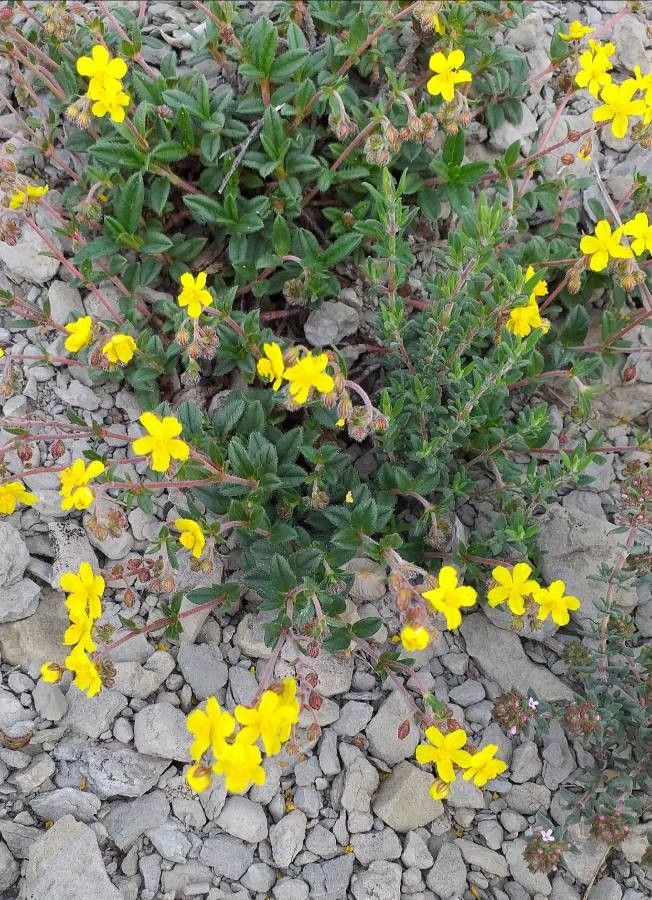
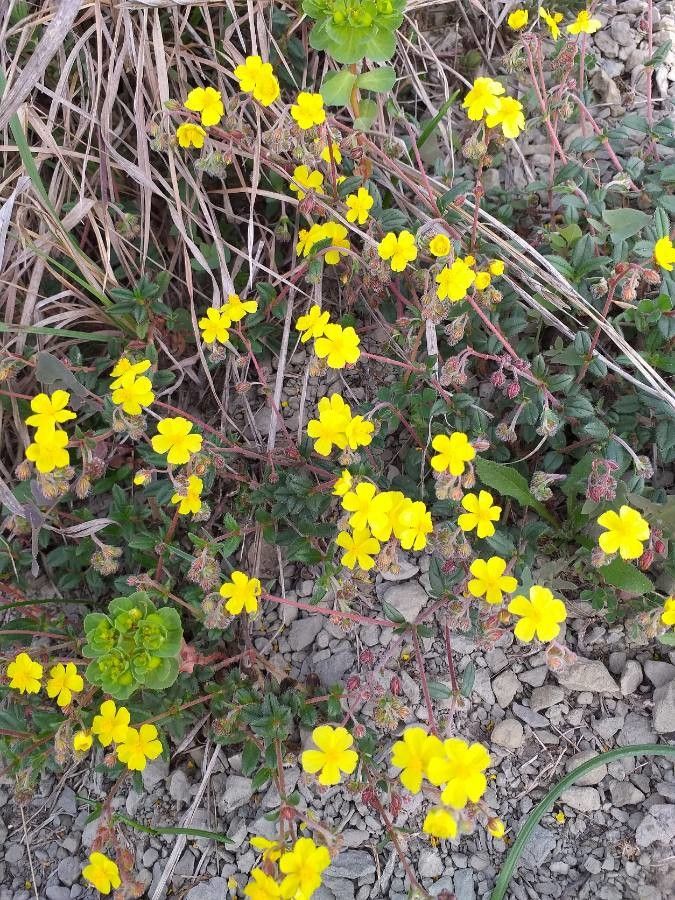
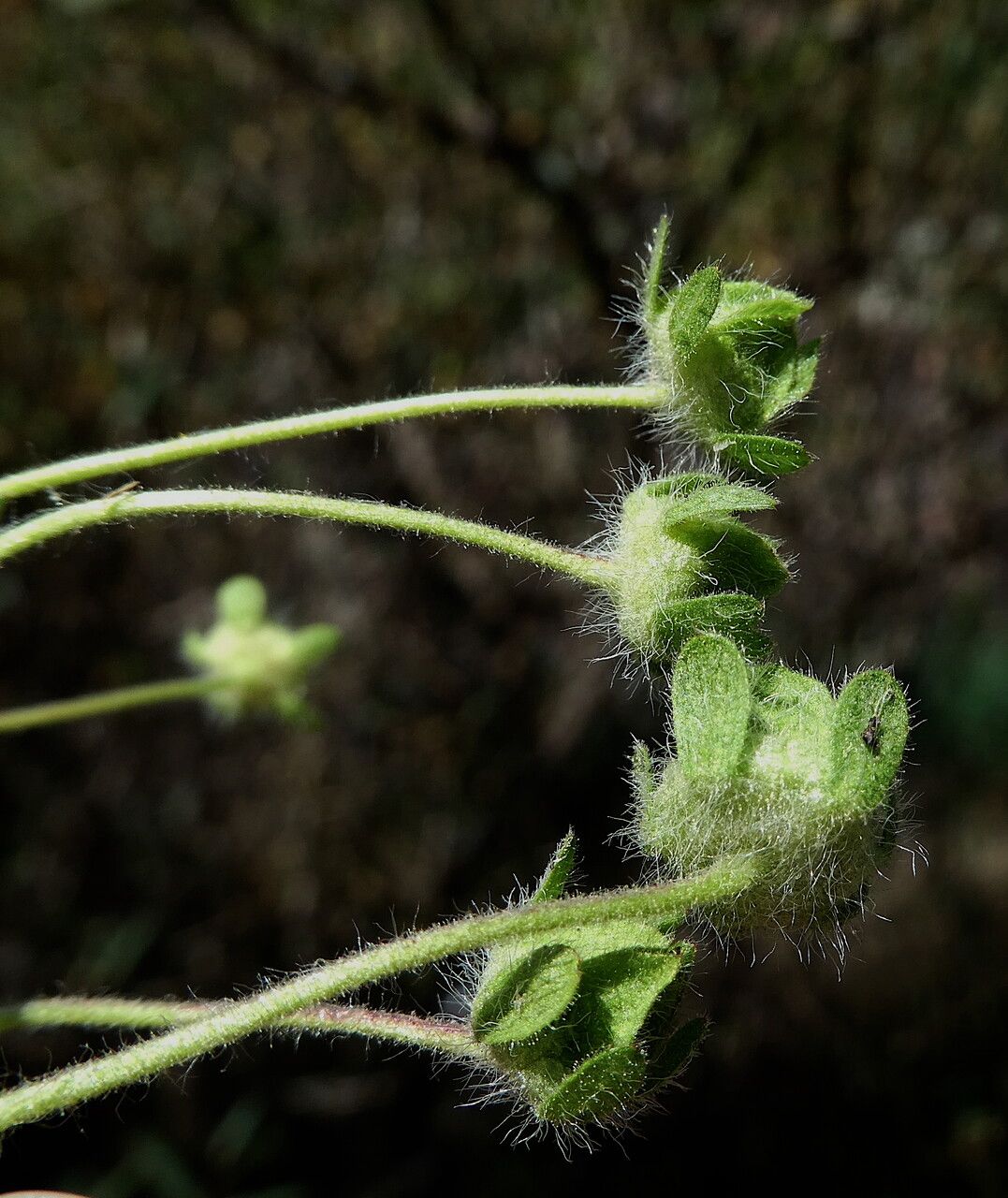
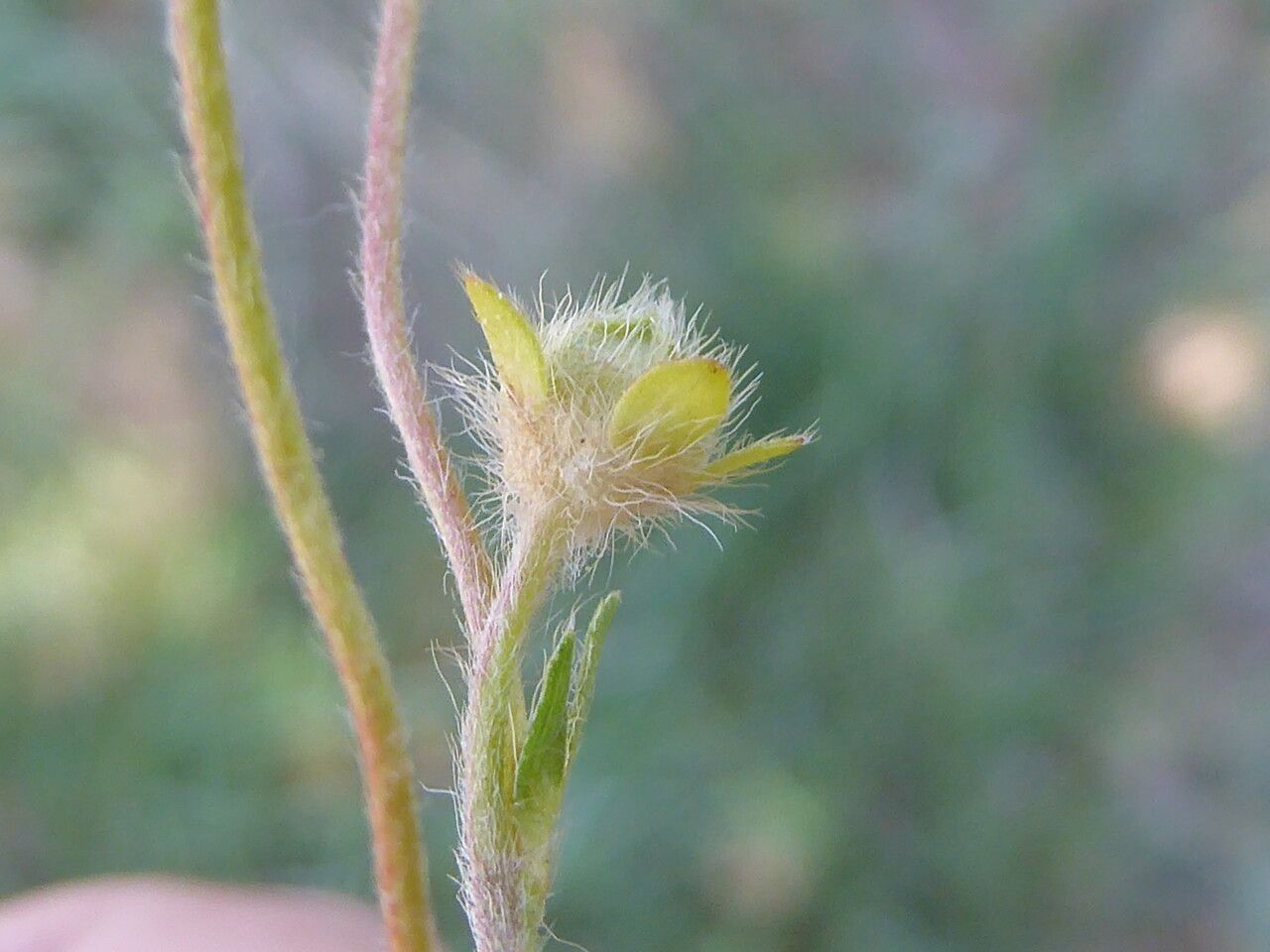
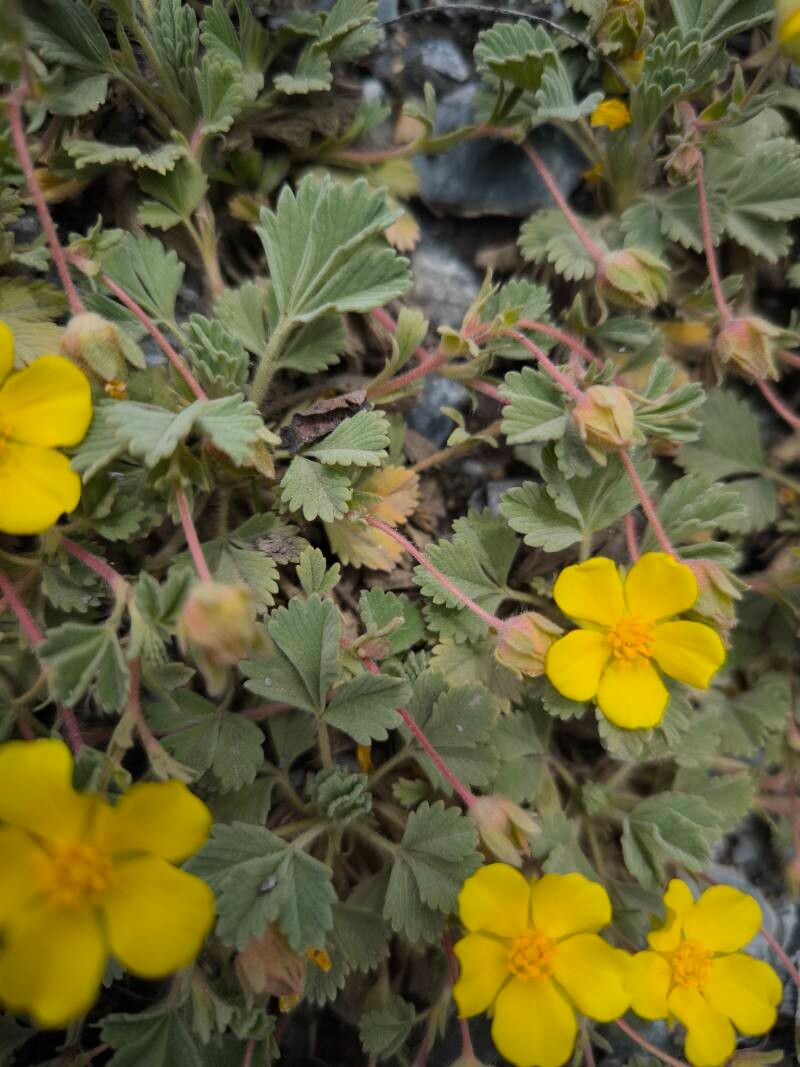
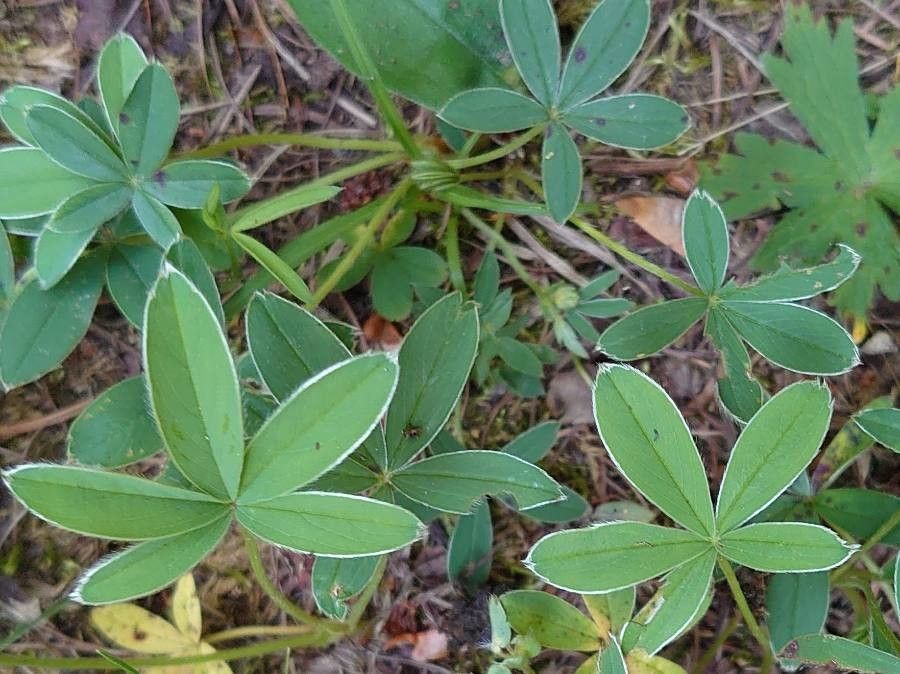
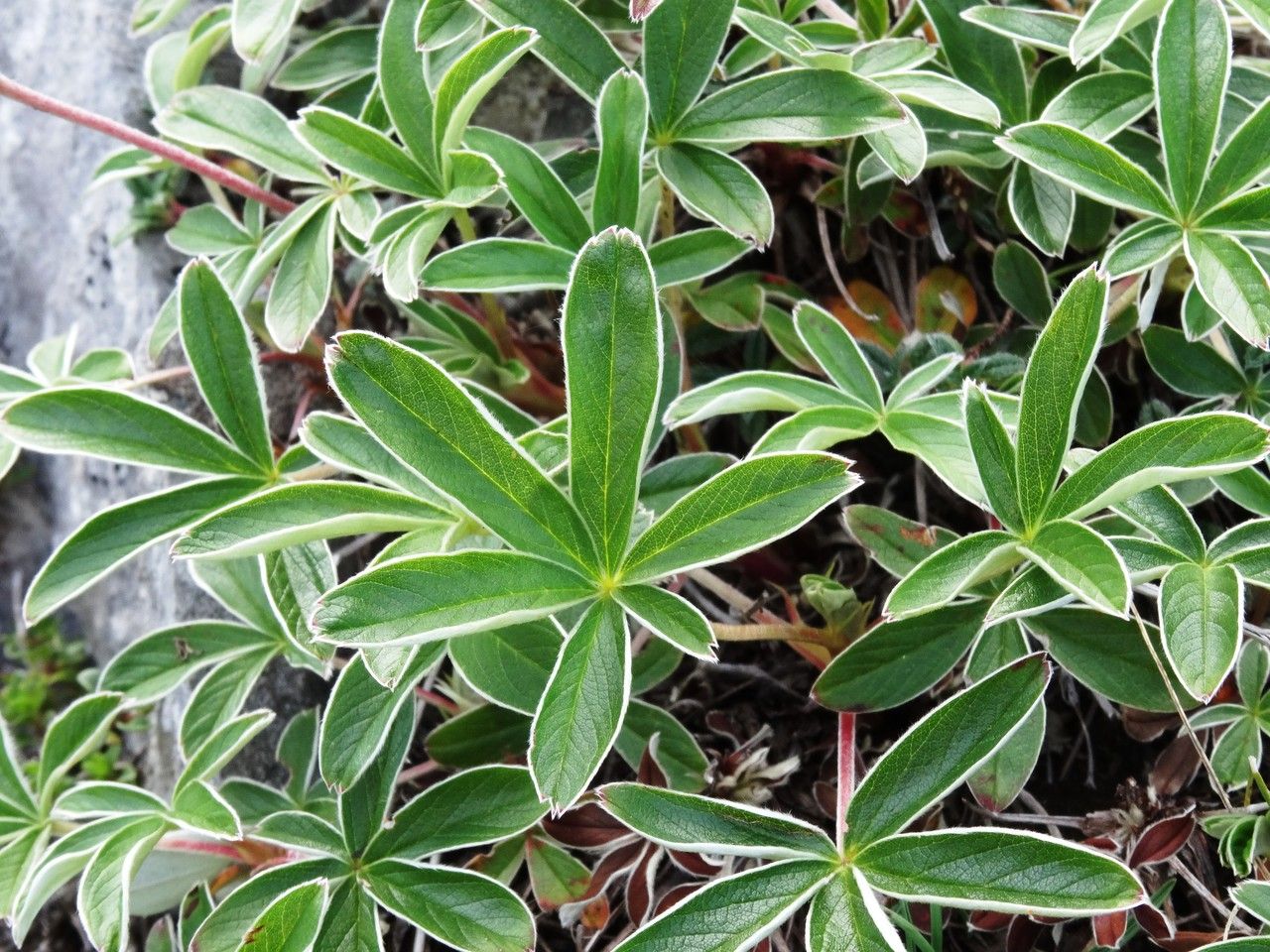
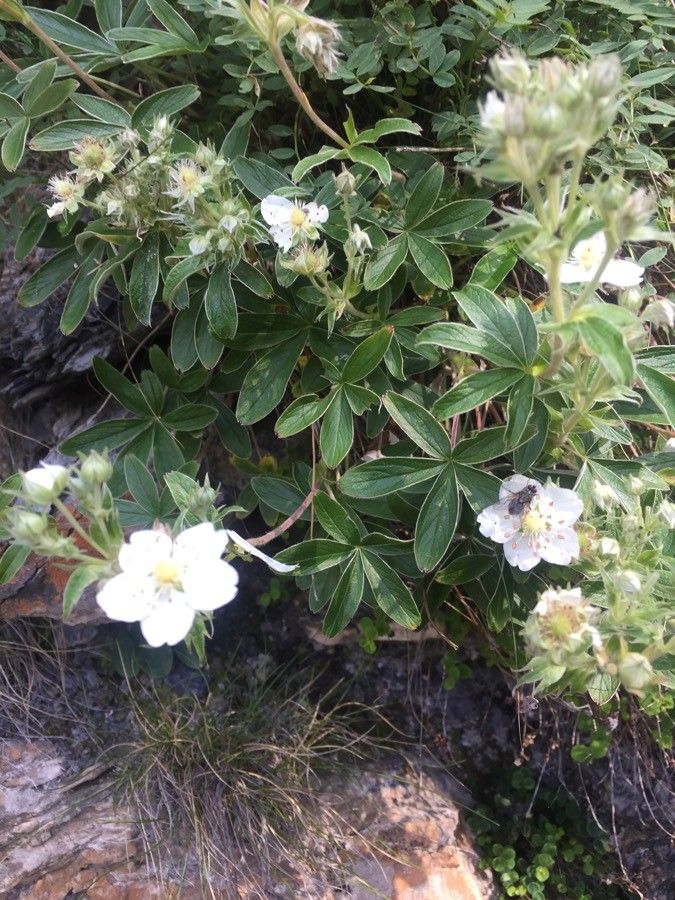
Potentilla tabernaemontani, commonly known as the spring cinquefoil, is a perennial herbaceous plant belonging to the Rosaceae family. Native to North America, it thrives in various habitats, including meadows, prairies, and open woods. The plant can grow up to 60 cm tall and has a spreading habit, with multiple stems arising from a woody base.
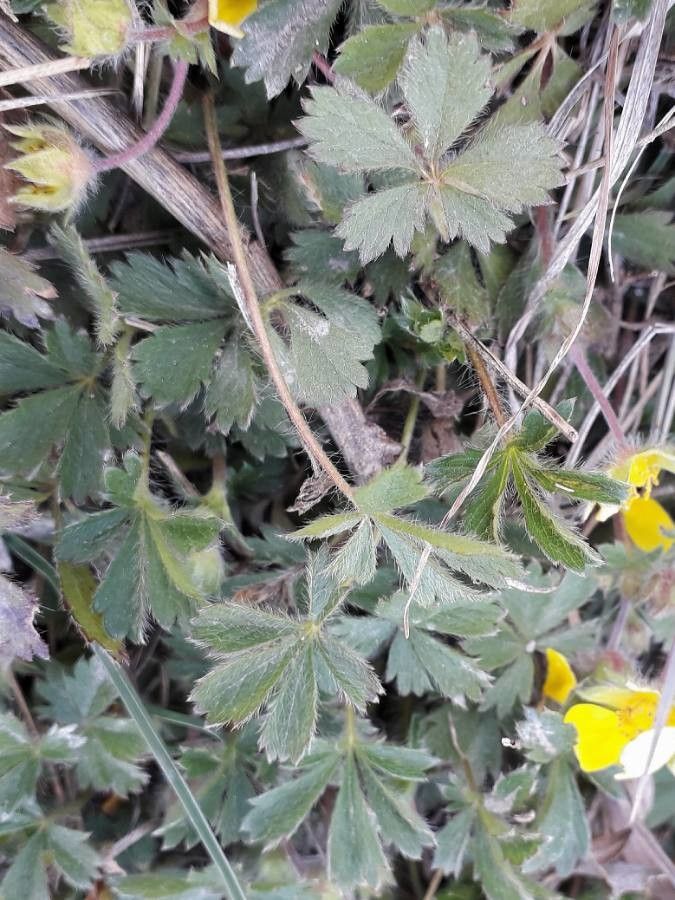
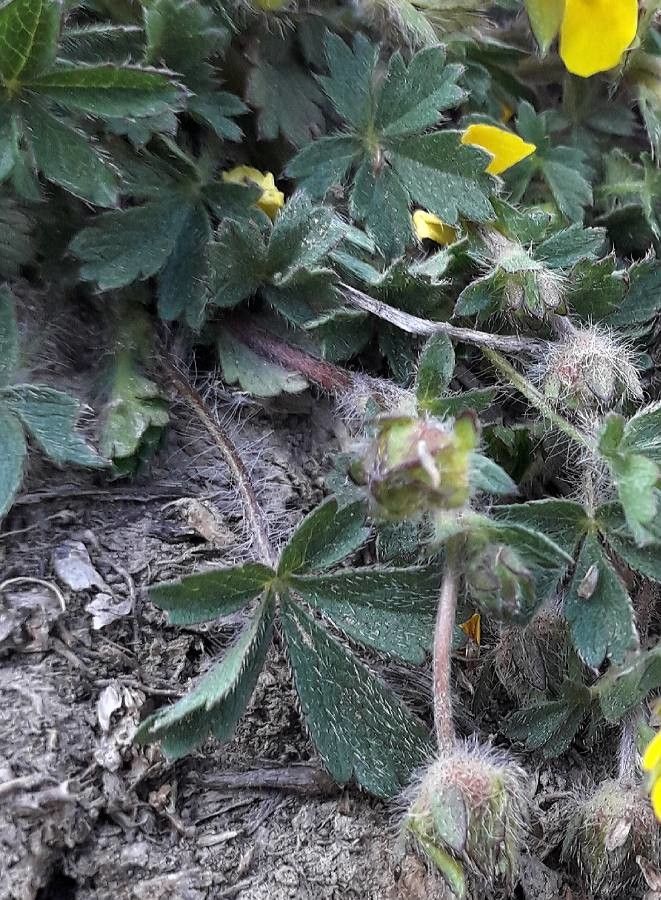
The leaves of Potentilla tabernaemontani are palmately compound, featuring five oval-shaped, toothed leaflets. The bright yellow flowers, each with five petals, bloom from May to July and are held on long stalks above the foliage.
This plant is an important food source for various pollinators, such as bees and butterflies, due to its nectar-rich flowers. It also has medicinal properties and was traditionally used by Native Americans to treat ailments such as diarrhea, fever, and sore throat.
Potentilla tabernaemontani prefers well-drained soils in full sun or partial shade but can tolerate drought once established. It is easy to grow from seed or by dividing clumps in early spring or fall.
Overall, Potentilla tabernaemontani is an attractive perennial herbaceous plant that not only adds color and beauty to gardens but also provides ecological benefits for pollinators. It is an excellent addition for garden enthusiasts seeking low-maintenance plants with multiple benefits.
Spring cinquefoil has strong resistance to disease and is generally unlikely to suffer from illnesses. Still, it can be affected by pests and diseases that exist in the nearby environment. Such infections are typically mild. Regarding care, this plant is of moderate maintenance. It should be pruned on a regular basis to preserve a neat appearance and encourage healthy growth. Applying fertilizer can also aid in boosting blooms. Spring cinquefoil is appropriate for anyone with outdoor space, like a garden or patio, and does not demand much gardening experience. It may need increased attention if cultivated indoors.
How to keep Potentilla Tabernaemontani.
Light
Spring cinquefoil is a sun-loving perennial herbaceous plant that comes from open habitats and is commonly found in meadows and grasslands. It prefers full sun but can also tolerate partial sun.
Temperature
Spring cinquefoil can tolerate a wide span of temperatures, but its range may still be restricted by various combinations of moisture and heat. It performs best in warm summer climates with sufficient rainfall or watering. Extended periods of cloudy, rainy weather or prolonged high temperatures can raise the chances of Spring cinquefoil dying. In winter, adequate protection from cold can boost the plant's survival.
Fertilizer
The primary time to fertilize Spring cinquefoil is in early spring, when the flowers are beginning to form. Applying the appropriate fertilizer promotes stronger blooms and helps Spring cinquefoil produce attractive flowers. Fertilizing at this early-spring stage ensures excellent flowering during the season and supplies energy for its dormant growth phases.
Botanical profile.
- Plant Type
- Herb
- Life Cycle
- Perennial
- Genus
- Potentilla
- Family
- Rosaceae
- Hardiness Zone
- 3-8
- Mature Height
- 8 cm to 15 cm
- Mature Spread
- 15 cm to 30 cm
- Leaf Color
- Green
- Leaf Type
- Evergreen
- Flower Color
- Yellow
- Flower Size
- 1.02 cm to 2.03 cm
- Bloom Time
- Spring
- Planting Time
- Spring, Summer, Autumn
- Harvest Time
- Early summer, Mid summer
- Native Area
- Austria, Sweden, Slovakia, Croatia, Russia, Germany, Canada, Estonia, Koppen, South Korea, Romania, Belgium, Netherlands, France, Portugal, Czech Republic, Bulgaria, Poland, China, Norway, Italy, Kazakhstan, Spain, Switzerland, Denmark, Mongolia, Finland, United Kingdom, Hungary
Other names.