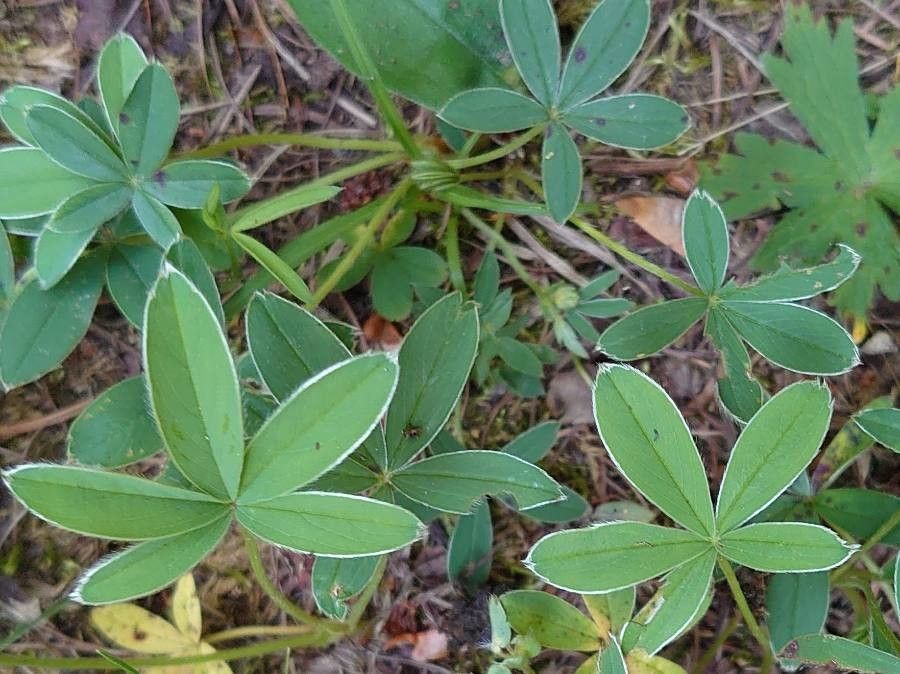
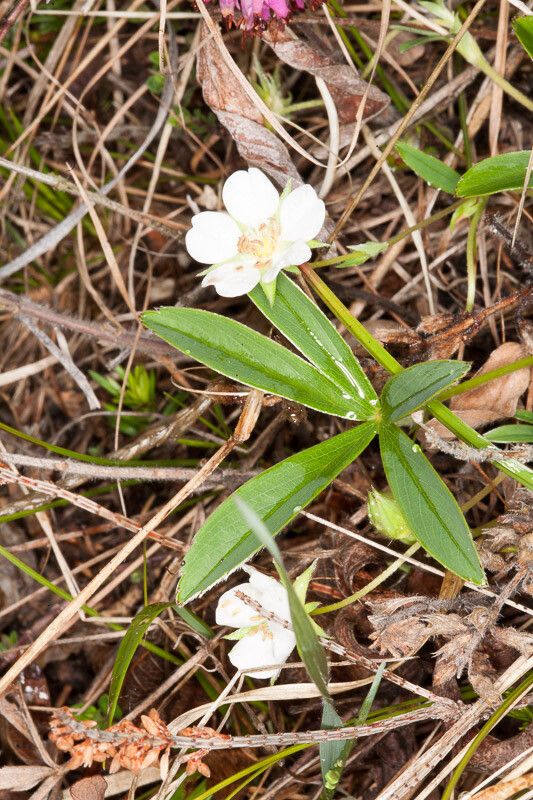
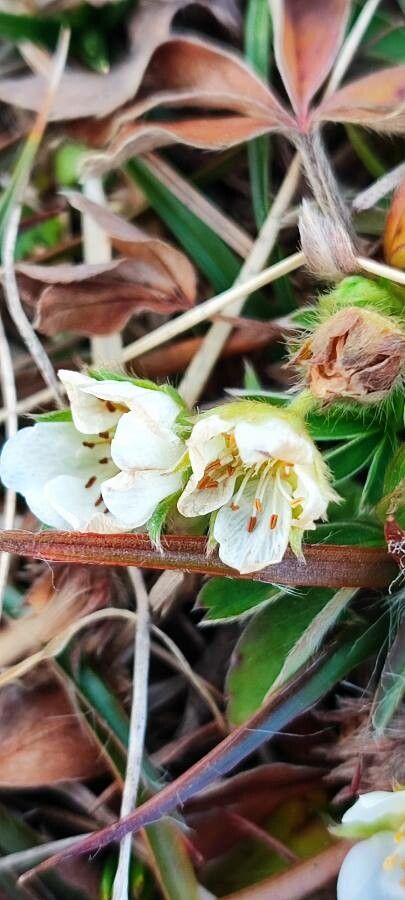
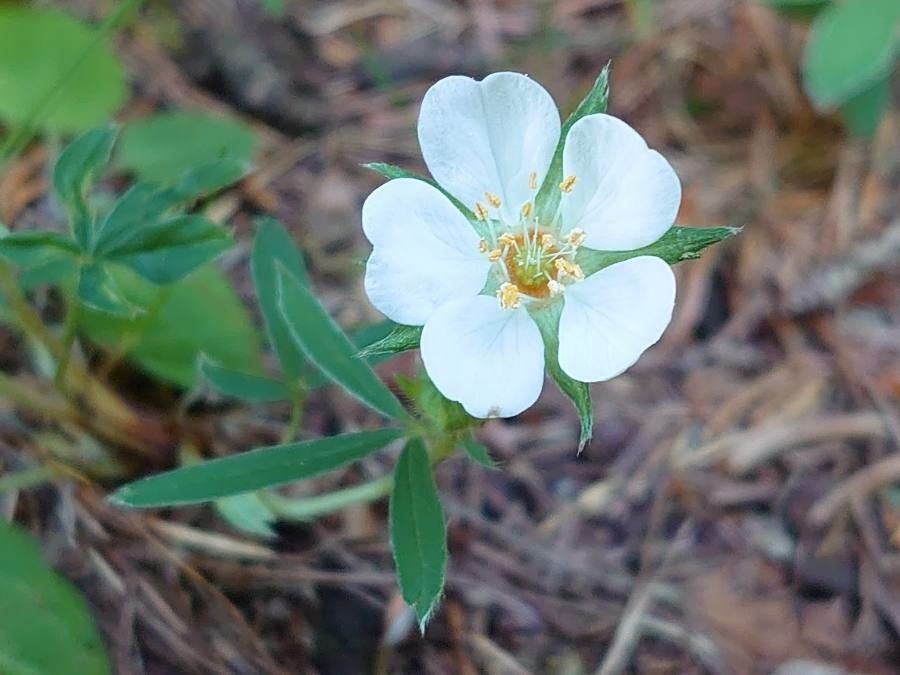
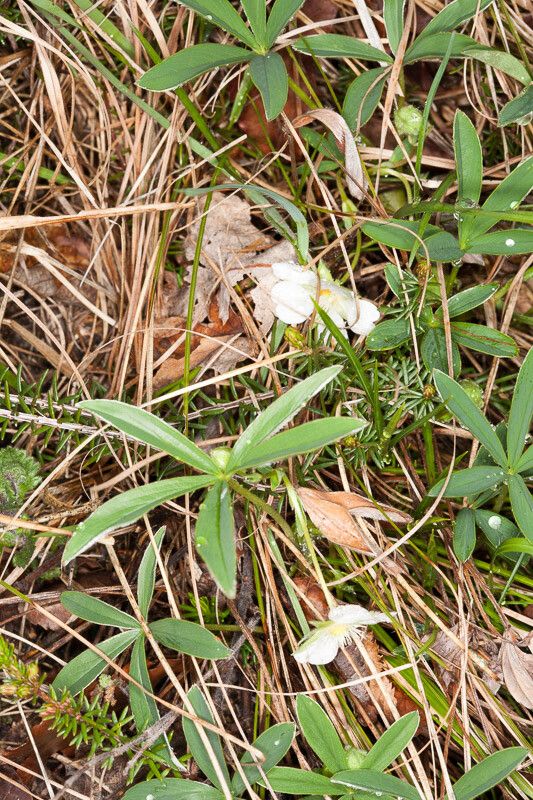
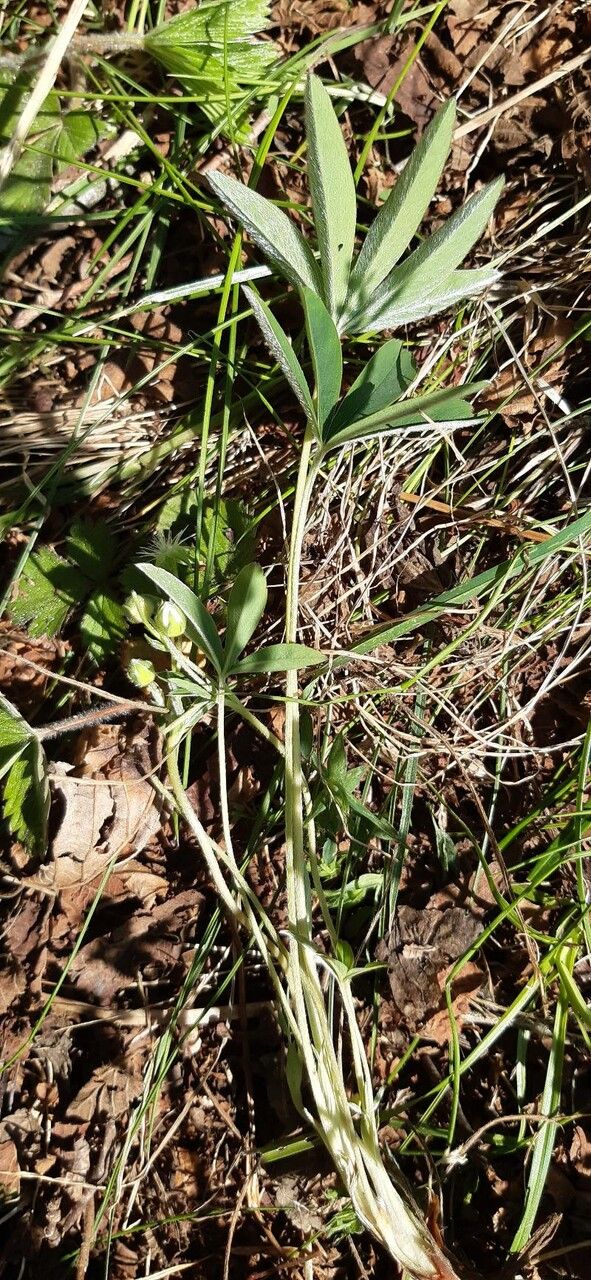
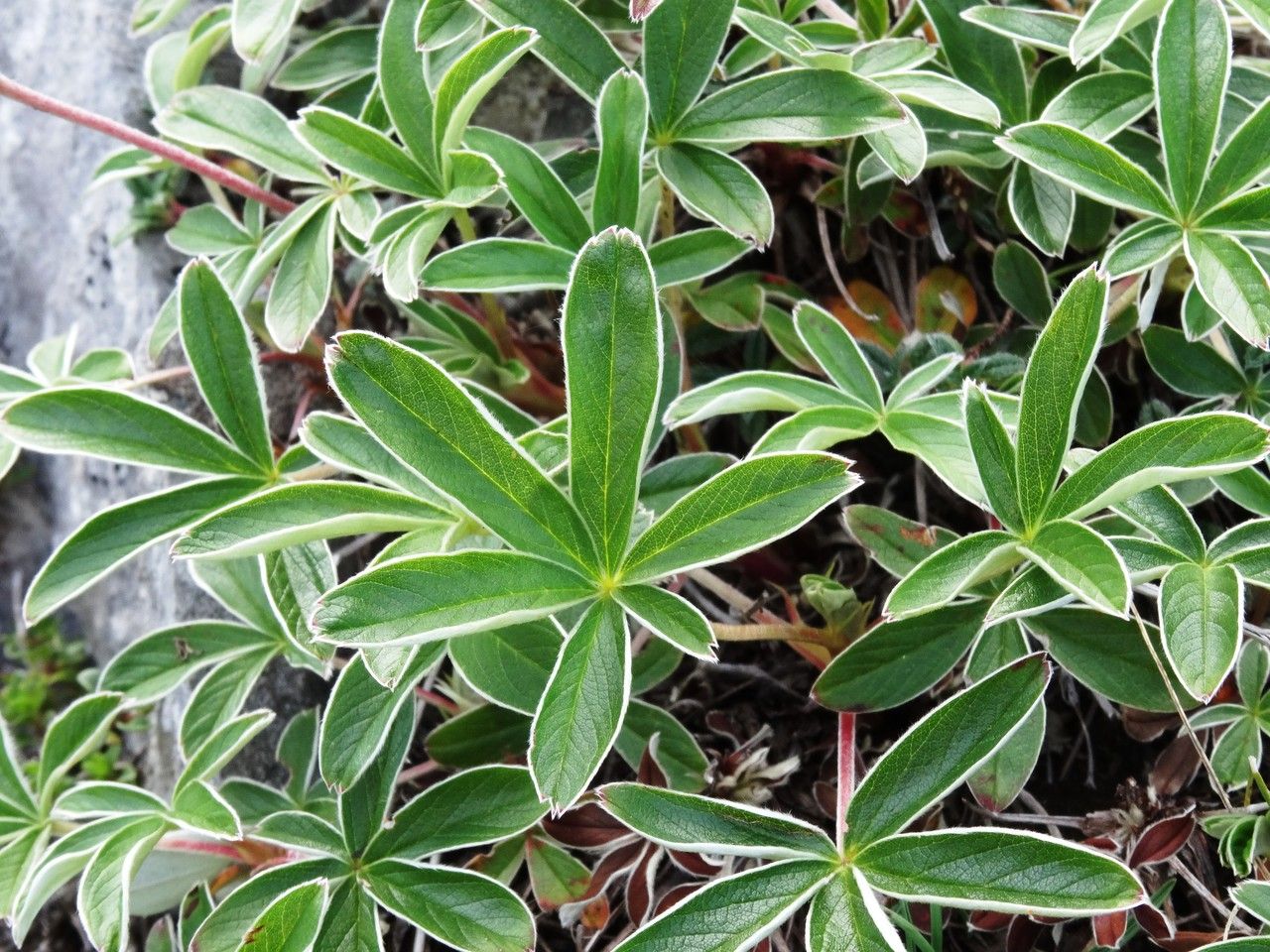
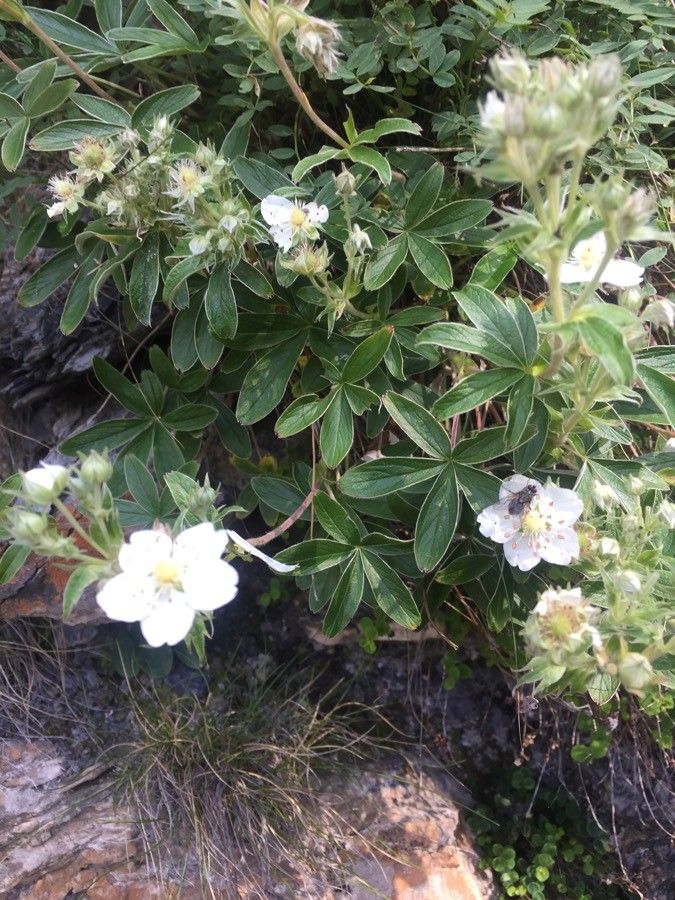
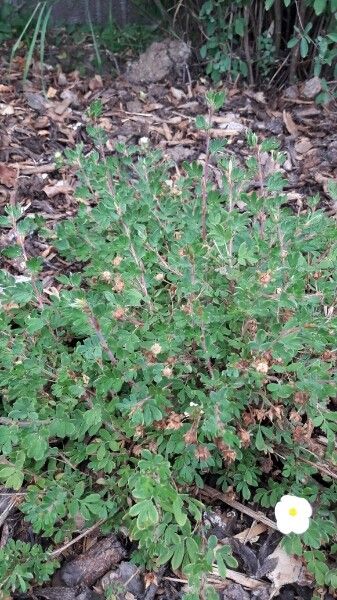
Potentilla alba is a species of cinquefoil found in France
White cinquefoil has strong disease resistance and is generally not prone to illnesses. However, it can be affected by pests and diseases present in its surroundings. These infections are typically minor. Regarding care, this plant needs moderate maintenance. It should be pruned regularly to maintain a good appearance and healthy growth. Fertilizing can also help encourage flowering. White cinquefoil is suitable for anyone with outdoor space, such as a garden or patio, and does not require extensive care experience. It may need more attention when grown indoors.
How to keep Potentilla Alba.
Light
White cinquefoil is a perennial, sun-loving herb that comes from open habitats and is commonly found in meadows and grasslands. It prefers full sun but can tolerate partial sun conditions.
Water
White cinquefoil naturally grows in regions with moderate rainfall and thrives in conditions with balanced moisture. This plant can adapt well to being watered every 1-2 weeks, showing resilience to both hydration and drought. It is best suited for outdoor cultivation, where it flourishes in temperate climates that match natural rain patterns.
Temperature
White cinquefoil can adjust to a broad range of temperatures, though its range may still be restricted by various combinations of moisture and heat. It does best in warm summer conditions with sufficient rainfall or watering. Extended stretches of cloudy, rainy weather or prolonged high temperatures can raise the risk of White cinquefoil dying. During winter, adequate protection from cold can increase the plant's chances of survival.
Fertilizer
The best time to fertilize a white cinquefoil is in early spring, as it comes out of dormancy and begins active growth. Fertilizing supplies essential nutrients for healthy development. Although white cinquefoil has fairly low fertilizer needs, applying fertilizer once a year can improve its survival and encourage better, longer-lasting blooms.
Pruning
White cinquefoil benefits greatly from spring pruning. This involves removing dead stems to promote healthy growth and improve its appearance. Light pruning encourages a bushier plant and more flowers, while using sanitized tools helps prevent disease. Regular pruning not only maintains the plant's shape but also supports its overall health and vitality.
Botanical profile.
- Plant Type
- Herb
- Life Cycle
- Perennial
- Genus
- Potentilla
- Family
- Rosaceae
- Hardiness Zone
- 4-8
- Mature Height
- 8 cm to 23 cm
- Mature Spread
- 20 cm to 30 cm
- Leaf Color
- Green, Dark Green
- Leaf Type
- Deciduous
- Flower Color
- White
- Flower Size
- 2.03 cm to 3.05 cm
- Bloom Time
- Spring
- Planting Time
- Spring, Autumn
- Harvest Time
- Early summer, Mid summer
- Native Area
- Austria, Czech Republic, Slovakia, Romania, Bulgaria, Poland, Croatia, Slovenia, Belarus, Ukraine, Russia, Germany, Italy, Switzerland, Albania, Hungary, Moldova, France
Other names.
Reader questions.
How should I water my White cinquefoil plant in the best way?
To properly water the White cinquefoil, it is best to use filtered water that is at room temperature. Tap water may contain harmful particles that can negatively affect the plant’s health. The White cinquefoil is used to warm conditions, so it is important to avoid using cold water, as it may shock the plant. Instead of overhead watering, it is recommended to apply filtered room temperature water directly to the soil until it is fully soaked. This helps moisten the roots and allows them to spread and gather nutrients in the soil effectively.
Why do I have to add fertilizer to my White cinquefoil?
The White cinquefoil's leaves are crucial for its overall structure, and fertilization is a key factor in keeping them looking great and functioning properly. By fertilizing correctly, you can ensure that the leaves maintain a consistent color and healthy texture. Fertilization also benefits the plant below the soil's surface, promoting the growth of new roots and maintaining existing ones. This not only keeps the plant healthy in the present but also improves its ability to absorb nutrients from the soil in the future.
What should I do if I give my White cinquefoil too much water or not enough?
Both overwatering and underwatering can harm the health of your White cinquefoil plant, but overwatering is more commonly problematic. When this plant receives excessive water, its stems and leaves may wilt and turn yellow. Prolonged overwatering can also result in diseases like root rot, mold, and mildew, which can be fatal for the plant. While underwatering is less likely for the White cinquefoil due to its good drought tolerance, it is still a possibility. In such cases, the leaves may become brittle and brown. It is important to promptly recognize the signs of overwatering when caring for your White cinquefoil. Some diseases caused by overwatering, such as root rot, may be irreparable if not addressed quickly. If you observe early signs of overwatering, reduce your watering schedule immediately. Additionally, assess the soil quality where your White cinquefoil grows. If the soil drains poorly, replace it with a loose, well-draining potting mix. On the other hand, if you notice signs of underwatering, simply water the plant more regularly until the signs subside.
When should I fertilize my White cinquefoil?
If you grow your White cinquefoil outdoors, it will send out new growth in early spring. This is the time to start fertilizing for the year. Usually, one application of fertilizer is enough for the plant. However, if you want to maximize its growth, you can fertilize it multiple times in the spring and early summer. If you choose to do this, feed the plant about once every month to a month and a half.
How much water does my White cinquefoil need?
If your White cinquefoil plant is in a pot, you can check if it needs water by sticking your finger in the soil. If the top two to three inches of soil are dry, it's time to water it. For plants grown outdoors in the ground, use the same method. When the top few inches of soil are dry, it's time to water. In spring and early fall, you'll likely need to water about once a week. In very hot weather, you may need to water twice a week or more. However, mature and well-established White cinquefoil plants can handle drought well.
When is the best time to not fertilize my White cinquefoil?
During late fall and winter, your White cinquefoil goes into a dormant phase with no new growth. Avoid fertilizing it during this time. If you fertilize during spring and summer, start reducing the amount as summer approaches since its growth rate will slow down. It's never a good idea to fertilize when it's unseasonably hot or the soil is extremely dry as it can stress and kill the plant prematurely.
How much water does my White cinquefoil plant need?
To properly water your White cinquefoil, don't be shy about the amount of water you give. When the top two to three inches of soil are dry, it's best to thoroughly water the plant. Make sure to add enough water to saturate the soil entirely. The excess water should flow out of the drainage holes at the bottom of the pot. If you don't see any excess water draining, it means you likely didn't give enough water. However, be careful not to let the water accumulate in the soil, as it can be harmful to the plant. On the other hand, if water doesn't drain properly from the pot, it may indicate soil that doesn't drain well, which is not good for the plant's health. If the plant is outdoors, it generally needs about 1 inch of rain per week.
What kind of fertilizer does my White cinquefoil plant need?
Choosing the best fertilizer for a White cinquefoil is a simple task. These plants thrive on a general-purpose garden fertilizer with equal amounts of nitrogen, phosphorus, and potassium, such as a ratio of 10-10-10. Avoid fertilizers with high nitrogen levels if unsure. Granular fertilizers that are slow-release are ideal for White cinquefoil and easy to apply. Additionally, feeding the plant with an organic soil amendment, like compost, can be beneficial.
How should I water my White cinquefoil as it grows?
The water needs of the White cinquefoil can vary depending on its growth stages. During the first few years and after transplanting, it requires more water than usual. During these stages, the plant focuses on developing new roots, which benefit from extra moisture. However, as the plant matures, it will require less water. Additionally, during the bloom period, when flowers are developing, the White cinquefoil may need more water to support their growth.
How do I add nutrients to my White cinquefoil to help it grow?
To properly fertilize your White cinquefoil, wait until its first leaves start emerging from the soil in spring. When you see this, apply a granular slow-release fertilizer with a balanced formula to the soil around the base of the plant. You can repeat this process later in the season if desired. Remember to apply the fertilizer to the soil, not the plant itself. Sometimes you might need to move some leaves aside to access the soil above the roots. It's also a good idea to water the plant before and after fertilizing.
How do I water my White cinquefoil throughout the year?
The White cinquefoil has different water needs depending on the season. During the hottest summer months, it will require the most water and you may have to water it more than once per week, depending on how quickly the soil dries out. On the other hand, during winter, the plant goes into a dormant phase and needs significantly less water. In fact, you might not need to water it at all during winter. If you choose to water it during this time, limit it to once per month to avoid the risk of disease.
What will happen if I put too much fertilizer on my White cinquefoil?
The White cinquefoil doesn't need a lot of fertilizer, so it's possible to overfertilize. If you give it too much fertilizer, the leaves will turn brown. This often happens when using a fertilizer with high nitrogen content. The leaves will become discolored, dry out, and curl at the edges. To avoid this, many gardeners only fertilize their White cinquefoil once a year in early spring.