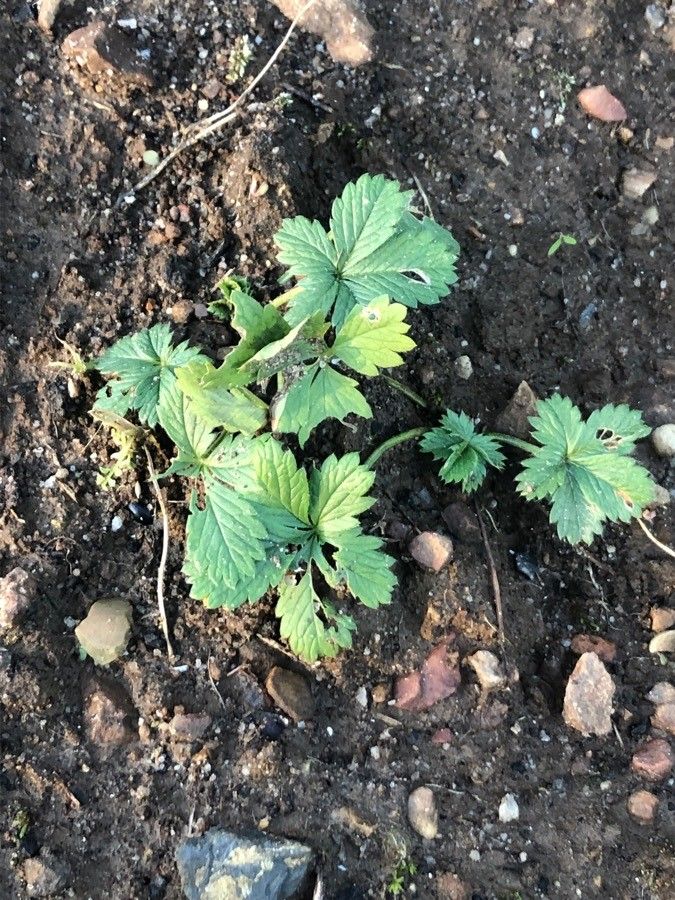
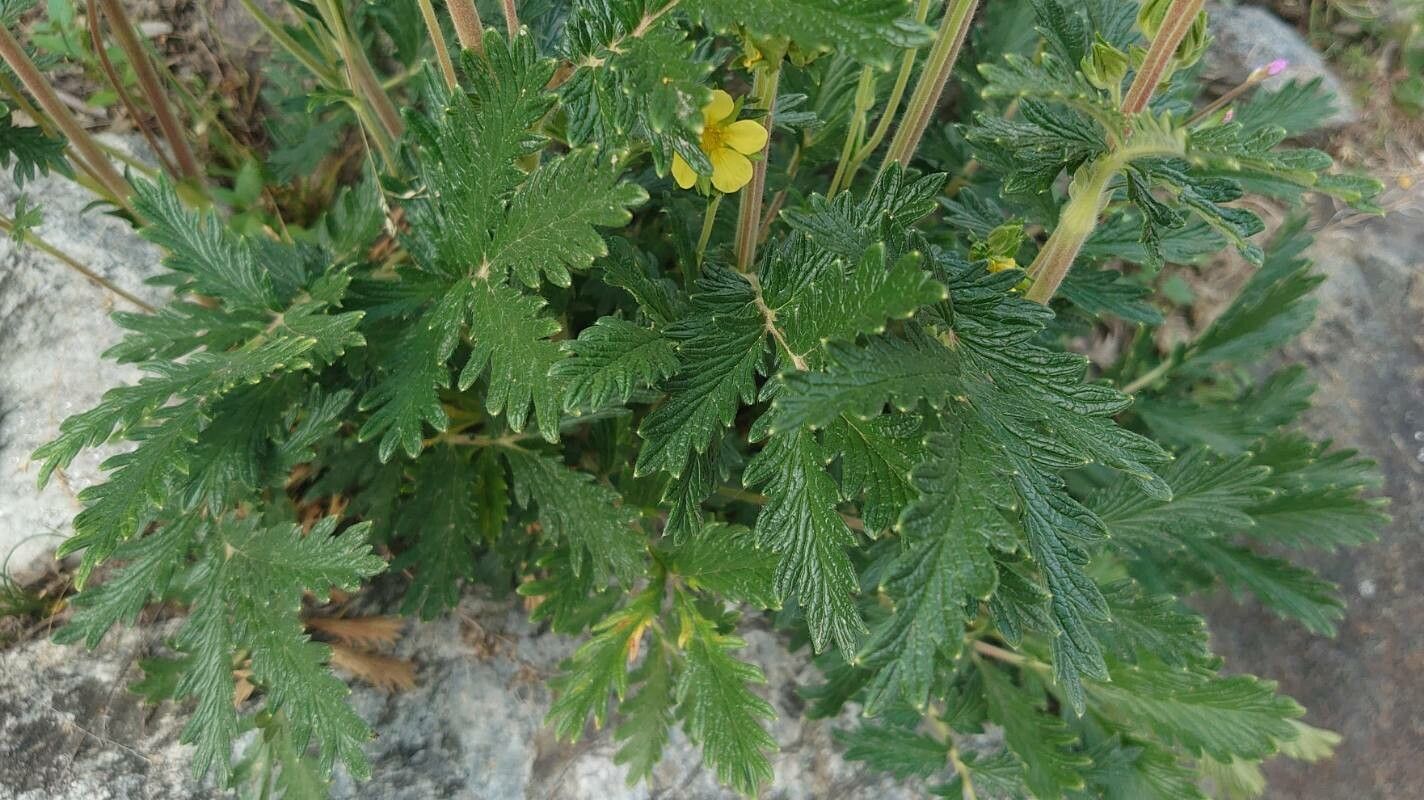
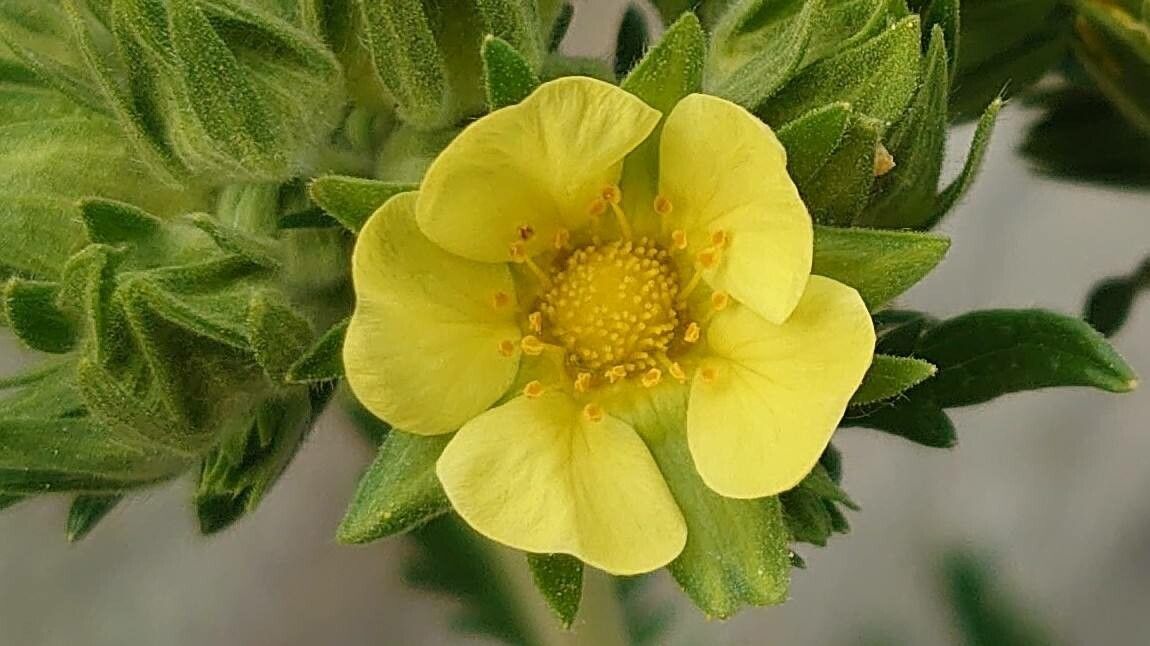
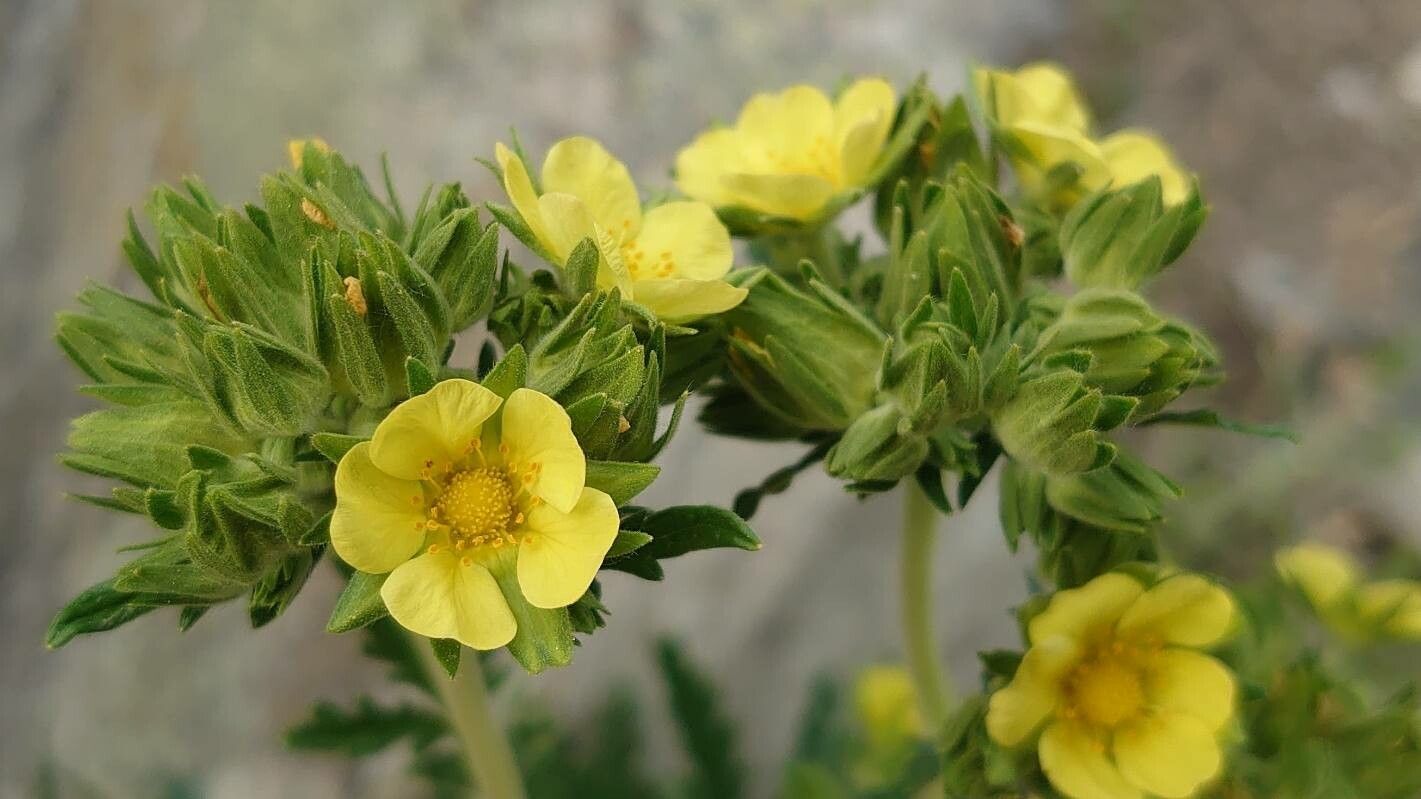
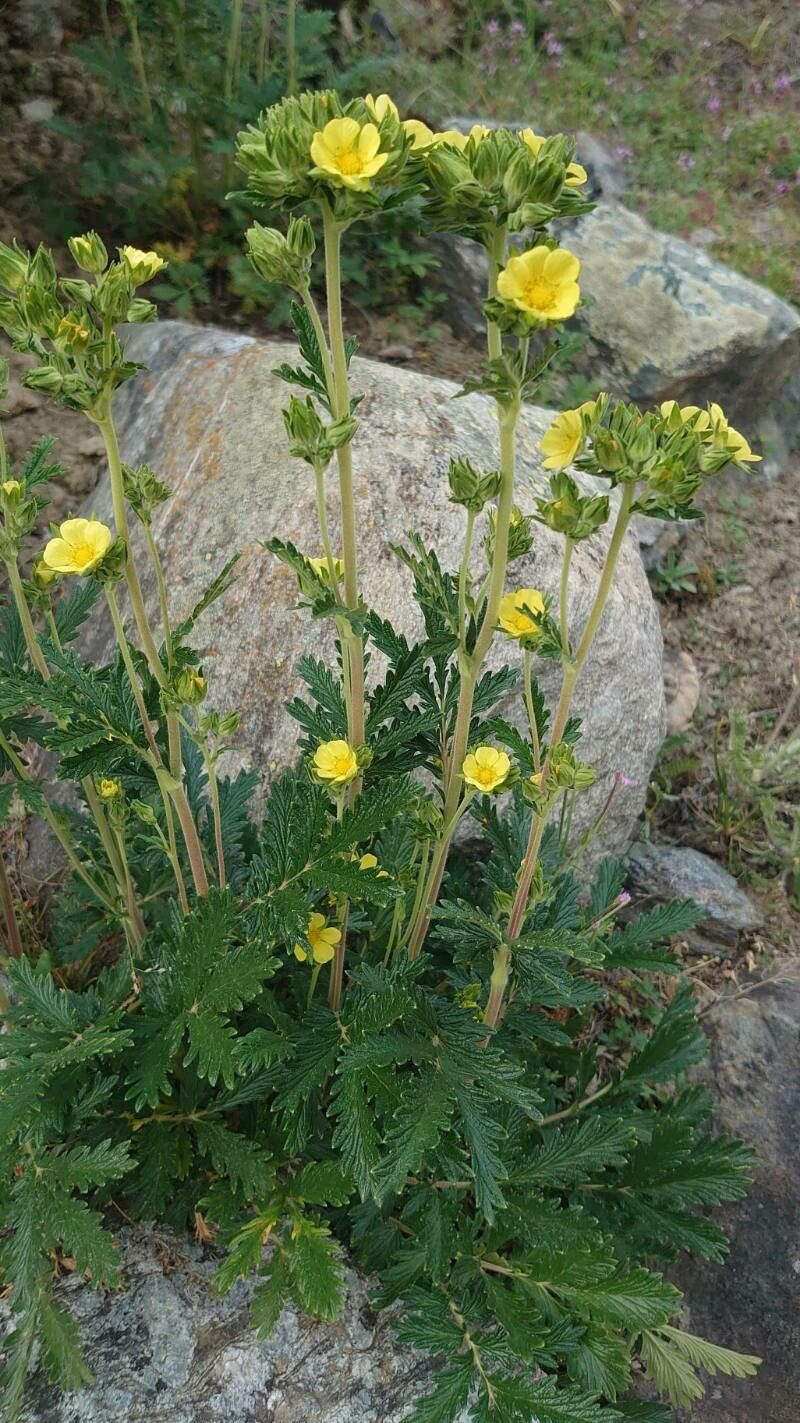
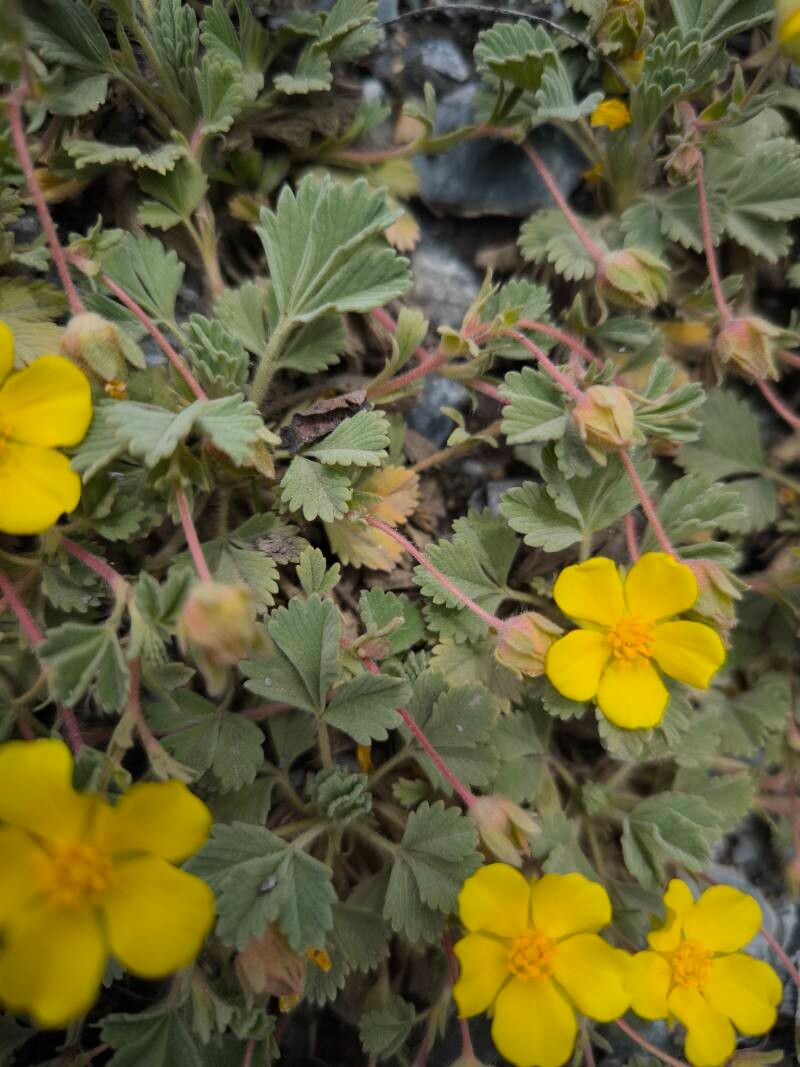
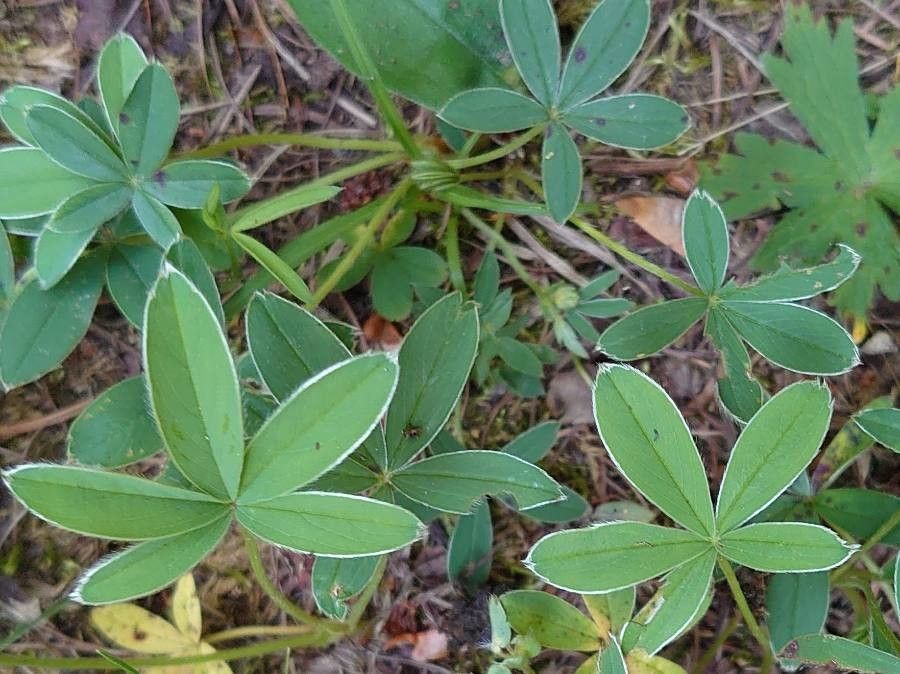
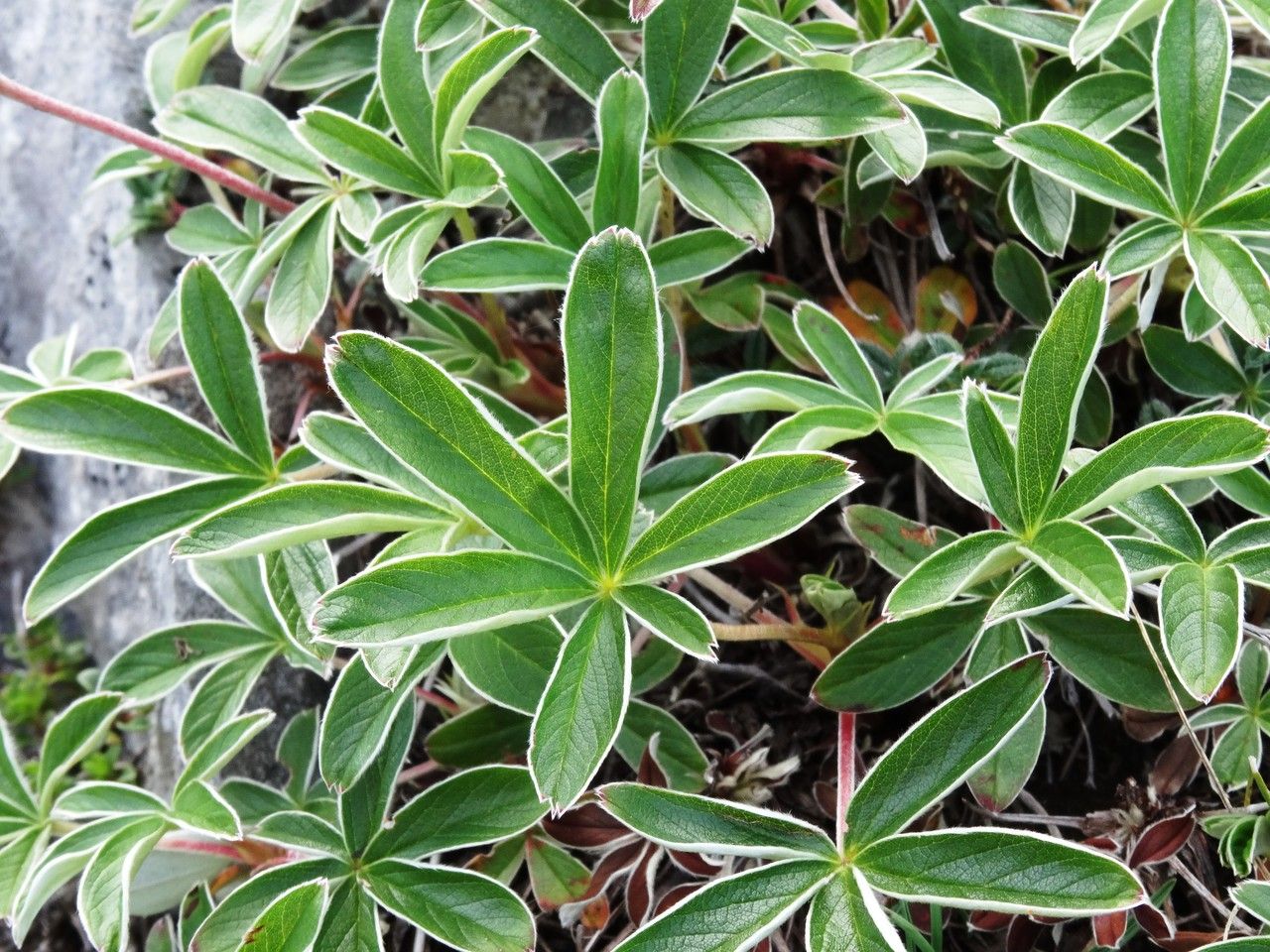
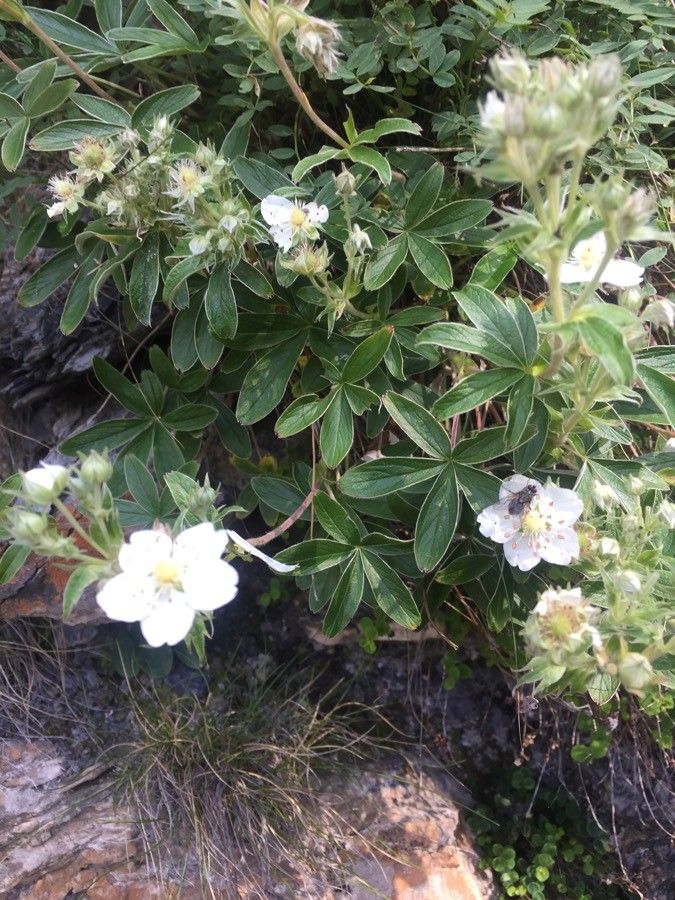
Potentilla pensylvanica (P. pensylvanica)is a species of cinquefoil known by the common names Pennsylvania cinquefoil and prairie cinquefoil and in the language Shoshoni, it goes by the name Ku'-si-wañ-go-gǐp. It is native to much of northern and western North America, including most of Canada and the western half of the United States. P. pensylvanica grows in many types of habitat. The plant is quite variable in appearance. It may be small and tuftlike or slender and erect. The leaves are divided into a few leaflets which are deeply lobed and have hairy undersides. The inflorescence is a cluster of several flowers, each with five yellow petals a few millimeters in length. The flower is 3 to 5 mm wide. P. pensylvanica grows in elevations between elevations 2700 to 3800 meters.
Pennsylvania cinquefoil is fairly disease-resistant and typically does not suffer from many illnesses. Still, it can be affected by pests and diseases that exist in its environment, though such problems are generally mild. Care-wise, this plant is moderately demanding. It should be pruned on a regular basis to keep a tidy appearance and encourage healthy growth. Applying fertilizer can also support better flowering. This plant is well suited to anyone with outdoor areas like a garden or patio and does not demand extensive gardening experience. When kept indoors, however, it may need more attentive care.
How to keep Potentilla Pensylvanica.
Light
Pennsylvania cinquefoil is a sun-loving, perennial herbaceous plant native to open habitats, frequently thriving in meadows and grasslands. It prefers full sun but can also tolerate partial sun.
Water
The Pennsylvania cinquefoil is native to temperate regions where it thrives in consistently moist conditions, but it is also resilient enough to withstand short periods of dryness. For the best growth, it is recommended to water it weekly. This plant is adaptable to different levels of rainfall, making it suitable for outdoor environments in a variety of climate zones. Its versatility makes it an excellent choice for gardeners.
Temperature
Pennsylvania cinquefoil is suited to temperatures from 32 to 90°F (0 to 32 °C) and originates from regions with cooler climates. It prefers consistent temperatures throughout the year. Care for Pennsylvania cinquefoil should include cooler indoor or outdoor conditions during hotter months.
Fertilizer
The best time to fertilize Pennsylvania cinquefoil is in early spring, as it comes out of dormancy and begins active growth. Fertilization supplies essential nutrients for healthy development. Although Pennsylvania cinquefoil has relatively low fertilizer requirements, annual feeding can improve its survival and encourage better, longer-lasting flowers.
Pruning
The Pennsylvania cinquefoil is a hardy perennial known for its bright yellow flowers and compound leaves. To encourage healthy growth and maintain its shape, it is best to prune it from early to late spring. Cutting the plant back by one-third helps to promote denser foliage and more abundant blooms. Regular trimming also improves air circulation, which helps reduce the risk of diseases and pests.
Botanical profile.
- Plant Type
- Herb
- Life Cycle
- Perennial
- Genus
- Potentilla
- Family
- Rosaceae
- Hardiness Zone
- 2-7
- Mature Height
- 20 cm to 30 cm
- Mature Spread
- 30 cm to 61 cm
- Leaf Color
- Green, Dark Green
- Leaf Type
- Semi-evergreen
- Flower Color
- Yellow
- Flower Size
- 1.02 cm to 1.27 cm
- Bloom Time
- Late spring, Early summer, Mid summer
- Planting Time
- Spring, Summer, Autumn
- Harvest Time
- Mid summer, Late summer, Early fall
- Native Area
- Russia, Spain, Kazakhstan, Italy
Other names.
Reader questions.
What are the sunlight requirements for Pennsylvania cinquefoil?
Pennsylvania cinquefoil is a perennial herbaceous plant that prefers full sun, thriving in conditions with more than 6 hours of sunlight daily. However, it can also tolerate partial sun, able to grow in areas receiving about 3-6 hours of sunlight. It's vital to observe how sunlight moves through your garden to choose spots that offer a good balance of light and shade, ensuring the plant's well-being.
What temperatures are ideal for Pennsylvania cinquefoil?
Pennsylvania cinquefoil, also known by its botanical name Potentilla pensylvanica, thrives in temperatures ranging from 32 to 90°F (0 to 32°C). Originating from cooler climates, it prefers consistent temperatures throughout the year. During the hotter months, it's beneficial to place Pennsylvania cinquefoil in cooler indoor or outdoor settings. The plant is highly cold-tolerant and does not require additional frost protection in winter. To prepare for the first freeze of autumn, it's recommended to water the plant generously so the soil remains moist and enters a frozen state, which helps prevent drought and water scarcity during winter and early spring.
How can artificial lighting be used for indoor plants?
Indoor plants, including Pennsylvania cinquefoil when kept indoors, require sufficient lighting for growth, especially in conditions where natural sunlight is lacking. Artificial lights, such as LED lights, are beneficial as they can be tailored to provide the specific light wavelengths needed by the plants. The general guidance suggests using 30-50W/sq ft for full sun plants, 20-30W/sq ft for partial sun plants, and 10-20W/sq ft for full shade plants. The artificial light source should be positioned 12-36 inches above the plant and turned on for 8-12 hours per day to mimic the natural daylight duration.
How should you care for Pennsylvania cinquefoil in extreme temperatures?
Pennsylvania cinquefoil showcases remarkable tolerance to low temperatures, capable of withstanding winter temperatures above -40°C. Despite its resilience, if temperatures dip below -40°C, the plant may experience decreased or absent sprouting in spring. To mitigate this, remove any parts in spring that have failed to sprout. Conversely, Pennsylvania cinquefoil struggles with high temperatures above 32°C, halting its growth and becoming prone to rot. To protect it, trim away any sunburned or dried parts and relocate the plant to a shaded area during peak sun hours. Employing a shade cloth can also provide necessary shade, and it's advisable to water the plant in the cooler morning and evening hours to maintain soil moisture.
What are the symptoms of inadequate light for Pennsylvania cinquefoil?
When Pennsylvania cinquefoil is exposed to insufficient light, several symptoms may emerge, indicating stress or poor health. These include smaller new leaves, leggy or sparse growth, faster leaf drop, reduced or halted growth, pale new leaves, chlorosis (yellowing of the leaves), sunscald, leaf curling, wilting, and leaf scorching. These symptoms reflect the plant's struggle with light deficiency and its effects on growth, nutrient accumulation, and overall health.
What solutions can address inadequate light exposure for Pennsylvania cinquefoil?
To address light deficiency in Pennsylvania cinquefoil, gradually moving the plant to areas with at least 6 hours of direct sunlight daily is advisable. For indoor plants, this can involve placing them by a south-facing window or using artificial lighting, such as desk lamps or professional grow lights, for at least 8 hours a day. For outdoor plants, it's important to transition them to sunnier spots progressively to prevent sunburn. Minimizing obstructions, like pruning trees to allow more sunlight through, and transplanting smaller plants to sunnier locations can also help. It's crucial to note that while parts of the plant that suffered from inadequate light may not fully recover, new growth following these adjustments will be healthy.