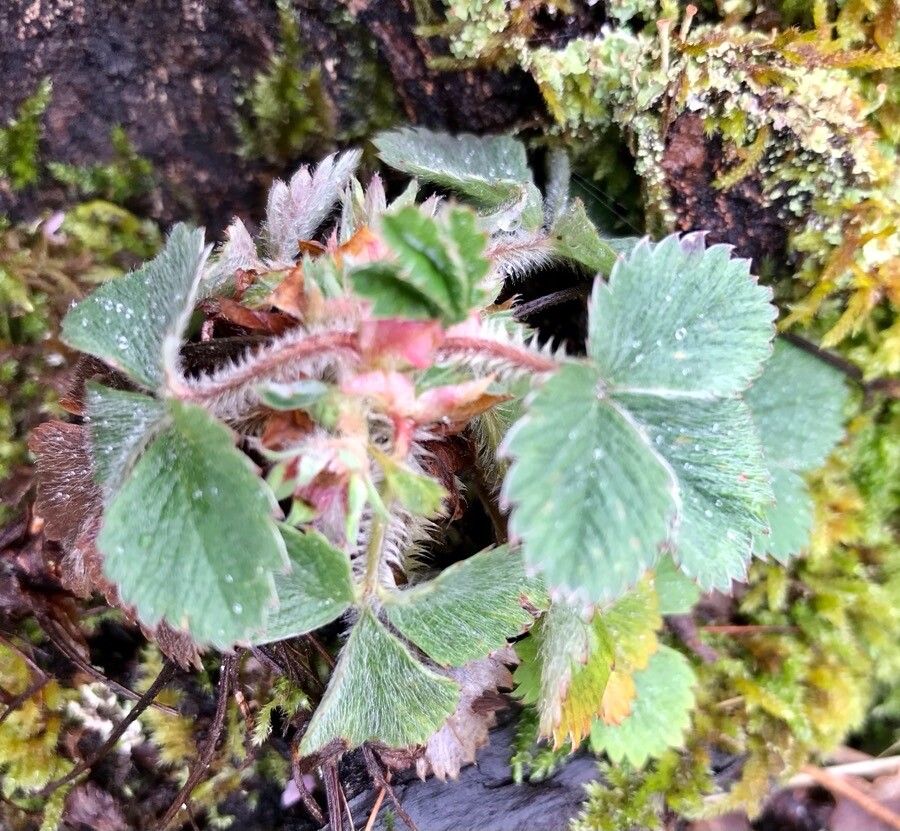
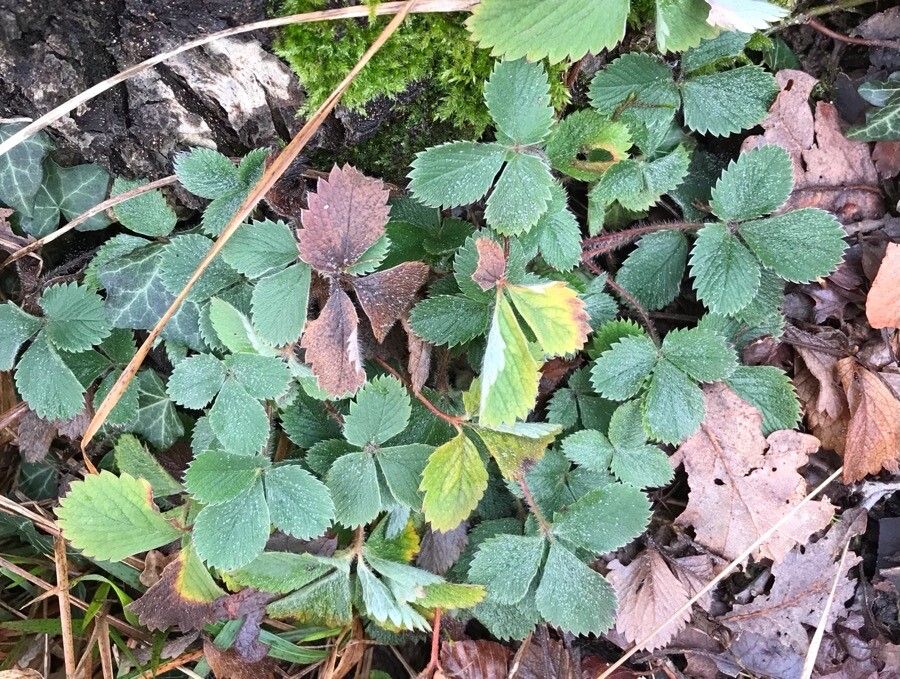
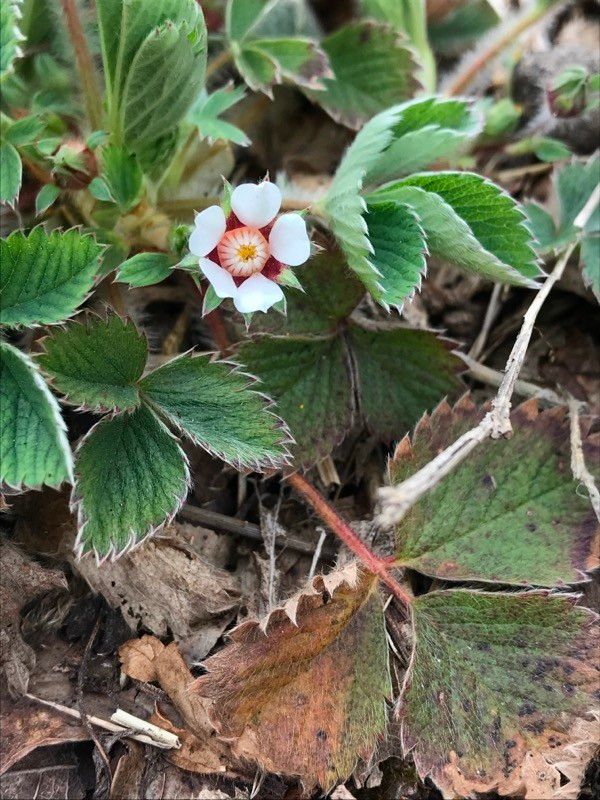
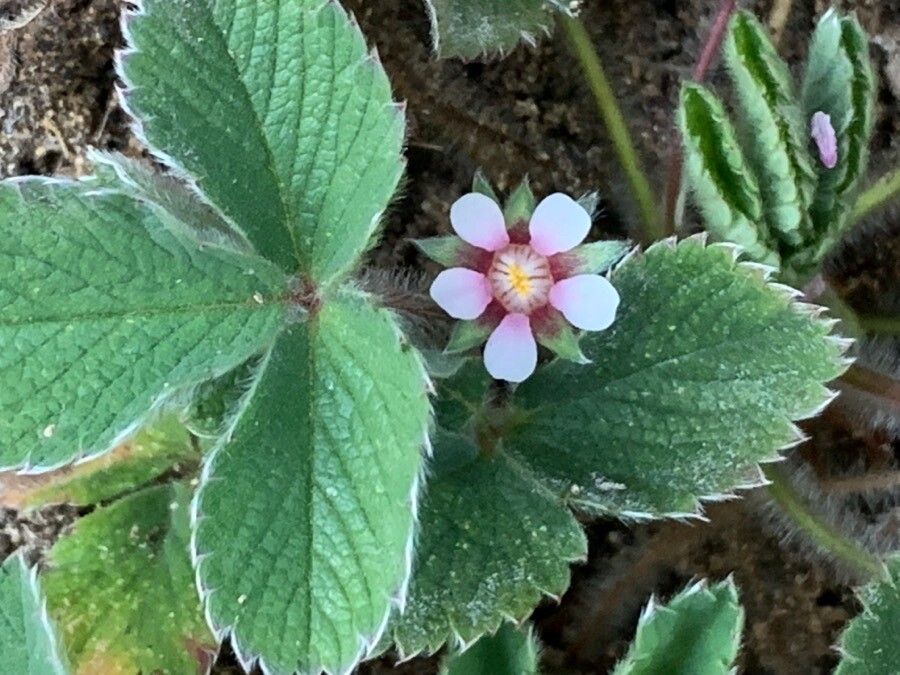
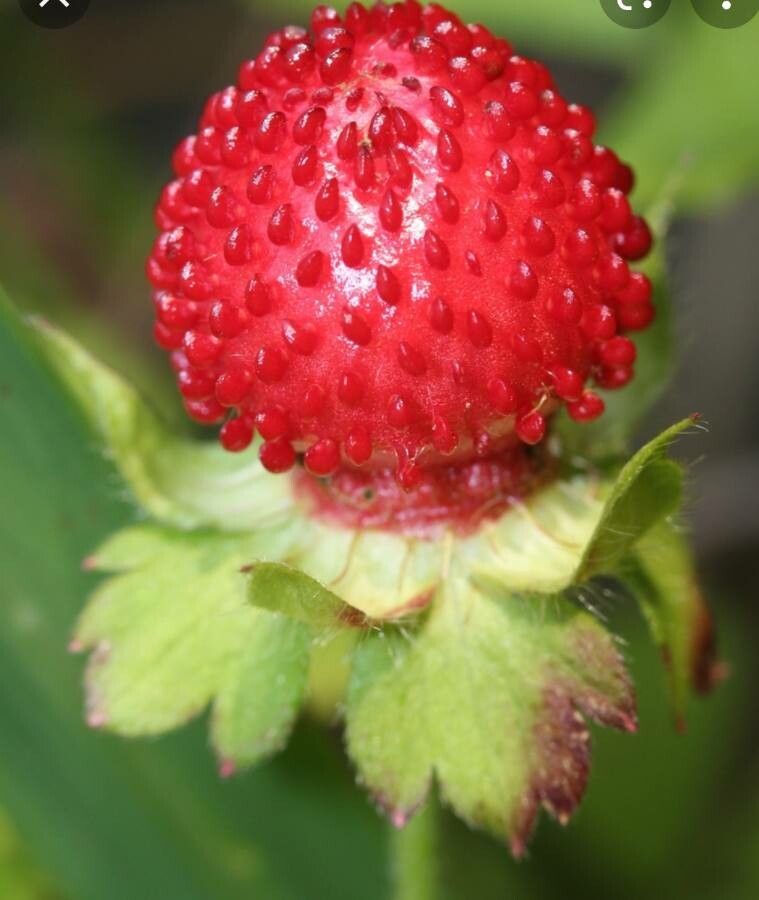
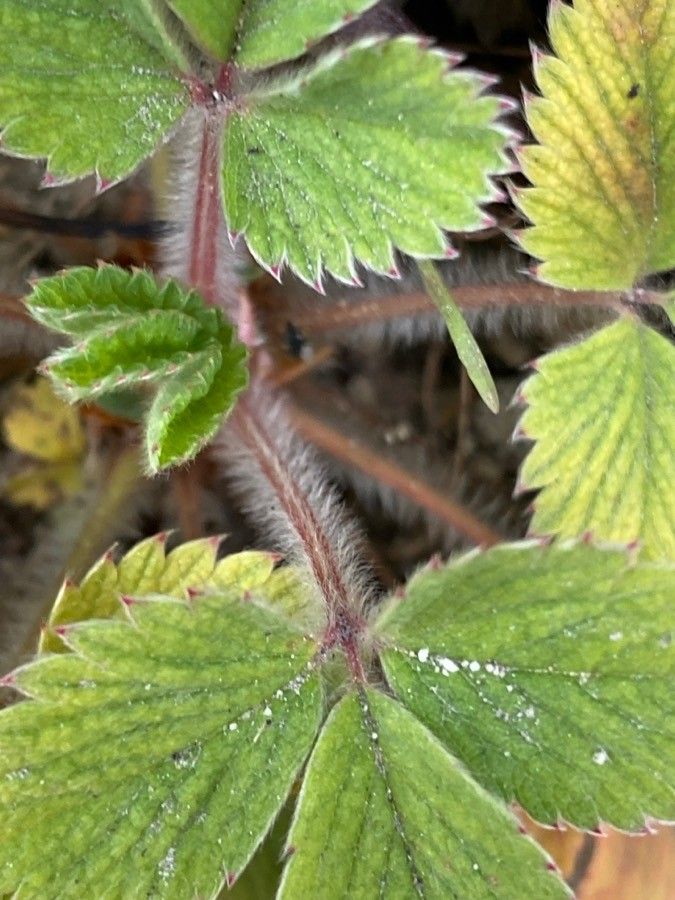
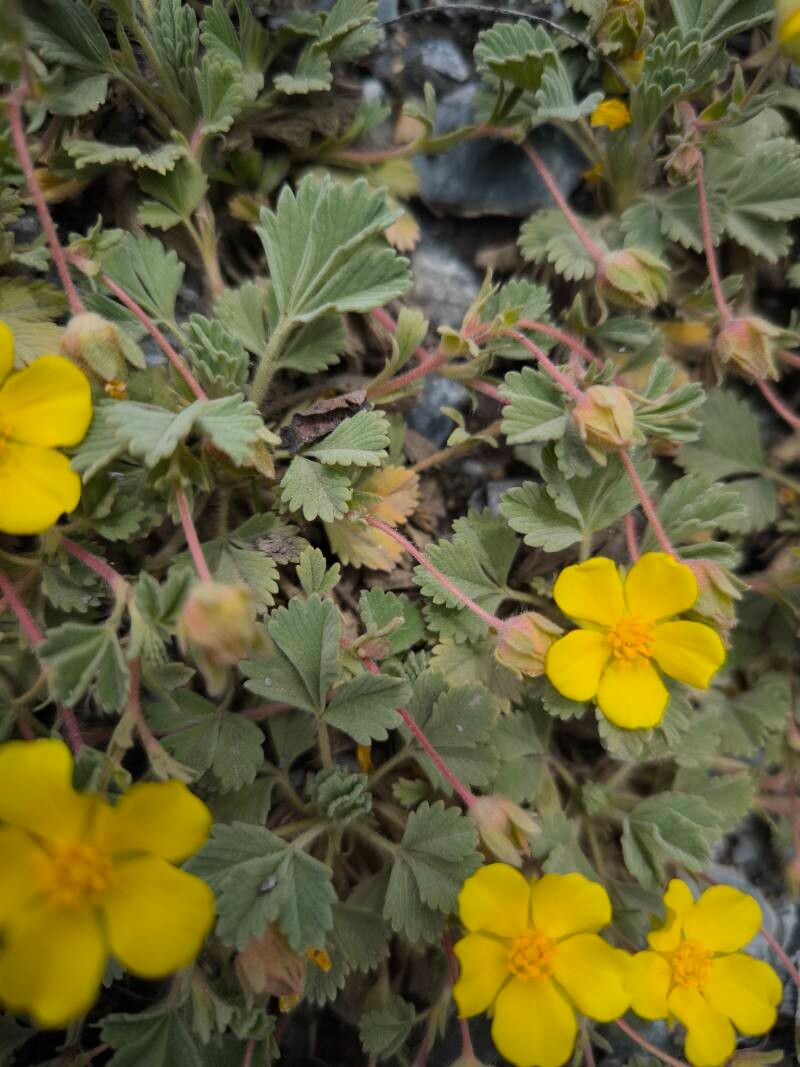
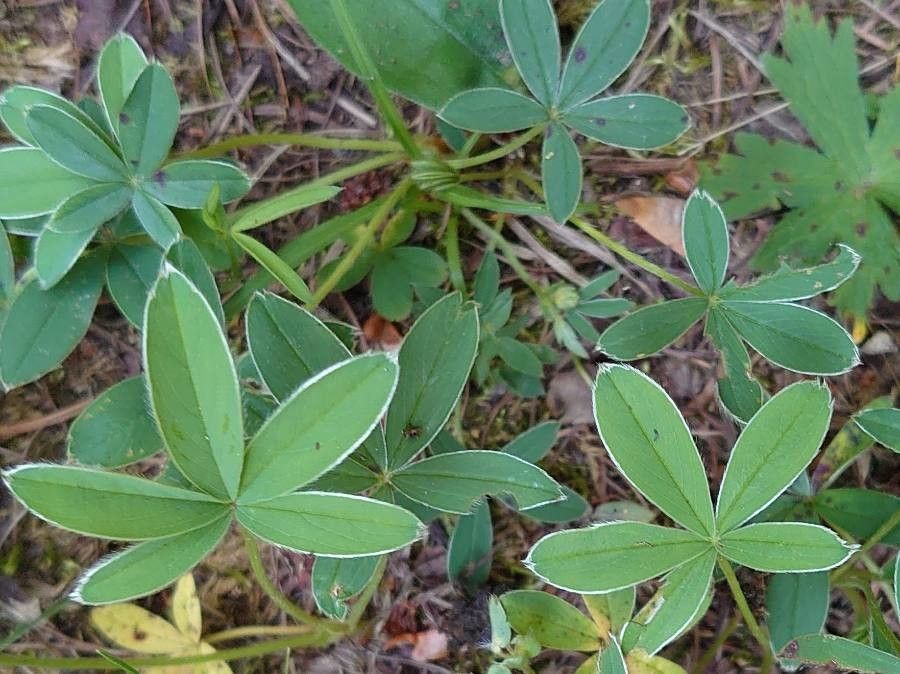
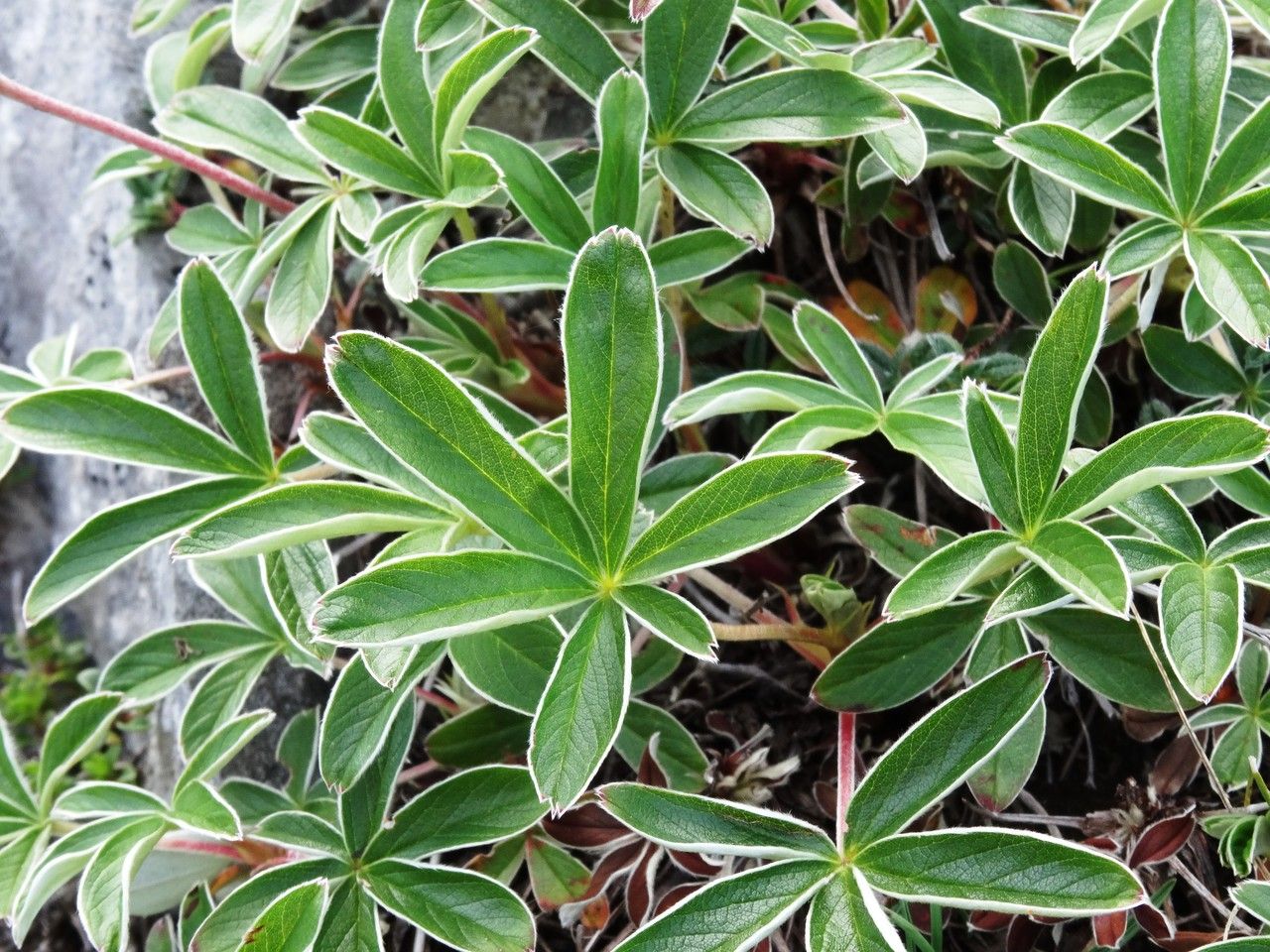
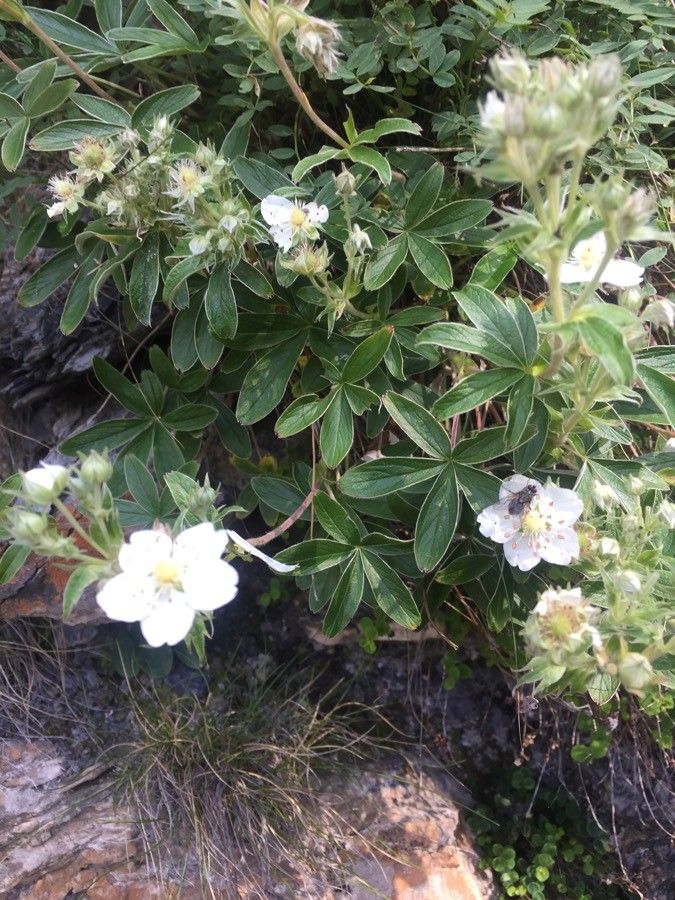
Potentilla micrantha, common name pink barren strawberry, is a species of cinquefoil belonging to the family Rosaceae.
Pink barren strawberry possesses good disease resistance and is generally not prone to illnesses. Nevertheless, it can be vulnerable to pests and diseases present in its environment, although such infections are usually mild. This plant requires medium maintenance. It should be pruned regularly to preserve a neat appearance and healthy growth. Fertilizing can also encourage flowering. Pink barren strawberry is appropriate for anyone with outdoor space, like a garden or patio, and does not demand much care experience. It may need more attention when grown indoors.
How to keep Potentilla Micrantha.
Light
Pink barren strawberry needs uninterrupted sunlight for best growth and cannot tolerate shade. These requirements stem from its native open habitat. Too much or too little light can impair the plant’s health and vigor.
Water
The pink barren strawberry flourishes in humid environments with consistent rainfall. For optimal growth, establish a weekly watering schedule and ensure the soil is well-drained. Using rainwater during the growing season can also be advantageous for this plant.
Temperature
Pink barren strawberry can tolerate a wide range of temperatures, but its distribution may still be constrained by different combinations of water and heat. It does best in warm summer conditions with sufficient rainfall or watering. Extended periods of cloudy, rainy weather and prolonged high temperatures can raise the chances of Pink barren strawberry dying. In winter, adequate protection from cold can increase the plant's survival.
Fertilizer
The best time to fertilize a Pink barren strawberry is in early spring, as it comes out of dormancy and starts active growth. Fertilization supplies important nutrients needed for healthy development. Although the Pink barren strawberry has fairly low fertilizer requirements, applying fertilizer once a year can improve its survival and encourage healthier, longer-lasting flowers.
Pruning
The pink barren strawberry, known for its delicate pink flowers, thrives with regular but minimal pruning. To encourage optimal growth and blooming, focus on removing dead wood and thinning the stems from early to late spring. Use clean, sharp tools to make precise cuts, which will enhance the plant's health and resistance to disease.
Botanical profile.
- Plant Type
- Herb
- Life Cycle
- Perennial
- Genus
- Potentilla
- Family
- Rosaceae
- Hardiness Zone
- 8
- Mature Height
- 10 cm
- Mature Spread
- 0.91 m to 1.52 m
- Leaf Color
- Green, Dark Green
- Leaf Type
- Semi-evergreen
- Flower Color
- White, Pink
- Flower Size
- 0.76 cm to 1.27 cm
- Bloom Time
- Early spring, Mid spring
- Planting Time
- Spring, Autumn
- Harvest Time
- Late spring, Early summer
- Native Area
- Turkey, Austria, Tunisia, Czech Republic, Slovakia, Montenegro, Bulgaria, Armenia, Greece, Croatia, Slovenia, Morocco, Lebanon, Serbia, Hungary, Germany, Italy, Spain, Switzerland, Denmark, Iran, Albania, Azerbaijan, Algeria, Romania, Moldova, France
Other names.
Reader questions.
How should I water my Pink barren strawberry for the best results?
To ensure the health of the Pink barren strawberry, it is recommended to water it with filtered water at room temperature. Tap water may contain harmful particles for this plant. The water temperature should mimic its warm environment to prevent any shock. It is advised to avoid overhead watering as it can cause issues with the foliage. Instead, thoroughly soak the soil with filtered room temperature water. This practice benefits the plant by enabling the roots to absorb nutrients and spread throughout the soil.
What are the sunlight requirements for Pink barren strawberry?
Pink barren strawberry thrives when it receives full sun, meaning it needs above 6 hours of sunlight daily to grow optimally. It's crucial to monitor how sunlight moves through your garden and select locations that offer a balance of light and shade. However, it's important to note that these plants require unobstructed access to solar rays, as they originate from open environments and do not tolerate shade well. Insufficient sunlight can lead to health issues and affect the plant's vitality.
What is the botanical name of Pink barren strawberry?
The botanical name of Pink barren strawberry is Potentilla micrantha.
What should I do if I give my Pink barren strawberry too much water or too little water?
Overwatering is a more common issue than underwatering for Pink barren strawberries and can cause wilting, yellowing leaves, and diseases like root rot, mold, and mildew. Underwatering is less common but can lead to brittle, brown leaves. To prevent damage from overwatering, it is important to recognize the signs early and reduce watering. If the soil drains poorly, it should be replaced with well-draining potting mix. If signs of underwatering appear, watering more regularly will help.
Can Pink barren strawberry be grown with artificial lighting?
Yes, Pink barren strawberry can grow under artificial lighting, which is especially useful indoors or in areas with insufficient natural sunlight, like during winter or in less sunny spaces. The ideal types of artificial lights for indoor plants are LED lights, customizable to provide specific wavelengths needed by plants. Full sun plants, such as Pink barren strawberry, require 30-50W/sq ft of artificial light. When using artificial lights, it's important to place them 12-36 inches above the plant and mimic natural daylight hours, with most plants needing 8-12 hours of light per day.
How much should I water my Pink barren strawberry?
If your Pink barren strawberry is in a pot, you can determine if it needs water by sticking your finger in the soil. If the top two to three inches are dry, it's time to water. If you grow the plant outdoors in the ground, the same method can be used. When the top few inches of soil are dry, it's time to water. During spring and early fall, watering once a week is usually sufficient. However, in hot weather, watering may need to be increased to twice or more per week. It's worth noting that mature, well-established Pink barren strawberries can tolerate drought well.
What are the signs of improper lighting in Pink barren strawberry?
Improper lighting can manifest in several ways. When under low light, Pink barren strawberry may exhibit small leaves, leggy or sparse growth, accelerated leaf drop, slower or halted new growth, and lighter-colored new leaves, indicating insufficient chlorophyll and essential nutrients. Conversely, excessive sunlight can lead to chlorosis (leaves turning yellow), sunscald (damage from intense light), leaf curling (to minimize water loss), wilting (due to excessive water loss), and leaf scorching (brown, dry edges on leaves). These symptoms highlight the plant's struggle with inappropriate light conditions.
How much water should I give my Pink barren strawberry?
To properly water your Pink barren strawberry, be generous with the amount of water you provide. Make sure that the first two to three inches of soil are dry, then water the plant thoroughly until the soil is completely soaked. It's important to add enough water so that it flows out of the drainage holes at the bottom of the pot. If you don't see excess water draining, you may not have given enough water. However, be careful not to let water accumulate in the soil, as this can be harmful to the plant. If water isn't draining well from the pot, it could mean the soil doesn't drain properly, which can negatively affect the plant's health. If the plant is outside, about 1 inch of rain per week is sufficient.
How can I address lighting issues for Pink barren strawberry?
To address lighting issues for Pink barren strawberry, gradually acclimate the plant to the appropriate sunlight level. For indoor plants, move them weekly to sunnier spots until they get at least 6 hours of direct sunlight, ideally near a south-facing window, or use artificial lighting for 8 hours a day. Outdoors, shift the plants gradually to avoid sunburn. If the plant is blocked by obstructions like trees, consider pruning to let sunlight through. For plants affected by low light, new growth after increasing light exposure should return healthy, though parts already damaged may not recover fully. Additionally, for smaller plants, consider transplanting during their dormant period to a sunnier location with good drainage.
How do I water my Pink barren strawberry as it goes through different growth stages?
The water needs of the Pink barren strawberry can change depending on its growth stages. During the first few years of its life or after transplantation, you will need to provide more water than usual. This is because the plant focuses on developing new roots that will support future growth, and these roots require additional moisture. After a few seasons, the Pink barren strawberry will require less water. Another stage that may require extra watering is during the bloom period, as flower development utilizes a significant amount of moisture.
How often and how should I water my Pink barren strawberry throughout the year?
The Pink barren strawberry has high water needs during the hottest months. In summer, you might have to water it more than once a week, depending on how quickly the soil dries. However, during the winter, the plant enters a dormant phase and requires less water. It may not need any watering during this time, but if you do choose to water, limit it to once a month. Overwatering in winter increases the risk of disease for your Pink barren strawberry.
What's the difference in how often I need to water my Pink barren strawberry if I keep it inside versus outside?
The Pink barren strawberry is commonly grown indoors by gardeners who do not live in temperate or tropical regions. If you plant it outside, keep in mind that container soil can dry out faster and the presence of drying elements like air conditioning units may require more frequent watering. However, if you live in an area with regular rainfall, you may not need to water your Pink barren strawberry much at all. On the other hand, if you grow this plant indoors, you will need to water it more regularly since it won't have the option of soaking up rainwater.