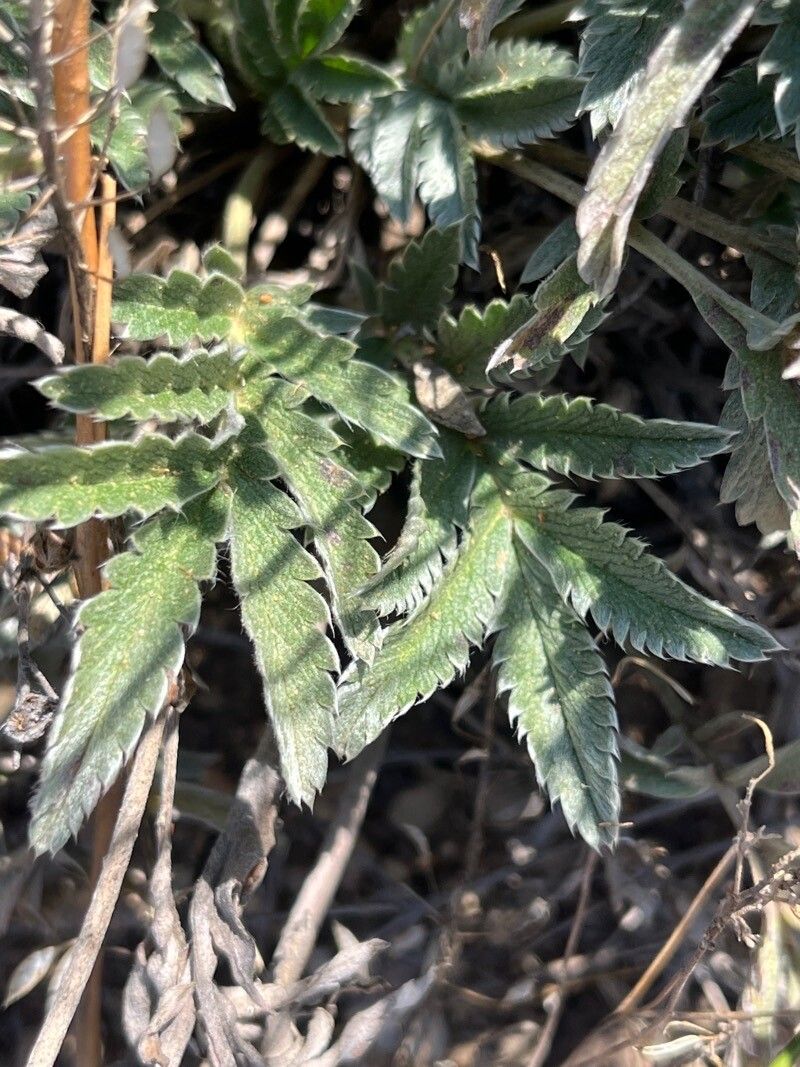
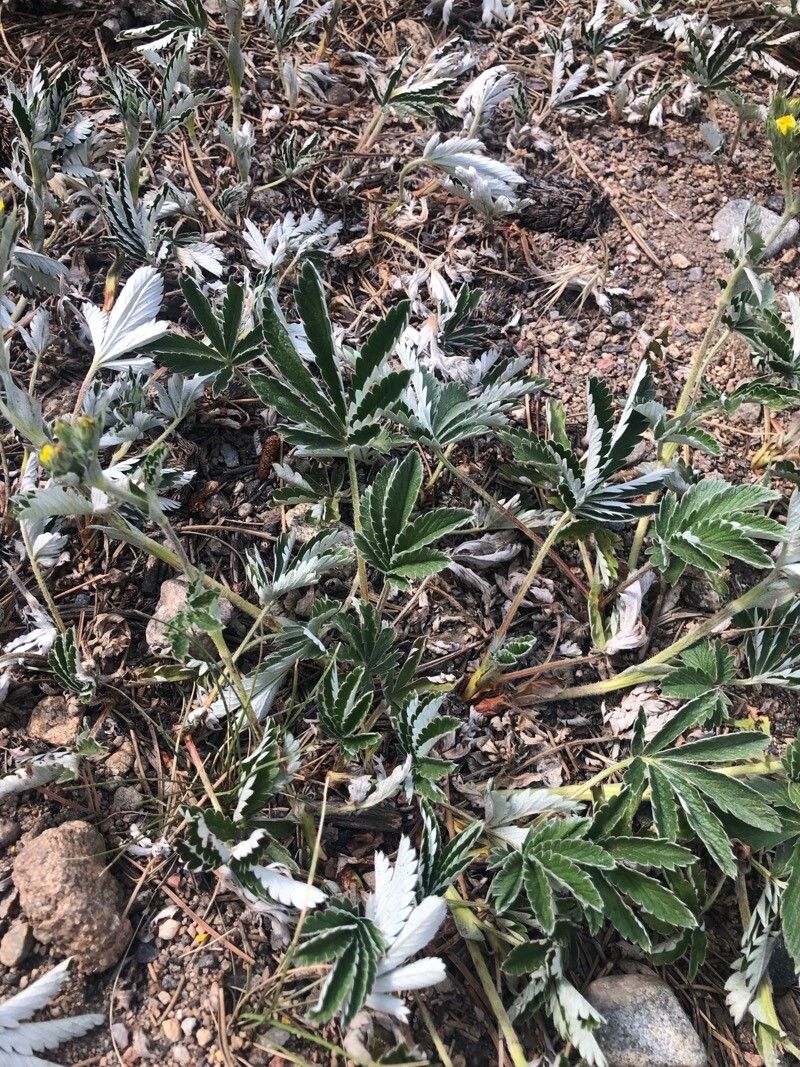
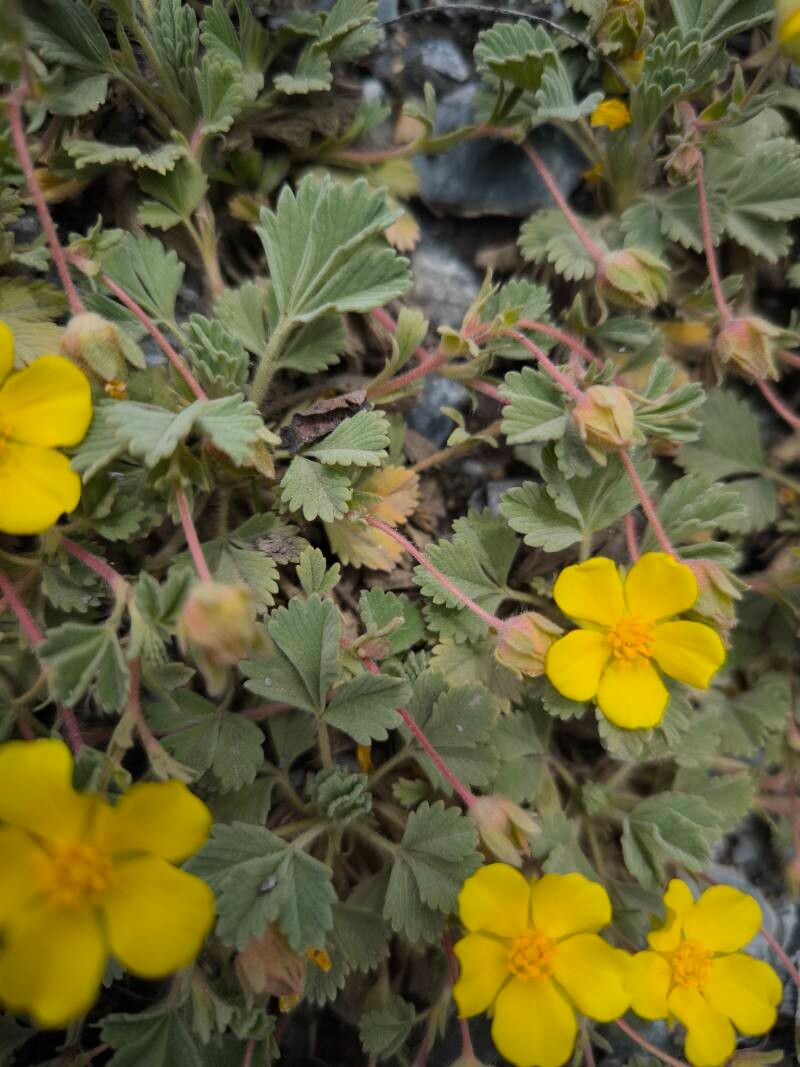
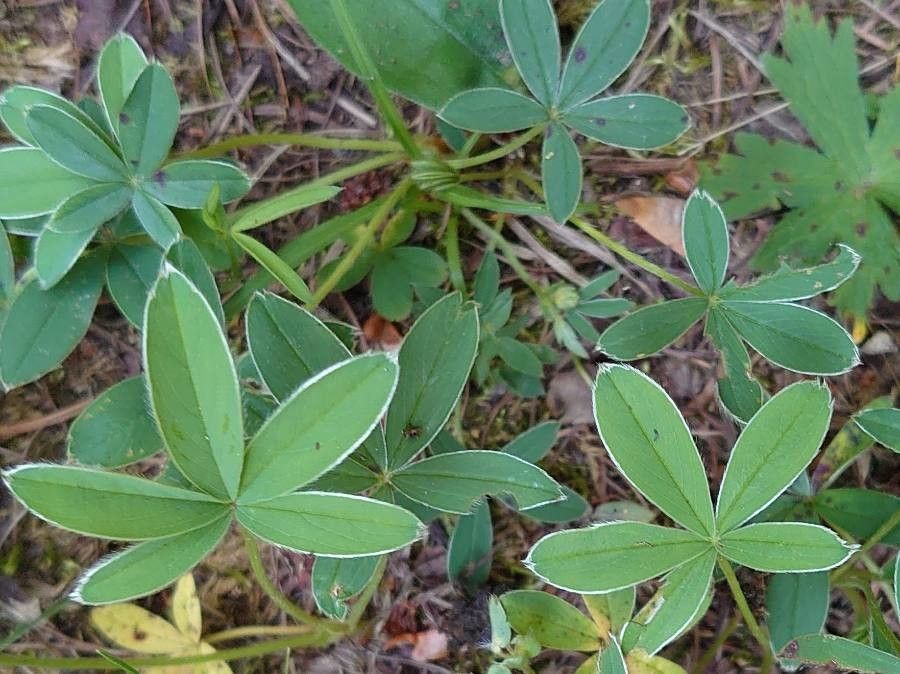
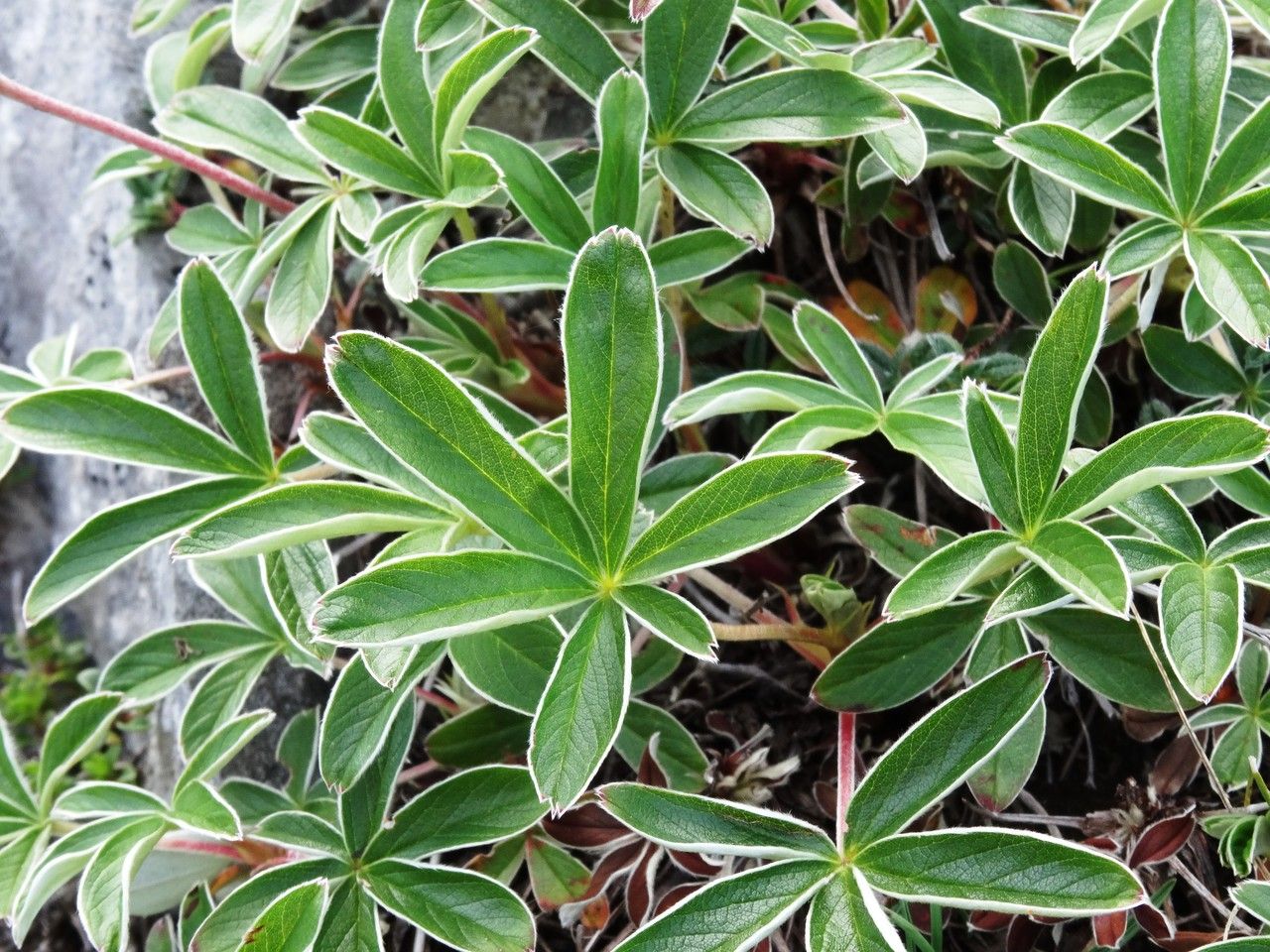
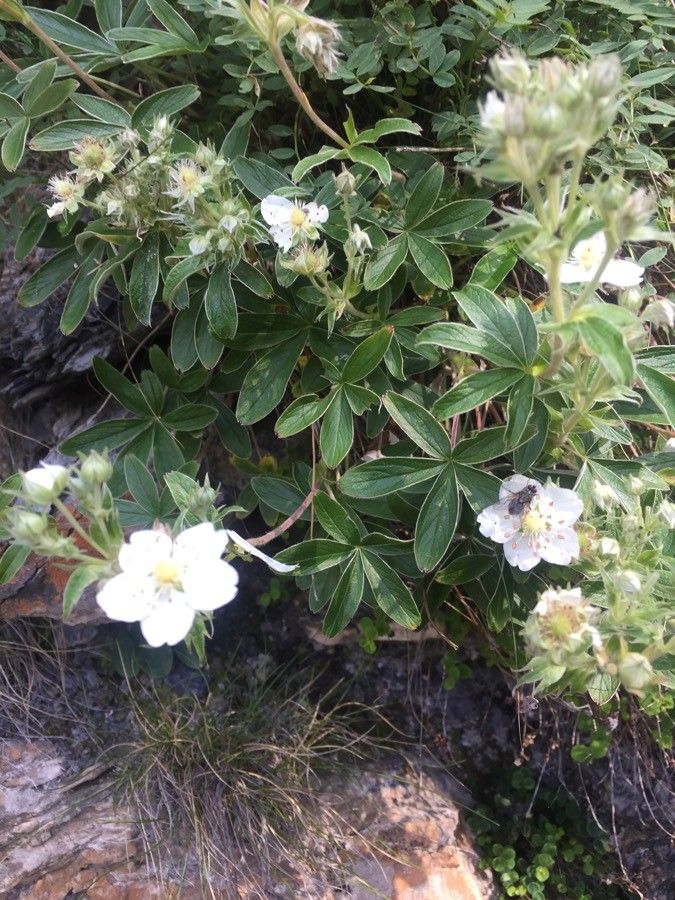
Potentilla hippiana is a species of flowering plant in the rose family known by the common names woolly cinquefoil, horse cinquefoil, and Hipp's cinquefoil. It is native to North America, where it occurs in western Canada and the western United States. It occurs in eastern Canada and the US state of Michigan as an introduced species.This perennial herb grows up to half a meter tall from a thick caudex and taproot. The leaves are up to 19 centimeters long or more and each is made up of several toothed leaflets. The leaves may be hairless to hairy to woolly. The fruit is a tiny achene. This species hybridizes with several other cinquefoil species, such as beautiful cinquefoil (P. pulcherrima) and elegant cinquefoil (P. concinna).This plant grows in a variety of habitat types, including grassland, forest, meadow, and sagebrush communities. It may occur in dry or wet habitat, several soil types, flat territory and slopes, and a range of temperatures. It can be found at elevation in subalpine and alpine climates. Plant species occurring with this cinquefoil in multiple habitat types include prairie junegrass (Koeleria macrantha), elk sedge (Carex geyeri), western yarrow (Achillea millefolium), silvery lupine (Lupinus argenteus), common dandelion (Taraxacum officinale), and beautiful fleabane (Erigeron formosissimus).This species was named by the botanist Johann Georg Christian Lehmann for his friend, Charles Friedrich Hipp.
Woolly cinquefoil is fairly disease-resistant and generally not susceptible to illnesses. Still, it can be affected by pests and diseases present nearby. Such infections are typically mild. Care-wise, the plant needs a moderate amount of attention. It should be pruned regularly to preserve an attractive appearance and healthy growth. Applying fertilizer can also encourage flowering. Woolly cinquefoil is appropriate for anyone with outdoor space, like a garden or patio, and does not demand extensive care experience. When kept indoors, it may need more attention.
How to keep Potentilla Hippiana.
Light
Woolly cinquefoil is a sun-loving, perennial herbaceous plant that comes from open habitats and is commonly found in meadows and grasslands. It prefers full sun but can also tolerate partial sun.
Temperature
Woolly cinquefoil can tolerate a wide range of temperatures, but its distribution may still be limited by various combinations of moisture and heat. It grows best in warm summer climates with adequate rainfall or irrigation. Extended periods of cloudy, rainy weather or prolonged high temperatures can raise the likelihood of Woolly cinquefoil dying. In winter, proper protection from cold can improve the plant’s survival rate.
Fertilizer
The ideal time to fertilize a Woolly cinquefoil is in early spring, as it is coming out of dormancy and starting active growth. Fertilizing supplies essential nutrients needed for healthy development. Although Woolly cinquefoil has relatively low fertilizer requirements, an annual application can improve its survival and encourage better, longer-lasting flowers.
Pruning
Woolly cinquefoil is a tough perennial plant with distinctive woolly leaves and yellow flowers. To keep it healthy and well-shaped, prune it in early spring. Start by removing any damaged wood and spent stems, then trim back the plant by one-third of its height. This encourages new growth and improves its overall health and flowering.
Botanical profile.
- Plant Type
- Herb
- Life Cycle
- Perennial
- Genus
- Potentilla
- Family
- Rosaceae
- Hardiness Zone
- 3-7
- Mature Height
- 20 cm to 49 cm
- Mature Spread
- 30 cm to 61 cm
- Leaf Color
- Silver, Gray
- Leaf Type
- Deciduous
- Flower Color
- Yellow
- Flower Size
- 1.52 cm to 2.54 cm
- Bloom Time
- Late spring, Early summer, Mid summer
- Planting Time
- Spring, Summer, Autumn
- Harvest Time
- Mid summer, Late summer, Early fall
Other names.