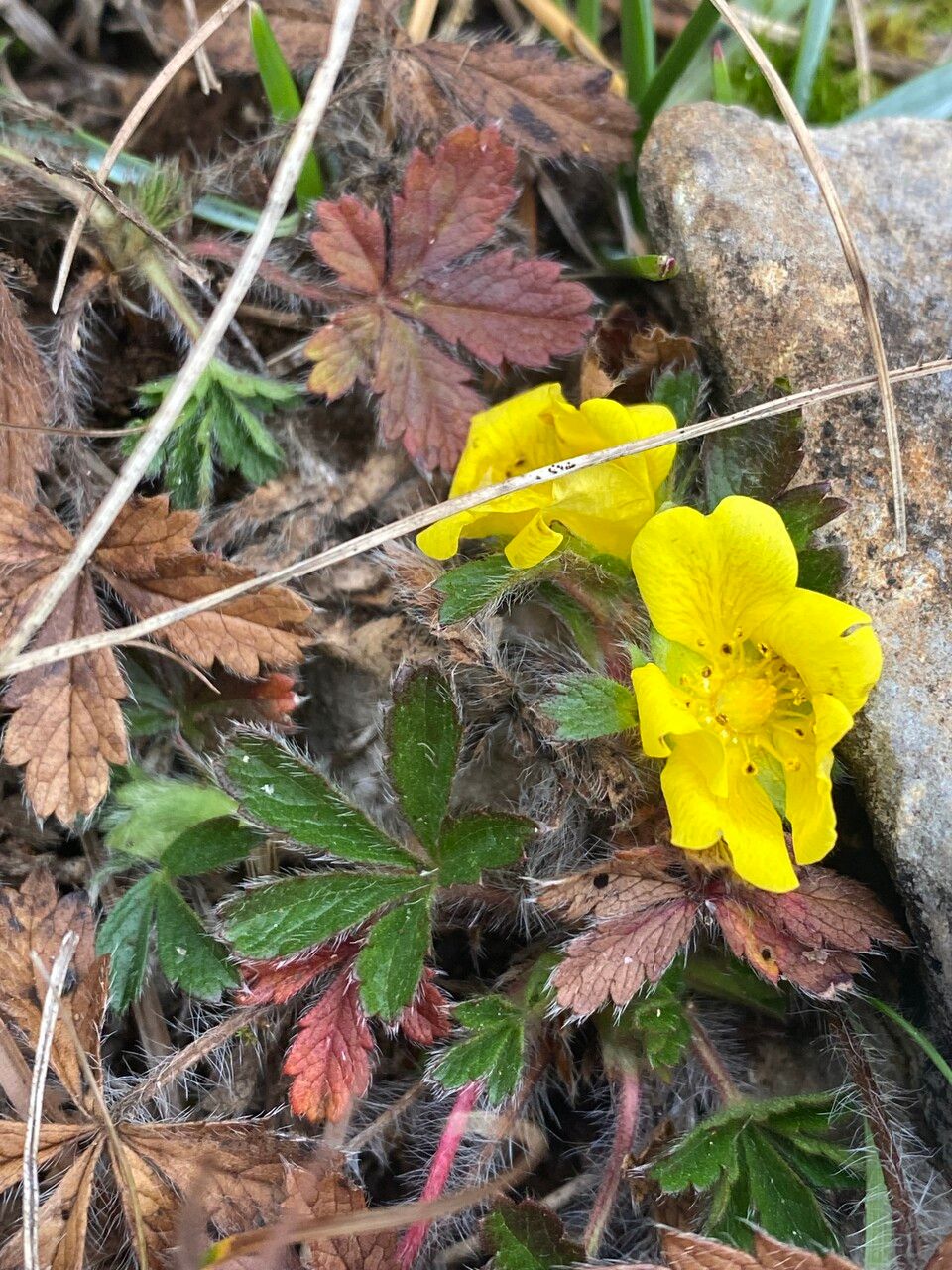
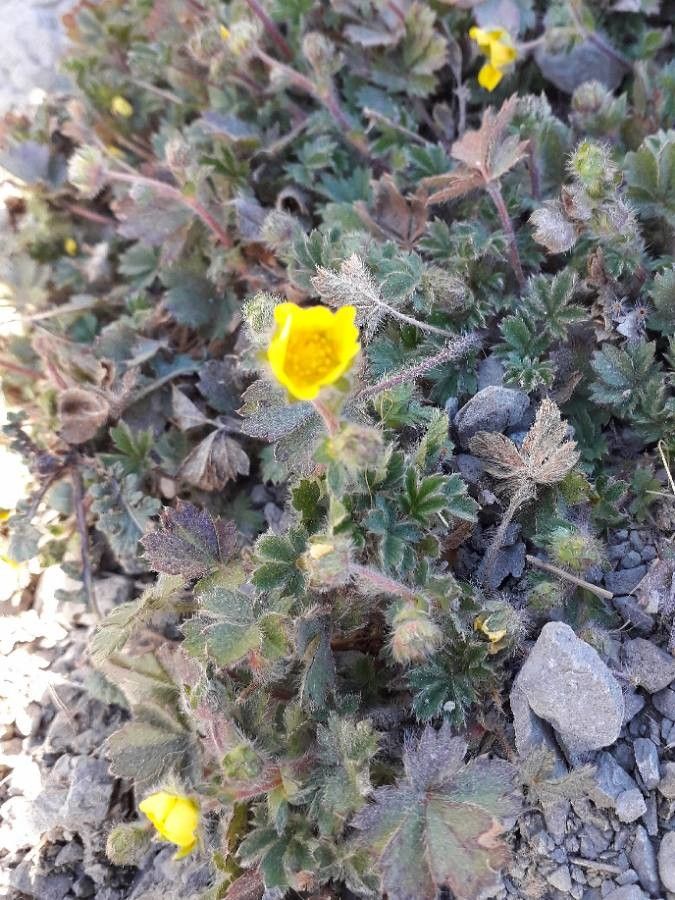
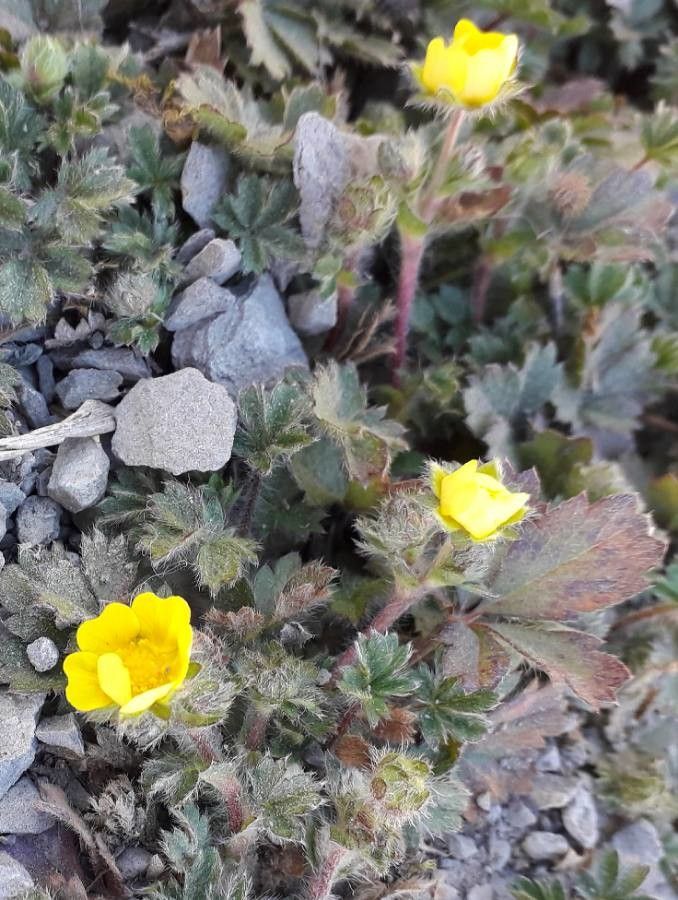
Potentilla crantzii, commonly known as Crantz's cinquefoil, is a perennial herbaceous plant belonging to the Rosaceae family. Native to Europe, it thrives in various habitats such as meadows, rocky slopes, and forests.
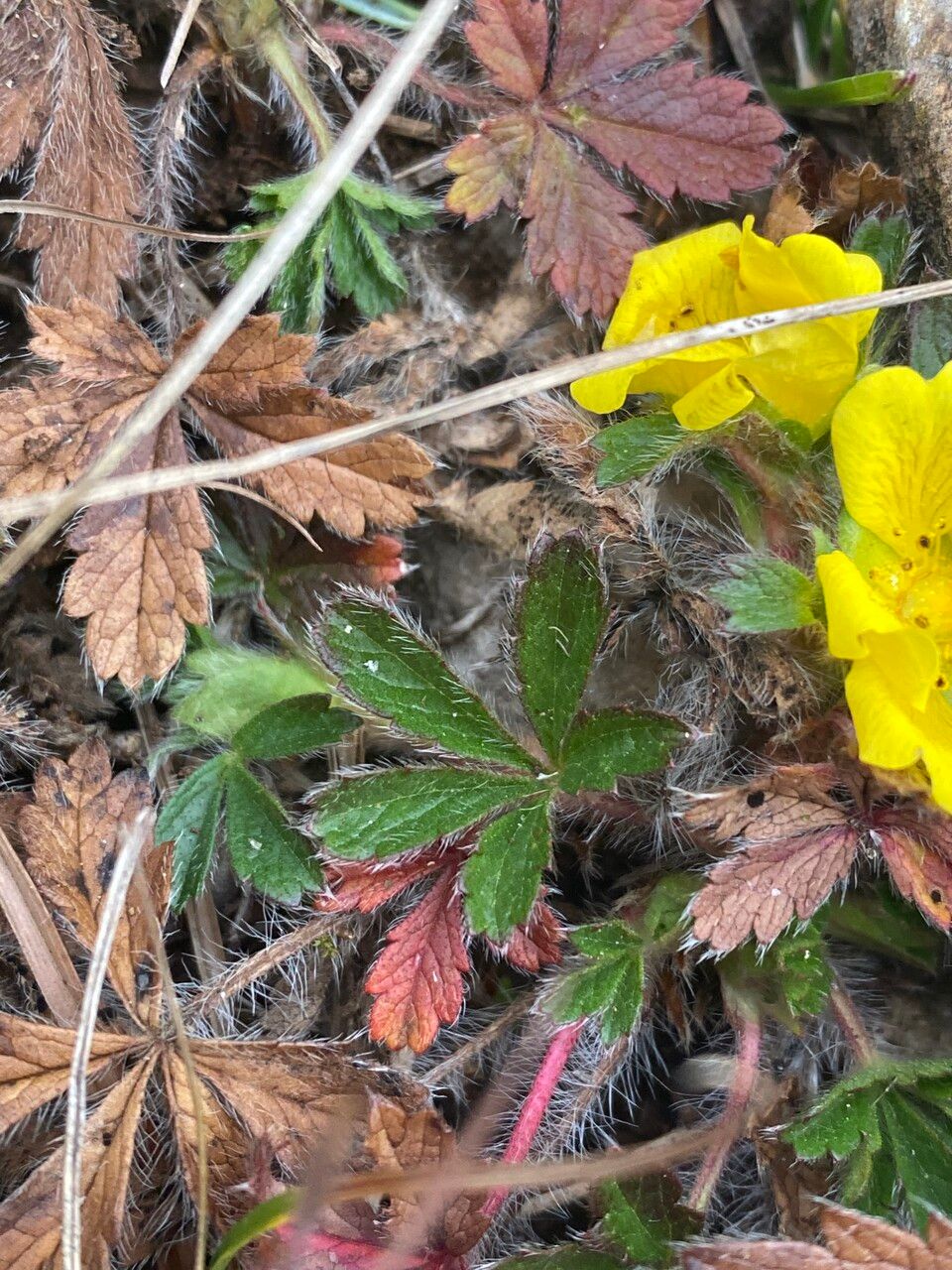
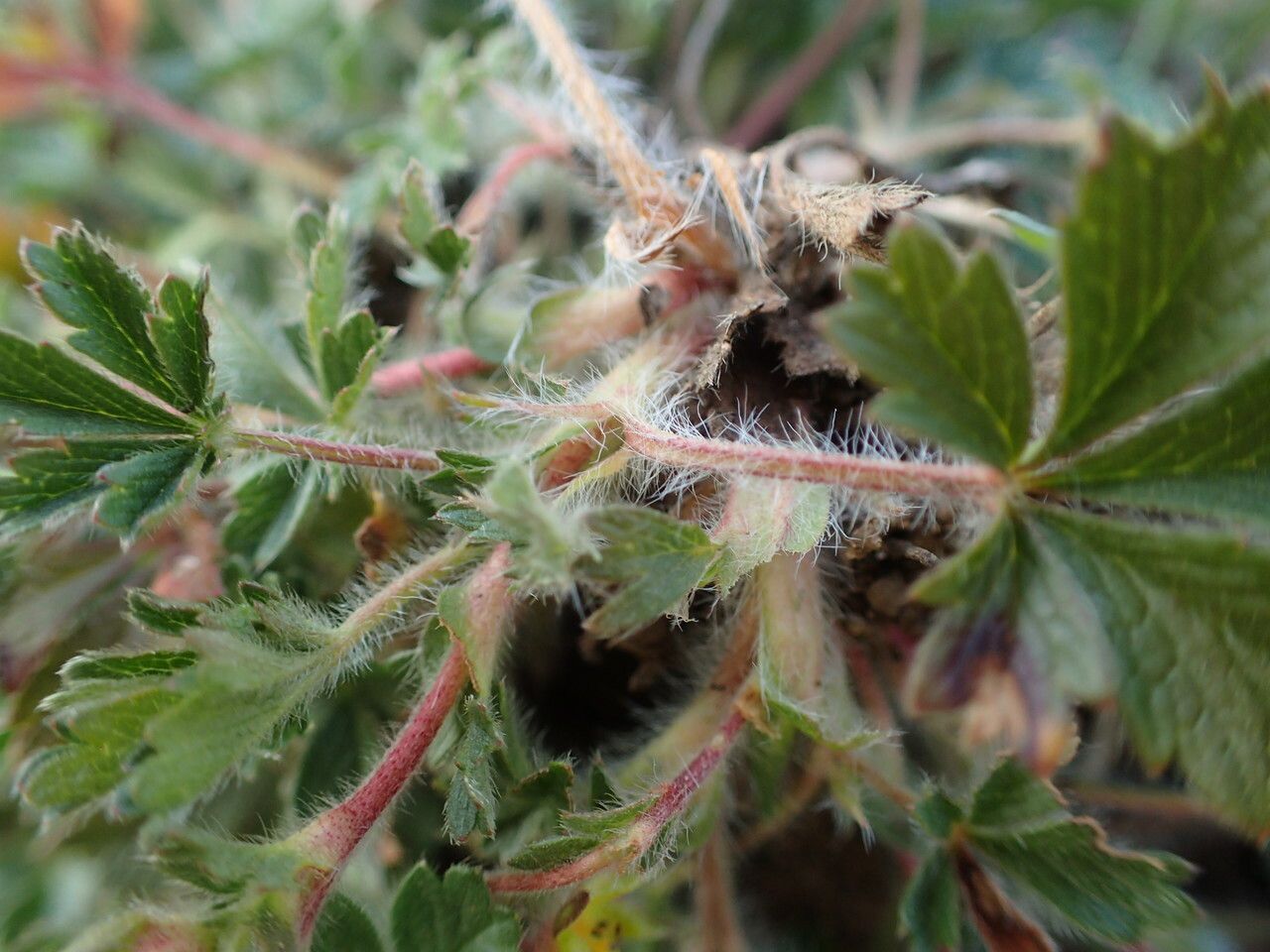
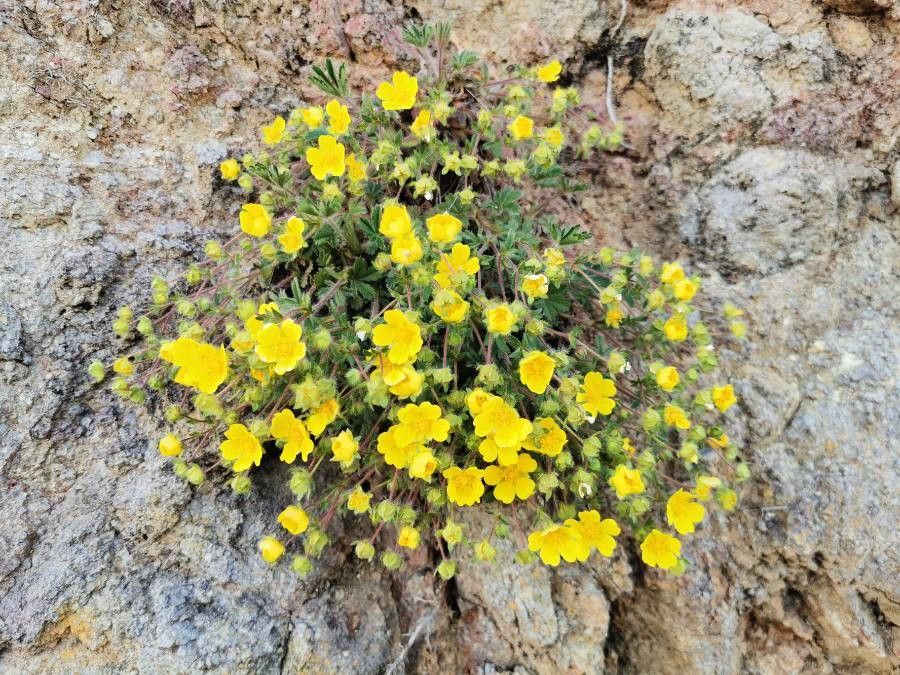
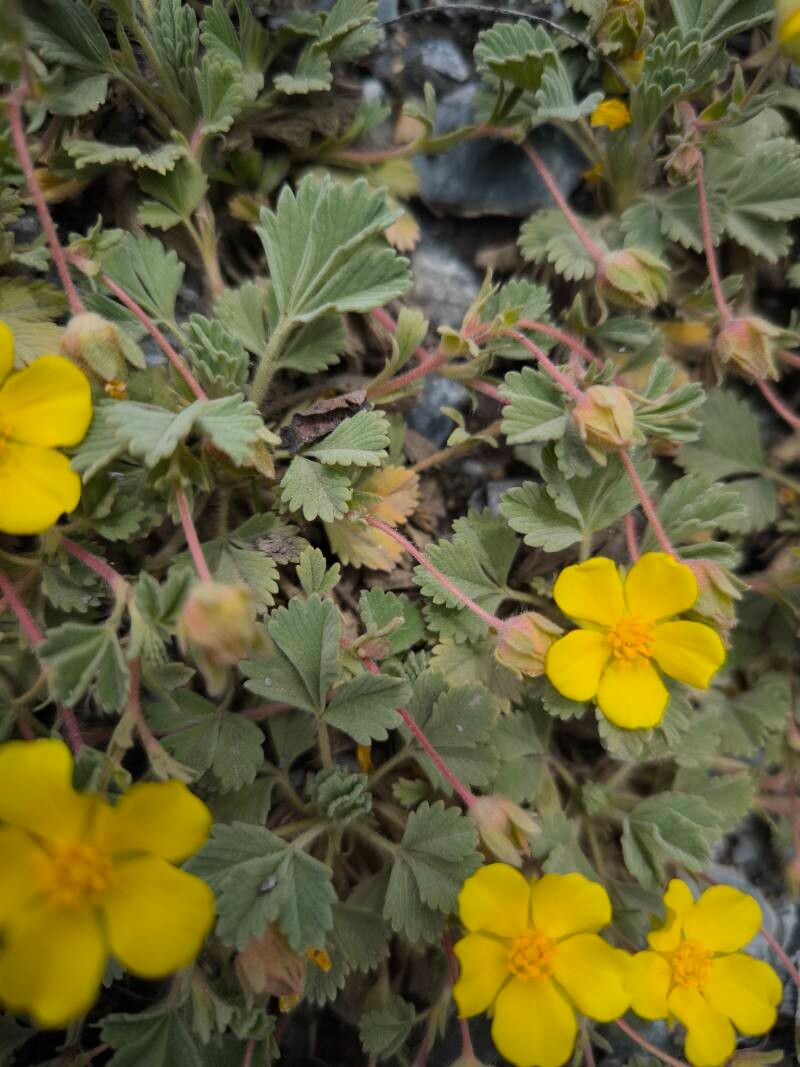
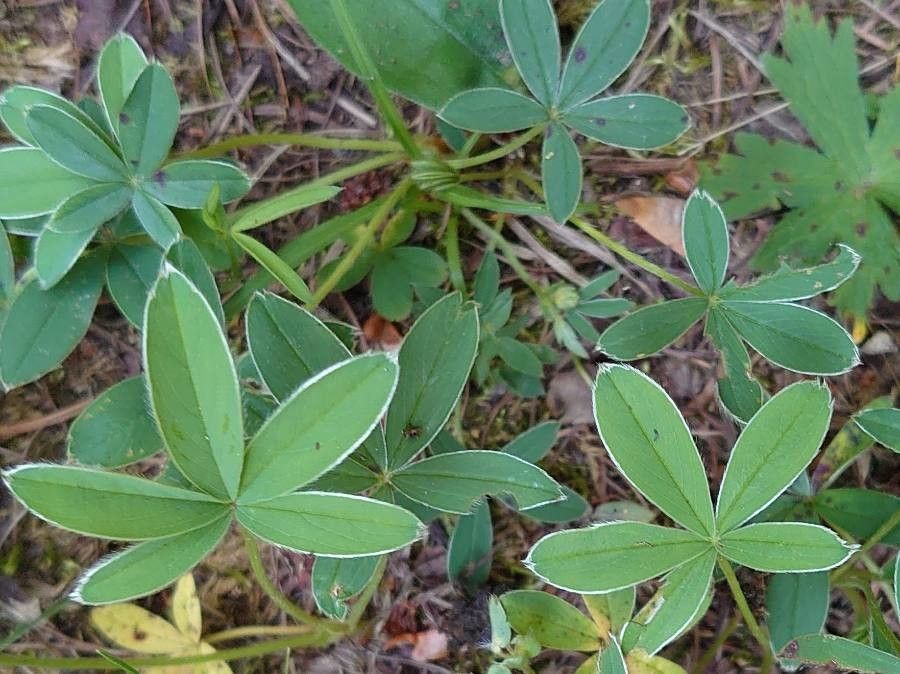
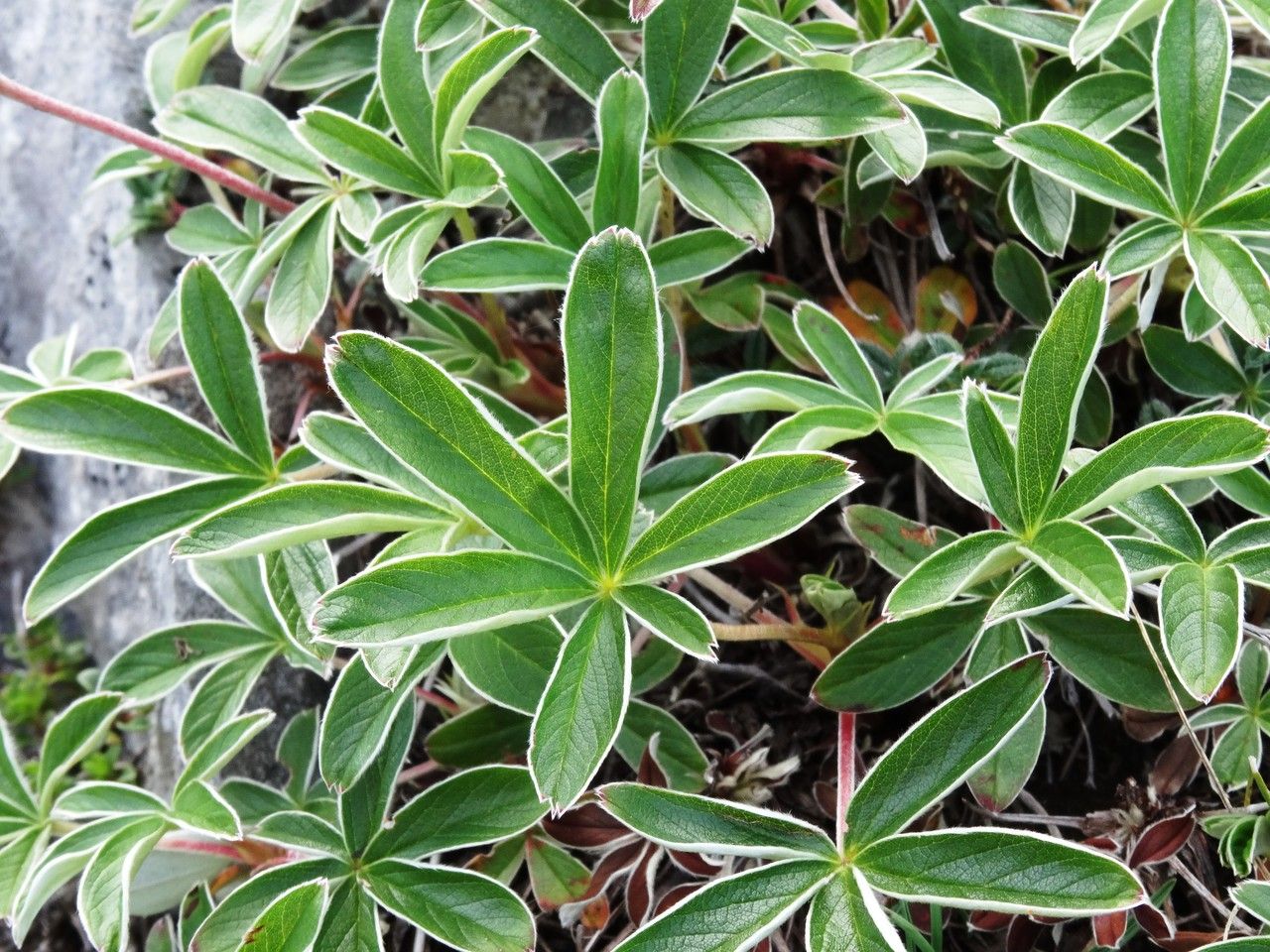
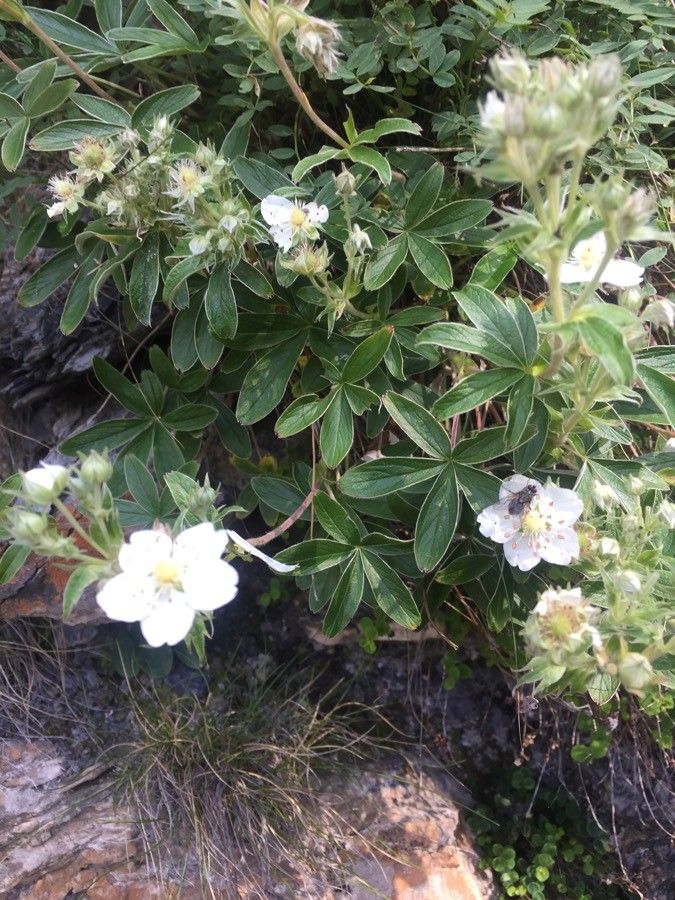
The plant, which grows up to 30 cm in height, features a woody base with several stems covered in small hairs. Its leaves are pinnately compound with five oval-shaped, toothed leaflets. From May to August, Potentilla crantzii produces flowers with five bright yellow petals that form a cup-shaped corolla.
Potentilla crantzii holds significant medicinal value, particularly for its anti-inflammatory properties in traditional medicine. It contains various bioactive compounds, including tannins, flavonoids, and phenolic acids, which have been demonstrated to possess antioxidant properties.
Beyond its medicinal applications, Potentilla crantzii is also valued for its ornamental appeal. Its attractive flowers make it an excellent choice for rock gardens or borders.
Overall, Potentilla crantzii is a fascinating herbaceous perennial known for both its medicinal benefits and ornamental value, making it a popular choice among gardeners worldwide.
Alpine cinquefoil is quite disease-resistant and typically does not suffer from illnesses. Nevertheless, it can be affected by pests and diseases present in its surroundings. Such infections are generally mild. Regarding care, the plant needs moderate maintenance. Regular pruning is necessary to preserve an attractive appearance and encourage healthy growth. Applying fertilizer can also aid in boosting flowering. Alpine cinquefoil is suitable for anyone with an outdoor area, such as a garden or patio, and does not demand extensive care experience. When grown indoors it may require more attention.
How to keep Potentilla Crantzii.
Light
Alpine cinquefoil grows best in full sun but can adjust to spots with somewhat reduced light. Because it originates from alpine environments, it has a preference for abundant sunlight. The amount of light strongly affects the plant's vitality and growth. Insufficient light can inhibit growth, while excessive light can cause stress.
Water
Alpine cinquefoil, native to mountainous regions, flourishes in well-drained soils with moderate moisture. To prevent the roots from becoming too saturated, it needs to be watered weekly, mimicking the rainfall of its natural habitat. The plant is resilient to changing weather conditions and efficiently manages water absorption during the growing season to ensure optimal flowering.
Temperature
Alpine cinquefoil flourishes in its native habitat at temperatures between 41 and 89.6 °F (5 and 32 °C). It is adaptable to cooler climates but grows best in temperate zones. Seasonal adjustments are recommended based on the desired range.
Fertilizer
The best time to fertilize an Alpine cinquefoil is in early spring, as it comes out of dormancy and begins active growth. Fertilizing supplies essential nutrients for healthy growth. Although Alpine cinquefoil has relatively low fertilizer requirements, applying fertilizer annually can improve its survival and encourage better, longer-lasting flowers.
Pruning
Alpine cinquefoil requires little pruning to flourish. In early spring, remove any dead foliage, and in late spring, trim the spent blooms to encourage growth. This practice not only boosts vigor and bloom density but also maintains a compact shape and helps prevent disease. Be sure to use clean, sharp tools to minimize damage to the plant.
Botanical profile.
- Plant Type
- Herb
- Life Cycle
- Perennial
- Genus
- Potentilla
- Family
- Rosaceae
- Hardiness Zone
- 4-8
- Mature Height
- 5 cm to 30 cm
- Mature Spread
- 30 cm
- Leaf Color
- Green
- Leaf Type
- Semi-evergreen
- Flower Color
- Yellow
- Flower Size
- 1.02 cm to 4.06 cm
- Bloom Time
- Mid spring, Late spring, Early summer
- Planting Time
- Spring, Summer
- Harvest Time
- Summer
Other names.
Reader questions.
How should I water my Alpine cinquefoil plant?
To ensure proper care for the Alpine cinquefoil, it is recommended to water it with filtered water at room temperature. Tap water may contain harmful particles, so using filtered water is preferable. It is important to note that the water should not be cold, as the plant is accustomed to warmer conditions and cold water can be stressful for it. Additionally, overhead watering should be avoided as it can cause issues with the foliage. Instead, you should water the plant by directly applying filtered, room temperature water to the soil until it is fully saturated. This method of watering is beneficial as it ensures the roots are moistened and allows them to spread and absorb necessary nutrients from the soil.
Why do I have to add fertilizer to my Alpine cinquefoil?
Fertilization is important for the Alpine cinquefoil for various reasons. It provides essential nutrients for the plant's growth both above and below ground. Despite this, the Alpine cinquefoil has relatively low fertilization requirements and can survive without it. However, annual fertilization can greatly benefit the plant, keeping it alive and promoting the production of long-lasting flowers. Therefore, those who want their Alpine cinquefoil to thrive should consider regular fertilization.
What are the sunlight requirements for Alpine cinquefoil?
Alpine cinquefoil thrives best in full sun exposure but can adapt to less light. It originates from alpine regions, which suggests a natural preference for plenty of sunlight. However, the amount of light it receives significantly affects its growth and vitality. Excess or insufficient sunlight can respectively lead to plant stress or inhibited growth. Notably, full sun is defined as more than 6 hours of sunlight, while partial sun amounts to about 3-6 hours. Observing how sunlight moves through your garden helps in choosing spots with an ideal balance of light and shade, ensuring plant health.
What is the ideal temperature range for growing Alpine cinquefoil?
The ideal temperature range for Alpine ciniquefoil, or Potentilla crantzii, is between 41°F to 89.6°F (5°C to 32°C). It is well-adapted to cooler climates, thriving best in temperate zones. The plant possesses strong cold resistance, making special frost protection measures unnecessary in most cases. However, for exceedingly cold winters with temperatures dropping below -30°C, it's advised to protect the plant using materials like soil or straw. Additionally, before the first freeze of autumn, watering the plant abundantly to keep the soil moist throughout winter and early spring is recommended.
What should I do if I give my Alpine cinquefoil too much or too little water?
Overwatering is a more common issue than underwatering for Alpine cinquefoil. Too much water can cause wilting and yellowing of the stems and leaves, and over time may lead to diseases like root rot, mold, and mildew that can be fatal to the plant. While underwatering is less common, it can still happen and result in brittle and brown leaves. It is crucial to detect signs of overwatering early and reduce watering immediately, as some diseases caused by overwatering may be irreversible if left untreated. If the soil drains poorly, it should be replaced with a loose, well-draining potting mix. If signs of underwatering are present, simply water more regularly until the signs improve.
When should I fertilize my Alpine cinquefoil?
The best time to fertilize an Alpine cinquefoil is in late winter to early spring. This is when the plant is transitioning from dormancy to active growth. Fertilizing at this time promotes healthy growth for the season. While early spring is the most beneficial time to fertilize, it is also acceptable to fertilize in the fall. However, it is not recommended to fertilize the Alpine cinquefoil during the summer or winter.
How does artificial lighting support Alpine cinquefoil growth indoors?
Indoor Alpine cinquefoil can benefit from artificial lighting, especially when natural sunlight is inadequate, such as during winter or in less sunny spaces. Artificial lights, particularly LEDs, can be tailored to provide the specific wavelengths needed by the plants. Full sun plants need 30-50W/sq ft, partial sun plants 20-30W/sq ft, and full shade plants 10-20W/sq ft of artificial light. The light source should be placed 12-36 inches above the plant, mimicking the natural sunlight's distance. Furthermore, to simulate the natural daylight hours accurately, most plants require 8-12 hours of light per day.
How does Alpine cinquefoil react to temperatures below its recommended range?
Alpine cinquefoil is remarkably cold-tolerant, favoring temperatures above 5°C. Nonetheless, during winters, it's vital to ensure the temperature remains above -25°C. Exposures to temperatures under -30°C may not show immediate adverse effects during winter, but can lead to reduced sprouting or a complete lack thereof come spring. To mitigate this, any parts of the plant that have failed to sprout by spring should be removed.
How often should I give water to my Alpine cinquefoil plant?
If your Alpine cinquefoil plant is in a pot, you can determine if it needs water by checking the soil. Stick your finger into the soil and if the top two to three inches are dry, it's time to water. The same method can be used for outdoor plants grown in the ground. If the first few inches of soil are dry, it's time to water. Typically, during spring and early fall, watering once a week is sufficient. However, in extremely hot weather, you may need to water twice or more per week. It's worth noting that mature and well-established Alpine cinquefoil plants are quite resilient and can withstand drought.
When is the best time to not give fertilizer to my Alpine cinquefoil?
To avoid overfertilization and its complications, it is recommended to fertilize your Alpine cinquefoil only in late winter and early spring. This plant has low fertilization needs, so a single annual feeding is sufficient. It is important not to continue fertilizing during spring, summer, and fall to prevent overfertilization. However, if you didn't fertilize in spring, it is acceptable to feed the plant in fall. Also, there is no need to fertilize the plant during winter as it goes into a dormant growth phase and doesn't produce new growth.
What are the symptoms of inadequate lighting for Alpine cinquefoil?
Alpine cinquefoil shows several signs when it's not receiving enough light, including the growth of smaller leaves than usual, leggy or sparse growth due to longer spaces between leaves or stems, faster leaf drop as a conservation effort, and slower or completely halted growth. Insufficient light also causes new leaves to appear lighter in color or develop irregular color patterns, indicating a lack of essential nutrients and chlorophyll. Conversely, excessive sunlight can lead to chlorosis (leaves turning yellow), sunscald, leaf curling as a defensive mechanism to reduce water loss, wilting due to increased transpiration, and leaf scorching, which appears as brown, dry, and crispy leaf edges.
What should I do if the Alpine cinquefoil experiences high temperatures?
During the summer months, it's crucial to keep the Alpine cinquefoil below 32°C. Exposure to temperatures above 35°C can lead to the leaves becoming lighter, curling, becoming prone to sunburn, or, in severe cases, causing the plant to wilt and dry out. To combat heat stress, trim away any sunburned or dried parts. Move the plant to a shadier location or use a shade cloth to protect it from the midday and afternoon sun. Additionally, watering the plant in the morning and evening can help keep the soil appropriately moist.