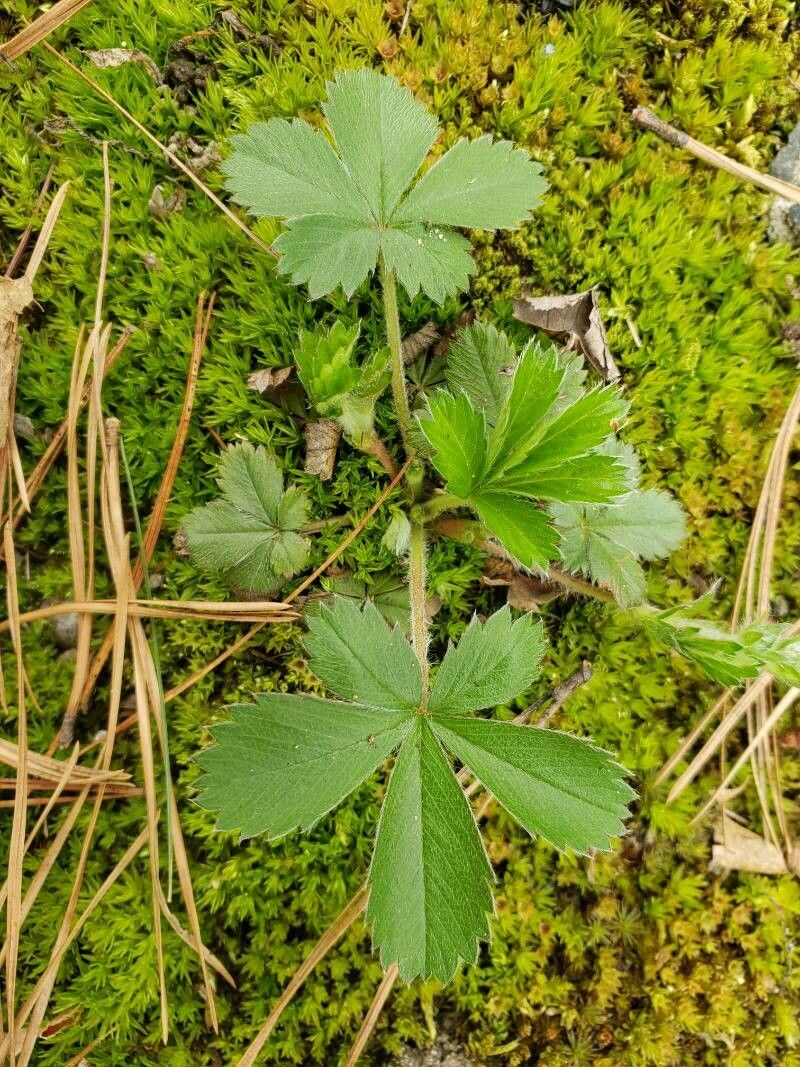
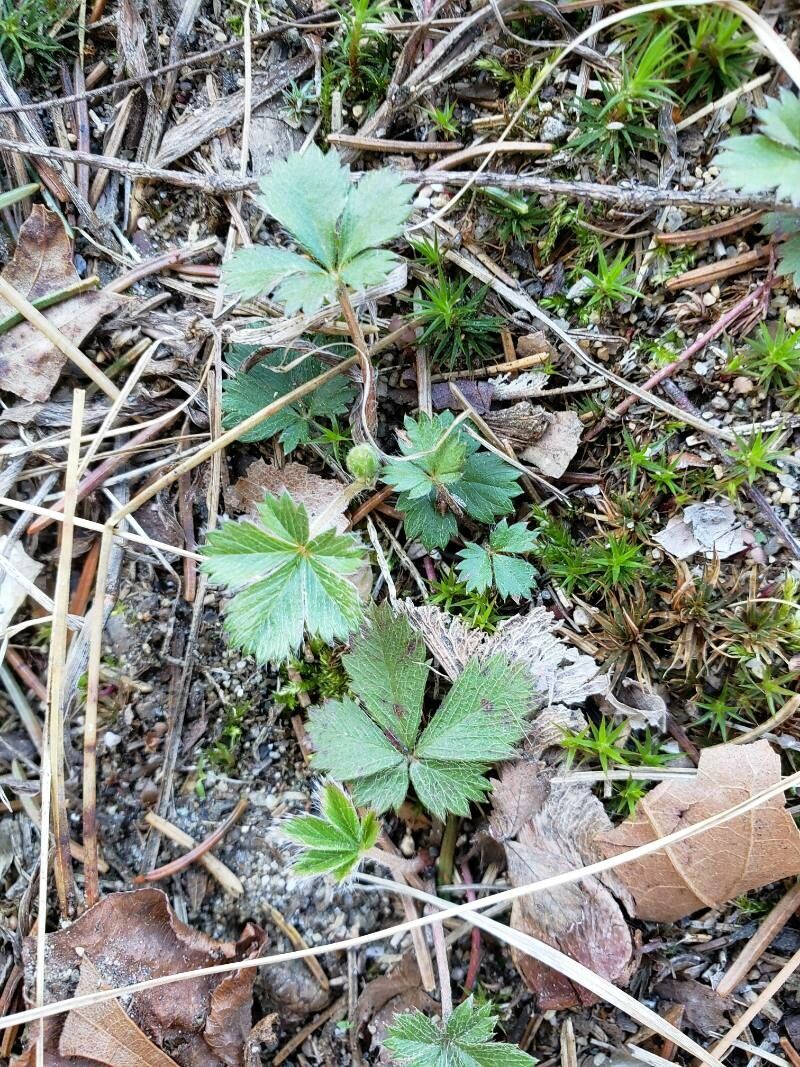
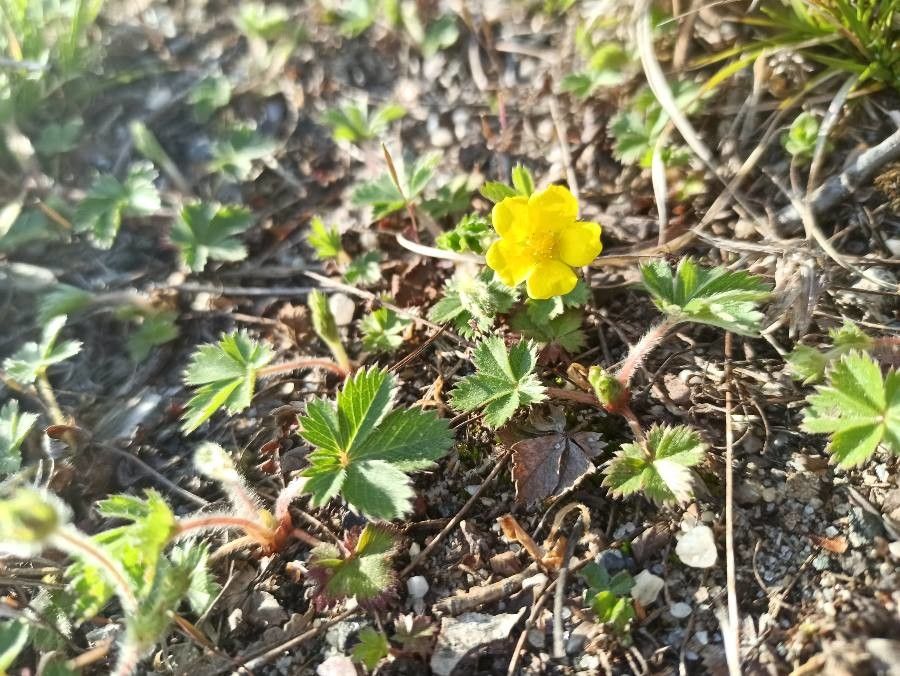
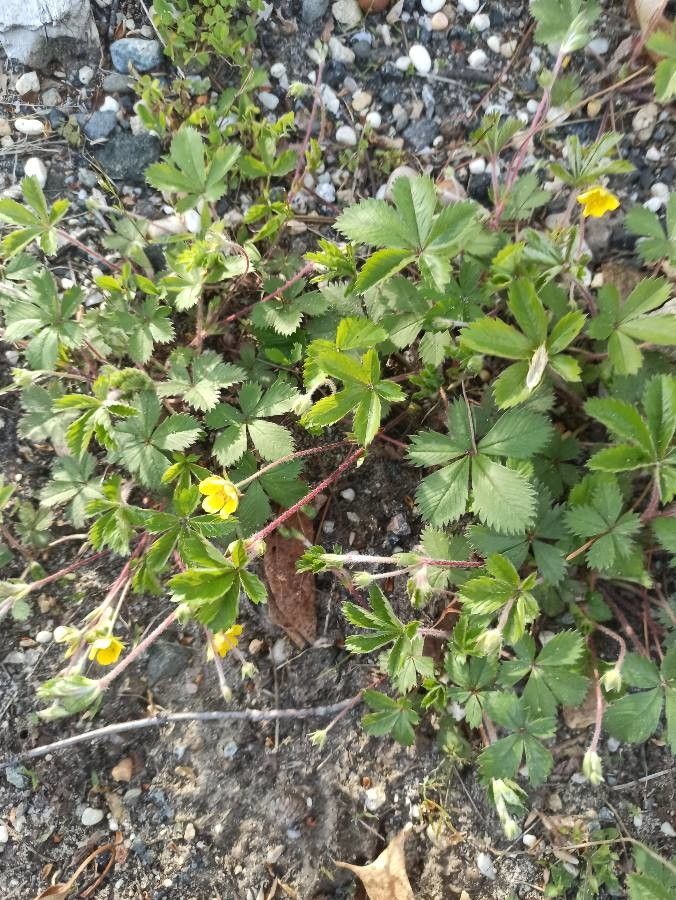
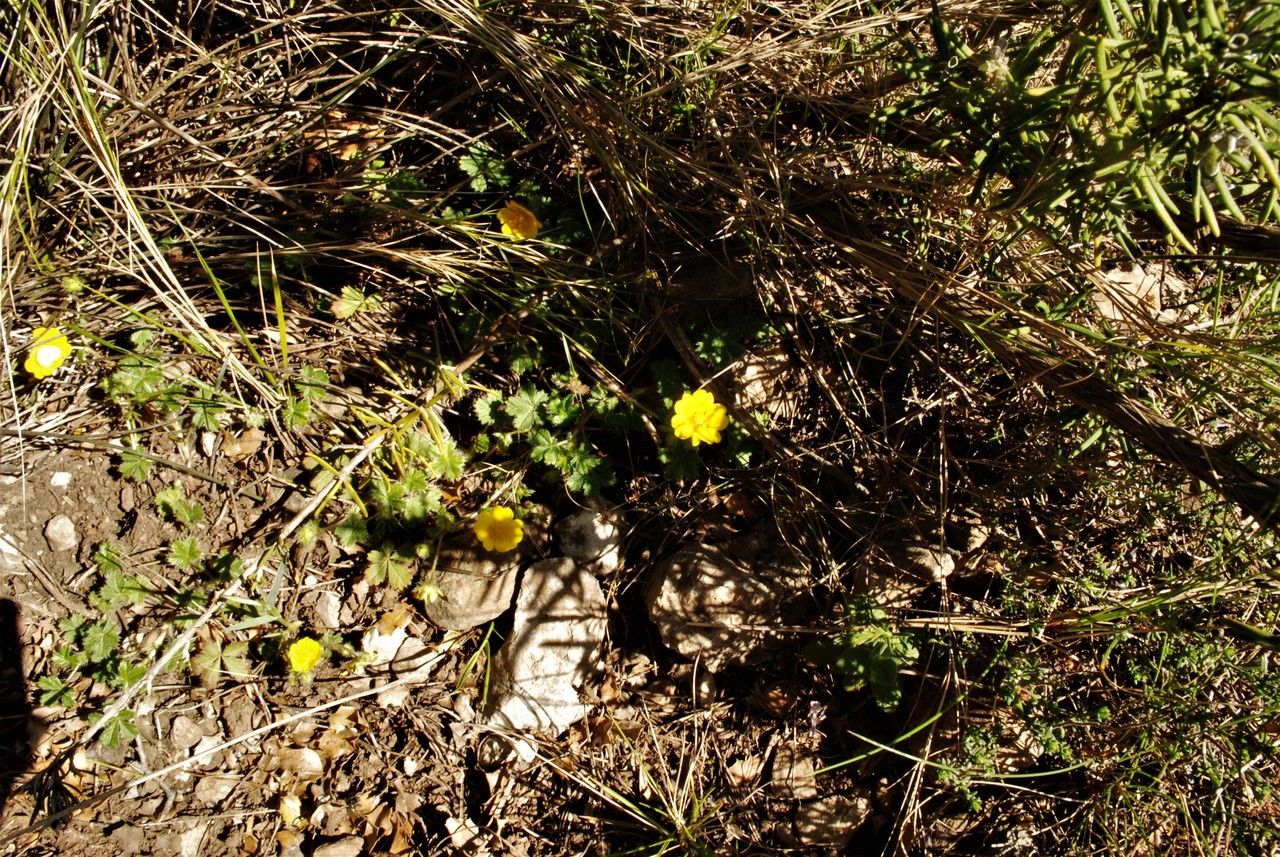
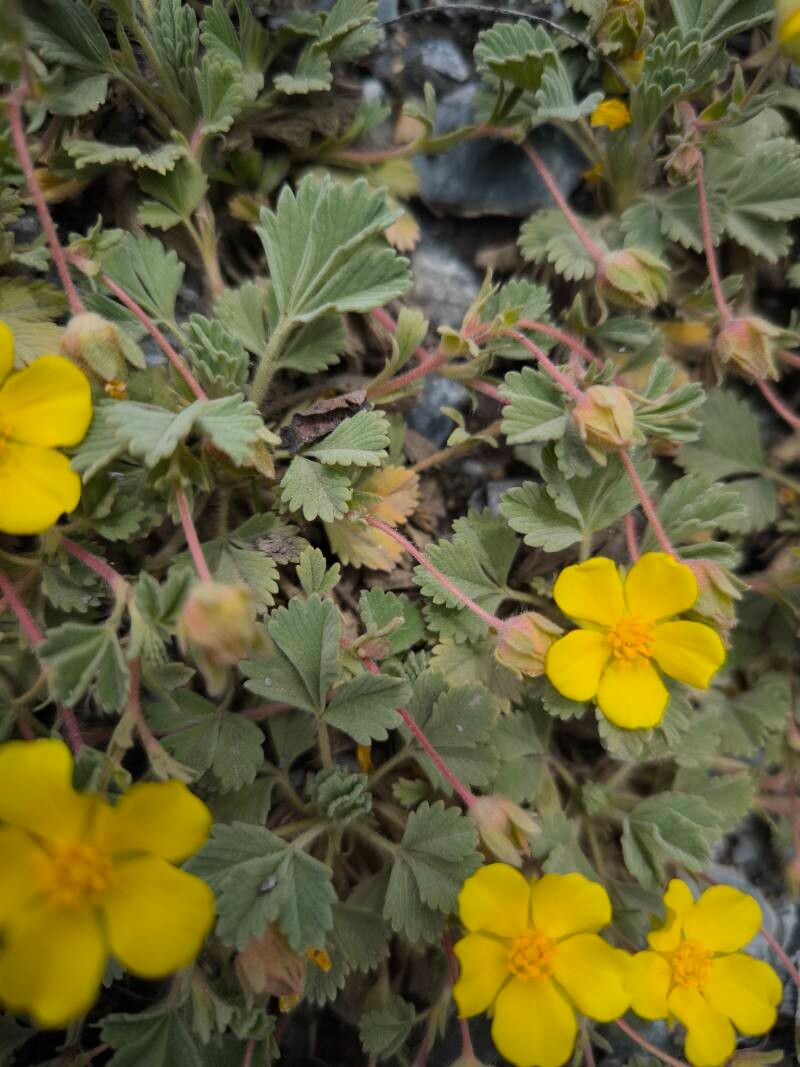
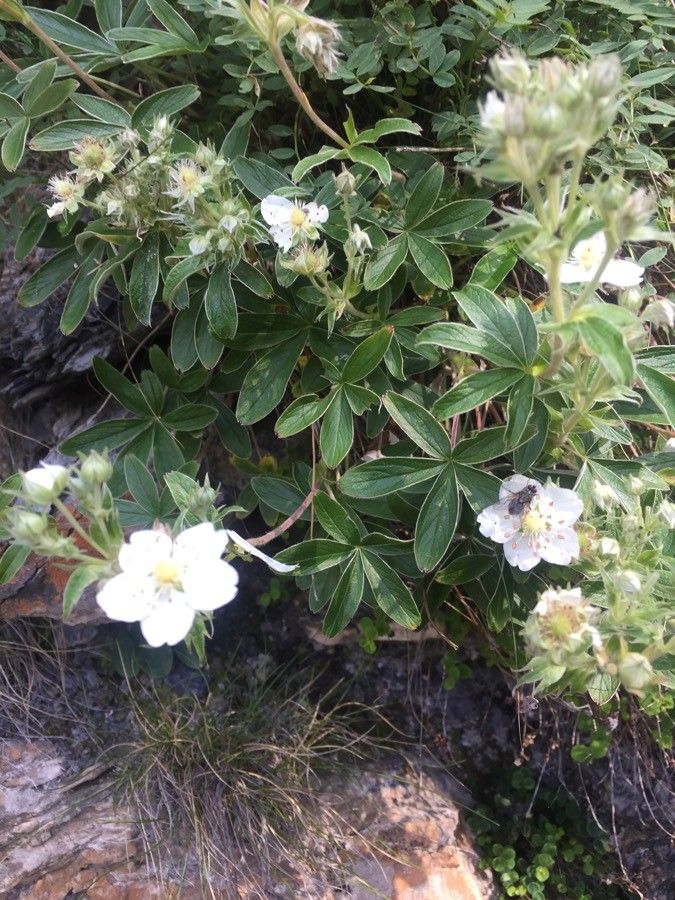
Potentilla canadensis, commonly known as Canada cinquefoil, is a herbaceous perennial plant that belongs to the Rosaceae family. Native to North America, it thrives in various habitats, including meadows, prairies, and open woods. The plant can grow up to 60 cm tall and features a spreading habit with numerous stems emerging from the base.
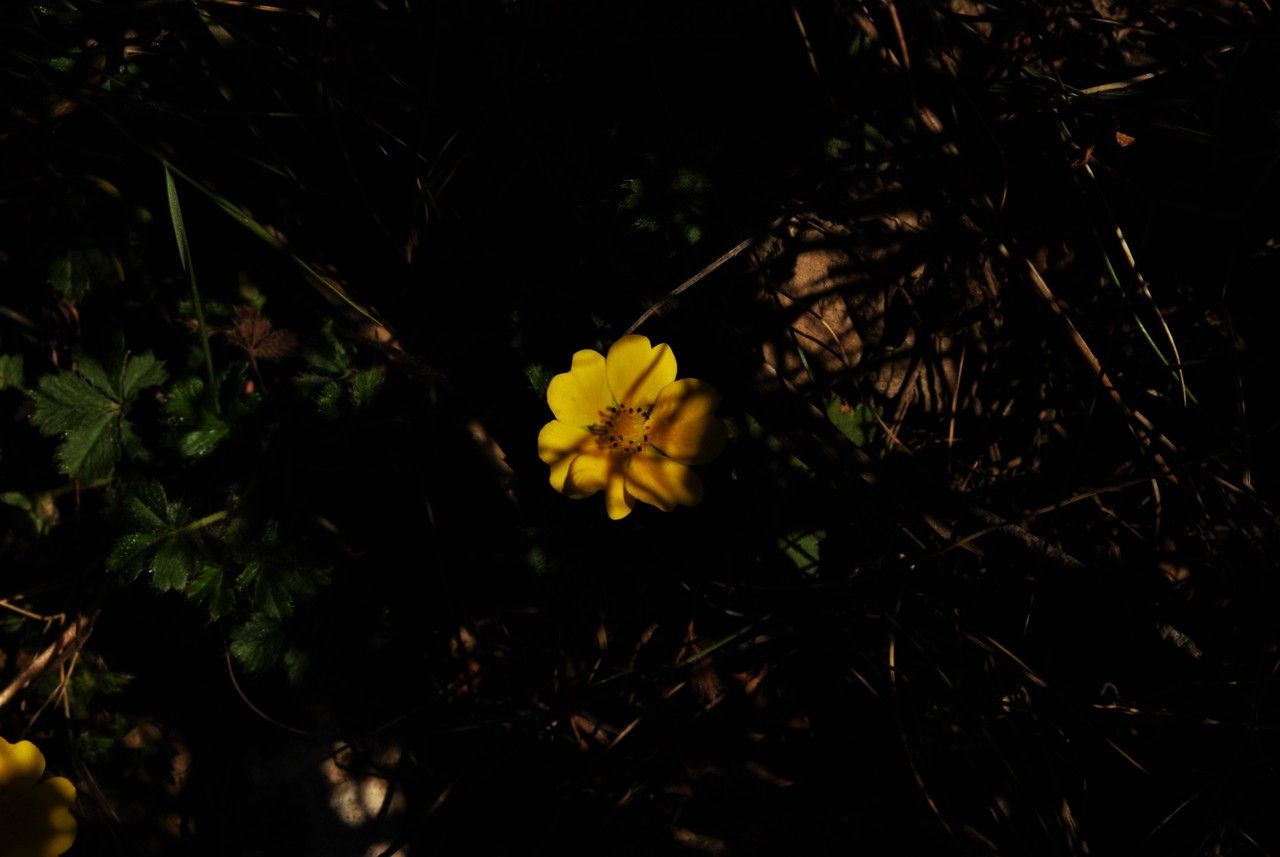
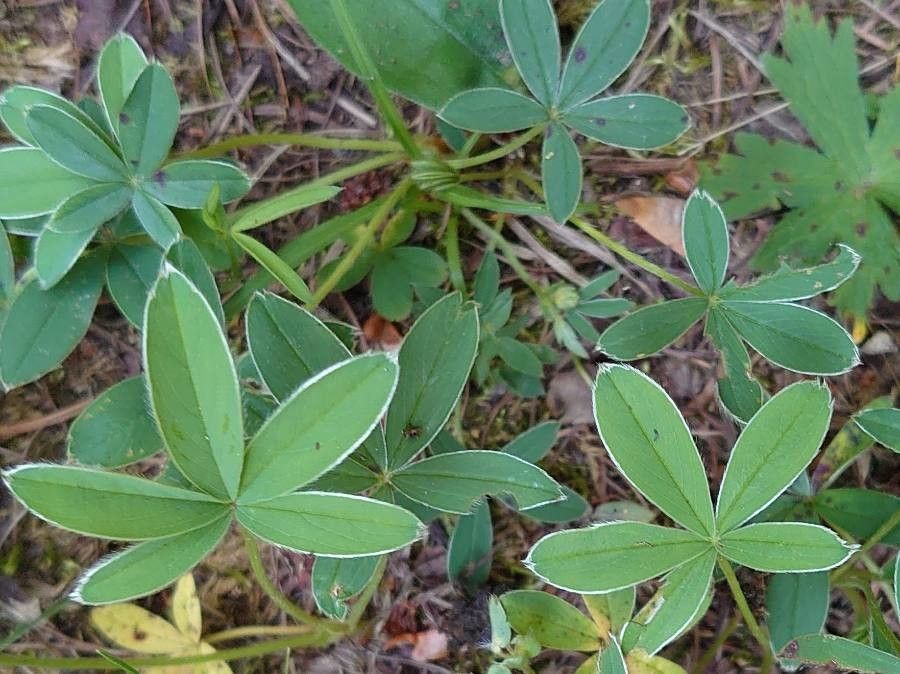
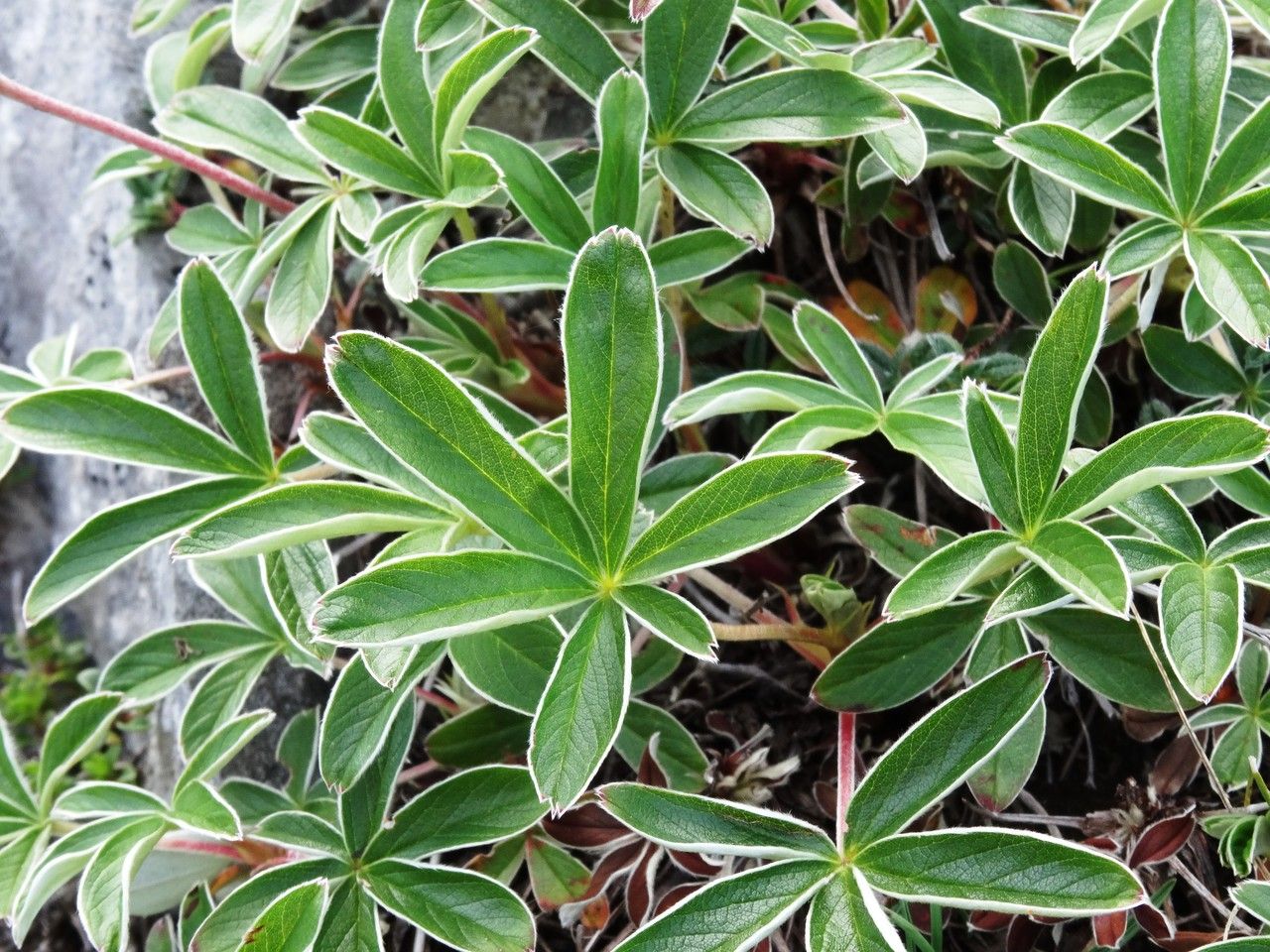
The leaves of Potentilla canadensis are palmately compound with five toothed leaflets. Its small yellow flowers, which have five petals, bloom from May to August and attract bees and other pollinators.
In traditional medicine, Potentilla canadensis has been valued for its anti-inflammatory properties. It has also been used to make tea for treating diarrhea, dysentery, sore throats, and symptoms of feverish colds or flu.
In landscaping, Potentilla canadensis is often used in rock gardens or naturalized areas due to its low maintenance requirements. It prefers full sun but can tolerate partial shade and drought conditions once established.
Overall, Potentilla canadensis is an attractive native perennial that provides food for pollinators while enhancing the beauty of any garden setting or naturalized area. It grows well under appropriate conditions, including well-drained soil, full sun exposure, and neutral soil pH levels.
Dwarf cinquefoil is fairly resistant to disease and typically does not suffer from illnesses. Still, it can be affected by pests and diseases present in the surrounding area. Such infections are typically mild. Regarding care, the plant needs a moderate level of attention. Regular pruning is necessary to preserve an attractive appearance and encourage healthy growth. Applying fertilizer can also aid in increasing flowering. Dwarf cinquefoil is well suited for anyone with outdoor space, like a garden or patio, and does not demand extensive gardening experience. If kept indoors, it may need more intensive care.
How to keep Potentilla Canadensis.
Light
Dwarf cinquefoil prefers full sun but will tolerate moderate light. In its native surroundings the plant is adapted to steady brightness, which ensures healthy development. Too much or too little light can be harmful, leading to poor growth or reduced vigor.
Water
Dwarf cinquefoil, native to temperate regions, thrives in conditions with moderate moisture. It prefers soil that remains consistently moist but not waterlogged, making weekly watering ideal. This plant is best suited for outdoor cultivation and adapts to seasonal changes by shedding its leaves during dry periods to conserve resources.
Temperature
Dwarf cinquefoil grows naturally in regions where temperatures range from 41 to 90 ℉ (5 to 32 ℃). It prefers temperatures between 60 and 75 ℉ (16 and 24 ℃) and can tolerate occasional cooler conditions in winter. On hot summer days, the plant benefits from some shade, especially in the afternoon, to prevent leaf scorch.
Fertilizer
One fertilizer application in spring is generally enough for Dwarf cinquefoil, though several feedings can maximize growth. Feed about once every month to month and a half. Fertilization improves the appearance and function of the leaves, encouraging even color and a healthy texture. It also promotes root development and nutrient uptake for long-term plant health.
Pruning
Dwarf cinquefoil is a low-growing plant that produces bright yellow flowers. To keep it healthy and attractive, prune it from early to late spring. Trim away dead stems to encourage new growth, and lightly prune after flowering to maintain a compact shape. Consistent maintenance improves the plant’s health and appearance, and using clean tools helps prevent disease.
Botanical profile.
- Plant Type
- Herb
- Life Cycle
- Perennial
- Genus
- Potentilla
- Family
- Rosaceae
- Hardiness Zone
- 4-8
- Mature Height
- 5 cm to 10 cm
- Mature Spread
- 61 cm
- Leaf Color
- Green
- Leaf Type
- Semi-evergreen
- Flower Color
- Yellow
- Flower Size
- 2.54 cm
- Bloom Time
- Mid spring, Late spring, Early summer
- Planting Time
- Spring, Summer, Autumn
- Harvest Time
- Early summer, Mid summer
Other names.
Reader questions.
How should I water my Dwarf cinquefoil plant?
To keep the Dwarf cinquefoil healthy, it's best to use filtered water at room temperature. Tap water may have harmful particles. Since the plant is used to warmth, avoid using cold water as it can be a shock. Also, don't water from above as it can cause issues with the foliage. Instead, water the soil directly until it is completely soaked. This will benefit the plant by moistening the roots and promoting nutrient absorption.
Why should I put fertilizer on my Dwarf cinquefoil plant?
The main structure of the Dwarf cinquefoil is made up of its leaves. Fertilization is a crucial way to ensure that these leaves are both visually appealing and effective in their function. Proper fertilization can help the Dwarf cinquefoil maintain leaves with consistent color and a healthy texture. Additionally, fertilization also benefits the plant beneath the soil's surface by promoting the growth of new roots and preserving the existing root system. This not only keeps the plant healthy in the present but also enhances its ability to absorb nutrients from the soil in the future.
What are the sunlight requirements for Dwarf Cinquefoil?
Dwarf Cinquefoil (Potentilla canadensis) requires abundant sunlight for optimal growth, although it can also tolerate moderate light. It thrives best when exposed to full sun, meaning above 6 hours of sunlight daily, but can also grow in partial sun, which is about 3-6 hours of sunlight. Observing how sunlight moves through your garden and selecting locations that offer the right mix of light and shade is crucial for the plant's well-being.
What are the ideal growing conditions for Dwarf Cinquefoil?
Dwarf Cinquefoil (Potentilla canadensis) grows best in temperatures ranging from 41 to 90 ℉ (5 to 32 ℃), with an ideal preference for a temperature window between 60 and 75 ℉ (16 and 24 ℃). It can tolerate cooler temperatures during winter but benefits from shade or afternoon shade during hot summer days to prevent leaf scorch. Despite its strong cold resistance, protecting it with a layer of soil or straw is recommended if winter temperatures are expected to drop below -30℃. To help the plant through winter and early spring, it's advisable to water it abundantly before the first freeze in autumn, ensuring the soil remains moist and enters a frozen state.
What should I do if I give my Dwarf cinquefoil too much water or not enough water?
Overwatering is a common issue for Dwarf cinquefoil, and it can cause wilting, yellowing, and even diseases like root rot, mold, and mildew. On the other hand, underwatering is less common but can still happen, resulting in brittle, brown leaves. It's important to detect signs of overwatering early and adjust your watering schedule accordingly. If the soil drains poorly, replace it with a loose, well-draining mix. Conversely, if you notice signs of underwatering, simply increase your watering frequency until the signs disappear.
When should I fertilize my Dwarf cinquefoil?
If you grow your Dwarf cinquefoil outdoors, it will send out new growth in early spring. This is when you should start fertilizing it. Usually, one application of fertilizer is enough, but if you want your Dwarf cinquefoil to grow more, you can fertilize it multiple times during the spring and early summer. In that case, feed it about once every month to a month and a half.
How does artificial lighting support Dwarf Cinquefoil indoors?
Indoor Dwarf Cinquefoil plants need adequate lighting to grow well, especially when natural sunlight is insufficient, for instance during winter or in less sunlit areas. Artificial lighting becomes essential in these scenarios, offering a way to provide continuous light. LED lights are the recommended choice because they can be adjusted to emit specific wavelengths needed by the plant. The intensity of artificial light should range from 10-20W/sq ft for full shade plants, 20-30W/sq ft for partial sun plants, and 30-50W/sq ft for full sun plants. The light source should be placed 12-36 inches above the plant, and the light should be on for about 8-12 hours per day to mimic natural daylight conditions.
How does Dwarf cinquefoil handle low and high temperatures?
Dwarf cinquefoil is cold-tolerant, thriving best when temperatures are above 5℃ and should ideally be kept above -25℃ during winter. If temperatures fall below -30℃, it may not show immediate damage but could experience reduced or absent sprouting in spring. In such cases, any non-sprouting parts should be removed come spring. In contrast, during high temperatures above 32℃, particularly exceeding 35℃, the plant's leaves may lighten, curl, and become prone to sunburn, leading to potential wilting and drying of the entire plant. To mitigate this, trim sunburned or dried parts, move the plant to a shadier location, or use a shade cloth to protect it from midday and afternoon sun. Morning and evening watering is also crucial to keep the soil moist and the plant healthy.
How often should I give water to my Dwarf cinquefoil?
If your Dwarf cinquefoil is potted, the most accurate way to determine if it needs water is by checking the soil. If the top two to three inches of soil are dry, it's time to water it. If you're growing it outdoors in the ground, you can use a similar method. When the first few inches of soil have dried out, it's time to water. Typically, you'll need to water this plant about once a week during the spring and early fall. During extremely hot weather, you may need to water it twice or more per week. However, mature and well-established Dwarf cinquefoil plants have a remarkable ability to withstand drought.
When is the best time to not fertilize my Dwarf cinquefoil?
During the late fall and winter, your Dwarf cinquefoil will go into a dormant phase and stop producing new growth. It is important to avoid fertilizing it during this time. In the spring and summer, if you do decide to fertilize, gradually reduce the amount of fertilizer as summer approaches since the growth rate of your Dwarf cinquefoil will also slow down. It is never a good idea to fertilize your Dwarf cinquefoil during extremely hot weather or when the soil is exceptionally dry as it can cause stress and lead to premature death of the plant.
What are the symptoms of inadequate lighting for Dwarf Cinquefoil?
Symptoms of inadequate lighting in Dwarf Cinquefoil include new leaves growing smaller than previous ones, leggy or sparse growth with increased distance between leaves or stems, faster drop of old leaves, stunted or halted growth, and pale or irregularly colored new leaves. Moreover, excessive sunlight can lead to chlorosis (leaves losing their green color), sunscald (pale, bleached areas on plant tissue), leaf curling, wilting, and leaf scorching, which are signs of too much light exposure harming the plant.
What are the botanical details and care requirements for the Dwarf Cinquefoil?
Dwarf Cinquefoil, scientifically known as Potentilla canadensis, is a plant that requires specific care to thrive. It grows naturally in regions with temperatures between 41 to 90 ℉ (5 to 32 ℃) but prefers a more moderate range of 60 to 75 ℉ (16 to 24 ℃). While it can withstand cooler winter temperatures and is strong against cold, it benefits from some protection against frost if temperatures are expected to drop below -30℃ by covering it with soil or straw. Additionally, dwarf cinquefoil does well with abundant pre-winter watering to ensure the soil remains moist. It's also adaptive to shade during hot summers to prevent leaf scorch. Special attention should be given to the plant during temperature extremes to prevent damage and encourage healthy growth.