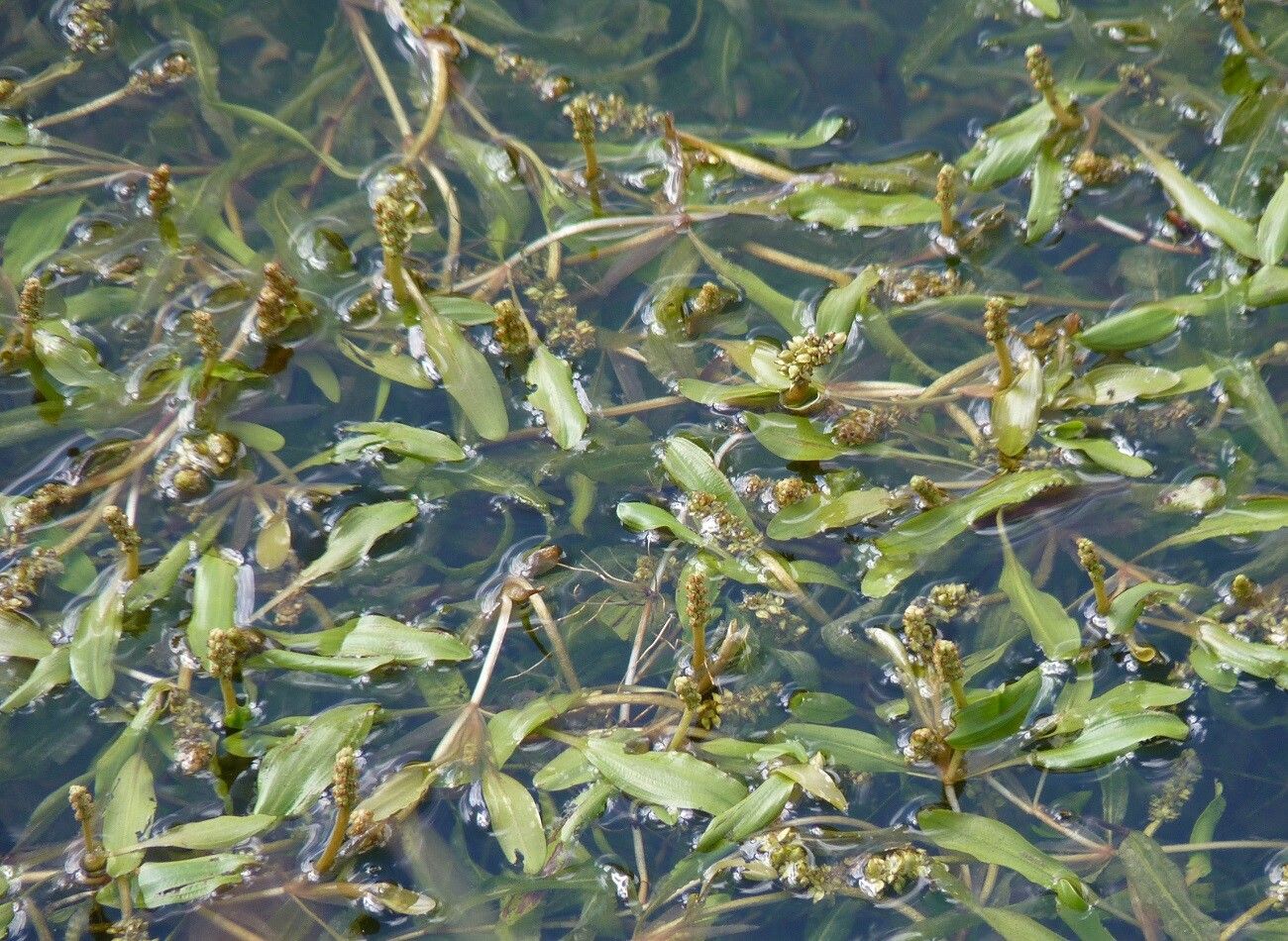
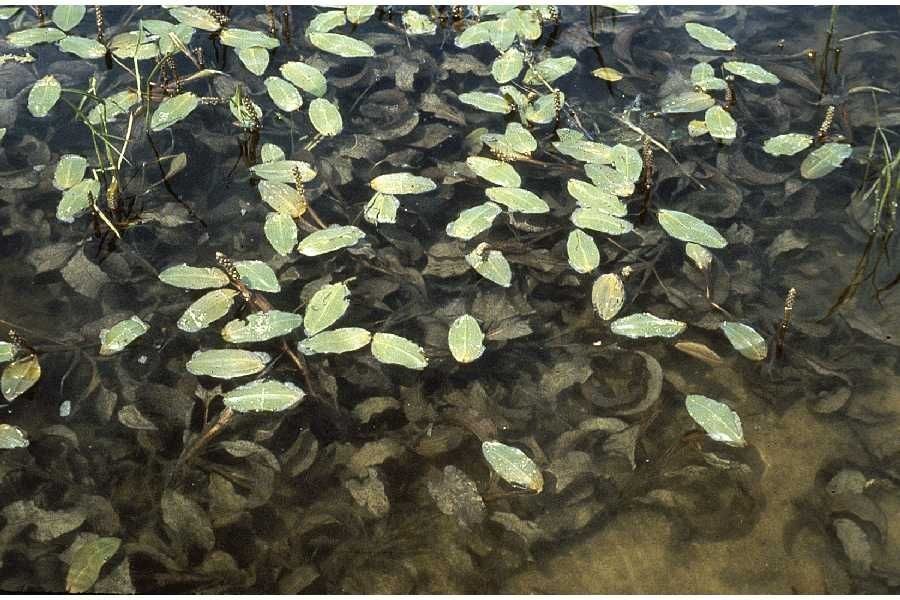
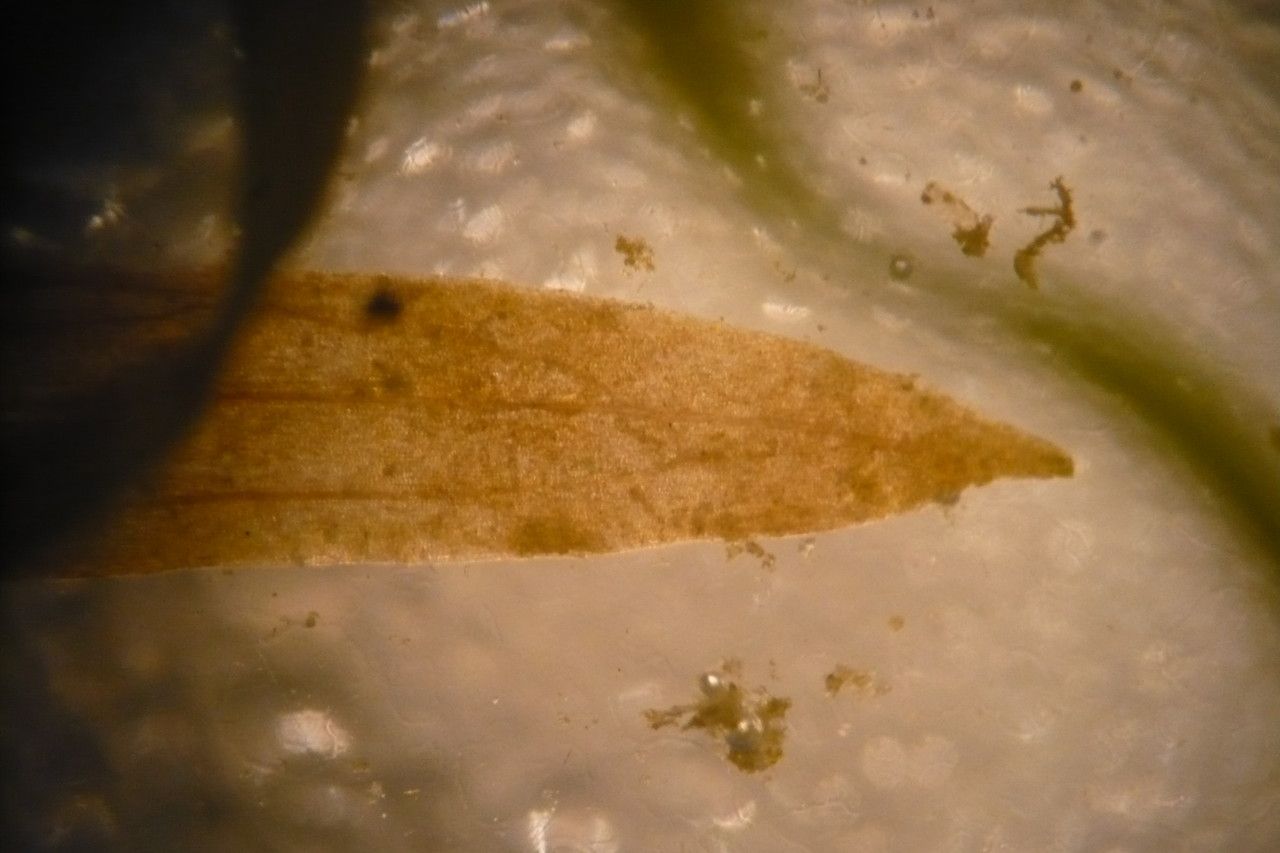
Potamogeton natans, commonly known as floating pondweed, is a perennial aquatic plant in the family Potamogetonaceae. Native to Europe and Asia, it thrives in shallow freshwater habitats such as ponds, lakes, and slow-moving streams.
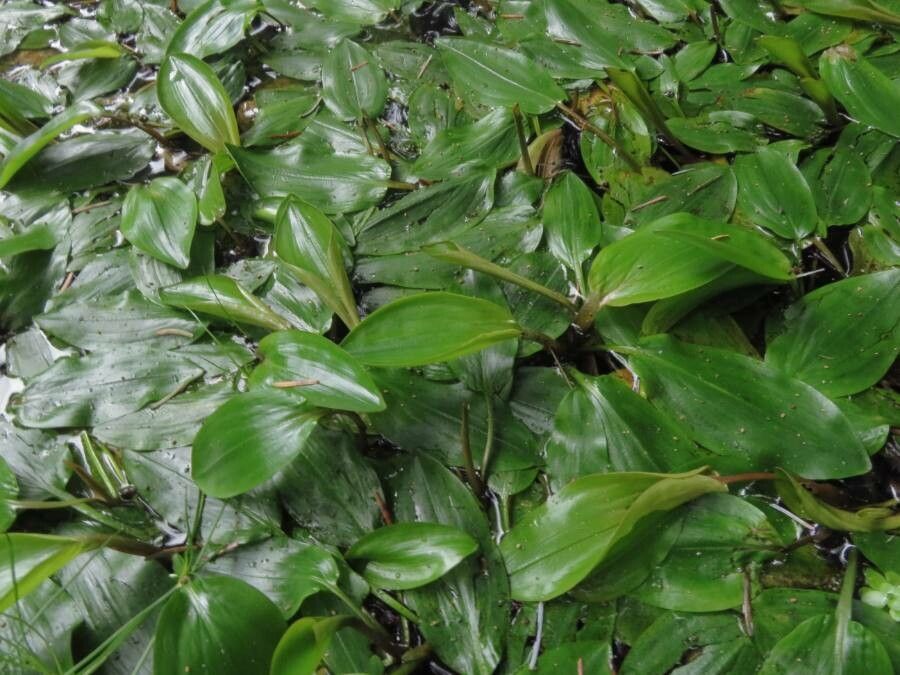
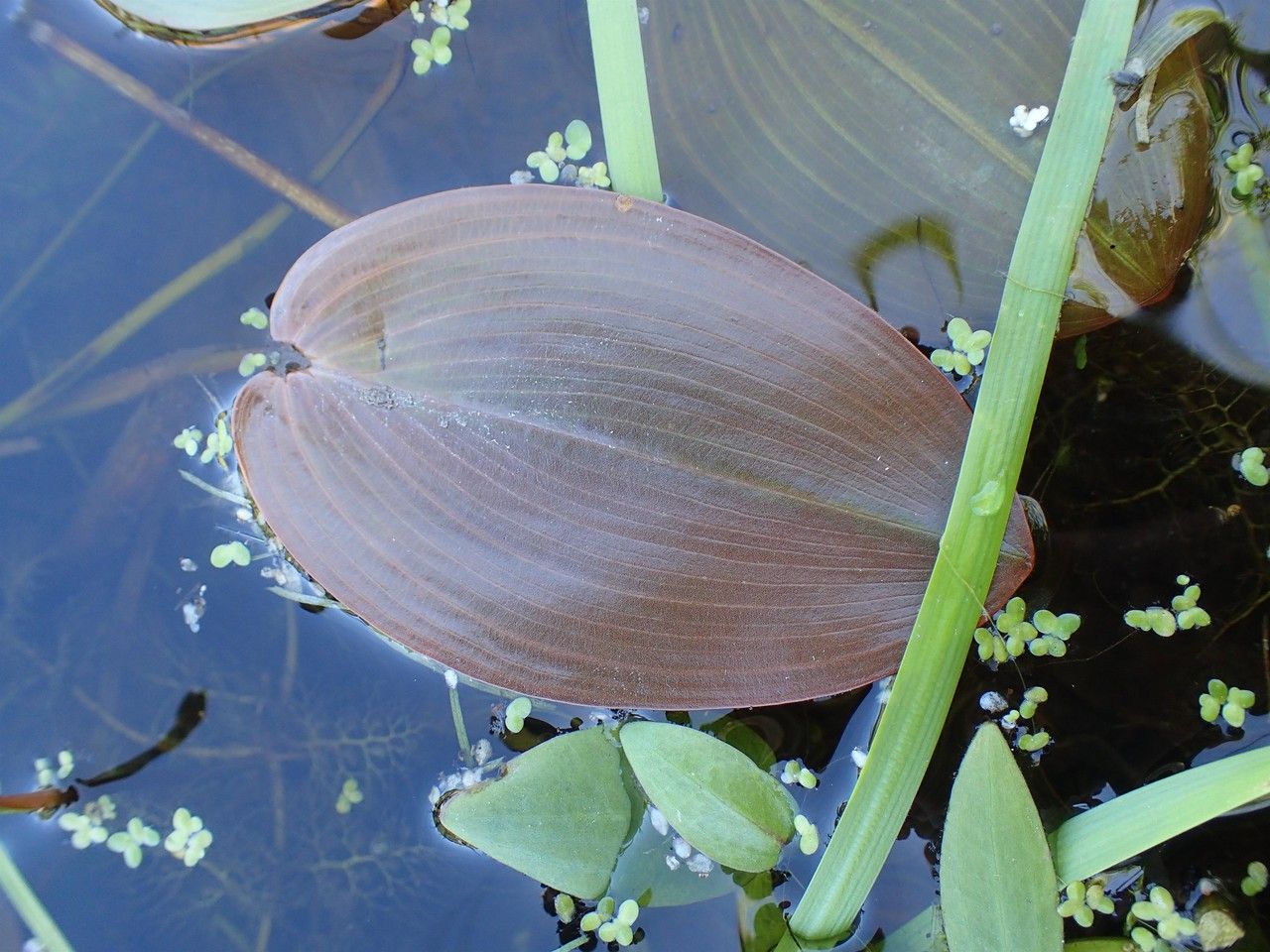
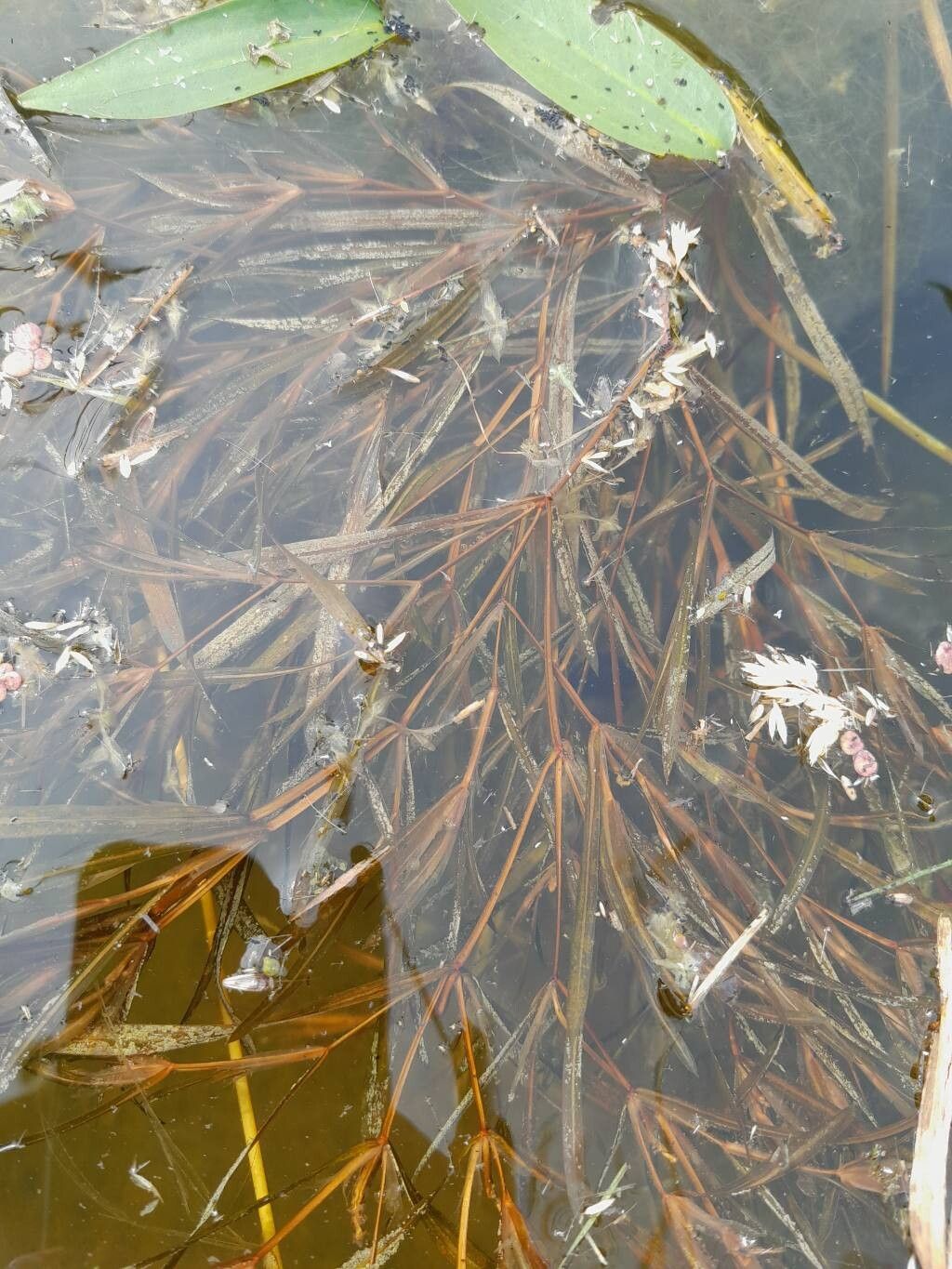
This plant features long stems that can reach up to 2 meters in length, with narrow leaves arranged alternately along the stem. The leaves are dark green with a glossy surface, and they exhibit a distinctive oval shape with pointed tips.
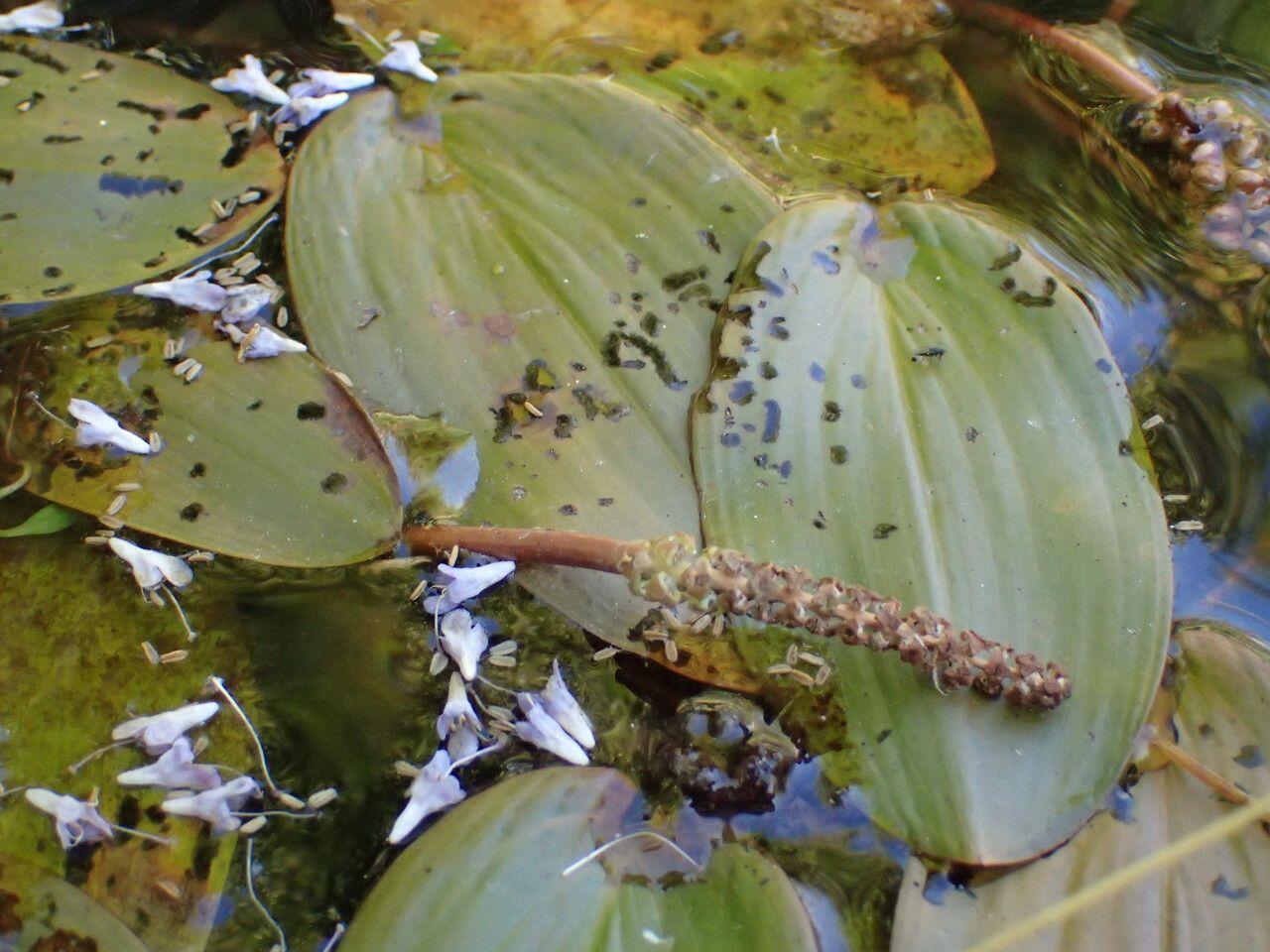
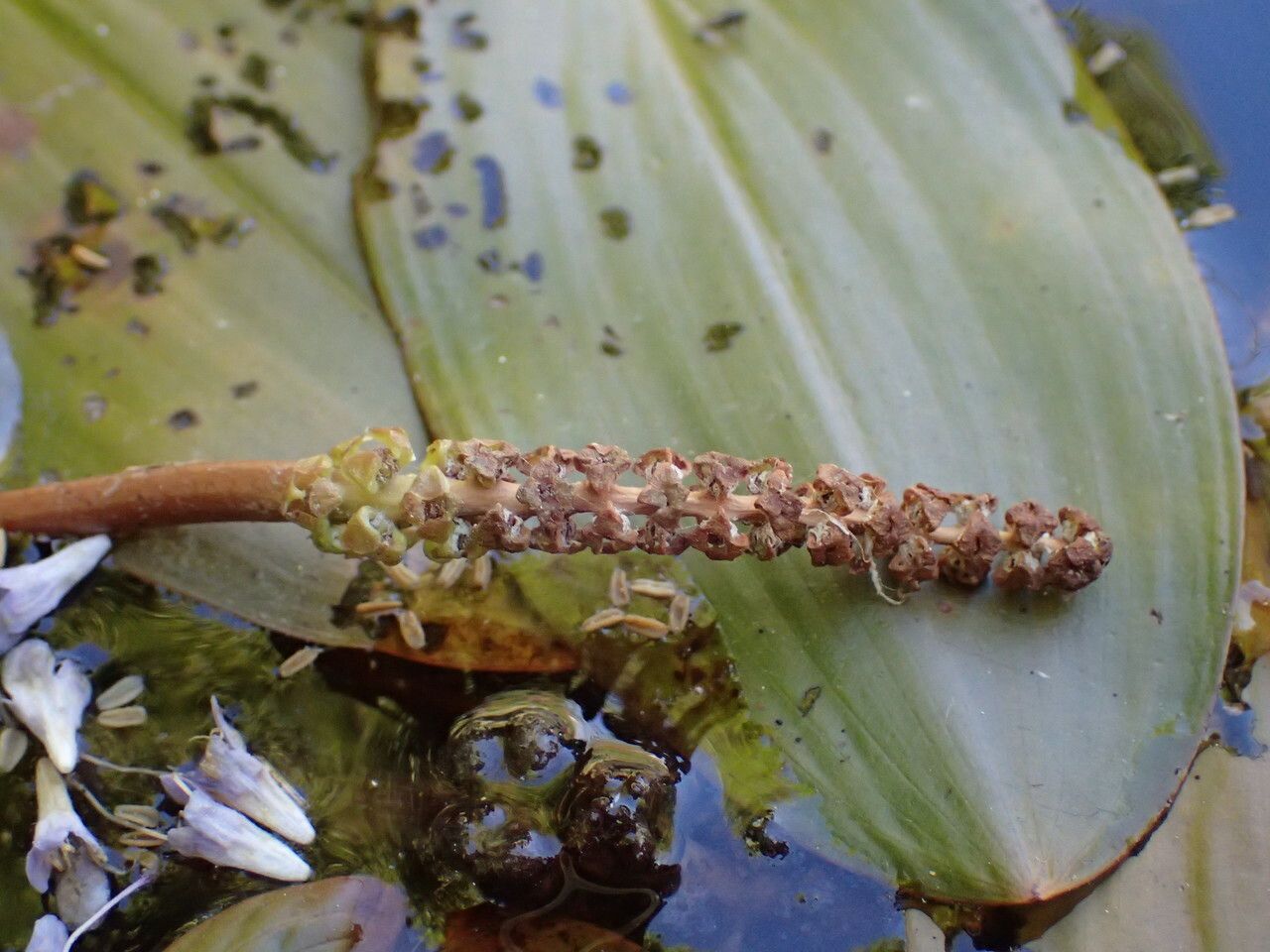
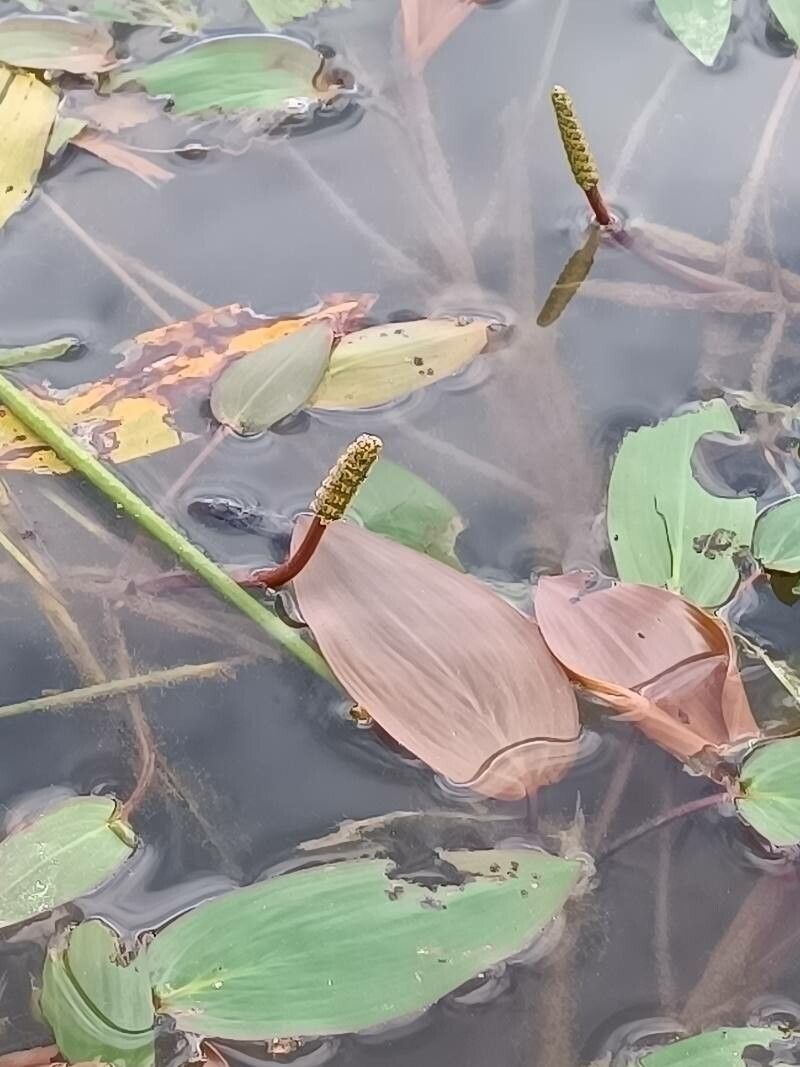
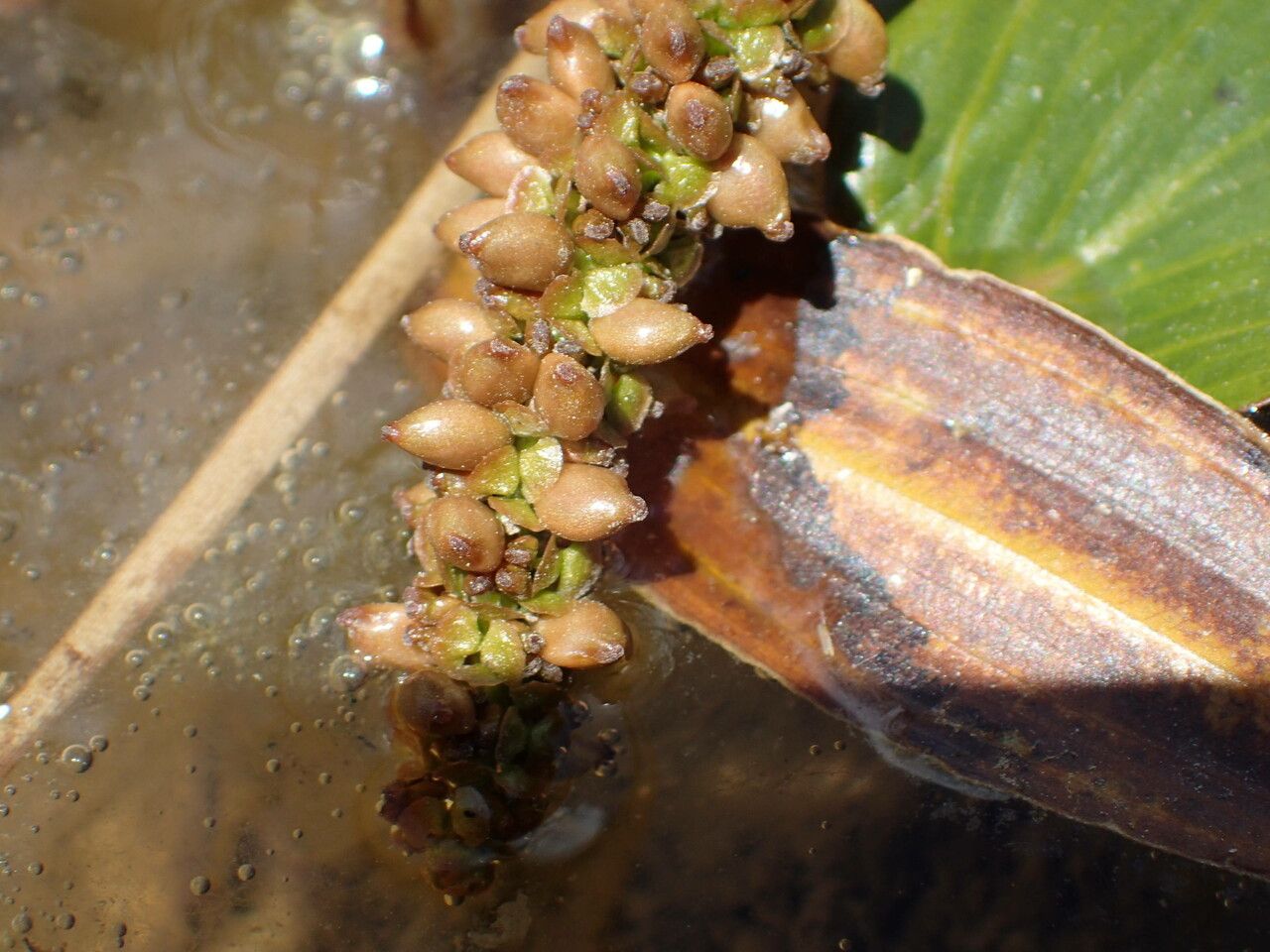
Potamogeton natans produces small, inconspicuous flowers that bloom from June to September. These greenish-white flowers grow on spikes at the ends of long stems.
Ecologically, this plant is vital, providing shelter for fish and other aquatic animals and serving as a food source for waterfowl. Additionally, indigenous people have utilized Potamogeton natans for its medicinal properties, particularly its anti-inflammatory benefits.
Overall, Potamogeton natans is an important freshwater plant species due to its ecological significance and potential medicinal benefits.
Floating pondweed has good resistance to disease and is usually not prone to illnesses. However, it can be affected by pests and diseases present in its environment. These infections are typically not severe. Regarding care, the plant requires moderate maintenance. It should be pruned regularly to keep a neat appearance and to encourage healthy growth. Fertilizing can also help encourage flowering. Floating pondweed is suitable for anyone with outdoor space, such as a garden or patio, and does not demand much experience in plant care. It may need greater attention when grown indoors.
How to keep Potamogeton Natans.
Light
Floating pondweed performs best in sunny locations and needs full sun exposure to achieve peak health. It can survive in partly sunny areas, but that may curb its growth. Its native habitat and its various growth stages both emphasize the need for enough sunlight. Too much or too little light can harm its health.
Water
Floating pondweed thrives in aquatic environments that provide constant moisture, and it needs to be watered weekly. This plant can adapt well to being either submerged in water or floating on its surface, making it an ideal choice for ponds and water gardens. As an aquatic perennial, floating pondweed benefits from the natural water regulation found in outdoor settings.
Temperature
Floating pondweed comes from habitats with temperatures between 68 and 100 °F (20 to 38 ℃). It grows best within that span, so temperatures should be adjusted as the seasons change. During colder seasons, keep conditions toward the upper end of its preferred range.
Fertilizer
To ensure optimal growth, floating pondweed benefits from a monthly application of high-nitrogen fertilizer during the growing season. In the cooler months, reduce the amount of fertilizer used. Be cautious not to over-fertilize, as the natural habitat of floating pondweed usually provides sufficient nutrients. Additionally, minimize runoff to prevent algae blooms and preserve the ecosystem.
Pruning
Floating pondweed flourishes in aquatic environments but requires careful pruning in the spring to control its growth. Effective techniques include removing dead leaves and thinning out dense patches to improve water circulation. Regular maintenance not only enhances the health and appearance of the plants but also contributes to a balanced aquatic ecosystem.
Botanical profile.
- Plant Type
- Herb
- Life Cycle
- Perennial
- Genus
- Potamogeton
- Family
- Potamogetonaceae
- Hardiness Zone
- 11
- Mature Height
- 91 cm
- Mature Spread
- 49 cm to 91 cm
- Leaf Color
- Dark Green
- Leaf Type
- Deciduous
- Flower Color
- Yellow, Green, Brown
- Flower Size
- 3.05 cm to 5.08 cm
- Bloom Time
- Summer, Early fall
- Planting Time
- Winter, Summer, Spring
- Harvest Time
- Late summer, Fall
- Native Area
- Libya, Turkey, Sweden, India, Austria, Mexico, Slovakia, Montenegro, Pakistan, Slovenia, Morocco, Croatia, Yemen, Belarus, Uzbekistan, Russia, Germany, Iceland, Estonia, Koppen, Romania, Latvia, South Korea, Belgium, Portugal, Nepal, Netherlands, France, Tajikistan, Tunisia, Czech Republic, Bulgaria, Armenia, Poland, Greece, Ukraine, Serbia, Chad, Lithuania, Norway, China, Afghanistan, Syria, Kyrgyzstan, Kazakhstan, Italy, Spain, Switzerland, Denmark, Myanmar, Mongolia, Japan, Finland, Iran, Albania, Ireland, United Kingdom, Hungary, Algeria, Azerbaijan
Other names.
Reader questions.
How should I water my Floating pondweed?
To properly water the Floating pondweed, it is recommended to use filtered water at room temperature. Tap water may contain harmful particles for the plant, so it's better to avoid it. The plant is accustomed to warm environments, so it is important to use water at room temperature or slightly warmer to prevent shocking its system. Instead of watering from above, it is best to directly apply the filtered room temperature water to the soil until it is fully soaked. This method benefits the plant by providing moisture to the roots, aiding in their spread and nutrient absorption.
Why is it necessary to add fertilizer to my Floating pondweed?
All plants, including the Floating pondweed, need soil nutrients for growth. However, it's not guaranteed that the soil will have all the necessary nutrients. Fertilization and soil amendments are important to ensure that plants in your garden receive the basic nutrients they need, as well as the specific nutrients necessary for their growth. In the case of Floating pondweed, fertilizer is necessary for healthy root and stem development throughout the growing season. Fertilization also contributes to a beautiful set of leaves, which is especially important for this plant since its foliage is the main attraction.
What are the sunlight requirements for Floating Pondweed?
Floating Pondweed (Potamogeton natans) thrives in full sun, requiring above 6 hours of sunlight for optimal growth, but can also grow in partial sun, which amounts to about 3-6 hours of sunlight. Adequate exposure to sunlight is crucial at different stages of its growth and within its native habitat. While it can survive in partially sunny conditions, limited growth may occur. It's important to monitor the movement of sunlight through your garden to ensure your Floating Pondweed receives the perfect balance of light and shade, ensuring its happiness.
What is the ideal temperature range for Floating Pondweed?
Floating Pondweed, botanically known as Potamogeton natans, is native to environments where temperatures range from 68 to 100 °F (20 to 38 °C). It thrives best within this temperature range. Adjustments should be made according to seasonal changes to ensure the plant remains within its preferred temperature range. During colder seasons, it's beneficial to maintain temperatures at the higher end of this spectrum. Floating Pondweed is particularly susceptible to cold, and exposure to temperatures approaching 10°C can be detrimental to its health. It's recommended to bring the plant indoors during autumn, placing it near a bright window but at a safe distance from heaters to ensure optimal growth through winter.
What should I do if I give my Floating pondweed too much or too little water?
Both overwatering and underwatering can harm the Floating pondweed, though overwatering is more common. Excess water can cause wilting, yellowing, and potential diseases like root rot, mold, and mildew. Underwatering is less likely due to the plant's tolerance to drought, but it can cause brittle, brown leaves. It's important to identify signs of overwatering early to prevent irreversible damage. Reduce watering immediately if signs are present and consider improving soil drainage. If underwatering is suspected, increase watering until the signs improve.
What is the right time to add fertilizer to my Floating pondweed?
During the active growth phase, which lasts from spring to early fall, Floating pondweed requires the greatest amount of fertilizer. Starting from the end of winter, feed the Floating pondweed every two to four weeks until fall. As fall approaches, gradually reduce the feeding rate until you completely stop giving fertilizer in preparation for the winter season, when the Floating pondweed will have minimal growth.
How does artificial lighting support Floating Pondweed's growth indoors?
For Floating Pondweed growing indoors, artificial lighting can be a vital solution when natural sunlight is insufficient, especially during winter or in less sunny spaces. LED lights, being customizable, can provide specific wavelengths needed for the plant's growth. Full sun, partial sun, and full shade plants require 30-50W/sq ft, 20-30W/sq ft, and 10-20W/sq ft of artificial light, respectively. The artificial light source should be placed 12-36 inches above the plant, with a duration of 8-12 hours per day to mimic natural sunlight conditions and promote healthy growth.
How does Floating Pondweed respond to low temperatures?
Floating Pondweed prefers warm environments and does not tolerate low temperatures well. It thrives when temperatures are above 20°C, and during winter, it should be kept above 10°C. Exposure to temperatures below 5°C can cause the leaves to lighten in color, and following frost damage, the leaves may turn brown or black. Symptoms such as wilting and drooping might also be observed. To mitigate cold damage, it's advised to trim off frost-damaged parts and move the plant indoors to a warmer setting. Placing it near a south-facing window can ensure it receives ample sunlight, and care should be taken to prevent placing the plant too close to heaters or air conditioning vents, which can cause excessive dryness.
How frequently should I water my Floating pondweed?
If your Floating pondweed is potted, the most accurate way to determine if it needs water is by checking the soil moisture. Plunge your finger into the soil and if the top two to three inches are dry, it's time to water. For outdoor-growing Floating pondweed, you can use a similar method to test the soil. When the top few inches of soil have dried out, it's time to water. During spring and early fall, watering about once a week is usually sufficient. However, in extremely hot weather, you may need to increase the frequency to twice or more per week. It's worth noting that mature, well-established Floating pondweed can tolerate drought well.
When is it not a good idea to add fertilizer to my Floating pondweed?
For most of the year, including spring, summer, and most of the fall, it is important to consistently feed your Floating pondweed. The only time you should not do this is if you realize that your Floating pondweed has already received too much fertilizer or if you have fertilized it incorrectly, resulting in issues such as fertilizer burn. In these cases, you should remedy the situation before returning to a regular feeding schedule. However, during winter, it is not advisable to fertilize a Floating pondweed. If you are growing this plant indoors in a cold winter region, it will go into a dormant phase. Feeding the plant during its dormant phase is unnecessary, unhelpful to its growth, and likely to cause fertilizer burn.
What are the symptoms of inadequate lighting for Floating Pondweed?
Inadequate lighting can result in various symptoms for Floating Pondweed, such as smaller new leaves, leggy or sparse growth due to longer spaces between leaves or stems, faster leaf drop, slower or no new growth indicating a shift to survival mode, and lighter-colored new leaves showing a lack of chlorophyll. Chlorosis, or leaf yellowing, sunscald, leaf curling as a defense mechanism, wilting from excessive water loss, and leaf scorching from overexposure are also symptoms to watch for, reflecting the intricate balance needed between receiving enough light and avoiding excessive exposure.
How should Floating Pondweed be cared for in high temperatures?
During the summer, it's crucial to keep the Floating Pondweed's temperature below 38°C, as temperatures exceeding 43°C can cause the leaves to lighten and increase the plant’s susceptibility to sunburn. To care for the plant in such conditions, sunburned and dried-up parts should be trimmed away. It's advised to relocate the plant to a shaded location, particularly from the midday and afternoon sun. Watering the plant in the morning and evening can help keep the soil moist, providing relief from high temperatures.