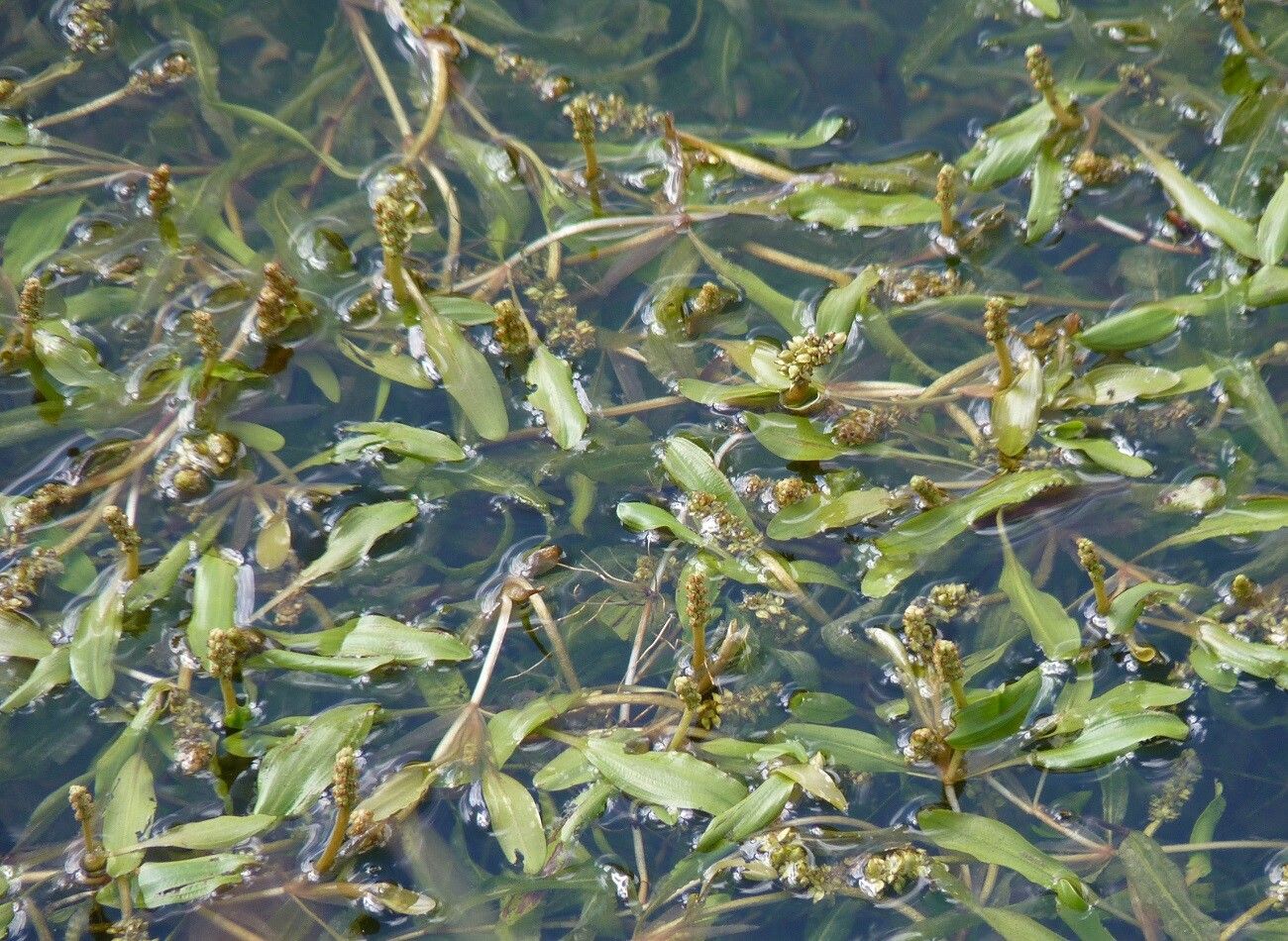
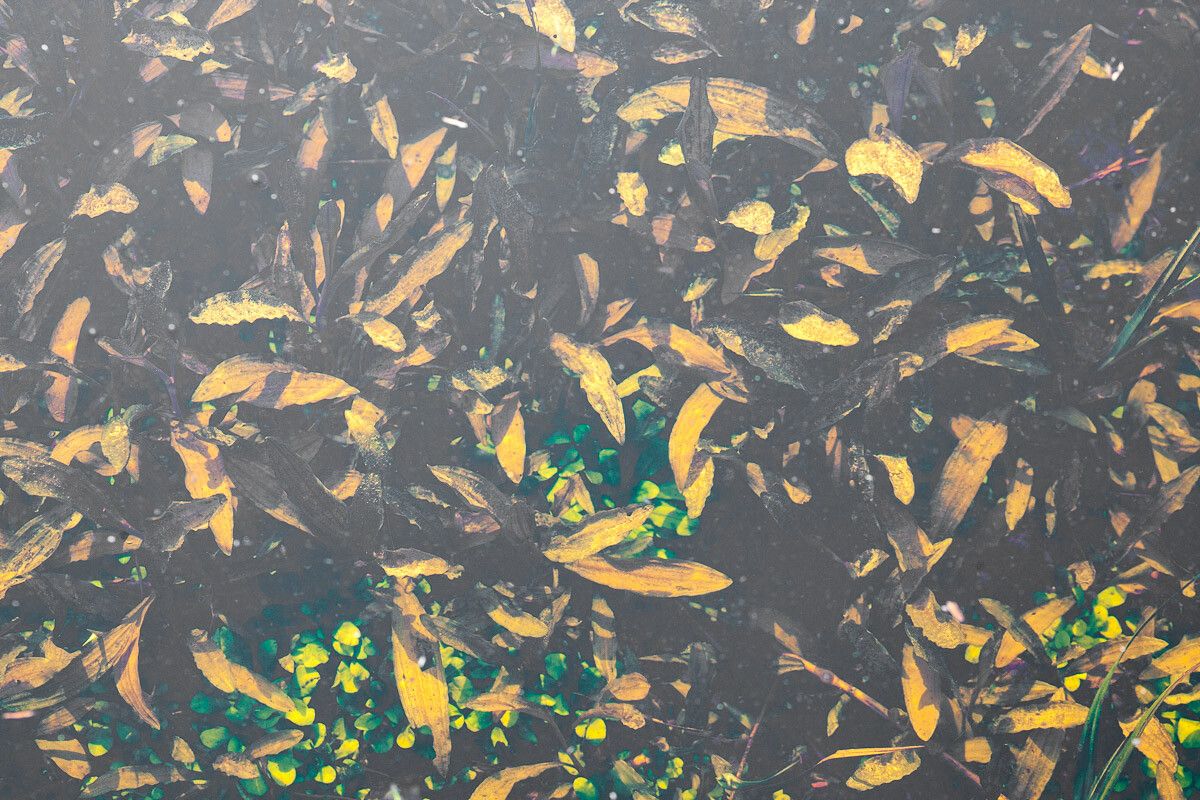
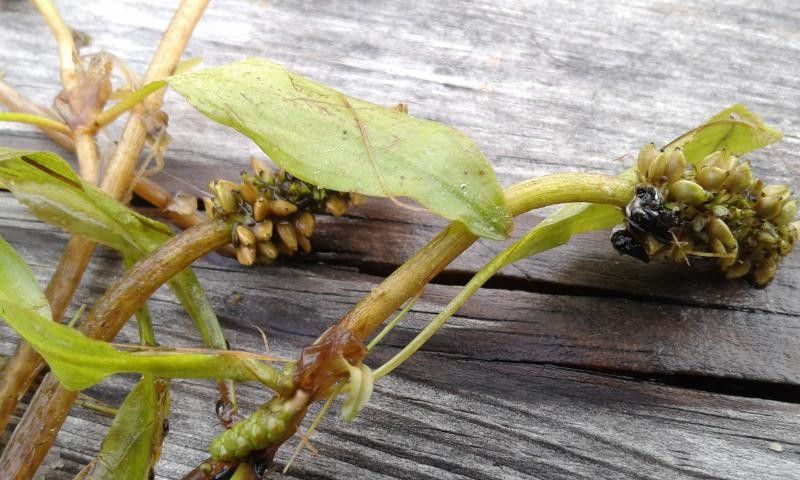
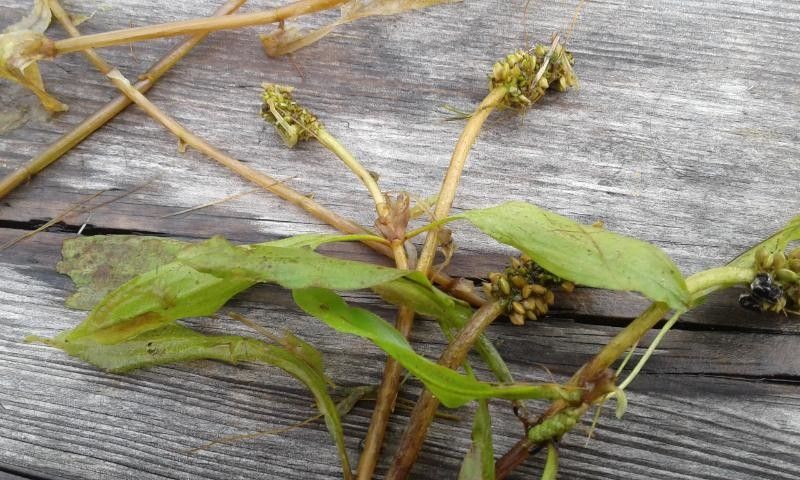
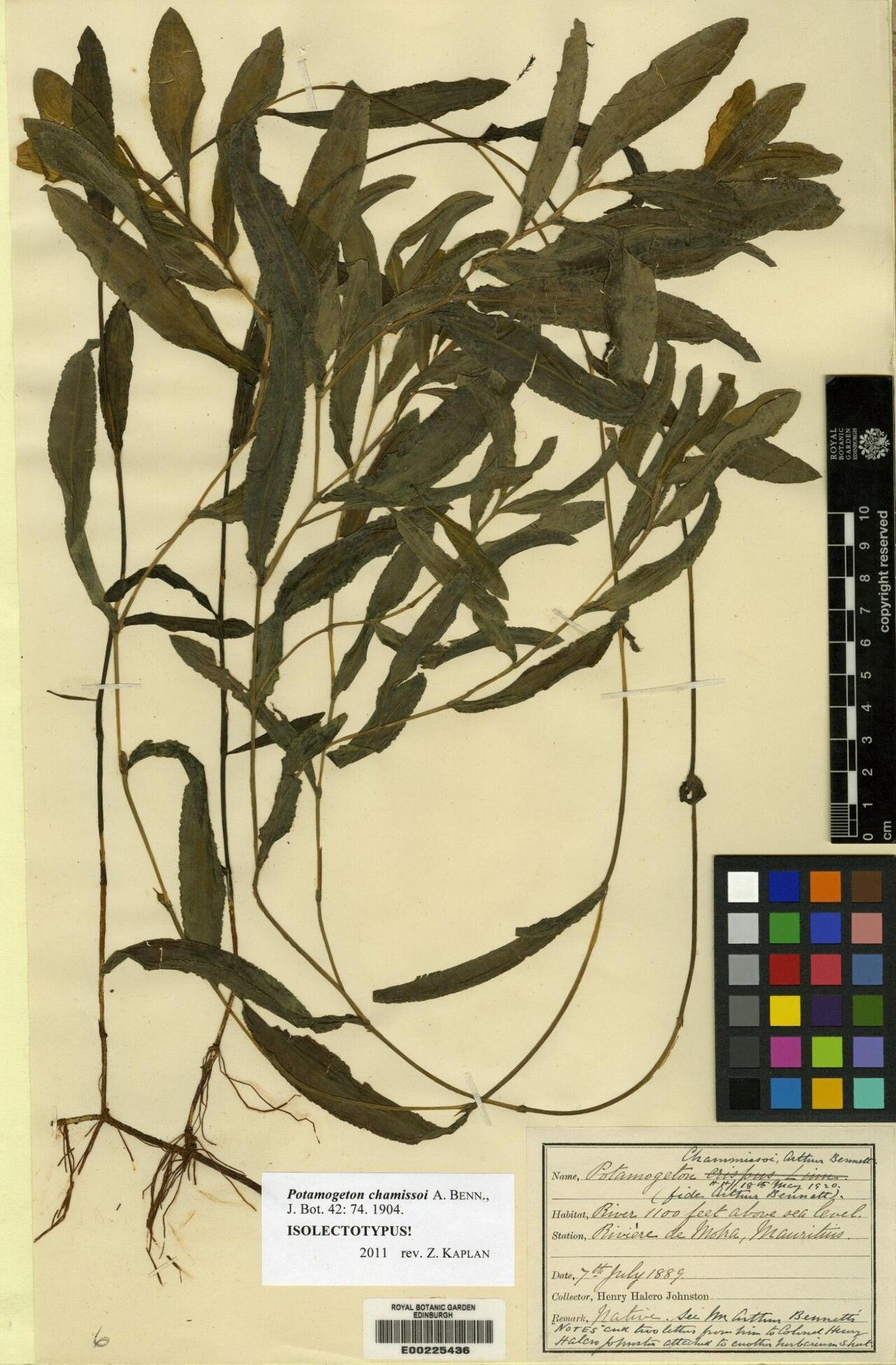
Potamogeton alpinus, commonly known as Alpine pondweed, is a perennial aquatic plant that belongs to the family Potamogetonaceae. It is native to the Northern Hemisphere and thrives in the cold and temperate regions of Europe, Asia, and North America.
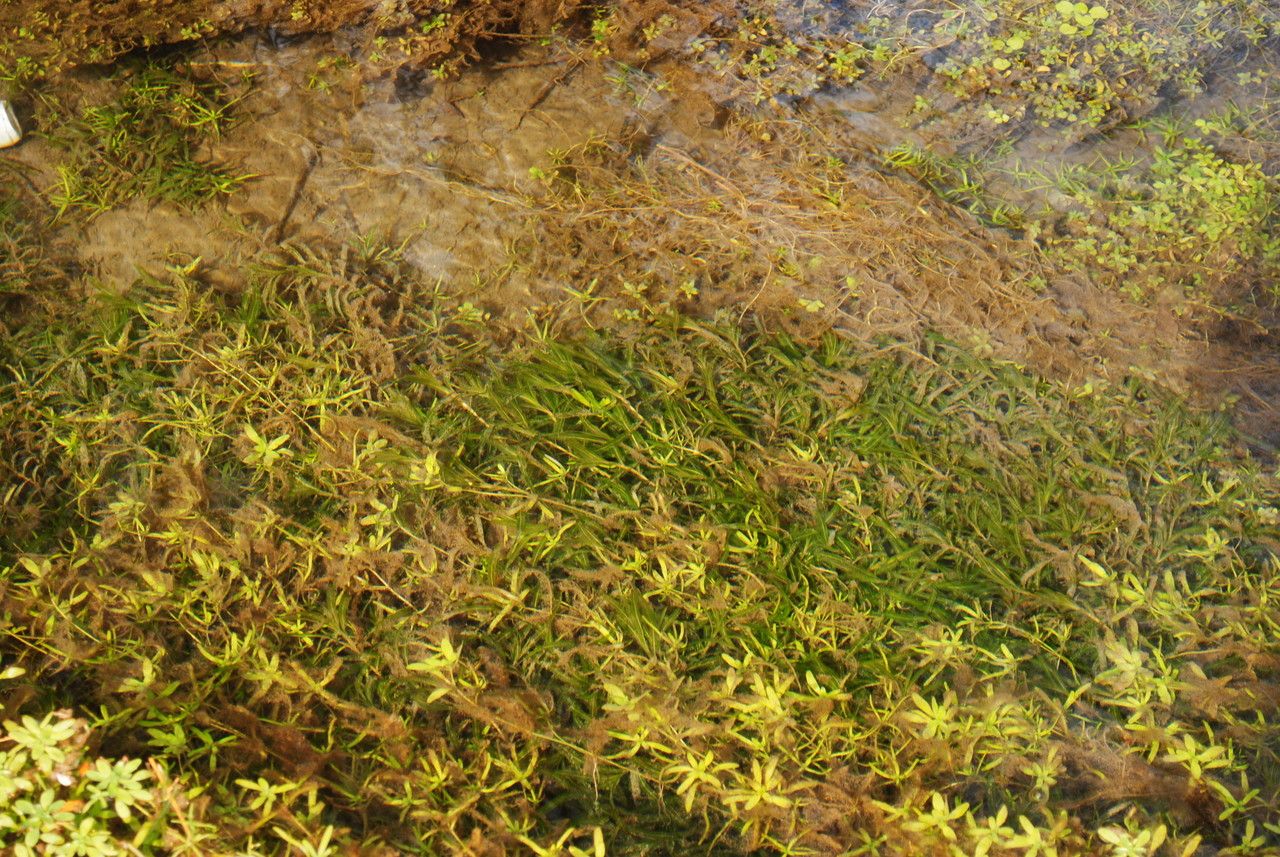
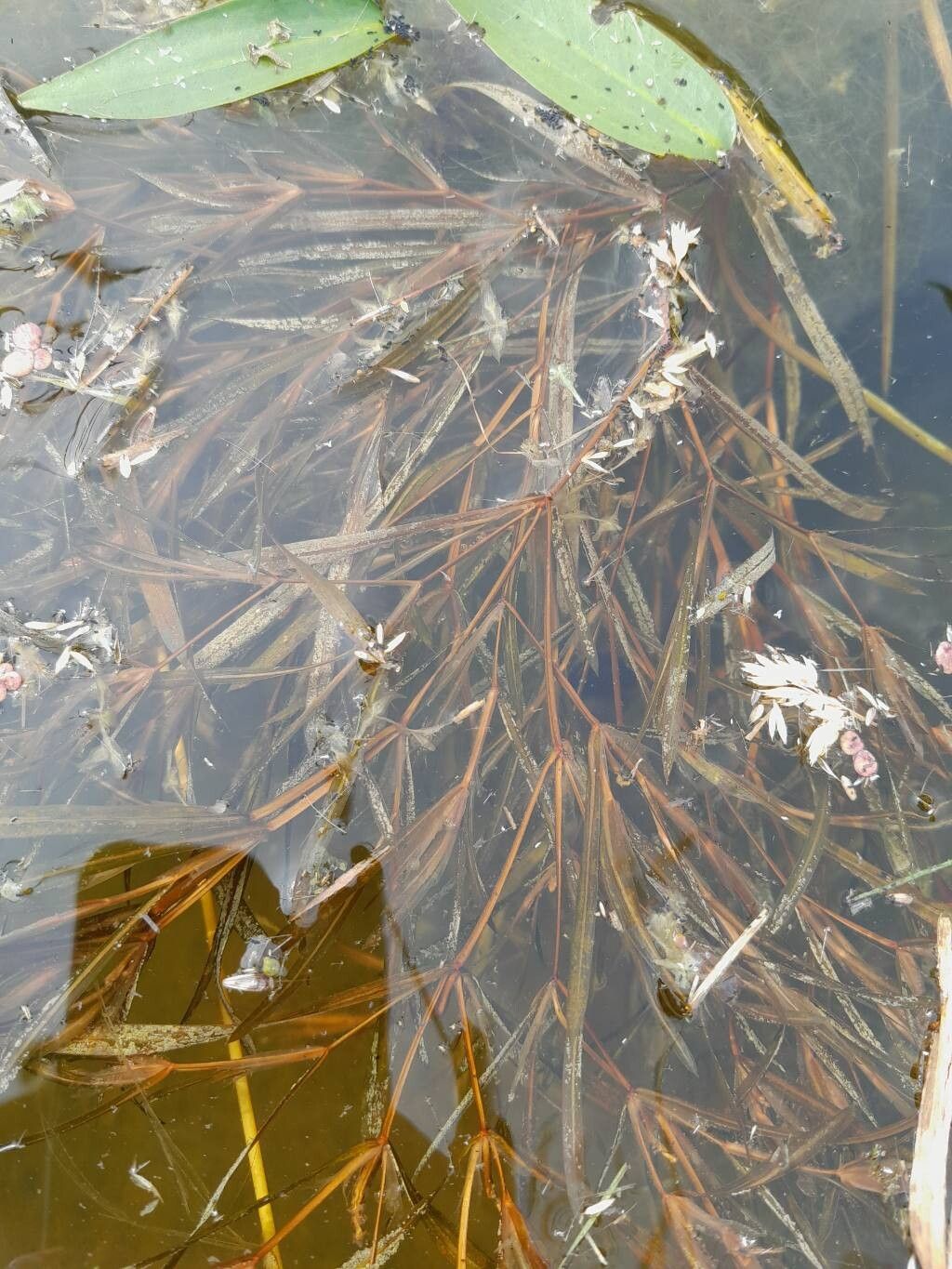
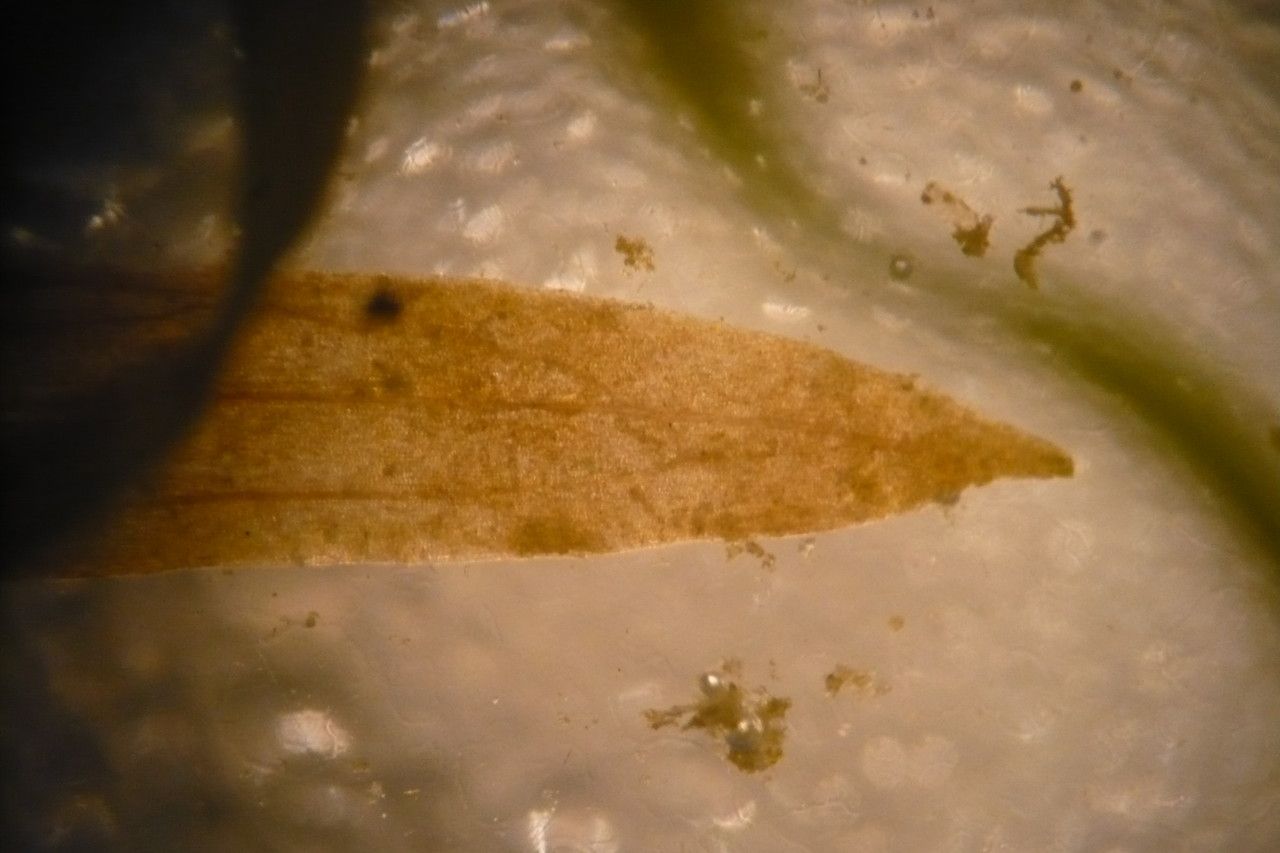
The plant features long, slender stems that can grow up to 60 cm in length. Its leaves are narrow, linear, and pointed, reaching up to 5 cm long. These leaves are alternately arranged on the stem and have a distinctive reddish-brown coloration at their base.
Alpine pondweed plays a vital role in maintaining healthy freshwater ecosystems. It provides food for waterfowl and fish species, while also offering shelter to small aquatic animals, such as insects.
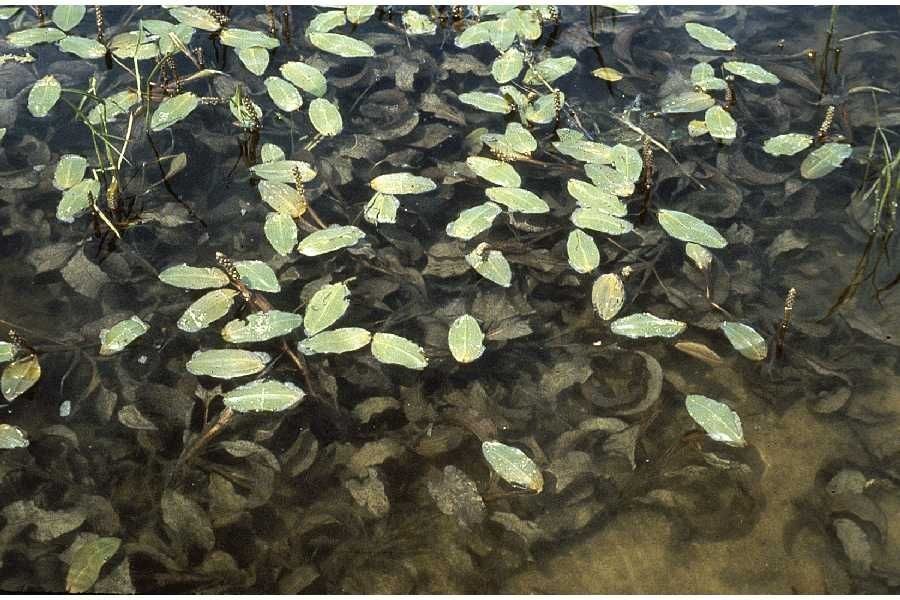
This plant prefers shallow water bodies like ponds or lakes with slow-moving or still water currents. It thrives in nutrient-rich soils but can also tolerate nutrient-poor environments.
Traditionally, Potamogeton alpinus has been used by indigenous communities for its medicinal properties. Its anti-inflammatory effects have been found effective against ailments such as rheumatism and arthritis.
Overall, Potamogeton alpinus is crucial for sustaining healthy freshwater ecosystems and offers medicinal benefits, making it an essential part of our natural environment.
Red pondweed has strong disease resistance and is generally not prone to illnesses. However, it can be affected by pests and diseases that exist in its environment. These infections are typically not severe. In terms of upkeep, this plant needs a moderate amount of care. It should be pruned regularly to keep a good appearance and encourage healthy growth. Fertilizing can also help stimulate flowering. Red pondweed is well suited to anyone with outdoor space, such as a garden or patio, and does not demand extensive care experience. It may need more attention when cultivated indoors.
How to keep Potamogeton Alpinus.
Light
Red pondweed comes from habitats with plentiful sunlight, such as the shallow margins of ponds and lakes. It prefers full sun, although it can also tolerate partial sun.
Water
Red pondweed thrives in freshwater habitats, preferring consistent moisture without being oversaturated. It needs to be watered weekly and flourishes in aquatic environments. As an aquatic perennial, red pondweed exhibits vigorous growth during its active seasons outdoors, reflecting its preference for wet conditions.
Fertilizer
To promote the vitality of red pondweed, apply balanced fertilizers monthly at half the recommended strength from March to September. Avoid fertilizing during the winter to prevent nutrient buildup. For best results, introduce nutrients gently into the water. This approach helps maximize nutrient uptake, ensuring lush foliage and robust health for red pondweed.
Pruning
Red pondweed is a submerged aquatic perennial characterized by its narrow, red-tinged leaves. To encourage growth, remove dead foliage, and maintain proper water flow, it is best to prune this plant in early to late spring. Using clean, sharp tools during pruning can help minimize stress and reduce the risk of disease, while also preventing overcrowding and algae buildup.
Botanical profile.
- Plant Type
- Herb
- Life Cycle
- Perennial
- Genus
- Potamogeton
- Family
- Potamogetonaceae
- Hardiness Zone
- 3-9
- Mature Height
- 0.49 m to 2.13 m
- Mature Spread
- 30 cm to 61 cm
- Leaf Color
- Olive Drab, Dark Green
- Leaf Type
- Deciduous
- Flower Size
- 0.20 cm to 0.51 cm
- Bloom Time
- Early summer, Mid summer
- Planting Time
- Spring, Summer, Autumn
- Harvest Time
- Late summer, Early fall
- Native Area
- Turkey, Sweden, India, Austria, Slovakia, Pakistan, Slovenia, Croatia, Belarus, Uzbekistan, Russia, Germany, Iceland, Estonia, South Korea, Latvia, Romania, Belgium, Netherlands, France, Czech Republic, Bulgaria, Armenia, Poland, Greece, Ukraine, China, Lithuania, Norway, Afghanistan, Italy, Kazakhstan, Spain, Switzerland, Denmark, Myanmar, Mongolia, Japan, Finland, Iran, Ireland, United Kingdom, Azerbaijan
Other names.