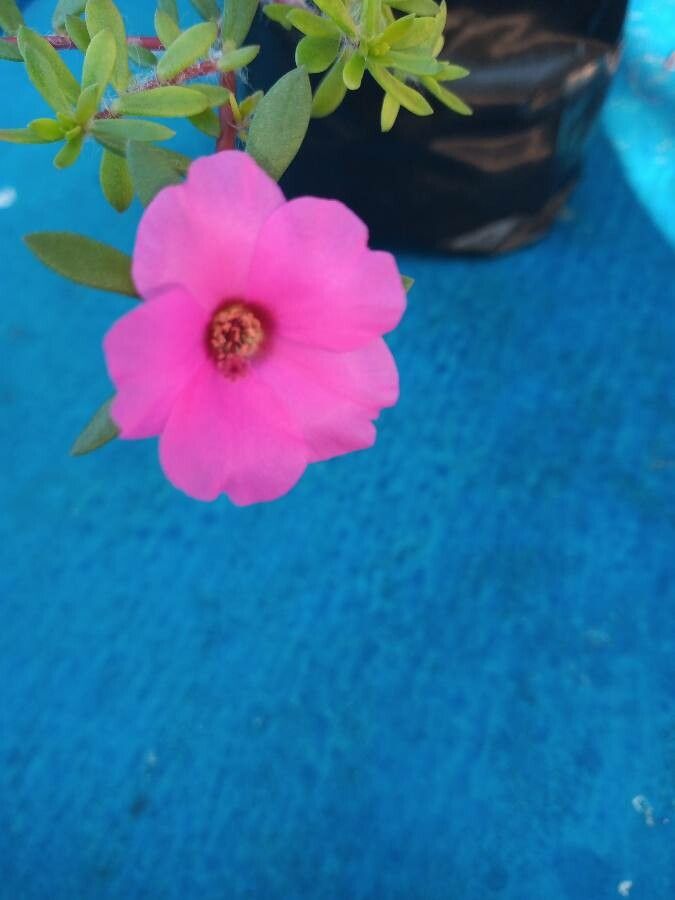
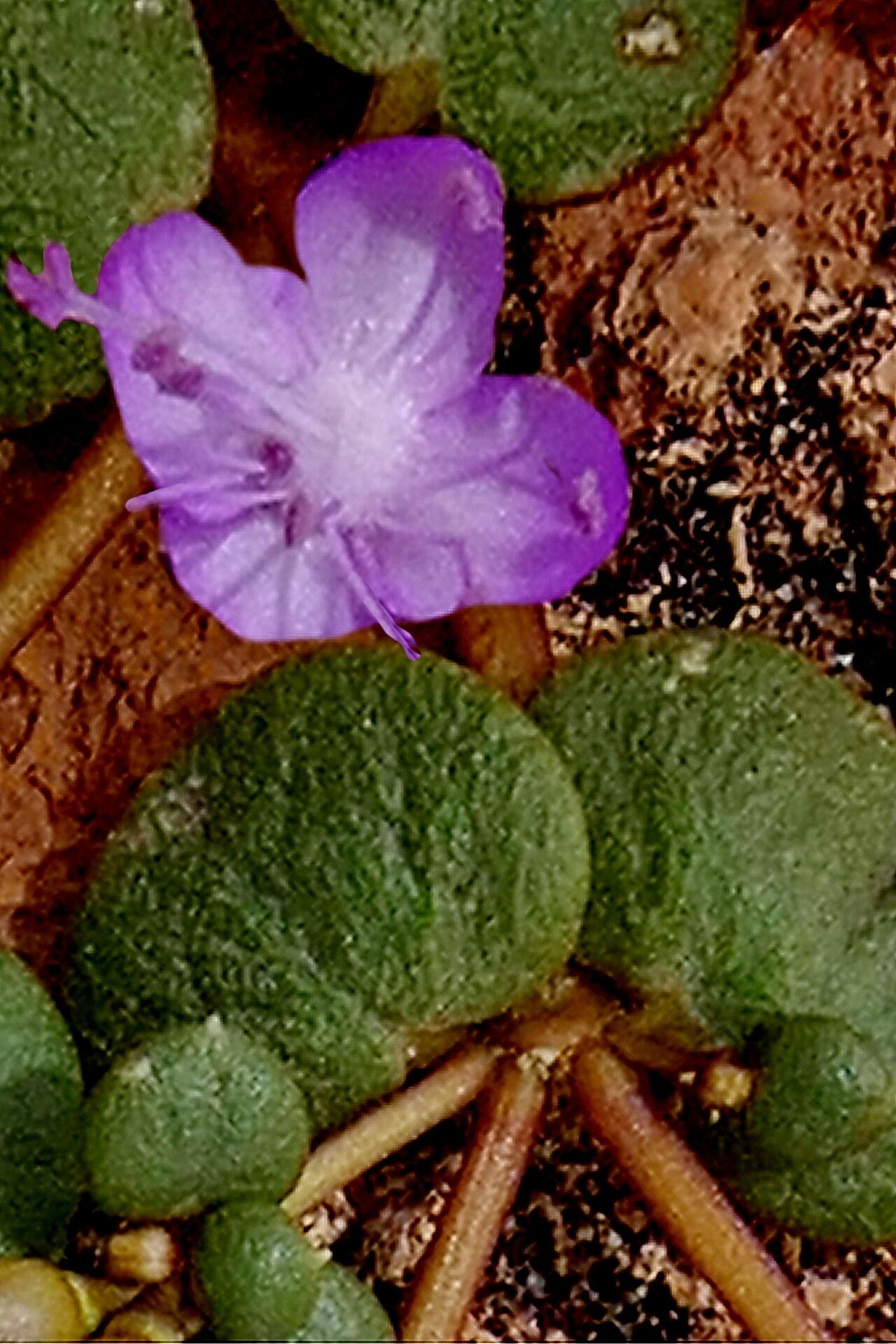
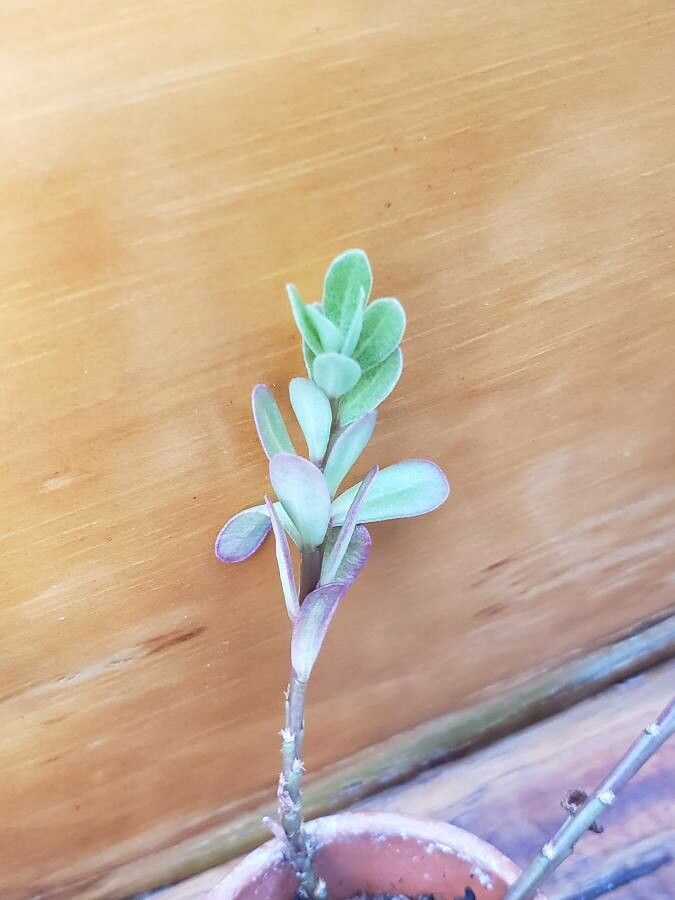
Portulaca umbraticola, commonly known as Wingpod Purslane, is a low-growing succulent plant that belongs to the family Portulacaceae. Originally native to South America, it has been introduced and naturalized in many parts of the world. The plant features a prostrate growth habit and can spread up to 30 cm in diameter.
The leaves of Portulaca umbraticola are small, fleshy, and cylindrical with pointed tips. Arranged alternately on the stem, these leaves can range in color from green to reddish-brown, depending on environmental conditions.
The flowers of this plant are small but striking, with five petals in shades of pink, yellow, or white. They bloom from June through September, adding a vivid splash of color during the summer months.
Wingpod purslane is a short-lived perennial succulent. In the United States, it is typically grown as an annual in flowerbeds and borders. These small plants have attractive flowers and can easily reseed themselves. If you prefer to prevent the plant from spreading, consider removing the seed heads before they mature. FUN FACT · FROM THE LIBRARY
Portulaca umbraticola prefers well-drained soil and full sun exposure, but it can also tolerate partial shade. Its drought-tolerant nature makes it an ideal choice for xeriscaping or low-water gardens.
This plant offers several medicinal properties, including anti-inflammatory effects, which make it useful for treating skin conditions such as eczema or psoriasis when applied topically. Additionally, it contains antioxidants that help protect against free radicals, which cause cell damage and can lead to aging-related diseases like cancer or heart disease.
Overall, Portulaca umbraticola is an attractive ornamental plant that requires minimal care while offering numerous health benefits. It is an excellent addition for any garden enthusiast looking to combine beauty and functionality in their landscape design.
Wingpod purslane, scientifically known as Portulaca umbraticola, is a member of the Portulaca family, which comprises tropical succulents. These plants are admired for their pretty flowers and small, fleshy, conical leaves. The genus name "Portulaca" is derived from the Latin word "portula," meaning "little door," likely referring to the way the seed pods open.
Wingpod purslane shows strong resistance to diseases and is generally not vulnerable to them. Still, it can be affected by pests and illnesses present in its environment, though such outbreaks are typically mild. Regarding care, the plant requires a moderate level of attention. It benefits from regular pruning to preserve a neat appearance and encourage healthy growth, and fertilizing can help increase flowering. Wingpod purslane is well suited for anyone with outdoor space like a garden or patio and does not demand extensive gardening experience. When cultivated indoors, it may call for more attentive care.
How to keep Portulaca Umbraticola.
Light
Wingpod purslane grows best outdoors in full sun, where abundant sunlight promotes healthy development. It can tolerate partly shaded locations, but its best condition requires full light. Too much or too little light leads to a decline in the plant's vigor.
Water
Wingpod purslane thrives in humid, tropical environments characterized by periods of heavy rainfall followed by dry spells. For optimal growth, water the plant every three weeks, allowing the soil to dry out completely between waterings. This plant is best suited for outdoor settings and xeriscaping due to its ability to flourish in sunlight and its excellent drought tolerance, which means it requires minimal water.
Humidity
This plant will thrive in moderate humidity, which is probably the level in your home. However, misting it a few times a week can be very beneficial. Make sure the room has good ventilation.
Temperature
Wingpod purslane is a plant native to temperate zones that favors average daytime temperatures in the range of 68 to 100 °F (20 to 38 ℃). As seasons change, small temperature adjustments may be necessary to reproduce its natural habitat.
Fertilizer
When most of the Wingpod purslane blooms have opened to full size, resume fertilizing. At the height of flowering, feed it once every three to four weeks, as weather allows. Then, when the plant begins producing fewer new blooms, stop fertilizing; there’s no need to feed it when it can no longer produce additional flowers.
Pruning
Wingpod purslane benefits greatly from regular pruning, especially from early to late spring. This practice encourages healthy growth and vibrant blooms. By trimming the leggy stems, you can improve air circulation and reduce the risk of disease, enhancing the plant's overall appearance and vitality. For the best care techniques, consider consulting horticultural resources.
Pot & Repot
Choose a pot that is 1–2 inches (2.5–5.1 cm) larger in diameter, making sure it has good drainage. Use a well-draining potting mix and consider adding perlite for extra drainage. Repot in spring or early summer, water thoroughly afterward, and place it in a shady spot for the very beginning.
Toxicity
Portulaca umbraticola can be toxic to dogs, horses and cats.
Further reading →
The toxicity and danger assessments provided are for reference only. We do not assure their accuracy, so it's crucial not to depend on them. Seek professional advice when necessary for accurate guidance.
Botanical profile.
- Plant Type
- Herb
- Life Cycle
- Annual, Perennial
- Genus
- Portulaca
- Family
- Portulacaceae
- Hardiness Zone
- 7-11
- Mature Height
- 15 cm to 20 cm
- Mature Spread
- 30 cm to 37 cm
- Leaf Color
- Green
- Leaf Type
- Deciduous
- Flower Color
- Yellow, Orange, Pink, White
- Flower Size
- 2.54 cm to 5.08 cm
- Bloom Time
- Early summer, Mid summer
- Planting Time
- Spring, Summer
- Harvest Time
- Mid summer, Late summer
- Native Area
- Honduras, Mexico, Georgia, Peru, Dominican Republic, Jamaica, Cuba, Paraguay, Argentina, Bolivia, Venezuela, Brazil, El Salvador, Nicaragua, Ecuador, Costa Rica
Other names.
Reader questions.
How should I water my Wingpod purslane?
Watering Wingpod purslane is simple and flexible. You can use a garden hose with a spray nozzle, a watering can, or any other watering tool you have on hand. This plant is not too fussy about its water source and can thrive on rainwater, tap water, or filtered water. However, it is best to avoid overhead watering as it can harm the leaves, flowers, and potentially cause disease. For optimal watering, consider setting up a drip irrigation system that delivers water evenly and directly to the soil. If you have a container-grown Wingpod purslane, use a cup, watering can, or tap to water the plant by applying water directly to the soil.
Why should I put fertilizer on my Wingpod purslane?
Plants, including Wingpod purslane, require nutrients to survive. Most gardeners, regardless of their experience, are aware of this. However, without the right nutrients, Wingpod purslane will not survive long after the first pollination. Therefore, it is crucial to provide the appropriate nutrients in the correct quantities to ensure the plant thrives throughout the blooming season and produces large, beautiful flowers. Fertilizer plays a key role in helping Wingpod purslane develop a strong, healthy root system. Given that its root system is delicate and easily damaged, this plant requires additional support. When fertilized at planting, Wingpod purslane can establish a sturdy root structure that not only provides stability but also sets the stage for an impressive flowering display. Properly timed fertilization can significantly prolong the flowering period of Wingpod purslane.
What are the sunlight requirements for Wingpod purslane?
Wingpod purslane requires full sun, meaning it thrives best under conditions of above 6 hours of sunlight per day. It can also grow in partial sun, with about 3-6 hours of sunlight daily. It's important to observe how sunlight moves through your garden to ensure plants receive the ideal balance of light and shade, maximizing their growth and health.
What is Wingpod Purslane?
Wingpod purslane, botanically known as Portulaca umbraticola, is a plant native to temperate zones. It thrives in average daytime temperatures ranging from 68 to 100 °F (20 to 38 °C), showing strong resistance to cold. Special frost protection is generally not necessary, thanks to its cold resistance. However, in extremely cold winters where temperatures may drop below -15°C, taking steps to protect the plant from cold is advisable.
What should I do if I give too much or too little water to my Wingpod purslane?
When dealing with underwatering Wingpod purslane, the solution is simple. If you notice your plant lacking moisture, you should start watering it more regularly. On the other hand, overwatering can be a more serious problem, especially if not detected early. Overwatered Wingpod purslane can develop diseases that may cause it to decline and eventually die. To prevent this, it is important to choose a suitable growing location that receives ample sunlight to dry the soil and has good drainage to prevent water from pooling and waterlogging the soil. If you have overwatered your potted Wingpod purslane, it may be necessary to change to a new pot. The previous container might have inadequate drainage or soil with poor drainage properties. When repotting, use loose soil and a pot that drains efficiently.
What is the ideal time to fertilize my Wingpod purslane?
Wingpod purslane grows rapidly early in the growing season, once the risk of frost has passed. The best time to fertilize Wingpod purslane is during planting, either in the ground or in planters. This initial dose of fertilizer will be sufficient until later in the year when the plant is in full bloom. Once the plant is in full swing and most of its blooms have opened, it's time to resume fertilizing. Start fertilizing again every three to four weeks, depending on the weather, when the blooms are at their peak. However, once the plant begins to produce fewer new blooms, it's unnecessary to continue fertilizing since the plant cannot produce any more blooms.
How vital is sunlight for the health of Wingpod purslane?
Sunlight plays a critical role in the health and vitality of Wingpod purslane. This plant flourishes under open skies with abundant sunlight, which fosters healthy growth. While it can survive in partly sunny conditions, full, unrestricted sunlight is essential for optimal vigor. Insufficient or excessive exposure to sunlight can lead to the deterioration of the plant's health.
How do you protect Wingpod Purslane in winter?
To protect Wingpod purslane during cold winter periods, especially if temperatures are expected to fall below -15°C, it is recommended to cover the plant with protective materials like soil or straw. An important preparatory step before the first freeze of autumn is to water the plant abundantly. This ensures the soil around the plant remains moist as it enters the frozen state, helping to prevent drought and water scarcity for the plant during the colder months and into early spring.
How frequently should I water my Wingpod purslane plant?
Wingpod purslane requires regular watering during the growing season. In the spring, watering once a week is recommended. As the season progresses and temperatures rise, increasing the watering frequency to two or three times per week may be necessary. However, be careful not to exceed this rate as it can harm the plant. It is important to keep the soil relatively moist but not overly wet, regardless of how often you water. When watering Wingpod purslane in a pot, it is advisable to water more frequently compared to plants grown in the ground. This is because the soil in pots tends to heat up and dry out faster. Typically, watering a container-grown Wingpod purslane a few times per week is recommended, while an in-ground plant may only require watering once per week.
When is the best time to not fertilize my Wingpod purslane?
Regular fertilizing is important for Wingpod purslane, but it is possible to apply it at the wrong time. In some cases, it is advisable to hold back on fertilizing. These situations are usually climate-related or include controllable factors. When something is wrong with the plant, soil, or climate, it is best to wait until the issue is resolved and the plant has recovered. An example of when not to fertilize is during severe or unexpected changes in weather. If there is a sudden cold spell in the middle of summer, it is better to wait until it warms up again before fertilizing. The same applies if the soil becomes too dry or compacted to absorb anything. Fertilizer applied in these conditions may go straight to the roots without being diffused by the soil, which is not ideal for the roots of Wingpod purslane. Additionally, it is important to avoid applying fertilizer when temperatures reach the 90-degree Fahrenheit range during the hottest parts of the day. Since fertilizer breaks down at different speeds depending on temperature, it is crucial to prevent it from breaking down too quickly in high temperatures. Furthermore, any pests or diseases should be treated and resolved before reapplying fertilizer.
What artificial lighting requirements do indoor Wingpod purslane plants have?
Indoor Wingpod purslane plants require adequate artificial lighting, especially when natural sunlight is insufficient, such as during winter or in less sunny spaces. LED lights are a popular choice, as they can mimic specific wavelengths needed by plants. Full sun plants need 30-50W/sq ft, partial sun plants need 20-30W/sq ft, and full shade plants require 10-20W/sq ft of artificial light. The light source should be placed 12-36 inches above the plant, for 8-12 hours per day to mimic natural daylight conditions.
What symptoms indicate Wingpod Purslane is experiencing low temperatures?
Wingpod purslane exhibits strong cold tolerance, thriving best above 20°C and needing to be kept above 0°C during winter to avoid damage. When temperatures fall below -15°C, there may not be noticeable changes immediately, but there could be a decrease in sprouting or no sprouting at all come springtime. If this occurs, the solution is to remove any parts of the plant that have failed to sprout in the spring.