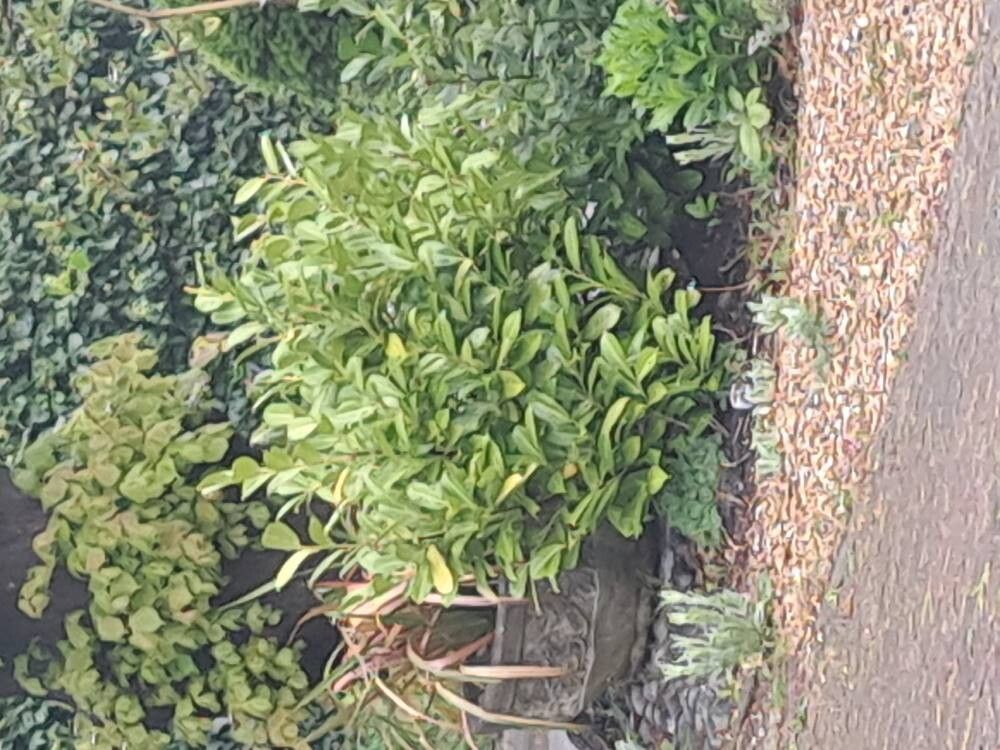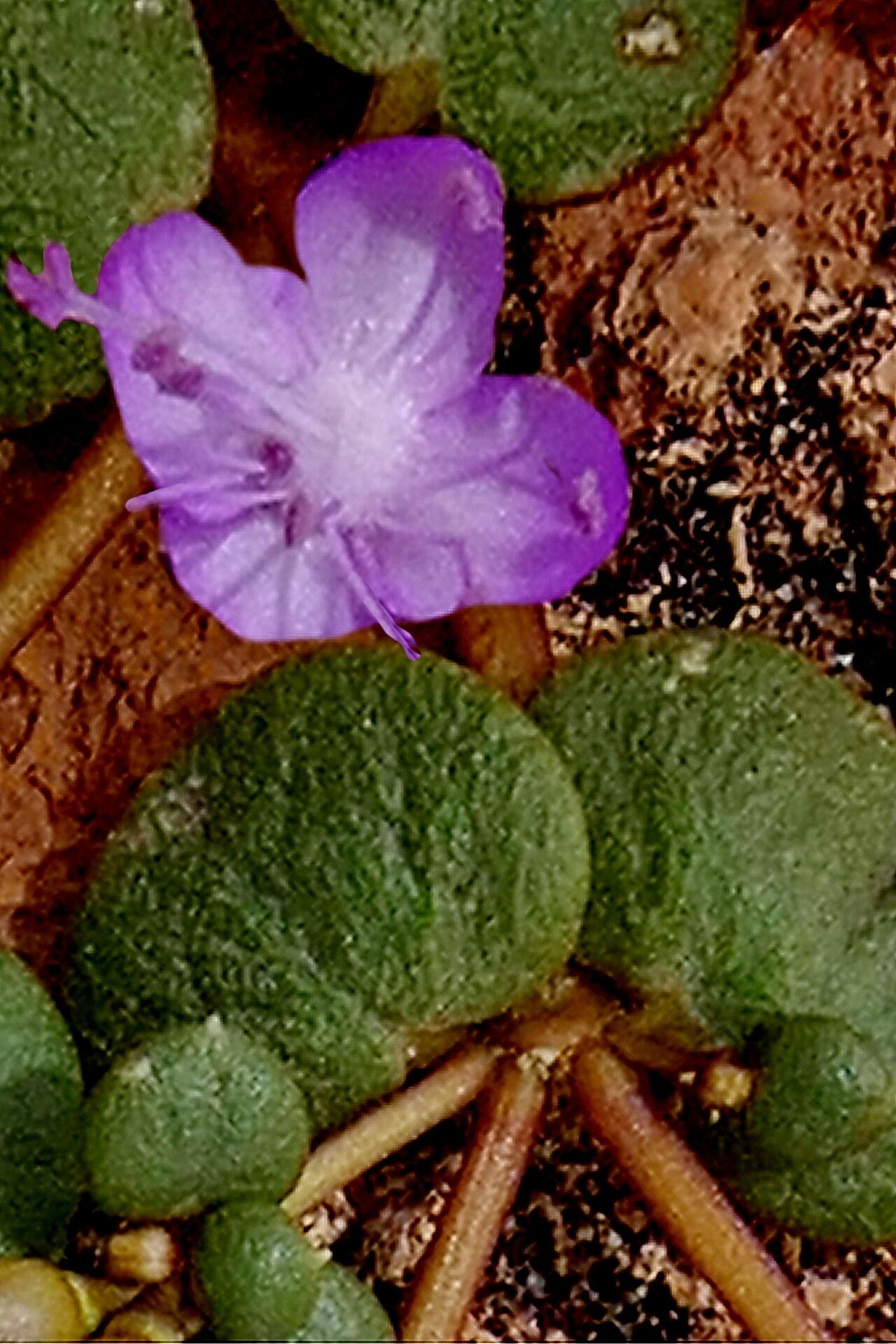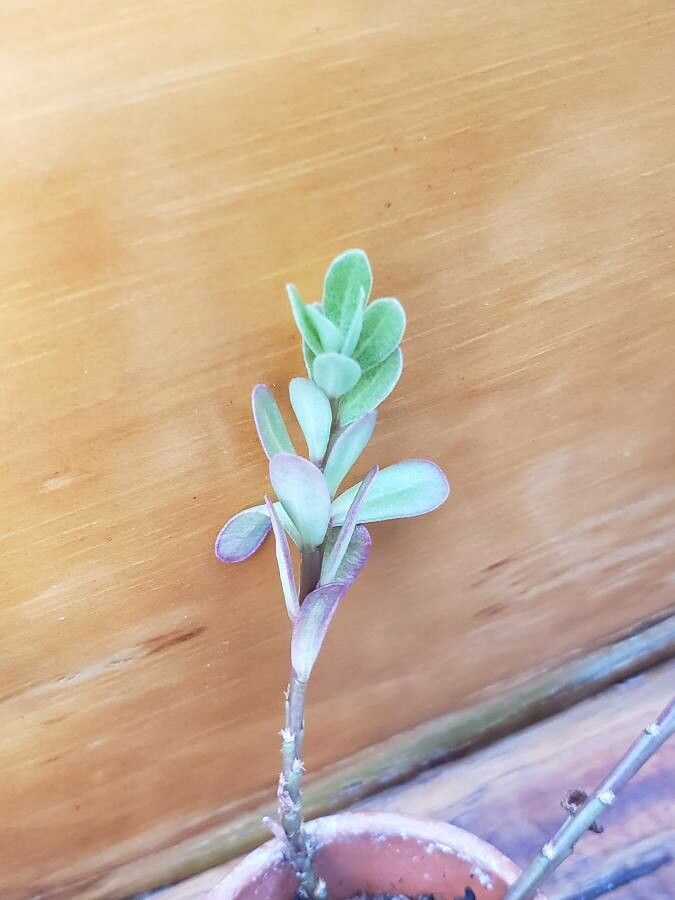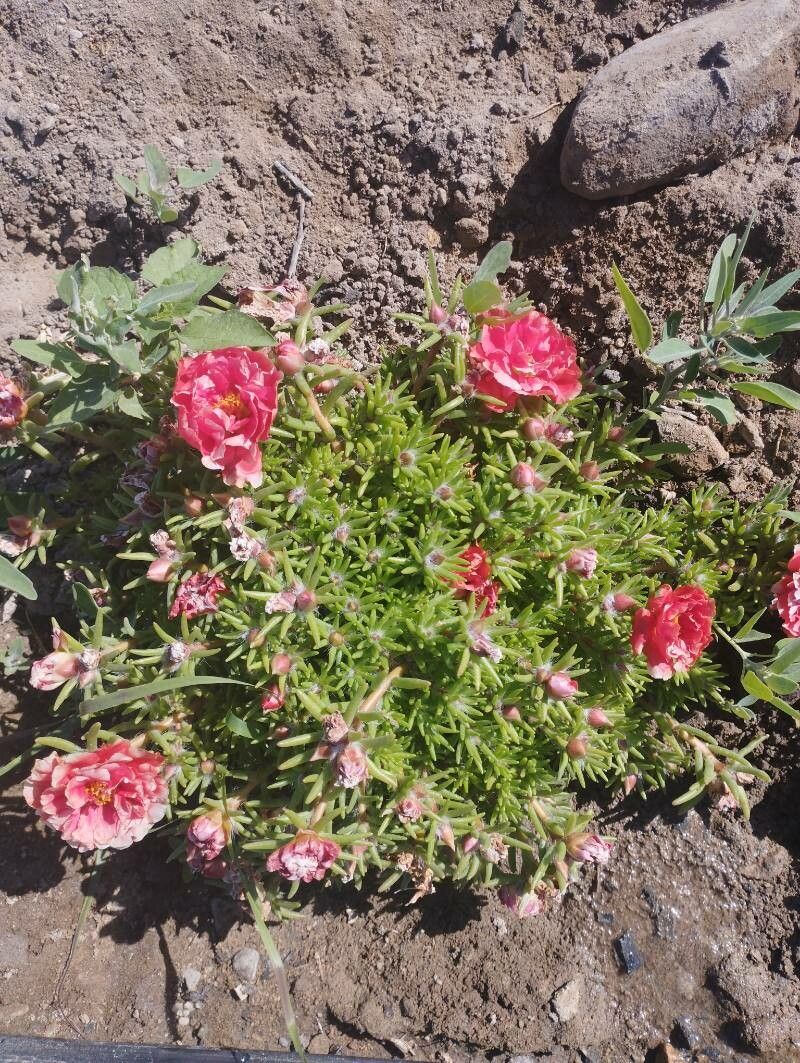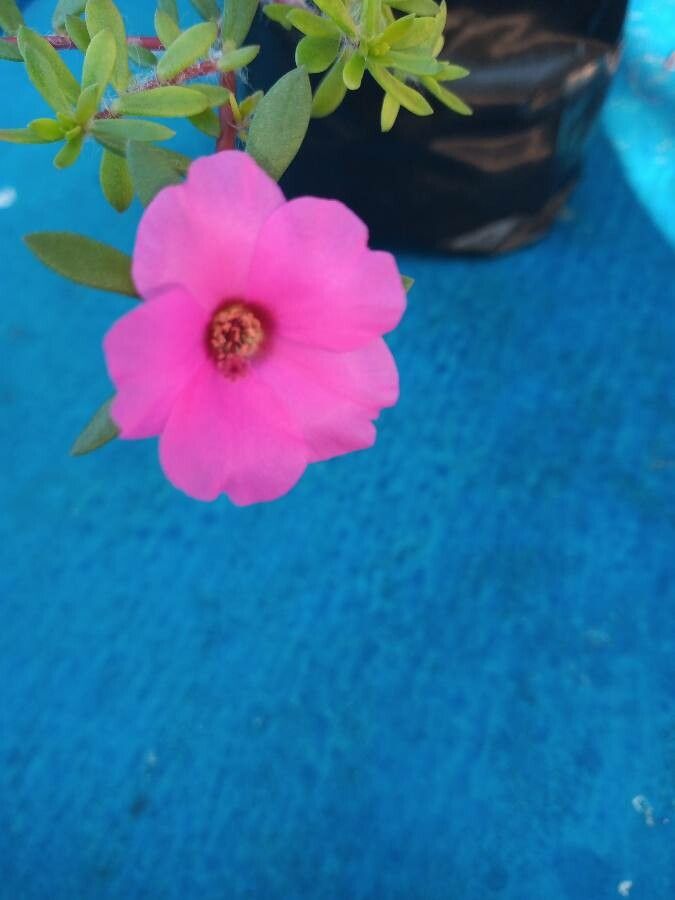
Portulaca amilis, known as Paraguayan purslane, is a species of Portulaca native to South America. It was introduced to the southeastern United States and other countries around the world and can be found in sandy soil in disturbed areas, roadsides, fields, lawns and gardens.
Paraguayan purslane has moderate disease resistance and is more sensitive to high humidity and overwatering. It also becomes more vulnerable to disease when it lacks light and is overwatered. In terms of care, Paraguayan purslane is drought-tolerant and can endure long stretches without watering. It does not require much fertilizer and only needs occasional pruning. These characteristics make it suitable for people of all experience levels, especially those who prefer to spend less time on plant care and who may be away from home for extended periods. It is a good option for those who do not want to devote much time to maintenance but still want a plant that is easy to care for.
How to keep Portulaca Amilis.
Light
Native to dry regions, Paraguayan purslane flourishes in full sun, since its original habitat features intense sunlight and little shade. It can also tolerate partial sun, giving it some flexibility in how it grows.
Water
Paraguayan purslane flourishes in tropical environments, as it is well-suited to both heavy rainfall and dry periods. This plant is drought-tolerant and requires moderate moisture, needing to be watered about twice a week. It is best grown outdoors where it can naturally receive the hydration it needs during the growing season, with rain nourishing its succulent leaves.
Temperature
Paraguayan purslane thrives in warm environments and needs higher temperatures during the growing season to encourage growth and metabolic activity. It prefers abundant sunlight, correct moisture levels, and good air circulation. However, it is vulnerable to damage from very low temperatures and from overwatering. It is important to maintain a balance and to avoid both excessively high temperatures and overly dry conditions.
Fertilizer
For Paraguayan purslane, small amounts of fertilizer once or twice a year during the growing season are enough. Do not fertilize in winter or summer when the plant is dormant. Use less fertilizer for plants that have been repotted and wait a couple of months after repotting before applying any. Fertilizing helps maintain healthy growth and promotes flowering.
Pruning
Paraguayan purslane is known for its lively, succulent leaves and colorful flowers. To promote dense growth and abundant blooms, prune this plant from early to late spring. Trim away dead stems and thin out overcrowded areas to ensure healthier plants and better air circulation. Always use clean, sharp tools to avoid damaging the plant.
Botanical profile.
- Plant Type
- Herb, Succulent
- Life Cycle
- Annual
- Genus
- Portulaca
- Family
- Portulacaceae
- Hardiness Zone
- 9-11
- Mature Height
- 15 cm
- Mature Spread
- 15 cm
- Leaf Color
- Green, Dark Green
- Leaf Type
- Deciduous
- Flower Color
- Pink, White, Yellow
- Flower Size
- 2.03 cm to 3.05 cm
- Bloom Time
- Late spring, Summer, Fall
- Planting Time
- Spring, Summer, Autumn
- Harvest Time
- Summer, Fall, Early winter
- Native Area
- Uruguay, Paraguay, Argentina, Bolivia, Peru, Brazil
Other names.
Reader questions.
What are the sunlight requirements for Paraguayan purslane?
Paraguayan purslane, botanically known as Portulaca amilis, thrives in areas that receive a significant amount of sunlight throughout the day. Specifically, it requires full sun exposure, which means it should receive above 6 hours of sunlight daily, to flourish. However, it can also adapt to partial sun conditions, where it gets about 3-6 hours of sunlight. It's important to observe the sun's movements in your garden to find spots that offer a good balance of light and shade, ensuring the plant's health and happiness.
What is the botanical name of Paraguayan purslane?
The botanical name of Paraguayan purslane is Portulaca amilis. It is a species recognized by its unique characteristics, although specific details about its essentials, content, and additional attributes are not provided in this context.