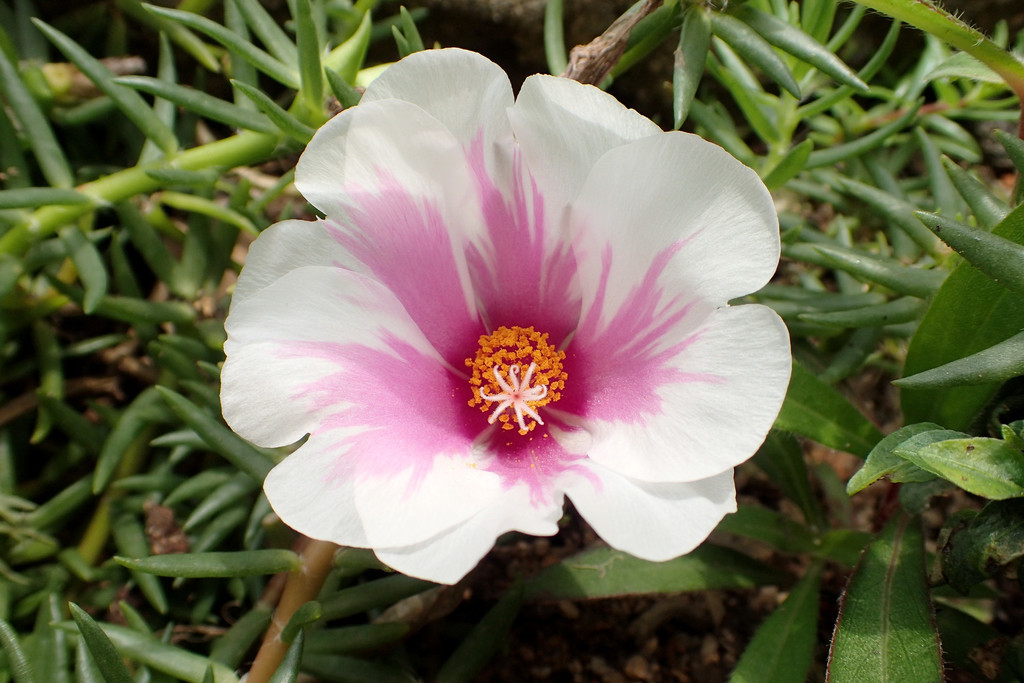
Portulaca grandiflora, commonly known as moss rose or purslane, is a low-growing annual plant native to South America. This plant belongs to the Portulacaceae family and is widely cherished for its attractive and colorful flowers. With succulent leaves arranged alternately along its stem, the plant can reach a height of up to 15 cm.
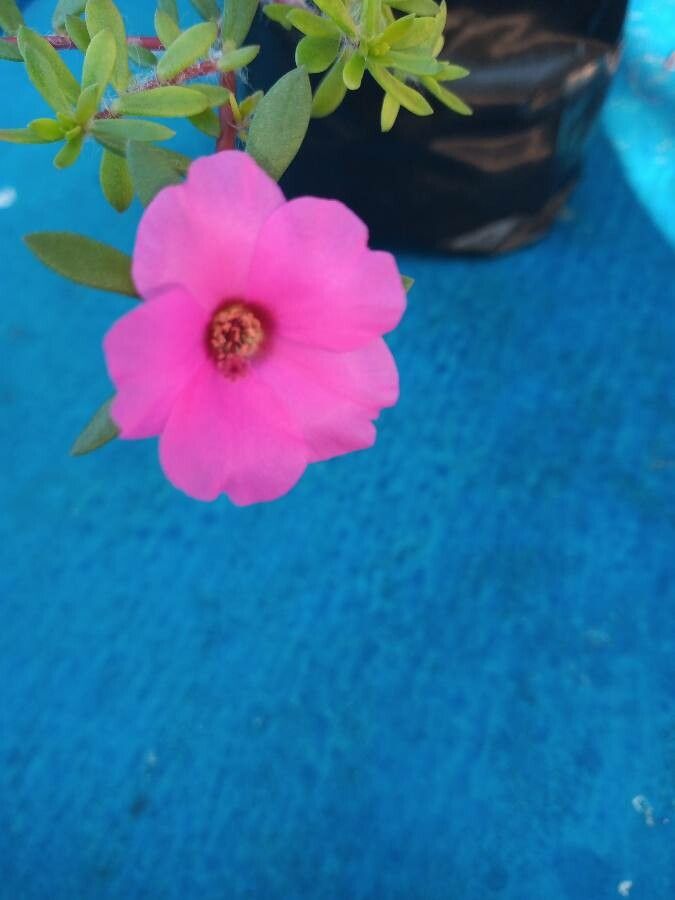
The flowers of Portulaca grandiflora are typically 2-3 cm in diameter, featuring five petals that come in a spectrum of colors including pink, red, yellow, orange, and white. These vibrant blooms appear from late spring through summer and continue until early fall.
Moss rose thrives in full sun exposure and well-drained soil. Its succulent nature allows it to tolerate drought conditions, although it benefits from regular watering during extended dry spells.
Carl Linnaeus created the botanical name for the genus Portulaca. He based the name on the seed capsules, which he observed opened like a gate. The word 'Portula' is Latin for 'little gate'. FUN FACT · FROM THE LIBRARY
Portulaca grandiflora serves various purposes. It is popularly used as an ornamental plant in gardens or containers, thanks to its vibrant colors and low maintenance needs. Additionally, its leaves are edible, offering a slightly sour taste that makes them a flavorful addition to salads or cooked dishes.
Overall, Portulaca grandiflora is an attractive annual plant that adds color and interest to any garden setting while also providing some culinary benefits.
Moss rose, scientifically known as Portulaca grandiflora, is aptly named for its distinctive ornamental qualities. This plant is characterized by its ruffled, rose-like flowers, which bloom on stems that are either prostrate or slightly ascending. These stems create a mat of foliage resembling moss, enhancing the plant's appeal.
Moss rose has moderate resistance to disease but is more vulnerable to high humidity and excessive watering. It is also likelier to develop diseases when it receives little light and is overwatered. In terms of care, moss rose is drought-tolerant and can withstand long intervals without water. It requires little fertilizer and only occasional pruning. Because of this, it is appropriate for gardeners of any skill level, particularly for those who prefer to spend minimal time on plant care and who may sometimes be away from home for extended periods. It is a suitable option for people who do not want to invest a lot of time in plant maintenance yet still want an easy-to-care-for plant.
How to keep Portulaca Grandiflora.
Light
Moss rose thrives in locations where the sun is full and unobstructed. This supports its growth and development, but it remains hardy in places with a moderate amount of sunlight. Too much or too little sun can be harmful, causing weak foliage and poor flowering.
Water
Moss rose, native to hot and dry climates, flourishes when watered moderately twice a week and exposed to full sunlight. Its drought tolerance comes from its ability to store water in its fleshy leaves and stems, making it perfect for arid environments.
Humidity
This plant prefers dry conditions, so don't mist it. However, watering it less often can also thrive in higher humidity.
Temperature
Moss rose is native to warm regions and prefers temperatures between 68 and 100°F (20 to 38℃). Growth can slow at cooler temperatures. In the colder months, move it to a warmer, sheltered spot to keep it thriving.
Fertilizer
Moss rose needs only light fertilizer applications once or twice a year during the growing season. Do not fertilize in winter or in summer when it is dormant. Cut back on feeding for repotted plants and wait a couple of months after repotting before you fertilize. Fertilizing helps maintain healthy growth and encourages flowering.
Pruning
To maintain its ornamental value, the moss rose needs timely pruning during the growing season. Be sure to remove any crossed or densely packed branches. In late fall, prune away old leaves to improve ventilation. When repotting, trim away any rotten or excessive roots to promote optimal health.
Pot & Repot
When repotting a Moss rose, choose a pot slightly larger than the current one that has good drainage. Use a gritty, well-draining succulent or cactus mix. Gently remove the plant from its old pot, brush off excess soil, and set it back in at the same depth. Delay watering for a few days to allow any root injuries to heal. Repot in spring or fall and place it in a brightly lit location.
Toxicity
Moss rose plants are toxic to pets. The calcium oxalate in the plant may cause muscle spasms, irregular heartbeat, drooling, among other symptoms. Severe toxicity can even result in metabolic imbalances and kidney failure.
Further reading →
The toxicity and danger assessments provided are for reference only. We do not assure their accuracy, so it's crucial not to depend on them. Seek professional advice when necessary for accurate guidance.
Botanical profile.
- Plant Type
- Succulent, Herb
- Life Cycle
- Annual, Perennial
- Genus
- Portulaca
- Family
- Portulacaceae
- Hardiness Zone
- 6-11
- Mature Height
- 6 cm to 30 cm
- Mature Spread
- 25 cm to 37 cm
- Leaf Color
- Green
- Leaf Type
- Deciduous
- Flower Color
- Red, Pink, Orange, Yellow, White
- Flower Size
- 2.54 cm to 5.08 cm
- Bloom Time
- Late spring, Summer
- Planting Time
- Spring, Summer, Autumn
- Harvest Time
- Summer, Early fall
- Native Area
- Uruguay, Paraguay, Argentina, Bolivia, Peru, Brazil
Other names.
Reader questions.
When should I water my Moss Rose?
Watering your Moss Rose correctly is crucial for promoting active growth and vibrant blooming. Check the soil dryness by inserting your finger about an inch deep; if it feels dry, it's time to water. Wilting leaves can indicate dehydration, but be cautious as they might also signal heat stress. A reduction in flowering could mean the plant needs more water, given other conditions like sunlight are optimal. Watering should be done early in the morning or late in the evening to minimize evaporation. Both overwatering and underwatering can harm the plant, leading to issues such as root rot or ultimately, the plant's death. By observing signs and adjusting your watering routine accordingly, you can help maintain your Moss Rose's health.
Why should I put fertilizer on my Moss rose plant?
Adding nutrients to the growing medium is important for the growth of Moss rose. While it does store water and nutrients, applying plant food during the growing season can further support its healthy growth. Fertilizing also helps mature specimens produce blooms in the growing season.
What are the sunlight requirements for Moss Rose?
Moss Rose, or Portulaca grandiflora, thrives best when it receives more than 6 hours of sunlight daily, classified as 'Full sun'. It can also grow in 'Partial sun' conditions, which is about 3-6 hours of sunlight. Observing how sunlight moves through your garden and selecting spots that offer a balance of light and shade is crucial for the optimal growth of your plants. This ensures they receive the perfect balance of sunlight they need to flourish.
What conditions are necessary for growing Moss rose?
Moss rose, or Portulaca grandiflora, is native to warm regions and thrives best in temperatures ranging from 68 to 100°F (20 to 38°C). It prefers high temperatures and will enter a dormant state during winter or when the temperature drops below 0°C. For optimal growth, it should be moved to a warmer, sheltered location during cooler months or when the temperature falls below 20°C. Adequate sunlight is crucial, so placing it near a south-facing window or using supplemental lighting if natural light is insufficient is recommended. Watering should be reduced or stopped to prevent root rot when the temperature is low, especially for those grown outdoors.
How should I water my Moss Rose?
Moss Rose has specific watering needs and is sensitive to overwatering. An effective watering technique is bottom-watering, where the plant's roots absorb water from a tray or saucer. This method helps avoid wet foliage, which can lead to fungal diseases. Using a watering can with a narrow spout allows for precise watering at the base, reducing the risk of diseases. Also, consider using a moisture meter to check the soil's moisture level accurately, ensuring the plant is watered just right. The frequency of watering depends on factors like climate, pot size, and soil type. Let the soil begin to dry before watering again, but adjust based on the plant's specific needs.
When should I fertilize my Moss rose for the best results?
Moss rose is a plant that requires a lighter dose of fertilizer compared to other plants. It needs to be fertilized 1-2 times a year, preferably during spring and autumn. Avoid fertilizing it during winter and summer when it is dormant. If you have recently repotted your Moss rose, reduce the amount of fertilizer and wait a few months before applying any.
How does Moss Rose perform under different light conditions?
Moss Rose flourishes best in regions that receive full, unobstructed sunlight, aiding its growth and development. However, it is resilient enough to also make do in areas with moderate sunlight. It is essential to be cautious with both excessive and insufficient sunlight as too much can damage the plant, while too little sun can lead to poor foliage and blooms. For indoor plants, particularly during winter or in less sunny spaces, the use of artificial lighting such as LED lights, which can be adjusted to provide specific wavelengths needed by the plants, serves as an essential alternative to ensure optimal growth.
How do you care for Moss rose during low temperatures?
Moss rose requires special care during low temperatures. It is not tolerant of cold and should be kept above 0°C to avoid entering a dormant state. If temperatures fall below this, the plant may become weak, wilt, and be prone to root rot. In extreme cold below -25°C, mild frost damage may be initially symptomless, but the plant may gradually wither. To protect it from cold, frostbitten areas should be trimmed, and any rotted roots removed. Then, you can propagate healthy sections through cuttings. The plant should immediately be moved to a warmer environment and placed near a south-facing window to ensure it receives enough sunlight. Supplemental lighting can also be used if the natural light is insufficient.
How much water does Moss Rose really need?
Moss Rose's water requirements vary based on factors such as pot size, root depth, and plant size. It generally prefers well-draining soil and requires moderate watering. A rule of thumb is to water when the top inch of soil feels dry. For small pots, a quarter to half a cup per watering session may suffice; adjust the amount for larger pots but avoid overwatering. The soil should be moist but not waterlogged. Overwatering can lead to issues like root rot, while underwatering might cause the plant to stress. Ensuring proper drainage and watering in the morning or early afternoon will help maintain optimal moisture levels.
When is the best time to not fertilize my Moss rose?
Moss rose, like other plants, has a dormancy period when you should avoid using fertilizer. This occurs during the summer and winter when the plant stops growing. It is also recommended to stop fertilizing for a few months after repotting in the spring.
What are the symptoms of insufficient or excessive sunlight on Moss Rose?
Insufficient sunlight can lead to various symptoms in Moss Rose, including a lack of flowering and fruiting, premature leaf drop, leggy growth, halted new growth, and chlorosis. Excessive sunlight exposure can cause sunscald, leaf curling, wilting, and leaf scorching. It's crucial to monitor your Moss Rose for these symptoms as they indicate the plant's need for adjustments in its light exposure to maintain health and growth.
What should you do if Moss rose experiences high temperatures?
During the summer, when temperatures soar above 38°C, Moss rose's growth will halt, and it may suffer from water loss, wilting, and sunburn due to the excessive heat. To assist the plant in such conditions, remove any sunburned or rotten parts and shield it from the harsh afternoon sunlight until it recovers. If the plant has suffered from root rot due to overwatering, halt watering until new roots form. It is essential to keep the plant in conditions below 38°C to prevent these stress symptoms and ensure its healthy growth.