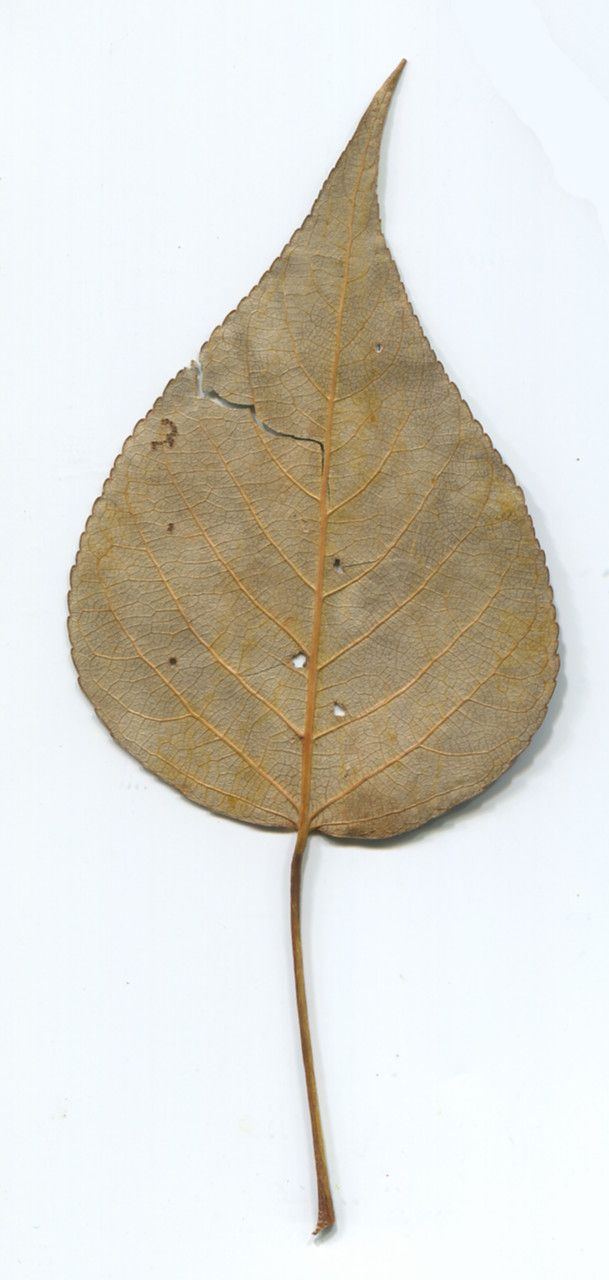
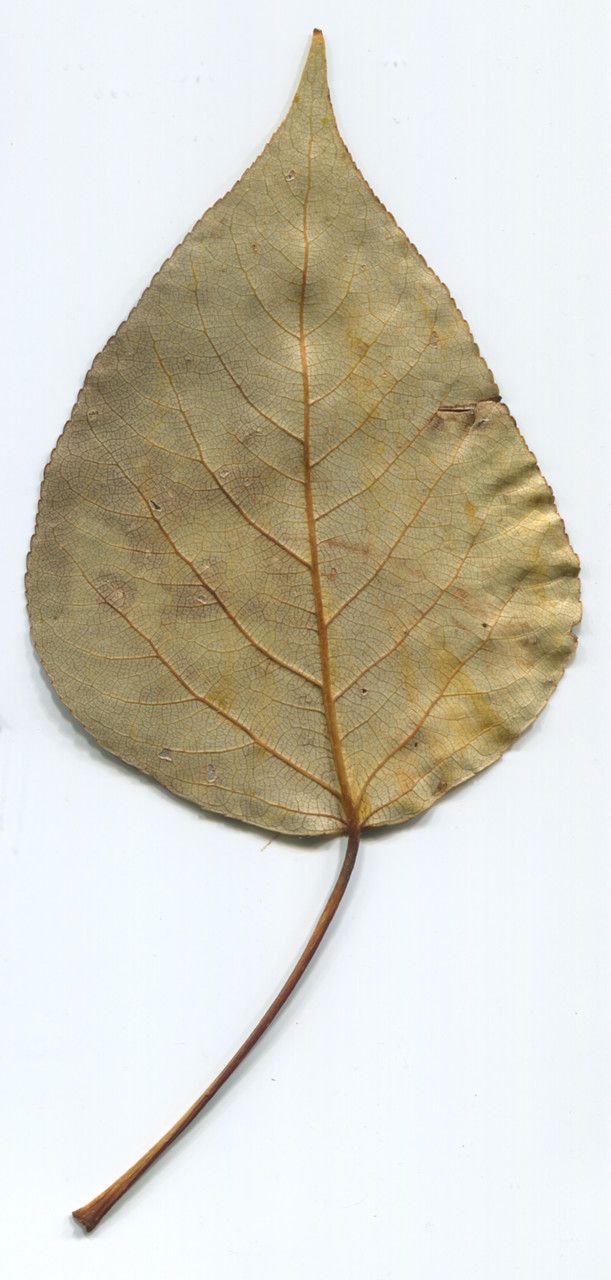
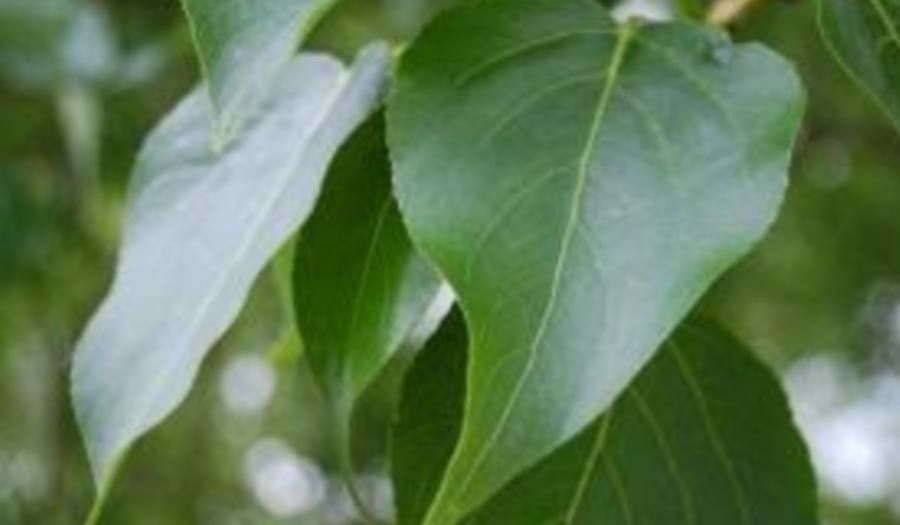
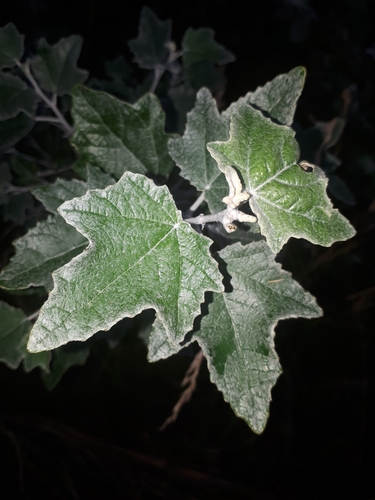
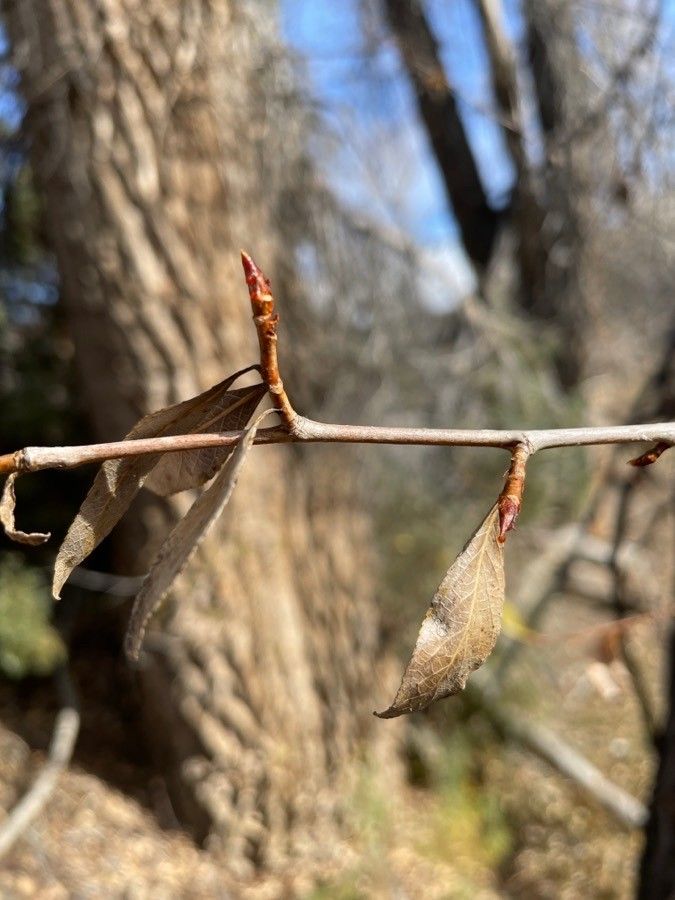
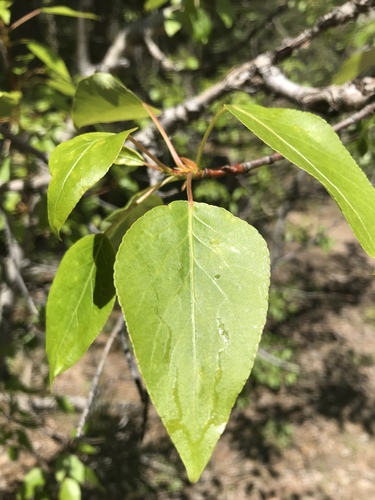
Populus yunnanensis, the Yunnan poplar, is a species of flowering plant in the family Salicaceae, native to south-central China. It has found use as a street tree, particularly in Australia.
Chinese poplar shows strong disease resistance and is typically not susceptible to illness. Regarding maintenance, this plant is fairly low-maintenance. When grown outdoors it needs only light watering, and larger specimens generally do not need pruning. Smaller plants, however, should be pruned after they finish flowering. Chinese poplar is suitable for anyone with outdoor space, such as a garden or deck, and does not require much gardening experience.
How to keep Populus Yunnanensis.
Light
Chinese poplar is native to open habitats, such as sunlit meadows and forest margins, which supply plenty of light. It performs best in Full Sun but can also tolerate Partial Sun, showing good adaptability to different light conditions.
Water
Chinese poplar trees, which originate from regions with moderate rainfall, need to be watered every 2 to 3 weeks. However, they are drought-tolerant. During the colder months, when these trees become dormant because they are deciduous, their need for water decreases.
Temperature
Chinese poplar is highly adaptable to a variety of climate conditions, whether in scorching summers or chilly winters. However, it has a preferred temperature range for growth. If temperatures become excessively high, the plant is vulnerable to heat and humidity stress, which can lead to its death. In regions where temperatures approach the lower limit of its cold tolerance, insulating measures should be taken to protect the plant.
Fertilizer
To encourage robust growth, apply fertilizer to your Chinese poplar in early spring. Consistent feeding improves overall health, leading to strong growth, greater tolerance of harsh conditions, and enhanced resistance to pests and diseases. Keep to a regular fertilization routine for your Chinese poplar to maintain richly colored, lush foliage.
Pruning
The Chinese poplar is a fast-growing deciduous tree that greatly benefits from pruning in early spring. This practice encourages vigorous growth and enhances the tree's appearance. By removing dead or overcrowded branches, you can improve air circulation and light penetration, leading to a healthier and more resilient tree. Additionally, proper pruning helps prevent disease.
Botanical profile.
- Plant Type
- Tree
- Life Cycle
- Perennial
- Genus
- Populus
- Family
- Salicaceae
- Hardiness Zone
- 4-8
- Mature Height
- 20.12 m to 29.87 m
- Mature Spread
- 10.06 m to 14.94 m
- Leaf Color
- Green, Dark Green
- Leaf Type
- Deciduous
- Flower Size
- 2.03 cm to 3.05 cm
- Bloom Time
- Early spring, Mid spring
- Planting Time
- Spring, Summer, Autumn
- Harvest Time
- Late spring, Early summer
- Native Area
- China
Other names.
Reader questions.
What are the sunlight requirements for the Chinese poplar?
The Chinese poplar, a plant that flourishes in open environments like sunny meadows and forest edges, requires full sun, which is above 6 hours of sunlight, to thrive. However, it can also tolerate partial sun, approximately 3-6 hours of sunlight per day, adapting well to varying sunlight conditions. It's essential to observe how sunlight moves through your garden to choose the optimal spots for your plants, ensuring they receive a balance of light and shade to promote their health.
What is the name and botanical name of the plant?
The plant is commonly known as Chinese poplar, with its botanical name being Populus yunnanensis.
How can artificial lighting be used for indoor Chinese poplar plants?
Indoor Chinese poplar plants require adequate lighting to grow optimally, especially when natural sunlight is insufficient, like in winter or less sunny spaces. Artificial lights, such as LED lights which can be customized to provide specific wavelengths, offer a solution by promoting faster, healthier growth. Full sun plants need 30-50W/sq ft, partial sun plants require 20-30W/sq ft, and full shade plants 10-20W/sq ft of artificial light. Position the light source 12-36 inches above the plant to imitate natural sunlight and keep it on for 8-12 hours per day to mimic natural daylight hours.
What are the symptoms of light deficiency in Chinese poplar?
When Chinese poplar is placed in areas with suboptimal lighting, it may show signs of light deficiency. These include smaller new leaves, leggy or sparse growth, faster leaf drop, slower or halted growth, lighter-colored new leaves indicating a lack of chlorophyll, and the development of chlorosis, where leaves lose their green color and turn yellow. Additional symptoms like sunscald, leaf curling, wilting, and leaf scorching might occur due to excessive sunlight, showcasing the plant's sensitivity to light conditions.
How can I address light deficiency and excessive sunlight exposure in Chinese poplar?
To manage light deficiency in Chinese poplars, gradually move them to sunnier locations each week to ensure they receive at least 6 hours of direct sunlight daily. Utilize south-facing windows and keep curtains open during the day for maximum exposure. For artificial lighting, keep lamps on for at least 8 hours daily or invest in professional grow lights. To minimize sunlight exposure, avoid sudden changes in light intensity that may cause sunburn. Observe the environment for obstructions like trees and consider pruning or transplanting smaller plants to areas with ample sunlight and good drainage. Note, while parts of the plant affected by insufficient sunlight may not recover, new growth will be healthy after adjusting light exposure.