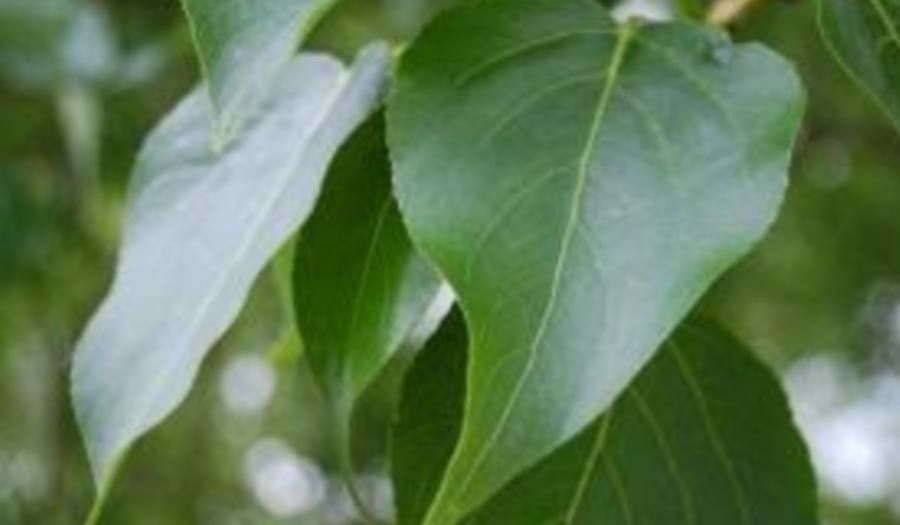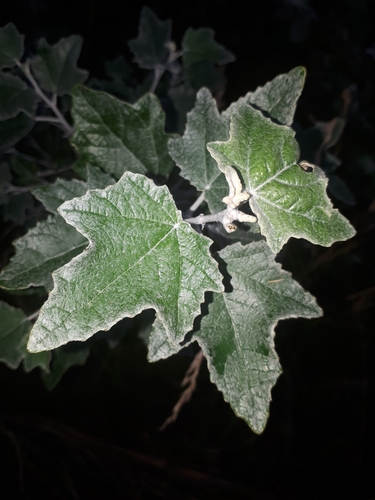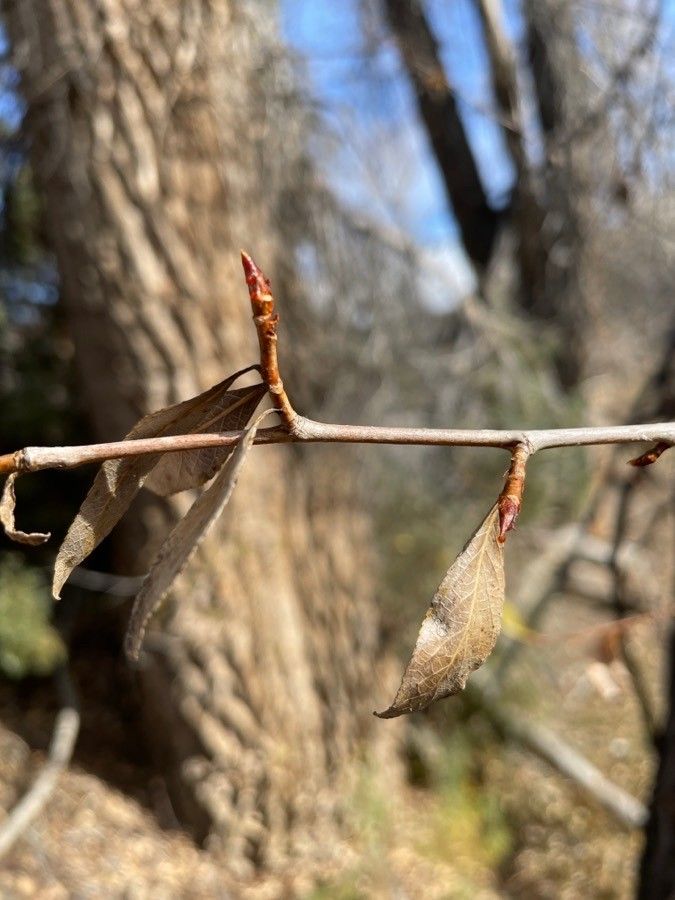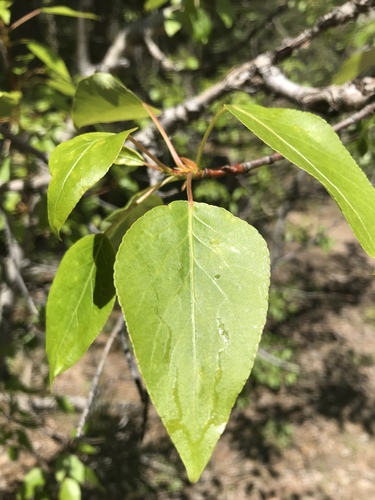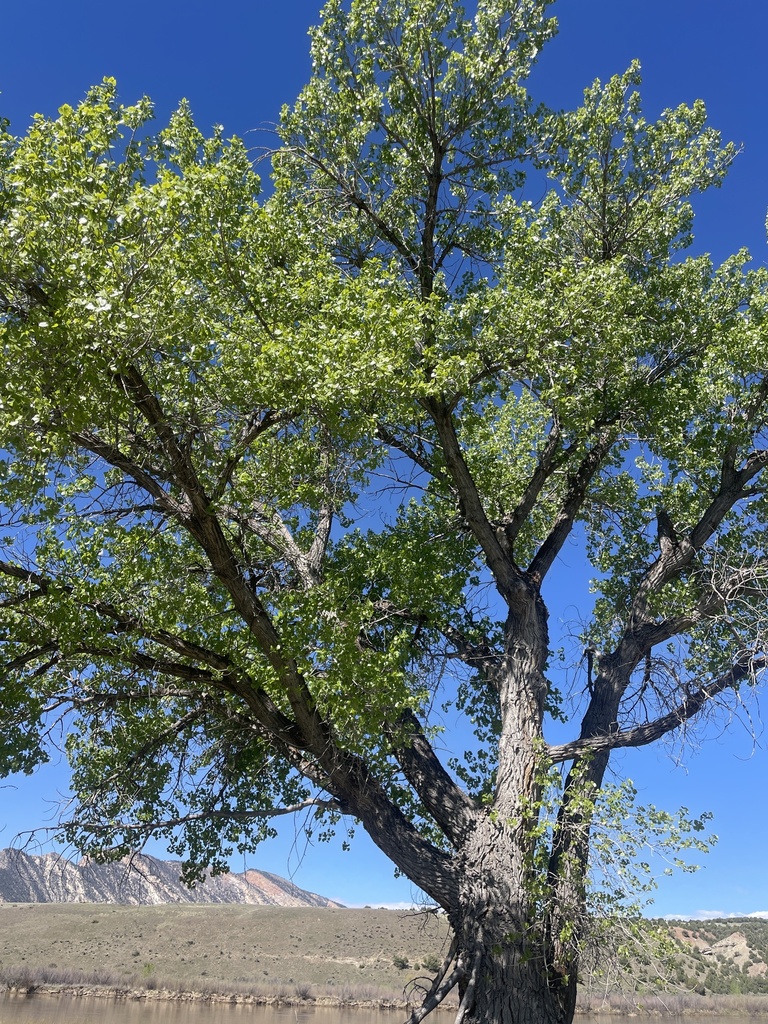
Populus × canadensis, known as Canadian poplar or Carolina poplar, is a naturally occurring hybrid of Populus nigra and Populus deltoides. It is a vigorous, broadly columnar, deciduous tree growing to 40 m (130 ft), which is commonly used by landscape architects. Cultivars include 'Robusta' and 'Aurea' (golden poplar or golden Carolina poplar), which has won the Royal Horticultural Society's Award of Garden Merit.
How to keep Populus Ux Canadensis.
Water
Populus × canadensis thrives well in soils that are wet to semi-dry. Some species in genus Populus are more responsive to soils that are wet to moist, so water once a week is necessary during hot and dry weather. It is susceptible to pests and diseases in drought conditions. Populus × canadensis is well adaptable to regular watering during the initial years of plantation. likes deep and infrequent watering. You would want to soak them in a gallon of water each time, especially when they are planted in pots. The water storage of flower pots is limited and the soil will dry out faster. Watering is required every 3 to 5 days when living in a cold region. Water it early in the morning when the soil is dry, outdoors or indoors. You can also determine if watering is needed by checking the soil inside. During hot days, you may need to check the moisture daily, as the heat can quickly dry out the soil in the pot. Irrigation of the soil is also required if you have a garden. When you live in a hot climate, you might want to water once a week. You need to water the plants more frequently in sandy soil because this type tends to drain faster. However, with the clay one, you need to water this less frequently where you could go for 2-3 days to dry the plant and not develop any root rot.
Fertilizer
Populus × canadensis responds well to fertilization at planting and during the initial years of its growth. Apply fertilizer with high nitrogen content and organic matter twice a year. Balanced compound fertilizer can also be used, such as 20-20-20(N%-P%-K%). The first time that you should fertilize Populus × canadensis is during the late winter or early spring. This type of fertilization gives Populus × canadensis all the nutrients it needs to resume healthy growth once the weather gets warm enough. It is also beneficial to many Populus × canadensis to provide an additional fertilizer feeding during early fall if you in a warm climate region. Fertilizing in early fall not only adds additional nutrients to the soil, which Populus × canadensis will use in the following growing season, but it also helps Populus × canadensis be a bit more hardy and capable of surviving the winter cold without experiencing foliage damage. Earlier fertilisation will ensure that the new branches have enough time to grow to withstand the cold winter.
Toxicity
Populus × canadensis has no toxic effect reported.
Further reading →
The toxicity and danger assessments provided are for reference only. We do not assure their accuracy, so it's crucial not to depend on them. Seek professional advice when necessary for accurate guidance.
Botanical profile.
- Genus
- Populus
- Family
- Salicaceae