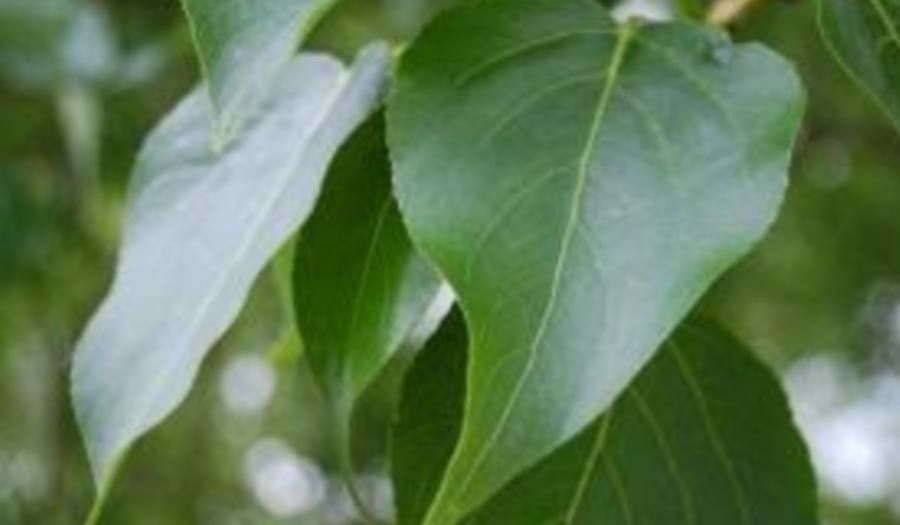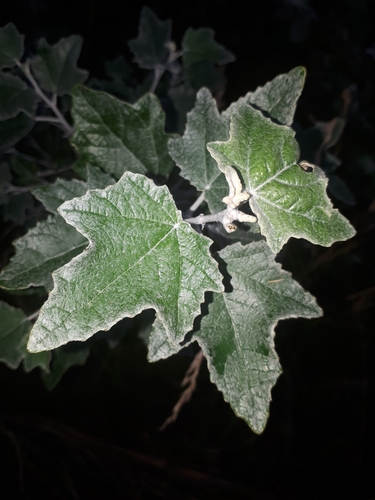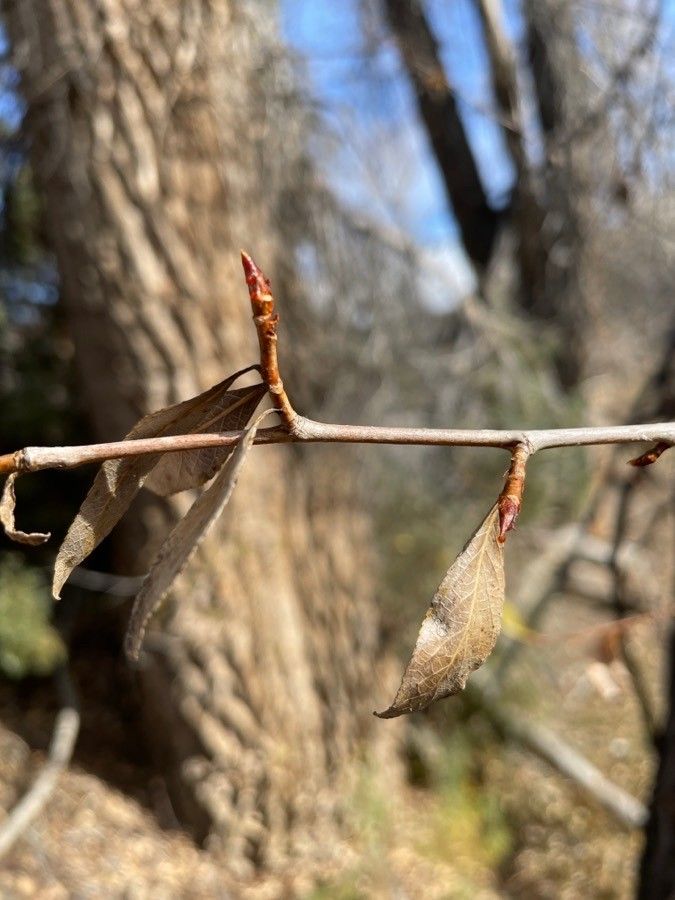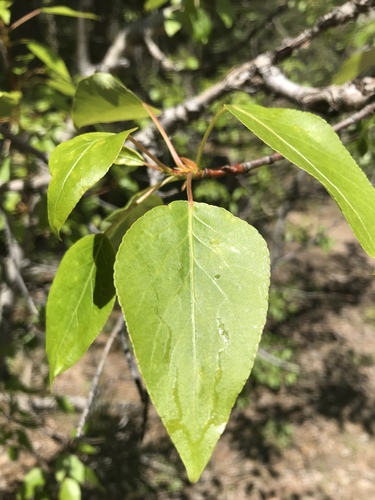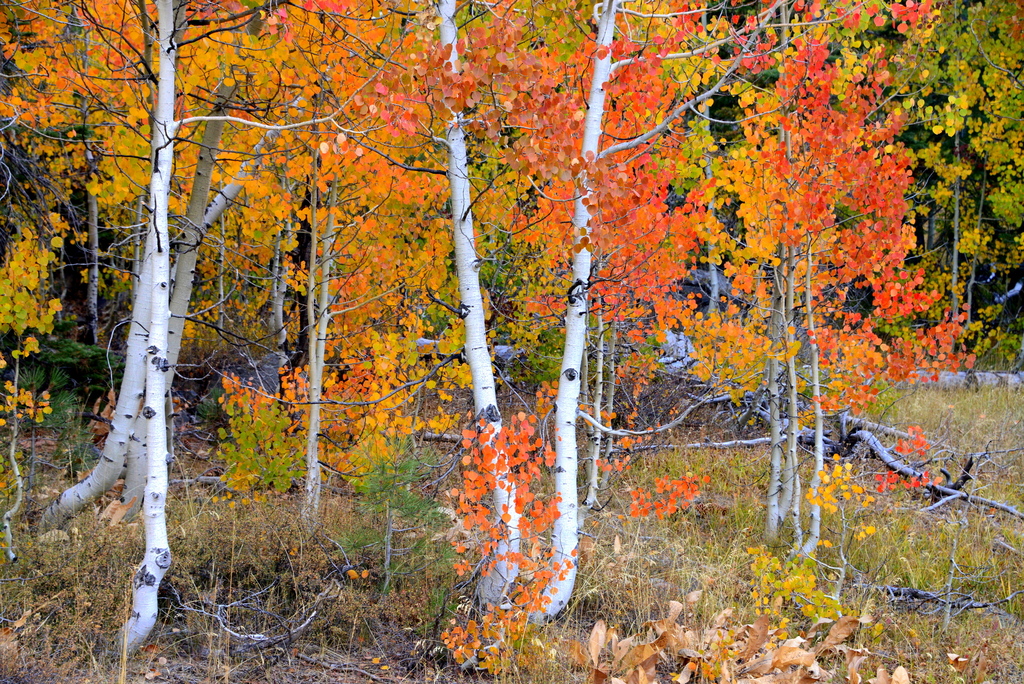
Populus tremuloides is a deciduous tree native to cooler areas of North America, one of several species referred to by the common name aspen. It is commonly called quaking aspen, trembling aspen, American aspen, mountain or golden aspen, trembling poplar, white poplar, and popple, as well as others. The trees have tall trunks, up to 25 meters (82 feet) tall, with smooth pale bark, scarred with black. The glossy green leaves, dull beneath, become golden to yellow, rarely red, in autumn. The species often propagates through its roots to form large clonal groves originating from a shared root system. These roots are not rhizomes, as new growth develops from adventitious buds on the parent root system (the ortet). Populus tremuloides is the most widely distributed tree in North America, being found from Canada to central Mexico. It is the defining species of the aspen parkland biome in the Prairie Provinces of Canada and extreme northwest Minnesota.
Quaking aspen is fairly disease-resistant and typically not susceptible to illnesses. Regarding care, this plant is relatively low-maintenance. When grown outdoors it needs little watering, and larger specimens normally do not require pruning. Smaller plants, however, should be pruned after they have finished blooming. Quaking aspen is appropriate for anyone with an outdoor area, such as a garden or a deck, and does not demand much gardening experience.
How to keep Populus Tremuloides.
Light
Quaking aspen prospers in places with abundant sunlight and can also tolerate sites with slightly filtered light. Because it comes from light-rich habitats, plentiful sunlight benefits the tree's overall health and growth. Both excessive sunlight and too little light can negatively impact quaking aspen's growth.
Water
Quaking aspen flourishes in cool climates, where it requires moderate moisture and prefers well-drained soil. To maintain its health, water it every 1-2 weeks, being careful not to over-saturate the soil or let it dry out completely. Keep in mind that water needs change with the seasons: the tree requires less water during its winter dormancy and more during spring growth.
Temperature
Quaking aspen needs a native growing environment with cool to mild temperatures. Its preferred temperature range is 32 to 95 ℉ (0 to 35 ℃). In summer it can adjust to temperatures up to 100 ℉ (38 ℃), and in winter it can tolerate temperatures as low as -40 ℉ (-40 ℃).
Fertilizer
To encourage healthy growth, fertilize your Quaking aspen in early spring. Regular fertilization boosts overall health, leading to vigorous growth, resilience to harsh conditions, and improved disease and pest resistance. Keep to a particular fertilization schedule for your Quaking aspen to ensure foliage remains vibrant, with deep color and a lush appearance.
Pruning
Quaking aspen is known for its fluttering leaves and distinctive white bark. To maintain its health, it is best to prune it in early spring, focusing on removing any dead or diseased branches. This will improve air circulation and overall plant health. Thinning the tree helps improve its shape and decreases the risk of damage from storms. Remember to use clean tools when pruning to minimize stress on the plant.
Toxicity
The salicylates found in the Aspen tree may have potentially harmful effects. If you have stomach or peptic ulcers, avoid this product at all costs.
Further reading →
The toxicity and danger assessments provided are for reference only. We do not assure their accuracy, so it's crucial not to depend on them. Seek professional advice when necessary for accurate guidance.
Botanical profile.
- Plant Type
- Tree
- Life Cycle
- Perennial
- Genus
- Populus
- Family
- Salicaceae
- Hardiness Zone
- 2-9
- Mature Height
- 20.12 m to 24.99 m
- Mature Spread
- 3.05 m to 9.14 m
- Leaf Color
- Green, Yellow, Gold, Bronze
- Leaf Type
- Deciduous
- Flower Color
- Green, Yellow, Blue, Red, Gray, Silver
- Flower Size
- 0.13 cm to 0.18 cm
- Bloom Time
- Mid spring, Late spring
- Planting Time
- Spring, Autumn
- Harvest Time
- Early summer, Mid summer
- Native Area
- Mexico
Other names.
Reader questions.
When should I water my Quaking Aspen?
The Quaking Aspen requires water when the top 1 to 2 inches of soil around the plant base feel dry to the touch. Signals indicating the need for water include wilted or dull leaves, excessive leaf drooping or curling, and stunted growth. Further, dry or brown roots upon inspection indicate a need for watering. It's vital to avoid over-watering as it may lead to issues like yellowing leaves and root rot, whereas under-watering is signified by leaf curling, dull color, and wilting. Recognizing these indicators is essential for optimal water management to maintain the plant's health and vitality.
Why is it necessary to add fertilizer to my Quaking aspen plant?
To ensure the health and resilience of your Quaking aspen, it's important to regularly fertilize it regardless of the type you own. Supplying the right nutrients will promote vigorous growth and make your plant better equipped to handle difficult growing conditions, as well as to ward off diseases and pests. Since the foliage of your Quaking aspen is one of its most appealing features, it's crucial to maintain it. This entails following a consistent fertilization schedule tailored to your specific Quaking aspen, which will result in leaves that are rich in color and give the tree an overall lush appearance.
What are the sunlight requirements for Quaking Aspen?
Quaking Aspen requires full sun, meaning it needs above 6 hours of sunlight daily, but it can also thrive in partial sun, which is about 3-6 hours of sunlight. The key to ensuring the happiness of your plants is to observe how sunlight moves through your garden over the day and select locations that provide the ideal balance of light and shade, accommodating the specific needs of your Quaking Aspen.
What are the essential requirements for growing Quaking Aspen?
Quaking aspen (Populus tremuloides) thrives in a native growth environment that offers cool to mild temperatures. The optimum temperature range for its growth is between 32 to 95°F (0 to 35°C). During the summer months, it can withstand temperatures as high as 100°F (38°C), whereas in the winter, it demonstrates strong cold resistance by tolerating temperatures down to -40°F/C. To prepare for winter, it's advised to water the tree abundantly before the first freeze in autumn, ensuring the soil is moist and ready to freeze over. This preparation helps prevent drought and water scarcity for the plant during the cold season. Although Quaking aspen is quite resilient to frost, in extreme cold below its tolerance levels, wrapping the trunk and branches with non-woven fabric or cloth can offer additional protection.
How should I water my Quaking Aspen?
Watering Quaking Aspen effectively involves overhead watering with a watering wand or hose with a shower head, allowing water to penetrate deeply into the soil. In case of dehydration, deep root watering, where a pipe or hose is inserted into the ground near the tree, ensures that deeper roots receive necessary hydration. Utilizing a soaker hose can be an efficient way to provide water, while a moisture meter can help determine the plant's need for water. Focusing watering efforts at the base of the plant is crucial, and over-watering should be avoided to prevent root rot and encourage a deep root system.
When should I put fertilizer on my Quaking aspen tree?
To ensure healthy growth, the best time to fertilize your Quaking aspen is in late winter or early spring. This provides the tree with the necessary nutrients to thrive as the weather warms up. If you live in a warm climate region, it's also beneficial to give your Quaking aspen an additional fertilizer feeding in early fall. This not only adds nutrients for the following growing season but also helps the tree withstand the cold winter without leaf damage. Fertilizing earlier will promote the growth of strong branches that can withstand the winter conditions.
How does sunlight affect the growth and health of Quaking Aspen?
Quaking Aspen grows best in areas that receive abundant sunlight, although they can also handle slightly filtered light. Originating from light-rich environments, the health and growth of Quaking Aspen are closely linked to sunlight exposure. Both too much and too little sunlight can negatively impact the plant's growth. When natural sunlight is not enough, especially during winter or in areas that don't get much sun, artificial lighting can be a crucial support. It's recommended to use LED lights which can be customized for the plant's needs, with specific wattage based on the plant's sunlight requirements.
How does Quaking Aspen react to low temperatures?
Quaking aspen is notably cold-tolerant, ideally growing in conditions above its minimum suitable temperature. If temperatures fall below its hardiness level, while it might appear unscathed in winter, adverse effects like brittleness and dryness in branches might emerge by spring, potentially hindering the development of new shoots. To counteract these effects, it's recommended to prune any dead branches that have failed to produce new leaves come spring.
How much water does Quaking Aspen really need?
The hydration needs of Quaking Aspen are influenced by factors such as pot size, root depth, and plant size. Given its extensive root system, deep watering is crucial to reach the root's depth. As a general guideline, a mature Quaking Aspen in a large pot may require 2 to 3 liters per watering session. Signs of proper hydration include lush, vibrant leaves, and sturdy stems, whereas over or under watering can lead to yellowing leaves, wilting, or stunted growth. Balancing water supply is vital to avoid root drowning or dehydration.
When is it not a good idea to put fertilizer on my Quaking aspen?
There are a few times when you should avoid fertilizing your Quaking aspen. Firstly, during the early and mid-winter months when the tree is dormant and doesn't require feeding. It is also not recommended to fertilize during late spring and summer when the weather is hotter and dryer, as it can have a negative impact on the tree's response to fertilization. To avoid any problems, follow a fertilization schedule that focuses on feeding only during early spring and early fall.
What are some common symptoms of inadequate sunlight in Quaking Aspen?
When Quaking Aspen does not receive enough sunlight, it may show several symptoms indicating stress or poor growth conditions. These include smaller new leaves, leggy or sparse growth, accelerated leaf drop, slower or halted growth, paler new leaves, and conditions like chlorosis and sunscald. On the other hand, symptoms of excessive sunlight exposure include leaf curling, wilting, leaf scorching, and general damage to leaves and stems. Observing these symptoms can guide you in adjusting light conditions to better suit the needs of your Quaking Aspen.
What should I do if Quaking Aspen is exposed to high temperatures?
In the warmer months, it’s essential to ensure that Quaking aspen remains in temperatures below its maximum threshold. Exceeding this can cause the leaves to lighten in color, tips to dry and wither, making the plant prone to sunburn. To alleviate high temperature stress, trim off the sunburned and dried parts. Relocating the plant to a shaded area or utilizing shade cloth can protect it from the intense midday and afternoon sun. Additionally, watering the plant during cooler times, such as in the morning and evening, helps maintain soil moisture, essential for its well-being in heat.