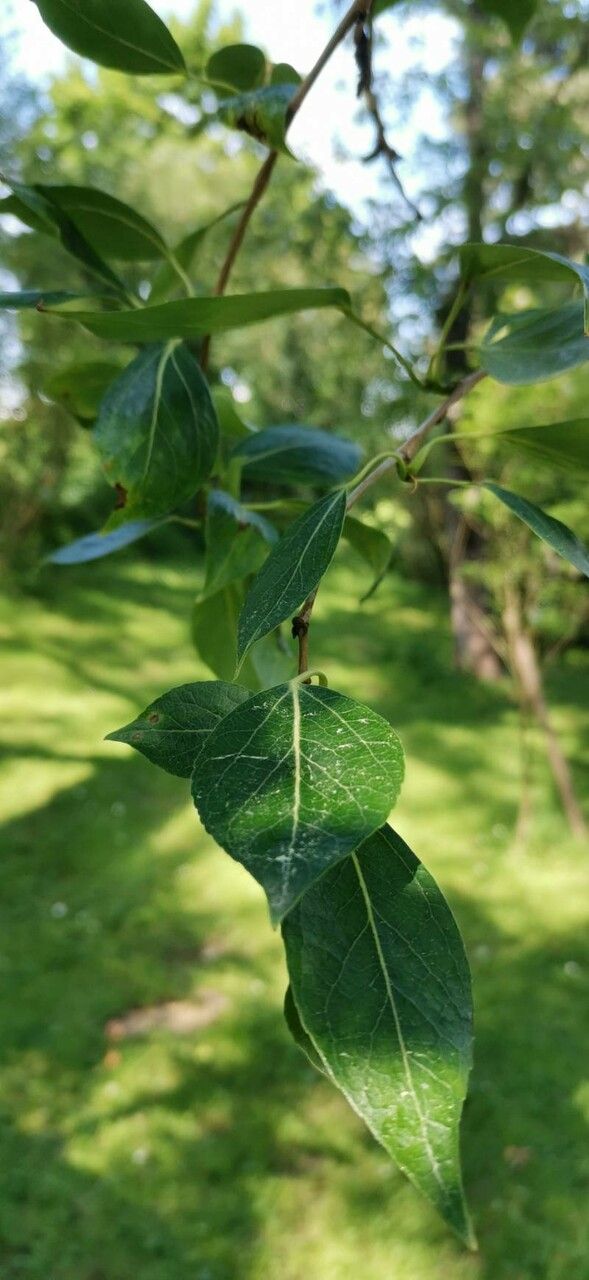
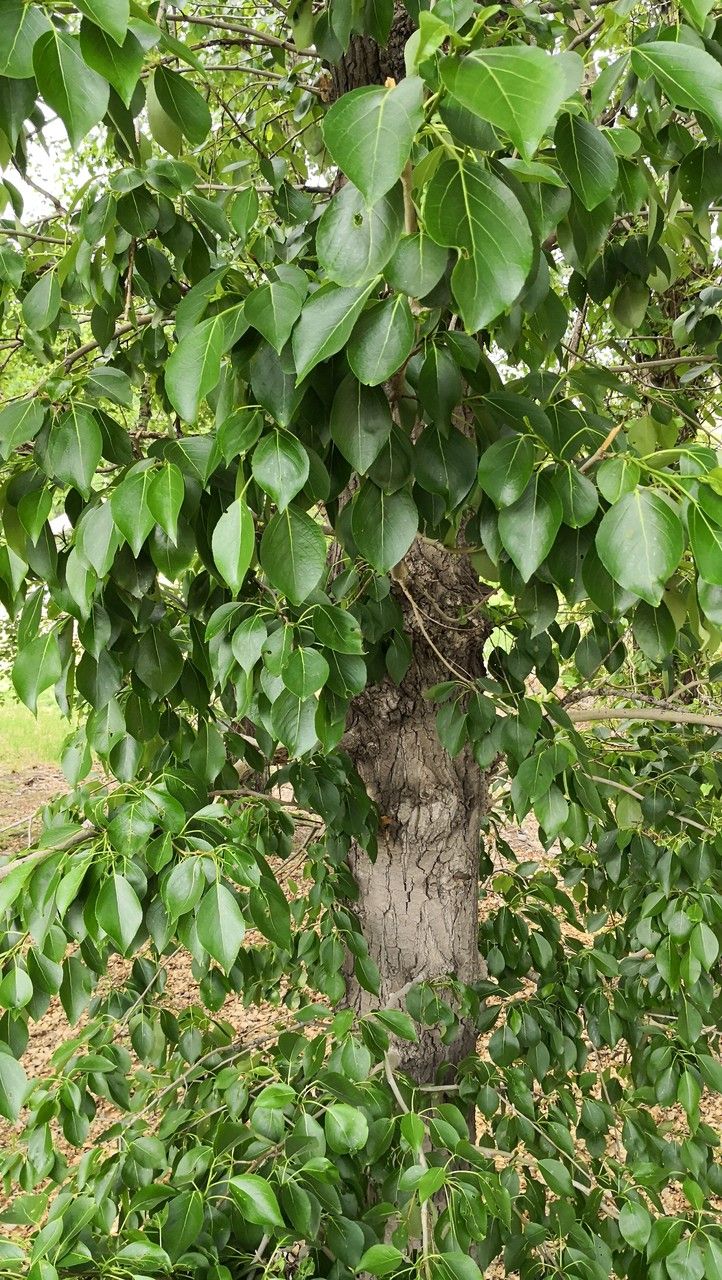
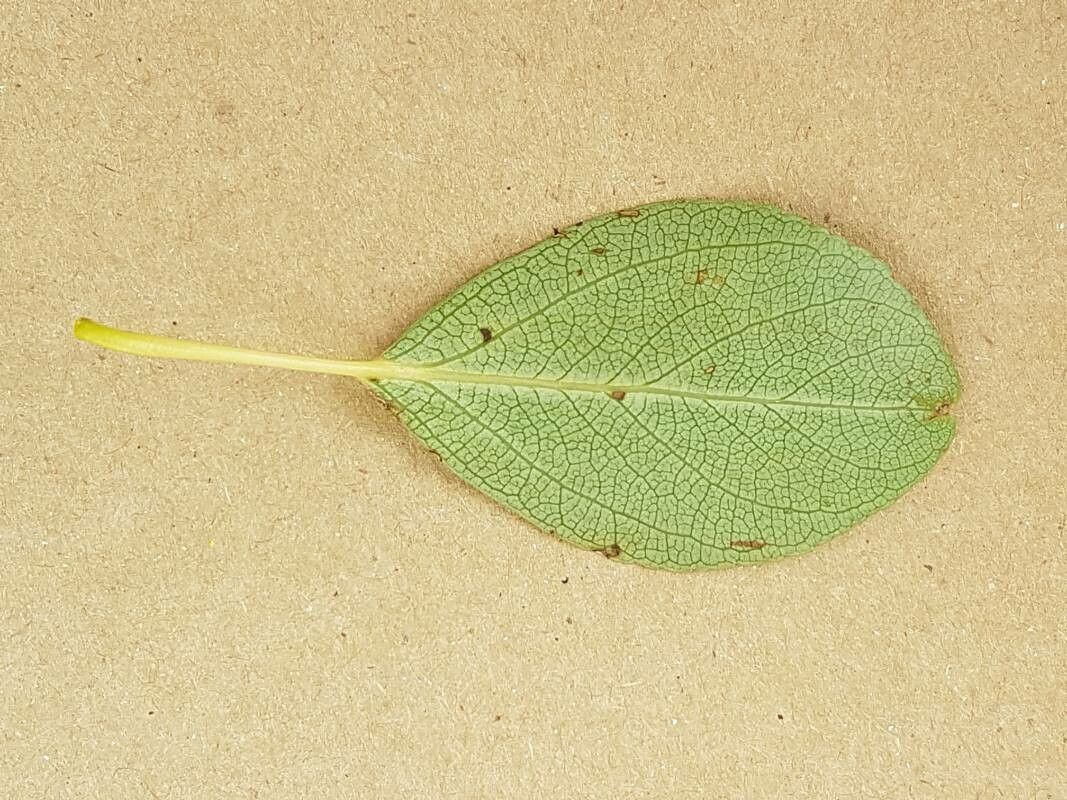
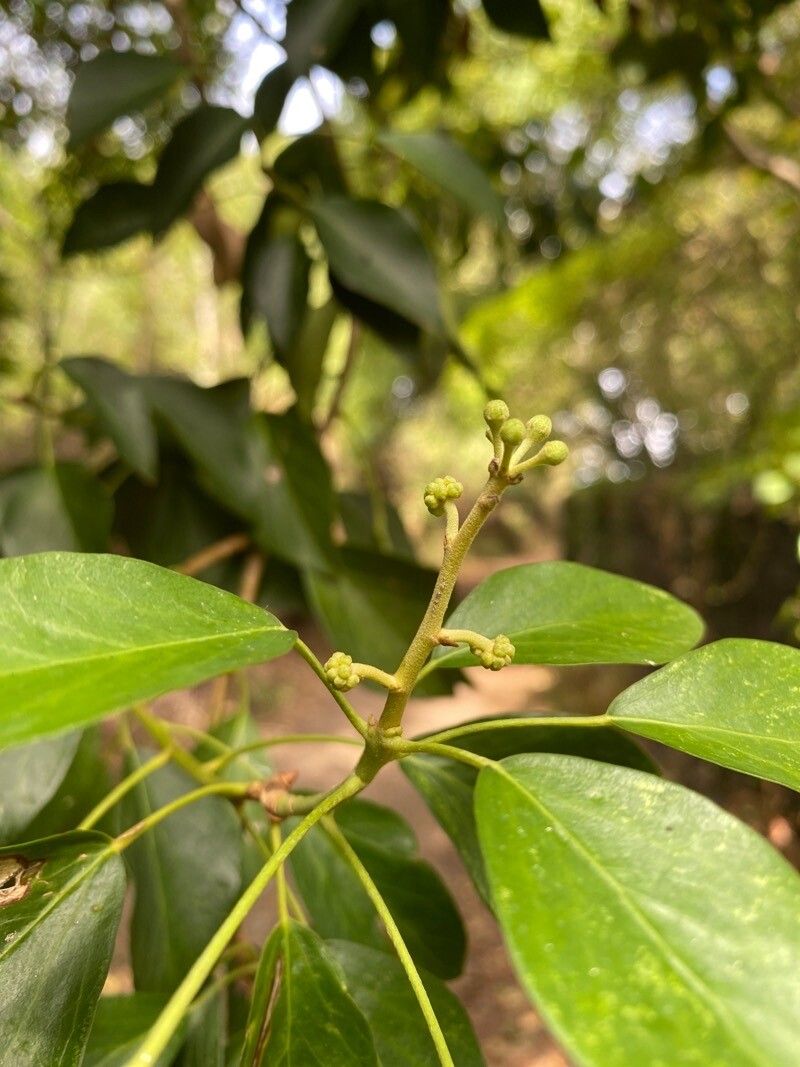
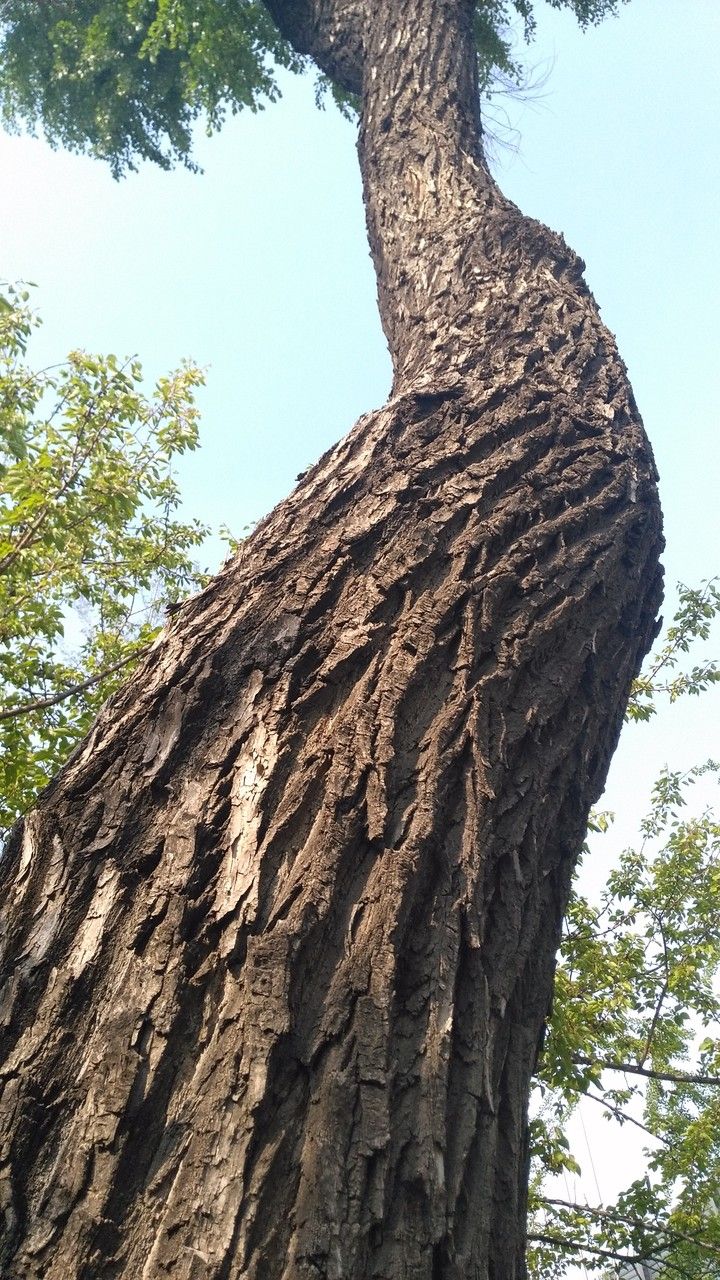
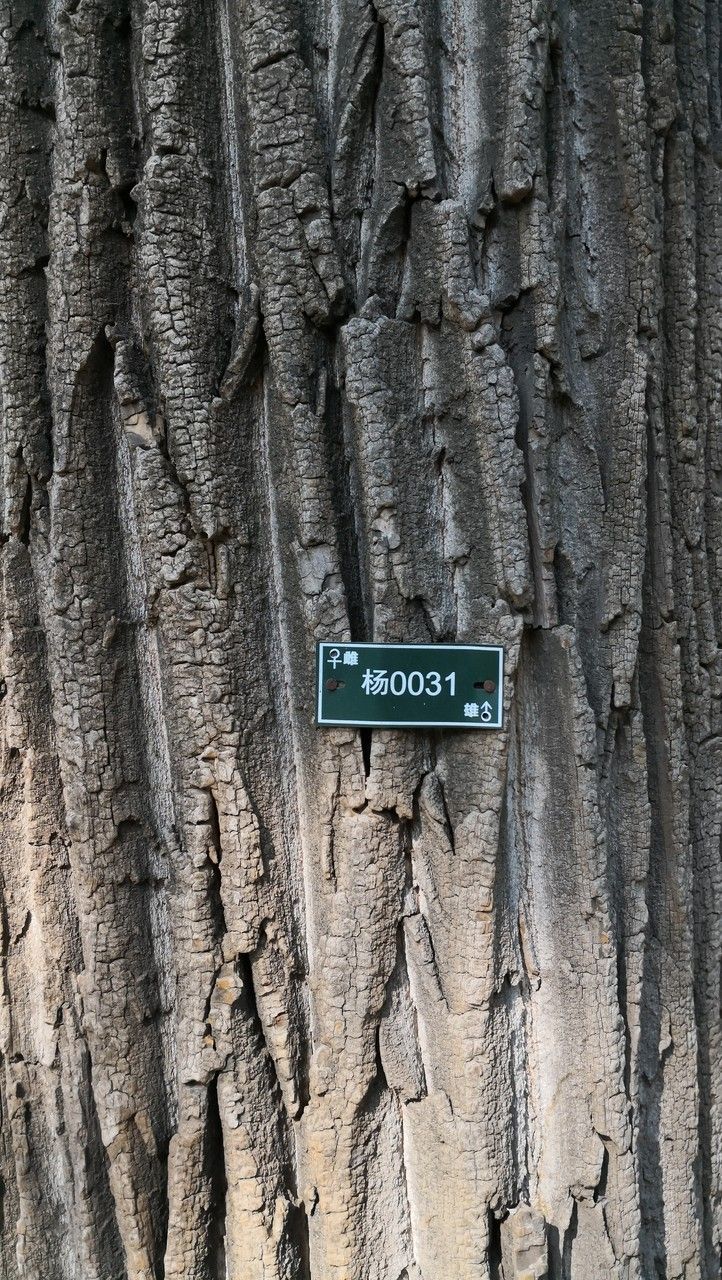
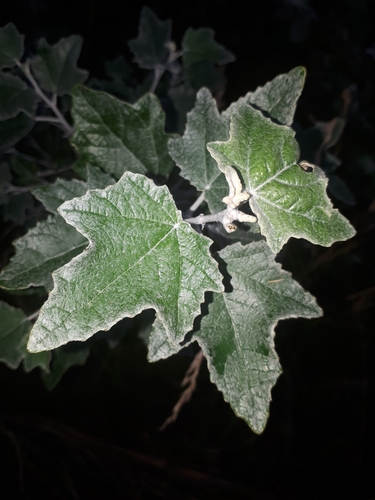
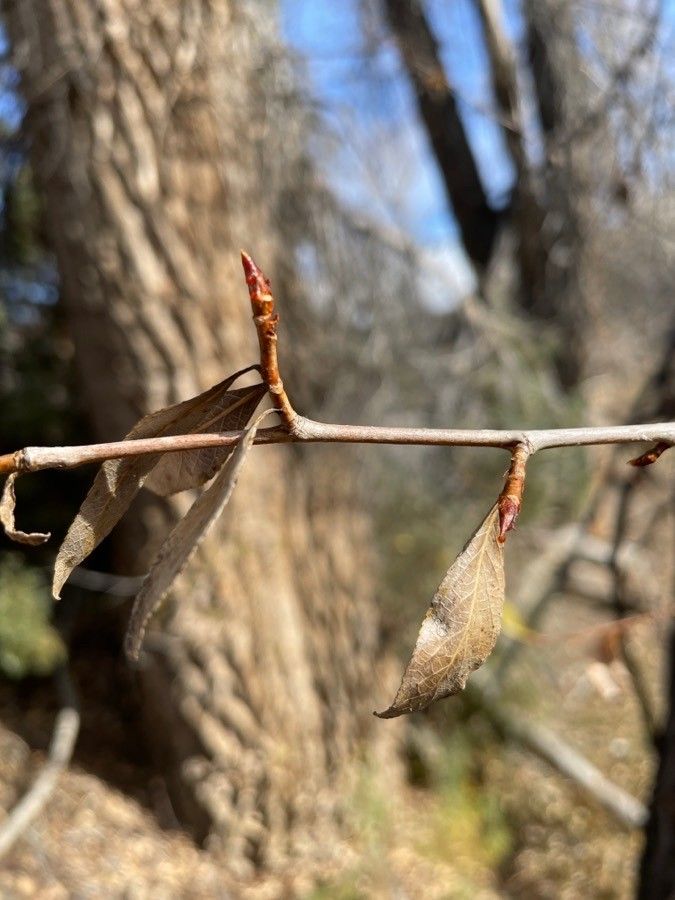
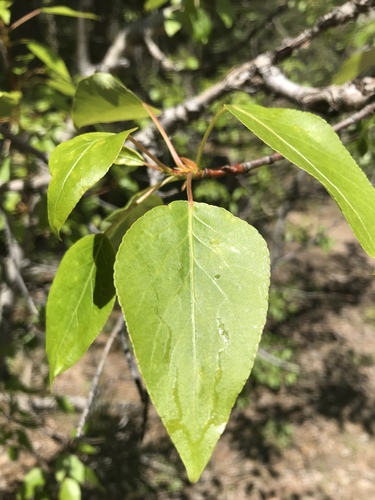
Populus simonii, Simon's poplar, Simon poplar, or Chinese cottonwood, is a species of poplar native to northeast China and to Mongolia, and commonly planted as a street tree in cool temperate areas of Europe. There have been introductions into North America, South Africa, Australia and New Zealand.
Simon's poplar is resistant to disease and generally not susceptible to illnesses. In terms of care, this plant is fairly low-maintenance. When grown outdoors it needs only light watering, and bigger specimens typically do not require pruning. Smaller plants, however, should be pruned after they finish blooming. Simon's poplar is suitable for anyone with outdoor space, such as a garden or a deck, and does not demand much prior gardening experience.
How to keep Populus Simonii.
Light
Simon's poplar favors prolonged exposure to sunlight, though it can endure moderate sun. Native to regions with abundant daylight, the tree grows better in sun-filled conditions for healthier development. A lack of light can impede its growth, while excessive sun may cause leaf discoloration.
Water
Simon's poplar, a tree native to cold regions, thrives with infrequent watering and moderate humidity, and it can withstand short periods of drought. For optimal growth, it should be watered every 1-2 weeks. Being a deciduous tree, it adapts to seasonal changes by shedding its leaves in response to colder temperatures and reduced water availability.
Temperature
Simon's poplar originates from cooler regions and needs temperatures of 32 to 77 °F (0 to 25 ℃) for optimal growth. During warmer months, keep conditions cooler, while in cold months make sure it receives enough warmth.
Fertilizer
To encourage healthy growth, apply fertilizer to your Simon's poplar in early spring. Consistent feeding boosts the tree's overall health, producing vigorous growth, greater resilience in difficult conditions, and improved resistance to pests and diseases. Keep to a specific fertilization routine for your Simon's poplar to preserve lively foliage with rich color and a lush look.
Pruning
Simon's poplar is known for its upright growth and attractive foliage. To maintain its shape and encourage new growth, prune it in early spring. Be sure to remove any dead or crossing branches. This process not only improves air circulation but also enhances the structure of the plant. Additionally, making clean cuts will promote faster healing.
Pot & Repot
When you repot Simon's poplar, pick a container 1–2 inches (2.5–5.1 cm) larger that provides good drainage. Use a well-draining potting mix. Repot in spring or fall, making sure the root ball sits slightly below the rim of the flower pot. Water thoroughly after repotting and place it in a warm spot with indirect sunlight.
Botanical profile.
- Plant Type
- Tree
- Life Cycle
- Perennial
- Genus
- Populus
- Family
- Salicaceae
- Hardiness Zone
- 2-5
- Mature Height
- 29.87 m
- Mature Spread
- 2.13 m to 6.1 m
- Leaf Color
- Green, Dark Green
- Leaf Type
- Deciduous
- Flower Color
- Yellow, Green
- Bloom Time
- Early spring, Mid spring
- Planting Time
- Spring, Summer, Autumn
- Harvest Time
- Late spring, Early summer
- Native Area
- Koppen, South Korea, Mongolia, China
Other names.
Reader questions.
What's the easiest way to water my Simon's poplar tree?
To ensure excellent root development, place a garden hose at the base of the plant instead of directly spraying the leaves. If the plant is outdoors and exposed to direct sunlight, keep in mind that the leaves will require more watering. One option is to use bubblers for each plant to keep the roots moist. Soaker hoses that cover the entire garden or bed can also be used to saturate the roots when adding or removing plants. After watering, make sure to drain any excess water and allow the soil to dry before watering again. To prevent diseases, it is best to water at ground level. On a sunny day, it may be beneficial to spray the entire bush with water. Whether the plant is potted or in the ground, remember that Simon's poplar prefers deep watering rather than light sprinkling.
Why should I add fertilizer to my Simon's poplar?
If you own any kind of Simon's poplar, regular fertilization is important for its overall health. Providing the right nutrients promotes stronger growth and helps the tree withstand challenging conditions, as well as fend off diseases and pests. Maintaining the attractive foliage of your Simon's poplar is essential, so it's crucial to follow a specific fertilization schedule to enhance leaf color and overall appearance.
What are the sunlight requirements for Simon's poplar?
Simon's poplar thrives in environments that provide extensive exposure to the sun, requiring above 6 hours of sunlight (full sun) for optimal growth. It can also adapt to conditions with about 3-6 hours of sunlight (partial sun). The plant originates from areas with ample daylight, significantly benefiting from a sun-soaked environment for healthier growth. Insufficient sunlight can lead to stunted growth and leaf discoloration, while excessive direct sunlight may also cause adverse effects.
What are the optimum growth conditions for Simon's poplar?
Simon's poplar, or Populus simonii, thrives in cooler regions with temperatures ranging from 32 to 77 °F (0 to 25 °C) for optimum growth. It is highly tolerant of cold weather and does not require additional frost protection measures during winter. However, to prepare for winter, it's recommended to water the plant generously before the first freeze in autumn to ensure the soil remains moist and enters a frozen state. This helps in preventing drought and water scarcity for the plant during the winter months and early spring.
What should I do if I give Simon's poplar tree too much or too little water?
If you overwater a Simon's poplar, its leaves may turn yellow, drop off, and wilt. The plant might look unhealthy with mushy stems. Adjusting your watering schedule is recommended when these signs appear. Wilting can also indicate under watering, with leaves becoming dry and crispy. If the soil is dry and watering alone is not enough, give the plant a thorough watering. Despite recovering with enough water, the plant may still have dry and yellow leaves due to root damage. Once the plant returns to normal, the yellowing leaves will stop. When keeping a Simon's poplar indoors, always check the moisture levels and avoid overwatering. Look out for black spots, and if present, let the soil dry out for a few days without watering. Overwatering can cause root rot, so consider transferring the plant to a different pot if you see discolored and slimy roots. Preventing root rot and avoiding excessively soggy soil is essential. When planting a Simon's poplar outdoors, dig a little deeper. If the soil feels too dry when checking with your fingers, it could indicate underwatering. Adequate watering is necessary for the plant's recovery.
When should I fertilize my Simon's poplar tree?
The best time to fertilize your Simon's poplar is in late winter or early spring. This will provide your tree with the necessary nutrients for healthy growth once the weather warms up. If you live in a warm climate region, it's also beneficial to give your Simon's poplar an additional fertilization in early fall. This will supply extra nutrients for the following growing season and help the tree be more resilient against winter cold. By fertilizing earlier, the new branches will have enough time to grow and withstand the harsh winter conditions.
What should be considered when using artificial lighting for indoor plants?
When natural sunlight is insufficient for indoor plants, artificial lighting becomes critical for promoting healthier growth. LED lights are recommended due to their ability to provide specific wavelengths needed by plants. For full sun plants, 30-50W/sq ft of artificial light is needed; partial sun plants require 20-30W/sq ft; whereas, full shade plants need 10-20W/sq ft. The light source should be placed 12-36 inches above the plant to mimic natural sunlight, ensuring that most plants receive 8-12 hours of light per day for optimal growth.
How does low temperature affect Simon's poplar and what are the solutions?
Simon's poplar can withstand extremely cold temperatures, but winter temperatures should remain above -40°C to avoid damage. If temperatures drop below this threshold, the plant's branches may become brittle and dry by springtime, and no new shoots will emerge. The solution for this issue is to prune away any dead branches in the spring that have failed to produce new leaves.
How frequently should I water my Simon's poplar tree?
To properly care for Simon's poplar, it is important to follow a few watering guidelines. When planted in pots, these trees need to be soaked with a gallon of water each time, as the limited water storage in pots causes the soil to dry out quickly. In colder regions, watering every 3 to 5 days is necessary. A good approach is to water in the morning when the soil is dry, both indoors and outdoors. You can check if watering is needed by examining the soil and giving it a full watering when the top 2-3 inches are dry. During hot days, it is advisable to monitor the soil moisture daily as the heat can cause it to dry out rapidly. For gardens, irrigation is also important. In hot climates, watering once a week should suffice, but it's important to look for signs of about 2 to 3 inches of dry soil both indoors and outdoors before watering. If there is significant rainfall, additional watering may not be required to prevent root rot. It is best to add mulch about 3 to 4 inches deep to conserve water when the trees are planted outdoors. The frequency of watering may need to be increased in sandy soil, as it tends to drain faster. Conversely, clay soil requires less frequent watering, with intervals of 2-3 days to allow the plant to dry out and prevent root rot. Keeping track of watering dates on a calendar can be helpful, and if you notice the leaves starting to droop, it may be an indication that watering is overdue.
When is the best time to not put fertilizer on my Simon's poplar?
There are specific times during the year when you should avoid fertilizing your Simon's poplar. The first period is in early and mid-winter when the tree is dormant and does not require feeding. It is also not recommended to fertilize during late spring and summer when the weather is hotter and dryer. These conditions increase the risk of a negative response to fertilization. To prevent any problems, it is advisable to follow a fertilization schedule that only includes feeding in early spring and early fall.
What are common symptoms of light deficiency in Simon's poplar?
Simon's poplar may exhibit symptoms of light deficiency, including smaller new leaves, leggy or sparse growth, faster leaf drop, slower or no new growth, and the appearance of lighter-colored or yellow leaves (chlorosis). Excessive sunlight exposure can lead to sunscald, leaf curling, wilting, and leaf scorching, indicating damage to the plant. These symptoms reflect the plant's struggle with inadequate or excessive light, affecting its ability to photosynthesize and maintain health.
What problems can high temperatures cause for Simon's poplar, and how can they be mitigated?
Simon's poplar is sensitive to high temperatures, and when the temperature exceeds 25°C, it may experience significant leaf drop. In extreme cases, the plant could wither and die. To mitigate high temperature stress, trim away sunburned and dried-up parts of the plant. Moving the plant to a cooler location or providing shade during the midday and afternoon sun can also be beneficial. Watering the plant in the morning and evening can help keep the soil moist and further protect the plant from the heat.